

2021年是充满挑战的一年,更是硕果累累的一年。在新冠肺炎疫情持续肆虐的背景下,INBAR携手成员国、区域和国际合作伙伴砥砺前行,卓有成效地推进全球竹藤事业的繁荣发展。国际竹藤组织2021年度报告从全球竹藤政策宣介与推广、知识共享与经验借鉴、区域竹藤产业推进与发展、实地研究与政府支持等四方面对全年工作和成果展开了叙述。
2020 年中国竹藤产品进出口贸易总额达 23 亿美元,其中,出口贸易总额为 22.7 亿美元,竹产品进出口贸易总额为 22.1 亿美元,藤产品进出口贸易总额约 0.9 亿美元。
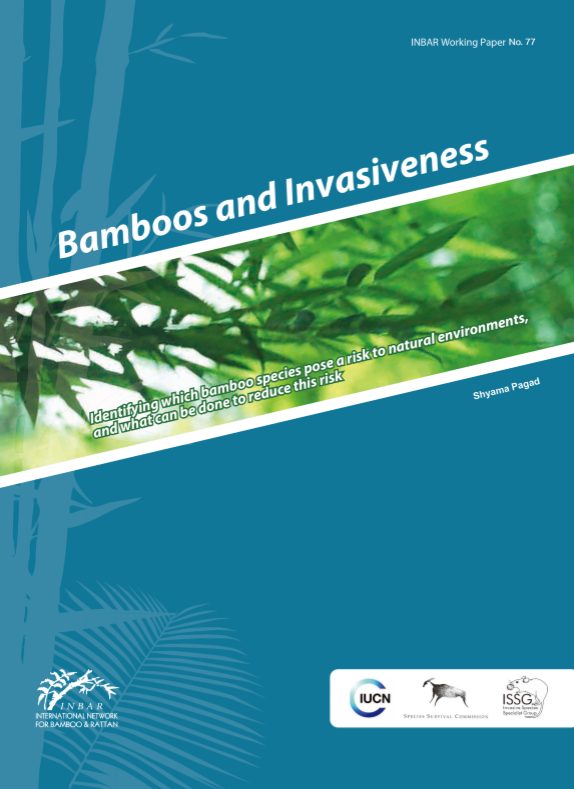
This study identifies the bamboo species known to pose a risk and the strategies that countries can adopt to mitigate this risk. Information was gathered through a comprehensive literature review and consultations with bamboo experts worldwide. The result is a practical resource that offers countries useful information on best practices and lessons learned, and a […]
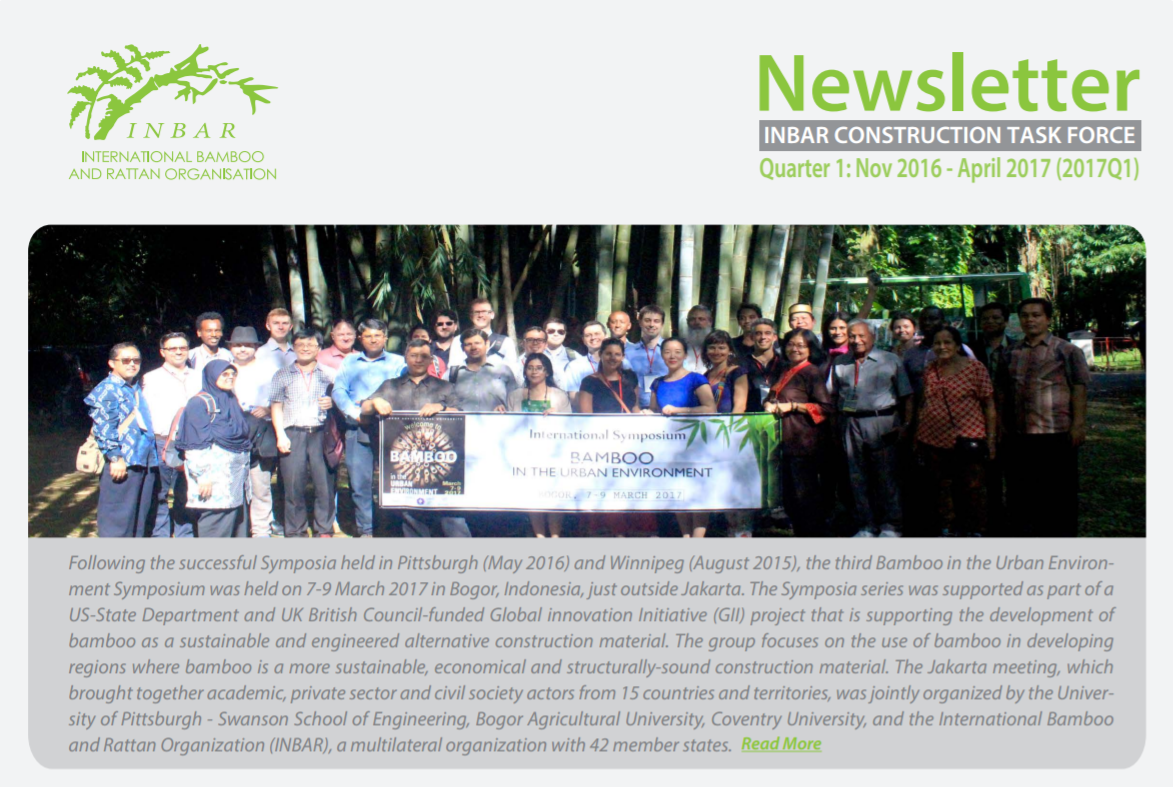
Since its establishment in 2014, the INBAR Construction Task Force has successfully built an effective mechanism to develop international standards, disseminate bamboo building knowledge and support global coordination on sustainable bamboo construction. The INBAR Construction Task Force Newsletter aims to share the latest research, project and publication information related to the key experts of the […]
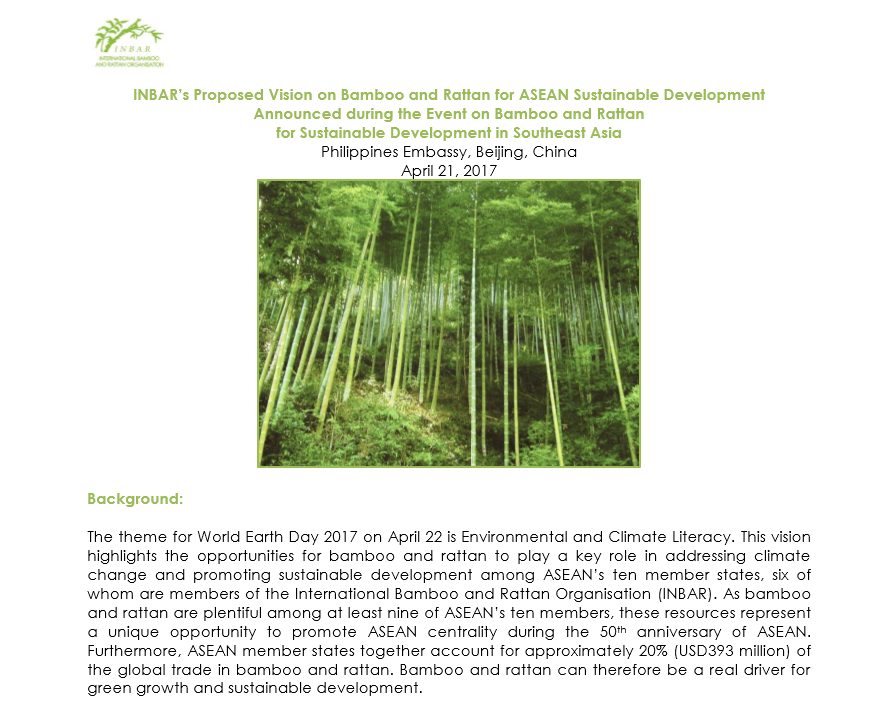
This Vision highlights the opportunities for bamboo and rattan to play a key role in addressing climate change and promoting sustainable development among ASEAN’s ten member states, a majority of whom are members of INBAR and are bamboo- and rattan-producing countries.

Un informe que cubre la alta tolerancia del bambú a las cargas sísmicas, cómo se pueden construir casas de bambú para que sean resistentes a los terremotos y cómo garantizar que las casas construidas con bambú tengan una durabilidad duradera. El informe también cubre la disponibilidad de suministros de bambú y cómo podrían mejorarse.
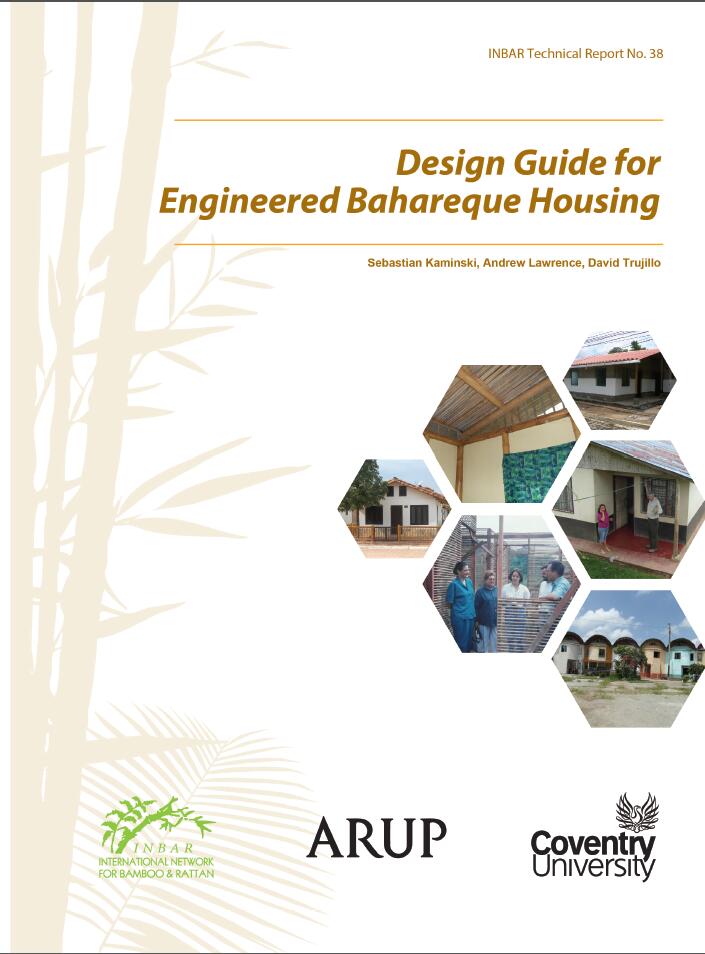
This technical report is intended to be used by architects and engineers at both concept and detailed design. It is intended as a guide for designing and constructing engineered bahareque housing in both developed and developing countries around the world. The report provides guidance on design for sustainability, durability, fire, and structural (wind and earthquake) […]

Currently, grading of bamboo is not implemented in a standardised or systematic manner, if at all. In partnership with the International Organization for Standardization, Coventry University and INBAR are drafting a grading standard. This INBAR Working Paper presents research into potential grading methodologies for one species of bamboo – Guadua angustifolia Kunth – and recommends criteria […]
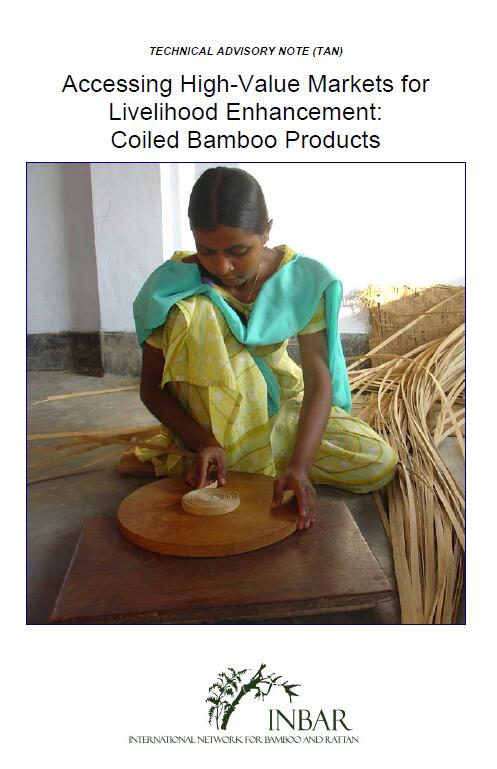
In Tripura, an ARS programme established by INBAR in 2002 has successfully developed technology for coiled bamboo handicrafts that enables rural artisans to engage in high valueadded production. The technology uses simple hand tools, processing machines and jigs to produce unique handicraft pieces with aesthetically pleasing finishes. At the local level, the Tripura Bamboo and […]
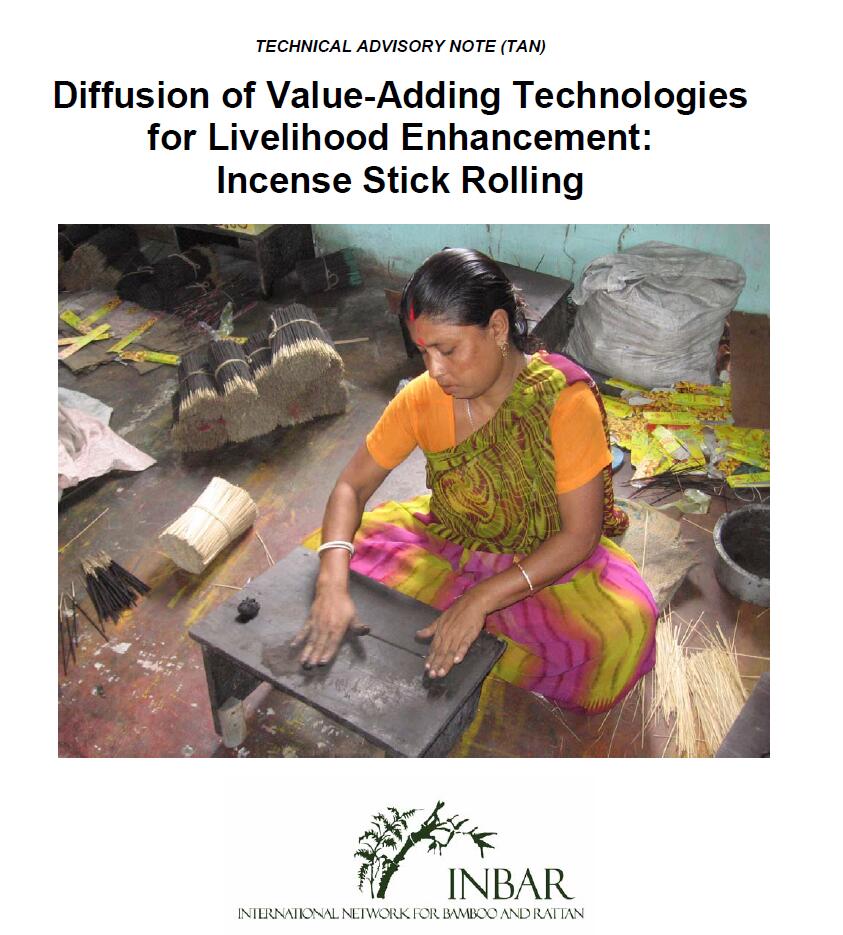
In 2002, INBAR set up an Action Research Site (ARS) in Tripura, India to develop bamboo processing and production techniques that utilize local resources for the establishment of rural enterprise. Since 2005, the programme has focused primarily on high value-added incense stick production, training poor, marginalized rural women to hand-roll incense paste (masala) onto bamboo […]
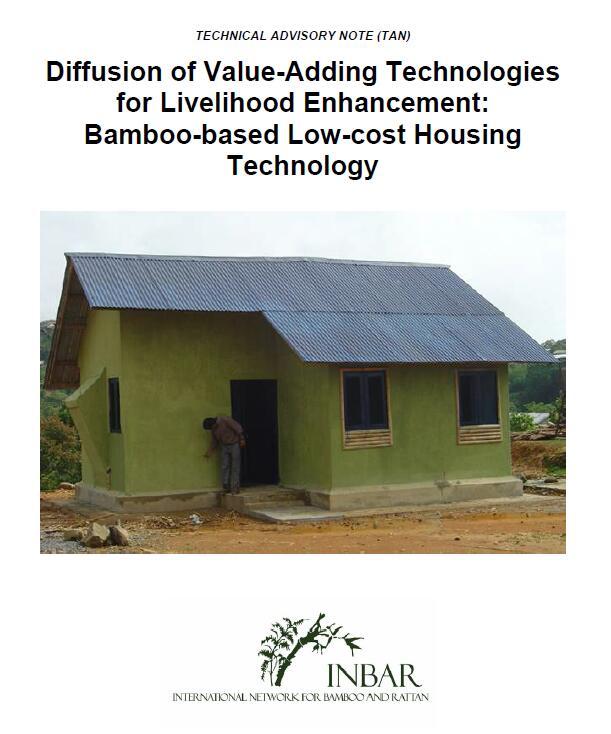
In Tamenglong district, Manipur, India, an ARS programme, established by INBAR in 2002, has successfully developed a technology that enables rural communities to produce high-quality, low-cost housing using local bamboo resources. The project uses simple production techniques, which rely on the gradual transfer of weight from top to ground, enabling rural communities to participate directly […]
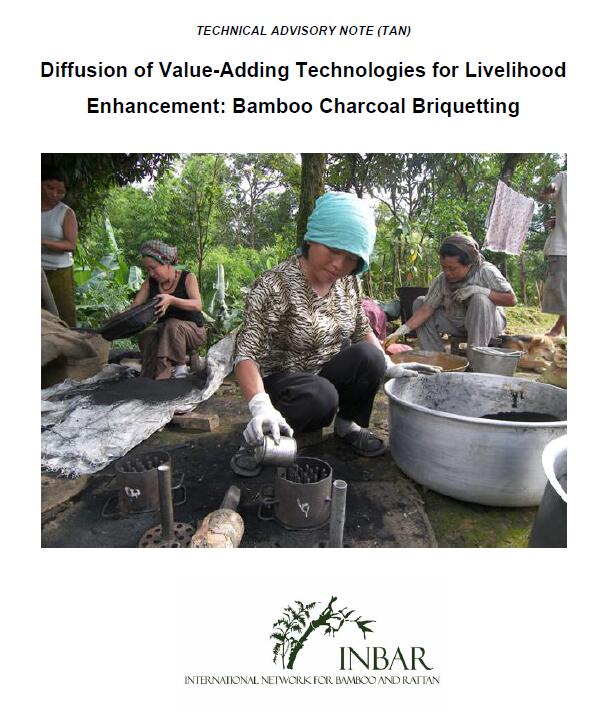
In Tamenglong District, Manipur, India, an ARS programme, established by INBAR in 2002, has successfully developed processing technology, which enables rural communities to produce bamboo charcoal briquettes. The technology uses modified oil drum kilns to produce powdered bamboo charcoal, which is then mixed with binders and moulded into briquettes. The project benefits rural communities in […]

