

2021年是充满挑战的一年,更是硕果累累的一年。在新冠肺炎疫情持续肆虐的背景下,INBAR携手成员国、区域和国际合作伙伴砥砺前行,卓有成效地推进全球竹藤事业的繁荣发展。国际竹藤组织2021年度报告从全球竹藤政策宣介与推广、知识共享与经验借鉴、区域竹藤产业推进与发展、实地研究与政府支持等四方面对全年工作和成果展开了叙述。
2020 年中国竹藤产品进出口贸易总额达 23 亿美元,其中,出口贸易总额为 22.7 亿美元,竹产品进出口贸易总额为 22.1 亿美元,藤产品进出口贸易总额约 0.9 亿美元。
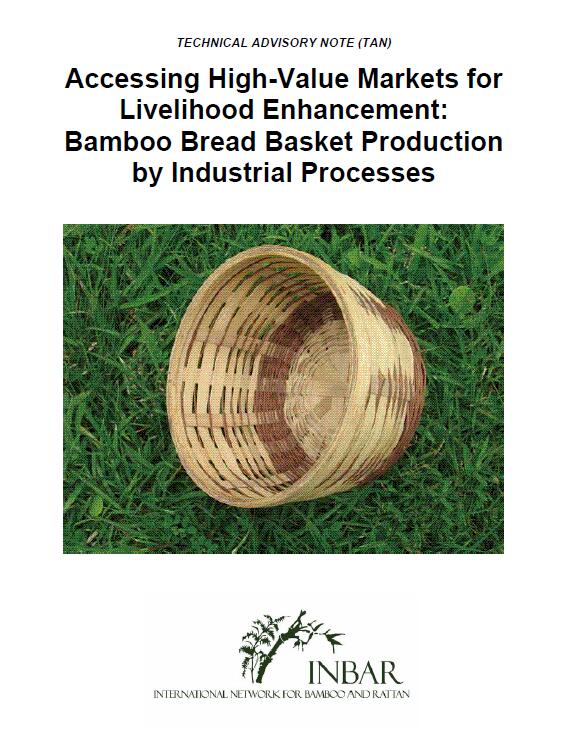
In Kudal, Sindhudurg district, Maharasthra, KONBAC, an INBAR-established community-based NGO, has organized a women’s self-help group (SHG) to produce industrial handcrafted bread (roti) baskets. These roti baskets, which are woven from machine-processed bamboo raw materials, are superior to traditional handicraft baskets, in terms of both quality and aesthetic value. The project has enabled rural women […]
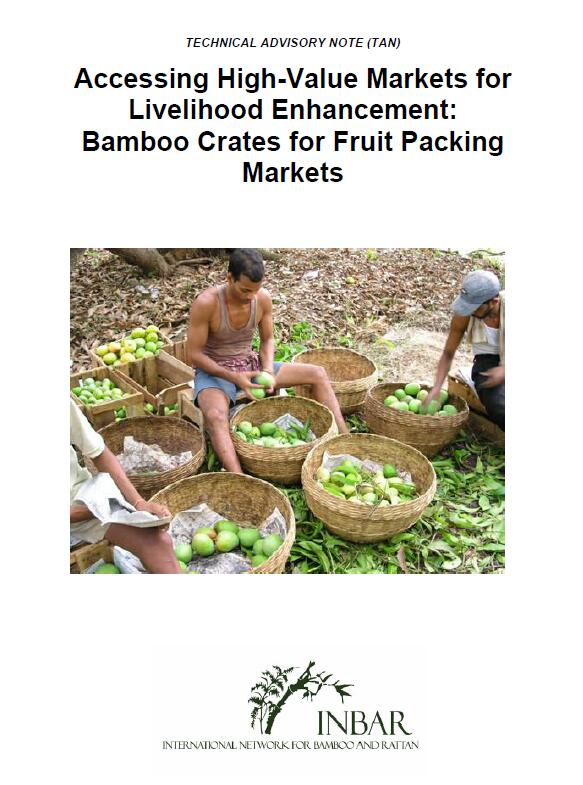
In Kudal, Sindhudurg district, Maharasthra, KONBAC, an INBAR-established community-based NGO, has successfully developed bamboo packaging for the local mango fruit market. The crates, which were designed in consultation with mango growers, are made locally, using simple technology and processing techniques. Through the pilot production phase (2005-07), two work units have been established, providing livelihoods to […]
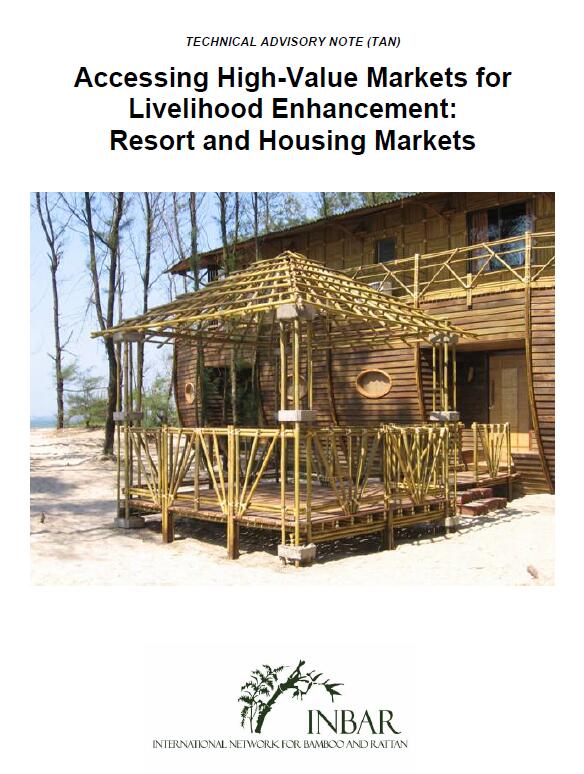
In Konkan, Maharasthra, India an INBAR ARS programme has successfully established a bamboo construction enterprise, which targets the nearby tourism and beach resort market in Goa. In a two-year period, the enterprise has recorded sales of US$ 225,000. At the local level the project is implemented by KONBAC, a INBAR-established community-based NGO. KONBAC also works […]
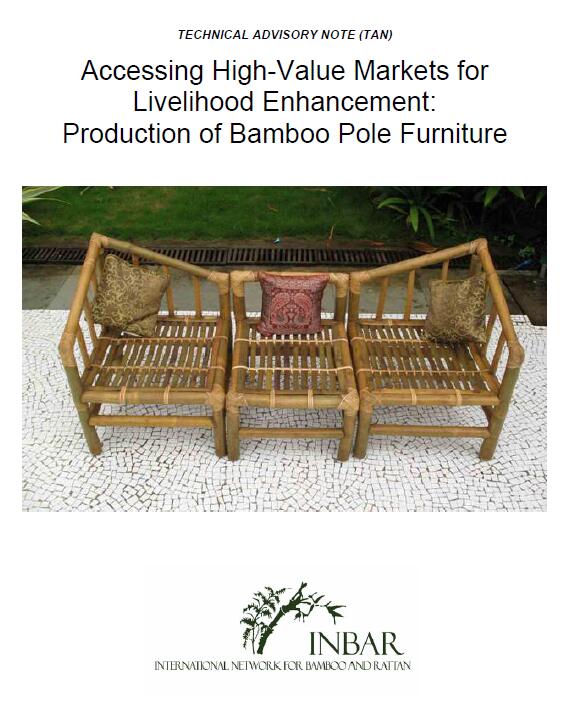
In Konkan, Mahrashtra State, India, an ARS programme established by INBAR in 2002, has successfully set up a community-based furniture production unit, which makes high-quality aesthetically pleasing round-pole bamboo furniture. The furniture is currently sold to high-end hotels and resorts operating in the Goa tourist region, generating monthly incomes of US$100 for local artisans. At […]
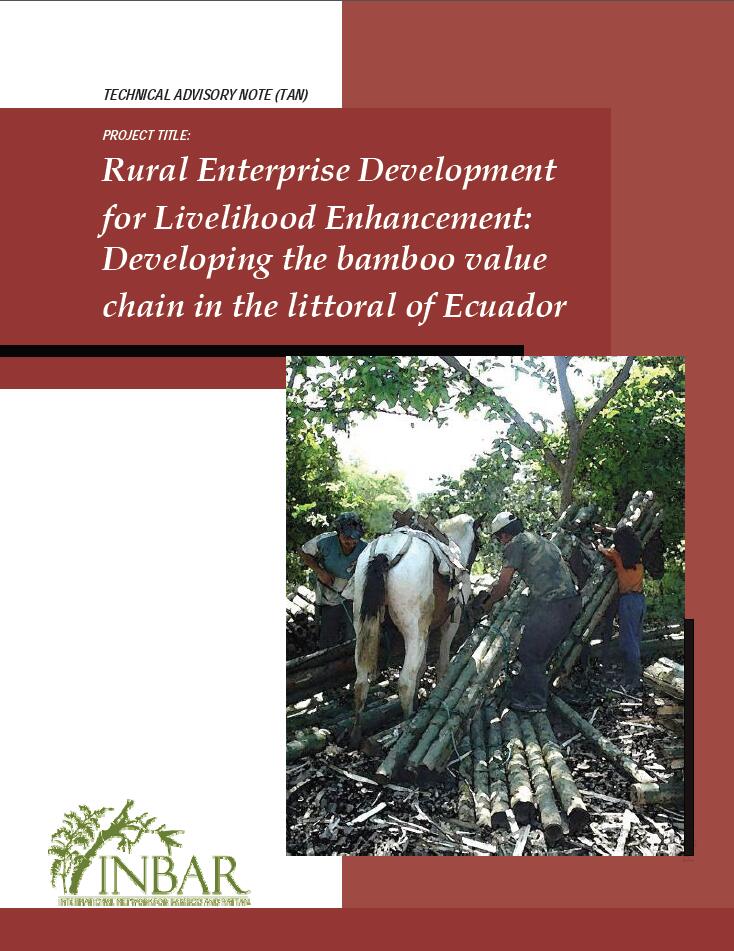
Between 2003 and 2008, INBAR and local partners have implemented bamboo action research in several of Ecuador’s least developed areas, with the aim of promoting bamboo as an alternative source of income for poor rural households. The programme has focused on developing and validating pro-poor, bamboo technologies in Latin America, disseminating research findings and best […]
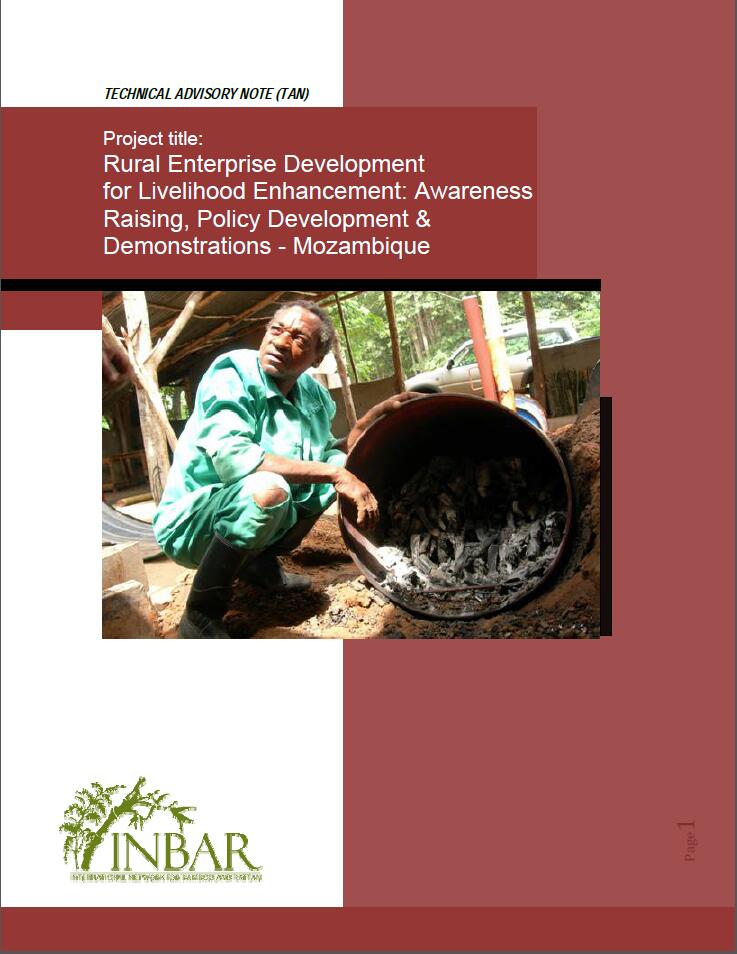
In 2004/05, as part of IFAD grant 774, INBAR began to undertake action research in Mozambique to replicate technologies and knowledge, which were developed in other countries and regions under IFAD grant 518 (2001-2004). Initial action research was focused on evaluating bamboo resources in Mozambique, providing policy recommendations, building stakeholders bamboo propogation capacity, and validating […]
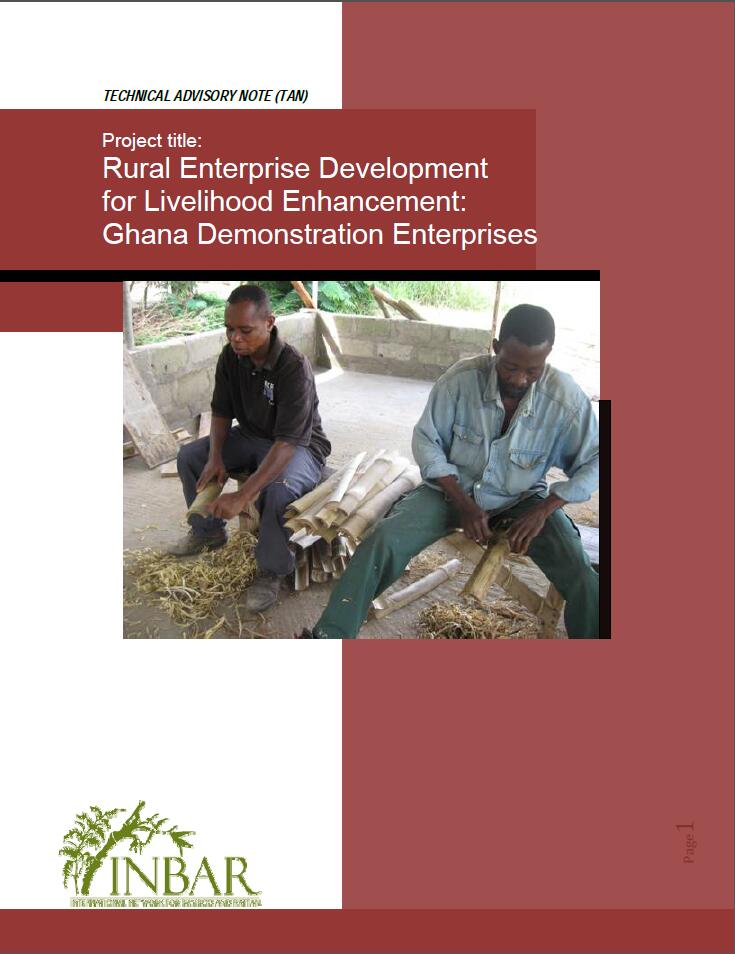
The INBAR Action Research Site (ARS) programme in Kumasi, Ghana, was established in 2004 to demonstrate the potential that bamboo has to provide livelihoods for income generation. The ARS works through demonstration enterprise, which enable more effective and wider application of bamboo technologies to allow the rural poor to produce and process bamboo more effectively […]
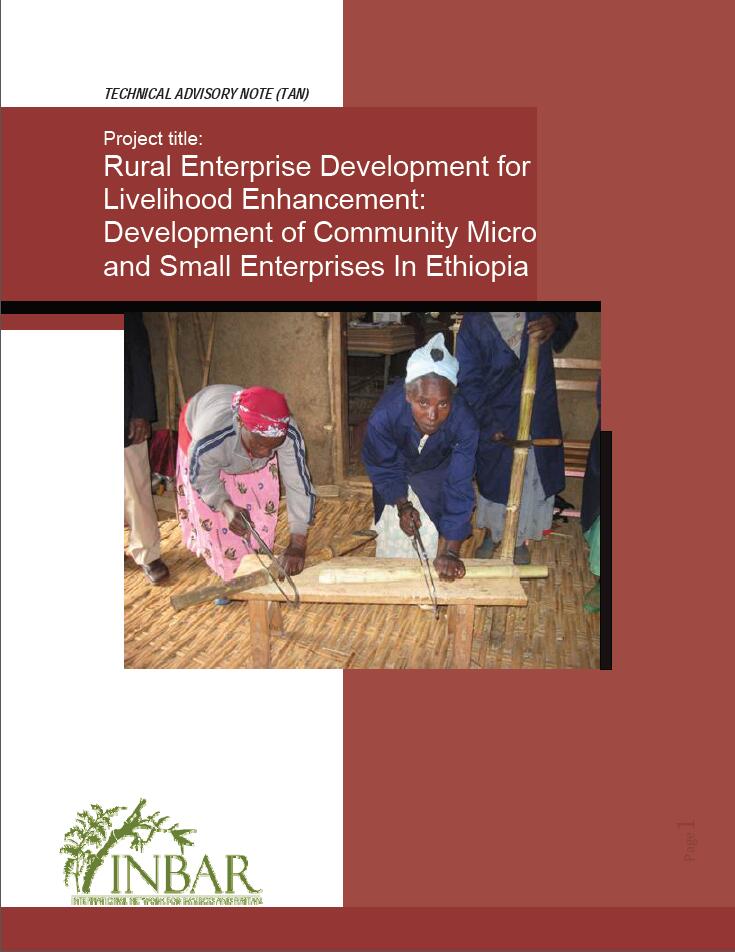
The overall goal of INBAR’s Action Research Site programme in Bule village, Awassa, South Nations Nationalities and Peoples Regional State, Ethiopia is to develop rural community micro and small enterprises that utilise local bamboo resources for livelihood development. As the programme is still in the development phase, the main objectives have been to a) raise […]
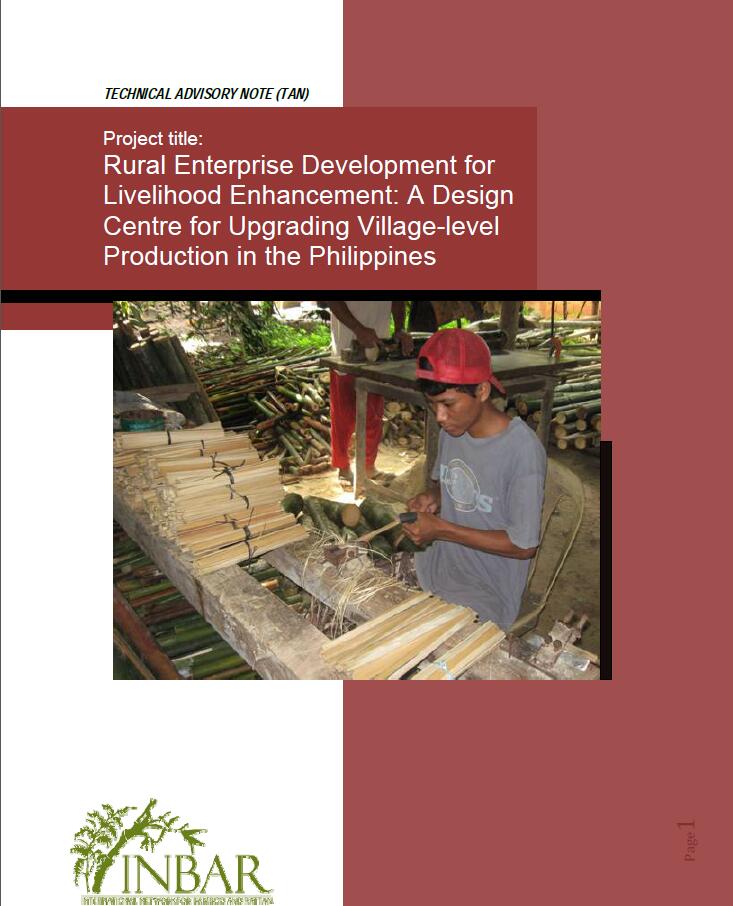
The Community Enterprise Development Project, also known as the “Design Centre Philippines”, was set up by INBAR to develop new processes for bamboo component and product production. The project has focused on promoting village-level production and alleviating rural poverty. To achieve this, the project has veered away from heavy capital investment in machinery. This has […]
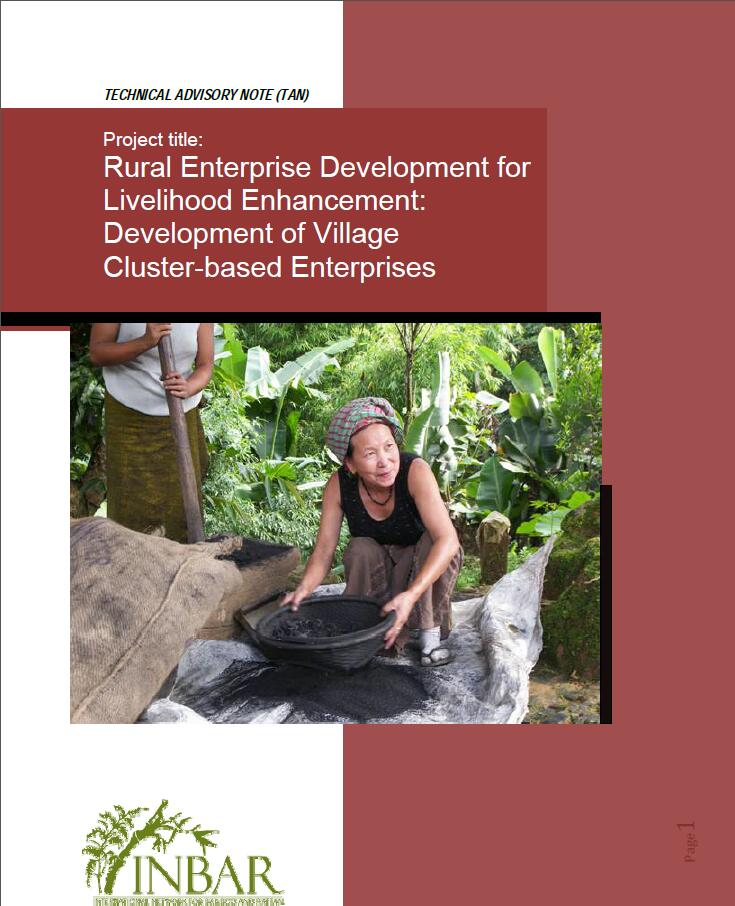
The overall goal of INBAR’s Tamenglong ARS programme in Manipur, India is to develop village cluster-based enterprises that utilise local bamboo and rattan resources for livelihood development. The specific objectives of the programme are to a) develop pro-poor bamboo and rattan processing and production technology, b) create community institutional systems to manage and protect local […]

