

2021年是充满挑战的一年,更是硕果累累的一年。在新冠肺炎疫情持续肆虐的背景下,INBAR携手成员国、区域和国际合作伙伴砥砺前行,卓有成效地推进全球竹藤事业的繁荣发展。国际竹藤组织2021年度报告从全球竹藤政策宣介与推广、知识共享与经验借鉴、区域竹藤产业推进与发展、实地研究与政府支持等四方面对全年工作和成果展开了叙述。
2020 年中国竹藤产品进出口贸易总额达 23 亿美元,其中,出口贸易总额为 22.7 亿美元,竹产品进出口贸易总额为 22.1 亿美元,藤产品进出口贸易总额约 0.9 亿美元。

This document was prepared for the UN Convention to Combat Desertification to raise awareness about how bamboo can be included in national land restoration policies.
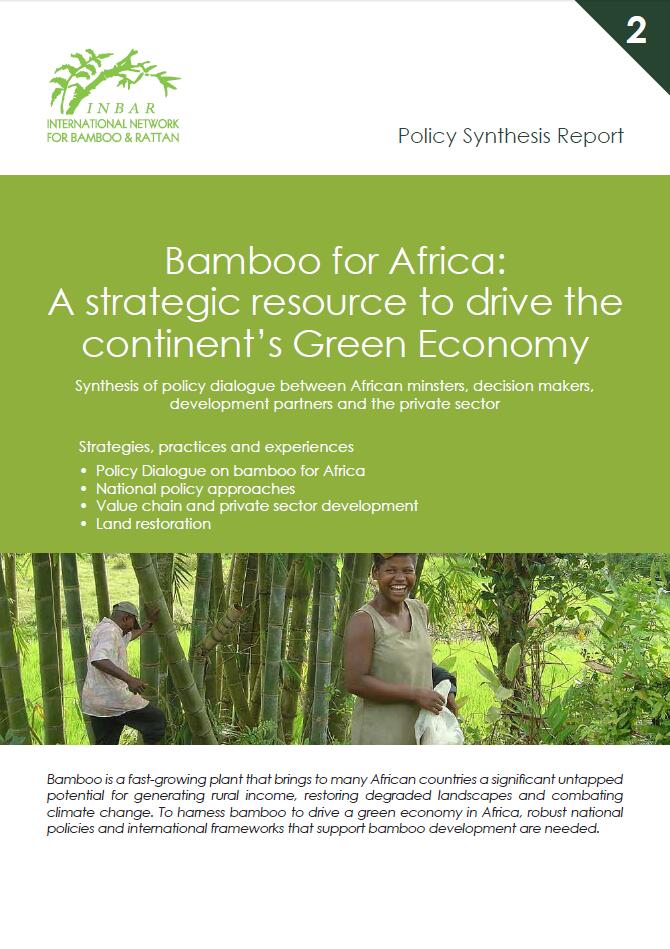
How can bamboo be integrated into Africa’s Green Economy? With so many advantages to offer, why is bamboo not on the countries’ development and Green Economy agendas as a tool to improve livelihoods and the environment? This was the key question addressed by the 200 policy makers, national planners, researchers and development professionals at the […]
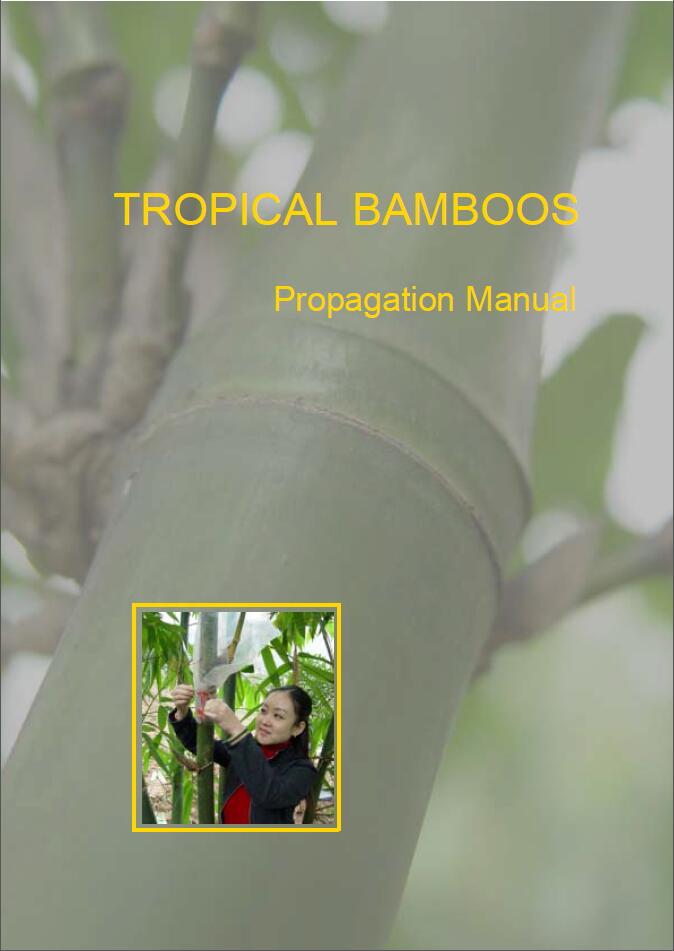
This manual describes seven methods of propagating tropical bamboo species.
This manual explains how to construct an emergency shelter using locally-available bamboo.
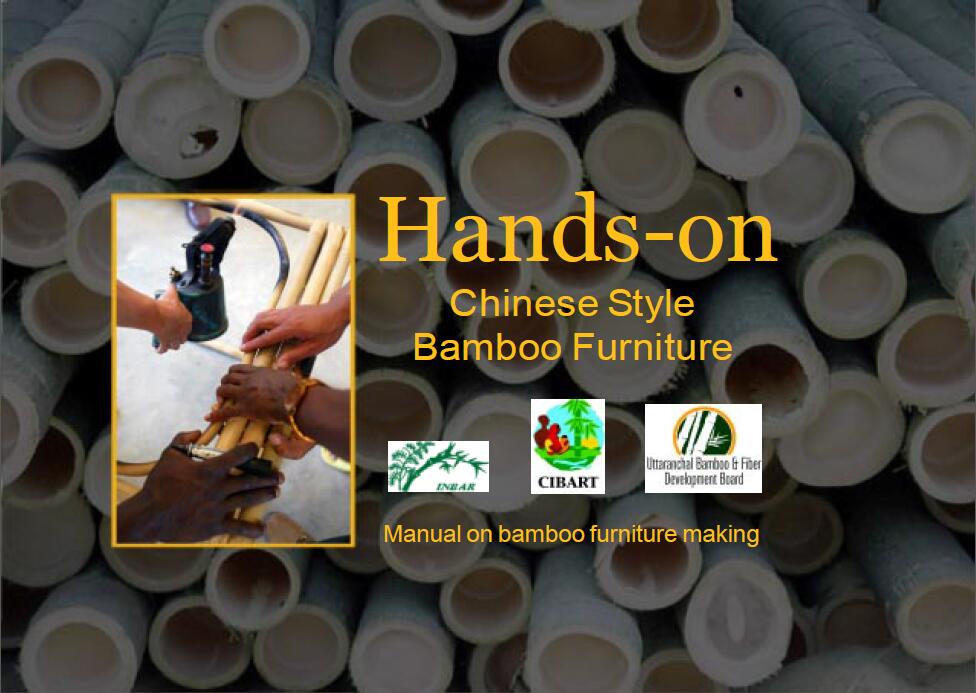
The basic technique of traditional furniture making in China is called “Yu”. This technique involves making a bent mortise which ties the different components together and forms a strong framework. This manual provides a practical step-by-step guide to producing Yu style furniture, from selecting the bamboos to use, to finishing and producing various additional design […]
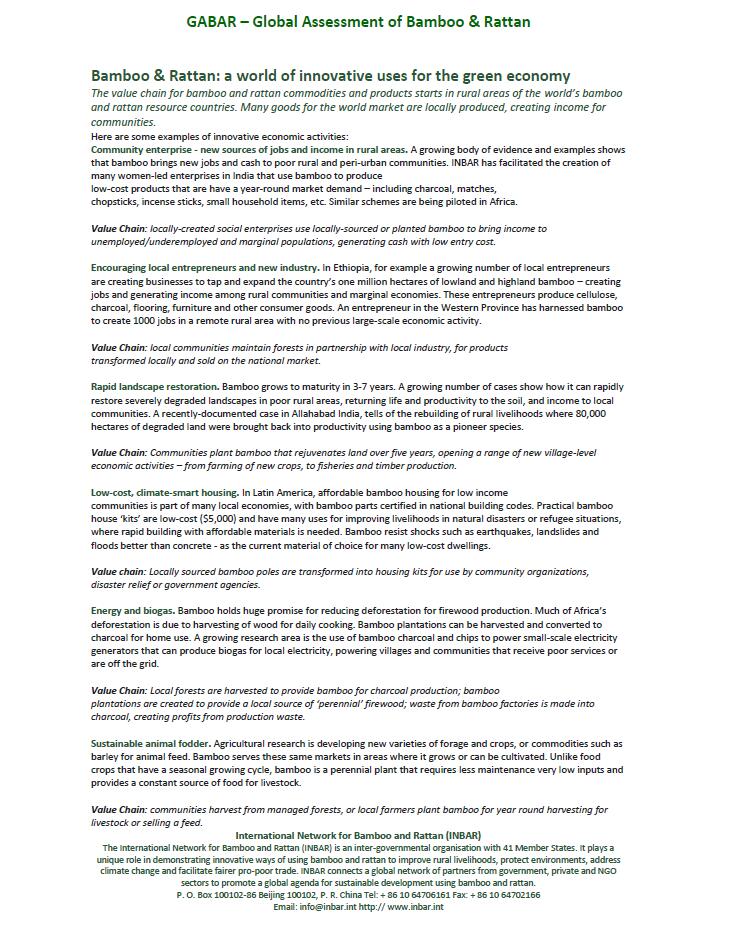
A statement from the Global Assessment of Bamboo and Rattan for green development to the World Forestry Congress in Durban on the potential of bamboo and rattan for rural communities in creating local economic growth, new income streams, regenerating degraded lands and forests.
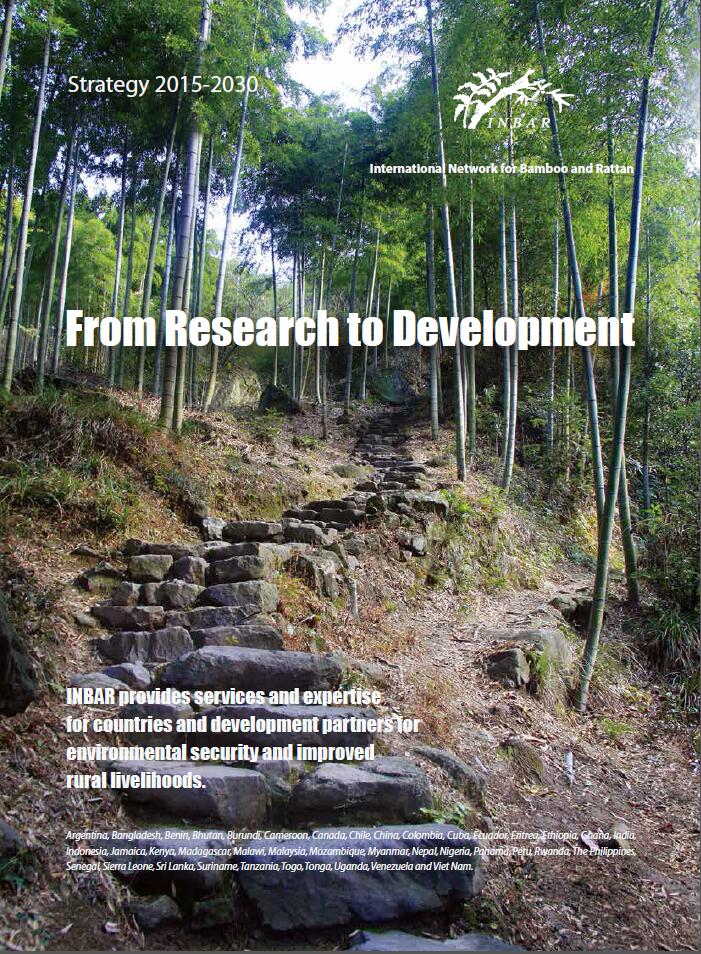
INBAR’s Strategy 2015-2030 aims to carry the message of the promise of bamboo and rattan as practical and economically attractive options in building sustainable solutions to the challenges of future development of producers and users of these products. The Strategy focuses on INBAR’s efforts in four main areas: policy shaping, representation and advocacy, knowledge sharing […]

This book explores contemporary design of bamboo products, and their relation to sustainability. It outlines the concept of sustainability and the basics of the bamboo plant, before delving into processing resources, infrastructure, and the various products bamboo is used to make.
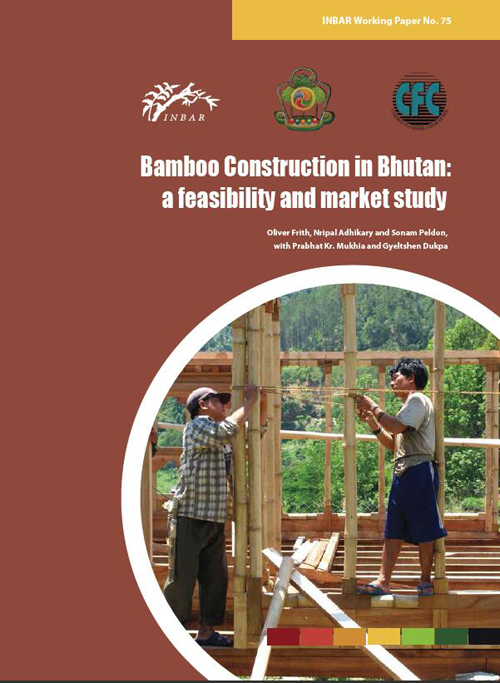
The study assesses potential structural market applications for unprocessed, round culm bamboo which is locally available and relatively inexpensive, and thus well-suited for applications in rural settlements. Although engineered bamboo panel and lumber products that have similar properties to equivalent timber products are produced in other Asian countries, such as India and China, and could […]
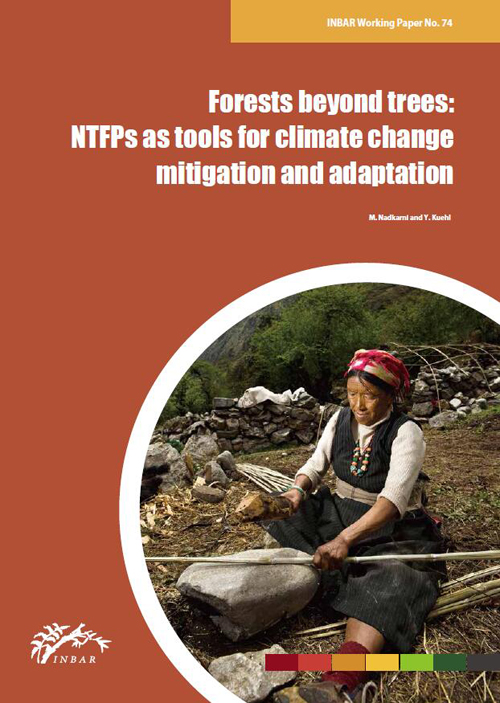
Non-timber forest products (NTFPs) contribute to livelihoods of about 2 billion poorest of the rural and urban poor, and are among the most valuable plant resources for present and future food security. They provide food, fuel, medicine and incomes, and keep traditional knowledge alive. NTFPs have an important role in forests and – consequently – […]

