International Bamboo and Rattan Organization

International Bamboo and Rattan Organization

Promote Bamboo Plantation for Bio-Energy and Other Livelihoods

India

2023
2024

Donors

Promote Bamboo plantation for bio-energy and other livelihoods

India has been responsible for almost 10% of the increase in global energy demand since 2000. Rapid industrialization through enhanced manufacturing base is one of the reasons for the same. Cement manufacturing sector is one of the major users of energy, especially fossil fuel among the manufacturing sectors in the country. Over exploitation of such non-renewal fossil fuel is posing serious climate concerns in the country. Bioenergy is a potential solution to address this issue and support strict climate mitigation targets.

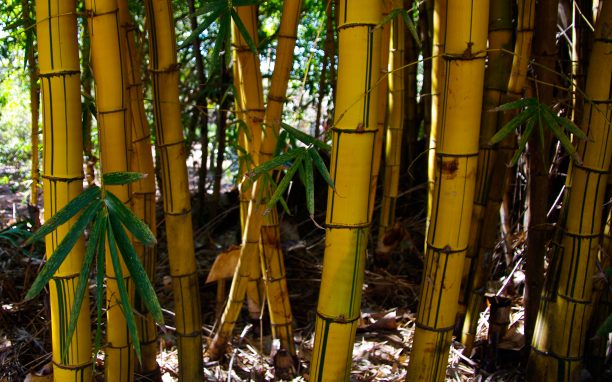
INBAR helping GiZ and Dalmia Cement’s joint efforts to replace the fossil fuel consumption in Dalmia’s cement’s plants and similar manufacturing units in the country by supporting scientific way of bamboo plantation, management, utilisation and supply. The initiative is focusing primarily on waste lands to revive it through bamboo plantation as energy crop. This will not only generate additional income to the farmers and help the manufacturing companies to achieve their green goals, but also provide various ecosystem services by restoring the degraded lands and address climate change issues.

It is envisaged that local communities will be encouraged and capacitated to undertake bamboo plantation under this initiative. Through the buyback commitment and pilot, the project will set an example of using bamboo as a biofuel by cement plants and other energy intensive manufacturing companies in the country and many other bamboo resource rich economies to help address climate challenges and enhance income of smallholder farmers.

Objectives

The objective of the project is to promote usage of bamboo as biofuel in the select cement plants of Dalmia Cement being operated by the company. Under this partnership local communities are encouraged and capacitated to undertake bamboo plantation.  The mature stems of bamboo will be procured by Dalmia Cements to be used as biofuel in its cement plants. It is envisaged that this initiative will lead to enhancing income of smallholder farmers & promoting usage of bamboo as biofuel for industries like Dalmia Cement and similar public/private companies/institutions.

The plantation and sale of bamboo will generate additional income for the local communities. Simultaneously, using bamboo as fuel (replacing coal) would save the CO2 emissions on part of the cement plants. The use of alternative fuels in cement manufacturing will not only have significant ecological benefits of conserving non- renewable resources and reduction of emissions but will also lead to reductions in energy costs for industrial companies in the medium term.

Moreover, the project will sensitize and orient farmers on better practises ensuring both backward and forward linkages in the bamboo value chains. The project will also initiate and capacitate Farmers Producers Organisations (FPOs). The project will partner and work closely with agriculture, forest and other relevant government programmes that the farmers have access to good quality planting material and trainings.

In addition, the project will strengthen the ‘bamboo-ecosystem’ by bringing together ecosystem players (public, private & multilaterals) on common platform and integrating their inputs and support to make interventions more impactful. The recommendations and inputs of these ecosystem will also be integrated in policy recommendations to the government. The learnings and success stories emerging from the project interventions will be documented and disseminated to relevant stakeholders for replication of similar models at other locations.

2023-2024

INBAR did a rapid assessment of the project sites to identify bamboo species which are most appropriate in the local climatic condition and generate good income for farmers. The assessment also included the existing knowledge and practices of bamboo plantation by the farmers and also the availability of unused/ waste land for raising plantation, assessment of site conditions—like hilly, slope, flat; and any experience of flood inundation and gusty windy storm, any biotic interference like fire, grazing by animals etc.

Based on the climate conditions, INBAR prioritized the bamboo species, identified suitable nursery who can supply Bamboo Planting Materials to the farmers.

A total 51 potential villages in the project locations in Assam have been identified for promoting bamboo plantation.

So far, 57 awareness programmes were organised and 3996 farmers were mobilised for bamboo plantation.

15 training programs for 234 farmers/ farmer leaders/ local facilitators were conducted by the Bamboo experts on scientific ways of bamboo plantation and management.

Morethan 2000 farmers were supported with plantation of quality bamboo planting materials.
Contact

For more information about the project, please contact:

Sangeeta Agasty, Team Leader,