International Bamboo and Rattan Organization

International Bamboo and Rattan Organization

Why Bamboo and Rattan

BAMBOO

Bamboos are part of the grass family Poaceae. There are 1642 known species, which occupy a broad range of environments across the world, largely in tropical to warm temperate ecosystems.

Some species can grow up to 35 meters tall and 30 centimeters in diameter. Their fast growth, quick maturity (within three to five years) and wood-like nature make certain species of bamboo an excellent material for building, and new technologies have also enabled its use as a source of paper, packaging, furniture and fabric.

Aside from its socio-economic benefits, bamboo is a key part of biodiverse ecosystems. Bamboo’s extensive root systems bind soils and raise the water table, making it an important part of anti-desertification projects around the world.
  • 1642

    known species

  • 88

    genera

  • 30

    max. centimeters in diameter

RATTAN

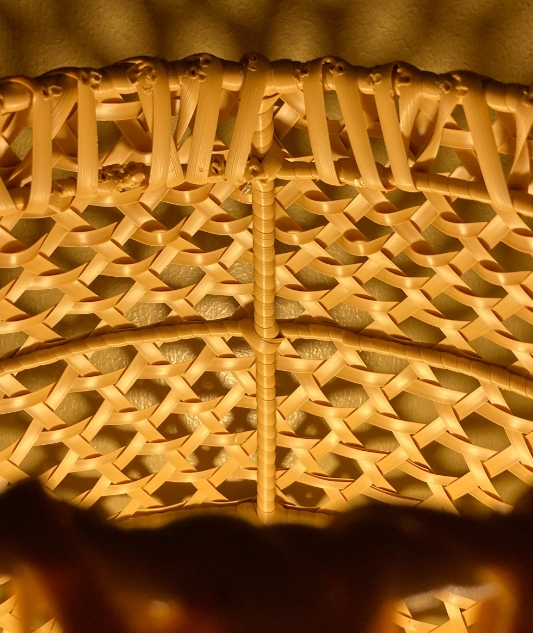
Rattan, a term derived from the Malay word for climbing palms, "rotan," is a specialized group of scaly fruited, spiny, climbing palms that belong to the family Palmae.

Rattans are monocotyledons with flexible stems and are generally found near water. They have a diameter of 1-5 cm and reach a length of about 30 meters after ten years of growth. In rare cases, some can grow up to 200 meters long.

About 600 species of rattan occur in the wetlands of the tropical and subtropical rainforest ecosystems of Australia, India, Southeast Asia, West Africa and the Pacific. However, Southeast Asian nations including Indonesia, Malaysia and the Philippines are the top producers of rattan products and raw materials.

Rattan cultivation, processing and utilization constitute a major topic of interest in many parts of the world in light of the plant’s impact on poverty alleviation, securing livelihoods and foreign exchange earnings.

  • 631

    known species

  • 30

    max. meters tall

  • 1-5

    cm in diameter

Bamboo and rattan are astounding resources with the unique potential to address global challenges

They grow locally to some of the world’s poorest communities in the tropics and subtropics, and have many uses, providing a vast range of sustainable products, livelihood options and ecosystem services. If we can harness the potential of bamboo and rattan, the Global South will be closer to achieving its ambitious development, climate and environmental aims, including the Sustainable Development Goals, REDD+ targets, the Paris Agreement commitments, and the Aichi Biodiversity Targets.

Bamboo and rattan provide an important source of livelihood for millions of people, particularly in rural areas.

Learn more

Owing to its lightweight, flexible and easy-to-process characteristics, bamboo can play a significant role in enhancing gender equality.

Learn more

Bamboo can be a sustainable, scalable and renewable source of energy, which takes pressure off other forest resources.

Learn more

Bamboo is strong, flexible, widely available and affordable, and has been used as a construction material for thousands of years.

Learn more

Bamboo and rattan can be transformed into a wide range of low-carbon products and commodities, replacing everything from single-use plastics to steel.

Learn more

Over time, bamboo plants and products can store more carbon than certain species of trees. Bamboo and rattan are also a resilient source of income for climate-vulnerable communities.

Learn more

Bamboo and rattan are an important part of biodiverse ecosystems, and can help protect the forests in which they grow.

Learn more

With a network of Member States spread across the world, INBAR plays a strong role in promoting bamboo and rattan for sustainable development.

Learn more