International Bamboo and Rattan Organization

International Bamboo and Rattan Organization

Bamboo in Northeast Peru

Peru

2023
2026

Donors

Productive and technological innovation with bamboo at the northeast border of Peru

The Peruvian-Ecuadorian integration region border encompasses adjacent territories of both countries with a focus on shared and coordinated development. Along its 1529 km border, which spans diverse environments from the Pacific coast to the Amazon rainforest, there exists a rich diversity of ecosystems and cultures. These characteristics facilitate the integration of local communities. However, these border areas in Peru are facing increasing vulnerability due to climate change, including the loss of essential biodiversity and natural resources, exacerbated by reduced incomes during the COVID-19 pandemic.

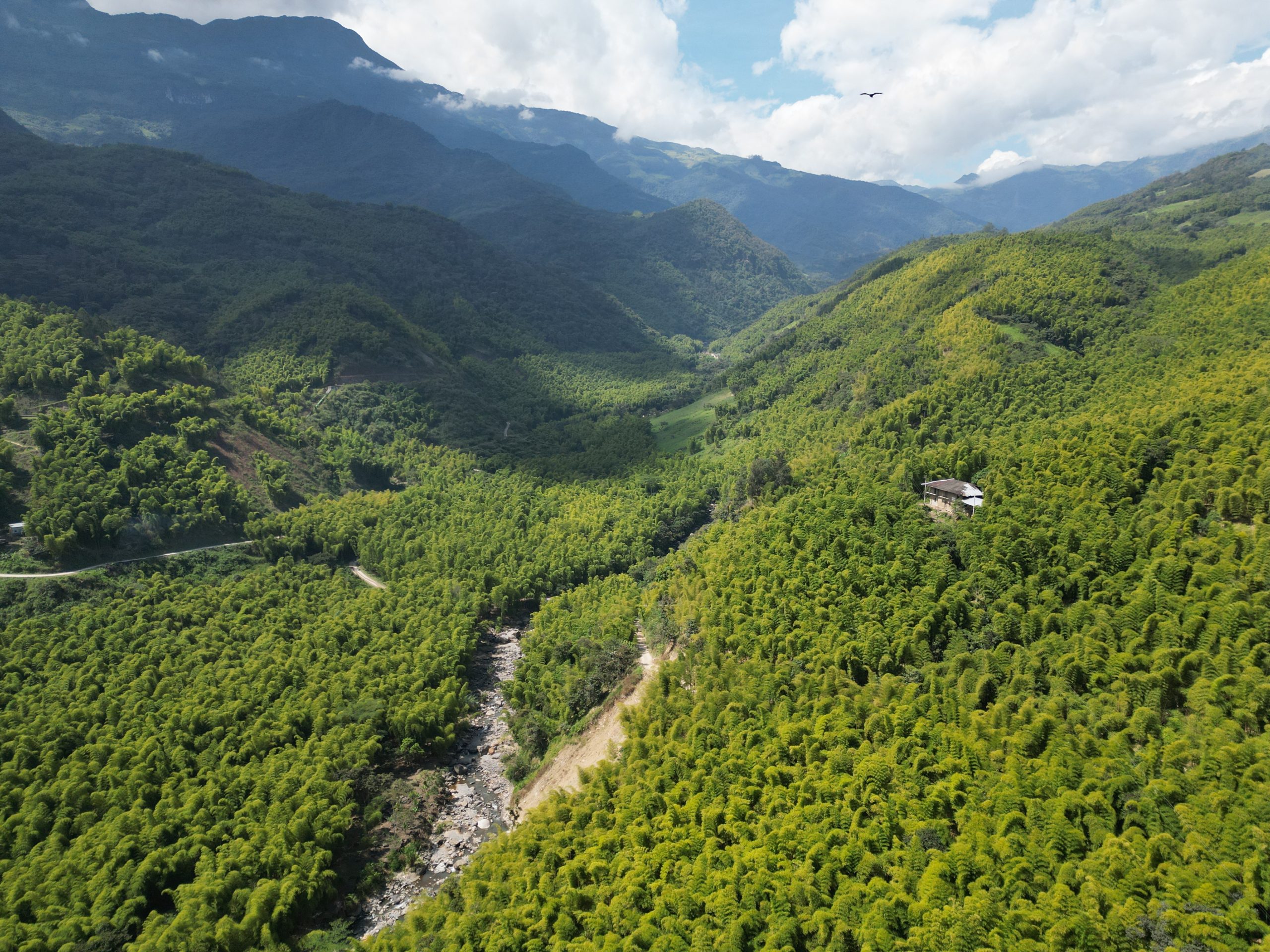
In this context, bamboo has become a significant resource in this region, with over 2500 hectares of commercial plantations. More than 3000 families directly rely on bamboo, which is used in construction, furniture, and various other applications. Aligned with the National Bamboo Development Strategy of Peru 2022-2025, this project aims to develop a model of productive and technological innovation with bamboo in this border region, strengthening local capacities and promoting sustainable practices.

Objectives

The general objective of this project is to enhance the resilience of rural families and improve their living conditions by developing the bamboo production chain with a value-focused approach at the northeast border of Peru.

Specific Objective

  • To improve the socio-economic conditions of rural families at the northeast border of Peru by strengthening governance, production, transformation and commercialization of bamboo.
Contact

For more information about the project, please contact:

Raphael Paucar, Project manager, rpaucar@ inbar.int

Pablo Jacome, Regional Director, Latin America and the Caribbean Region,  inbarlac@ inbar.int

2024

Various activities were carried out across the four components of the bamboo project in Piura, Cajamarca, and Amazonas. In governance, six training workshops were conducted for the Bamboo Technical Committee, involving 204 participants, and two municipal ordinances on the use of bamboo in construction were created. Additionally, an agro-industrial cooperative was established in Amazonas, and producer associations were reactivated in Piura and Cajamarca.

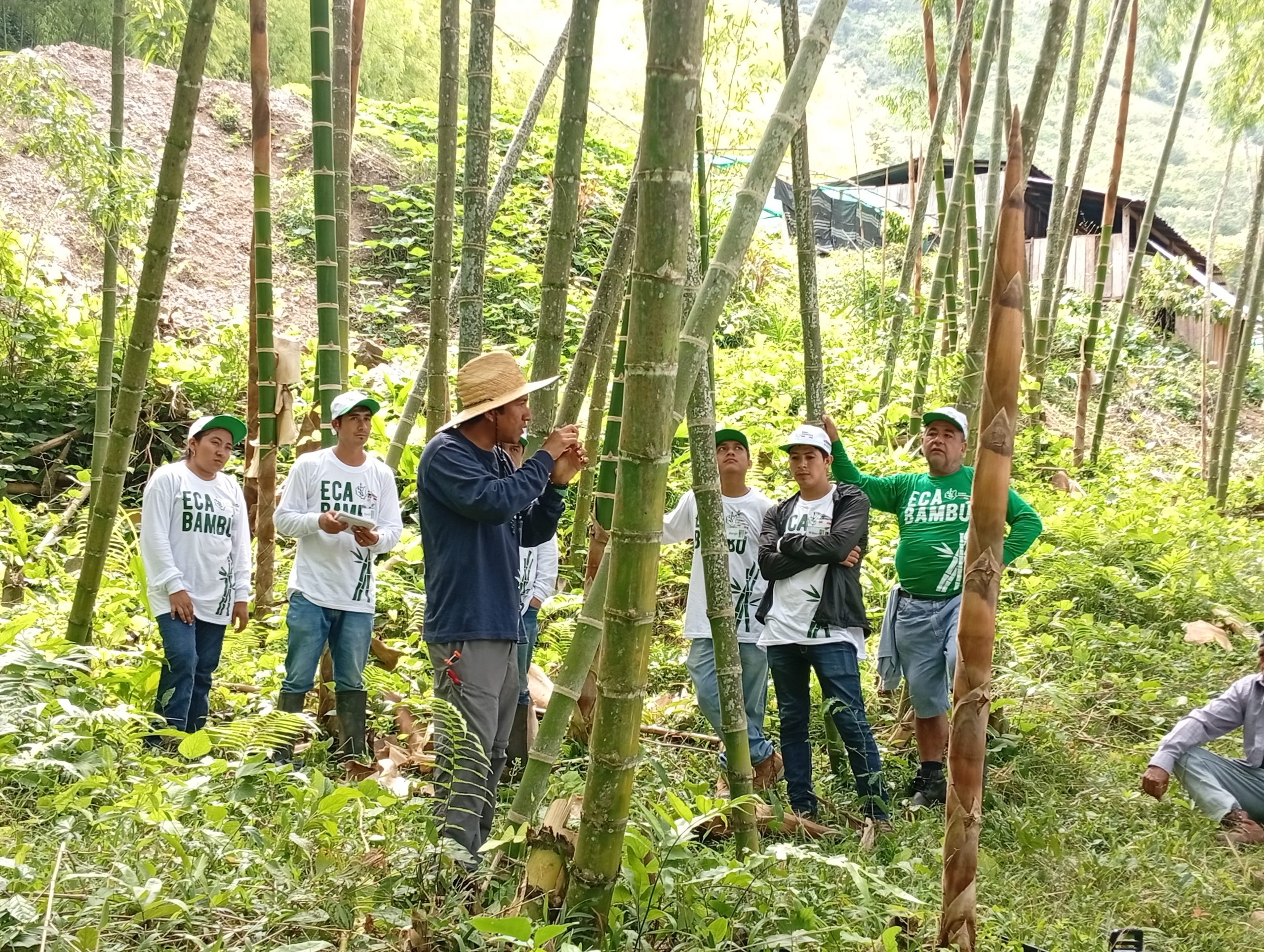
In technical training, a successful training program for trainers was implemented, certifying 42 professionals and training 416 producers. Eighty hectares of demonstration plots were established for silvicultural practices, and a builder training course was launched in Jaén.

In technological adaptation, a molecular characterization study of Guadua bamboo biotypes was completed, and two business plans were developed for PROCOMPITE. Three bamboo preservation centers were improved, and workshops on charcoal and briquette production were conducted.

Finally, in communication, a project promotion plan was validated, commercial fairs were attended, and training and dissemination videos were produced. Administratively, the project achieved 75% execution in its first year.

  • Two diagnostic workshops conducted on the bamboo production chain in Cajamarca and in Amazonas.
  • Organizational strengthening of the Yamango Bamboo Producers Association with 70 members and the Canchaque Bamboo Producers Association – CAMHUAY with 15 members and the conformation of the Bamboo Agroindustrial Cooperative in Amazonas with 29 bamboo producer members
  • Three training workshops for the Yamango Bamboo Producers also for the Bamboo Agroindustrial Cooperative in Amazonas, with 80 participants.
  • Advisory services provided to two associations in Amazonas to apply for incentives and credits from the Agroperú fund for bamboo plantation maintenance.
  • Awareness and development process for three municipal ordinances in the three intervention departments.
  • Advisory on the Public Investment Project for the restoration of degraded areas with bamboo in 13 districts of Amazonas.
  • Practical phase of ToT IV with 40 participants and facilitators.
  • 27 Bamboo Farmer Fields Schools (BFFS): 6 in Piura, training 94 producers; 8 in Cajamarca, training 153 producers; and 8 in Amazonas, training 113 producers.
  • 40 hectares of demonstration scenarios managed through silvicultural practices in the three departments.
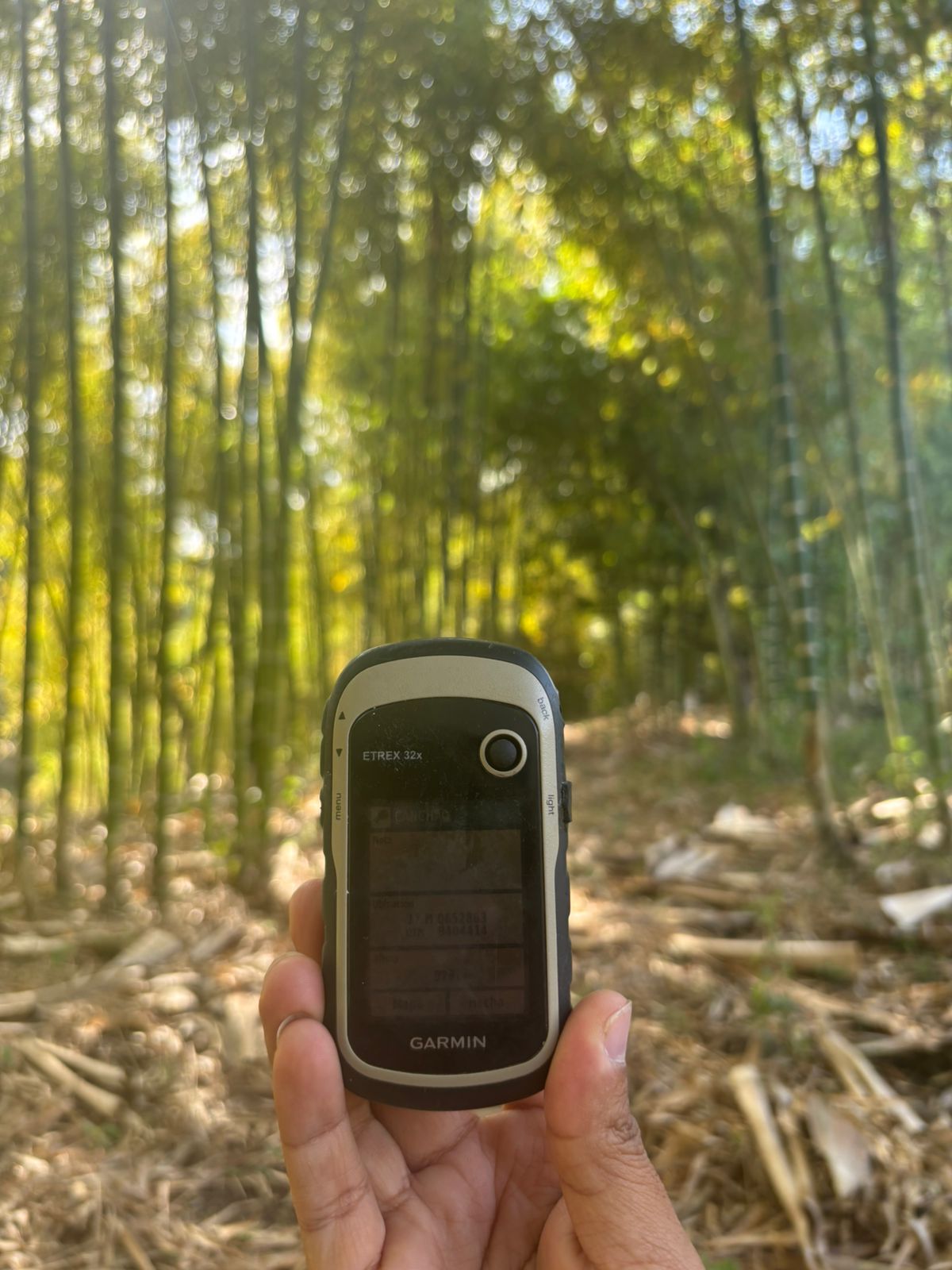
  • Bamboo plantation registration workshop held in Yamango district, with 34 producers (30M/4F) participating, in coordination with SERFOR Piura.
  • Development of a training program plan for bamboo builders in the intervention area in coordination with IVUC and design for the construction of the Sol y Café Cooperative School.
  • Scientific research on wild flora, outside protected natural areas (ANP), to develop the study titled “Morphological and Molecular Identification Study of Guadua Bamboo Species in the Northeastern Corridor of Peru – Bambú Nororiente.”
  • Two preservation centers improved in Sol y Café Cooperative (Cajamarca) and the ASPROBARMAR Association (Amazonas).
  • Three promotional videos on bamboo management and preservation uploaded to the INBAR LAC YouTube channel.
  • Bamboo stand designed and created for use in two commercial fairs: in Imaza district and in Chachapoyas Province.
  • Learning visits on bamboo preservation for 198 producers from Amazonas. Piura and Cajamarca.
  • Two workshops on bamboo crafts and furniture with 61 participants from Imaza and Copallin.

One bamboo charcoal-making workshop in Aramango district, 32 participants (24M/8F).

Under Component 1) Governance were carried out:

  • 3 workshops on organizational strengthening and planning of the Bamboo Technical Committees (MTB) were held in Piura, Cajamarca, and Amazonas, with the participation of 80 individuals (52M/28F)
  • One municipal ordinance prioritizing bamboo at the provincial level was approved and published by the Provincial Municipality of Bagua, aiming to guide actions and projects related to risk management and reforestation with bamboo in the province

https://www.gob.pe/institucion/munibagua/normas-legales/6179873-22-2024-mpb

  • One new organization was formally established within the project’s intervention corridor: the Bamboo Producers Association in Piura, with 19 members.
  • Two additional organizations joined the initiative—bringing the total to 5: COOP SIBSM, SPROBARMAR, CAMHUNAY, Asociación Yamango, and APA Bambuceros. These groups participated in five training workshops, involving 147 participants (115M/32F)
  • 99 participants and 87 institutions attended at The International Seminar on experiences in Global Policies and Green Finance with bamboo.

Under component 2) Technical Training and Sustainable Management, were achieved:

  • 41 hectares of bamboo plantations registered (Piura: 30.14; Canchaque: 9,27; Amazonas: 12)
  • 68 participants and 23 institutions attended the International Seminar on Basic Knowledge of Regulations, Monitoring and Partnership in Bamboo Construction.
  • 13 builders and operators graduated from the program’s technical training process
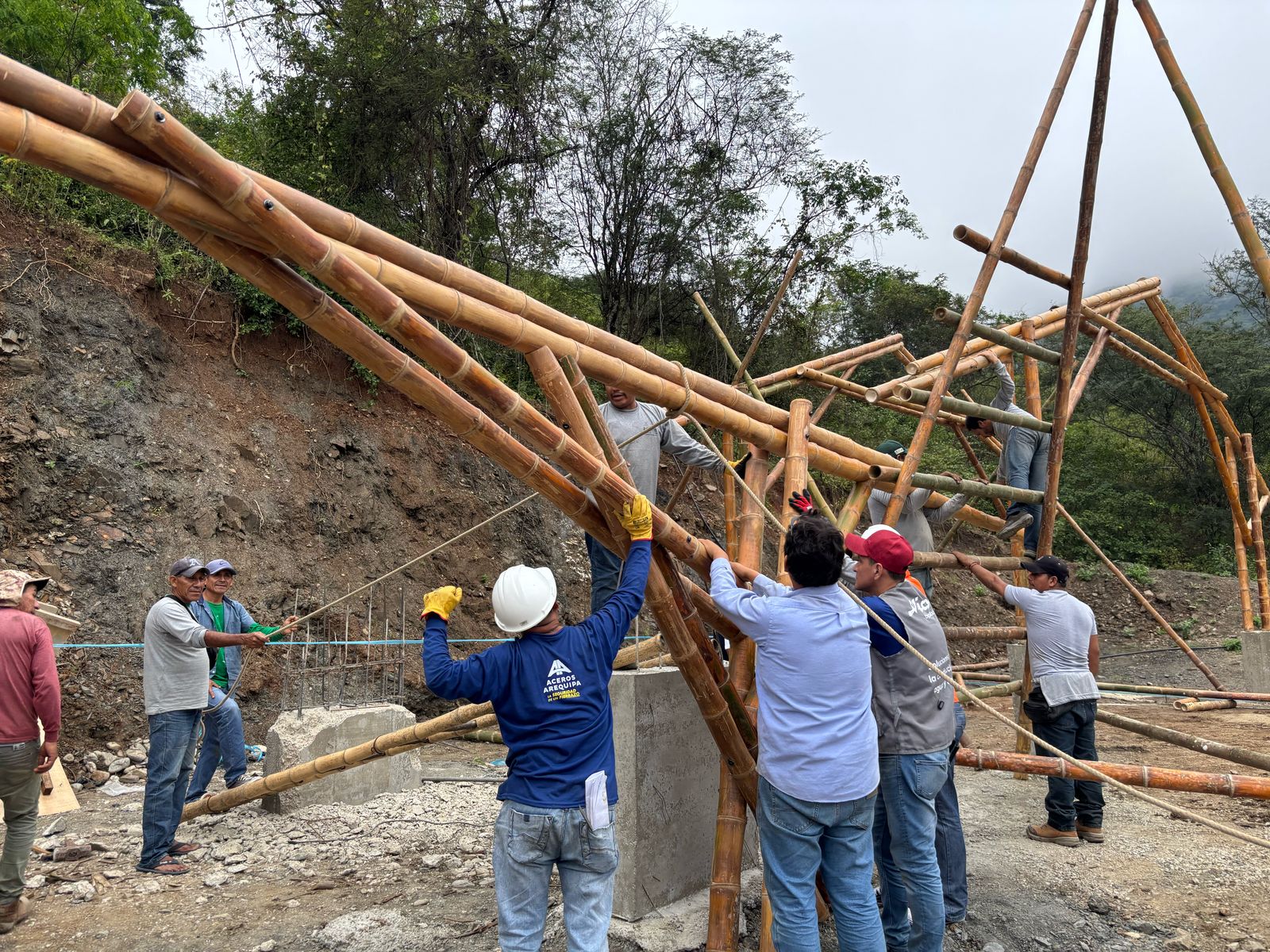
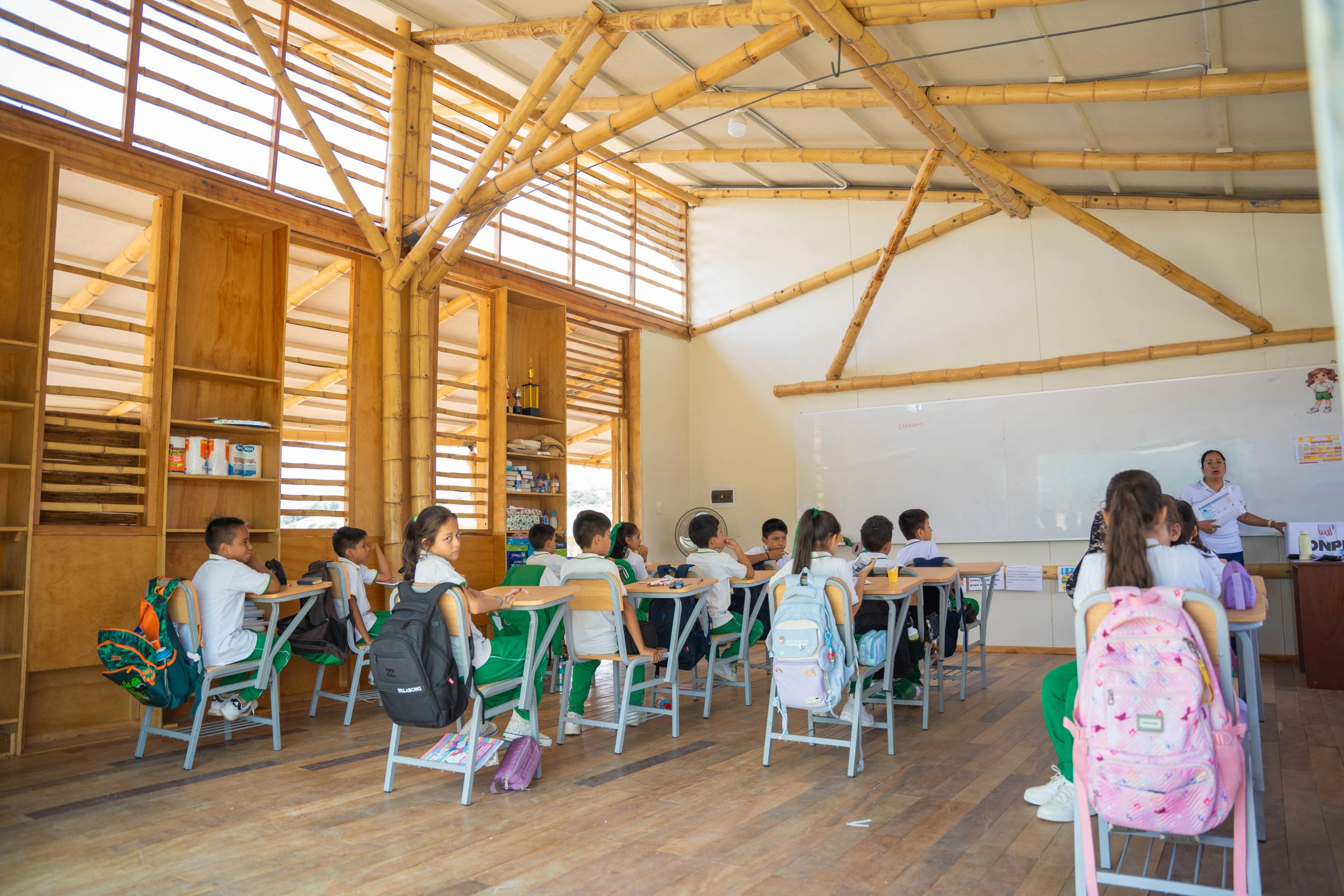
  • 2 classrooms, each of 218m2, were constructed for the Sol del Nororiente School in Jaén.

Under the component 3) Market-linked Technological Adaptation, were achieved:

  • A final study on the identification of Guadua species in the northeastern corridor of Peru was completed and shared with local authorities for publication.
  • 2 business plans supported by the project were selected as winners and received funding through the PROCOMPITE 2024 competition organized by the Regional Government of Piura

https://cdn.www.gob.pe/uploads/document/file/7111854/66887-acta-n-16-resultados-de-seleccion-y-evauacion-de-planes-de-negocio-procompite-2024-gobierno-regional-piura.pdf

  • A bamboo preservation center set up in the Duran sector, Imaza district, equipped with the Boucherie system for sap displacement treatment.
  • 85 participants attended the International Virtual Seminar on the Potential of Bamboo for a Greener Future.

Under the component 4) Communication, Awareness and Monitoring were made:

  • Two trade fairs promoting bamboo, with the participation of 26 artisans and entrepreneurs, during the National Bamboo Week in Bagua and the Bamboo Week Exhibition Fair in Amazonas.
  • Two local internships were organized with 27 participants, including board members from COOP AIBAM in Amazonas.
  • A video highlighting the bamboo builders’ training process and the construction of a classroom for the Sol del Nororiente School in Jaén, Cajamarca.

https://youtu.be/BC0bw5Nugxs

  • The 2024 National Bamboo Week was launched, featuring: an international congress with 458 participants, a trade and exhibition fair, 5 workshops with 151 participants.

https://youtu.be/1w6gsJ9QSfg?si=rCss1JQv1JpKBljO;

VII Semana Nacional del Bambú en Amazonas – Campañas – Gobierno Regional Amazonas – Plataforma del Estado Peruano

  • Final version of the baseline study completed: “Rural Bamboo-Based Livelihoods”.
  • One half-yearly activity report and one monitoring report on project implementation produced.
  • A central office in Piura and a liaison office in Bagua, Amazonas, were established.
2025

COMPONENT 1

  • 24 training workshops for the Bamboo Technical Committees in Piura, Cajamarca, and Amazonas. 625 participants (454 women and 171 men).One (1) synthesis report, activity plans for the committees, processes for disseminating study findings, and the election of new leaders at the regional level and for the National Bamboo Committee.
  • Three (03) municipal ordinances aimed at prioritizing bamboo.One (1) outreach workshop (Bagua Province) with 41 participants (33 women, 8 men). Municipal ordinances approved in Bagua Province (Amazonas), the district of Castilla (Piura), and the district of Imaza (Amazonas). Four (04) Public Investment Projects (PIP) related to bamboo, financed with public and private funds, have been launched.
  • Proposal for the Industrial and Technological Center for Bamboo Research and Processing (CITE Bambú) has been drafted.
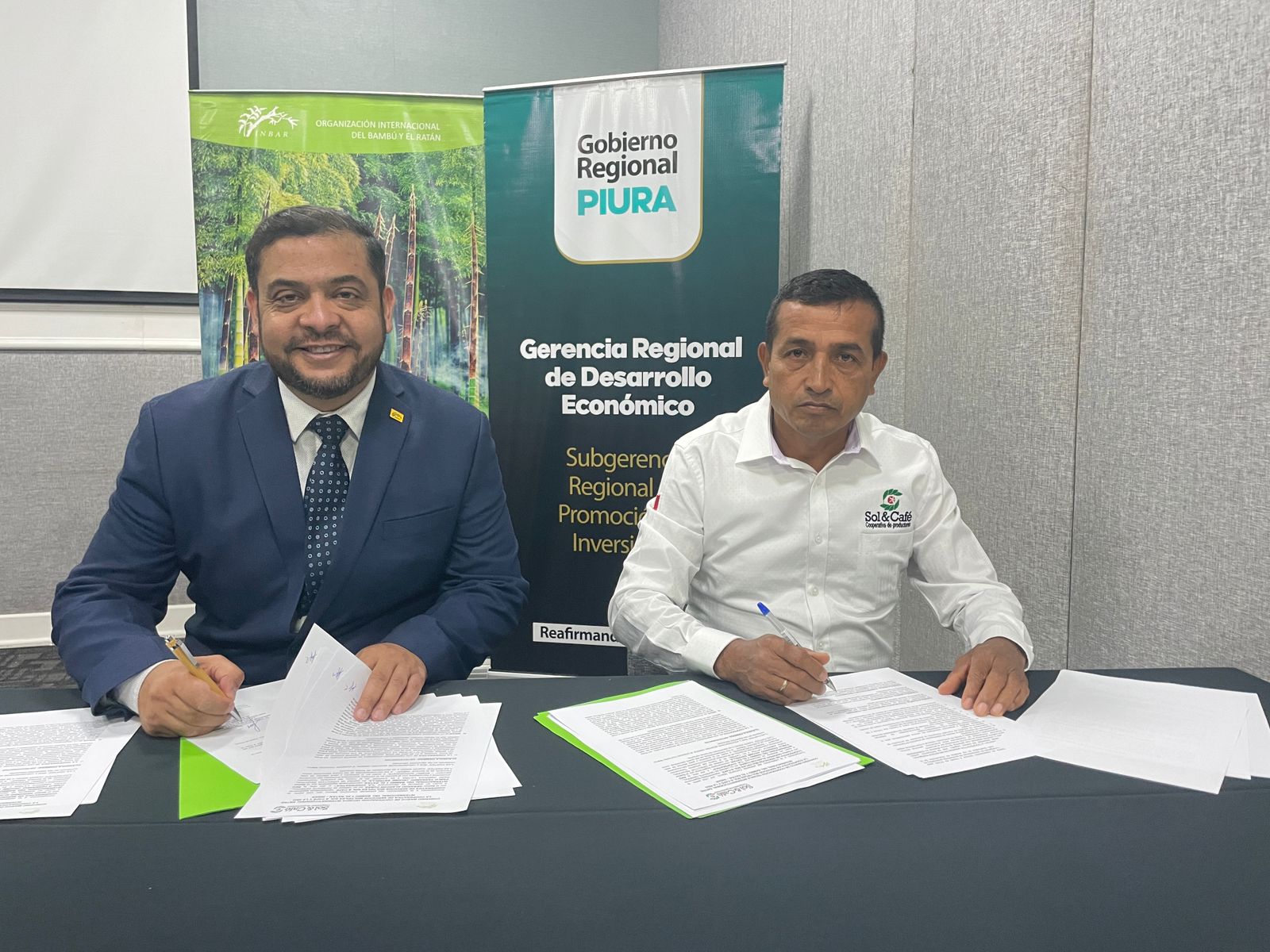
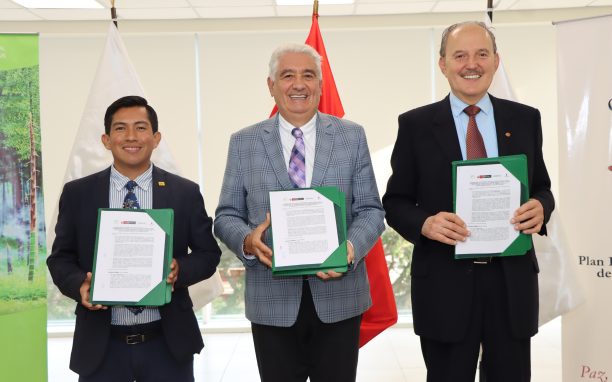
  • Five (5) bamboo agro-industrial cooperatives and associations established. The Northern Castilla Bamboo Producers Association (Piura) established. Twelve (12) workshops conducted, with 304 participants (241 men and 60 women), to strengthen the organizational, documentation, and management capacities of six (06) bamboo producer associations and one (01) cooperative within the scope of the project. One (01) Inter-institutional Collaboration Agreement signed between COOP AIBAM (Amazonas) and Agrobanco.
  • One (1) international seminar on experiences with global public policies and green financing related to bamboo.
  • Publications: “Technical Guide on the Model for Coordination and Integration of Bamboo Stakeholders in Peru” and “Methodological Guide for the Development of Municipal Ordinances for Bamboo Development in Peru.”

COMPONENT 2

  • 69 trainers (28 women/5 men) trained through the Train-the-Trainer Program (TTP) in sustainable bamboo management. 416 producers and rural families trained using the Farmer Field School (FFS) methodology.
  • 110 hectares were established as part of the demonstration sites. Five (05) training workshops, training 323 producers (268 women and 55 men). 126.81 hectares of bamboo plantations registered within the scope of the project.Study identifying bamboo plantation areas completed (Amazonas: 3,411.45 ha; Piura: 1,561.03 ha; Cajamarca: 1,461.24 ha)
  • 128 people trained through two international seminars.
  • Three (03) programs were implemented. Two (02) were seminar programs focused on technical training for the bamboo construction training program (in Cajamarca, Piura, and Amazonas). The Training Plan for Skilled Labor in Bamboo Construction was implemented.
  • 33 bamboo construction workers and master builders graduated from the technical training program in bamboo construction. One (1) two-classroom module was built at the Sol del Nororiente School in Jaén. A warehouse-style module for processing bamboo charcoal briquettes was constructed. 500 sets of technical manuals were developed and distributed, including the technical guide “The ABCs of Sustainable Bamboo Management.”

COMPONENT 3

  • One (1) study on the molecular characterization of Guadua biotypes found in the northeastern corridor of Peru.
  • Two (02) market studies were conducted: Analysis of Charcoal Consumption and Commercial Behavior on the Peruvian Coast and Study of Consumption Dynamics and Potential Markets for Round Bamboo on the Peruvian Coast.
  • Three (03) business plans were developed related to charcoal briquettes and treated bamboo canes.
  • Six (06) bamboo preservation centers were established using the Boucherie system (Imaza and Catillas districts). Five (05) training workshops on bamboo preservation using the Boucherie method were held, with the participation of 154 people (98 women/56 men), in the districts of Yamango and Imaza. A technical proposal was developed for the implementation of a bamboo laminated board manufacturing center (Pinboo), which will operate at the facilities of the Sol y Café Cooperative, located in Jaén, Cajamarca.
  • One (01) technical proposal was prepared for the implementation of a processing center, and one (01) document for the procurement process of basic machinery.
  • The International Virtual Seminar “The Potential of Bamboo for a Greener Future: Energy and Beyond” was held, with the continuous participation of 85 people from various countries in the Americas, Asia, Africa, and Europe.

COMPONENT 4

  • One (01) communication plan to promote the project was developed and disseminated.
  • Nine (09) events, including seven (07) agro-industrial and product exhibition fairs. Two (02) workshops on primary bamboo processing were held, with 61 participants in the districts of Imaza (33 participants: 18 M/15 F) and Copallín (28 participants: 21 M/7 F).
  • Seven (07) training sessions were held with the participation of 254 leaders, professionals, and workers from the sector in the provinces of Amazonas and Cajamarca.
  • Seven (07) videos and audiovisual reports related to bamboo were produced.
  • Two (02) major events were held: the launch event for the Bambú Nororiente project, attended by 62 people (46 men/16 women); National Bamboo Week – Amazonas 2024 (458 participants; fair featuring 15 artisans; workshop with 151 participants).
  • Final document of the baseline study on rural livelihoods linked to bamboo prepared and disseminated.
  • Two (02) reports prepared, comprising an annual report with its respective monitoring schedule and a semi-annual activity report; two (02) inter-institutional agreements were signed with UNIFSLB and UNJ.

Project News

Project resources

Estrategia Nacional para el Desarrollo del Bambú de Perú (PROBAMBÚ) 2022 - 2025

Estrategia Nacional para el Desarrollo del Bambú de Perú 2022 - 2025.