 News
NewsNew trainers, new impact: Transforming bamboo management across Peru
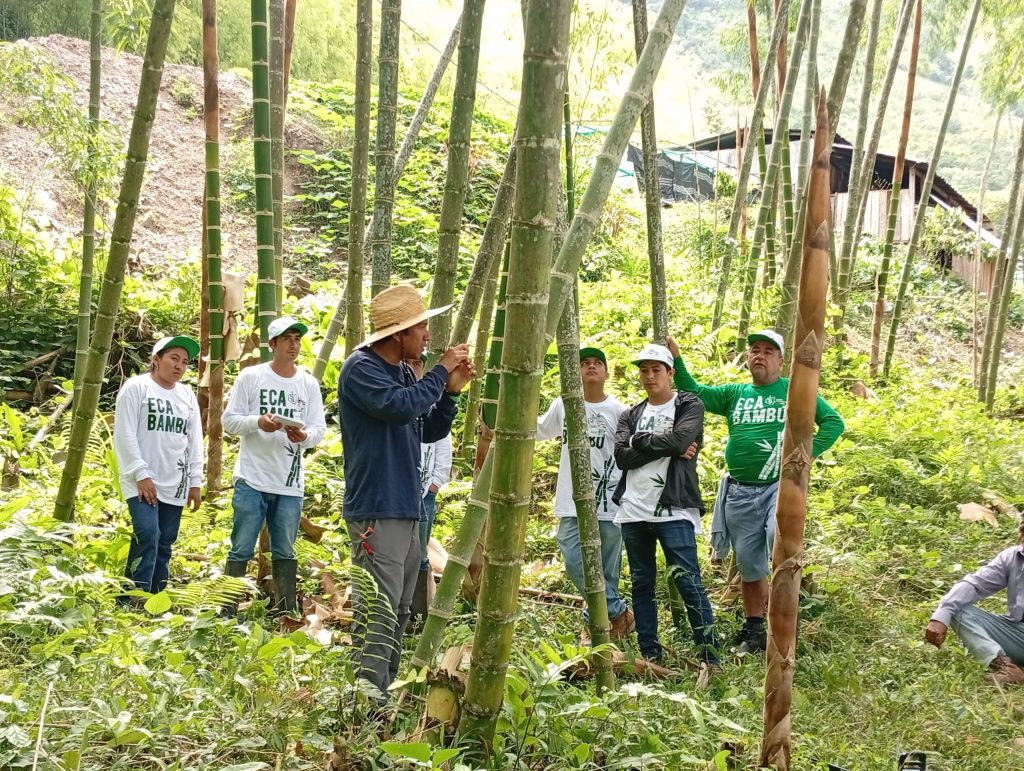
Participants from three regions completed hands-on training to lead Farmer Field Schools in their communities.
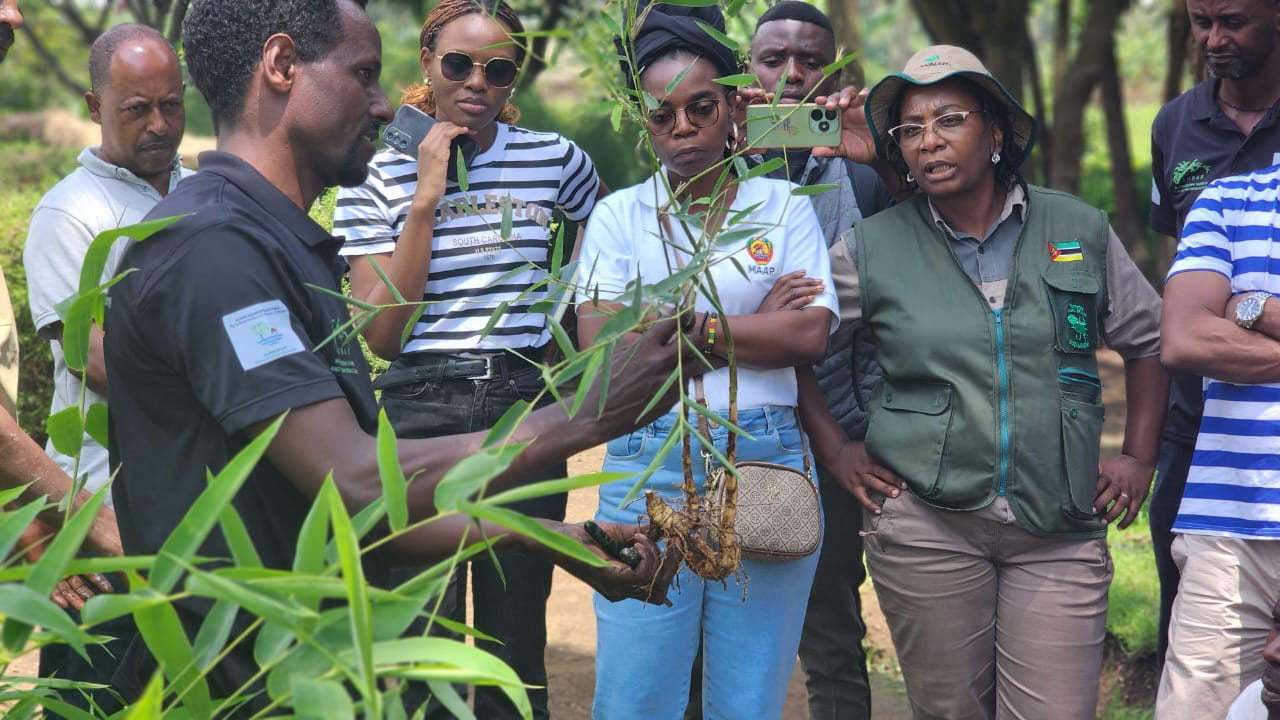
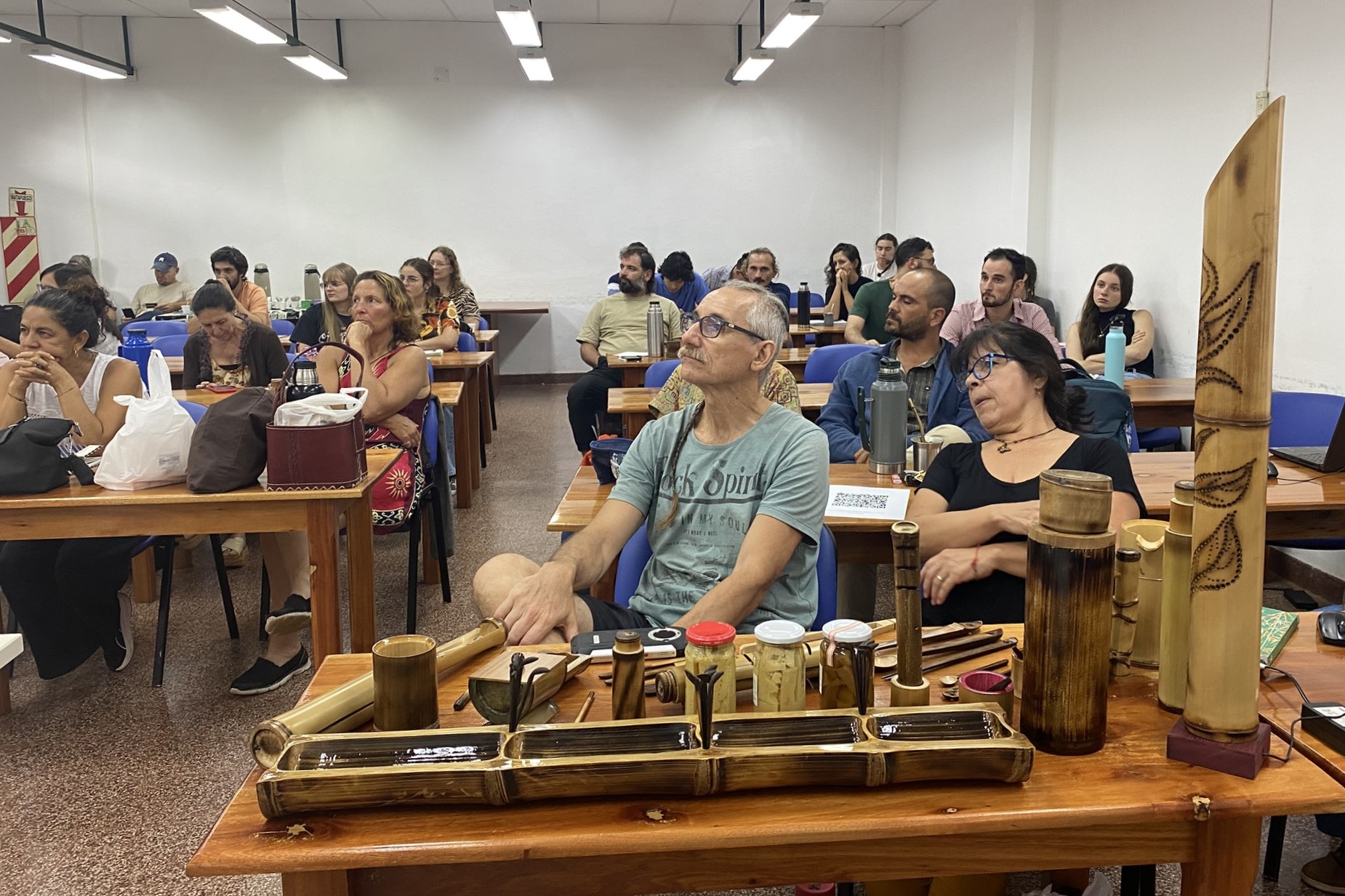
The 5th Training of Trainers Course on Sustainable Bamboo Management equipped participants with methodological tools from Farmer Field Schools (FFS) and technical processes for bamboo management, preservation and utilization. With these skills, the new trainers will be able to replicate their knowledge in their territories, working with producer groups to promote the sustainable management of this resource.
The course was delivered in two phases. The first phase was theoretical and conducted online, consisting of 20 sessions (40 instructional hours) with 43 participants. Following evaluation, 27 participants successfully completed the theoretical content. The second phase was practical and experiential, held over three days (24 instructional hours), where 18 participants from the departments of Piura, Cajamarca and Amazonas received intensive training.
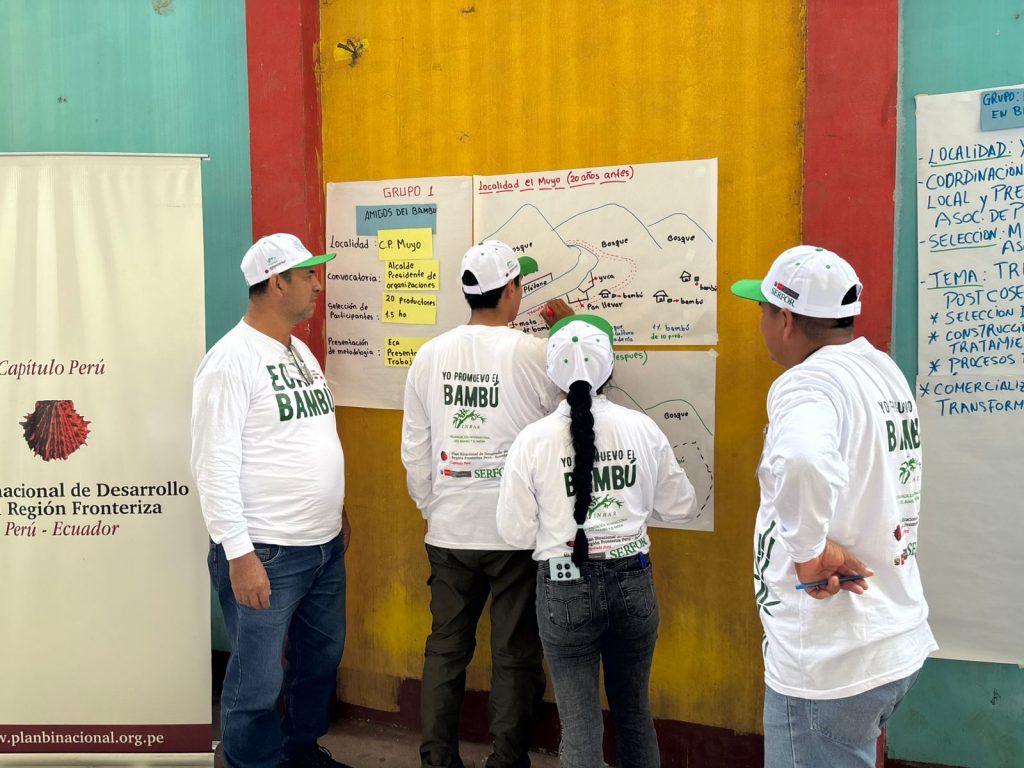
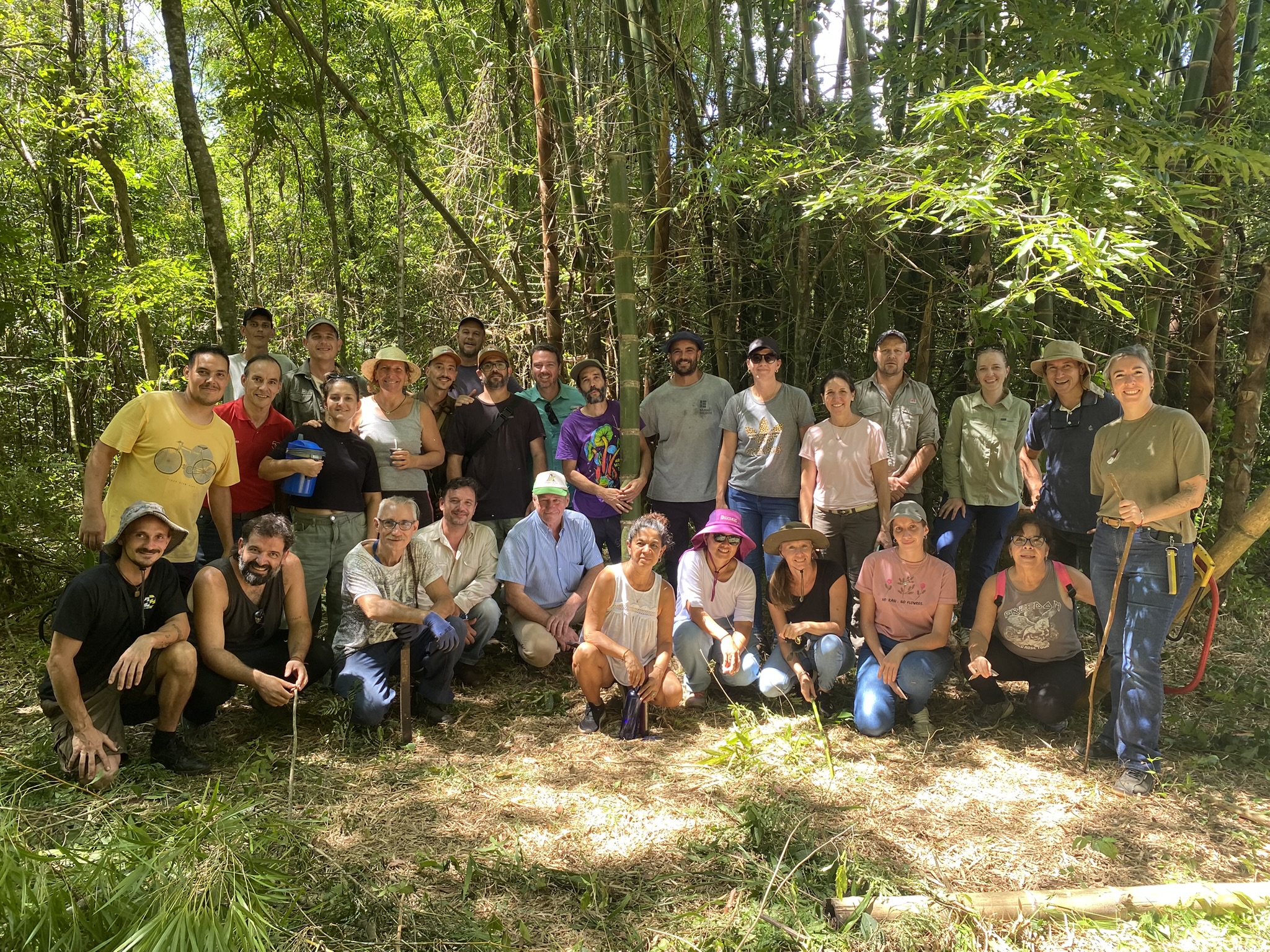
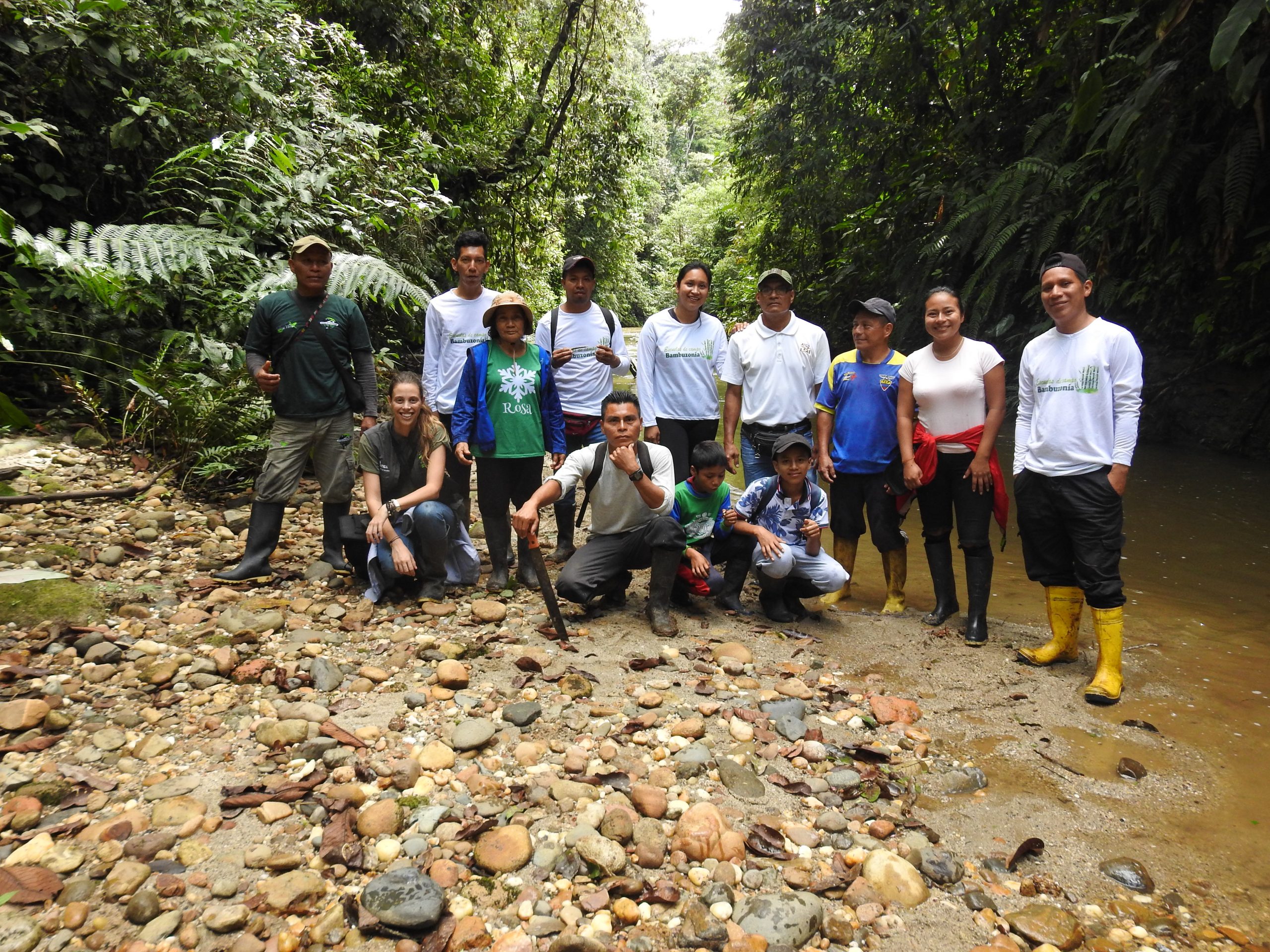
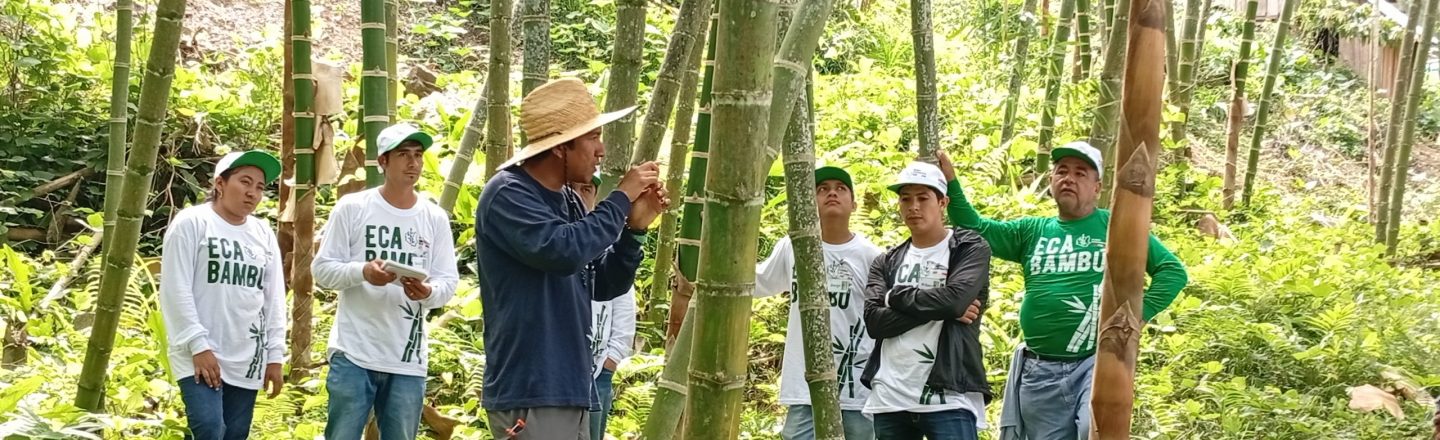
During the practical phase, held in the district of Aramango, Bagua province, Amazonas region, participants applied their newly acquired knowledge directly, strengthening both their methodological and technical skills in sustainable bamboo management.
On the first day, the focus was on the FFS methodology, including its definition, processes, group formation, thematic structure, plot implementation, evaluation, monitoring and the “test box” exercise.
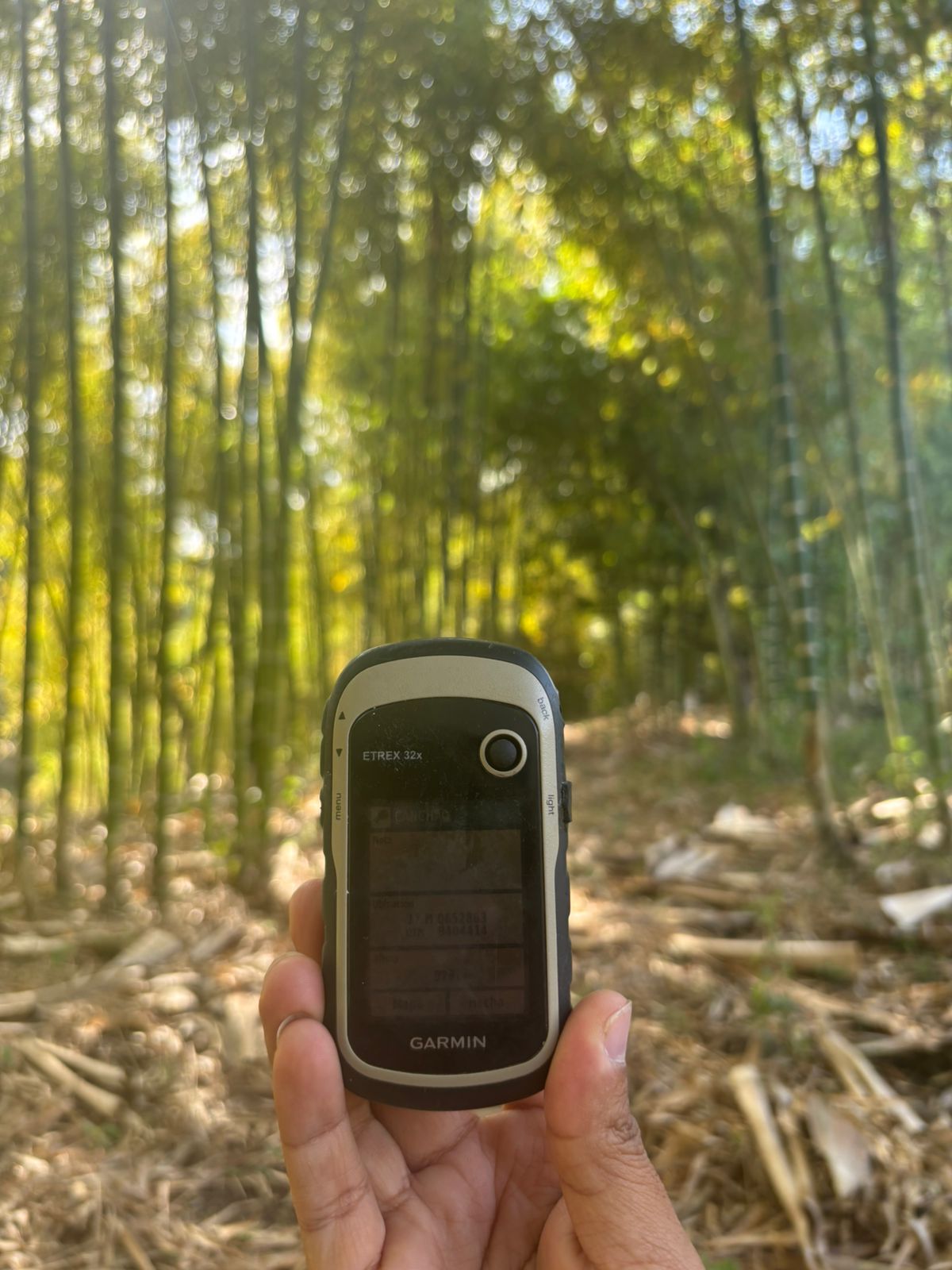
The second day covered general aspects of bamboo management, including species identification, propagation methods, harvesting, nursery production, planting design and density. Participants also conducted soil sampling using two methods (auger and spade) and performed georeferencing with GPS to delimit bamboo plantation areas for future registration.

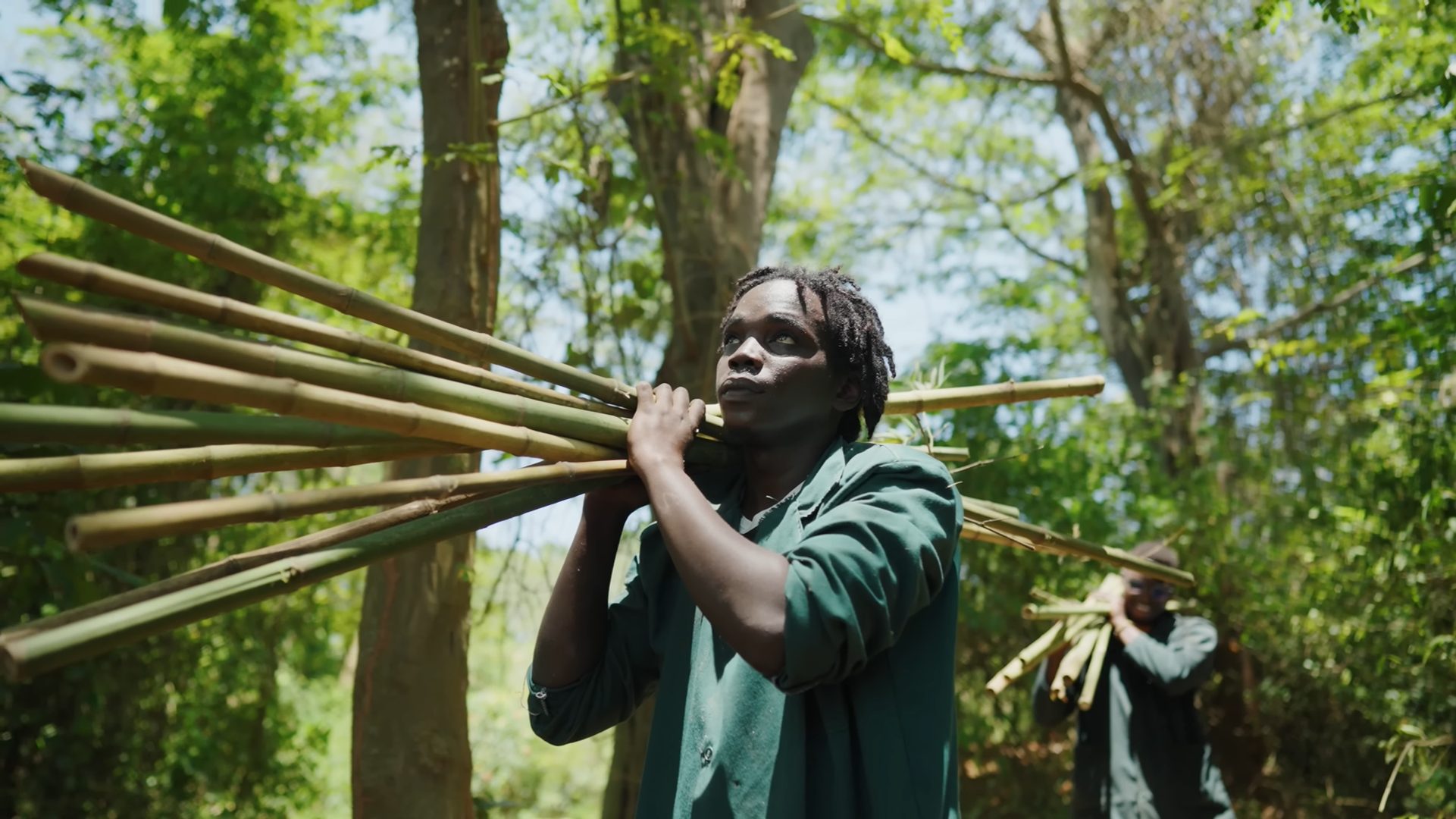
On the third day, the focus shifted to silvicultural management, including pruning, thinning, stump restoration, fertilization of bamboo stands, inventory and selective harvesting. Participants also practiced two preservation methods — immersion in pits and the Boucherie method — along with bamboo storage techniques. The day concluded with the transport of culms on sloped terrain using pulley systems, followed by the “test box” assessment.
The next phase of the course requires each participant to implement a Farmer Field School on bamboo in their local area, amplifying project impacts at the territorial level. This step is essential to finalize the training process, qualify for certification and proceed to graduation.

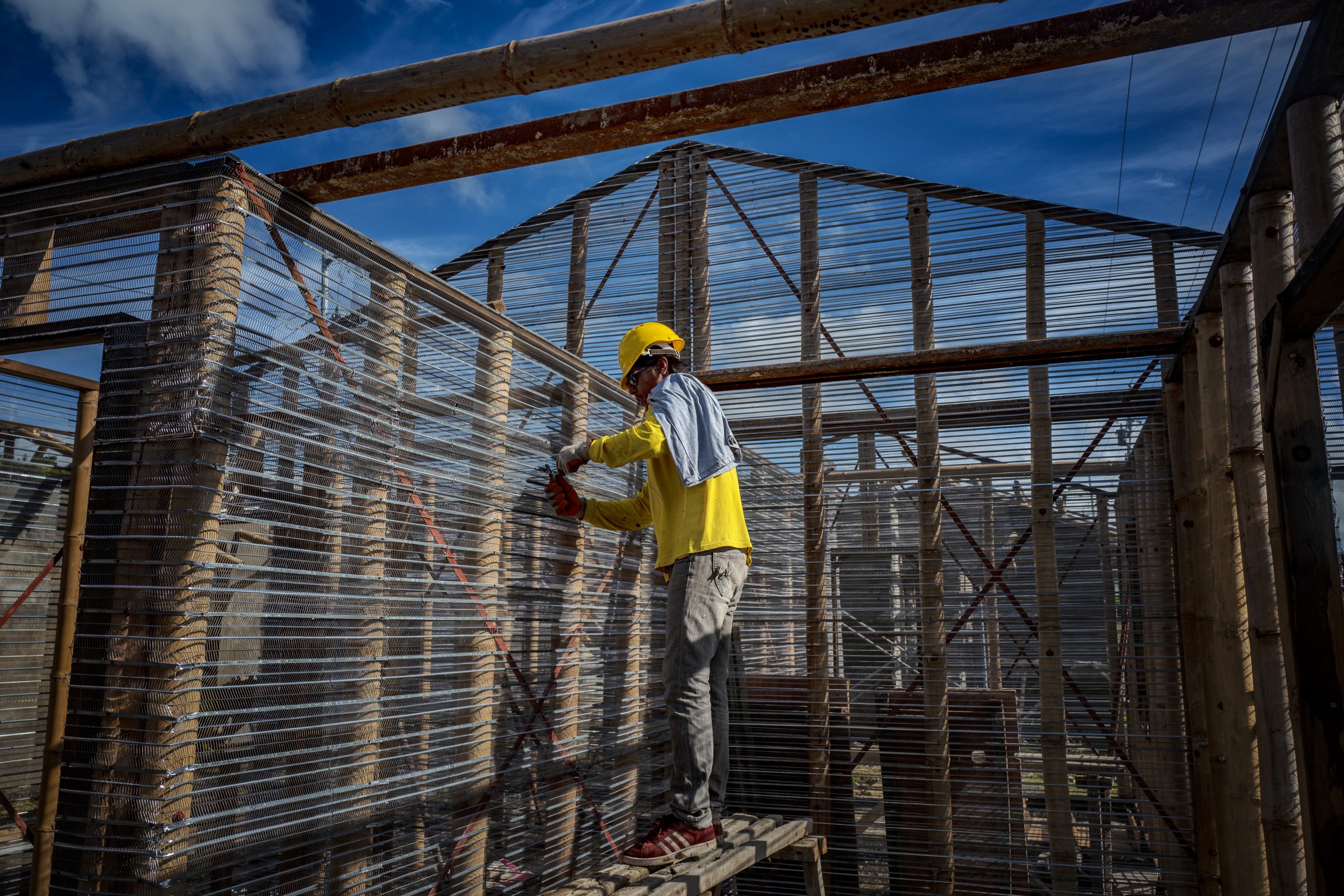
This course is part of the project “Productive and Technological Innovation with Bamboo at the Northeast Border of Peru – Bambú Nororiente,” co-financed by the Binational Development Plan for the Peru-Ecuador Border (Peru Chapter) and the National Forest and Wildlife Service (SERFOR), and implemented by INBAR in the regions of Piura, Cajamarca, and Amazonas.