 News
NewsBolivia bets on bamboo through South-South cooperation
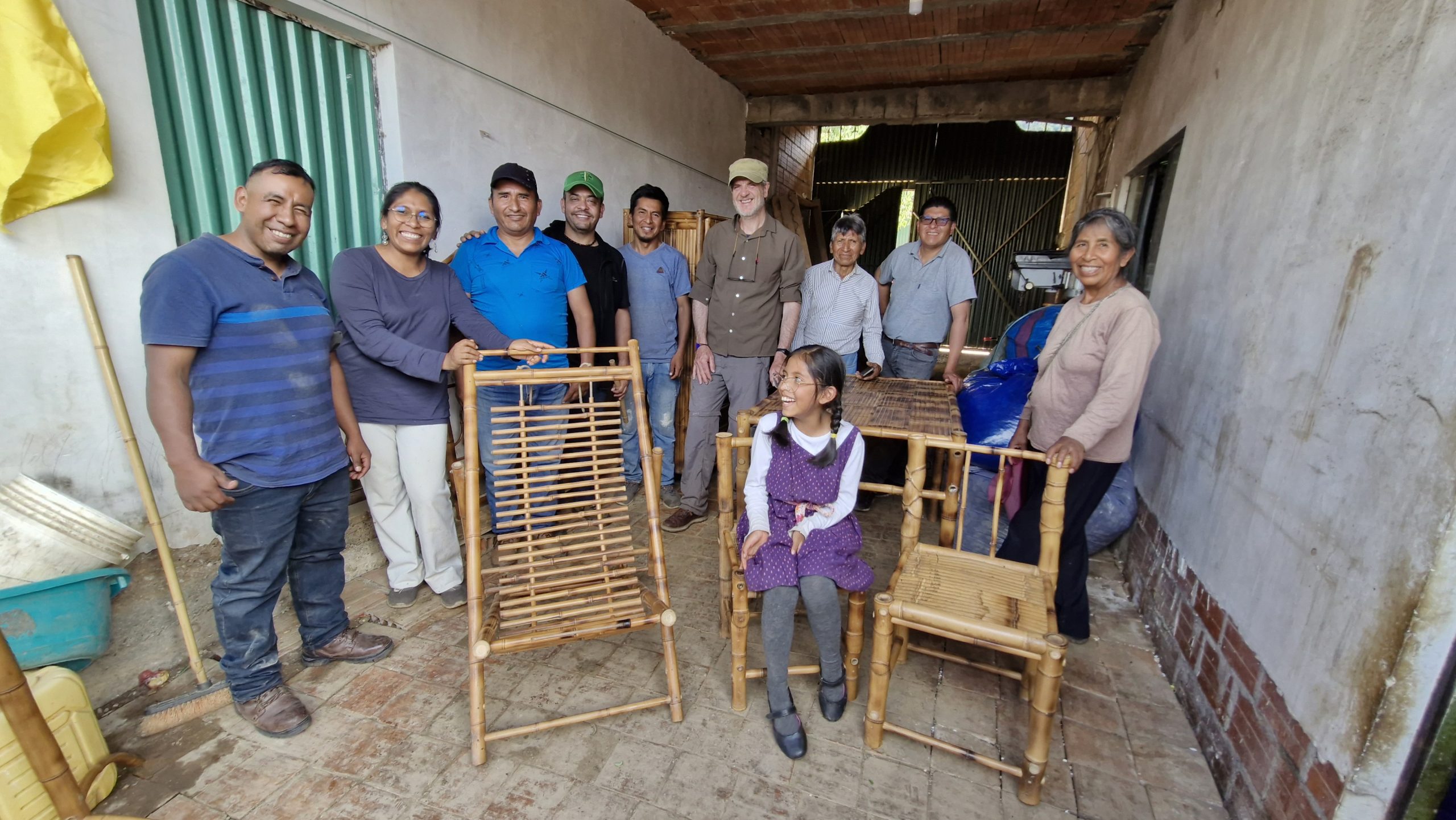
One of the Americas’ most bamboo-rich countries, Bolivia is turning the plant into a strategic tool for climate resilience and rural livelihoods.
The International Bamboo and Rattan Organization (INBAR) is currently implementing the project “South-South Initiative to Promote the Sustainable Use of Bamboo as an Innovative Strategy for Climate Resilience of Smallholder Farmers in Argentina, Bolivia and Brazil” (Bamboo Sur). The project is funded by the International Fund for Agricultural Development (IFAD) under its South-South and Triangular Cooperation (SSTC) programme, with financial support from the Government of China.
As part of this initiative, several actions have been carried out to strengthen institutional coordination, assess local capacities and promote the integration of bamboo as a strategic resource for climate resilience and sustainable rural development. In this regard, INBAR conducted a mission in Bolivia in partnership with local stakeholders, including the Bolivian Association for Rural Development (ProRural) and the Bolivian Bamboo Alliance (ABB).
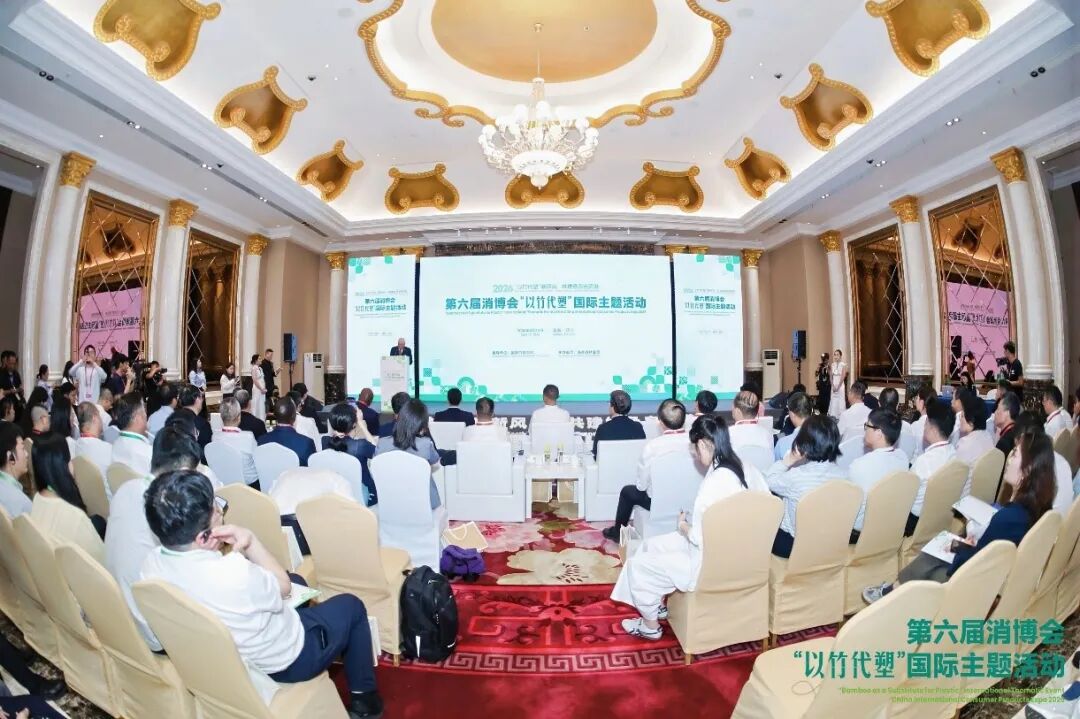
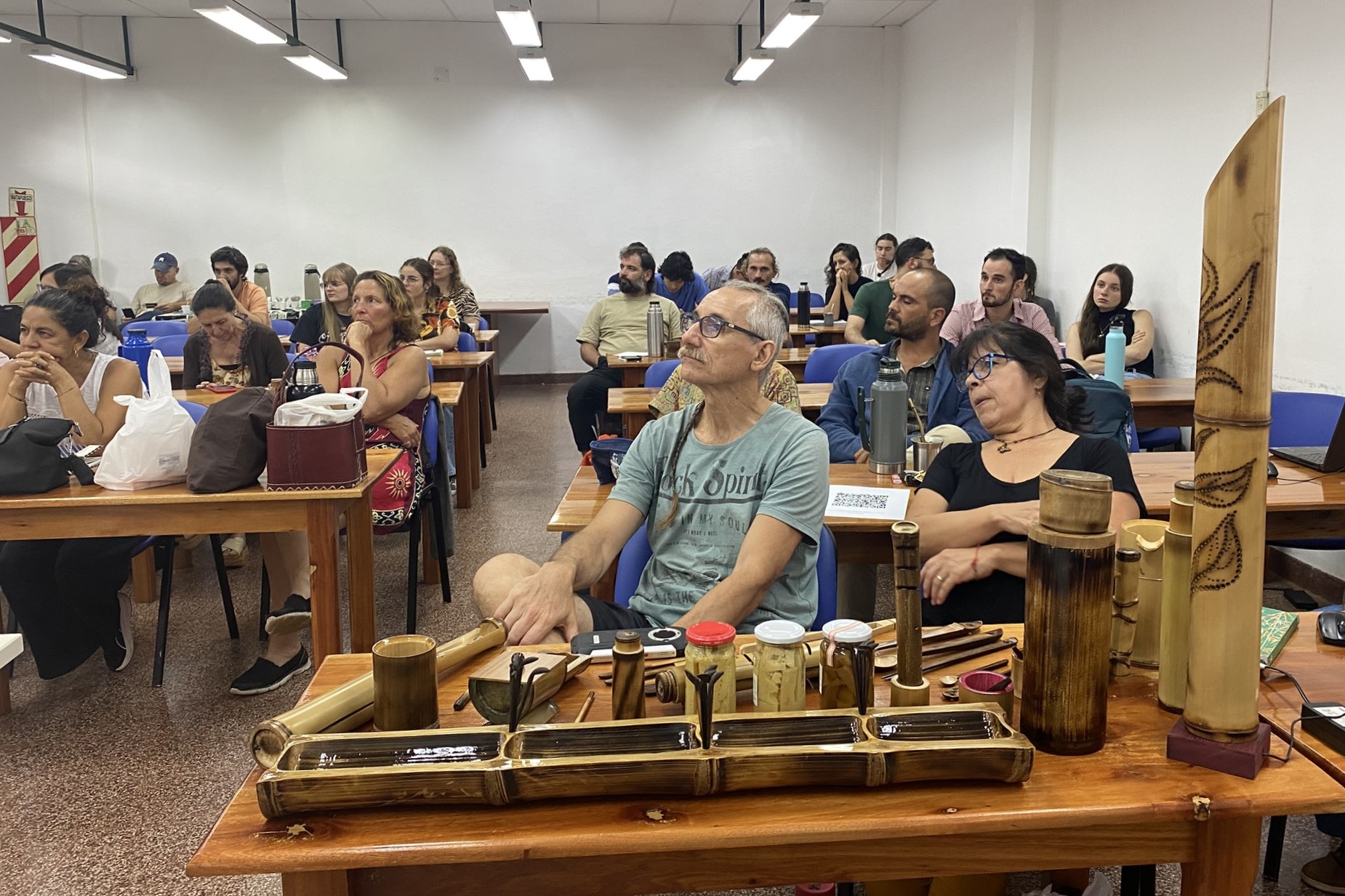
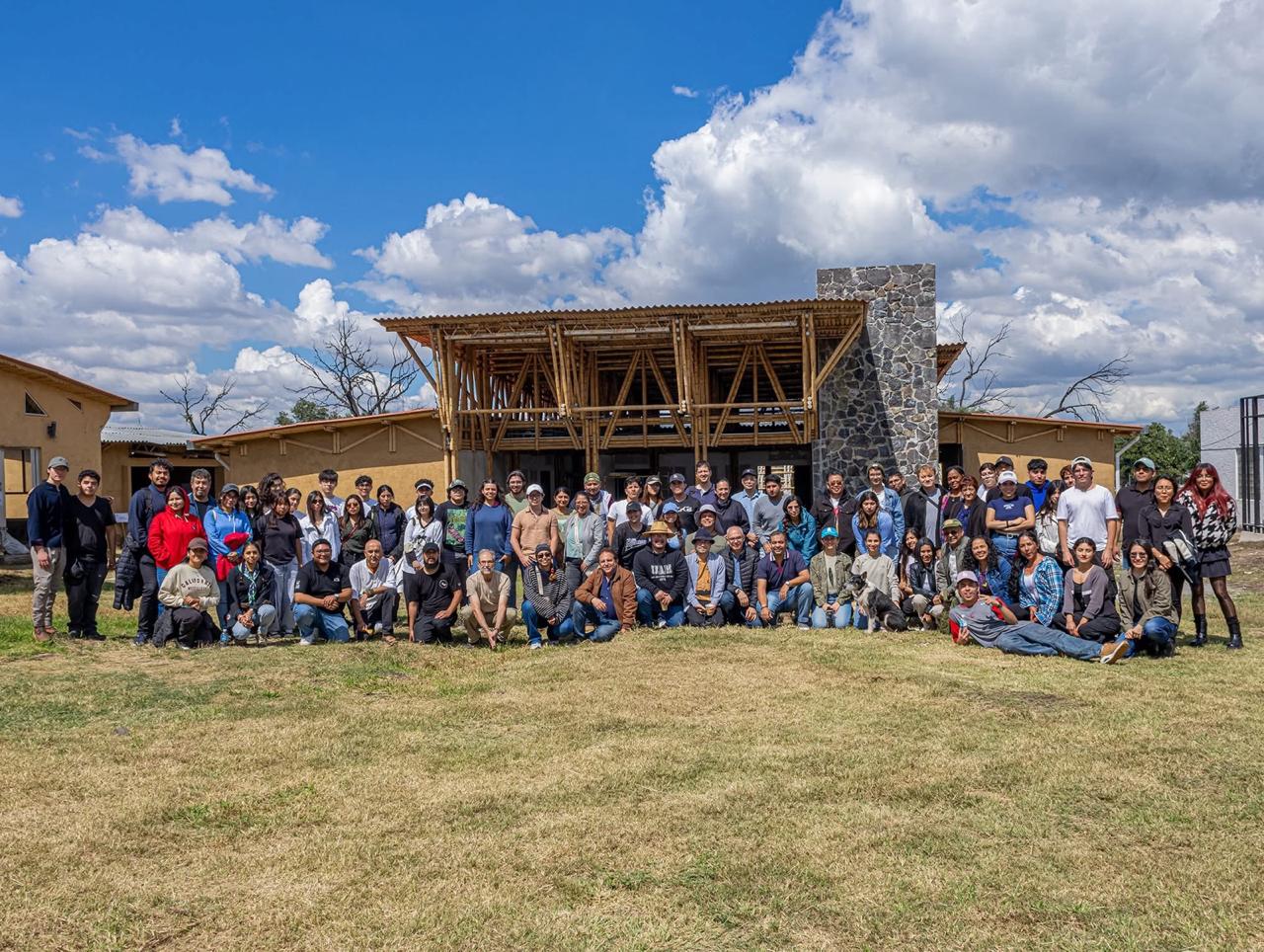
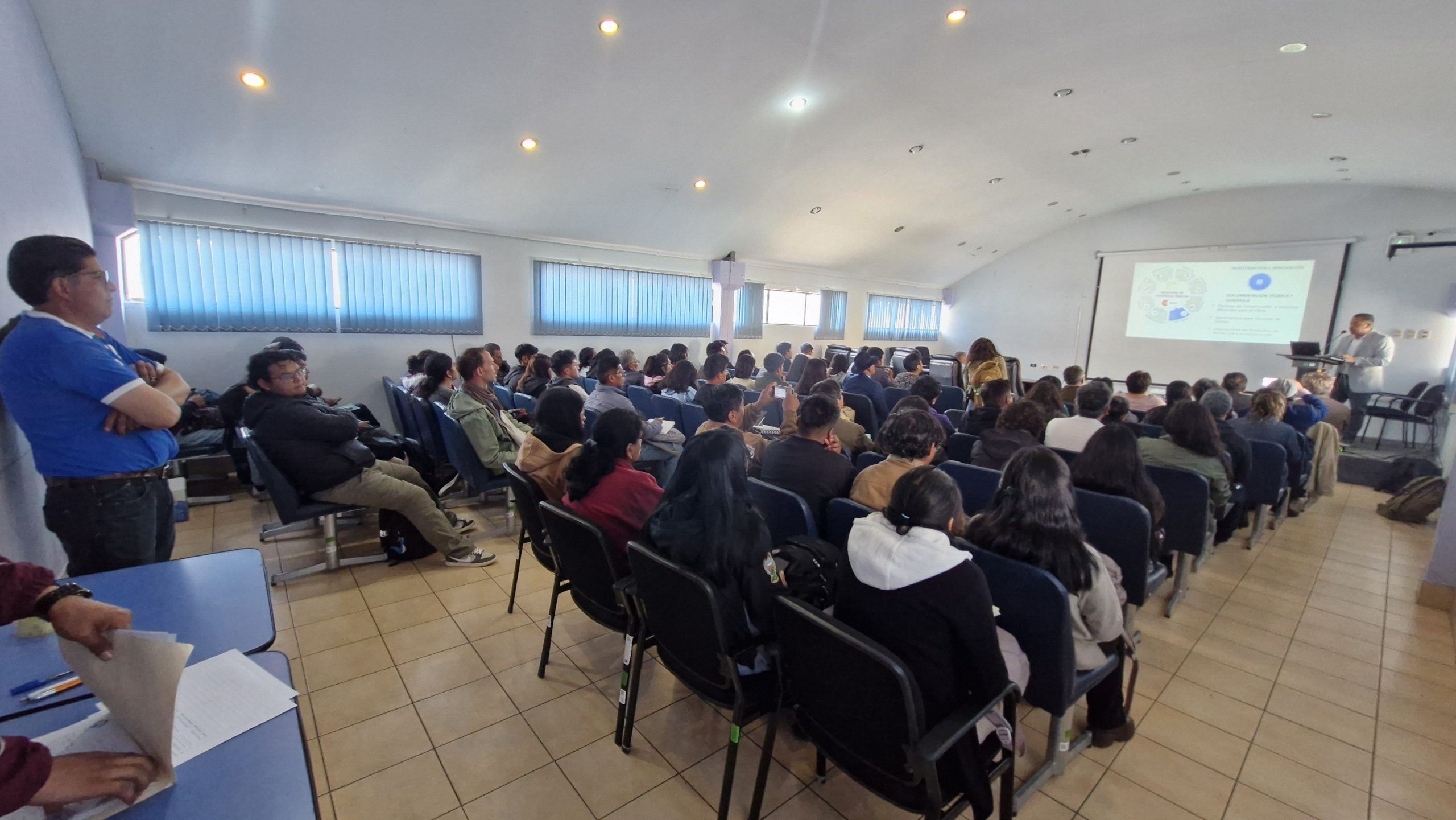
One of the key activities was the seminar “Bamboo as a Strategic Resource for Bolivia,” held at the Universidad Mayor de San Andrés (UMSA), which brought together more than 100 participants, including young people, technical experts and representatives from public and private institutions.
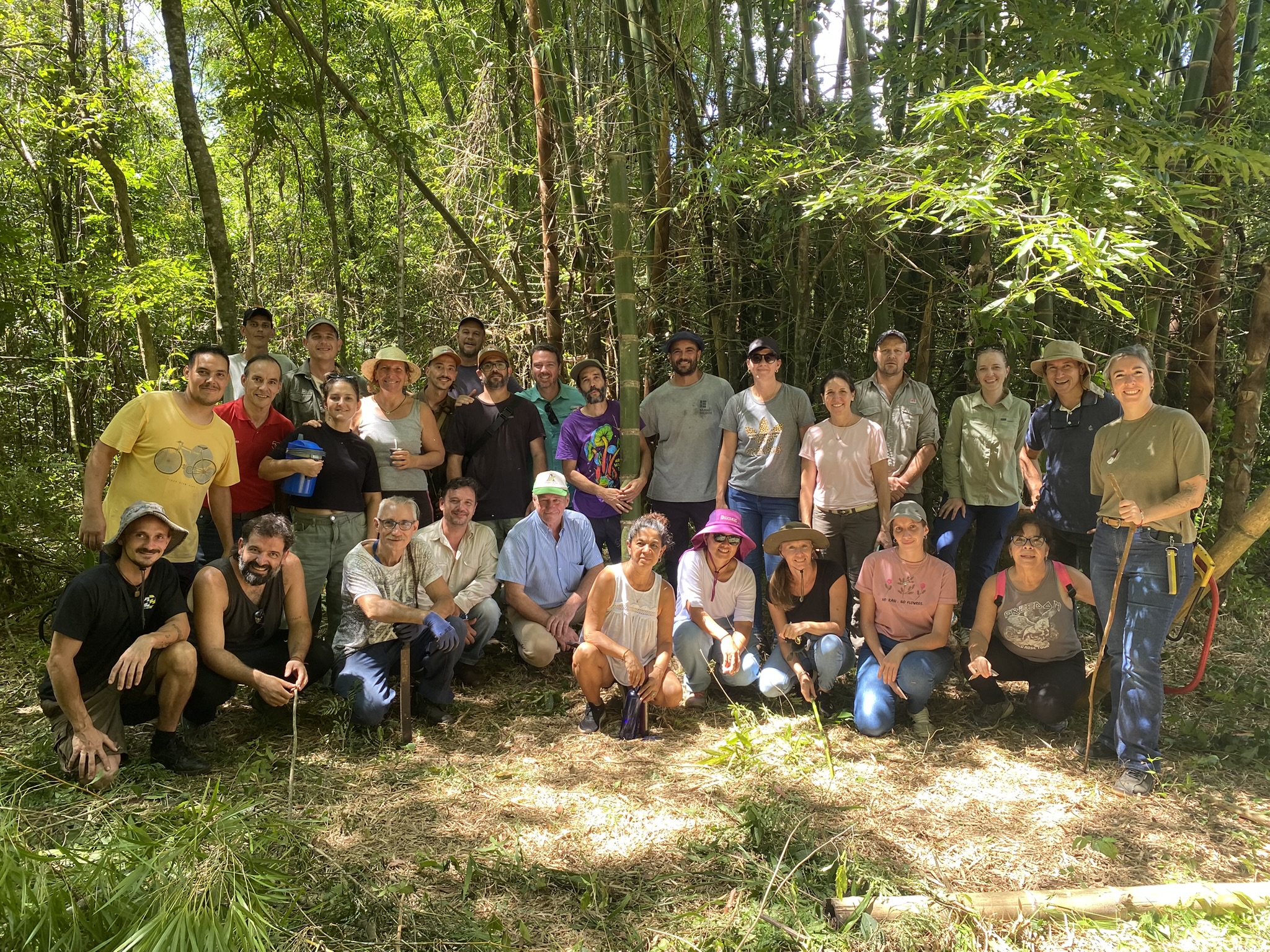
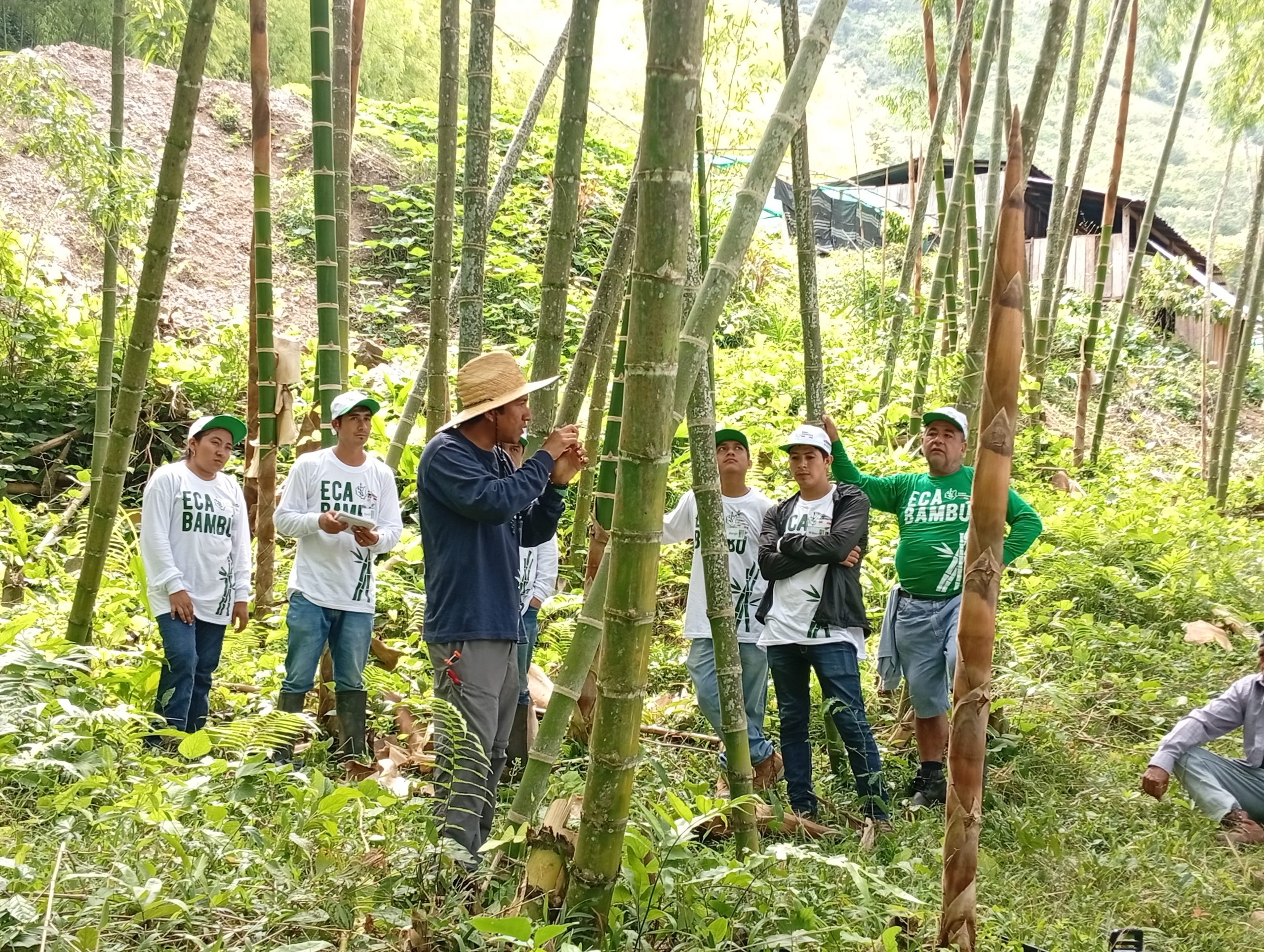
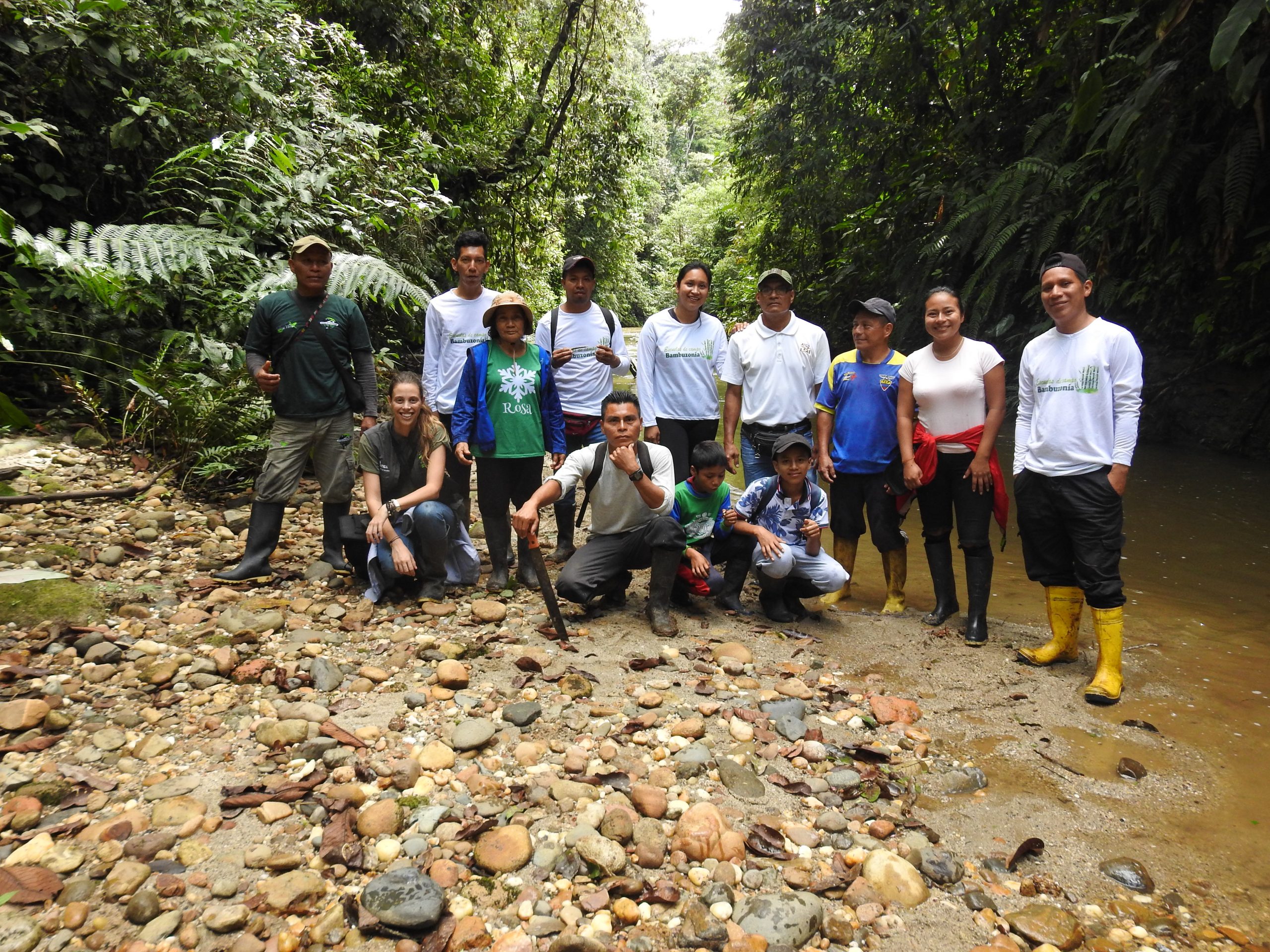
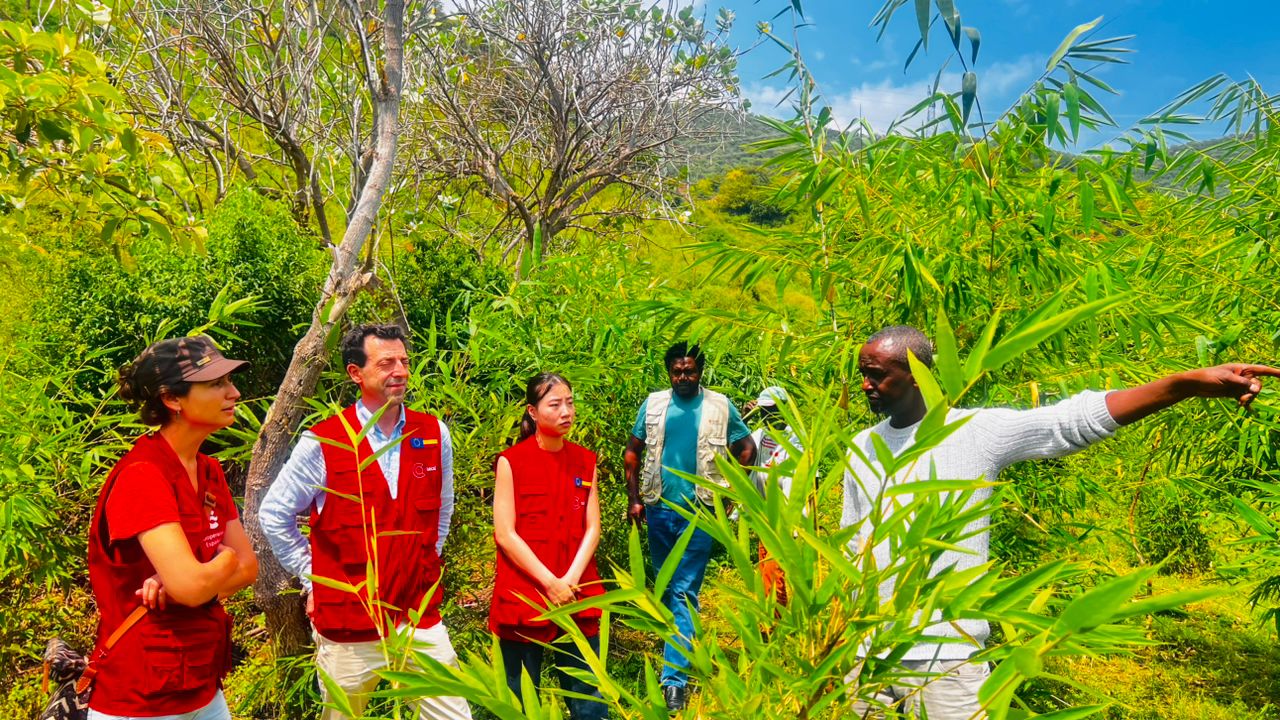
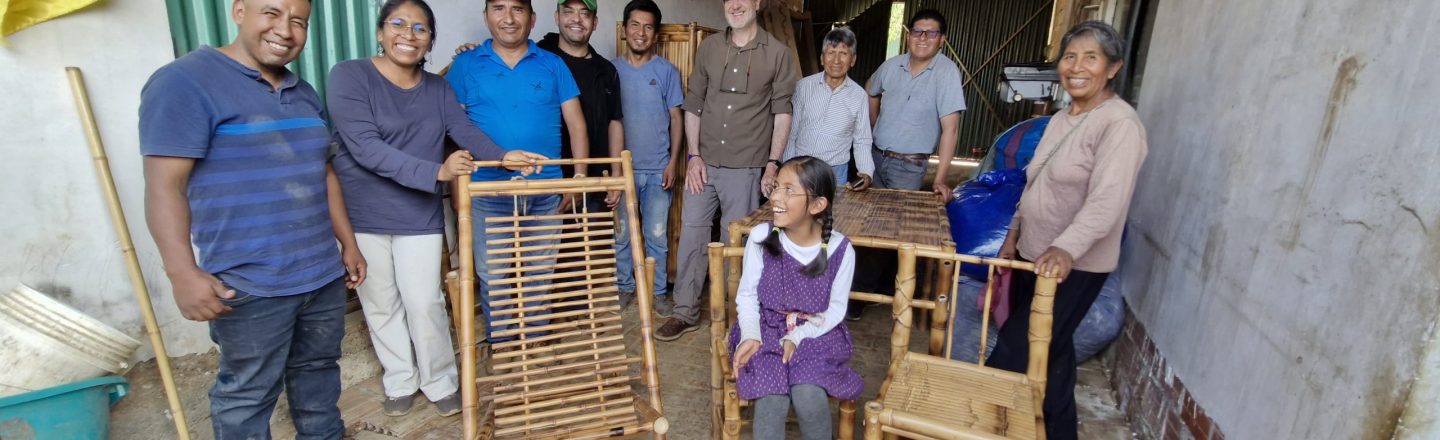
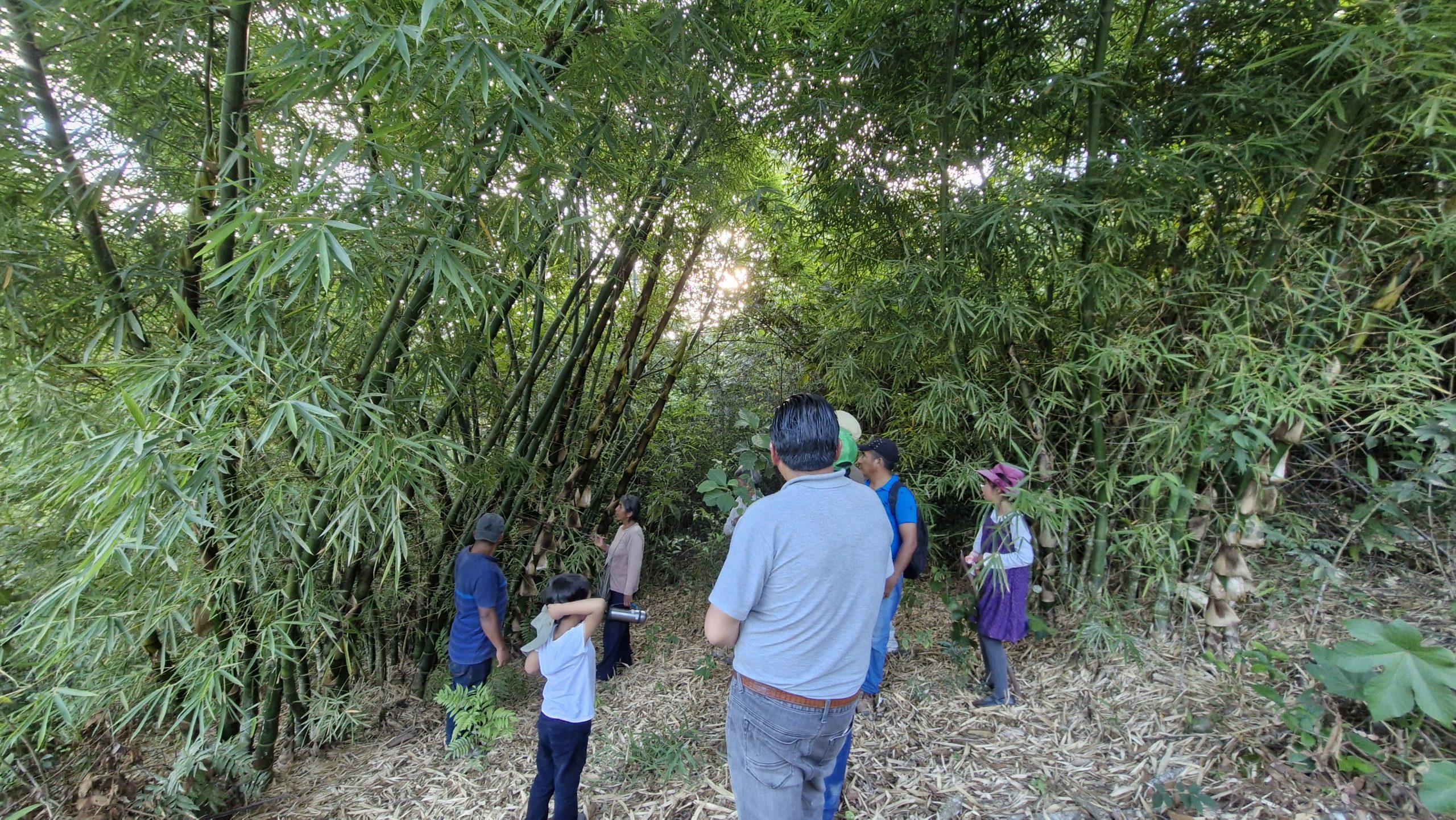
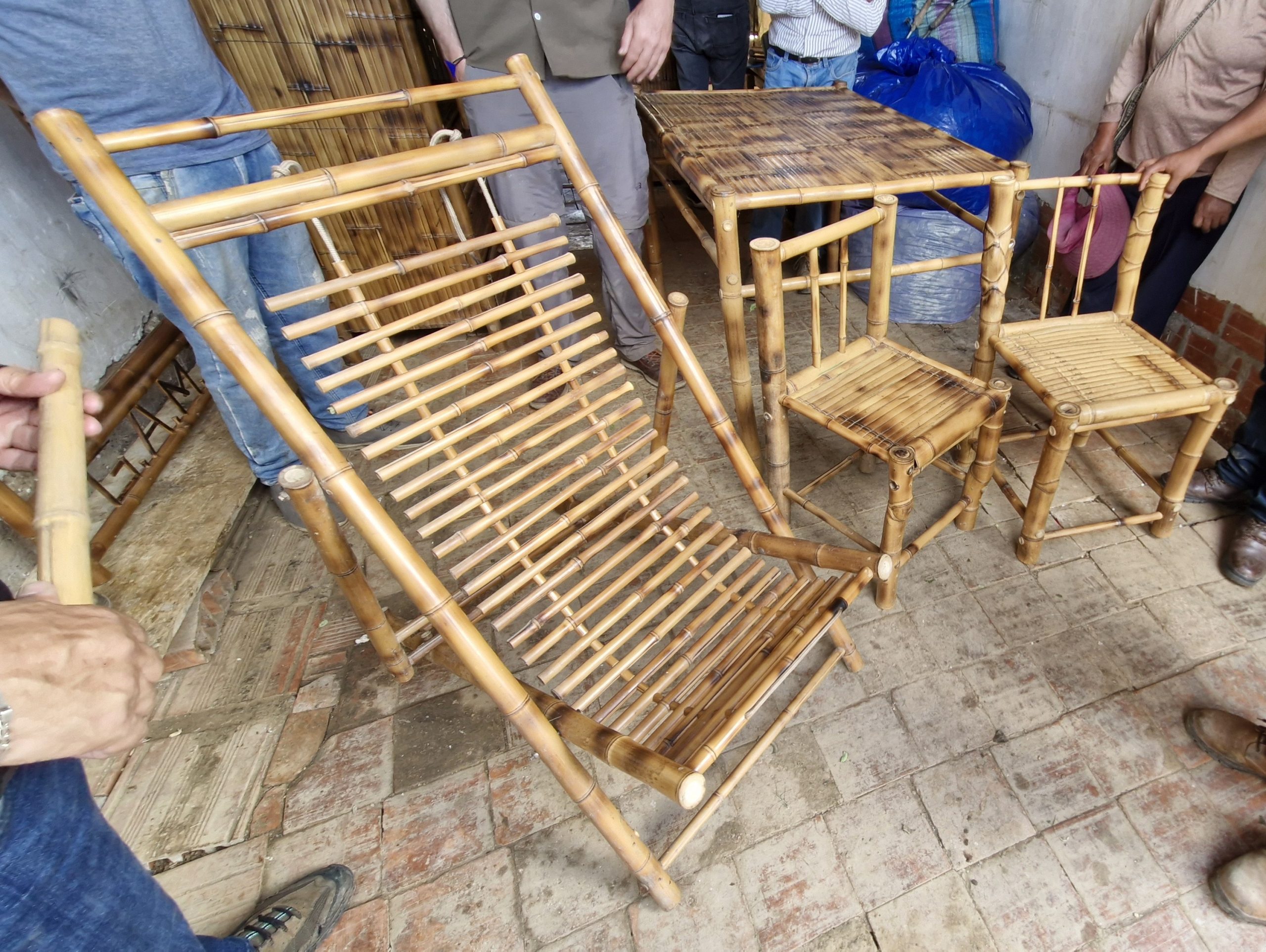
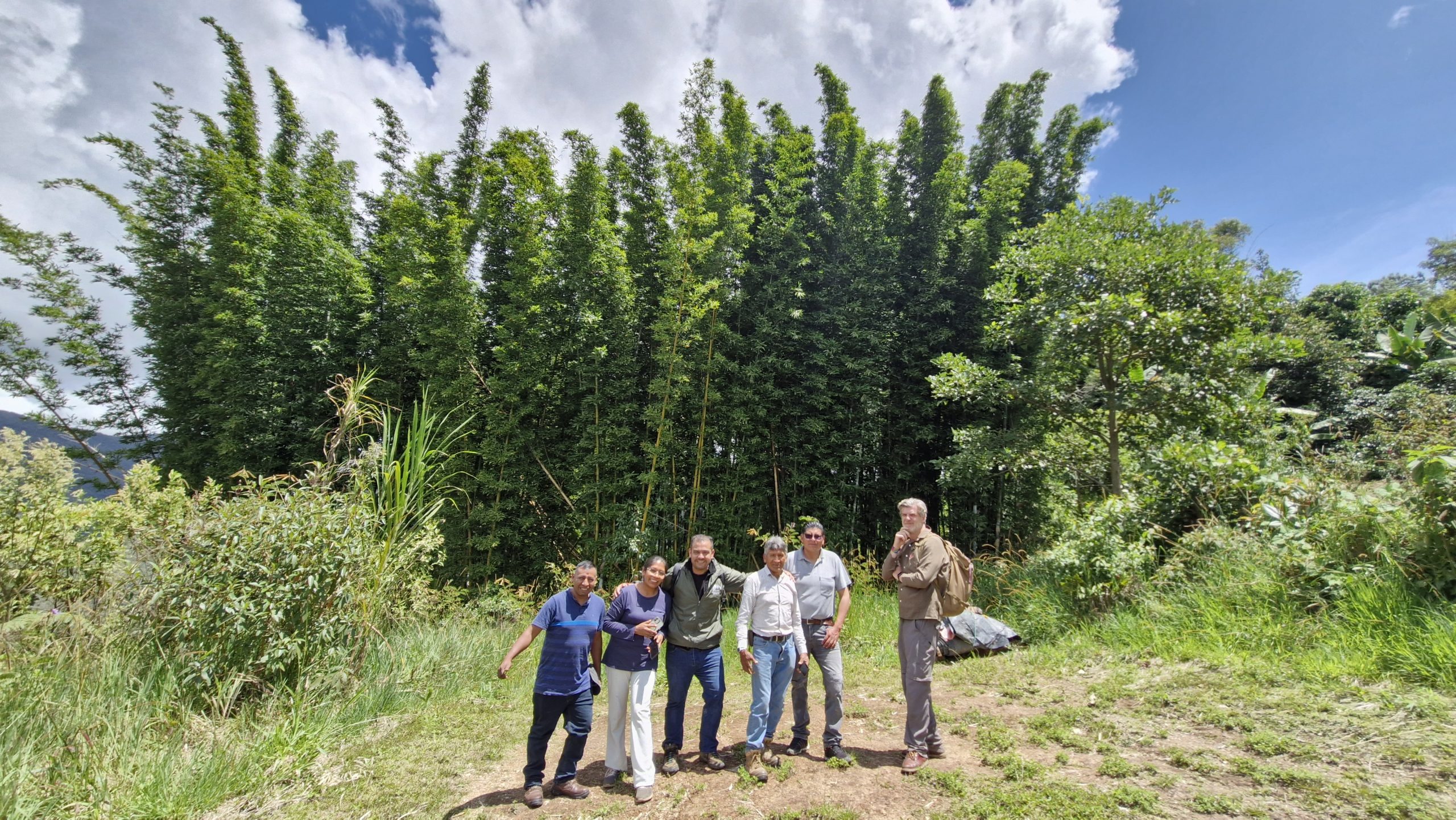
Field visits were also conducted in the Yungas region, enabling direct engagement with rural producers and artisans. These interactions provided valuable insights into existing practices, as well as the main challenges and opportunities for strengthening bamboo value chains.
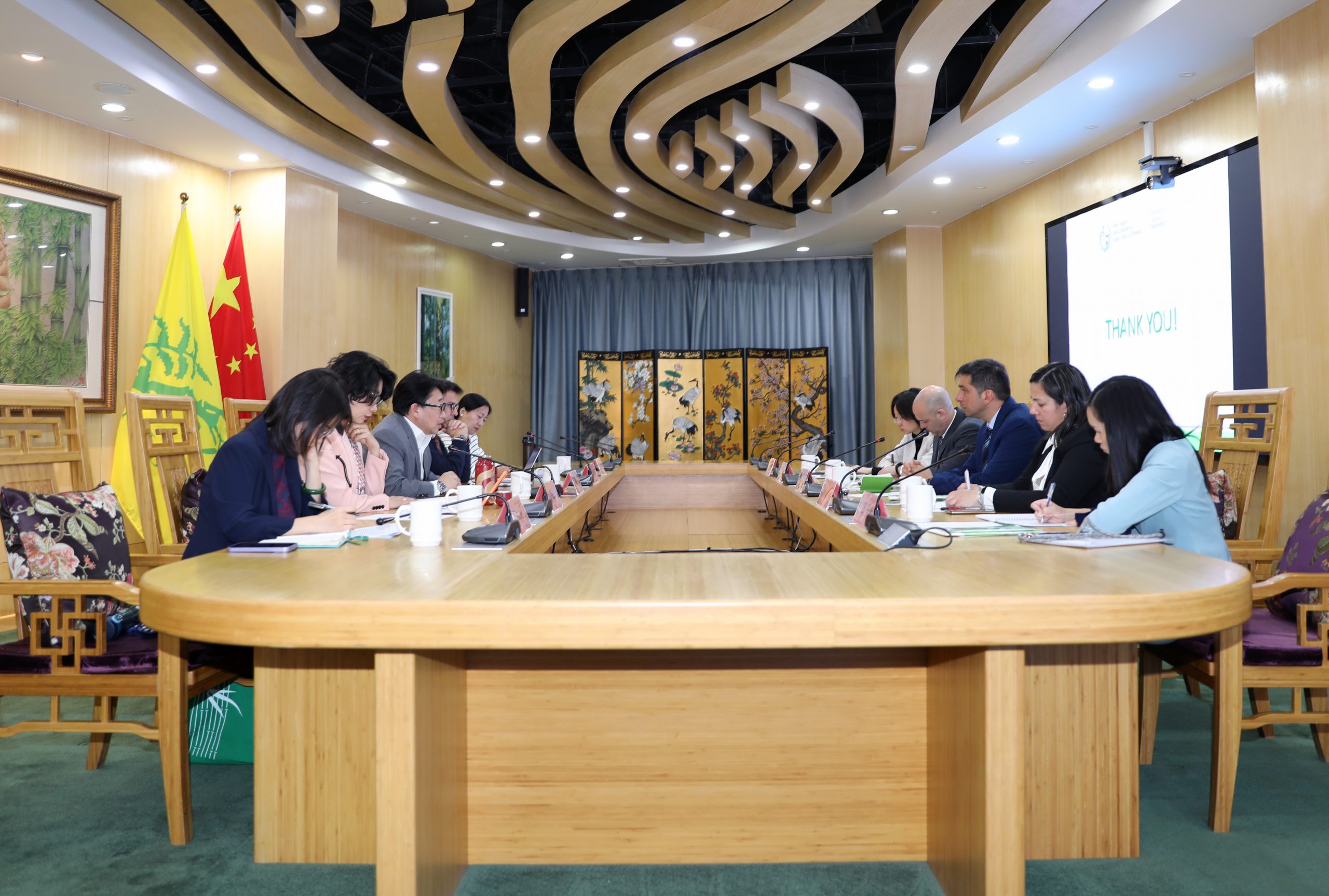
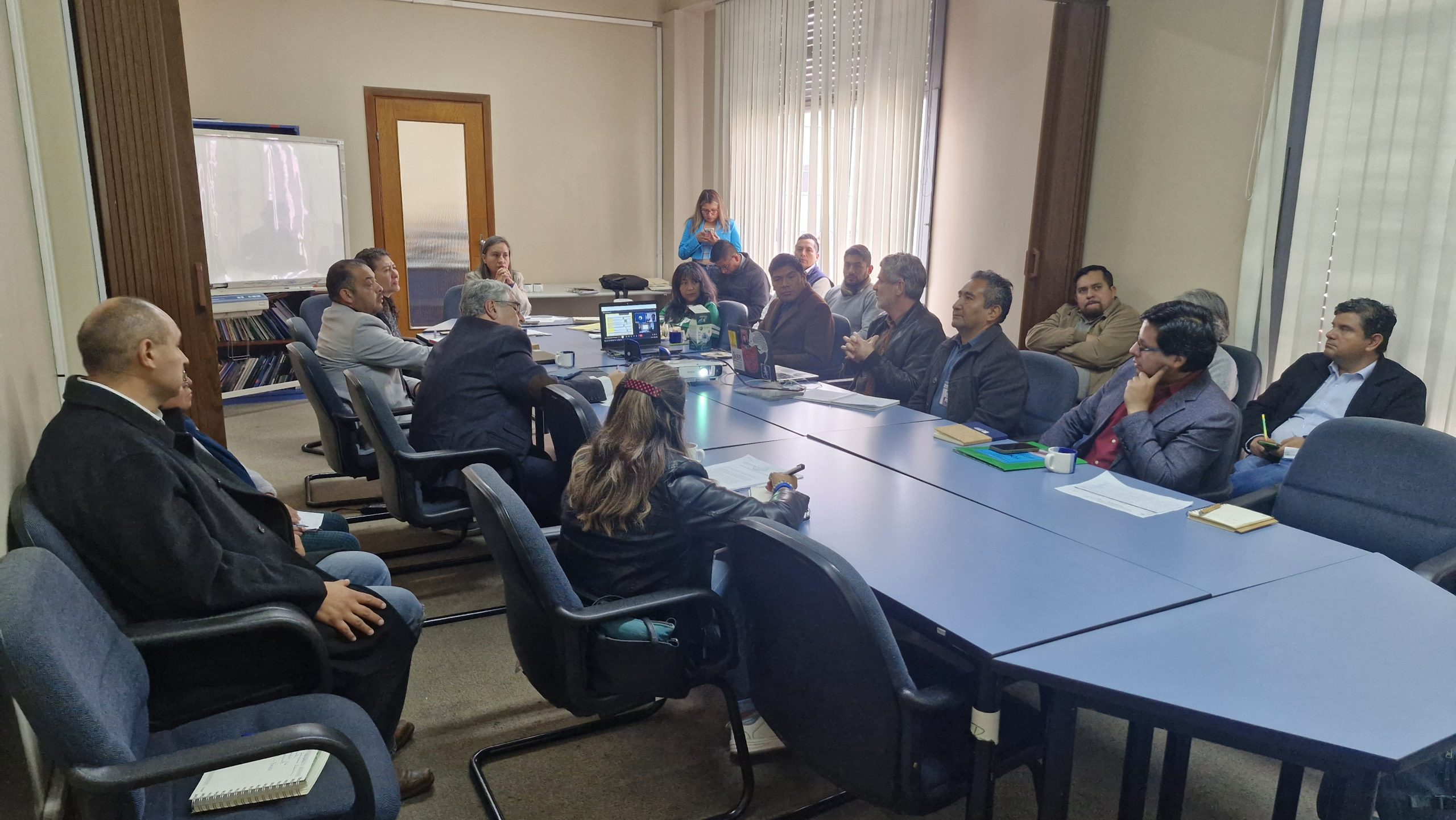
Engagement with government authorities was another key component of the mission. A meeting was held with the Ministry of Development Planning and Environment, bringing together approximately 20 representatives from government institutions and key sector stakeholders. The session included presentations on the potential of bamboo development in Bolivia, followed by a constructive dialogue on strengthening the bamboo value chain.
Participants emphasized the importance of enhancing government involvement and fostering coordinated efforts to advance the sector. The meeting was attended by the Acting Vice Minister of Strategic Planning, Ms. Tania Jordán Barros, reflecting the growing institutional recognition of bamboo as a strategic resource for sustainable development in the country.
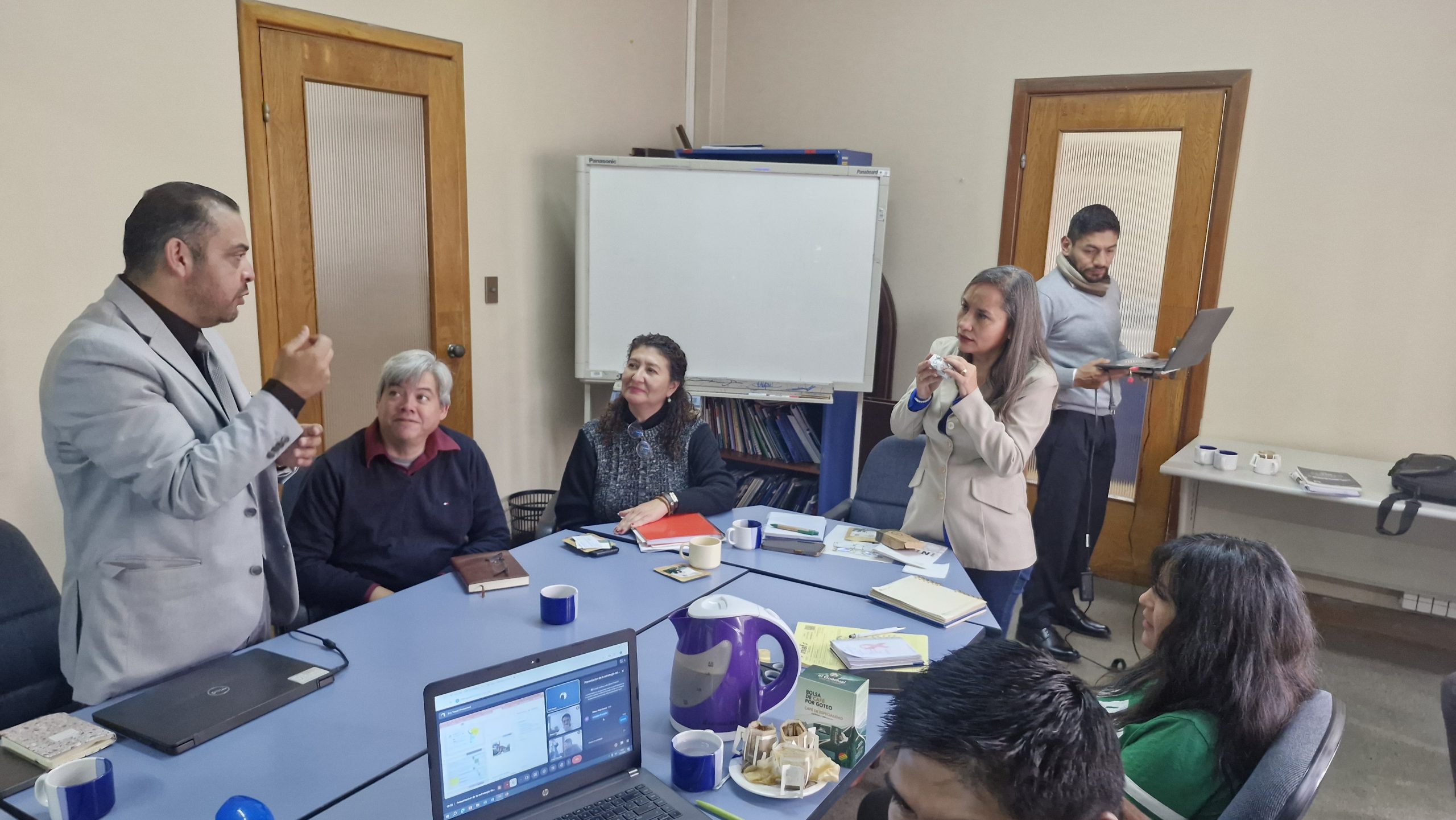
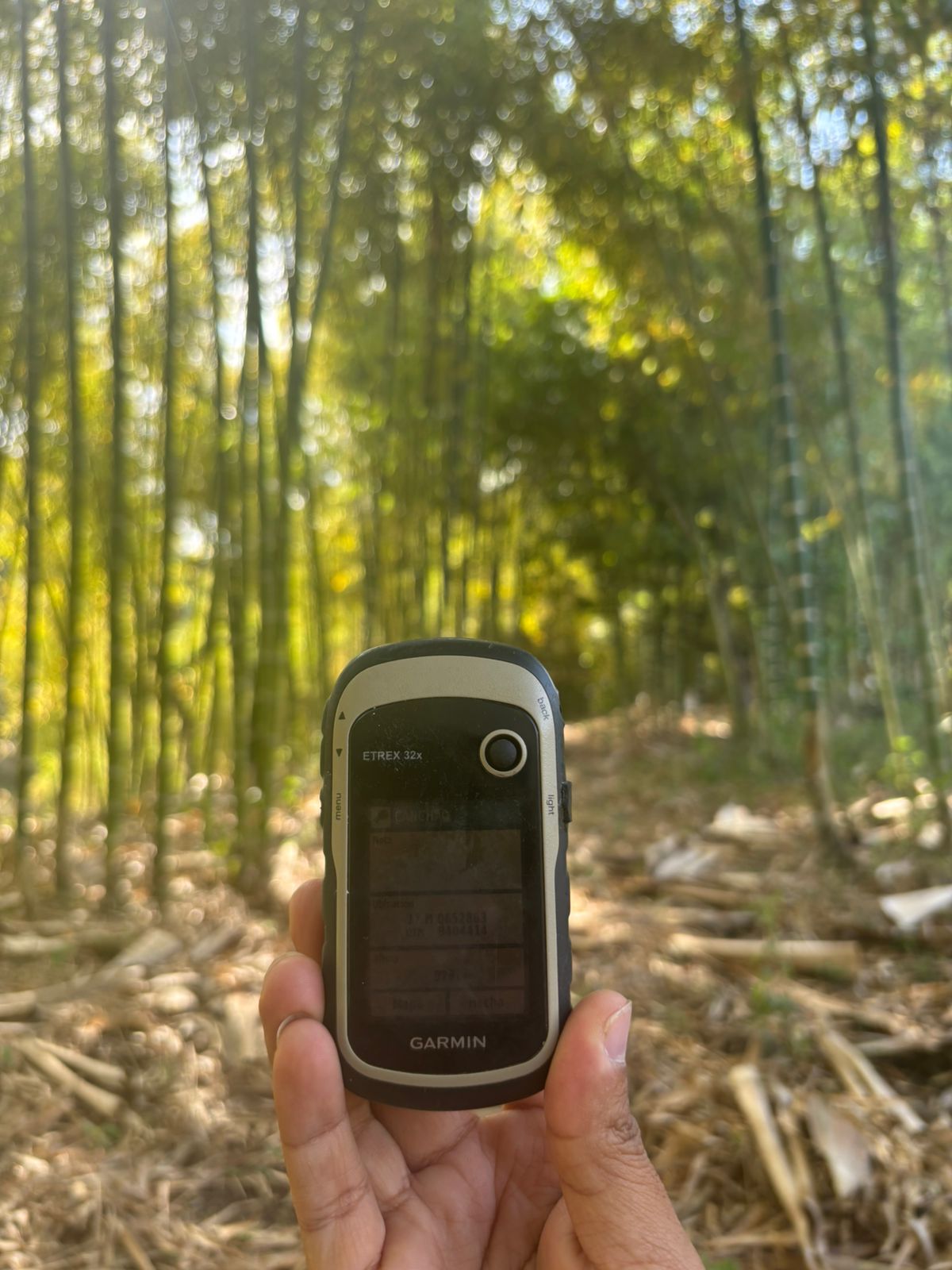
In parallel, the project is advancing the assessment of bamboo resources in Bolivia. In collaboration with ProRural and ABB, a study is being conducted to compile primary and secondary data on locally available bamboo species, as well as the technologies and methods used to process them. The study covers provinces with bamboo presence across the departments of La Paz, Cochabamba, Santa Cruz, Pando and Tarija.
The results of this assessment will support the development of a strategic roadmap to position bamboo as a viable alternative for income generation and sustainable development in rural communities across Bolivia.