 News
NewsHealing Guyana’s degraded mining sites: A scalable model for bamboo-driven restoration
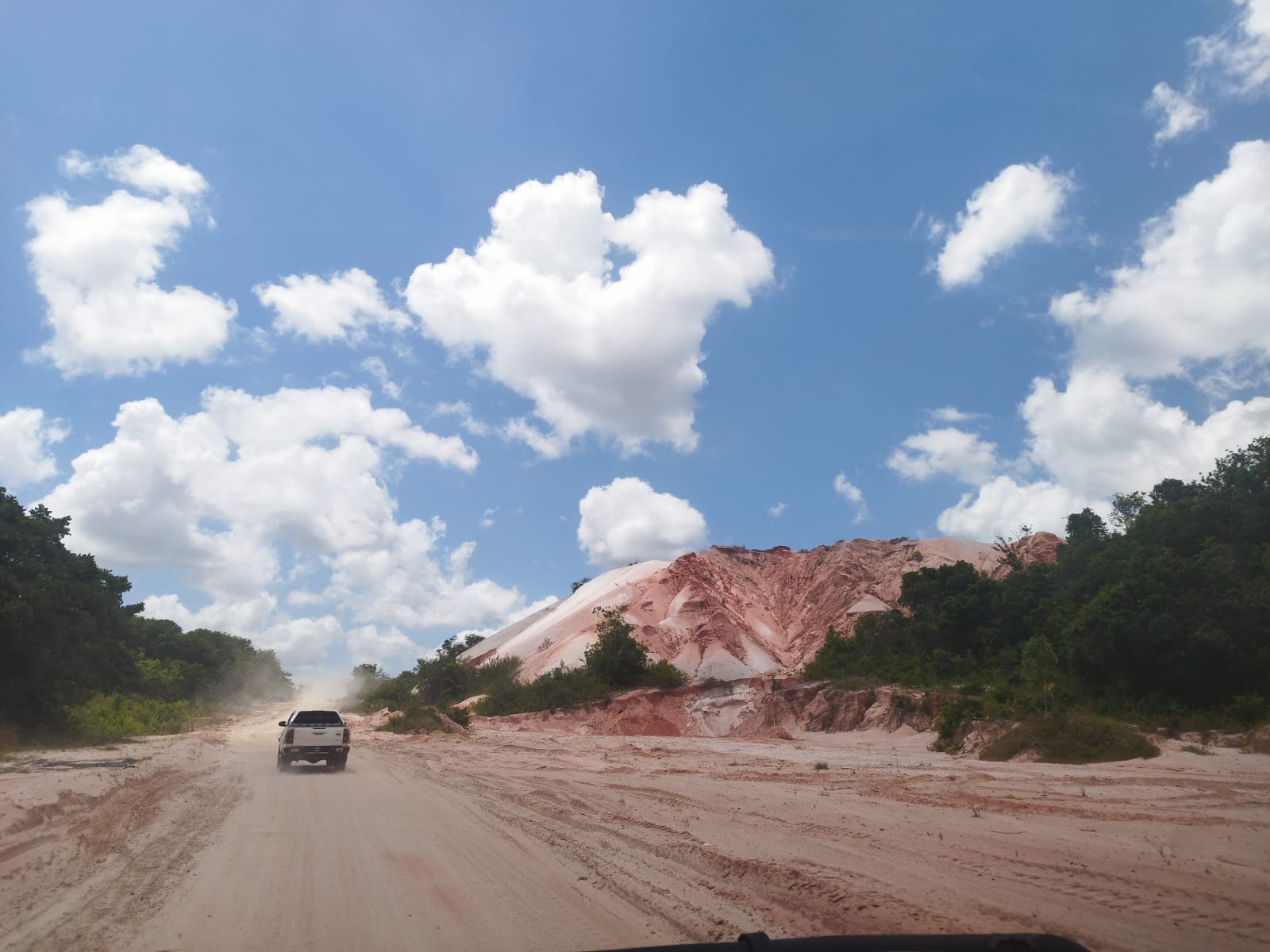
A new pilot initiative is showing how bamboo can restore damaged ecosystems and support local communities.
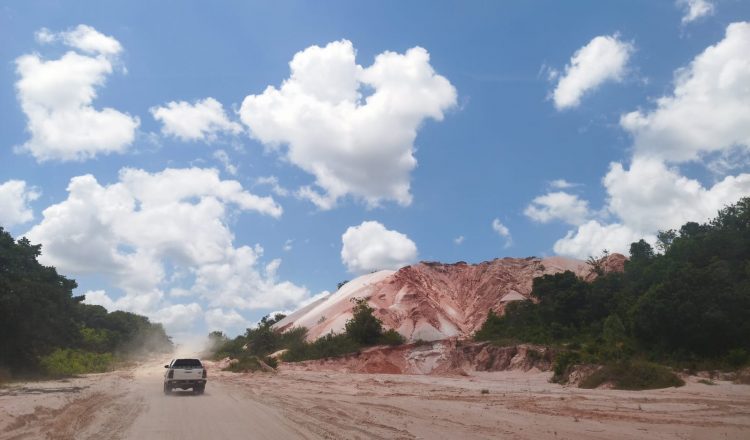
Guyana, known as one of the world’s few High Forest, Low Deforestation countries, holds an extraordinary natural heritage, with nearly 85% of its territory covered by tropical forests rich in biodiversity and natural resources, including gold, bauxite, manganese, loam, sand and diamonds. However, while the mining sector has long contributed to the nation’s economy, it also poses one of the most significant challenges to land conservation. The impacts of mining extend well beyond the closure of extraction sites, leaving behind degraded lands, polluted waterways and destabilized ecosystems that threaten both human health and the environment.
Recognizing this challenge, the Guyana Geology and Mines Commission established a Code of Practice requiring all mining license and permit holders to reclaim and restore mined-out areas. According to this code, the reclamation of mining sites must not only eliminate health hazards and ensure public safety, but also restore sites to conditions acceptable to local communities. In cases where the original landscape cannot be fully recovered, restoration should aim to establish new, sustainable land uses. A key principle guiding this process is the need to ensure both physical and chemical stability, supported by the implementation of specific control technologies.
Land restoration as a national priority
In Guyana, mining remains the primary driver of deforestation and land degradation. Addressing this issue is central to the country’s long-term development vision, articulated in the Low Carbon Development Strategy (LCDS) 2030. This national policy prioritizes the restoration of degraded lands as part of Guyana’s broader transition toward a diversified, low-carbon economy that enhances the livelihoods of its people while protecting the environment.

In alignment with this commitment, the European Union (EU), through its flagship program EUROCLIMA, has partnered with Guyana to advance sustainable restoration models. As the EU’s leading cooperation program for environmental sustainability and climate change in Latin America and the Caribbean (LAC), EUROCLIMA supports countries across the region in their green transition, promoting actions that mitigate and enhance adaptation to climate change while conserving biodiversity.
In the Caribbean, EUROCLIMA is funded by the European Commission and implemented by agencies from EU Member States, including Expertise France. Through a strategic partnership with INBAR, Expertise France is providing technical support to the Ministry of Natural Resources and the Guyana Forestry Commission (GFC) for the implementation of the Piloting Bamboo for Restoration and Sustainable Livelihoods in Guyana project.
A transformative initiative for the Guyanese people and planet
Officially launched at the GFC Multiplex Building in Georgetown, this pilot project marks a new milestone in Guyana’s journey toward sustainable development. During the launch event, H.E. Mr. Vikram Bharrat, Minister of Natural Resources, emphasized that this initiative “places communities at the heart of restoration by linking climate mitigation, land rehabilitation, and sustainable livelihoods.” He highlighted that bamboo, as one of the world’s fastest-growing renewable resources, can play a transformative role in achieving the goals of the LCDS 2030 while creating new income opportunities for Indigenous Peoples and local communities.
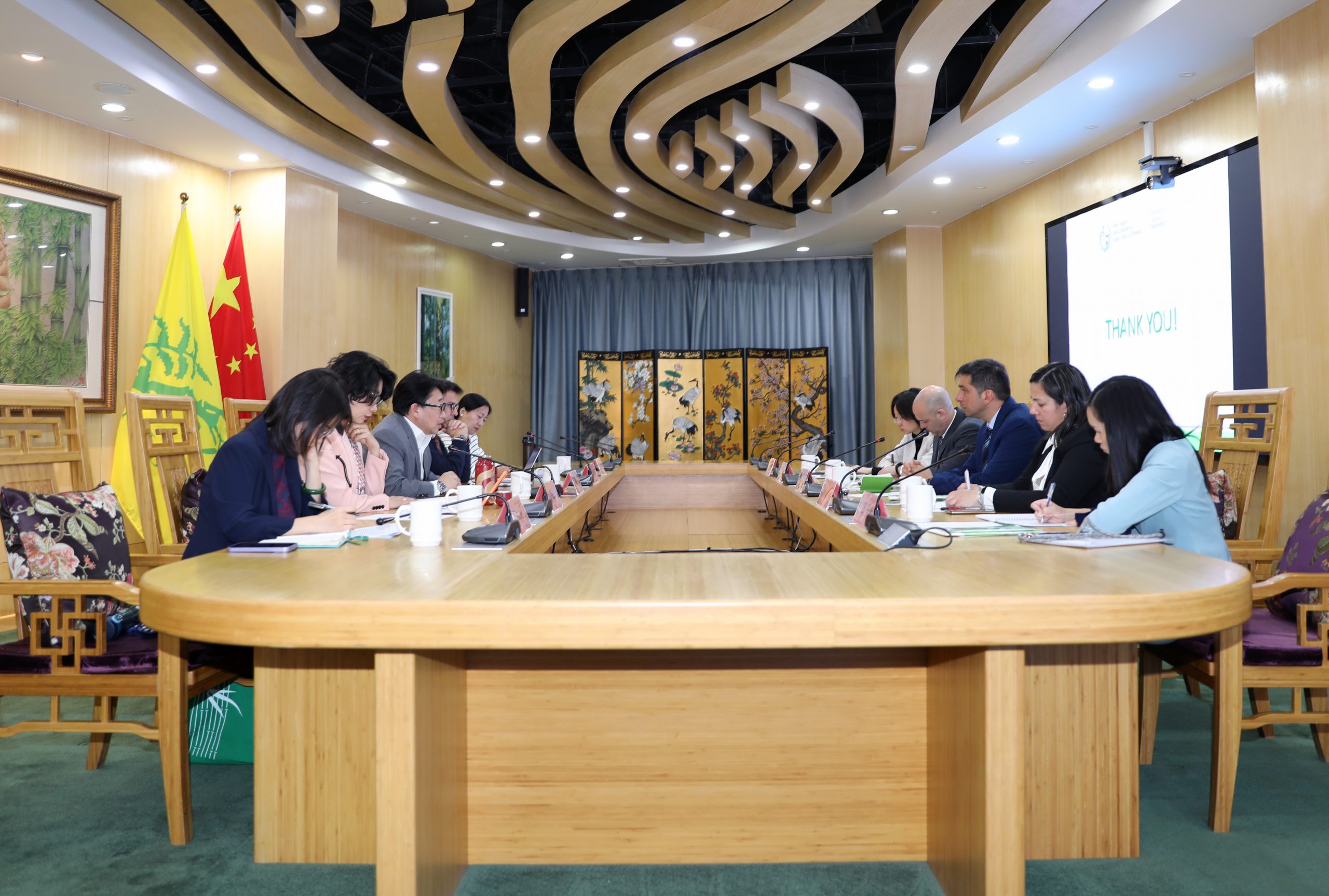
The launch event gathered key representatives from the GFC, the EU delegation, Expertise France, government and international agencies, community leaders and the private sector. Joining the event virtually, Mr. Pablo Jácome Estrella, Regional Director of INBAR for Latin America and the Caribbean, reaffirmed INBAR’s commitment to supporting Guyana in developing bamboo-based solutions that contribute to climate resilience, ecosystem restoration and inclusive economic growth.
Bamboo: A natural ally for restoration
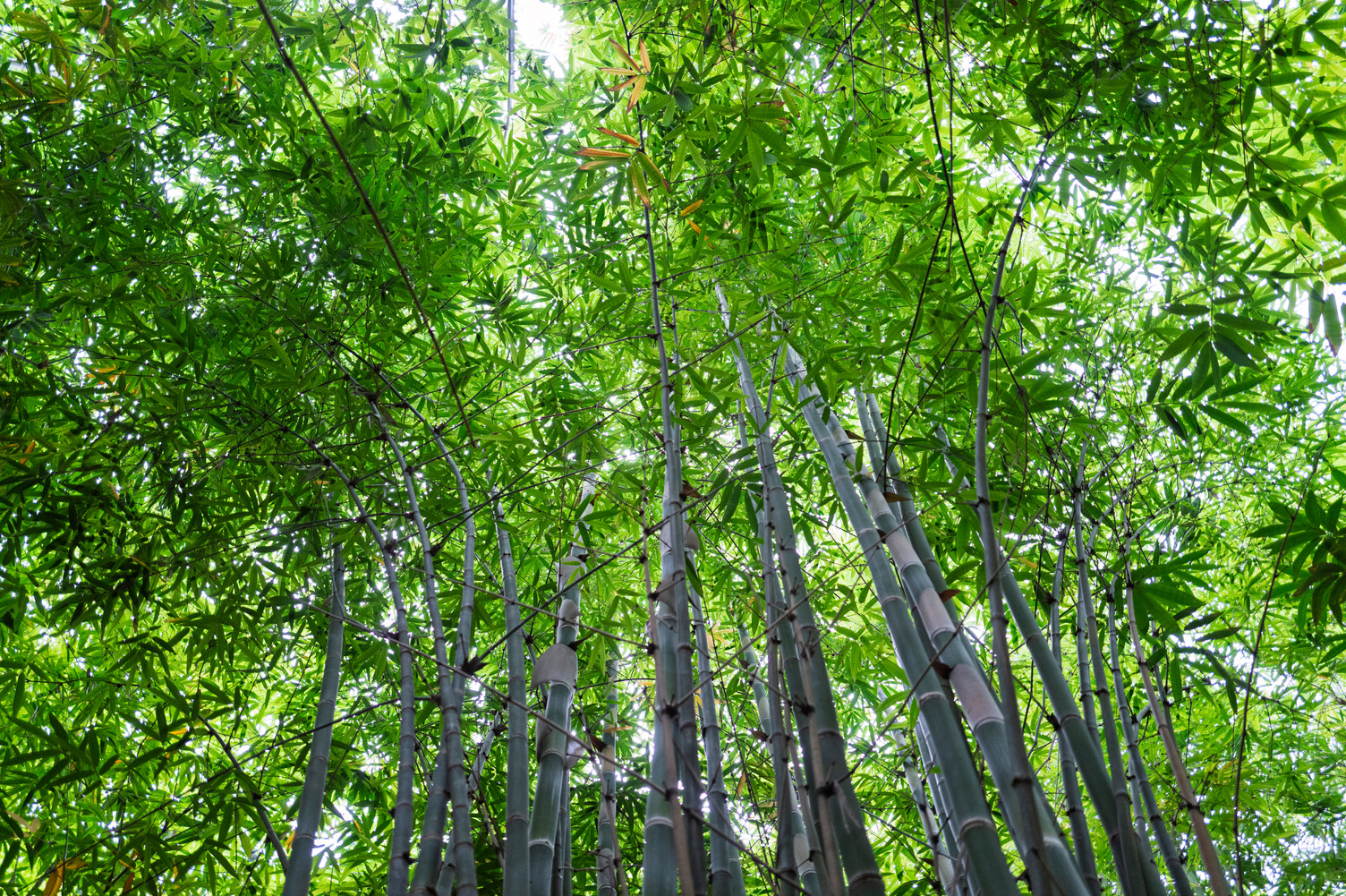
Bamboo has emerged globally as a powerful ally for restoration and sustainable land management. Its fast growth, deep root system and ability to thrive in degraded soils make it particularly effective in rehabilitating mined-out areas. Ecologically, bamboo provides crucial regulation services, including soil stabilization, sediment retention, flood and landslide control, groundwater recharge, water purification and local climate regulation.

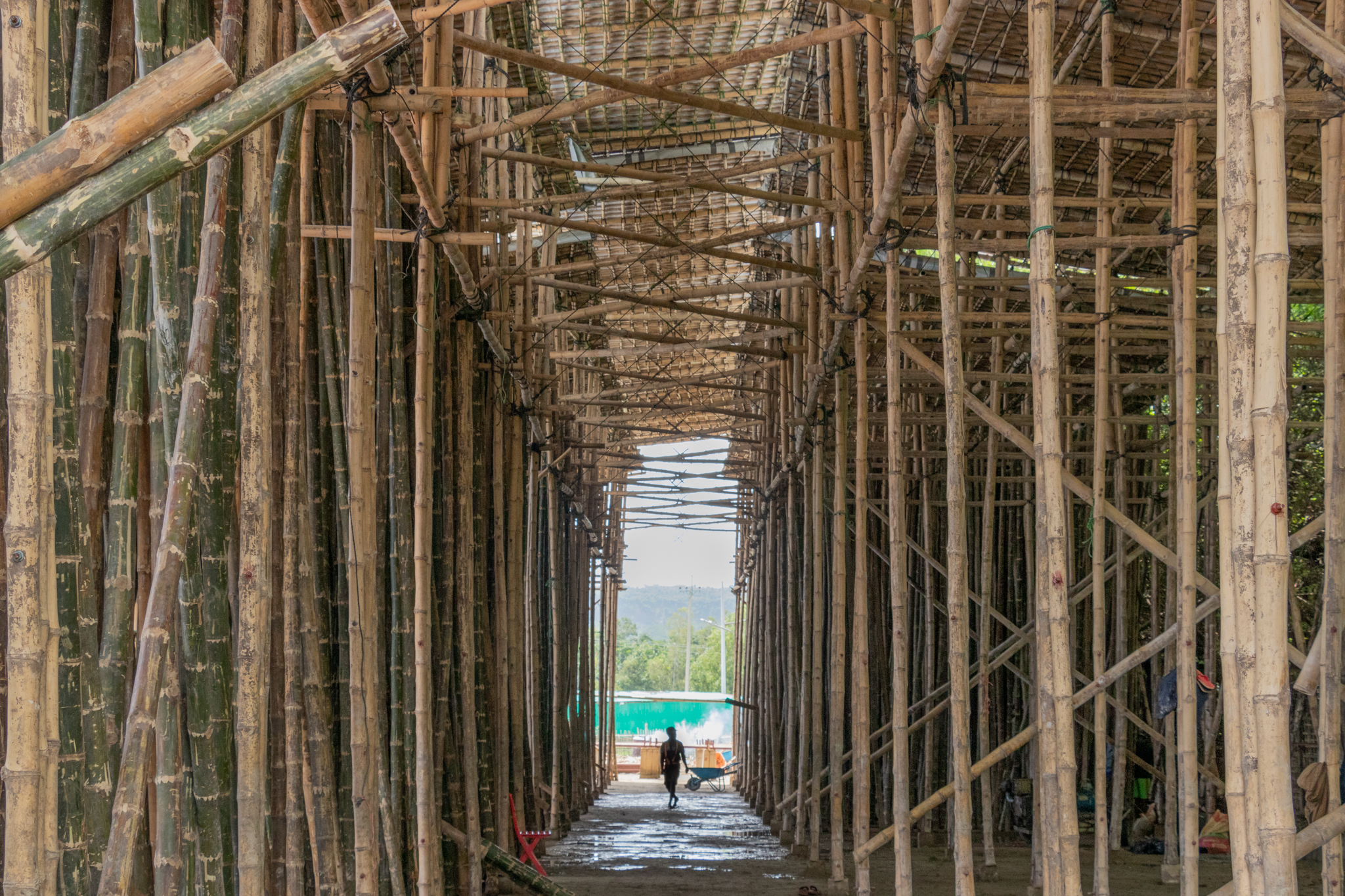
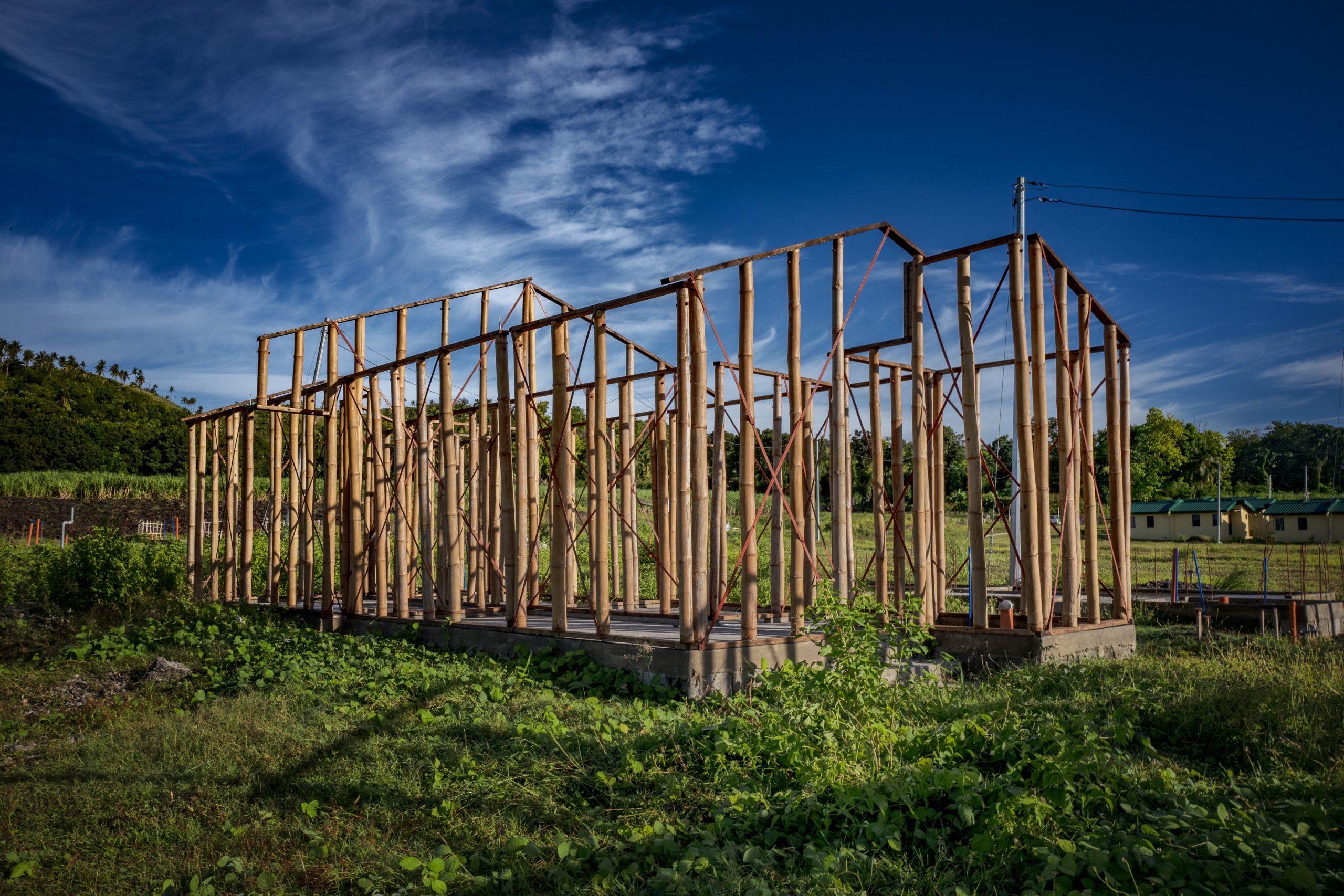
Beyond its environmental benefits, bamboo offers a renewable raw material that supports a sustainable supply chain for local communities. From construction materials and handicrafts to fibers for pulp and paper industries, bamboo can generate diverse livelihood opportunities, fostering green jobs and circular economy models in rural areas. This aligns directly with the Forest Partnership Memorandum of Understanding signed between the EU and Guyana during COP27, which sets shared objectives to increase areas of restored and sustainably managed forests and expand forest-related work opportunities.
From policy to practice: Field activities underway
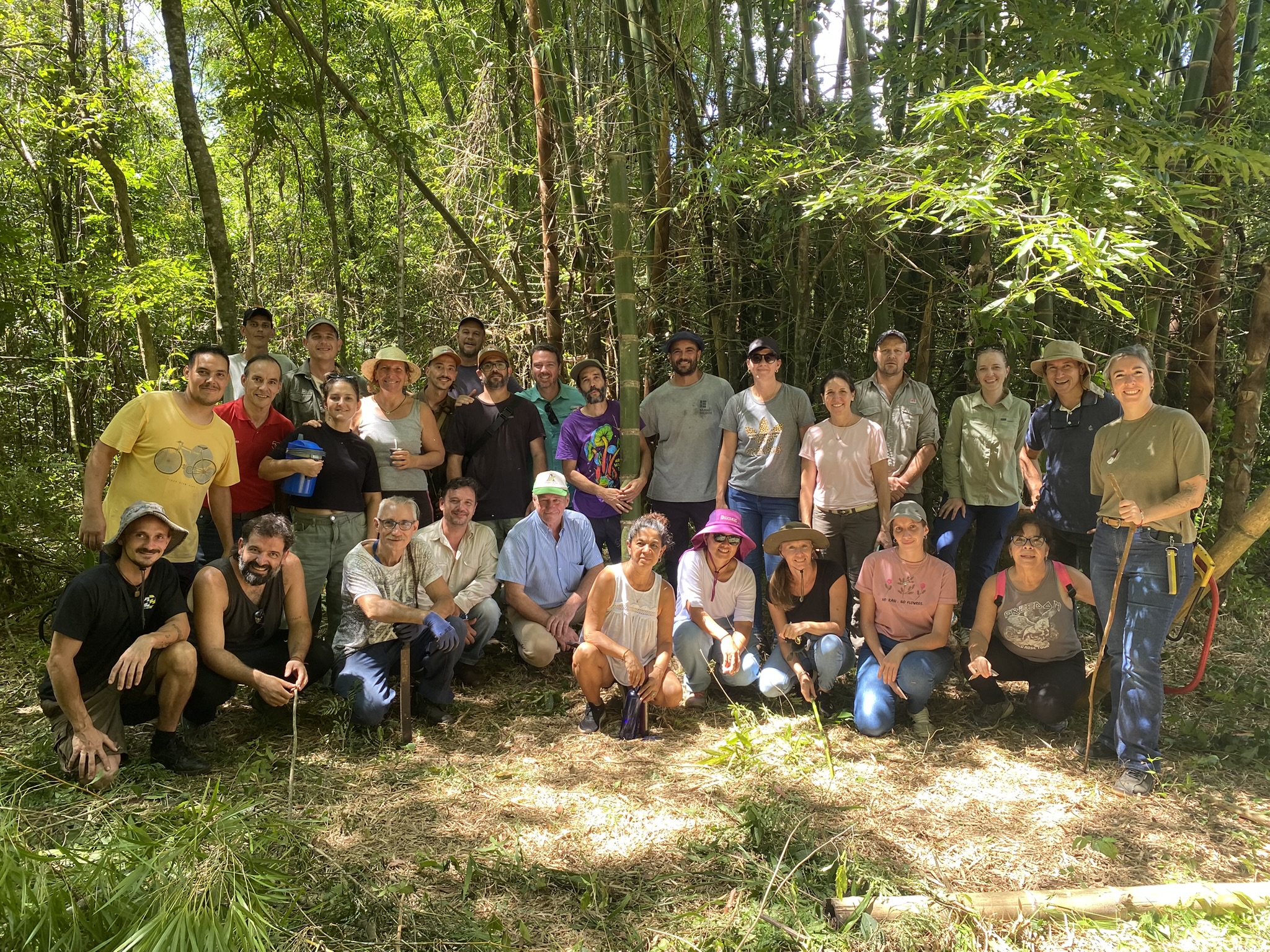
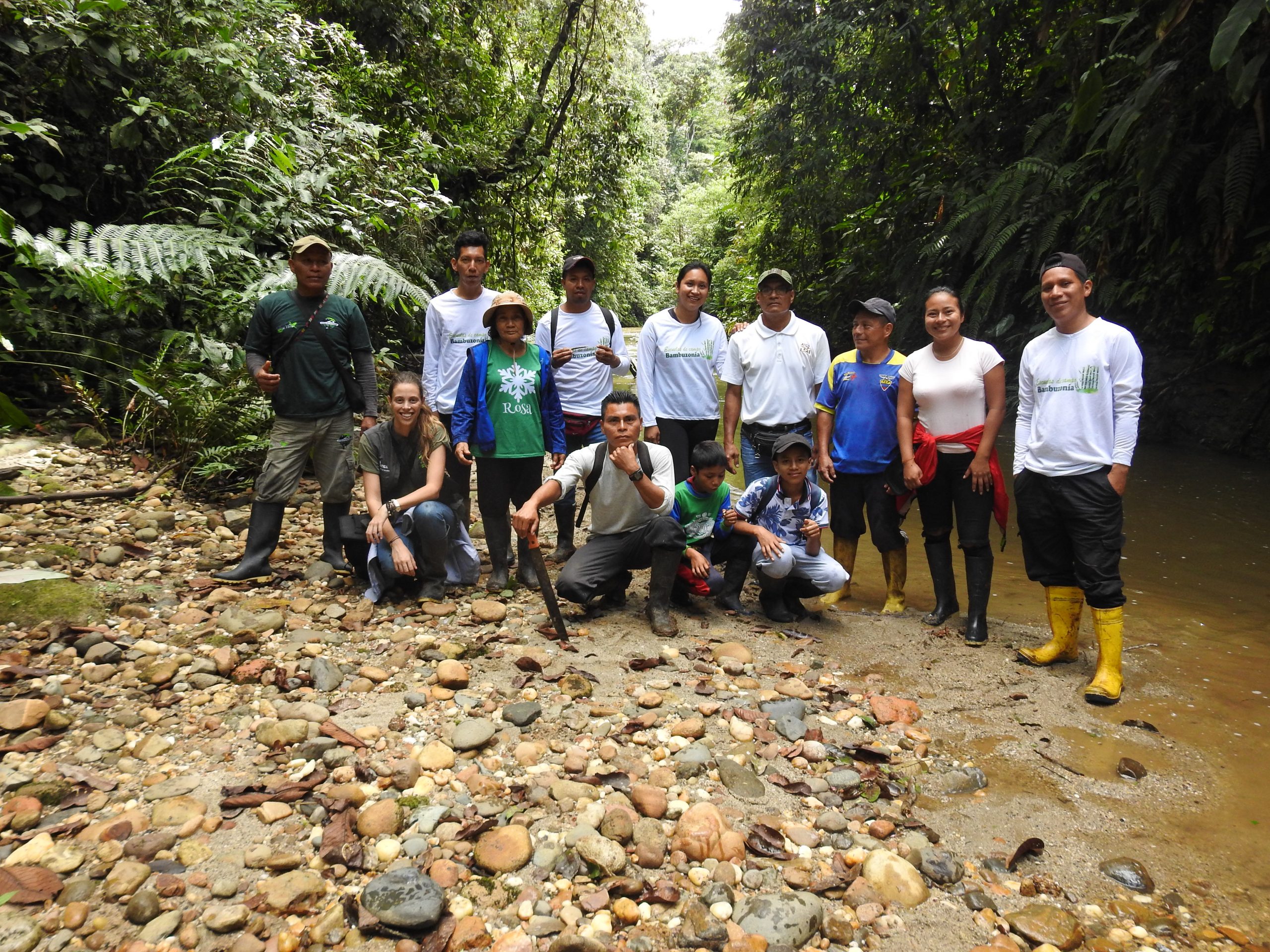
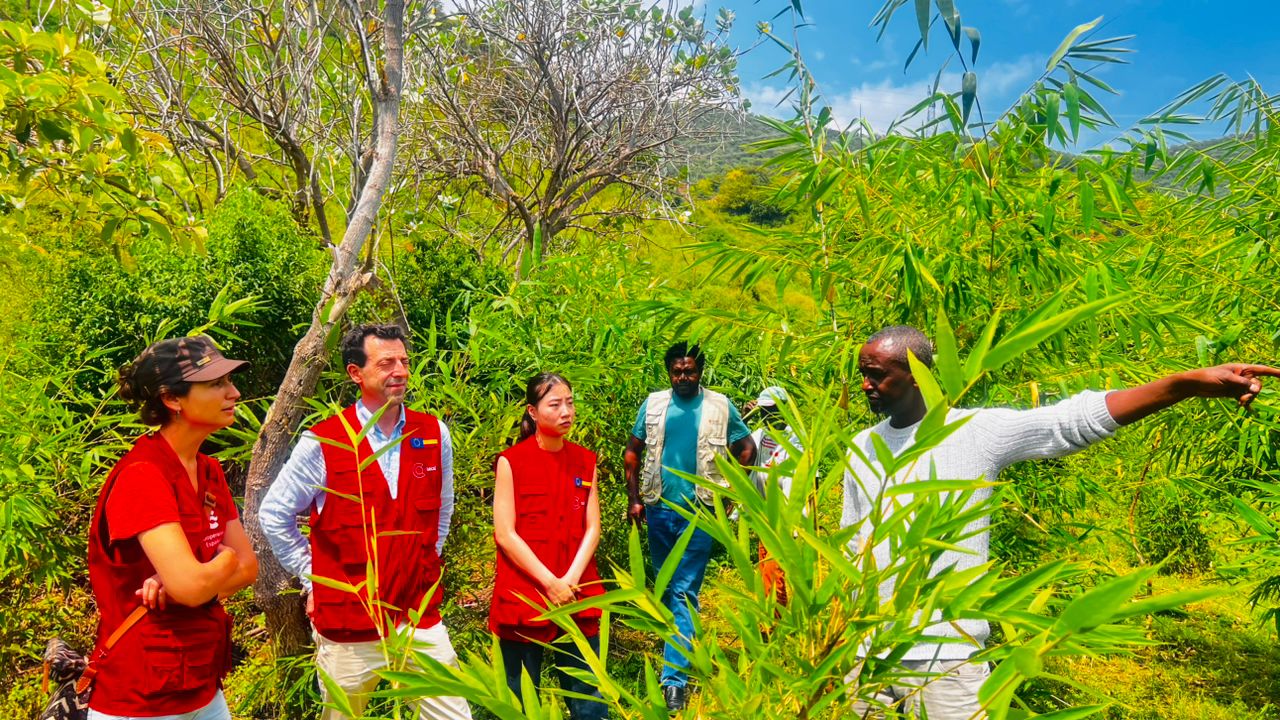
As part of the project’s initial phase, field activities have already begun in Region 10, the main area selected for pilot implementation. A technical team comprising experts from Expertise France, INBAR and the GFC, alongside local community leaders, conducted a visit to assess the extent of degradation caused by bauxite mining and obtain a preliminary understanding of the local communities’ dynamics. The visit allowed stakeholders to have a clearer look at the restoration sites and discuss strategies for introducing bamboo as a reclamation species suited to local ecological conditions.

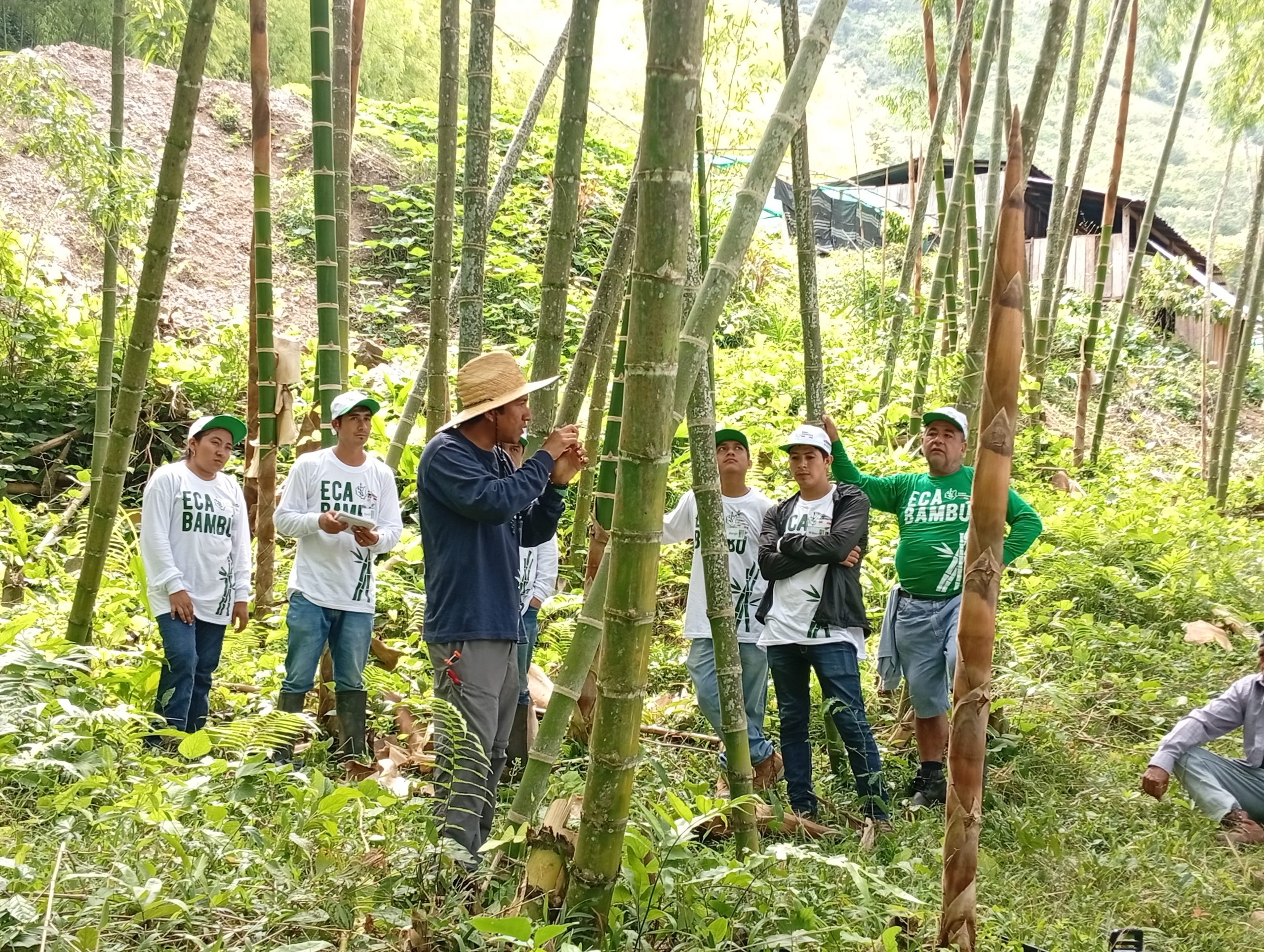
The fieldwork also included specialized missions to Regions 1, 2, 3, 4, 8 and 10 led by Ms. Ximena Londoño, Bamboo Taxonomy Specialist, and Mr. Pablo Izquierdo, INBAR Team Leader of the project. Their assessments focused on identifying bamboo species present in Guyana, evaluating their potential uses and exploring their adaptability for restoration purposes. In addition, the experts visited national herbaria, met with government officers and interviewed local specialists to gather technical data that will inform the project’s next steps.
Building local capacities and knowledge networks from the root
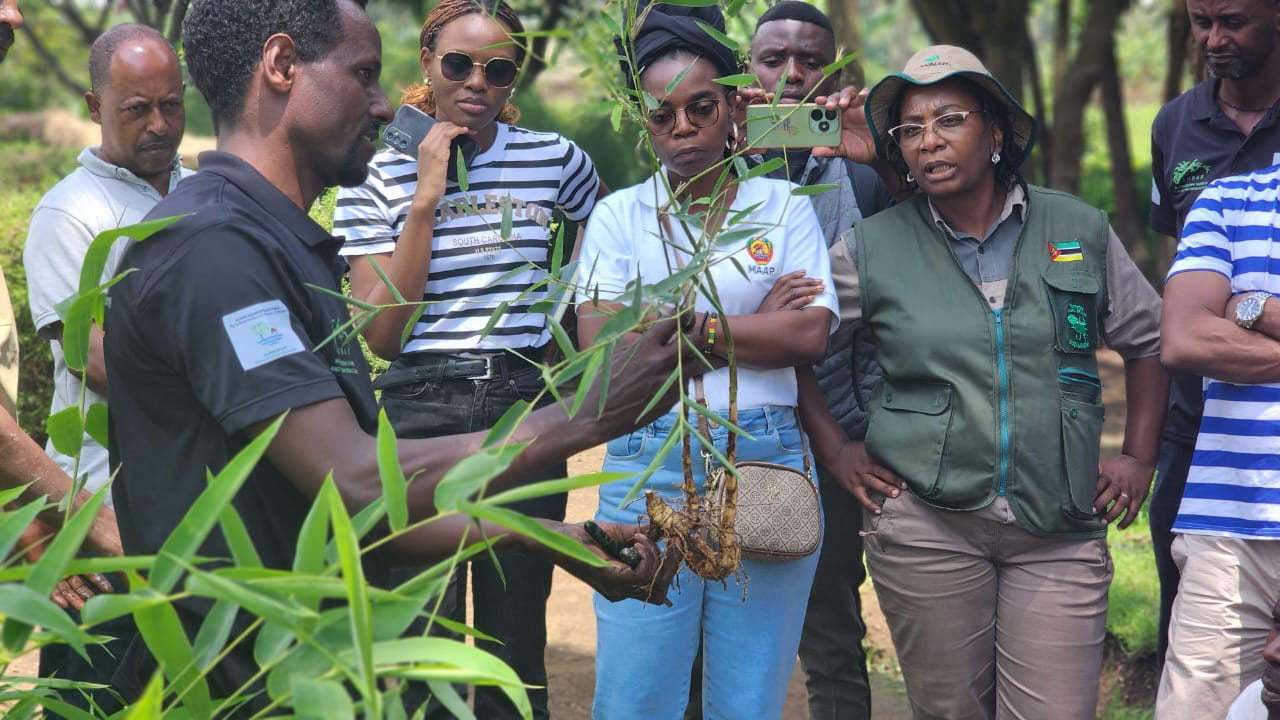
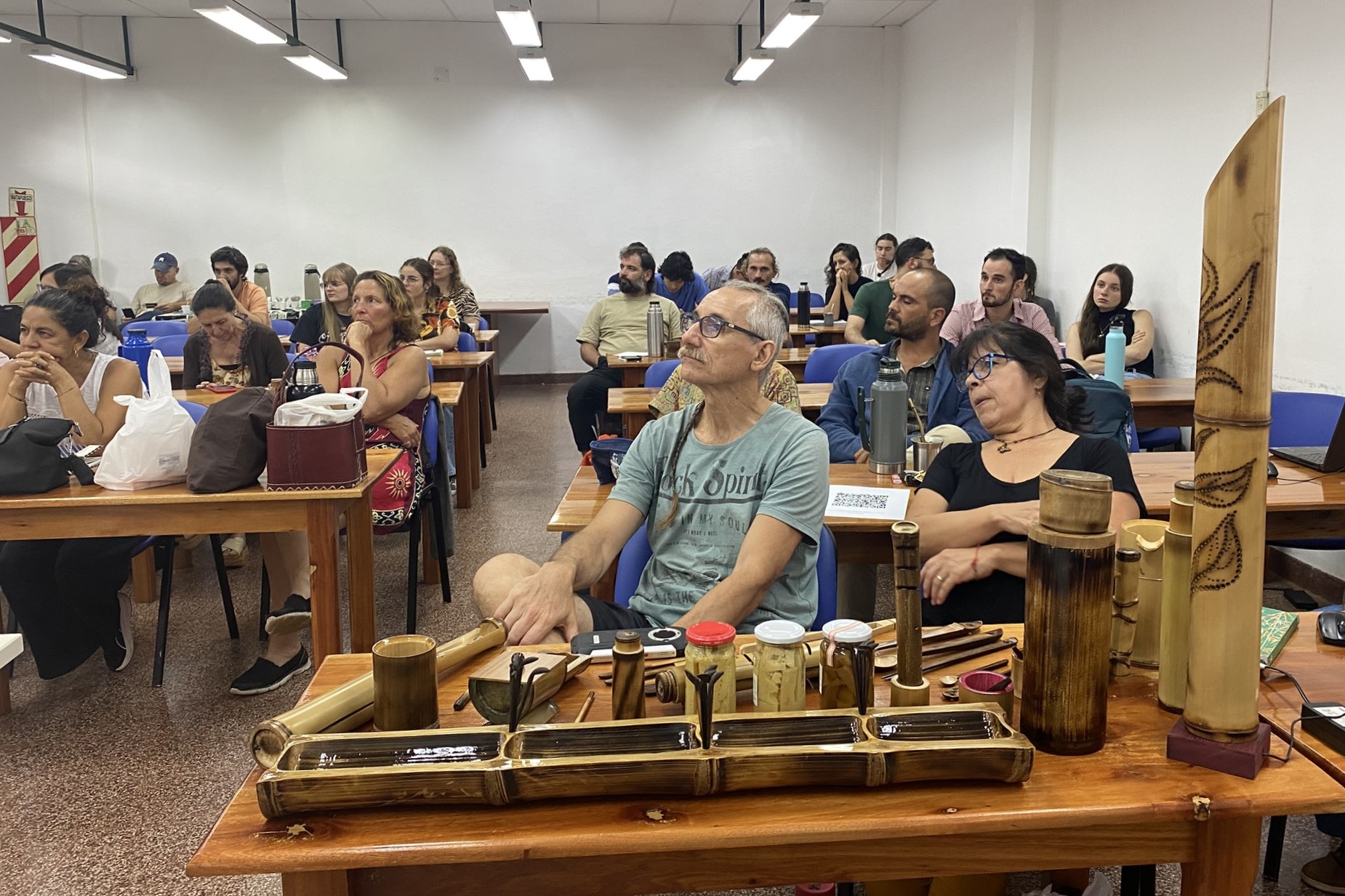
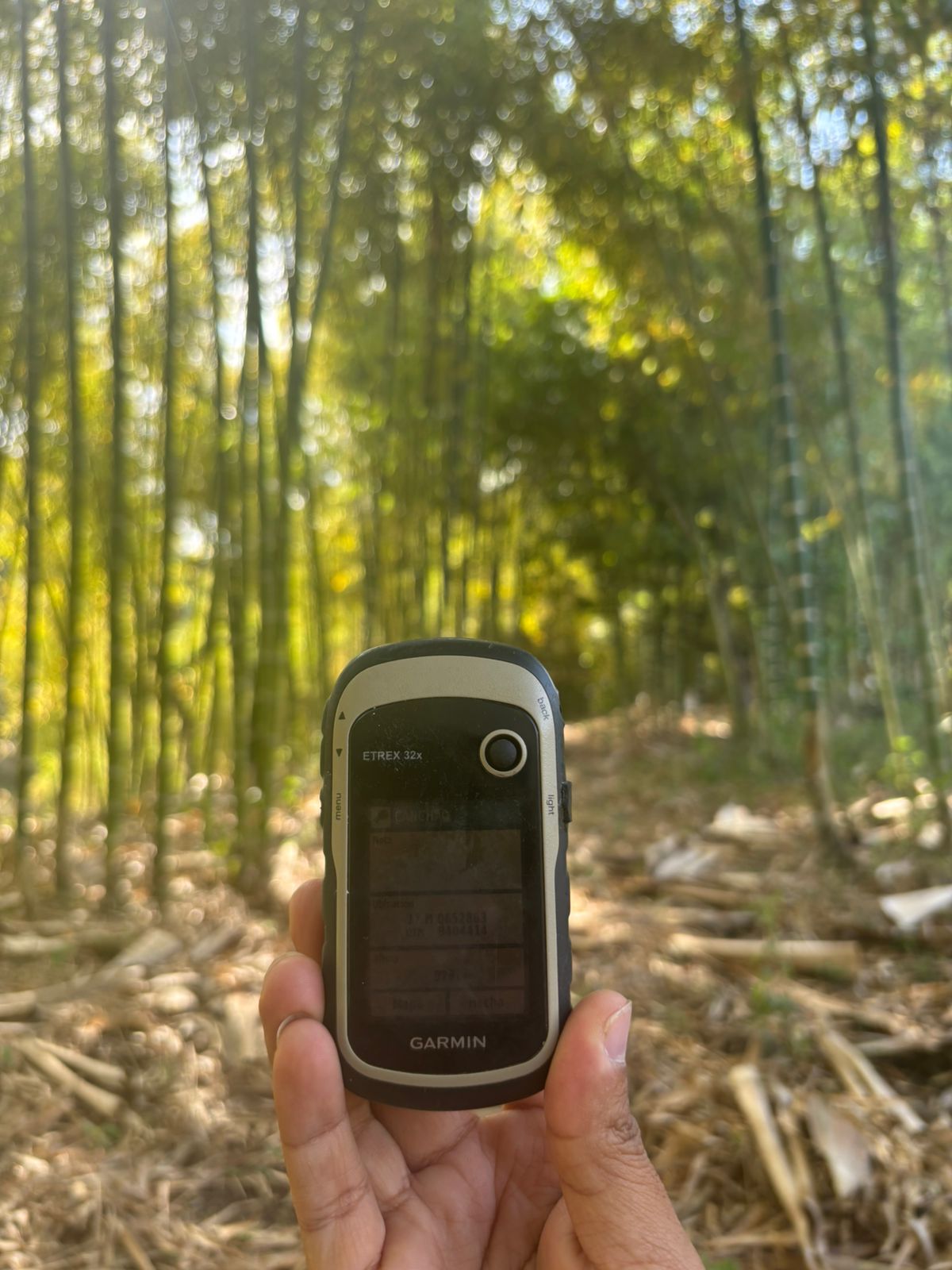
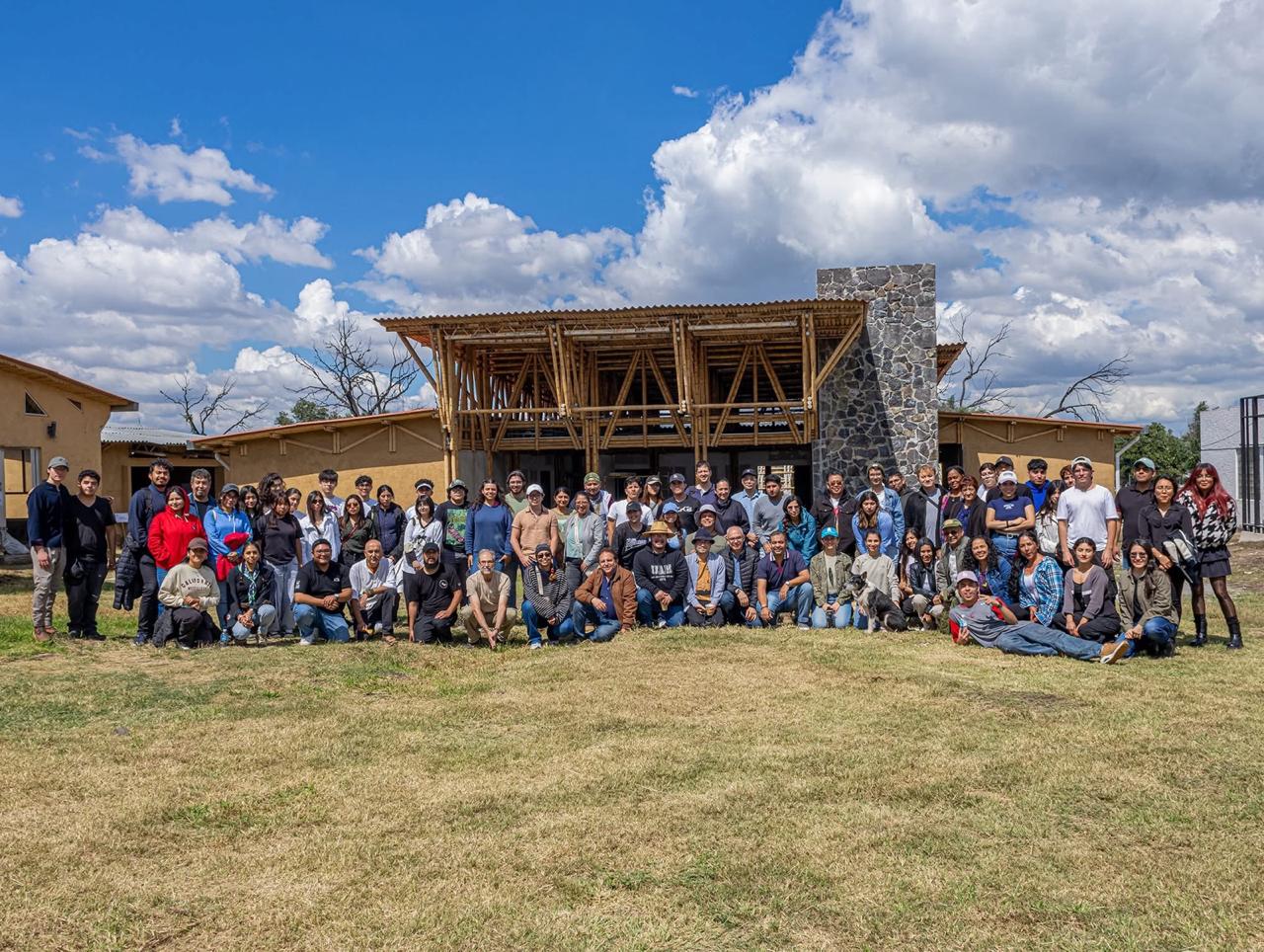
Recognizing that successful restoration requires local capacity and participation, the project also hosted a workshop on Photography for Bamboo Identification. The training aimed to build a network of informants across the country capable of documenting bamboo stands, improving species identification, and contributing to a participatory mapping exercise. More than 30 technicians from the Guyana Forestry Commission, Guyana Geology and Mining Commission, Environmental Protection Agency, Forestry Training Center Inc., University of Guyana and other institutional partners participated in the workshop, acquiring practical tools to better understand bamboo botanical structures and the key elements for species identification.
This participatory approach underscores the project’s commitment not only to ecological restoration but also to capacity building for local institutions. By engaging communities, government institutions and technical experts in a collaborative process, the initiative fosters shared ownership and long-term sustainability.
A model for the region
The project represents a pioneering step in integrating bamboo-based solutions into national restoration efforts. Its outcomes will generate valuable insights for replication and scaling across other Caribbean and Latin American countries facing similar challenges with land degradation and post-mining restoration.

Through the combined efforts of the Ministry of Natural Resources, the GFC, Expertise France, INBAR, and the EU, this initiative serves as a concrete example of international and South-South cooperation for sustainable development. It bridges science, policy and practice, advancing the shared vision of a low-carbon, climate-resilient future for Guyana and beyond.
As the fieldwork continues, bamboo is poised to become not only a tool for restoring degraded landscapes but also a symbol of renewal—demonstrating that sustainable natural resource management can create greener environments, stronger communities and lasting prosperity.