 News
NewsFrom the field up: Argentina hosts South-South knowledge exchange on bamboo
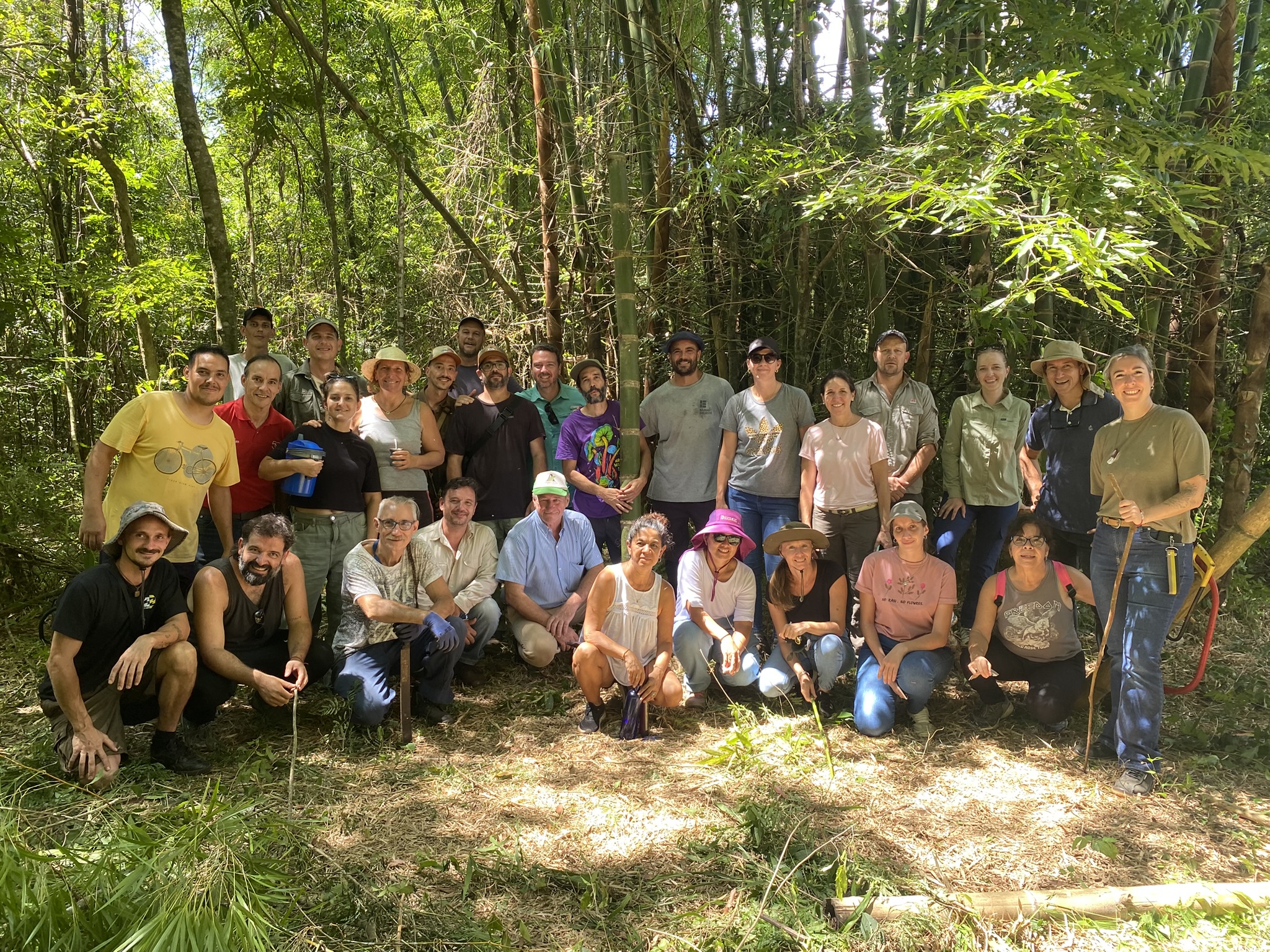
A two-day workshop in Loreto, Misiones brought together over 40 participants to work through the full bamboo value chain, from propagation to preservation.
As part of its ongoing commitment to promote sustainable development and climate resilience, INBAR continues to advance innovative, knowledge-driven initiatives across Latin America. Under the project “South-South Initiative to Promote the Sustainable Use of Bamboo as an Innovative Strategy for Climate Resilience among Smallholder Farmers in Argentina, Bolivia, and Brazil” (Bambú Sur), funded by the International Fund for Agricultural Development (IFAD) as part of the China-IFAD South-South and Triangular Cooperation (SSTC) Facility programme, a key milestone was reached with the successful implementation of a South–South Exchange Practical Workshop in Argentina.
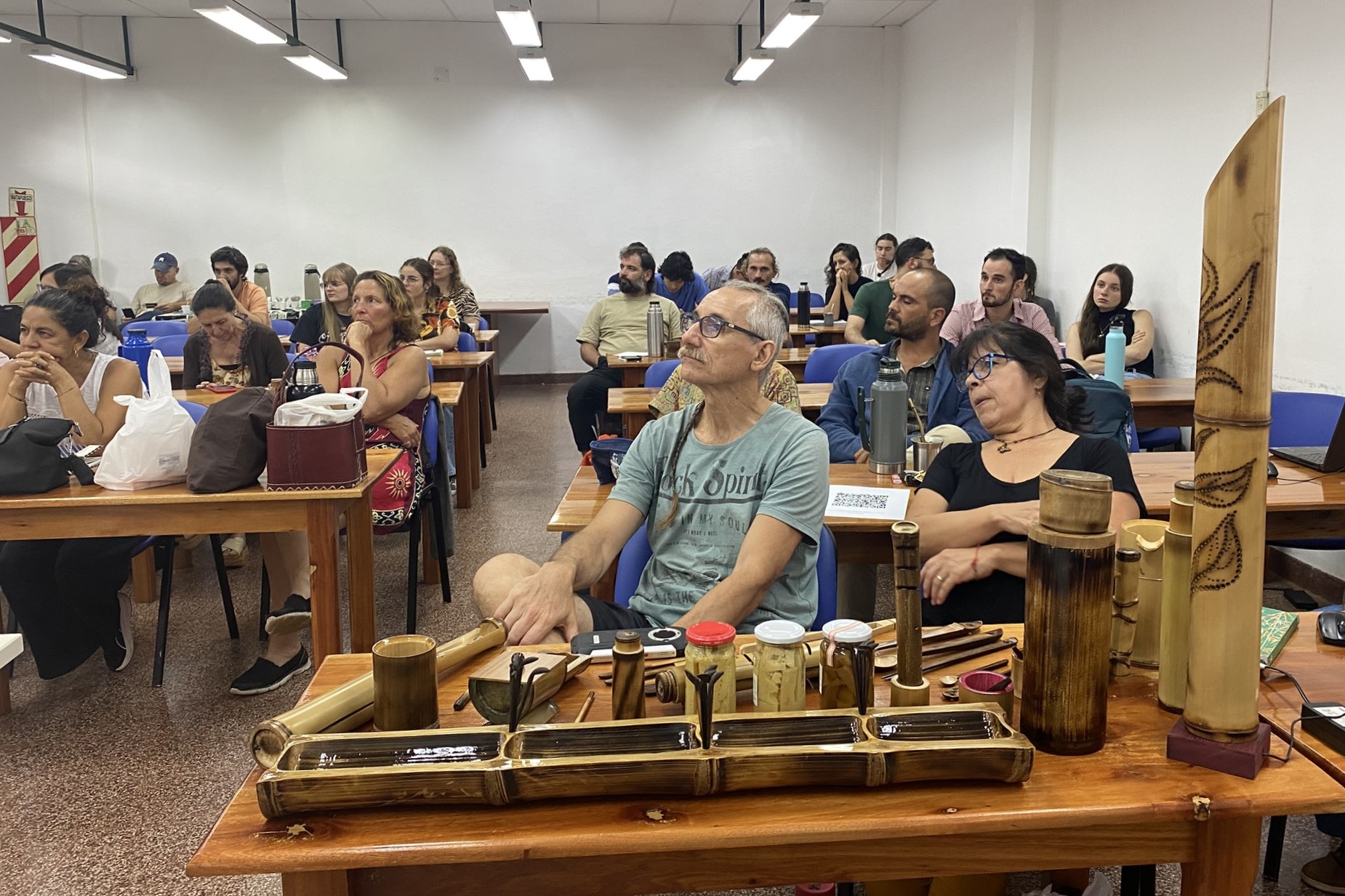
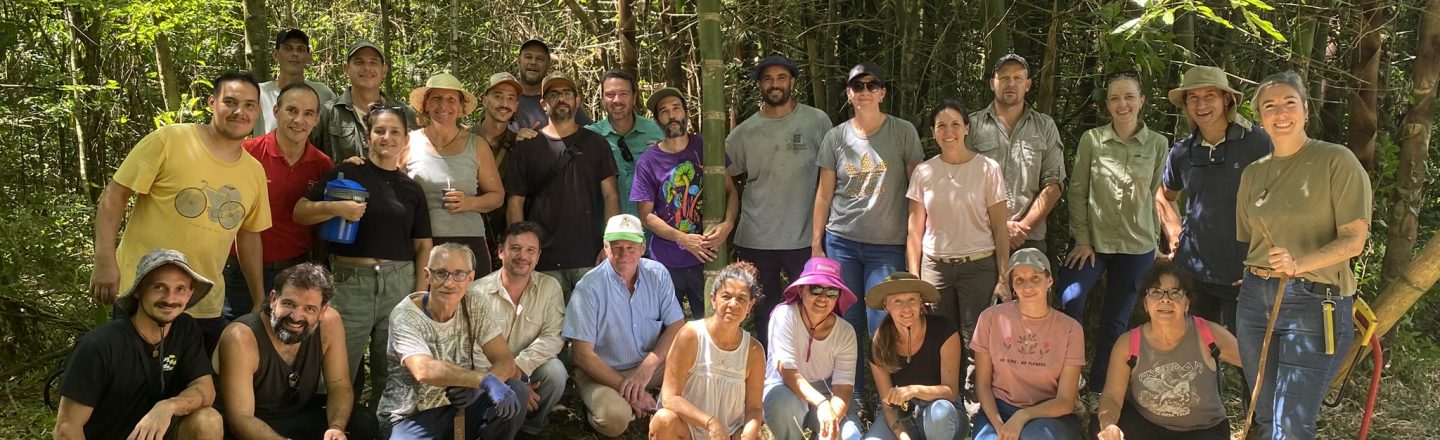
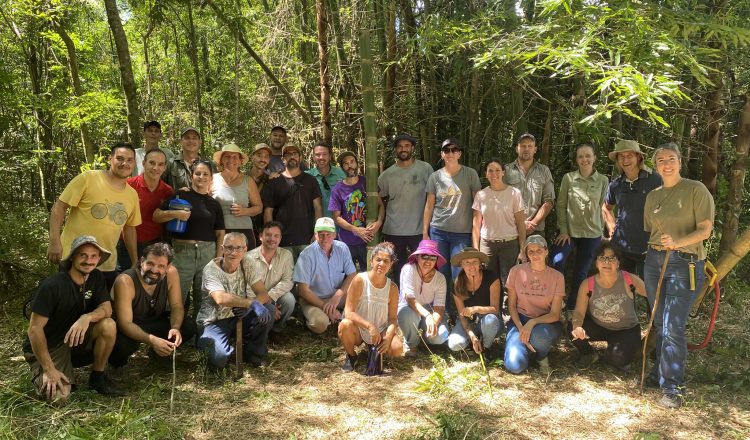
Held from 11 to 12 March 2026, in Loreto, Misiones, the South-South Exchange Practical Workshop on Sustainable Bamboo Management brought together farmers, researchers and institutions to build technical skills, share knowledge and make the case for bamboo as a nature-based solution for climate change mitigation and adaptation. The workshop forms part of a broader strategy to enhance livelihoods and resilience among smallholder farmers by scaling up proven bamboo practices through structured exchange.
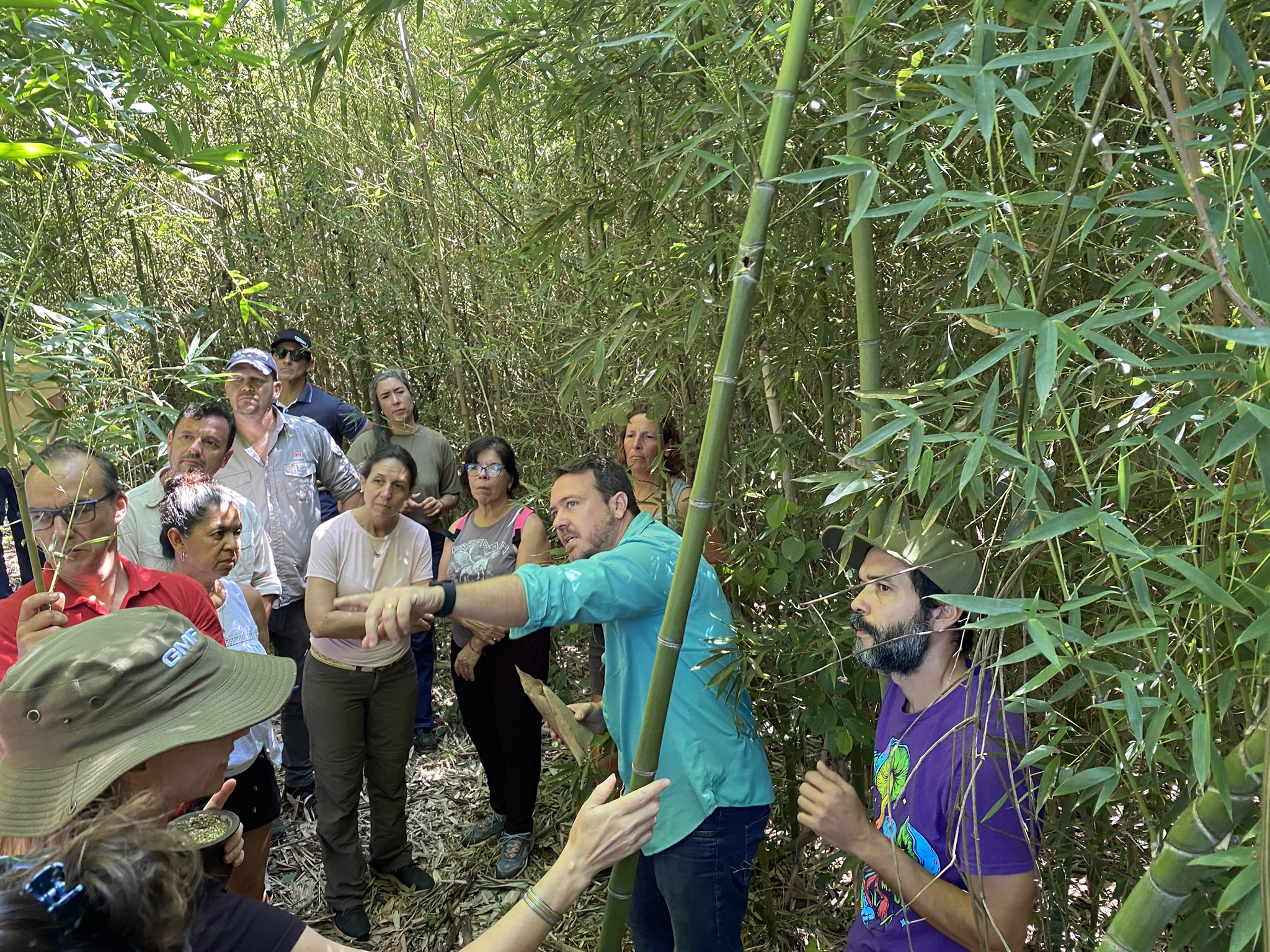
Organized in partnership with the National University of Misiones (UNaM), the National Institute of Agricultural Technology (INTA), Kamada vivero, Solución Bambú, Tacuaruzú and other local actors, over 40 participants joined the two-day training. The workshop also featured international instructors from Brazil, Ecuador, Uruguay, Paraguay and Argentina.
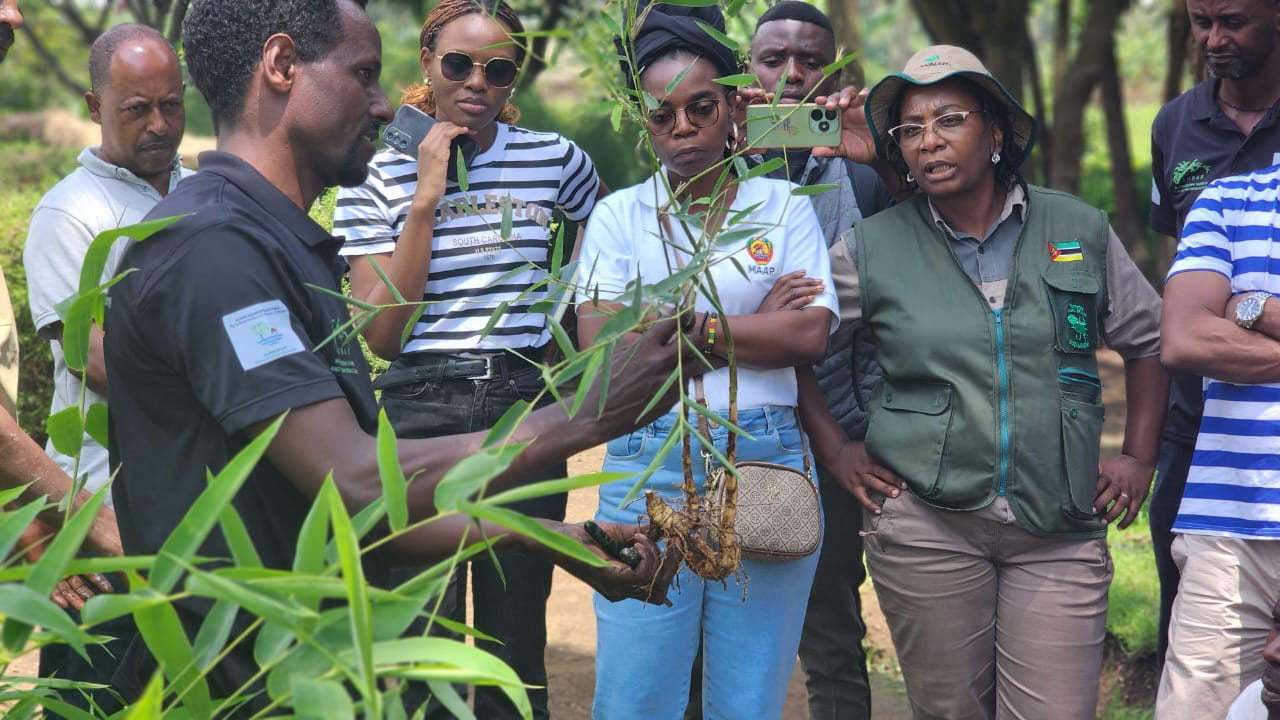
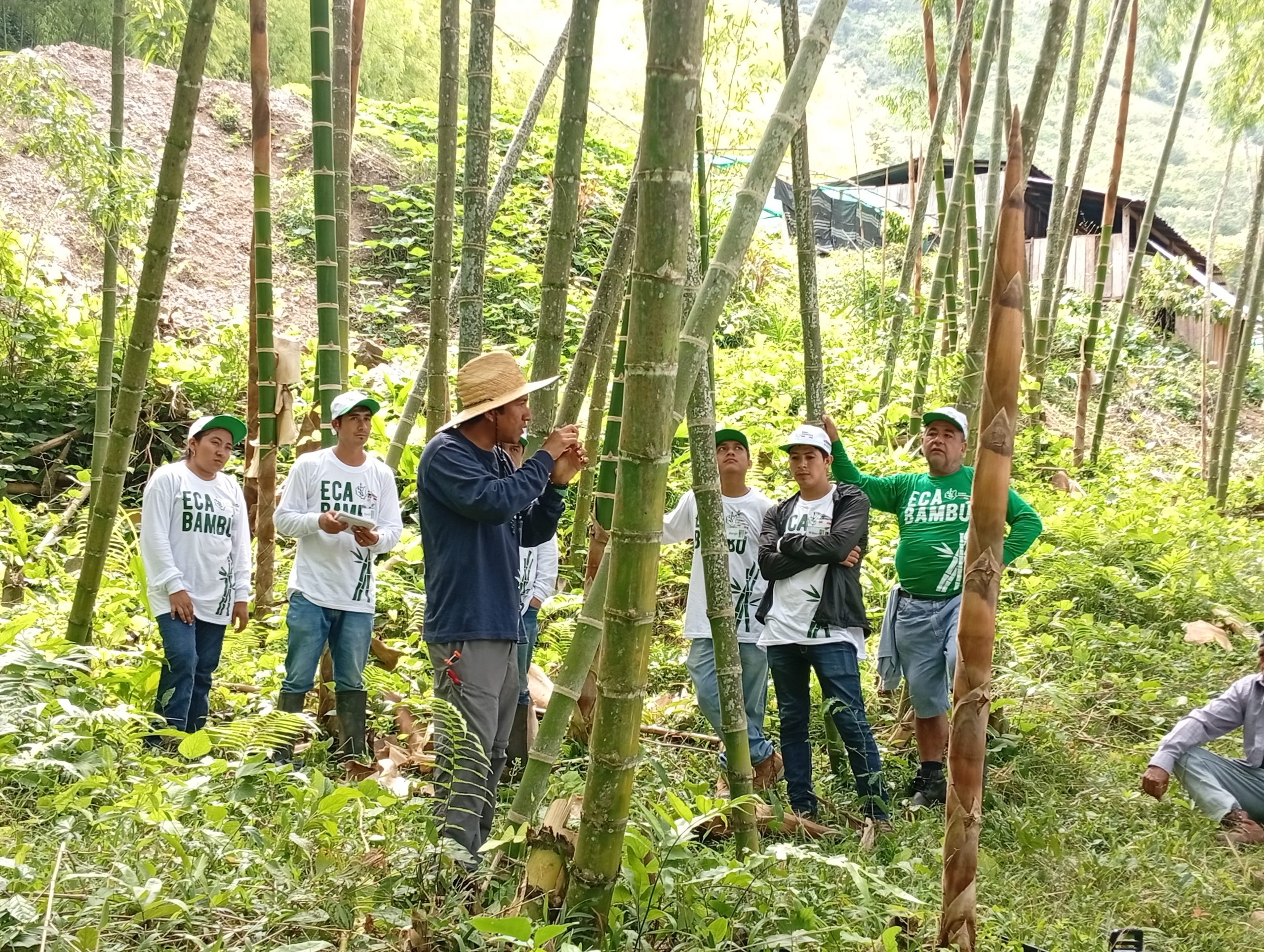
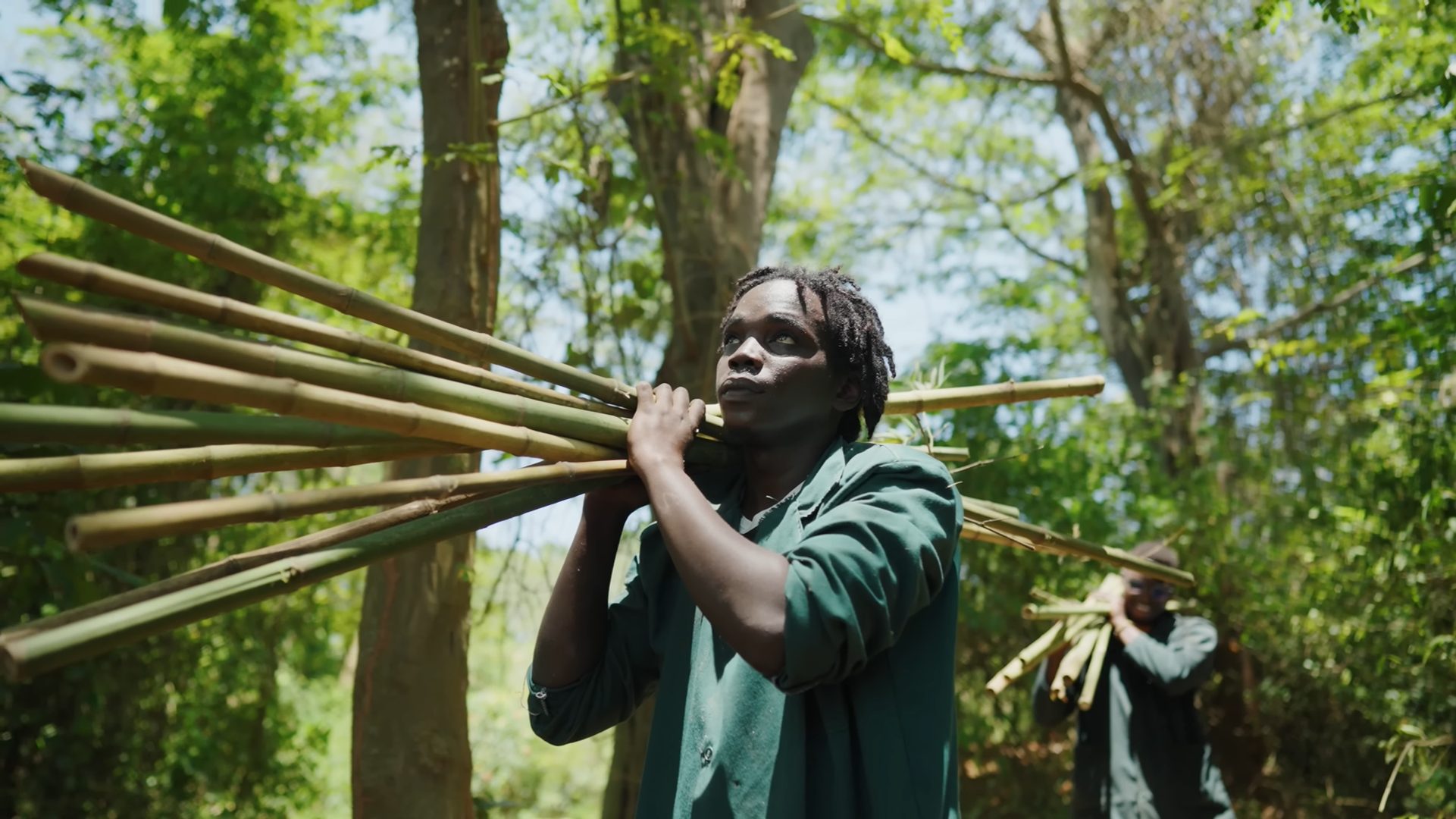
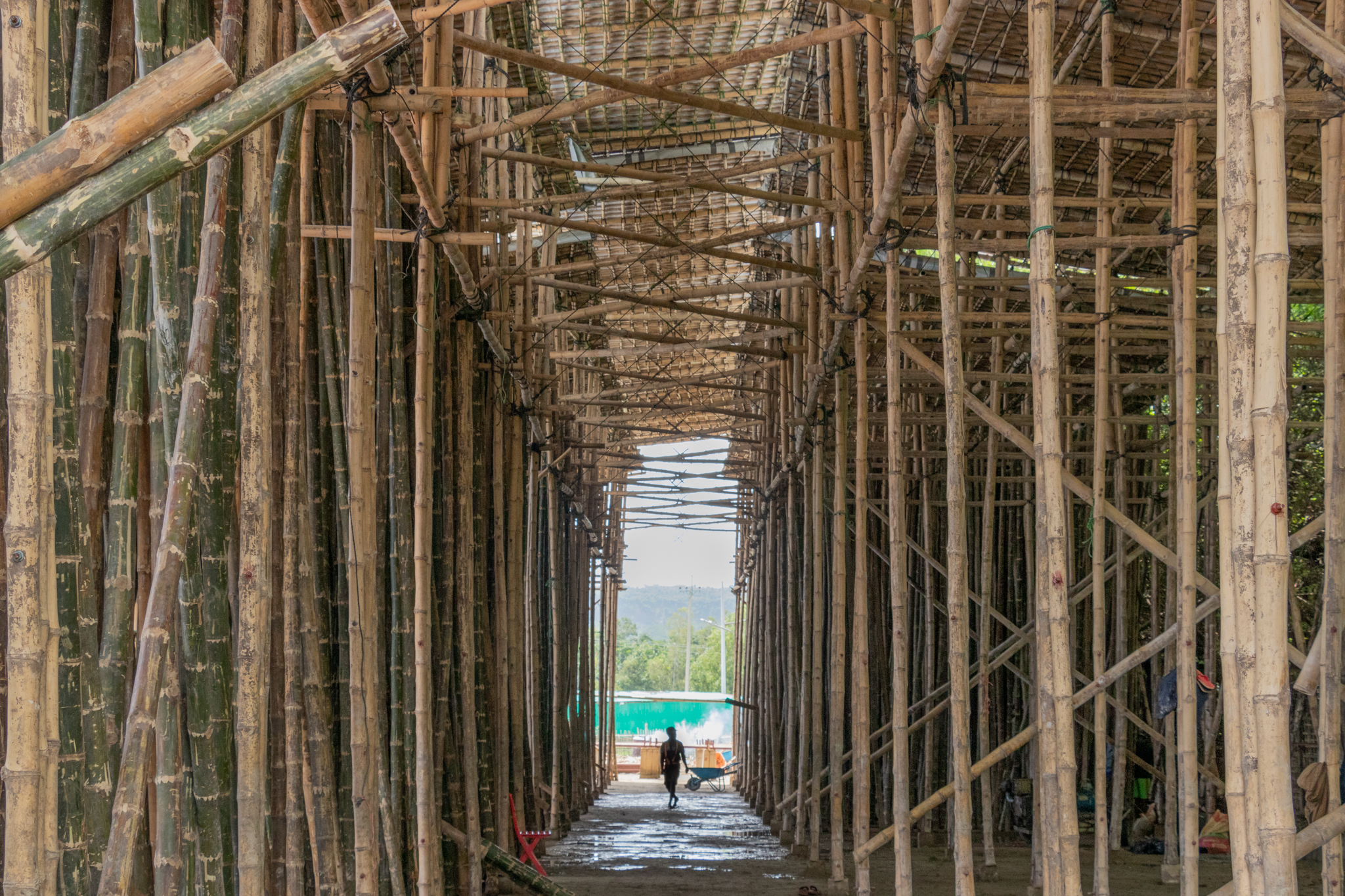
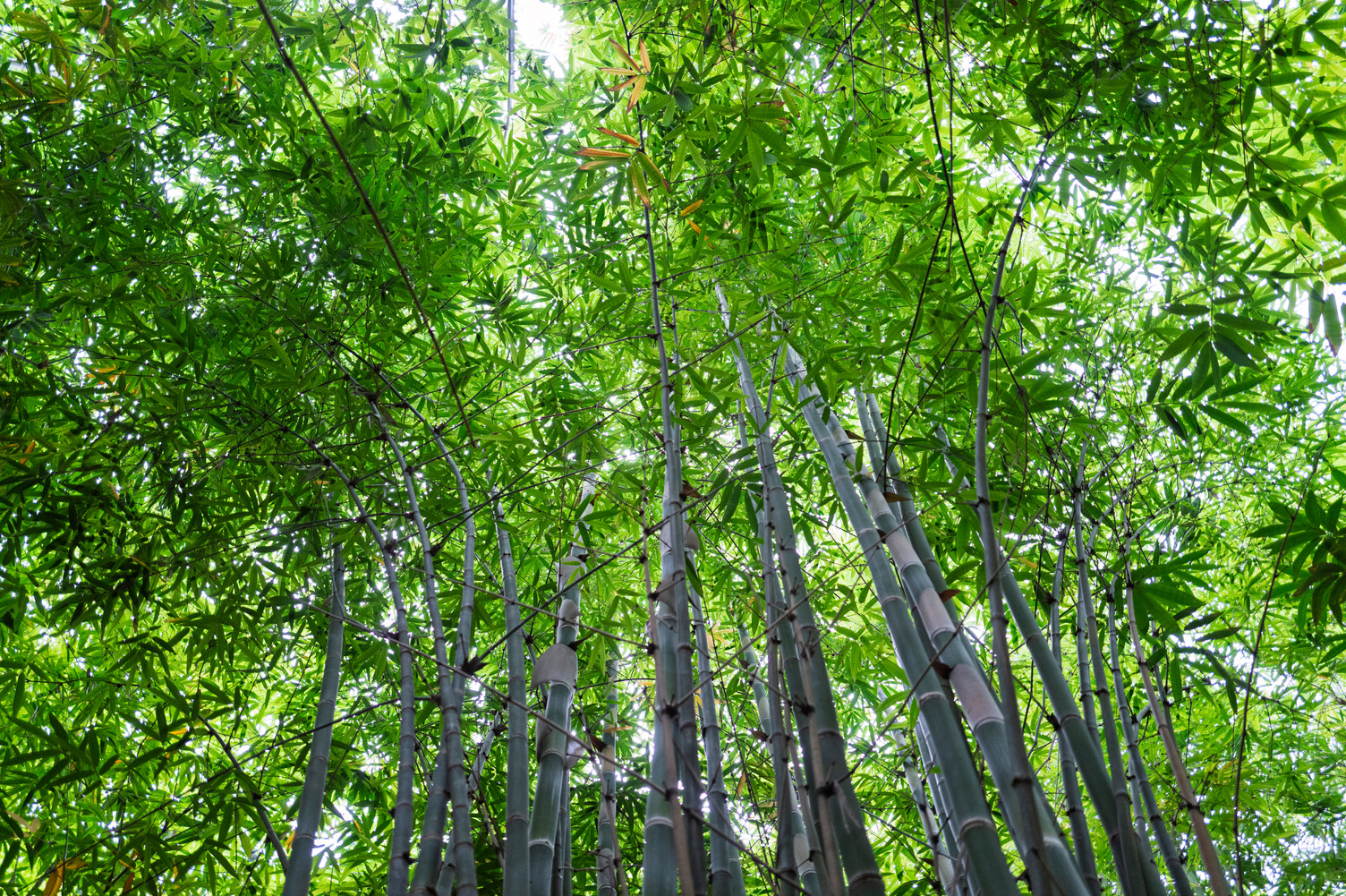
Designed as a hands-on, practice-oriented experience, the workshop covered the full bamboo value chain. Participants engaged in field sessions covering species identification, propagation techniques, plantation design and sustainable management practices such as pruning, thinning, fertilization and selective harvesting. Practical modules also addressed post-harvest processes, including preservation methods, drying techniques and storage systems. These are critical for ensuring the durability and market value of the final product.
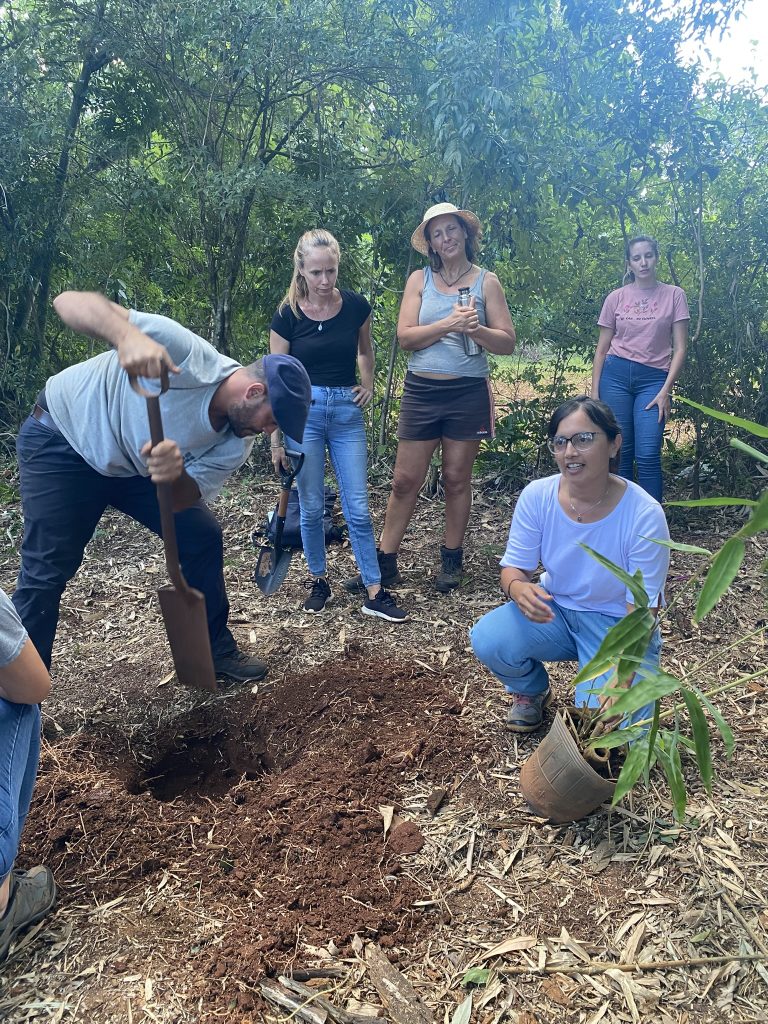
A distinctive feature of the workshop was its emphasis on integrating scientific knowledge with traditional and locally grounded practices. Participants exchanged insights on ecological adaptability and species diversity across different territories, giving them a clearer idea of how bamboo can be effectively managed under different climatic conditions. This approach facilitated the identification of context-specific solutions tailored to local realities, helping communities adapt.
The workshop also documented valuable traditional preservation techniques, including the use of natural substances such as tannins, borax and sea salt. Additionally, agroecological practices, from aligning harvesting cycles with lunar phases to seasonal rainfall patterns, were also documented as part of Indigenous and local knowledge. These are now part of the project’s knowledge base, ensuring their dissemination and replication across countries.
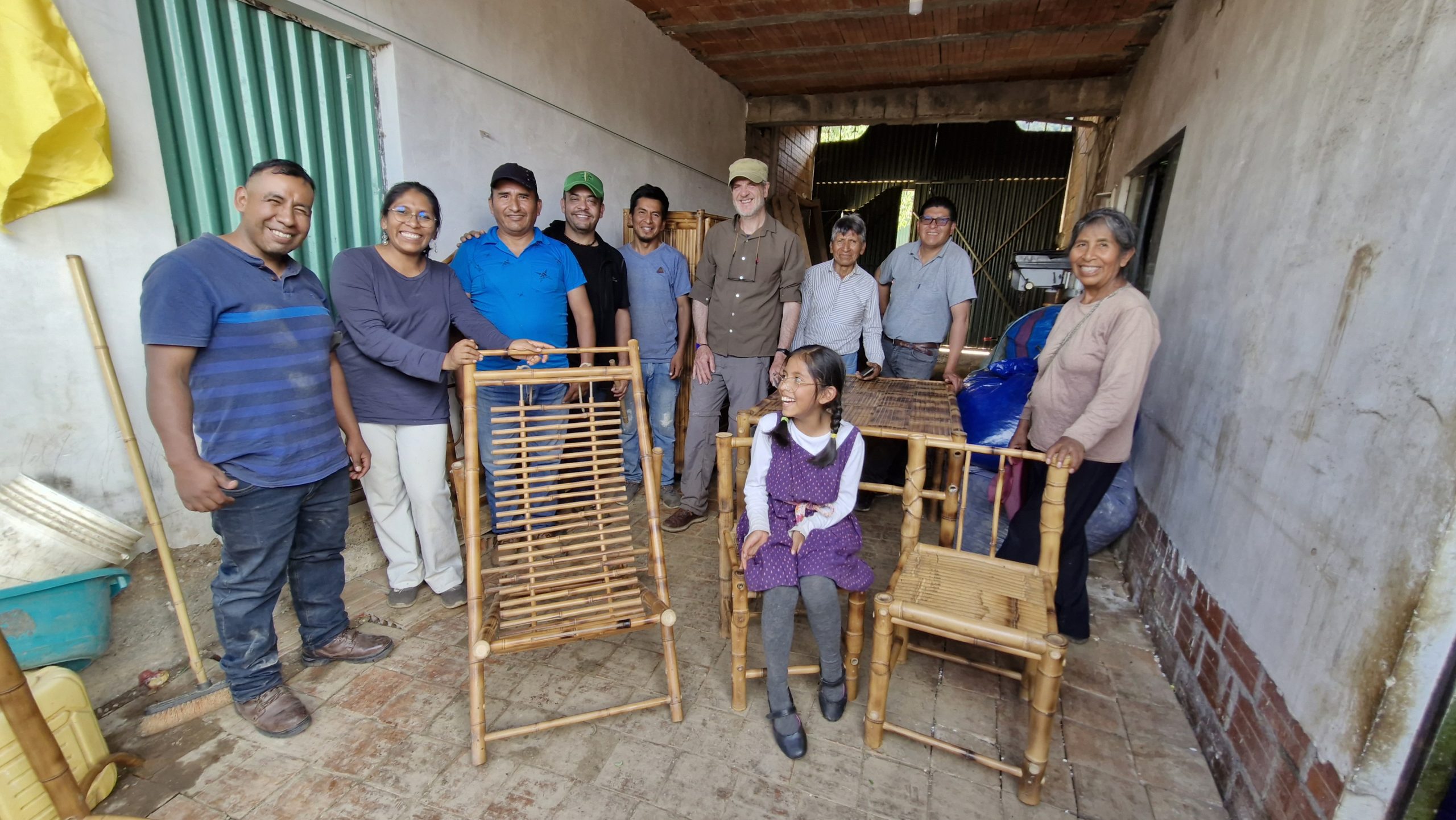
Beyond technical training, the workshop served as a strategic platform for peer-to-peer learning and the co-creation of knowledge, reinforcing regional collaboration. The activity contributed to consolidating a new cohort of national trainers in Argentina, bridging the gap between theory and practice. By equipping participants with practical skills and facilitating direct engagement with experienced practitioners, the workshop enhanced local capacities to replicate and disseminate knowledge at the community level.
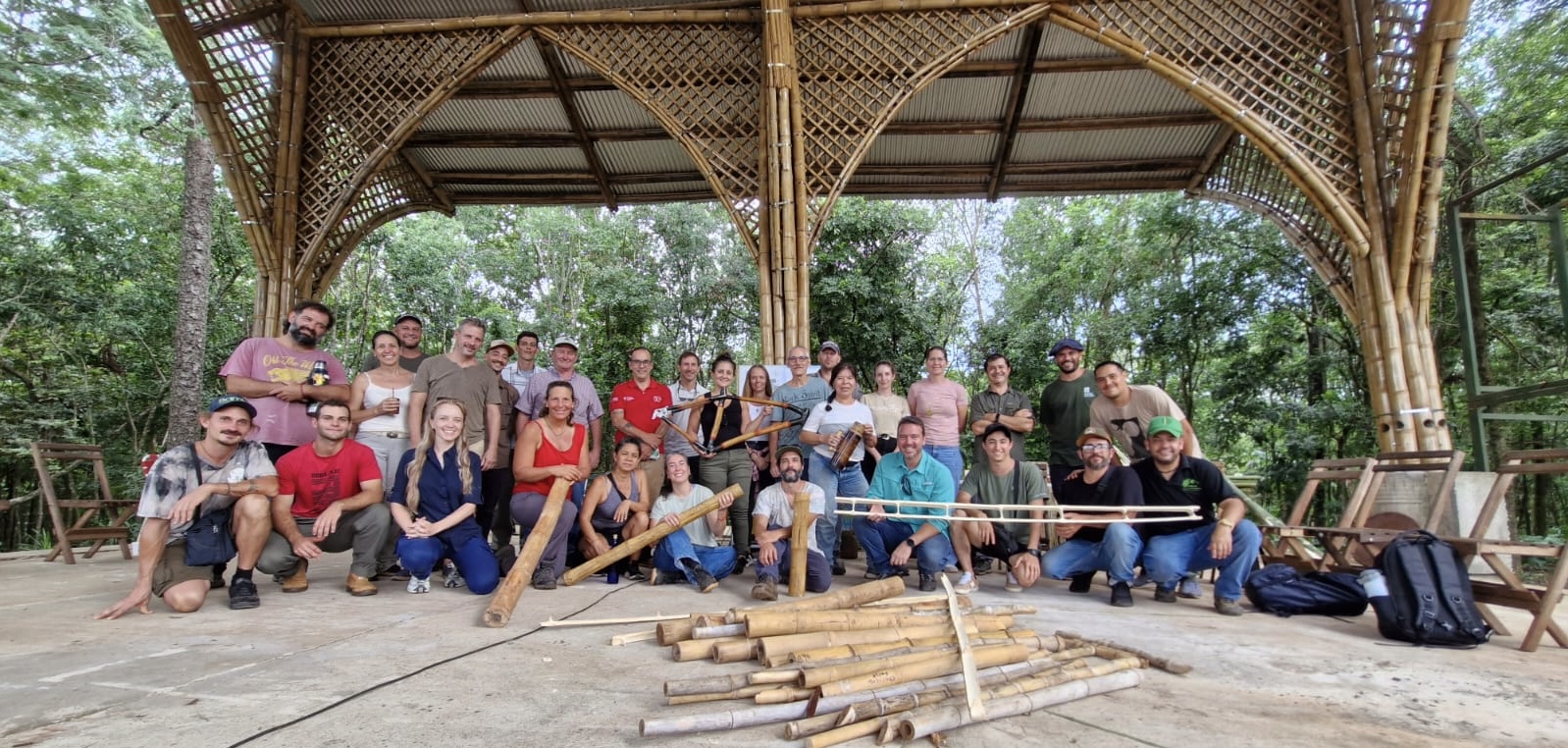
The workshop revealed the ways in which peer learning between regional countries can effectively advance sustainable development. As the Bambú Sur project continues, such initiatives will remain central to promoting bamboo as a versatile, climate-resilient resource capable of generating environmental, social and economic benefits across Latin America.
Through targeted interventions like this workshop, INBAR and its partners are not only strengthening technical expertise but also building a foundation for long-term resilience. Workshops like this are how intangible commitments become something productive that can directly benefit farmers.