International Bamboo and Rattan Organization

International Bamboo and Rattan Organization

Increasing Communities’ Resilience to Climate Change in Cameroon (ACREGIR)

Cameroon

2023
2027

Donors

Increasing local communities’ resilience to climate change through youth entrepreneurship and integrated natural resources management (ACREGIR)

Climate change-induced hazards, such as erratic rainfall, droughts, and floods, exacerbate the challenges faced by vulnerable rural communities in Cameroon, particularly those residing around protected areas. This results in low agricultural productivity, increased poverty, and food insecurity, leading to heightened pressure on natural resources. The ACREGIR project aims to address these issues. Focused on three regions—Far North, North, and North West—the project targets areas around Waza National Park, Bénoué National Park, and Kimbi-Fungom National Park respectively, encompassing 188 villages. The project aims to benefit 8,800 rural households, with specific quotas of 50% for women and 40% for youth. By promoting integrated natural resources management and fostering youth entrepreneurship, ACREGIR seeks to enhance local communities’ resilience and alleviate the impacts of climate change on agriculture and livelihoods.

Objectives

The general objective of the project is to increase local communities’ resilience to climate change through resilient livelihoods and integrated natural resources management.

The project will deliver this objective through three outcomes:

  • Climate-proofed institutional frameworks and local development plans at regional and local levels;
  • Ecosystems resilience to climate change is strengthened through monitoring and better knowledge of their status and vulnerability;
  • Sustainable management of natural resources and ecosystems leading to climate-resilient ecosystems, green jobs creation for youth, women and resilient livelihoods.
2023

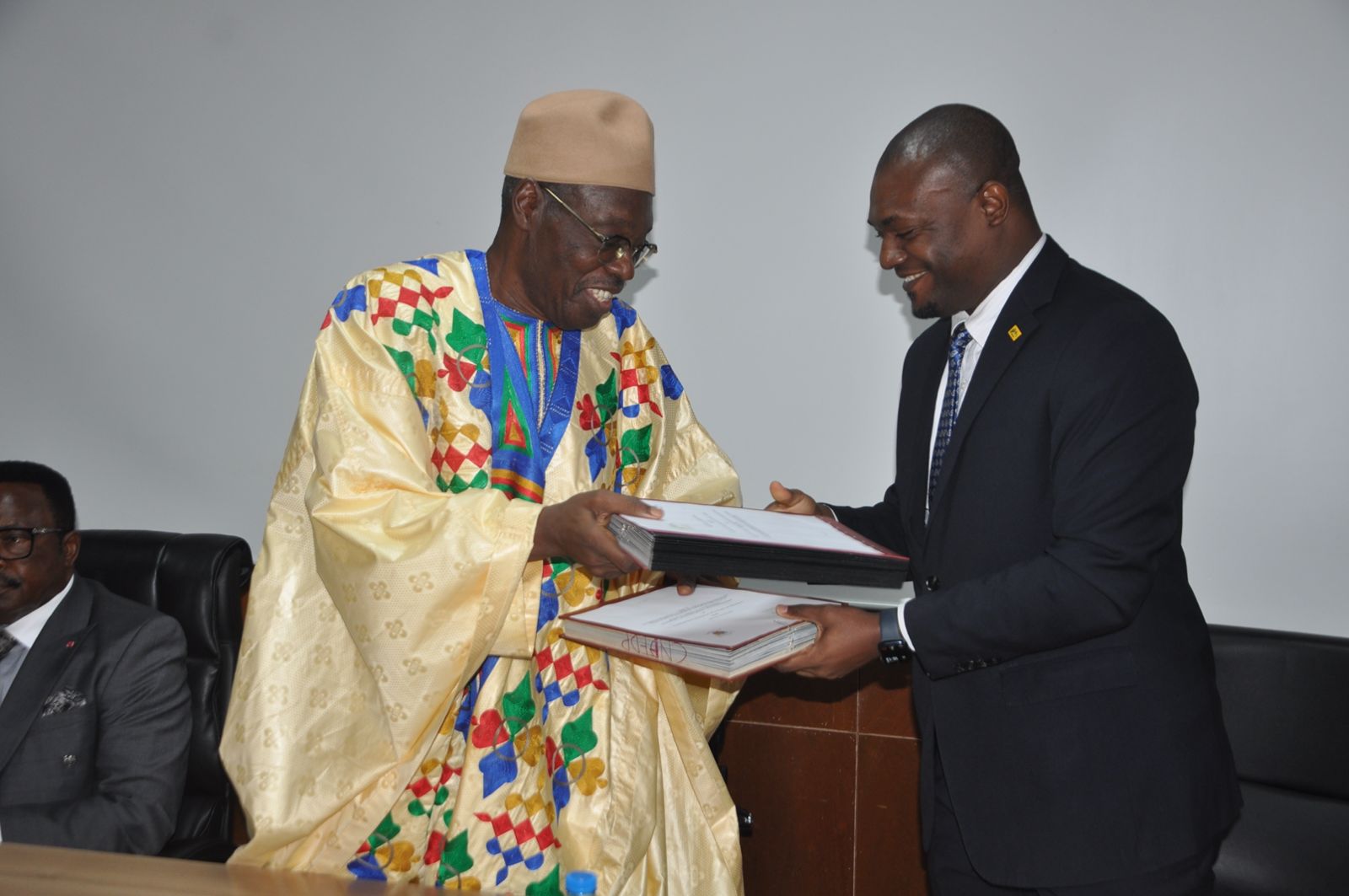
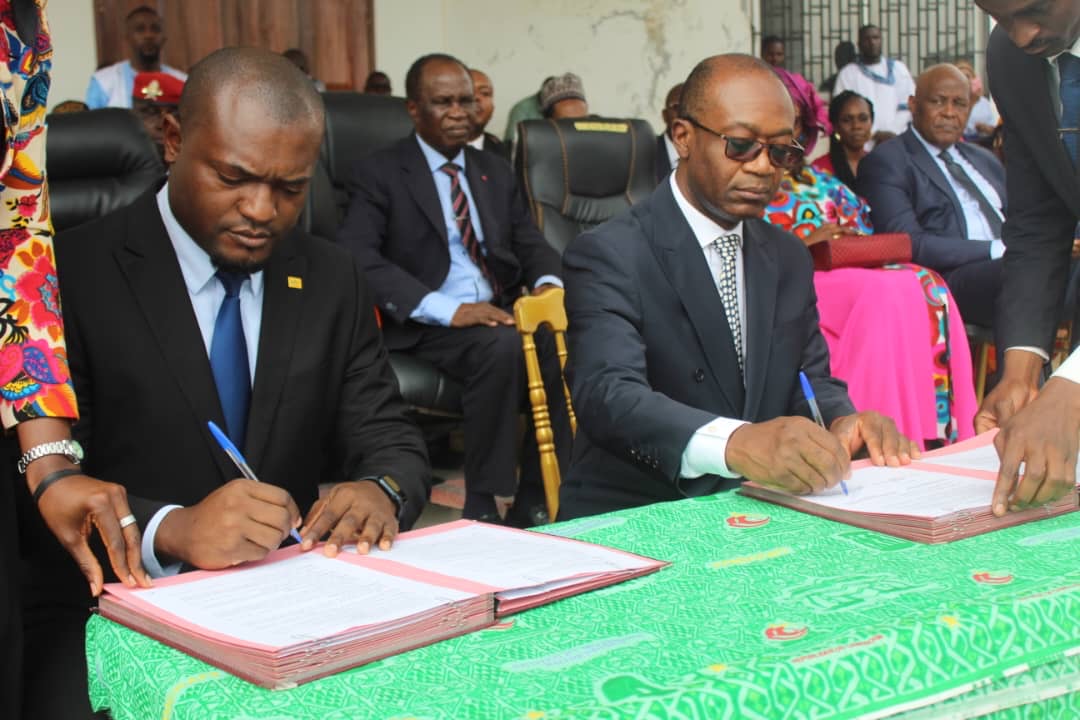
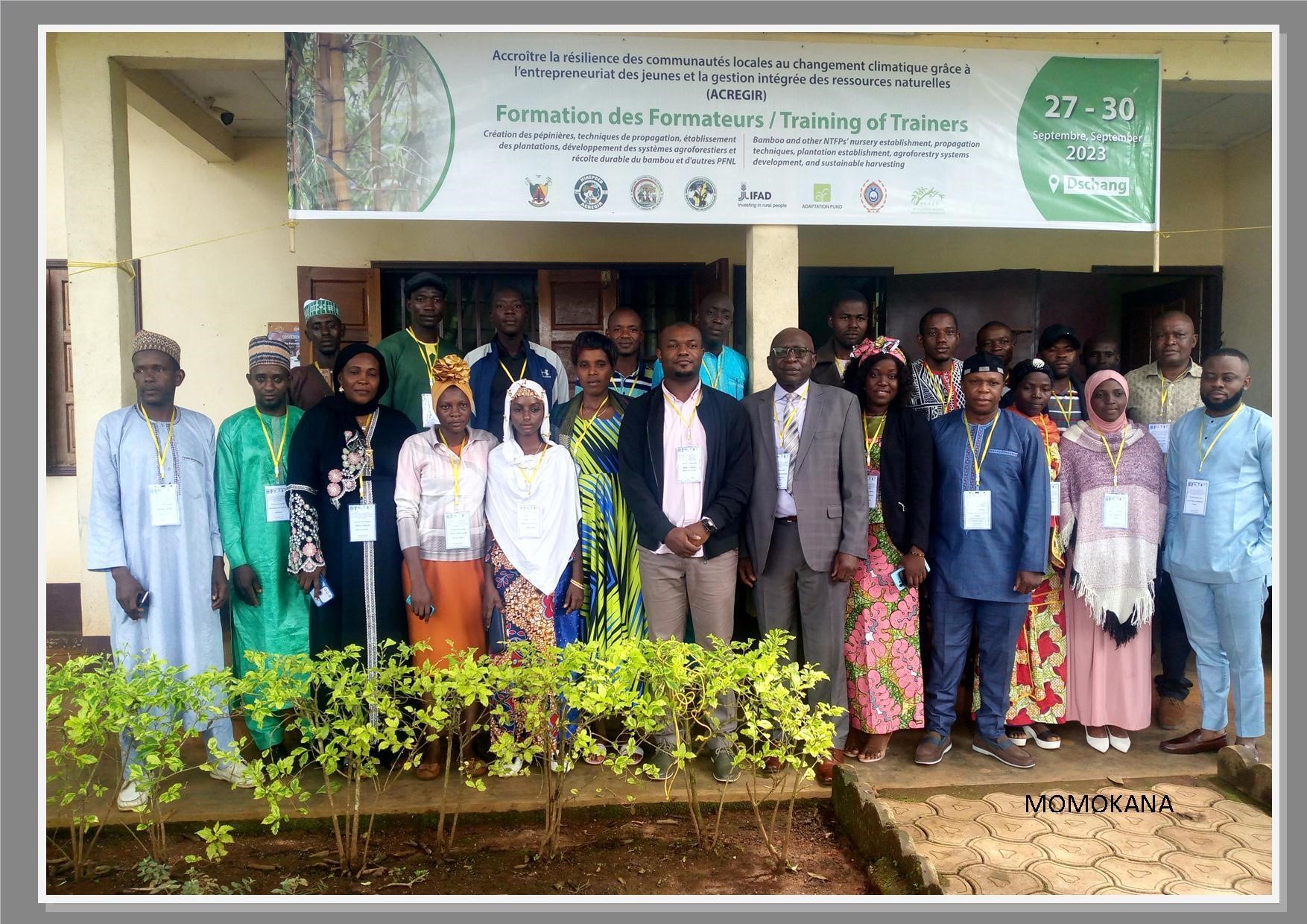
The partnership agreement between the Ministry of Environment, Nature Protection and Sustainable Development (MINEPDED) and INBAR for the execution of activities of the ACREGIR project was signed on 21 February 2023. The first fund release occurred on May 8, 2023, with on-the-ground activities beginning in mid-July of the same year. Some of the outputs achieved during this period are summarized below:

  • One field visit was conducted to the Waza and Benoué National Parks and buffer zones and degraded areas identified;
  • One meeting was organized in collaboration with the Conservation Office of the Kimbi-Fungom National Park, the University of Dschang, and the Dschang Council to strategize on the execution of activities in Kimbi Fungom National Park which is plagued by a security crisis;
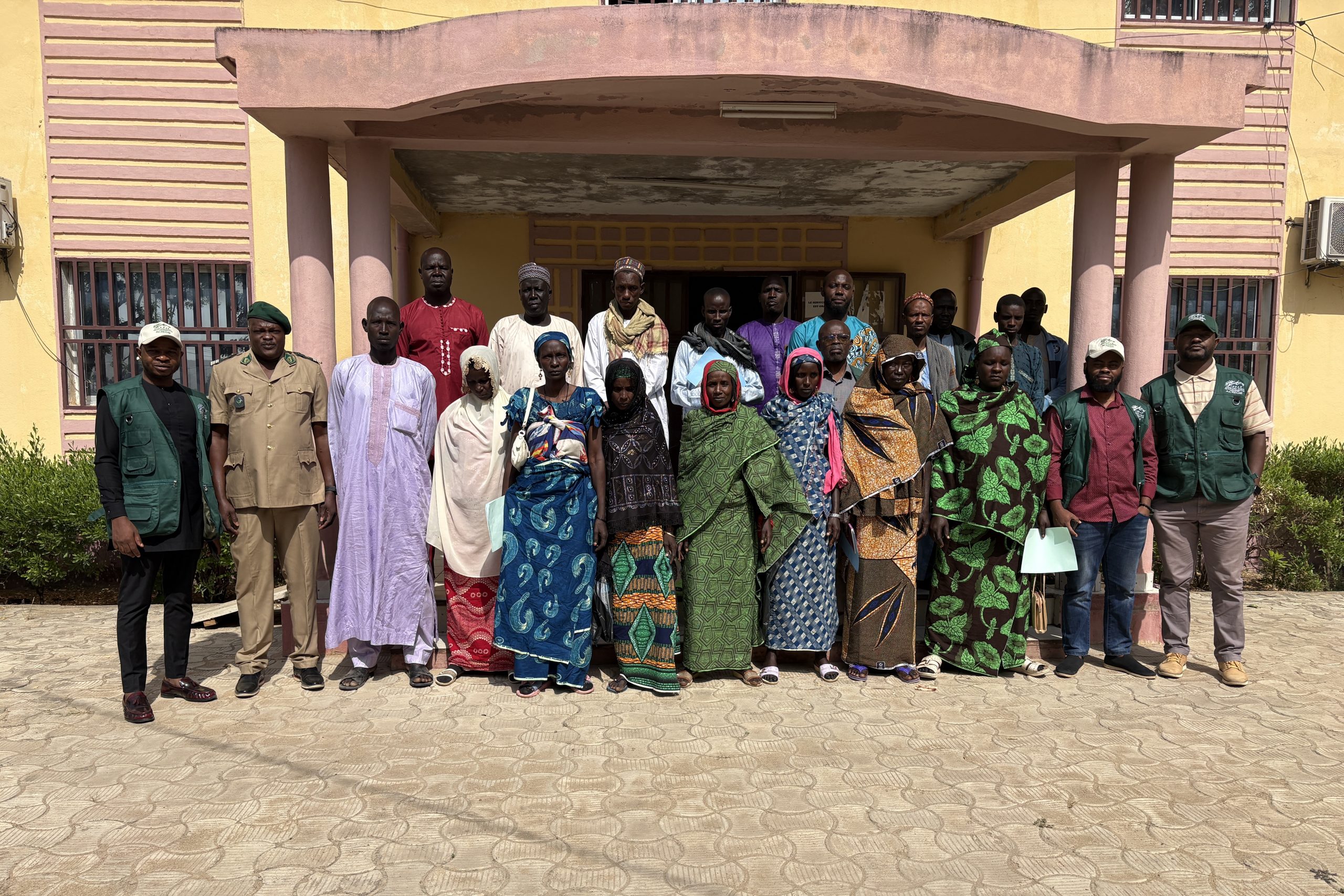
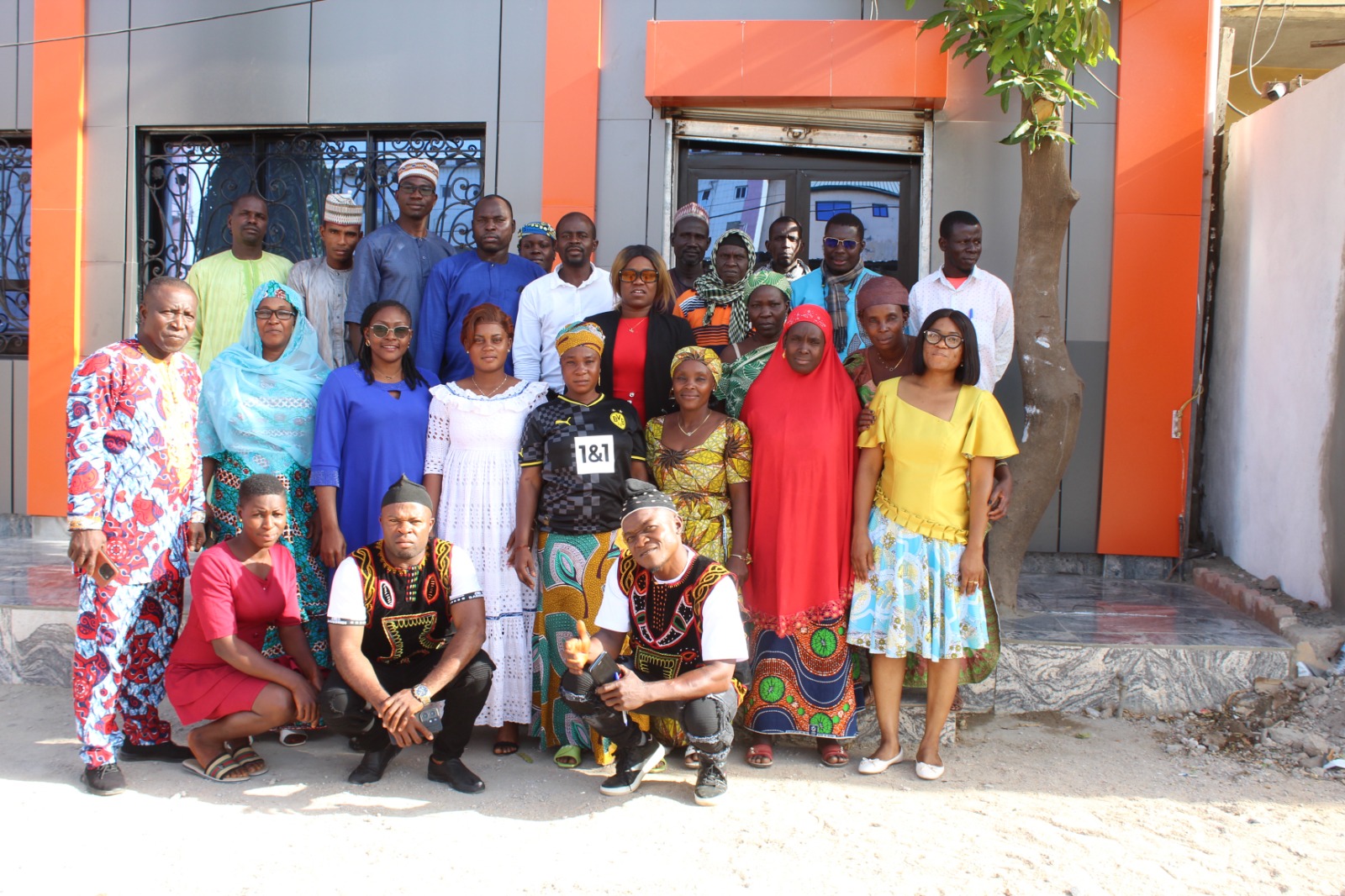
  • 986 (379 women, 394 youths and 213 men) people were trained on agro-silvo-pastoral NTFPs including bamboo;
  • 2 sites were identified for the establishment of Farmer Field Schools (FFS);
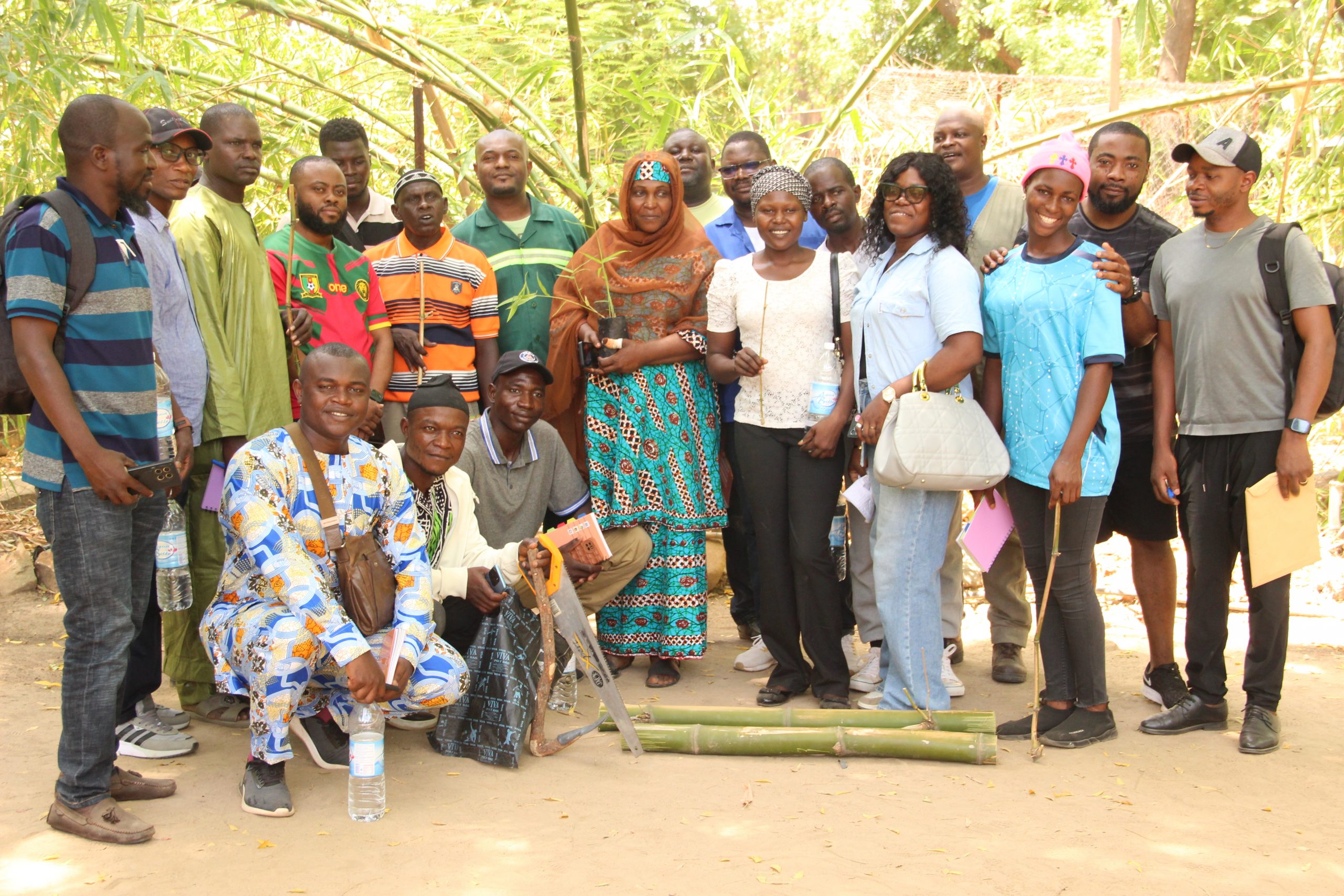
  • Three trainer of trainers workshops were organized for 30 (18 women, 10 youths, 2 men) eco-entrepreneurs on the production of bamboo biochar, laundry baskets, furniture, lamps, phone holders, bamboo brooms, bamboo bags and other bamboo decorative objects;
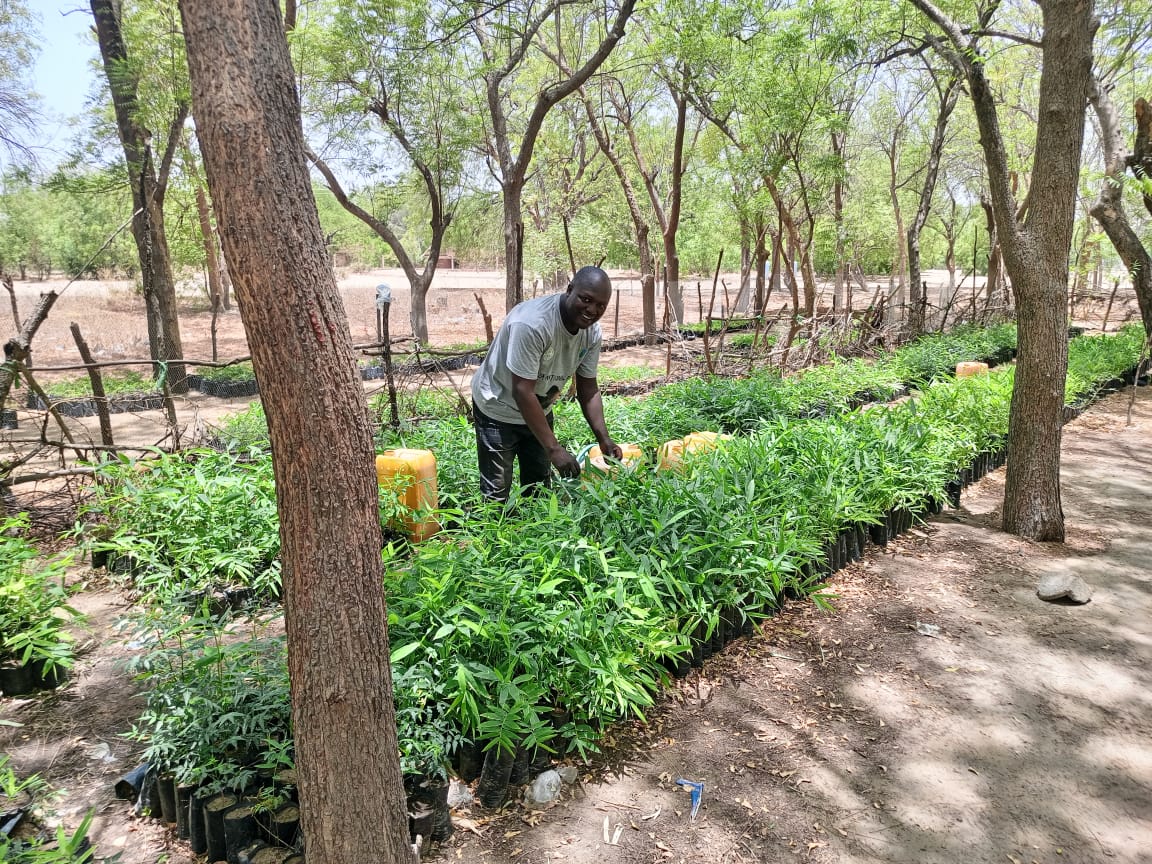
  • One government nursery was established in the Waza National Park (WNP) in collaboration with the conservation service of the WNP;
  • A Memorandum of Understanding was signed with the Common Initiative Group, GIC KOULI KAOU, for the establishment of a community nursery in Waza;
  • One community nursery was established in the Bawan Rural Resource Center (CRR) in collaboration with the SCOOPS NARRAL CRR cooperative group and the RESINOC project.
  • Two government professional training centers were identified to be supported with bamboo tools and other NTFPs value addition.
2024

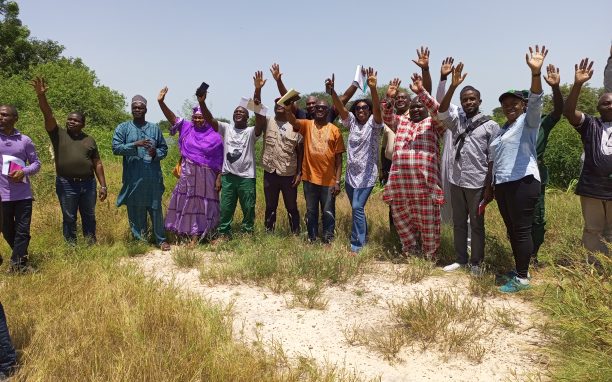
The partnership agreement between the Ministry of Environment, Natures Protection and Sustainable Development (MINEPDED) and INBAR for the execution of activities of the ACREGIR project was signed on 21 February 2023. Some of the outputs achieved during this reporting period (January-June 2024) is summarized below:

  • One stakeholder consultation workshop organized in Garoua to develop a strategy aimed at increasing restoration success rates in the Northern regions of Cameroon.
  • 01 Draft restoration strategy document developed
  • 150 women trained on ecological agro-sylvo-pastoral NTFP including bamboo
  • 3 business training centres (SAR/SM of Mora, SAR/SM of Gamba and SAR/SM of Dschang) to be equipped with tools for bamboo charocal, furniture, basketry etc and NTFP value addition identified.
  • 54 (23Women, 22Men, 09 Youths) individuals trained on the building of eco-businesses
  • 5 different nurseries established/upgraded; 28,439 plants produced including 27,429 bamboo seedlings and 1,010 other NTFPs;
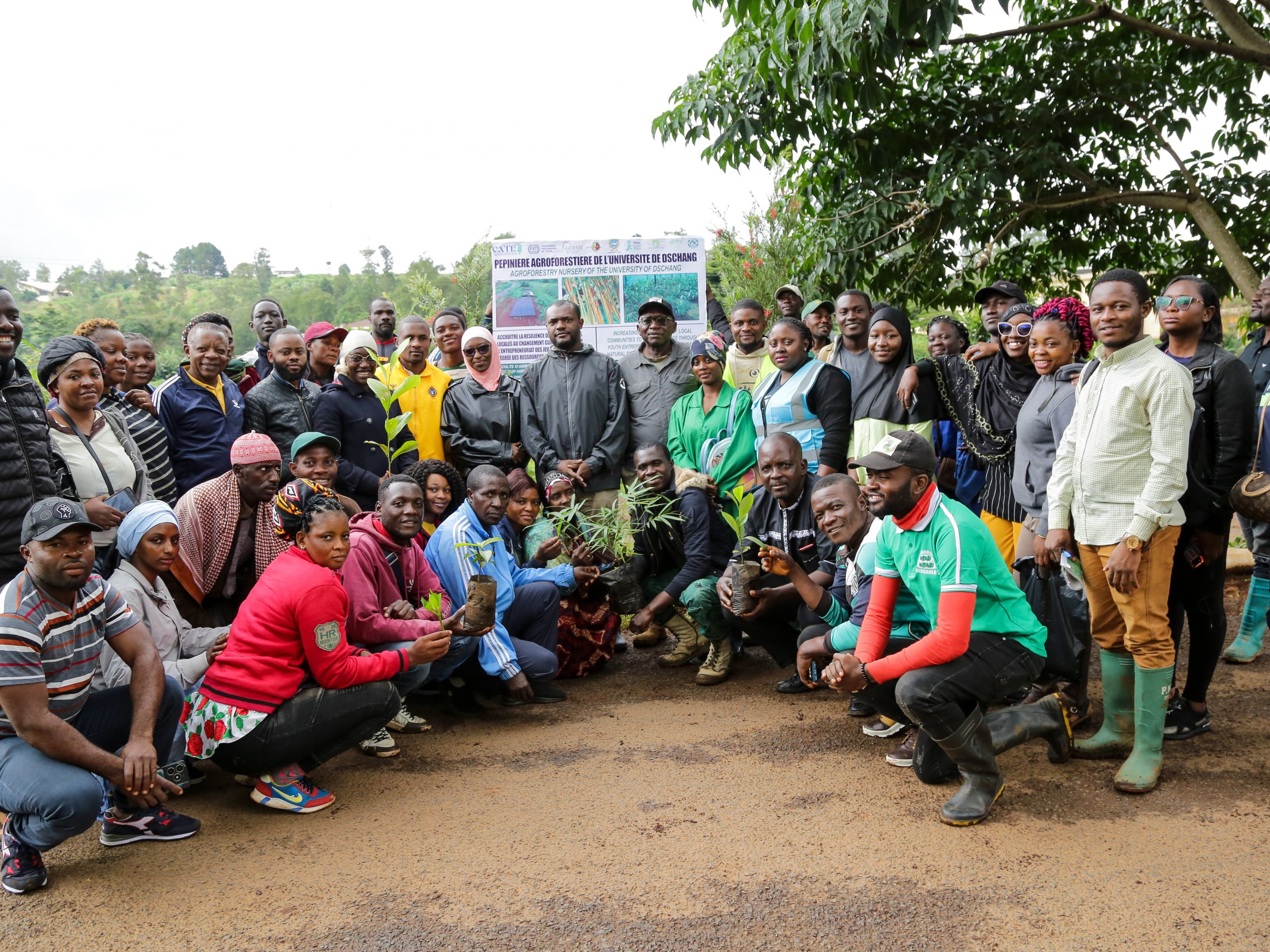
  • An experimental plot (1 ha) identified for bamboo, Irvingia garbonensis, Garcinia kola and Voacanga Africana at the botanical garden of the University of Dschang.
  • A 500 m2 plot of land identified at the University of Dschang for the establishment of a Farmer’s school field.
2025
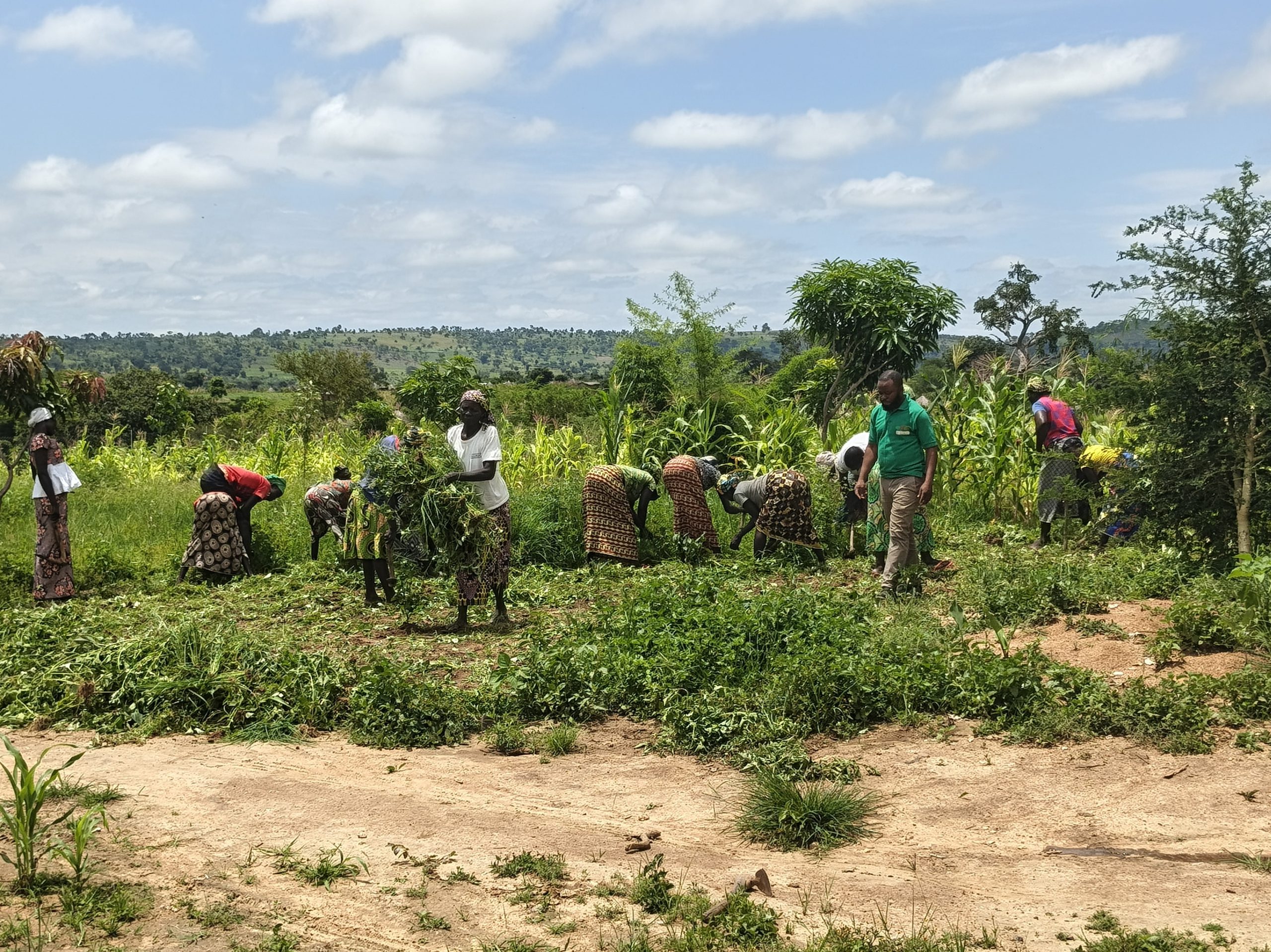
  • 22 km of natural bamboo fencing established in the buffer zones of Bénoué, Waza, and Kimbi-Fungom National Parks.
  • 18,755 bamboo and other NTFPs planted on degraded lands within and around Bénoué, Waza, and Kimbi-Fungom National Parks.
  • 3 Farmer Field Schools (FFS) established in communities surrounding the national parks, including a 2,500 m² FFS in Gouna (Bénoué National Park), a 5,000 m² FFS in Waza (Waza National Park), and a 4,000 m² FFS.
  • 1 workshop organized on bamboo agroforestry for 27 participants (8 women, 19 men), including community stewards and other stakeholders across intervention zones.
  • 1 workshop organized for 45 (02 women/ 43 men) smallholder farmers in Andirni including 22 youths trained on ecological agro-sylvo-pastoral NTFP.
  • A mock-up of the website for the Promotion of Eco-Entrepreneurship and Artisanal Work in Cameroon developed.
  • A joint work plan signed with MINEFOP (Ministry of Employment and Vocational Training) to support vocational training centers in the development and promotion of bamboo.
  • 2,055 eco-entrepreneurs (827 women, 1,228 men), including 1,302 youths, trained on how to build an eco-business (economic aspects, business plans, leadership, entrepreneurship and citizenship, training on land tenure and the use of natural resources in intervention areas, and support for professional integration).
  • 1 financial mechanism developed for the identification and funding of eco-entrepreneurs.
  • 27,756 seedlings produced in established nurseries.
  • A 2-ha experimental plot established at the University of Dschang Botanical Garden for bamboo, Irvingia gabonensis, Garcinia kola, and Voacanga africana.
Contact

For more information about the project, please contact:

Rene Kaam, Regional Director, Central Africa Region,

Project News