 News
NewsDriving climate resilience with agroforestry and eco-enterprise development

Bamboo training sows the seeds of green enterprise and climate resilience in Cameroon.
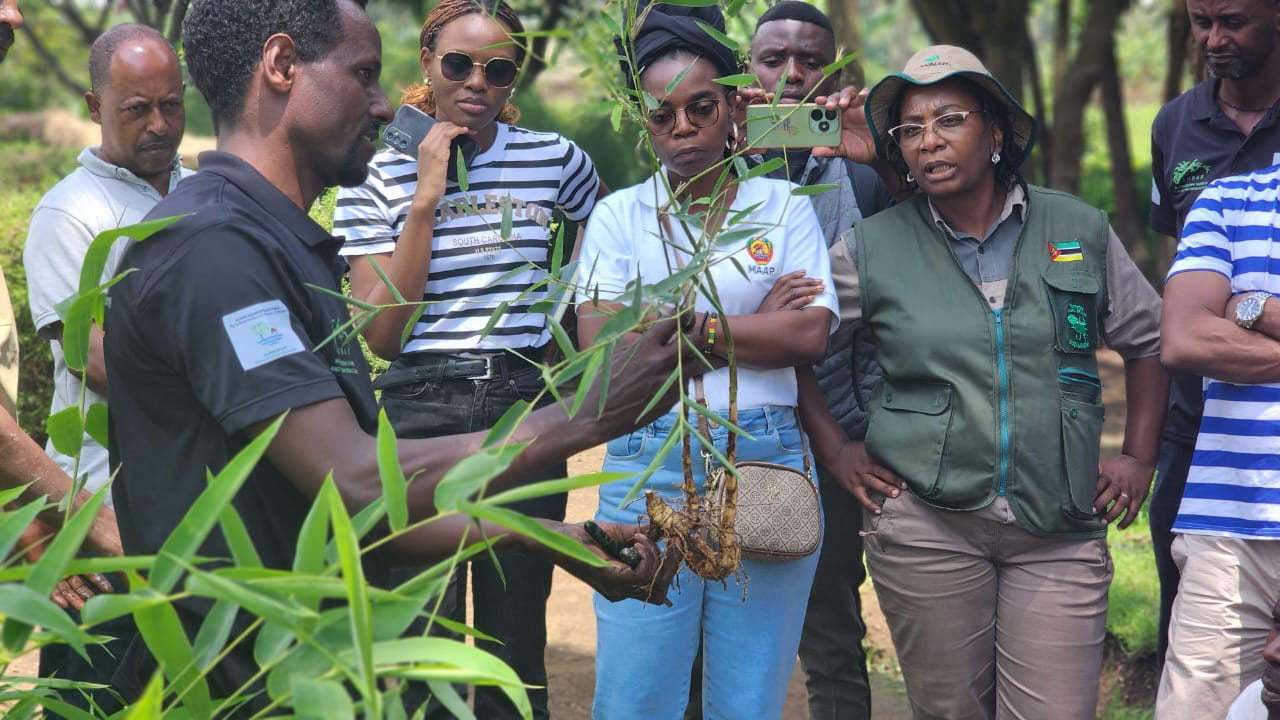
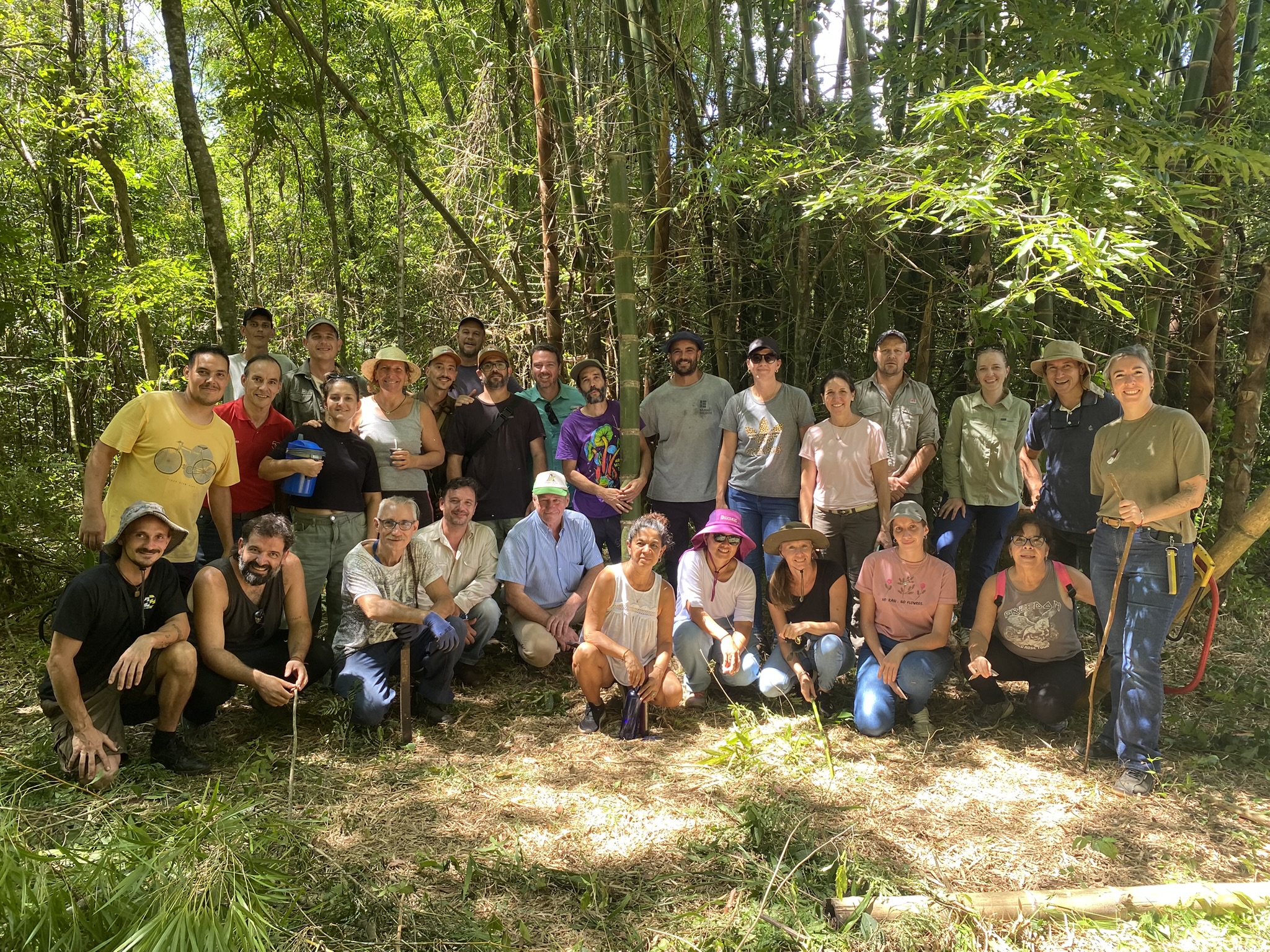
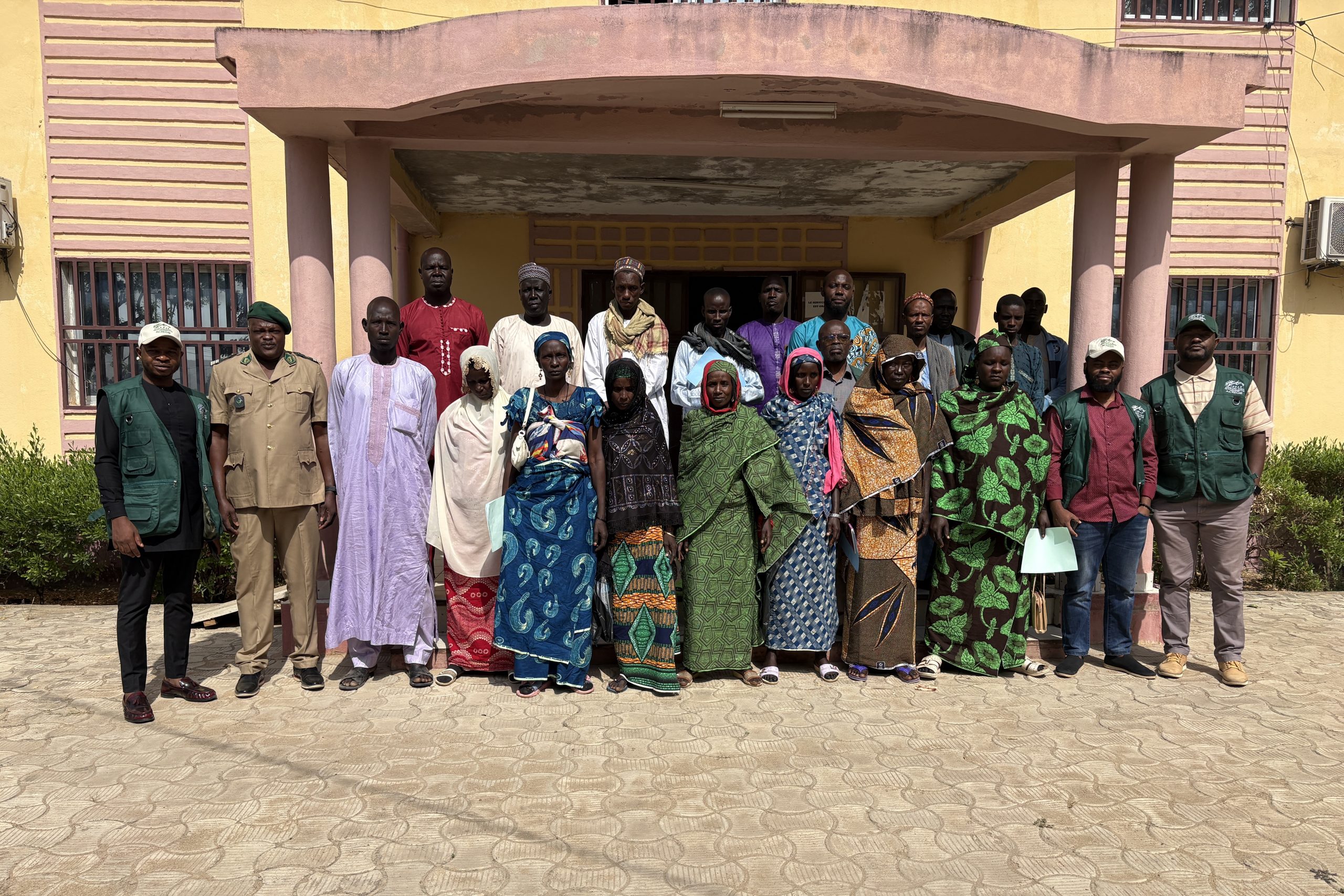
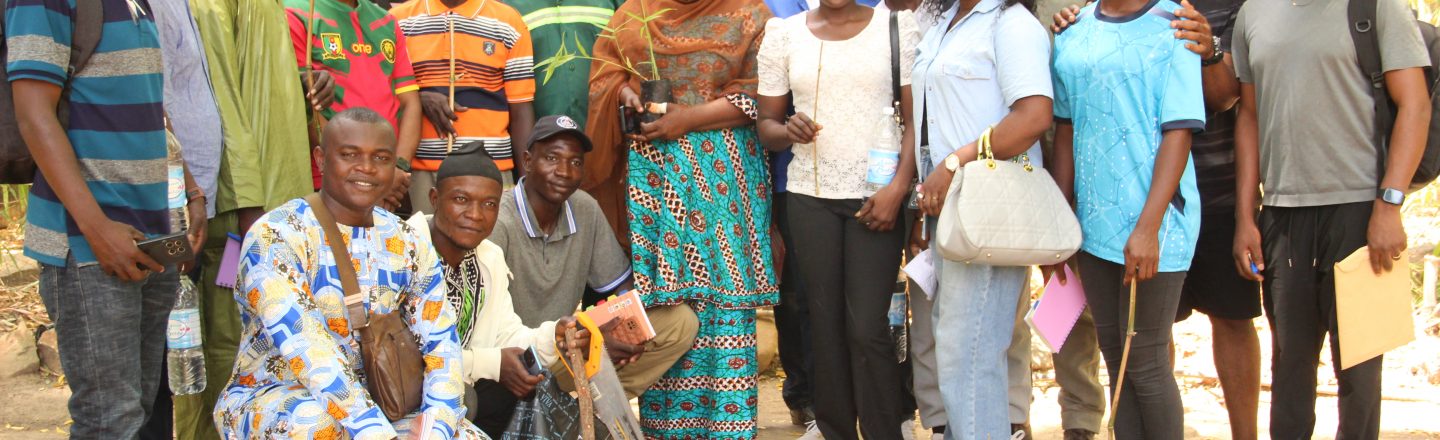
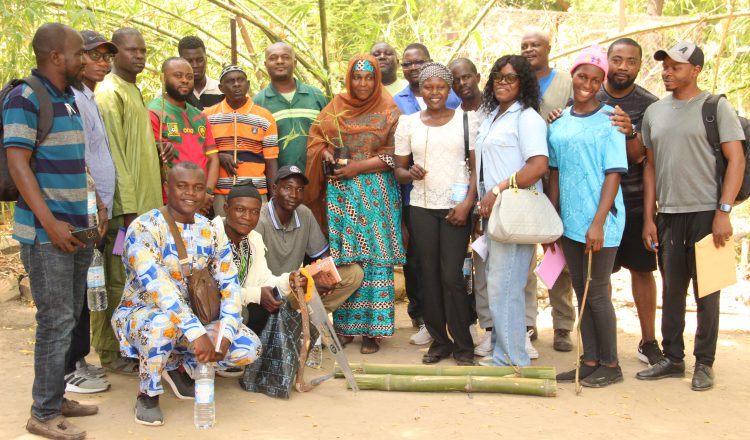
From 8 to 13 June 2025, INBAR collaborated with the Ministry of Forestry and Wildlife (MINFOF) and the ACREGIR Project to organize a refresher training for community stewards and stakeholders on bamboo resource development, agroforestry and eco-enterprise creation in Maroua, Cameroon.
Held under the framework of the ACREGIR Project (“Increasing the Resilience of Local Communities to Climate Change through Youth Entrepreneurship and Integrated Natural Resource Management in Cameroon”), the training aimed to:
- Equip participants with practical skills to establish and manage eco-businesses, fostering economic growth, leadership and sustainable natural resource use; and
- Strengthen knowledge of bamboo nursery establishment, agroforestry techniques and restoration of degraded lands using bamboo and other non-timber forest products (NTFPs).
The six-day program brought together:
- 10 community stewards (6 men, 4 women);
- 3 conservators from Waza, Benoué, and Kimbi-Fungom National Parks;
- 3 directors of vocational training centers (Dschang, Mora, and Gamba);
- 2 officials from the National Advanced Polytechnic School of Maroua (ENSPM); and
- A Regional Delegate of MINFOF.

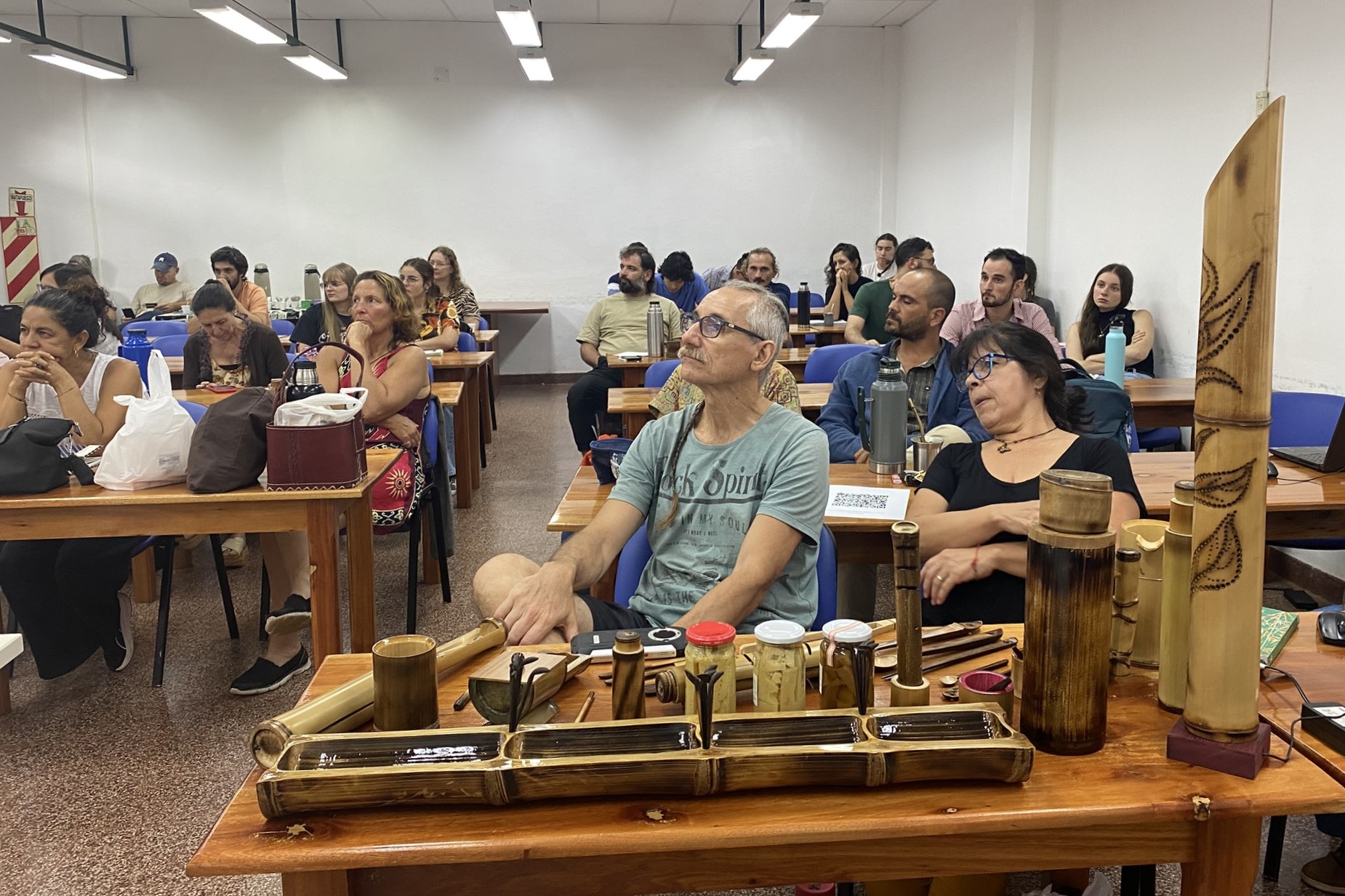
Participants engaged in interactive sessions, including:
- Presentations and group discussions on bamboo cultivation and eco-business models;
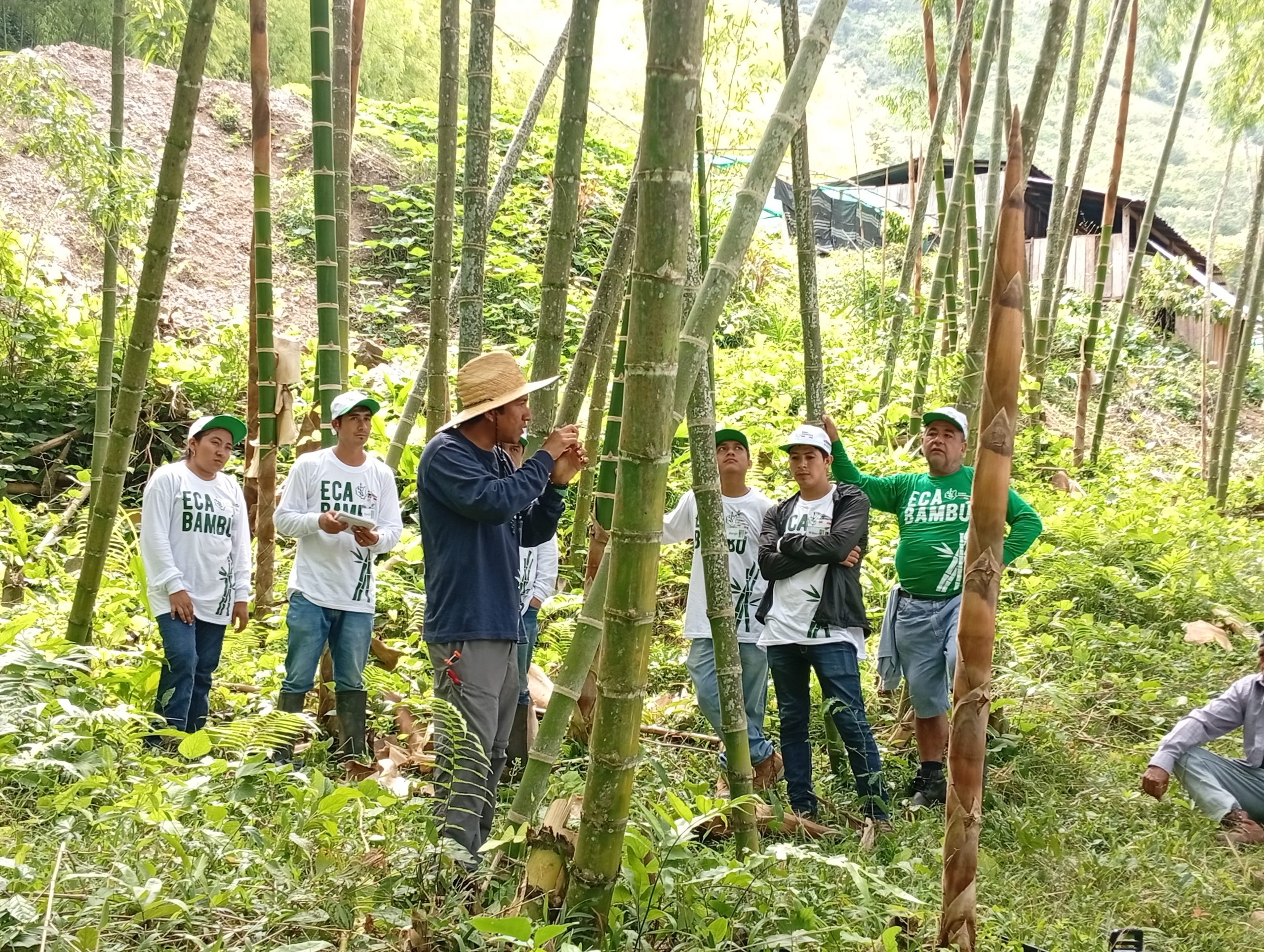
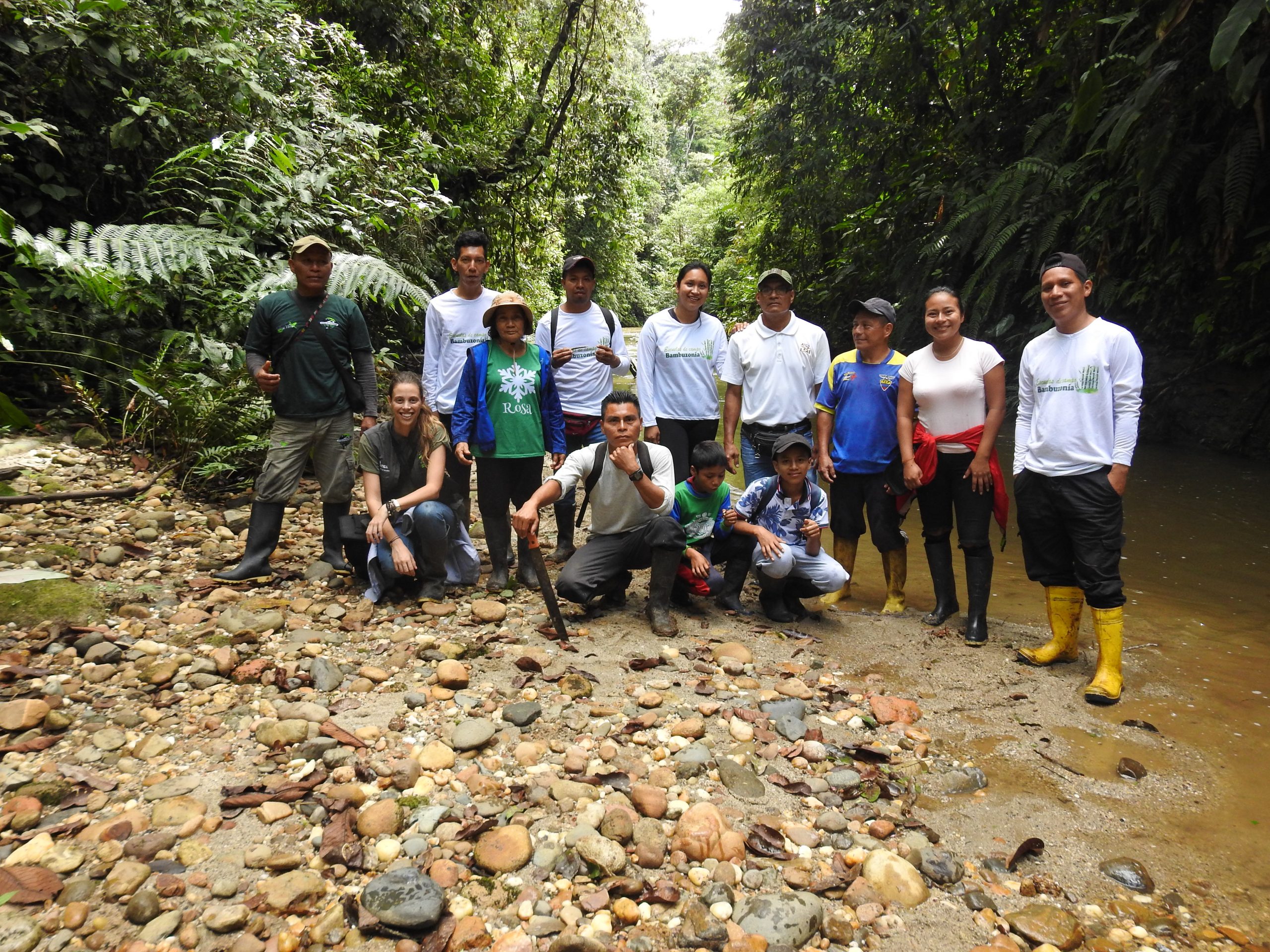
- Field visits for hands-on learning; and
- Business plan development to secure funding and partnerships.
Insights
Gabin Djeudji, Training Consultant, University of Dschang emphasized:
“A business plan is like a logbook—it evolves with the project and is crucial for securing funding and partnerships.”
René Kaam, INBAR’s Central Africa Regional Director, highlighted the role of community stewards:
“They are vital in implementing INBAR’s ‘faire-faire’ approach, ensuring long-term impact. Women, in particular, are key agents of change in climate resilience.”
Next Steps
Participants were encouraged to disseminate their knowledge to local communities, ensuring broader project impact. Ultimately, the training strengthened a collaborative network for sustainable bamboo-based enterprises in Cameroon.