 News
NewsFrom seeds to success, building bamboo nurseries in a devastated region of Cameroon
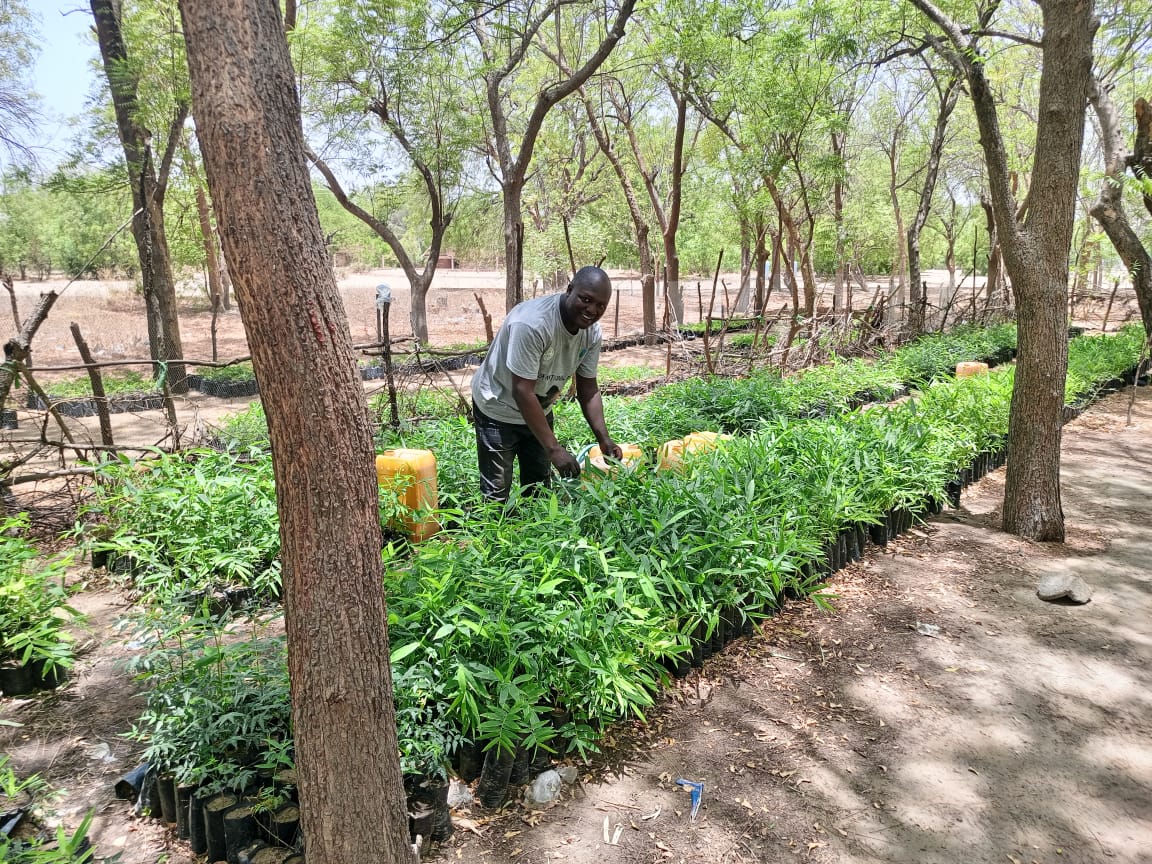
The ACREGIR project is acting as a powerful catalyst for environmental restoration in the Far North Region of the country.
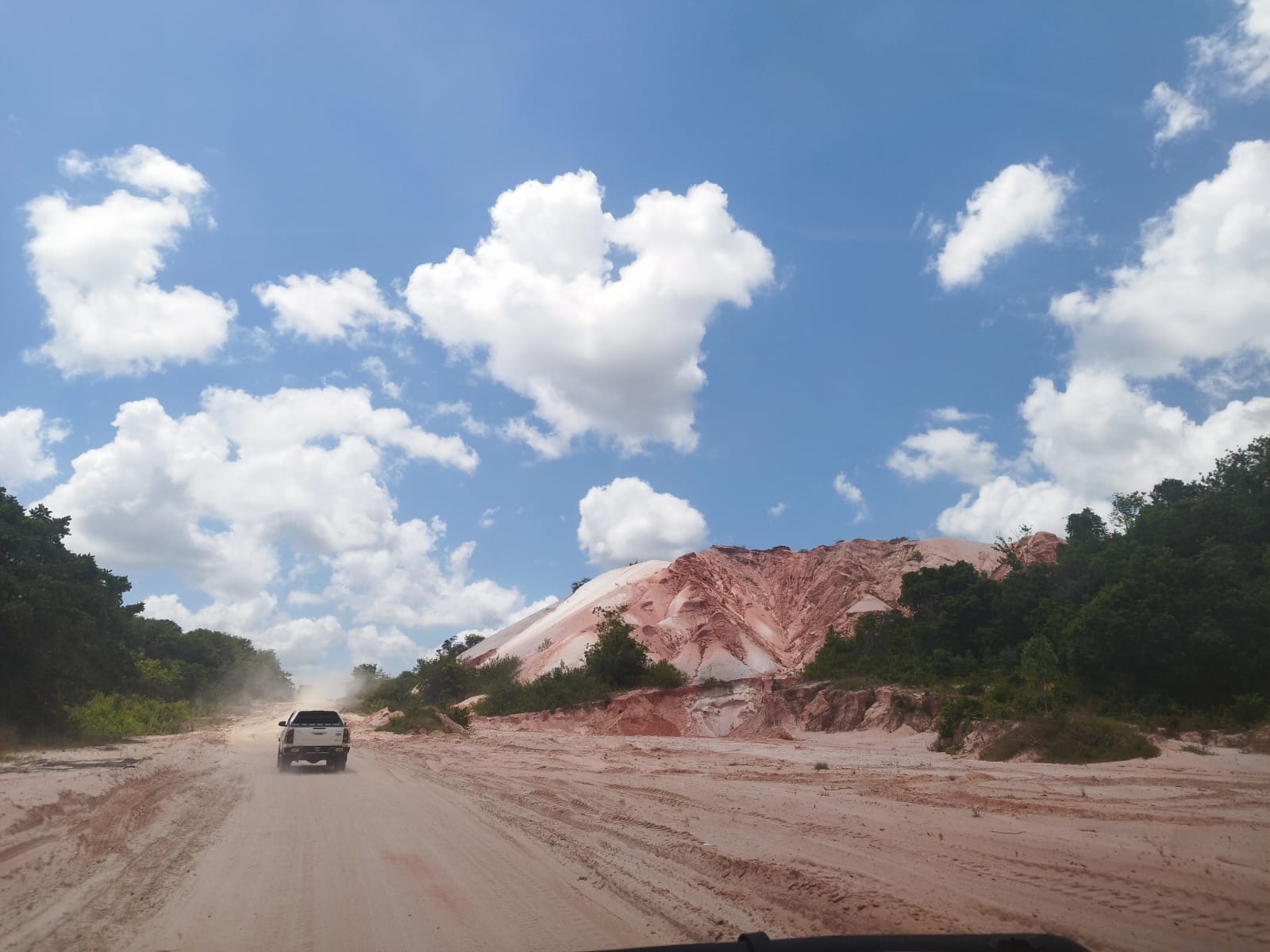
In Cameroon, environmental challenges exacerbated by climate change have led to desertification, soil erosion and flooding, particularly devastating the country’s Far North Region at the southern edge of the Sahara Desert. This region has witnessed a loss of natural resources due to an influx of refugees and internally displaced persons. In the vicinity of the national parks of Benoué and Waza, nearly 500 communities, including women and youth, are facing the adverse effects of desertification, endangering their livelihoods and resilience.
In response to this situation, the International Bamboo and Rattan Organization (INBAR) launched a transformative initiative in 2023, as part of the Increasing the Resilience of Local Communities to Climate Change through Youth Entrepreneurship and Integrated Natural Resource Management (ACREGIR) project, focusing on the establishment of bamboo nurseries.
Implemented in collaboration with the Ministry of Environment, Nature Protection, and Sustainable Development and funded by the Adaptation Fund through the International Fund for Agricultural Development, the ACREGIR project focuses on promoting eco-entrepreneurship and integrated natural resource management.
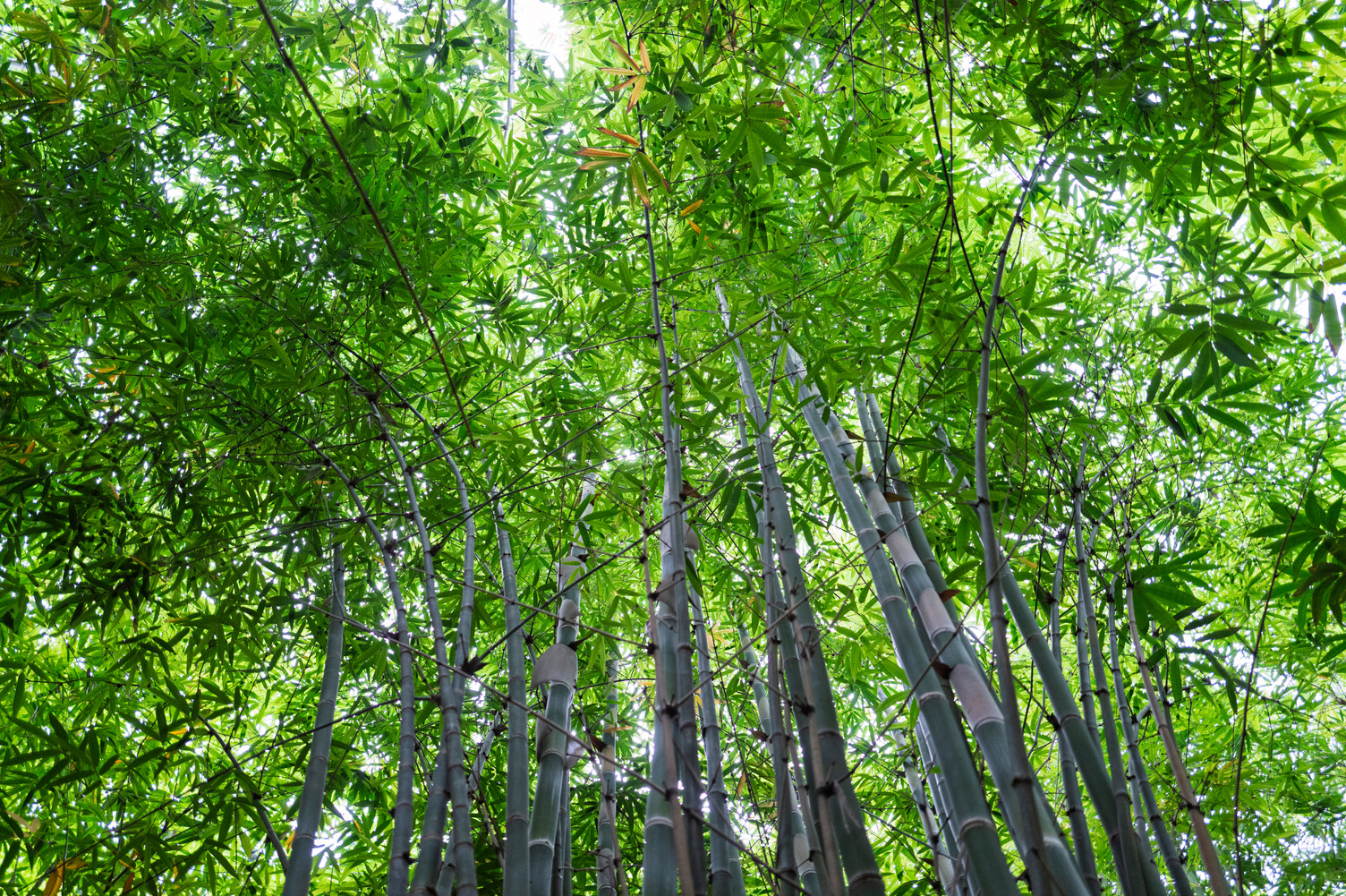
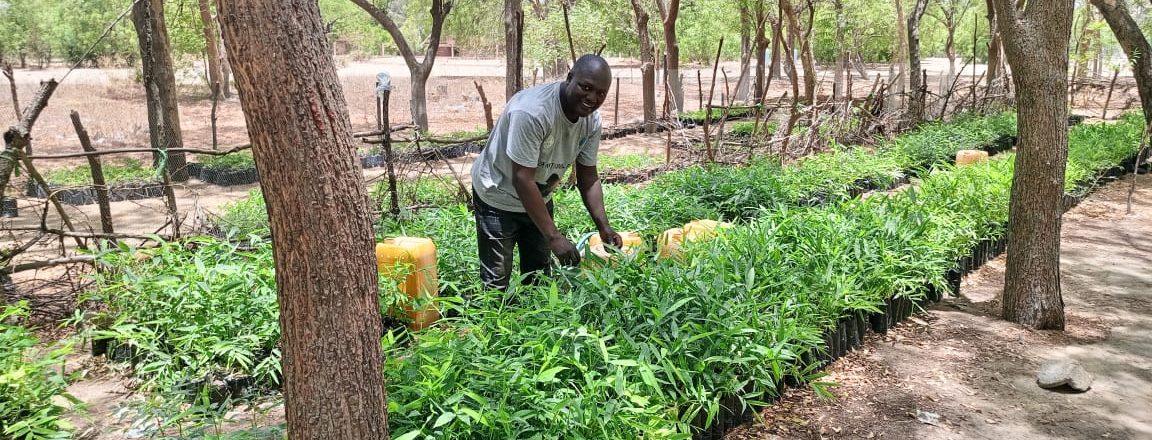
At the heart of the ACREGIR project’s impact is the establishment of bamboo nurseries. These nurseries serve a dual purpose: 1) Contributing to ecosystem restoration and 2) supporting the socio-economic development of women and youth in and around the national parks of Waza and Benoué.
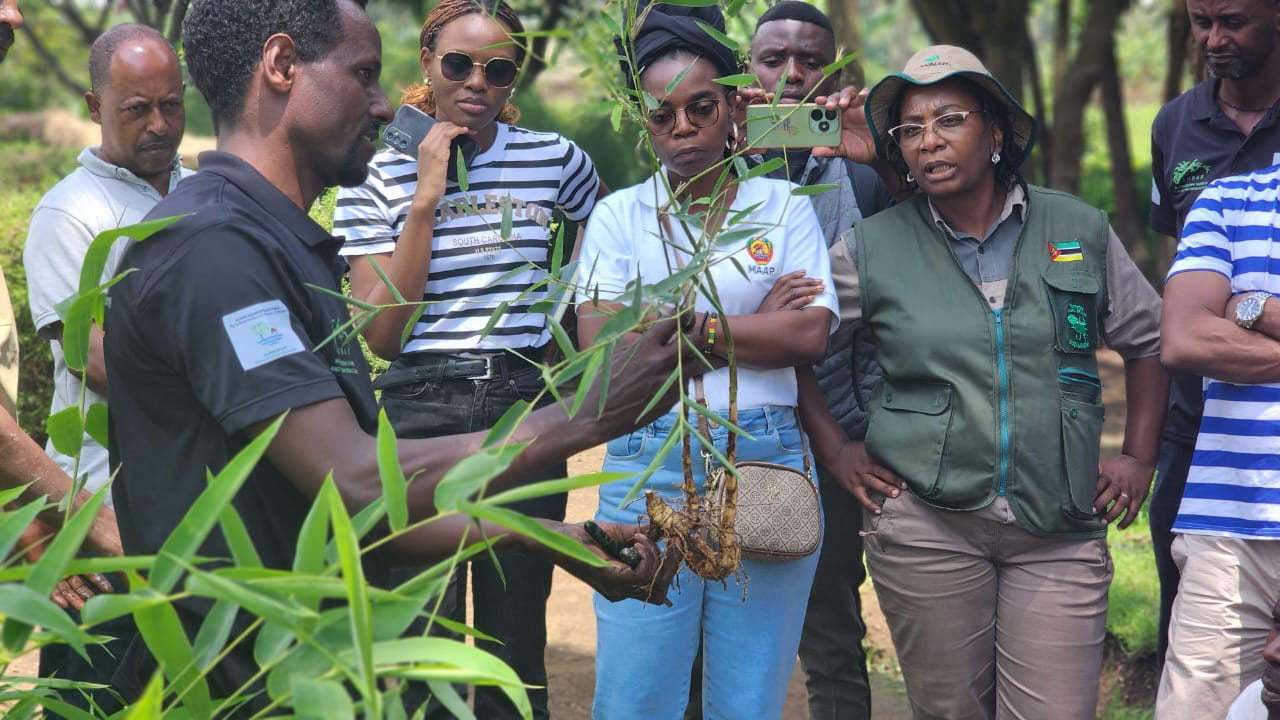
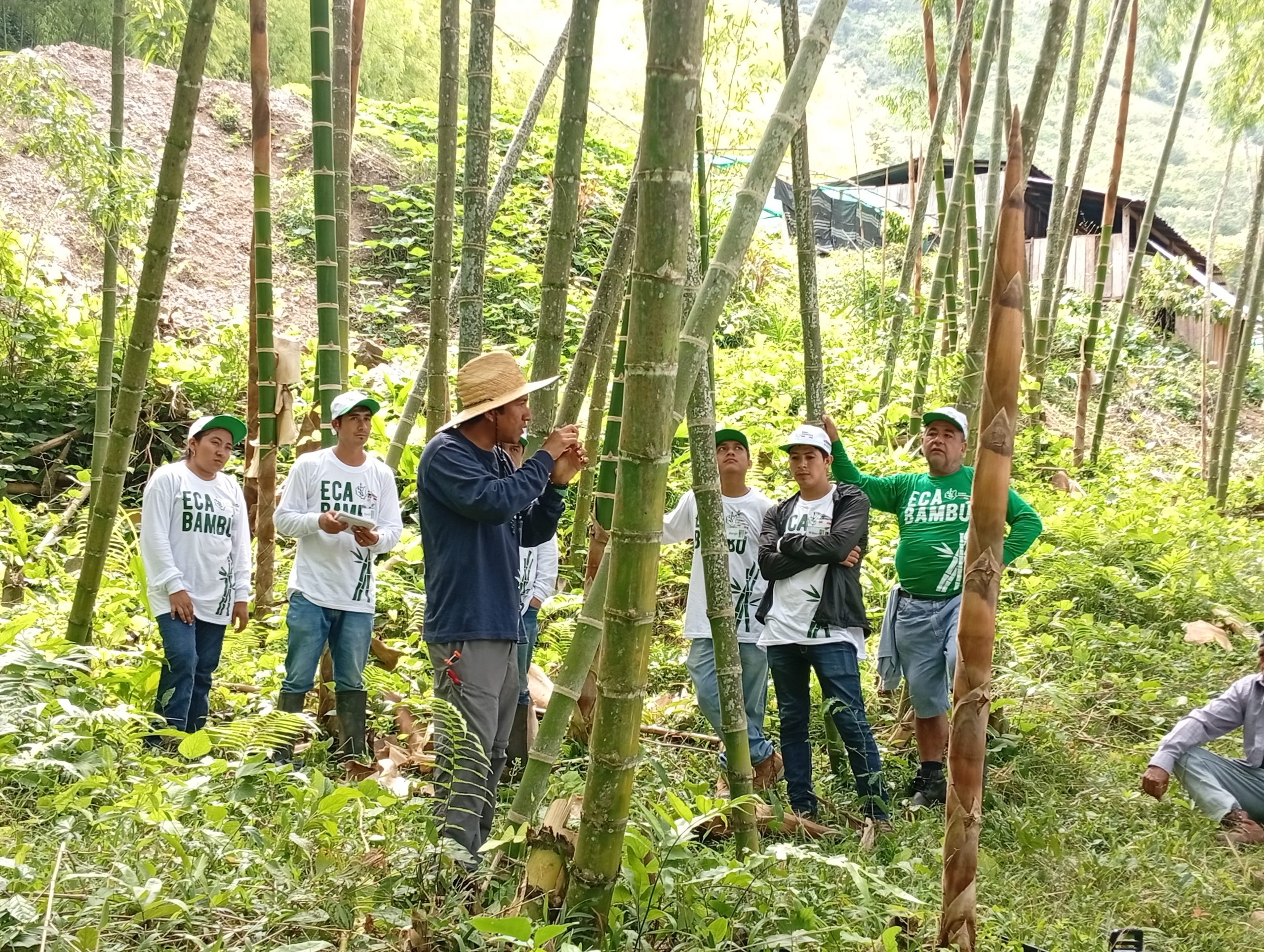
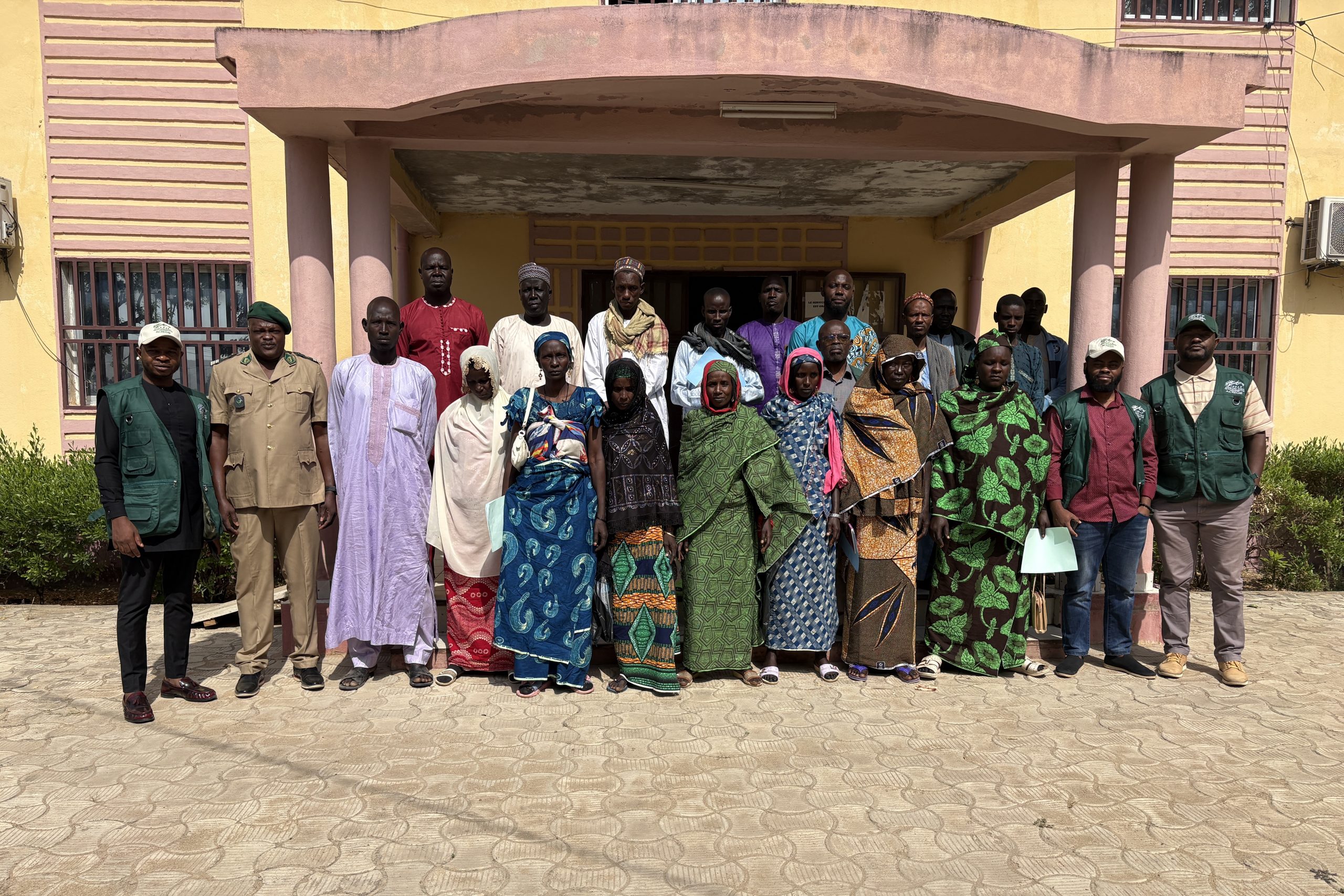
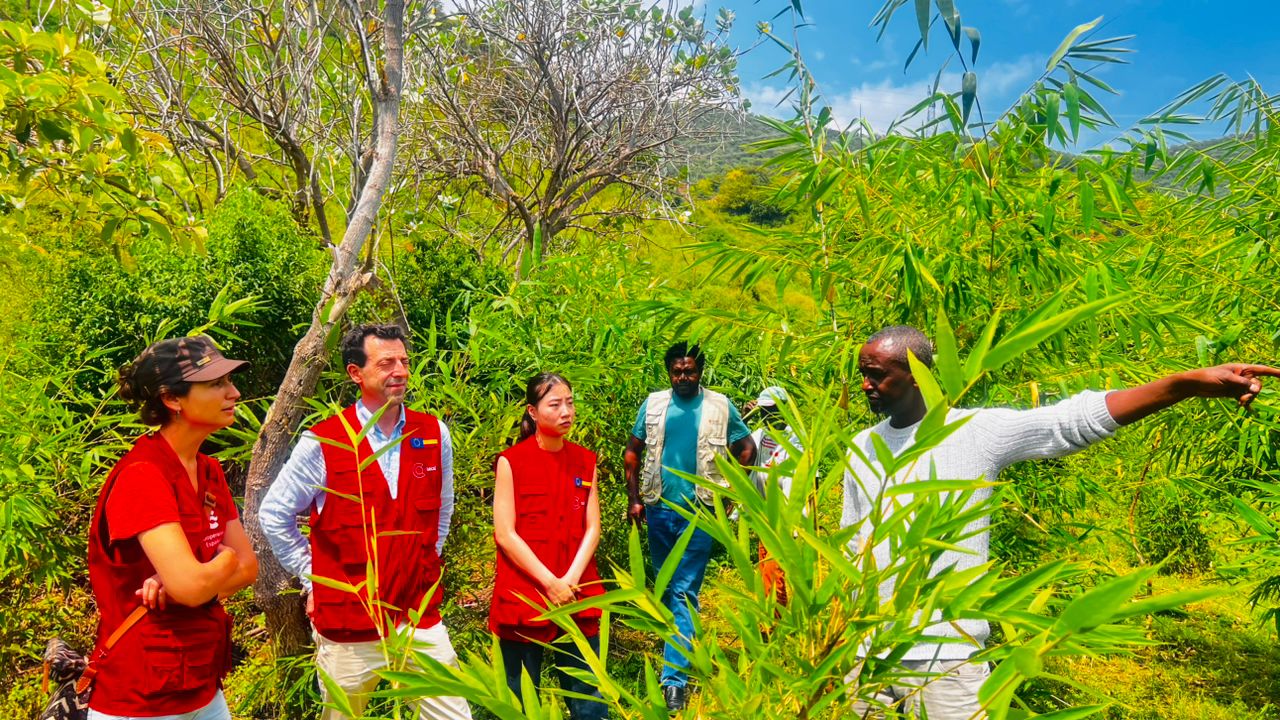
With more than 30,000 bamboo plants produced to date, the initiative has laid the foundation for the sustainable reversal of land degradation while promoting sustainable livelihoods. Three nurseries have been formed: A community nursery at the Bawan Rural Resource Center in partnership with CIFOR-ICRAF, the Narral Cooperative (SCOOS NARRAL), and the Benoué National Park Conservation Service; a government nursery developed with the Waza National Park Conservation Service; and a community nursery with the Waza Town Hall and the KOULI KAOU Community Initiative Group. The process included several key steps, including training, building shelters, purchasing production tools and plant maintenance. These activities not only helped restore degraded landscapes but also empowered local communities by encouraging them to become guardians of their environment.
These nurseries represent a crucial lifeline in a region marked by agro-pastoral conflicts and illicit activities within the parks. According to Manmigue François, President of the SCOOPS NARRAL in Bawan, Benoué: “The bamboo and other Non-Timber Forest Products (NTFP) nurseries created by the ACREGIR project solve the deforestation problems caused by local populations. It supports both women and youth through income-generating activities and assists the Benoué National Park Conservation Services in their restoration efforts.”

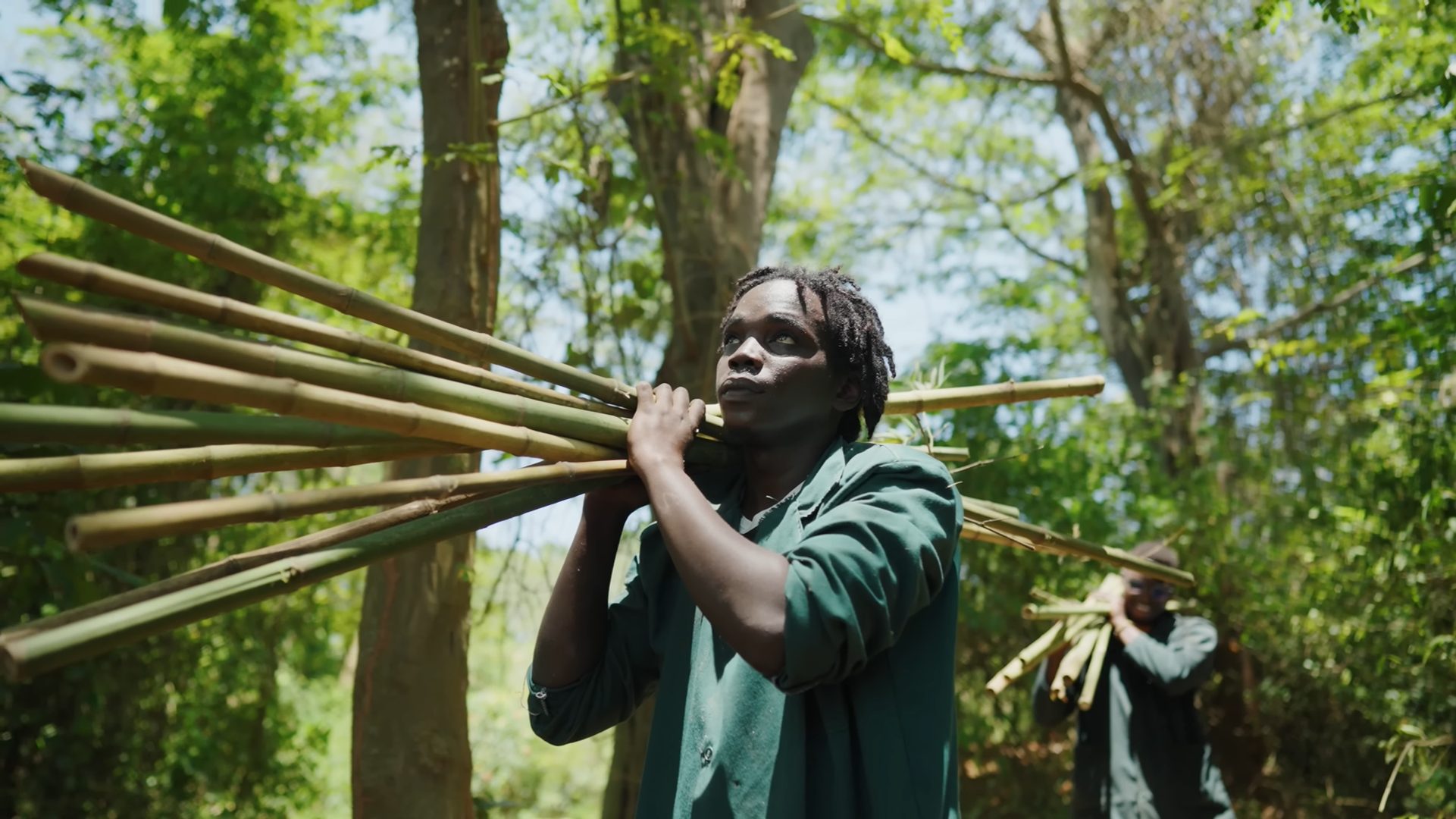
To combat degradation and destruction within the parks, the ACREGIR project, through INBAR, has promoted bamboo within the Benoué National Park and Waza National Park. These actions have now sustainably reversed the trend by increasing both internal and external capacities of the parks; protecting the parks with bamboo barriers built around them; and domesticating bamboo through nursery creation training.
For the past year, the protection and restoration process within the ACREGIR project has been positively received by surrounding communities and administration. With its dual impact, it improves farmers’ incomes and restores the forest. For Dr. Danboya Emmanuel, Waza National Park Conservator: “The plants we have in the nursery are intended for conservation services and the surrounding populations of Waza National Park.”
A gender-sensitive approach is at the heart of the initiative’s success. Women, who bear the brunt of forest degradation due to their dependence on natural resources, play a central role in these activities. According to Balla Melle, first deputy mayor of Waza: “The involvement of women in the creation of the nurseries not only improves household incomes but also addresses the disproportionate impacts of environmental degradation on them.”
With women making up 55% of the participants, the project tears down sociocultural barriers and strengthens the effectiveness of restoration initiatives. This inclusive approach encourages active participation and ensures long-term sustainability.
The growing enthusiasm of the communities for bamboo nurseries highlights the need for their expansion. To meet this demand, INBAR plans to increase nursery production to reach more communities, provide continuous technical support to ensure proper maintenance of bamboo plants and strengthen partnerships with local governments and conservation services to maximize impact.
The ACREGIR project demonstrates the potential of bamboo as a sustainable solution to land degradation and socio-economic challenges. After one year of implementation, the initiative has sparked interest from communities and local authorities, achieving the joint goals of environmental restoration and income generation.
As INBAR continues its restoration efforts, the bamboo nurseries around Benoué and Waza remain a powerful testament to the potential of innovative and community-based solutions in the fight against climate change and the promotion of sustainable development.