News
NewsBARC 2022 Parallel Sessions Report: Bamboo for Carbon Neutrality and Green Growth

Ms. Wang Renfei (left) and Mr. Jayaraman Durai (right)
The session explored the ways in which bamboo can open new avenues for helping the world store carbon and develop sustainably.
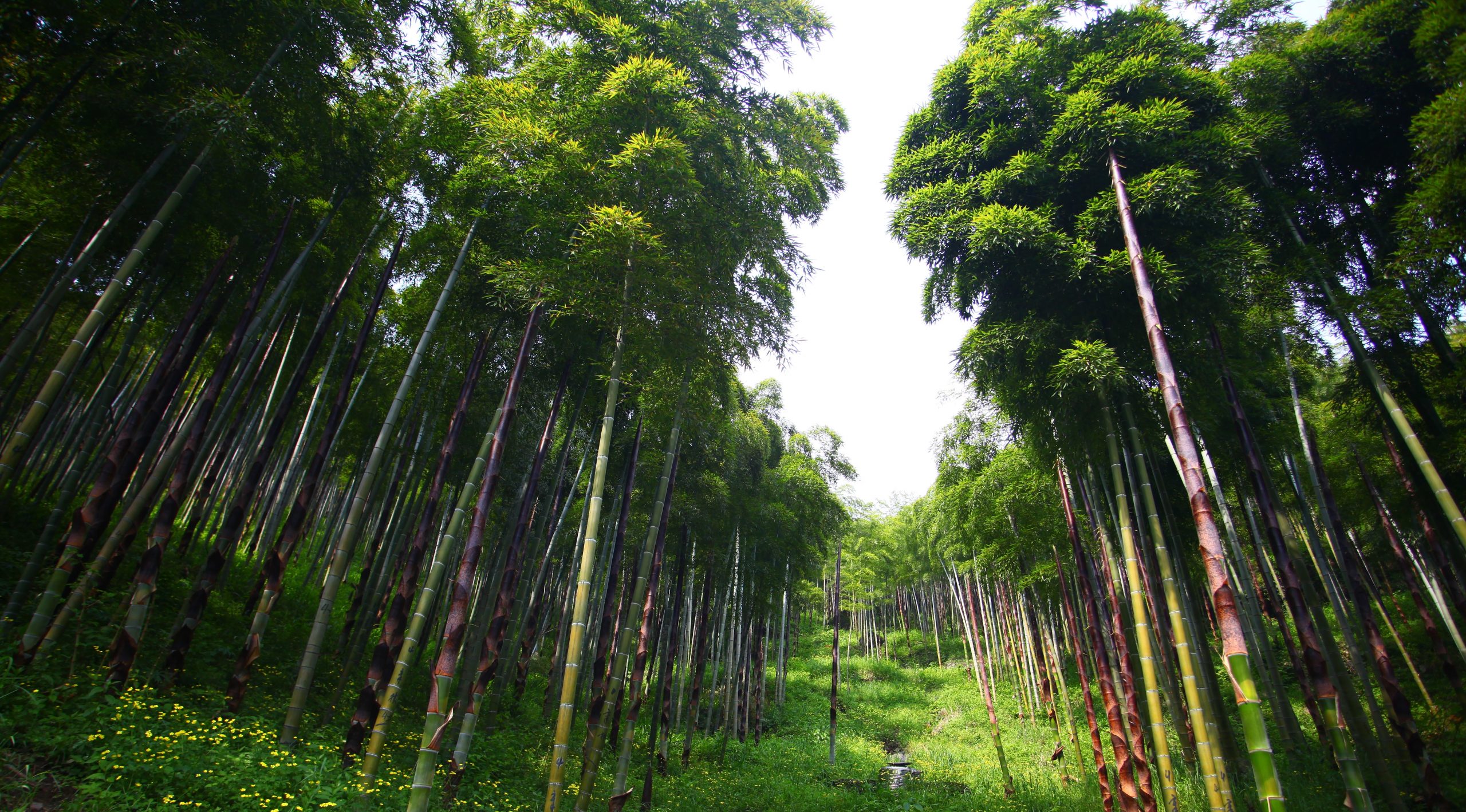
Bamboo has tremendous potential to contribute to achieving carbon neutrality and green growth. Organized as part of the proceedings of the Second Global Bamboo and Rattan Congress (BARC 2022), a session titled Bamboo for Carbon Neutrality and Green Growth was organized on 8 November. This session aimed to showcase the potential of bamboo for climate change mitigation, building resilience of communities and contributing to achieving green growth. Bamboo, with its known resource coverage of over 35 million hectares across the tropical and sub-tropical regions and its wide range of diverse applications, could specifically help in achieving carbon neutrality through storing carbon in bamboo ecosystems and bamboo products, reducing pressure on forests, and substituting for high-carbon products. At the same time, bamboo is an important factor for generating diverse possibilities in enterprise while significantly contributing to low-carbon development. In the session, seven panelists with expertise in bamboo sector development deliberated and/or showcased bamboo’s potential for carbon neutrality and green growth.
Mr. Jayaraman Durai, INBAR Director of Global Program, delivered the keynote remarks on bamboo for carbon neutrality and green growth. In his presentation, he outlined the general status of bamboo resources (coverage, enterprise and products), recent research on carbon and climate change, as well as different enterprise and product possibilities that can contribute to mitigating climate change to achieve carbon neutrality as well as building resilience of communities by providing opportunities for low-carbon green development that benefits individuals, communities and country at large.

Mr. Jaya Wahono
Mr. Jaya Wahono, CEO of Clean Power Indonesia, discussed a case study of a model of bamboo bio-energy in the Mentawai Islands of Indonesia. Here, the production of bio-energy from bamboo biomass has provided electricity to a remote village and also offered economic opportunities to bamboo growers and processors by establishing value-addition enterprises. The model brings affordable energy to farmers, reduces carbon emissions, and captures additional income. It is now being replicated in other places in Indonesia.

Dr. Edwin Zea Escamilla
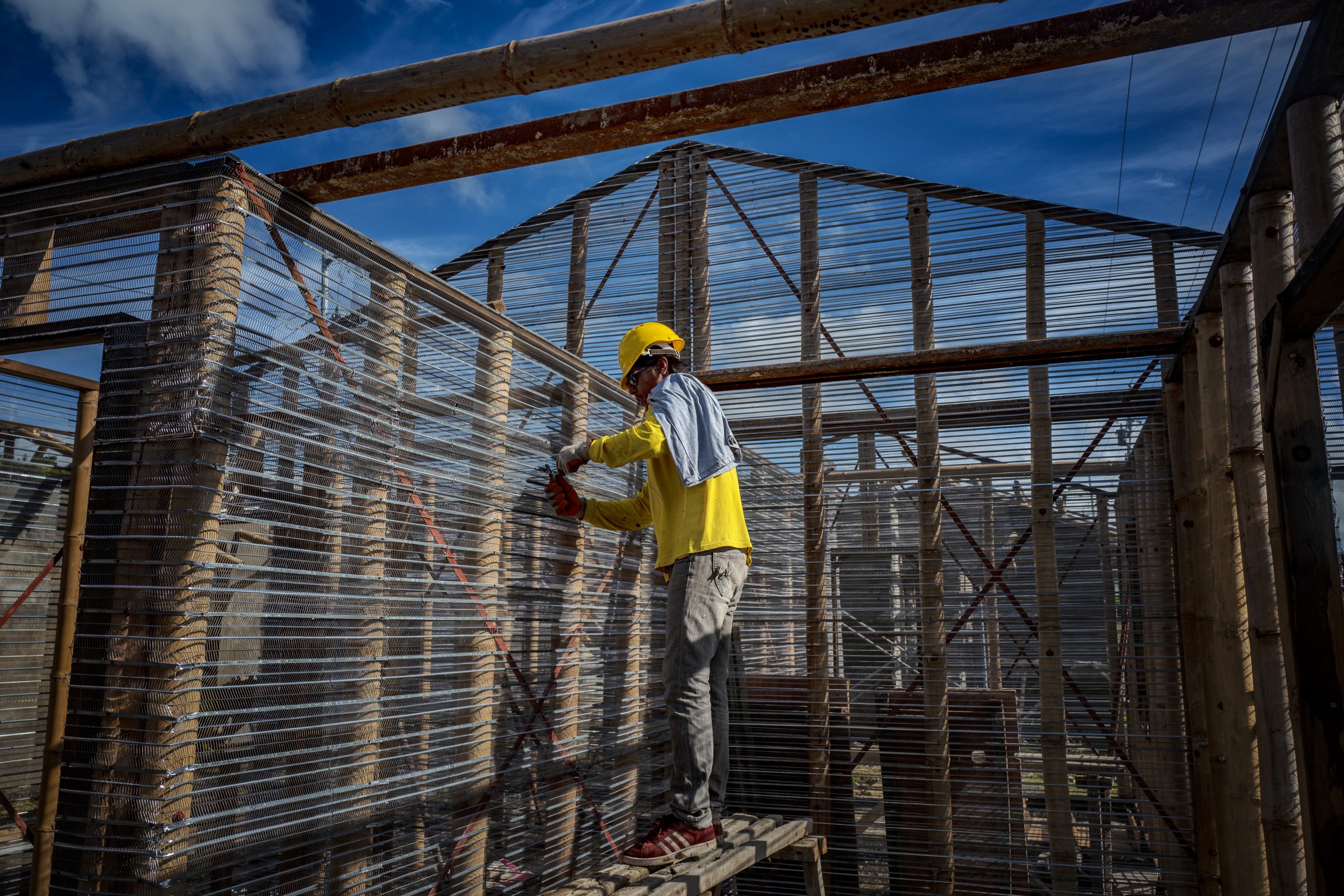
Dr. Edwin Zea Escamilla, the Chair for Sustainable Construction of ETH Zürich, presented his Life Cycle Analysis (LCA) study on bamboo-based construction. His study and presentation validated the significant potential of bamboo in storing carbon in bamboo buildings and in products compared to other conventional building materials like concrete or steel. With modern engineered products, bamboo buildings and building materials can store carbon for longer durations and hence have enormous potential as a tool to support carbon neutrality.

Mr. Trinh Thang Long, Senior Forestry Expert at Face the Future, presented on the existing carbon markets for bamboo. His presentation showed that carbon storage in bamboo forests are significant, and this could provide additional income and revenue for bamboo sector stakeholders. With increasing prices of carbon, there is now an opportunity for smallholders and plantation companies to generate additional income from the sale of carbon in addition to sale of bamboo poles, creating sustainable value chains.

Dr. Selim Reza
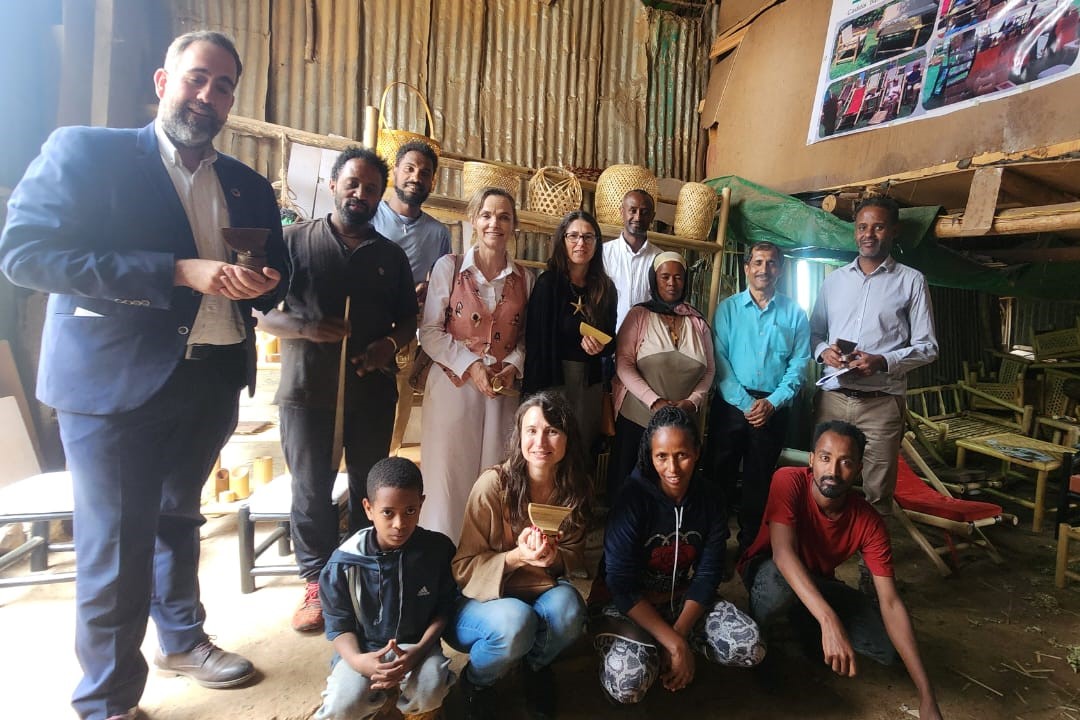
Dr. Selim Reza, INBAR Program Manager, introduced bamboo products that function as alternatives to plastics and are produced by micro-enterprises in East Africa. The enterprise models and product ranges developed by the INBAR project demonstrate the potential of bamboo for propelling green economic development using locally available abundant bamboo resources, which can be scaled across different contexts and landscapes to meet community needs.

Prof. Wang Lei
Prof. Wang Lei, Professor of Zhejiang A&F University, discussed the value chain development approach in China, particularly noting the evolutionary stages of the bamboo industry. He spoke on supply chain development with maximal utilization of biomass (95%+) and the ways in which the improved biomass utilization helped bolster income, profits and reduced wastage of biomass, contributing to carbon neutrality and green growth. His talk made clear the multi-pronged benefits that emerge from a maximal utilization approach.

Ms. Jasmine May De Leon
Ms. Jasmine May De Leon graduate student of the University of the Philippines Diliman, presented her LCA case study on bamboo briquette production in the Philippines. In her presentation, she illustrated different scenarios of bamboo briquette products and respective carbon footprints. Bamboo briquette production is a viable enterprise and value-addition option for promoting the utilization of bamboo where bamboo biomass is abundant and bioenergy sources are scarce.
Summary and recommendations
The presentations and discussions during the session illustrated the vast potential of bamboo in achieving carbon neutrality targets by its use in various products and applications. Bamboo as one of the fastest-growing plant species on earth can store enormous amount of carbon. Moreover, its sustainable harvesting and usage will enable alternative usages of carbon-intensive materials, and the production of long-term durable products will enable the long-term storage of carbon, ultimately contributing to achieving carbon neutrality targets. With untapped potential across diverse products, applications and enterprises, bamboo is now poised to boost pro-poor green economic growth.