News
Newstest
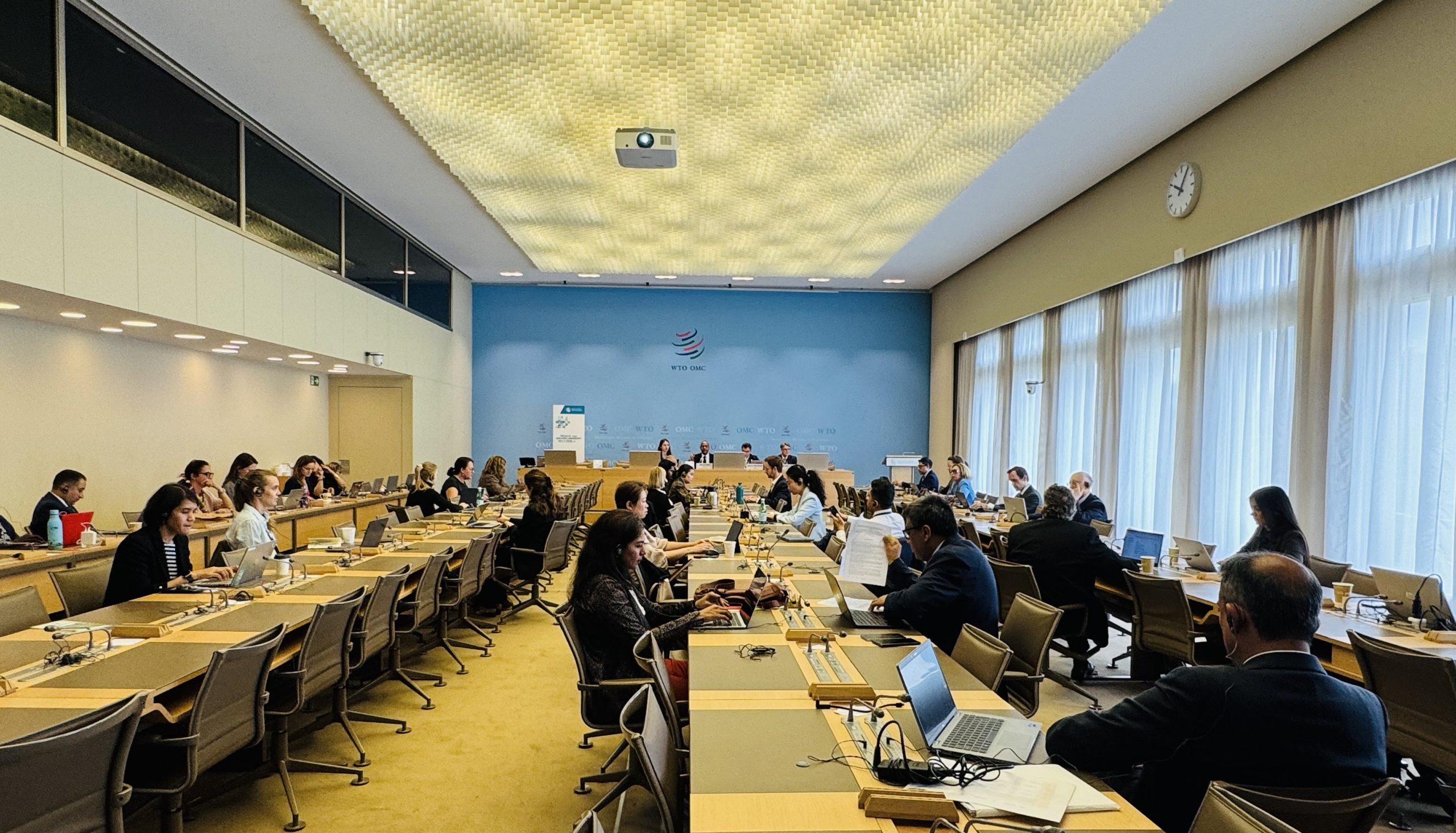
During WTO Trade and Environment Week in Geneva, INBAR made the case for bamboo as a scalable, trade-ready solution to global plastic pollution.
The World Trade Organization (WTO) Trade and Environment Week was recently held in Geneva, Switzerland. For the second consecutive year, organizers invited the International Bamboo and Rattan Organization (INBAR) to participate and deliver a keynote report at the side event of the Dialogue on Plastics Pollution and Environmentally Sustainable Plastics Trade (DPP). The presentation made the case for bamboo and rattan as green alternatives that could strengthen efforts in global plastic reduction and green trade development.
The theme of this year’s DPP side event was “Trade-Related Solutions to Address Plastic Pollution and Advance the Role of Alternatives and Substitutes.” Around 60 delegates from permanent missions of over 20 countries and international bodies to the WTO, as well as the WTO Secretariat, attended the proceedings. The meeting brought together a diverse group of participants from China, Australia, Canada, the United Kingdom, France, Germany, Turkey, Ecuador, Chile, Barbados, Fiji, India, Indonesia, Pakistan, Saudi Arabia, Morocco and the European Union. Delegates exchanged views on formulating coordinated international trade policies and strengthening multilateral cooperation, and explored practical approaches to curb global plastic pollution in a systematic manner.

At the event, INBAR showcased the current progress and field experiences from implementing the Bamboo as a Substitute for Plastic (BASP) Initiative. The presentation outlined bamboo’s unique strengths in phasing out conventional plastics, reducing environmental pressures and advancing green trade. Bamboo is a promising alternative to traditional plastics particularly because it grows rapidly and sequesters carbon at scale. In addition, bamboo products are carbon-negative across their entire lifecycle and are fully biodegradable within months, making them an ideal material for scaling across industries.

Today, bamboo substitutes have been applied in disposable tableware, eco-packaging, automotive interiors, green construction and other sectors, with broad application prospects and immense potential to drive sustainable industrial development.
Several challenges are facing the industrial rollout of the BASP Initiative. To overcome them, INBAR urges enhanced multilateral cooperation and a comprehensive policy framework, along with the following specific recommendations:

- First, accelerate the process of creating international standards for bamboo alternative products, promote adoption of relevant ISO standards and dismantle trade barriers;
- Second, introduce preferential trade incentives, such as tariff reductions, dedicated subsidies and green public procurement to allow bamboo products to become more competitive;
- Third, scale up cross-border R&D and the sharing of advanced technologies to lower production costs and improve product performance; and
- Fourth, foster a resilient and sustainable global value chain for the bamboo sector.
As part of the presentation, INBAR also proposed integrating green bamboo alternatives into the global trade system. By drawing on multilateral trade rules, INBAR will continue to advocate for the reduction of plastic pollution worldwide, seeking to propel global consensus on plastic mitigation into real-world achievements for green industrial growth.
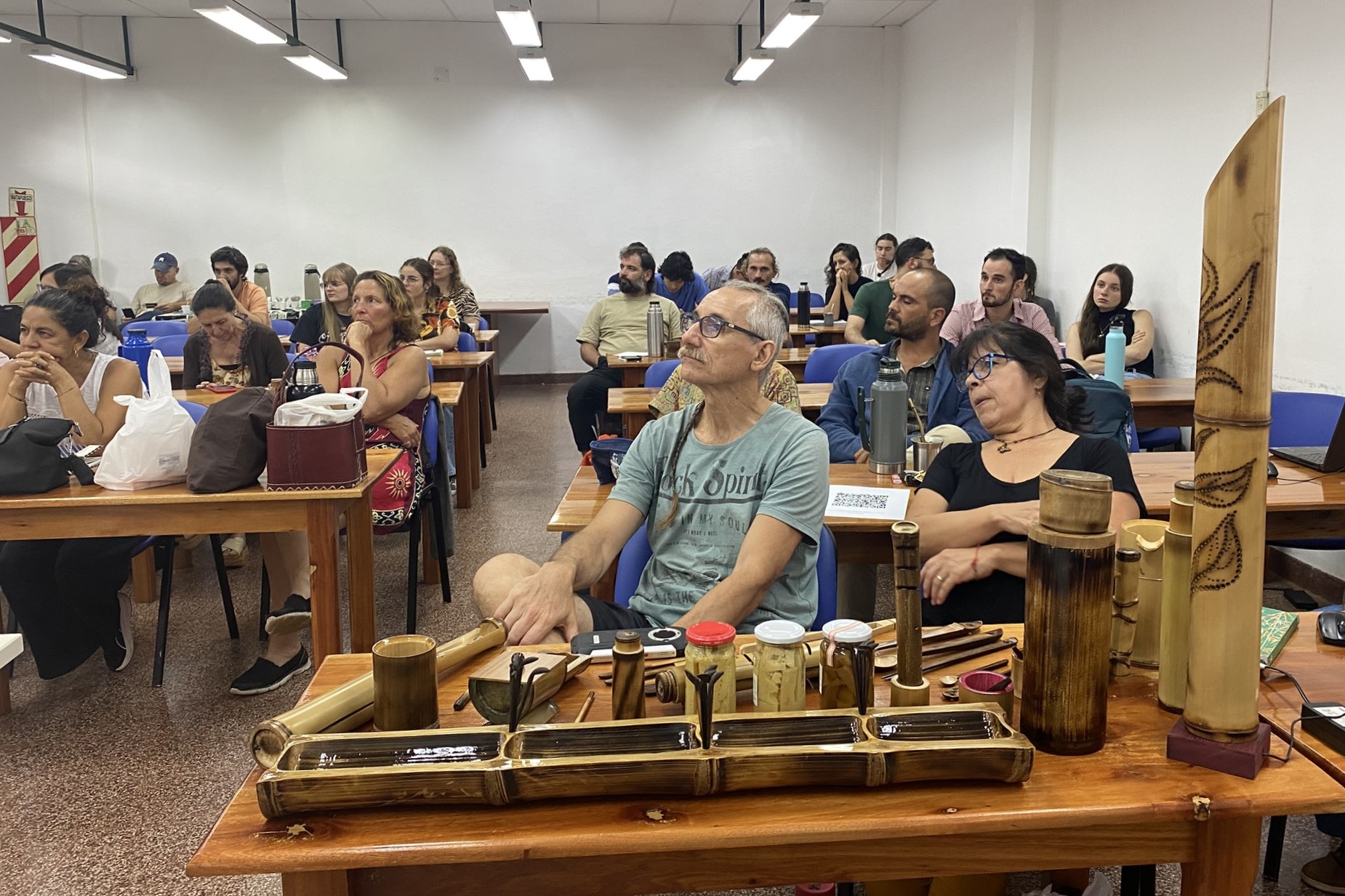
INBAR also hosted an on-site exhibition, displaying a variety of bamboo products that can be substituted for plastics. The exhibition attracted considerable attention from delegations. Participants visited the booth and held in-depth discussions, curious to learn more about the promise of bamboo. The event underscored the substantial ecological value and market potential of bamboo alternatives, offering viable, sustainable green solutions for all countries to deliver on their plastic reduction commitments.