 News
NewsLinking Ecuador’s coast and Amazonia
 A project in Ecuador is driving sustainability and empowerment in Amazonian communities through the management of bamboo.
As part of the project “Strengthening the production and commercialization of guadua bamboo by the Kichwa Women’s Association of Napo – AMUKINA and producers of the Quijos Nationality,” financed by the Inter-American Development Bank (IDB) and with technical support from the Ministry of Environment, Water, and Ecological Transition (MAATE) in Ecuador, INBAR is enhancing the capacities and knowledge of six communities in the Amazonian province of Napo in the sustainable management and processing of bamboo (Guadua) to provide quality raw material for construction.
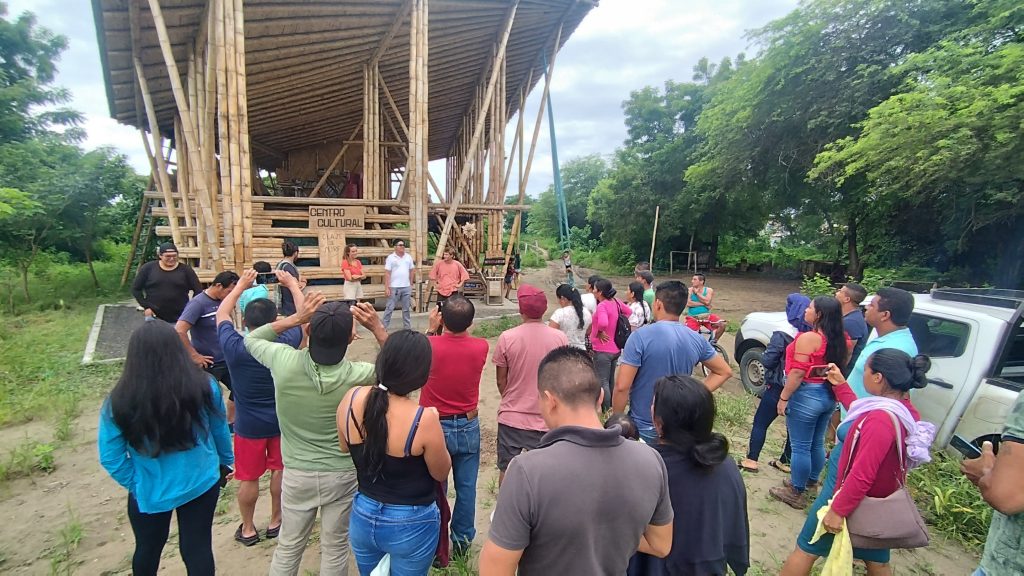
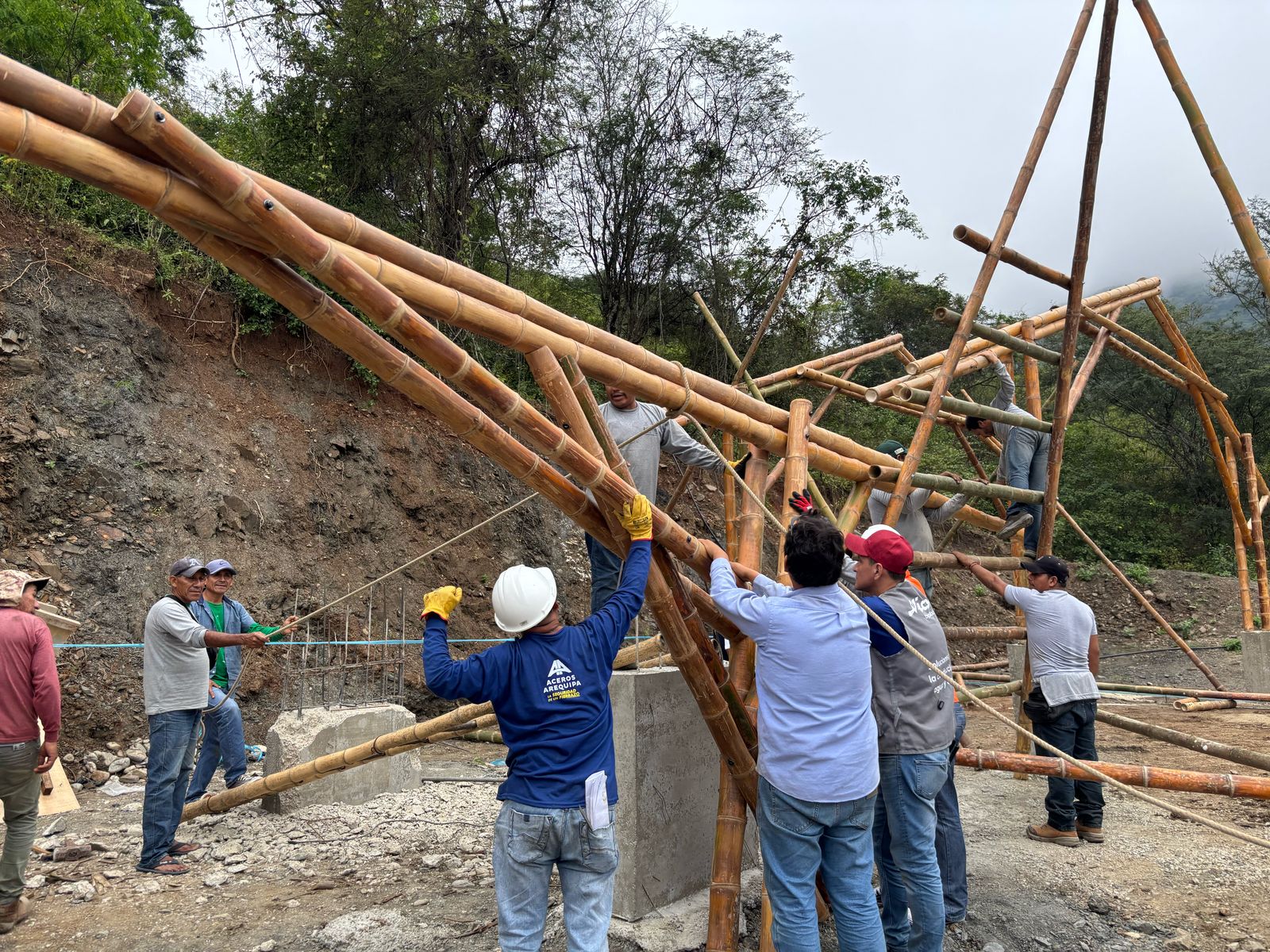
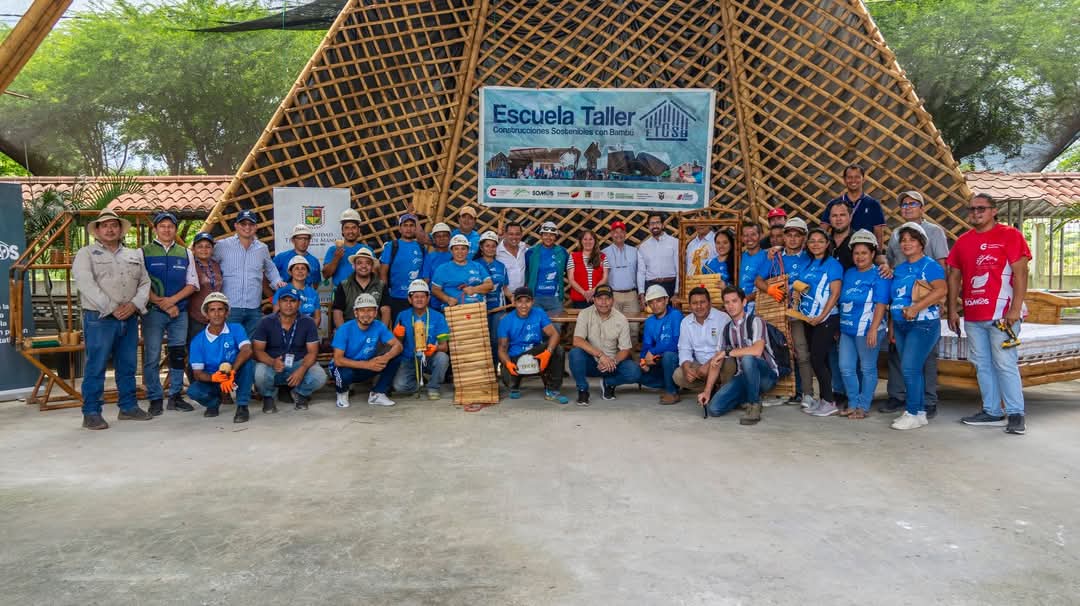
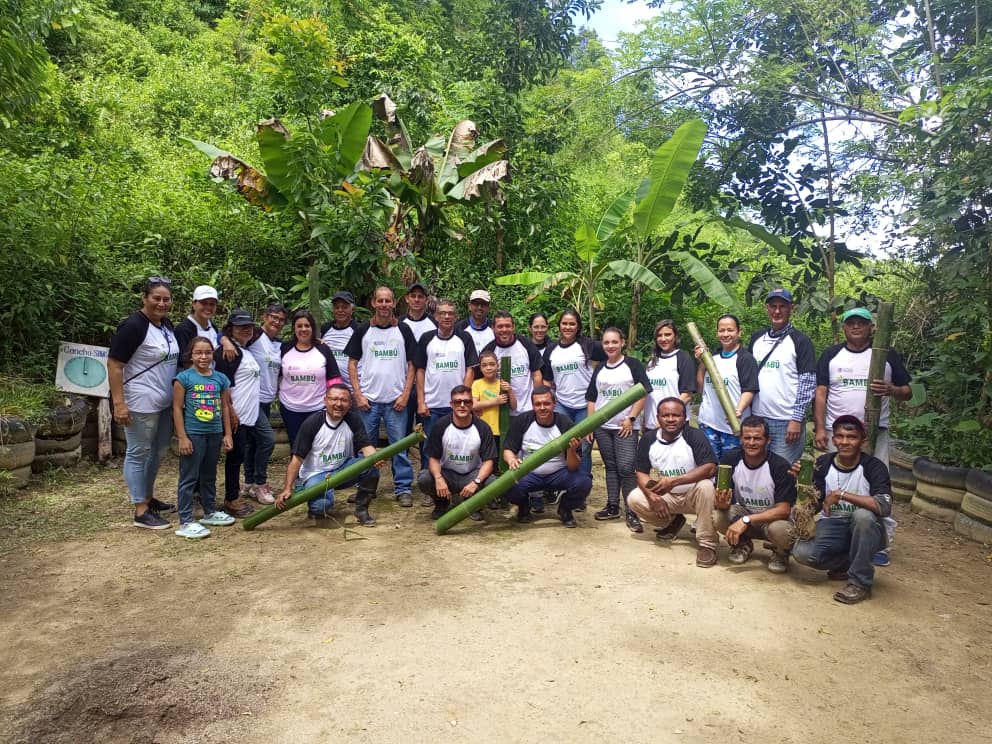
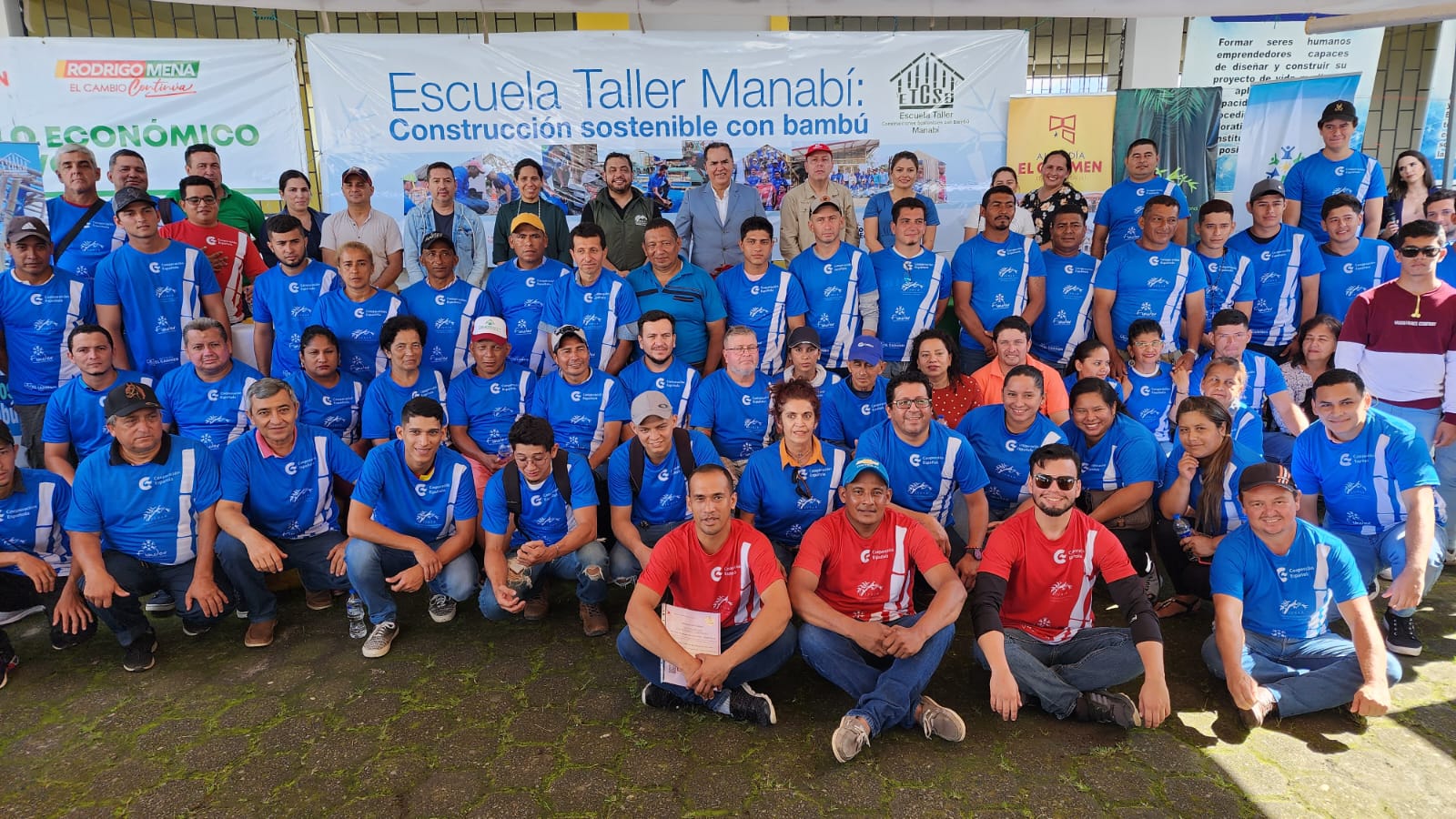
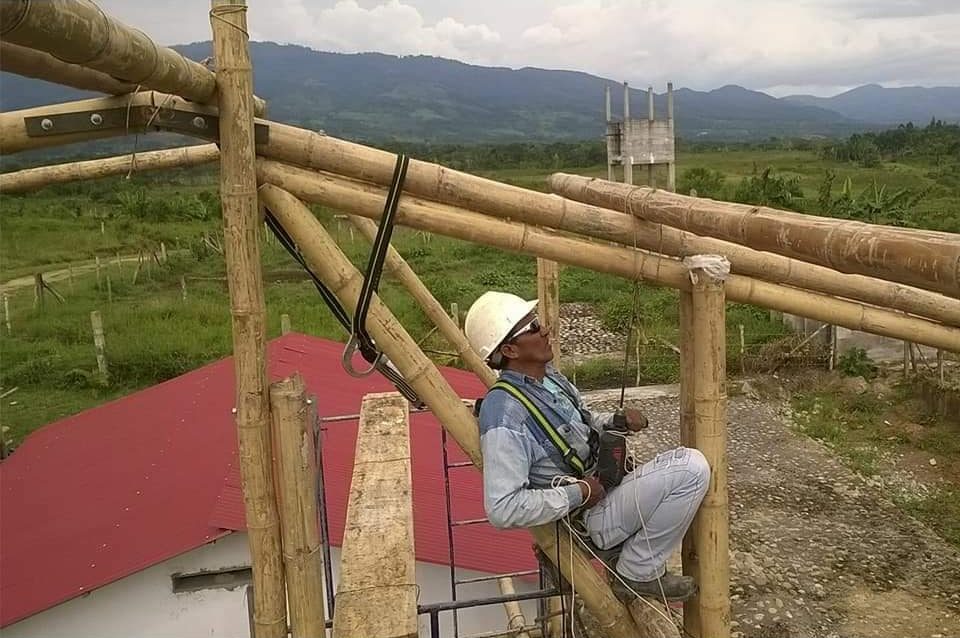
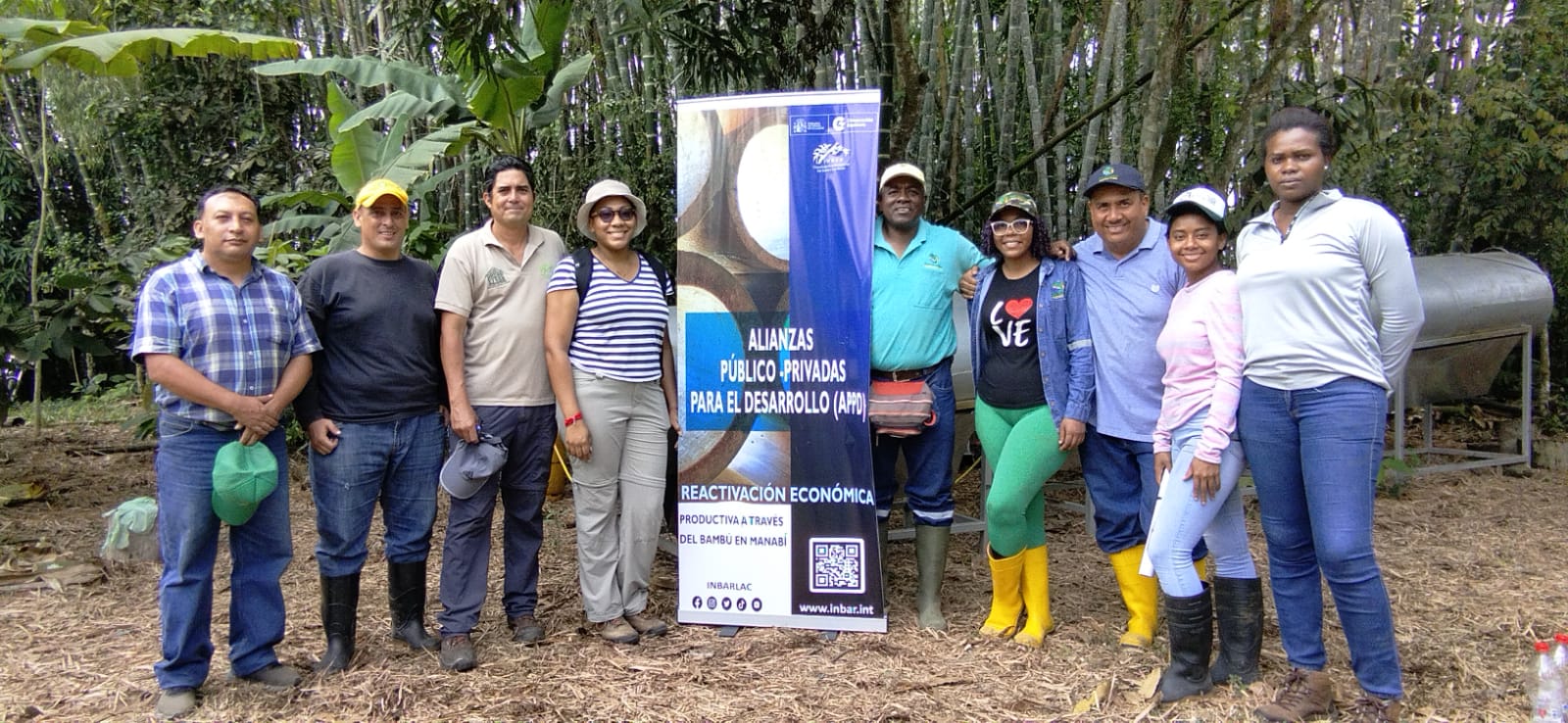
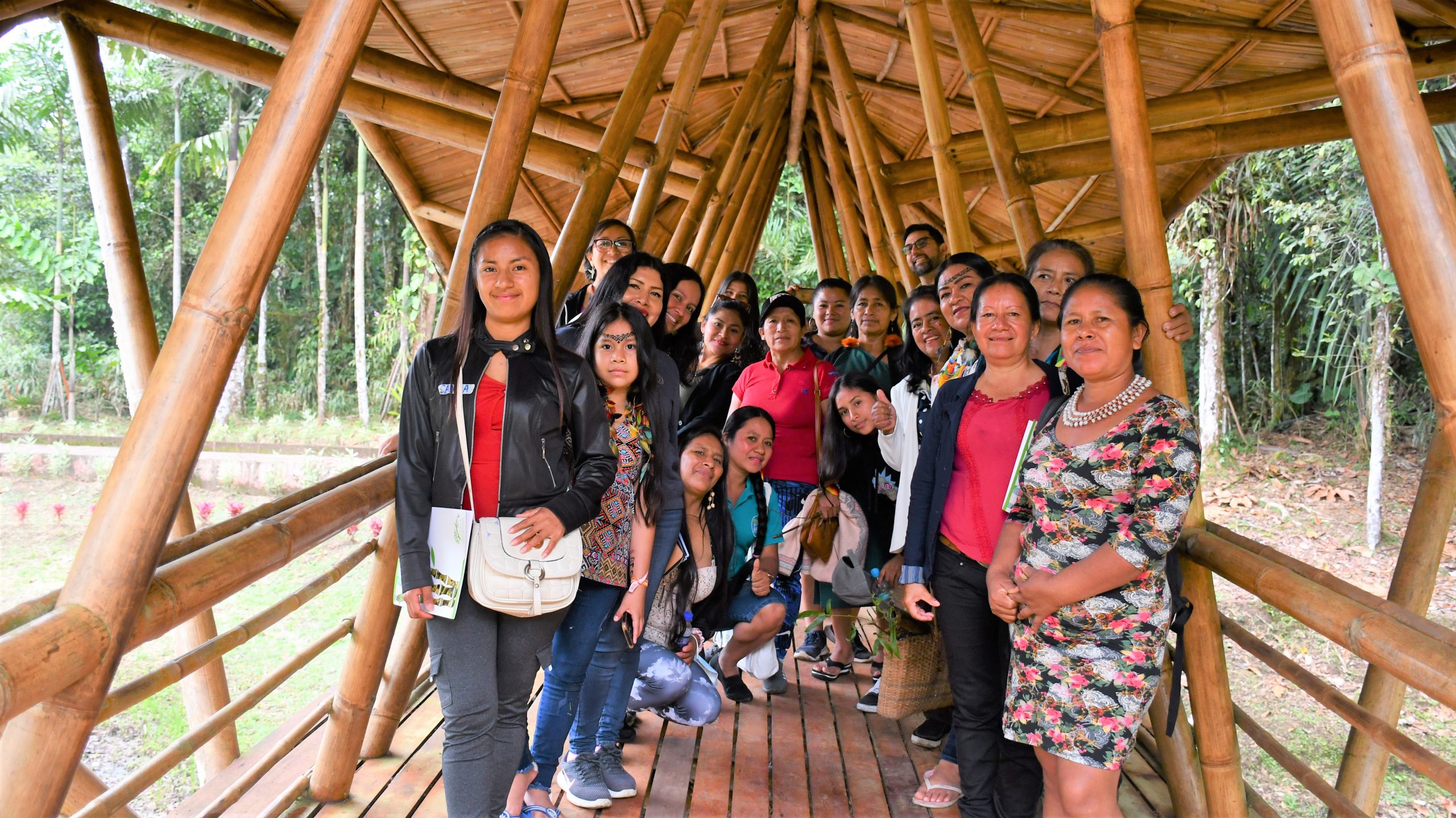
In this context, from 17 to 21 February 2024, a training and exchange tour was conducted to projects in the province of Manabí, attended by 21 producers and entrepreneurs from five communities of the Kichwa and Quijos nationalities in Napo, the majority of whom were women or youth. During the tour, important sites were visited where, in the aftermath of the 2016 earthquake, the bamboo utilization chain has since flourished, becoming a sustainable source of income for rural and construction sectors. This success is owed to the hard work and initiative of young entrepreneurs and master builders trained at the “ETCSB” (Workshop-School for Sustainable Bamboo Construction), promoted by INBAR and funded by the Spanish Agency for International Development Cooperation in agreement with the municipalities of Chone, Portoviejo and El Carmen in Manabí.

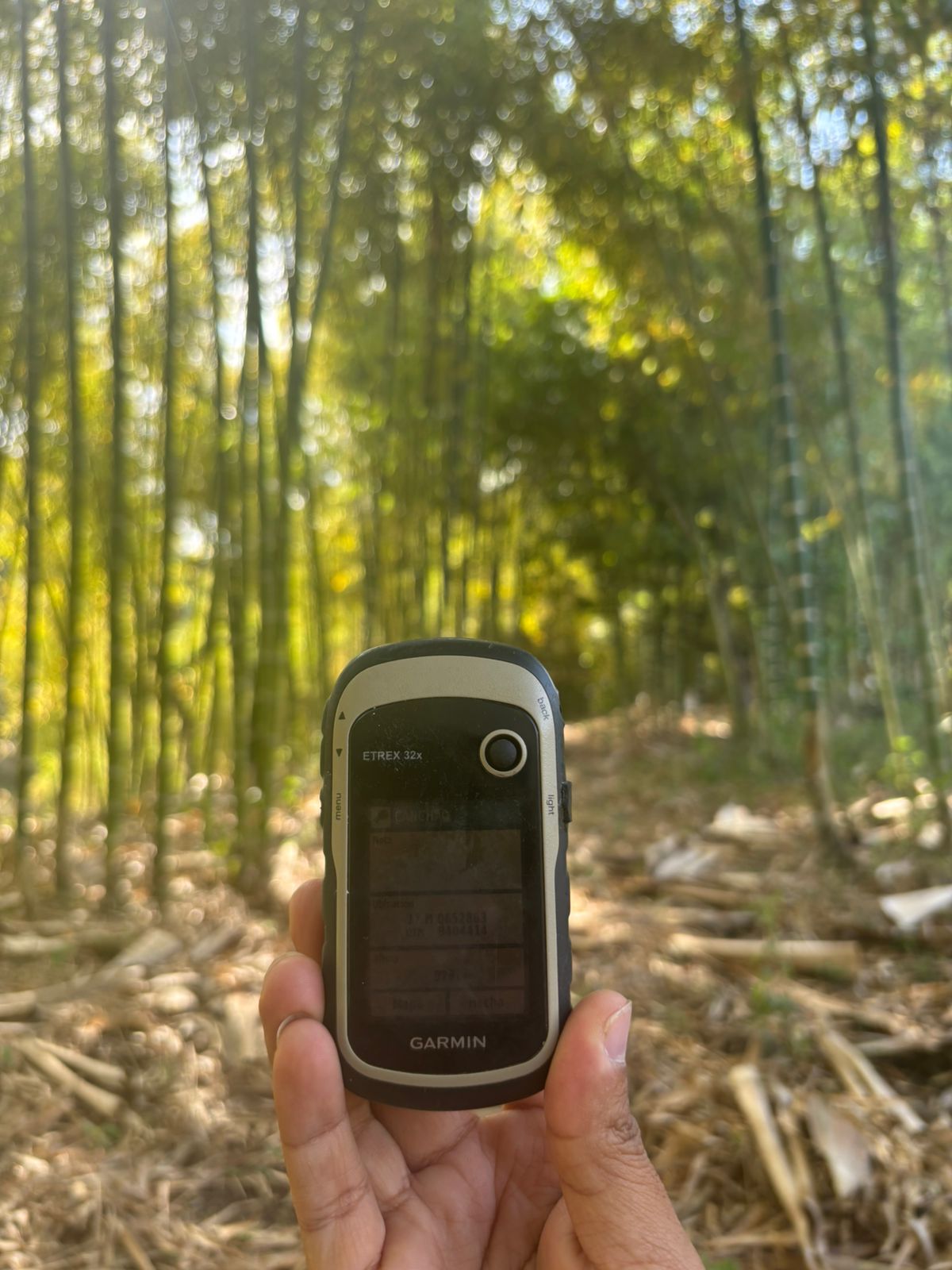
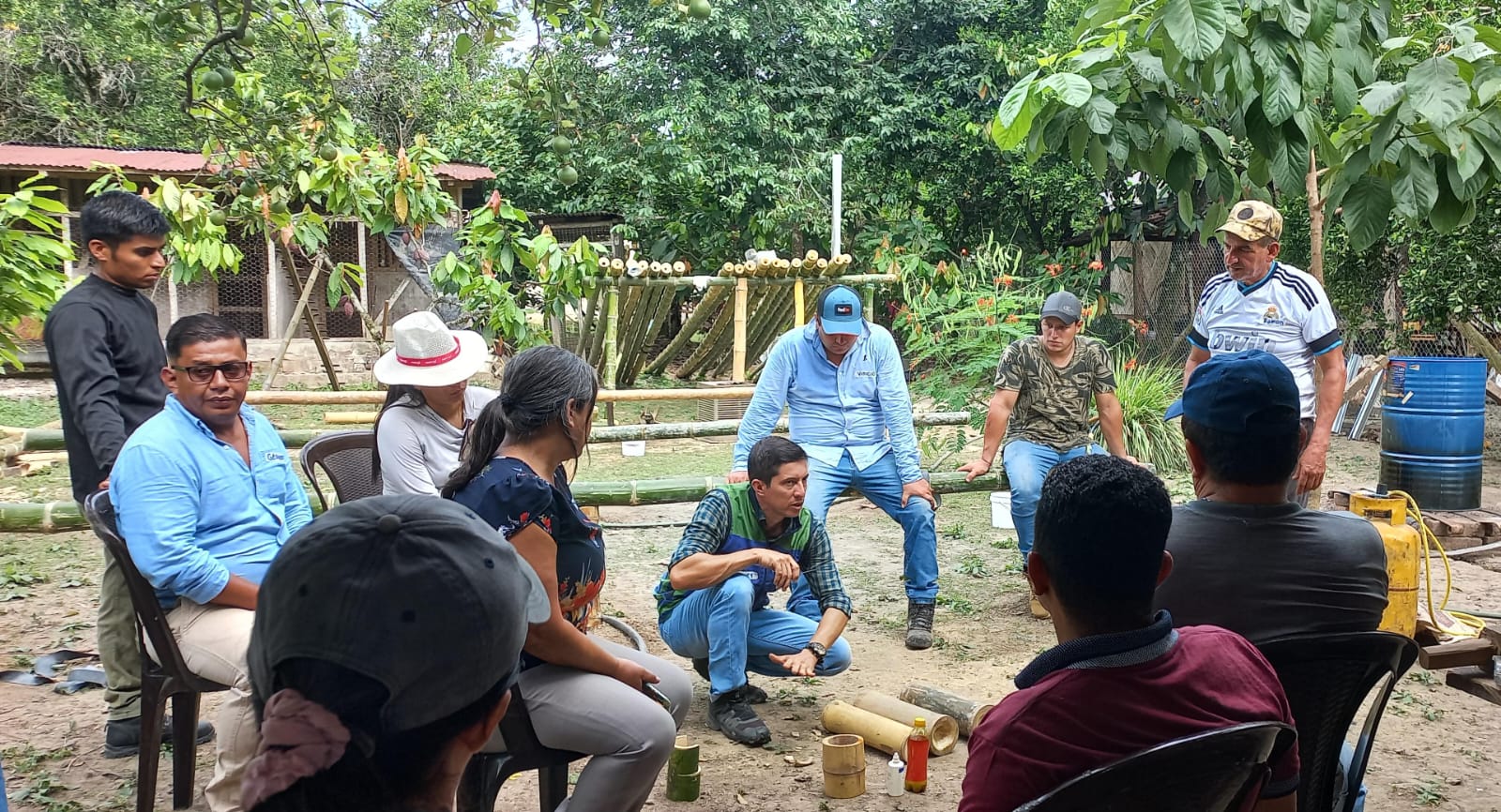
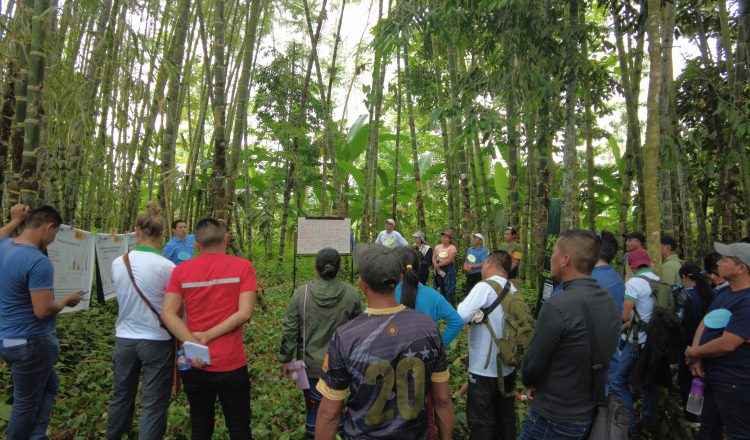
Over three days, crucial topics were addressed, concerning the proper management and maintenance of natural guaduales, recognition of maturity stages of the canes for utilization, cutting strategies and methods of immunization and bamboo drying.
In particular, eight entrepreneurs from the “Association for collection and immunization of Amazonian vegetable steel RAYU” who lead a venture in the field of bamboo preservation in the Amazon had the opportunity to visit some preservation centers in the coastal region and share different experiences and lessons learnt that will help them grow and improve their processes with this resource.
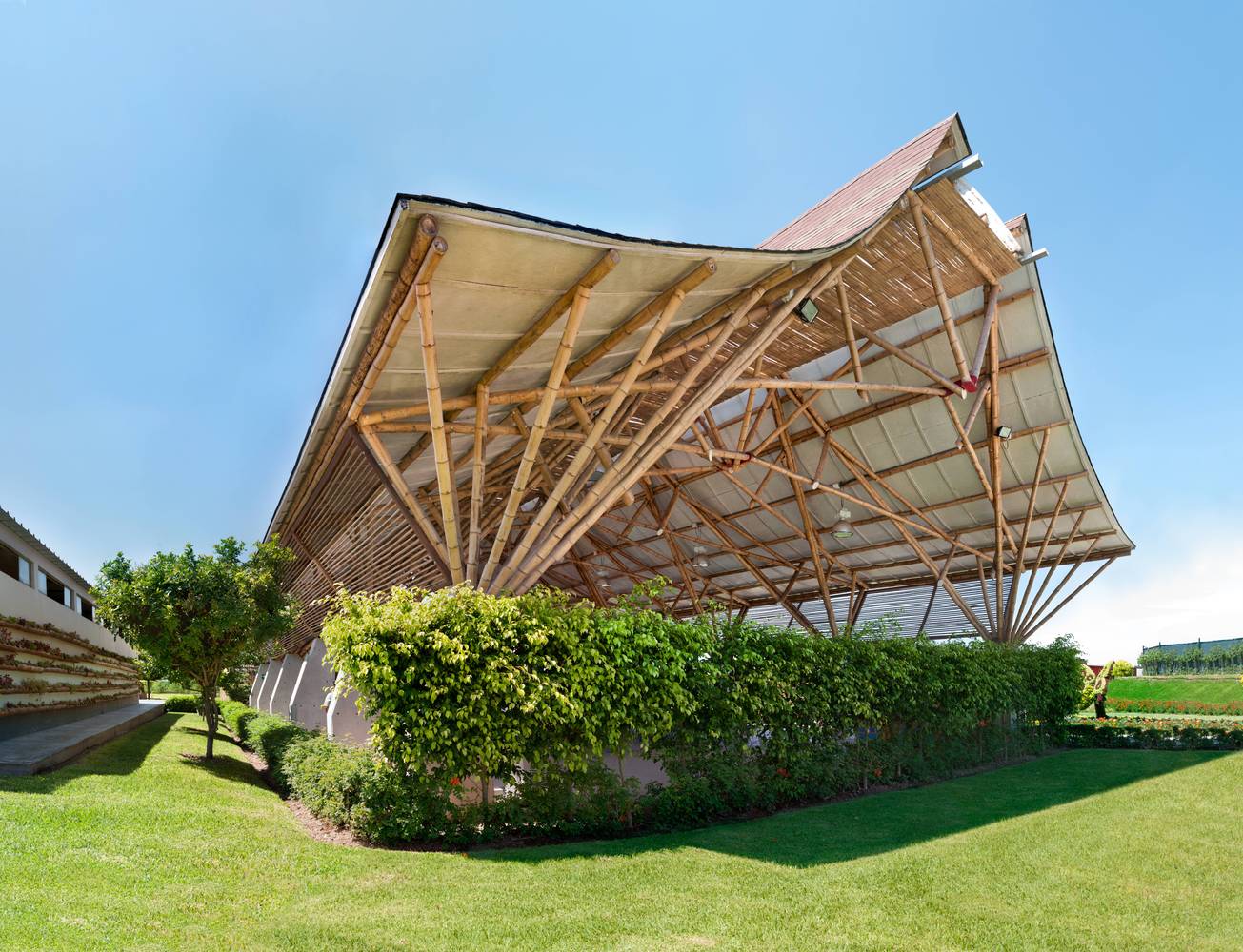
The participants also toured emblematic places in the cantons of El Carmen and Portoviejo, where INBAR is working hand-in-hand with public institutions for the development of the resource to benefit the local economy. In El Carmen, fundamental aspects of production and identification of growth states and selection of mature culms in humid environments were addressed along with inventory preparation, cutting intensity and safe techniques for managing natural guaduales. These are all essential requirements for obtaining quality raw materials that comply with Ecuadorian construction standards.
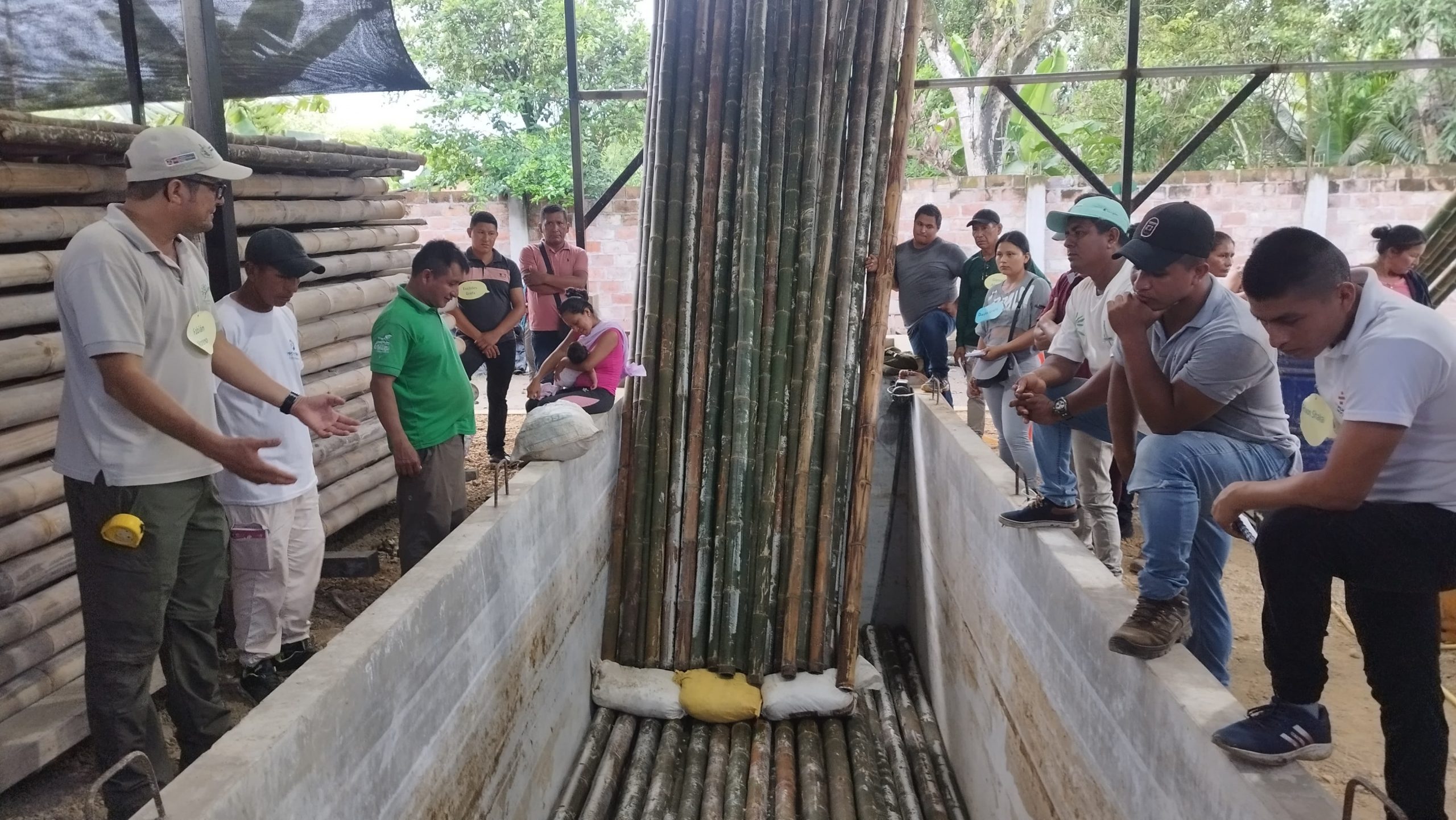
In Portoviejo, attention was focused on the processes of preservation and drying of bamboo. The work areas and operations of two bamboo preservation centers were visited. At these sites, participants learned about specialized processes and had the opportunity to practice immersion and extraction as well as implemented techniques for drying and storing bamboo culms, preparing preservation solutions and taking humidity measurements. These practices are conducive to the efficient operations of a preservation center. The experience began and ended with a practical evaluation of the acquired knowledge to observe the covered gaps in knowledge.
This exchange of experiences between the two regions of Ecuador, the coast and Amazonia, not only provided practical knowledge about the cultivation and sustainable management of bamboo but also served as a platform to generate contacts between producers and transformers from communities and associations of these regions. The tour represents a significant step towards empowering new groups of Amazonian producers and entrepreneurs, showcasing the transformative potential of bamboo as a sustainable resource and engine of local development, in a biome as important for the planet as the Amazon.