 News
NewsManabí: Bamboo field schools taking root

More than 20 Field Schools in sustainable bamboo management with 375 trained producers have been registered in the last three years across the province.
The province of Manabí, located in the coastal zone of Ecuador, is home to more than 145,000 hectares of bamboo. This natural resource considered to be “vegetable steel” covers the province with an imposing green color, which transmits not only the vibrancy of nature but also the opportunity for growth in the region.
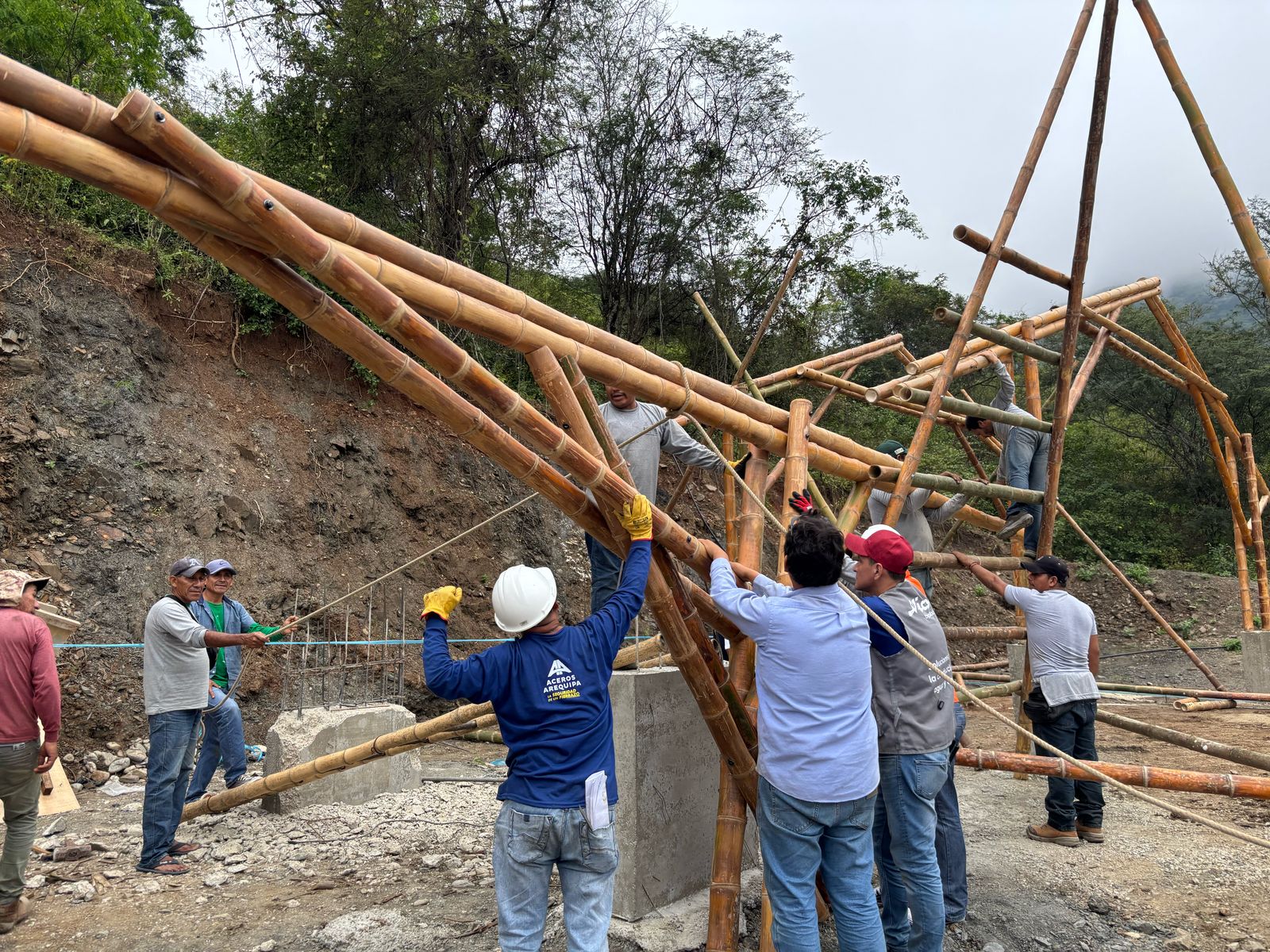
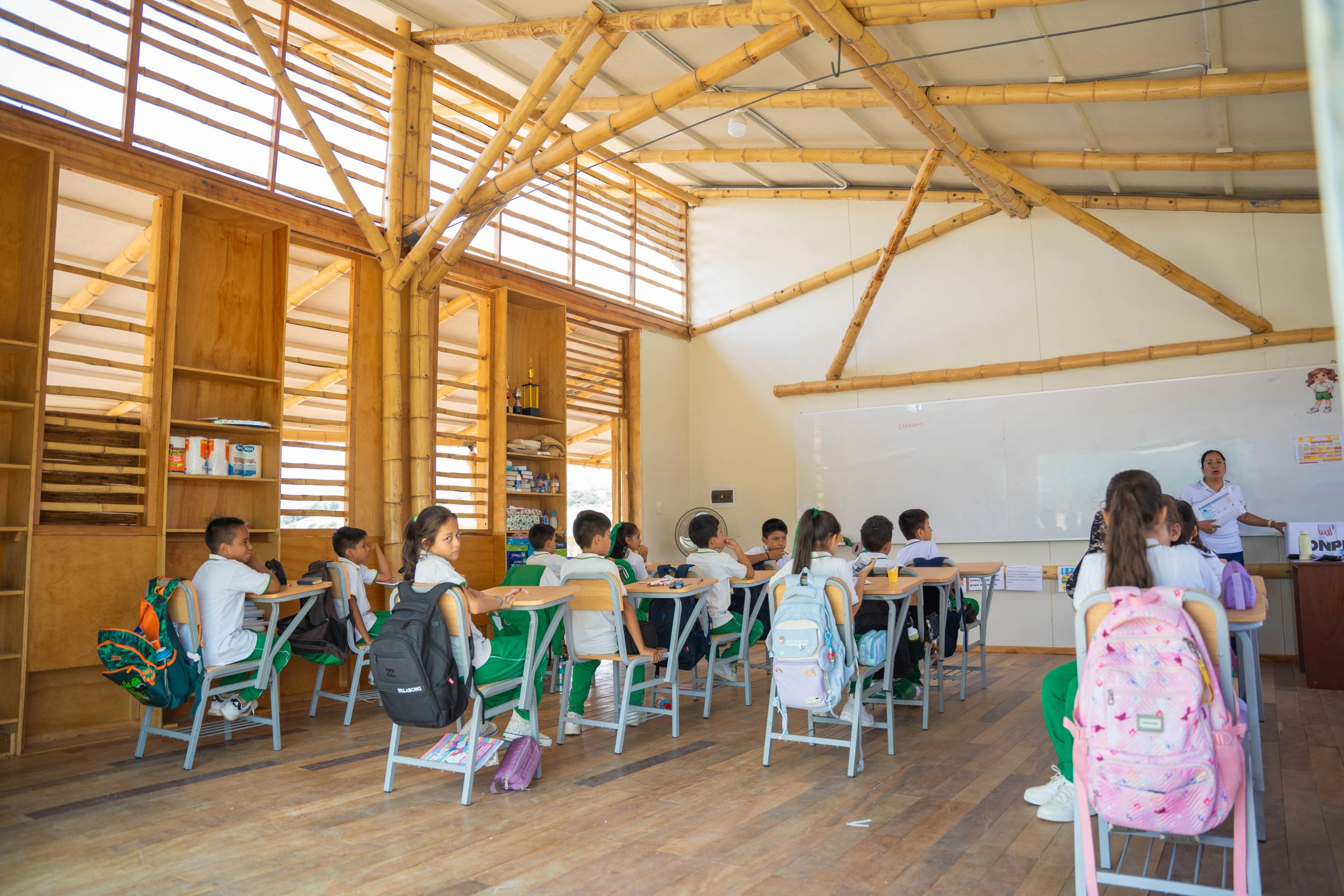
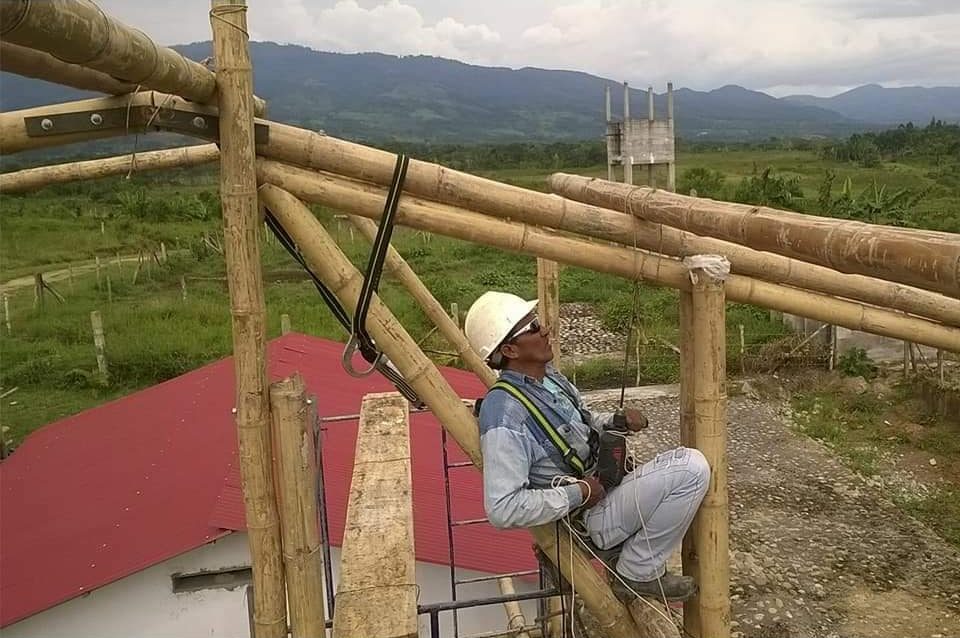
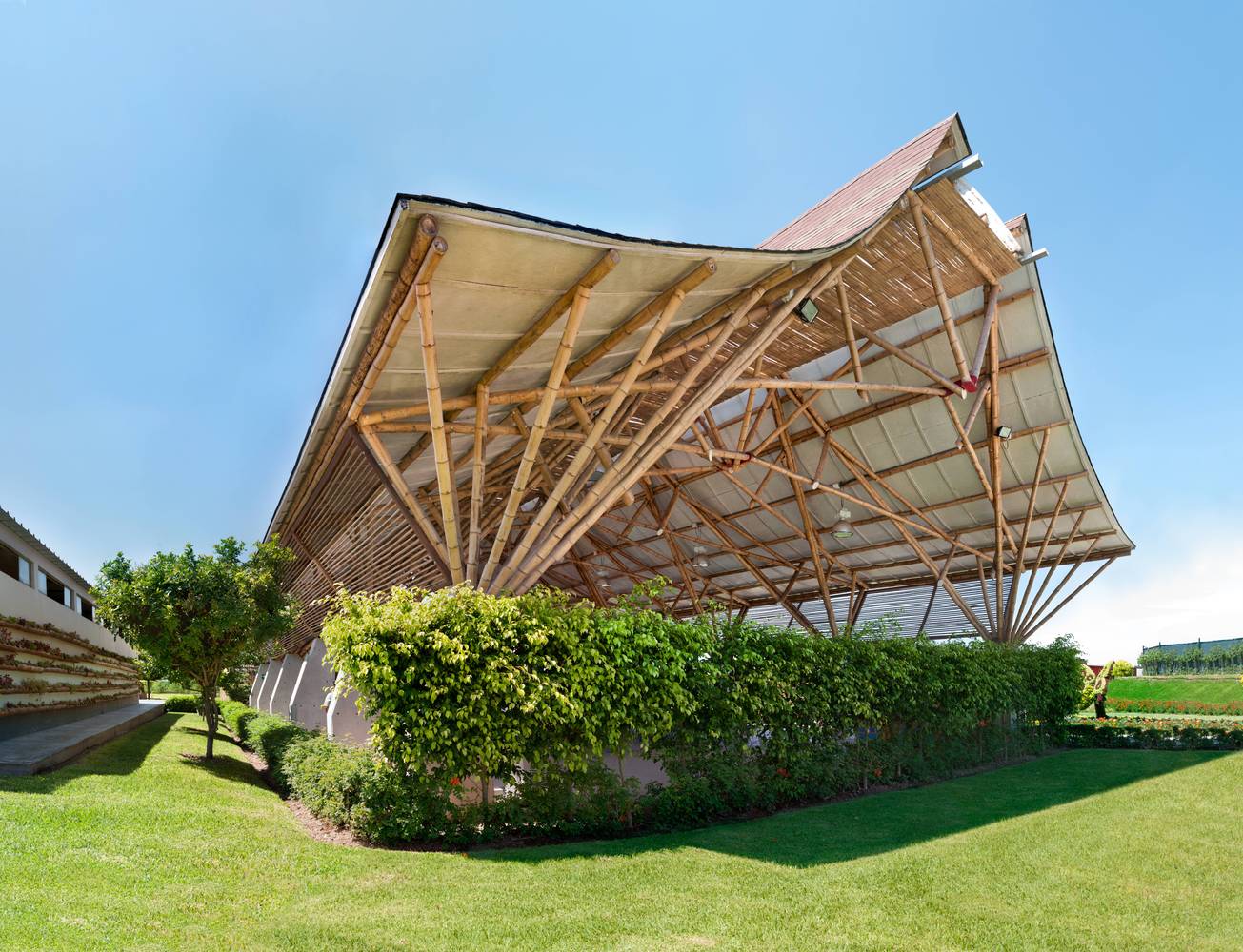
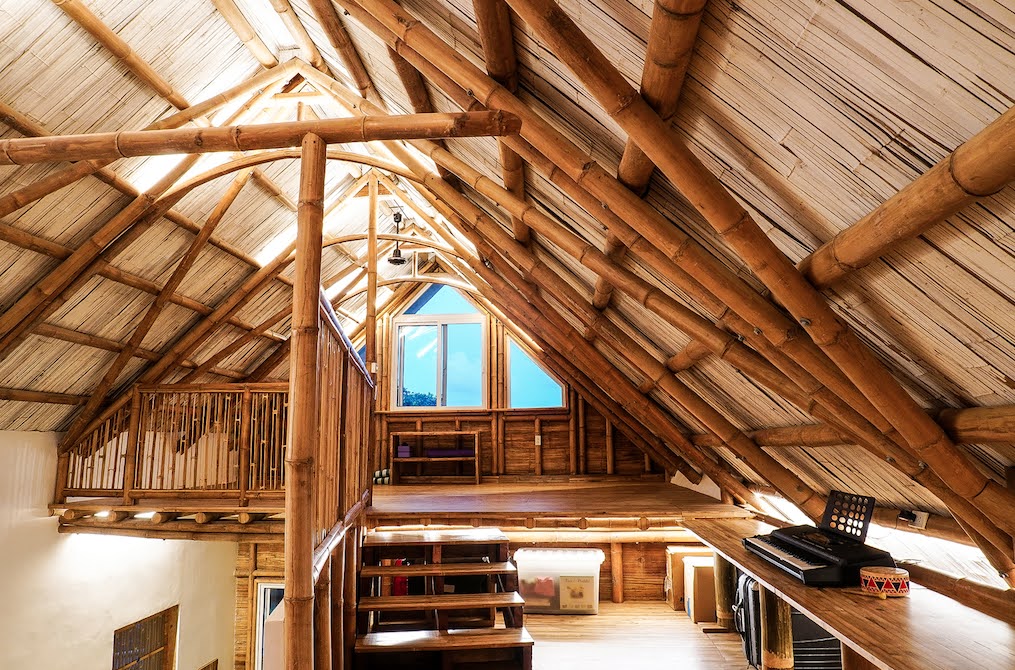
Walking through the surroundings, it is difficult to not stop and contemplate the awe-inspiring structures made of bamboo that dot the landscape, as they captivate the gazes of visitors to the region. But who are the actors behind these buildings?
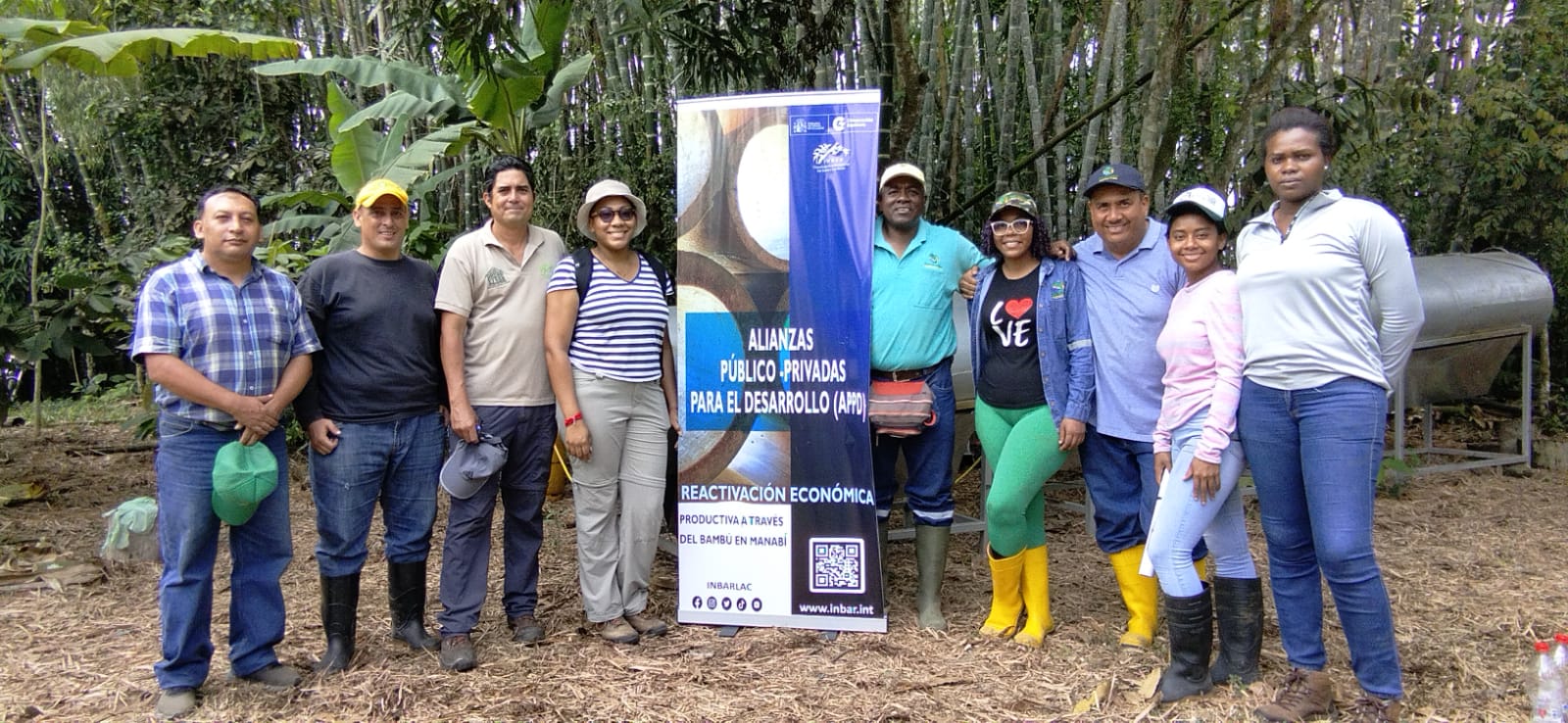
Since 2021, the project “Support for the economic-productive reactivation of the province of Manabí through sustainable development based on bamboo, including the construction of public-private alliances for development (APPD)” has been implemented in Ecuador, owing to generous financing financed by the Spanish Agency for International Development Cooperation (AECID). The project aims to take advantage of the abundance of bamboo in the area as a source for generating income and establishing productive chains through strategic public-public alliances, stimulating green development, increasing job opportunities and expanding the bamboo market.
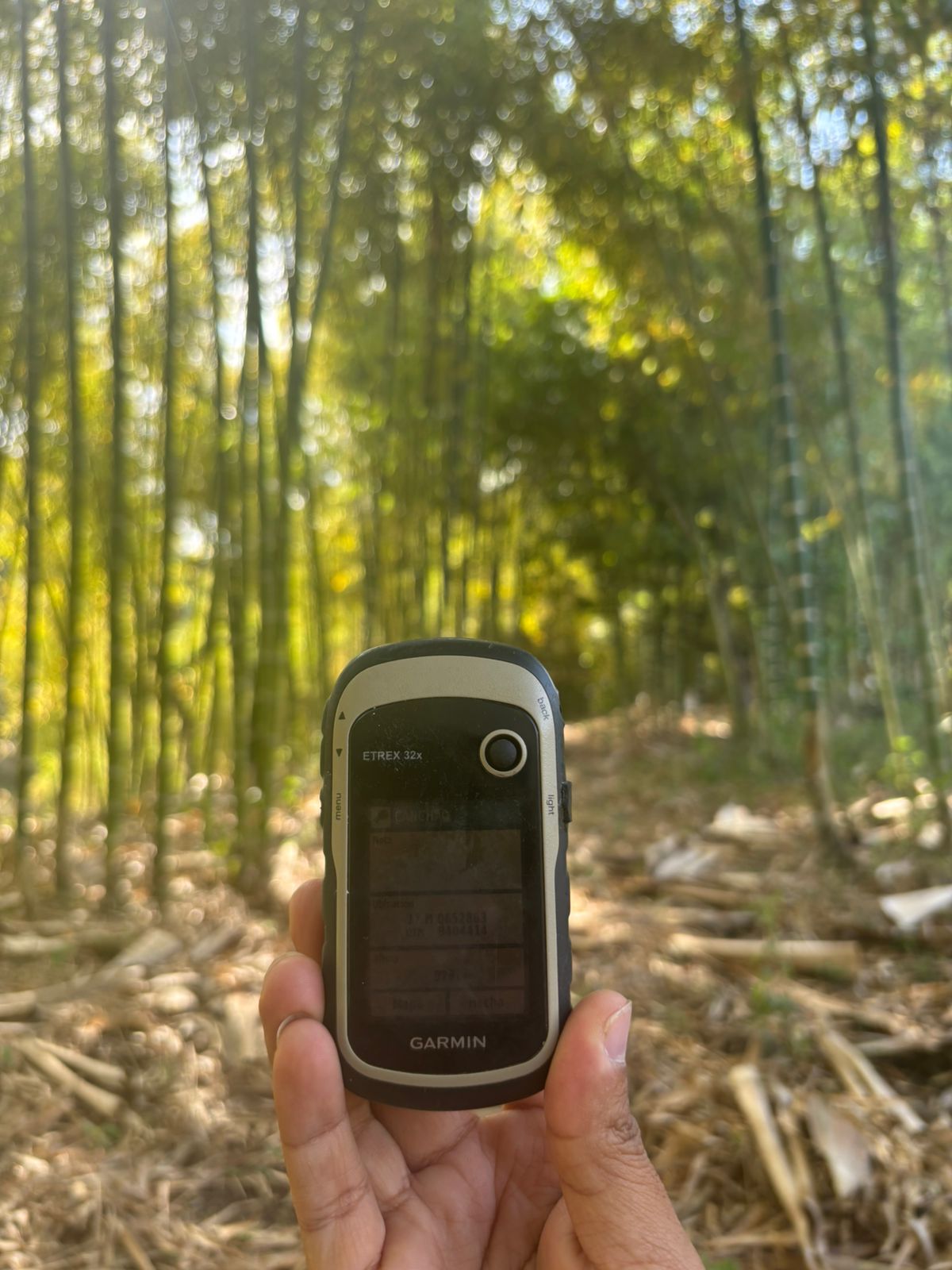
As part of the activities in the project, Field Schools serve as the training centers for the sustainable management of bamboo and act as training spaces for uniting producers and those interested in the resource. Their purpose is to recover and make productive the natural Guadua patches present in the territory which are used in daily productive activities by locals.
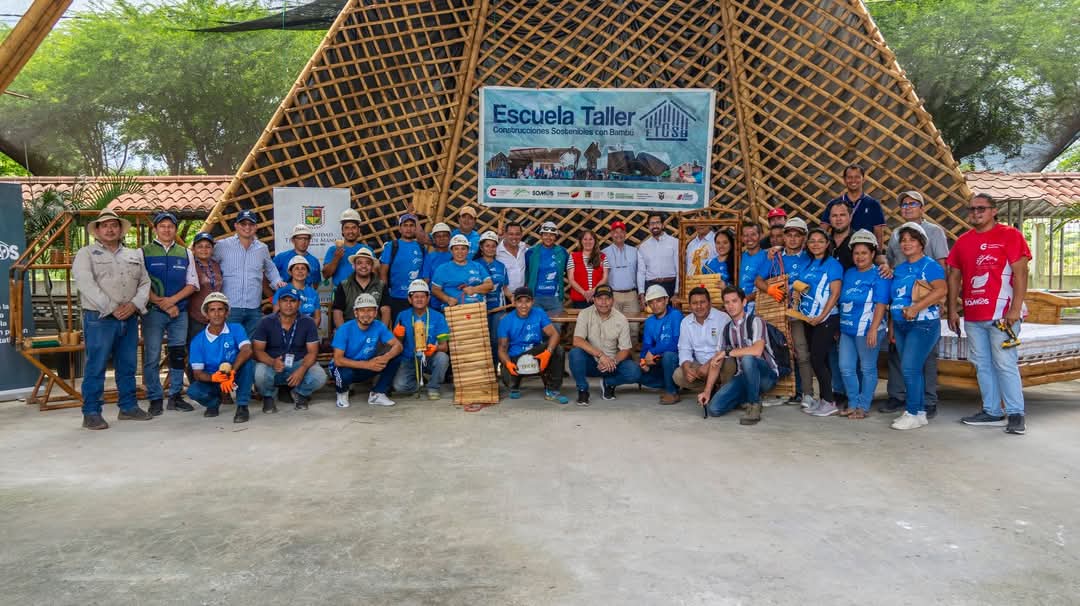
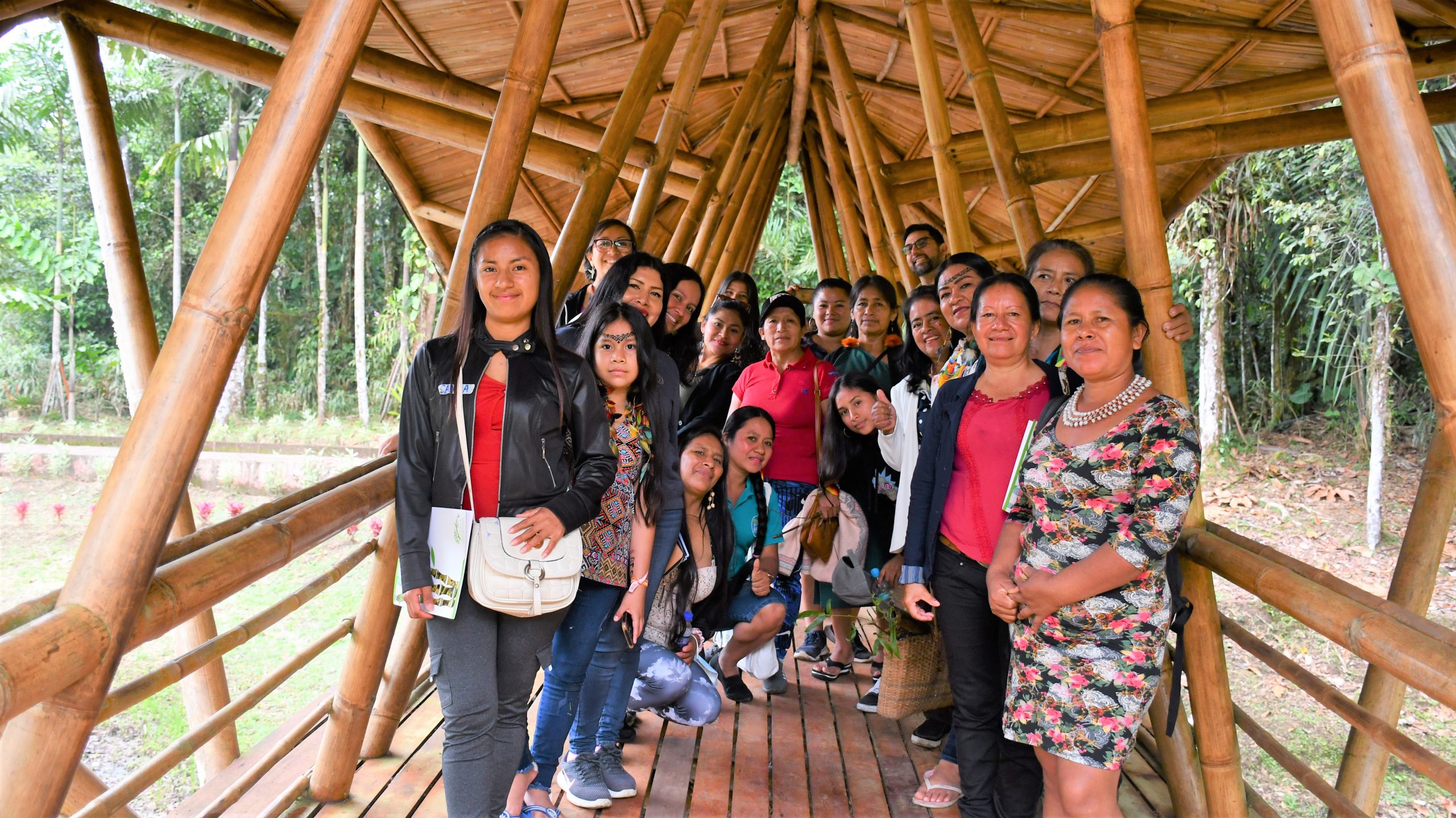
To date, 20 Field Schools have been implemented, reaching 375 people in cantons such as Portoviejo, Pedernales, Santa Ana, Chone, Portoviejo, Santa Ana, Jama, Junín, El Carmen, Esmeraldas and San Lorenzo, growing new spaces in these communities for the exchange of technical and Indigenous knowledge as a mutual teaching process between facilitators and participants.
Many important topics are covered in such learning environments, including the repopulation of bamboo forests and how to conduct bamboo inventories, which are delivered by experts who have graduated the Trainer of Trainers in Sustainable Bamboo Management program to help further spread relevant ecological knowledge.
Teaching and learning: A lifelong exchange
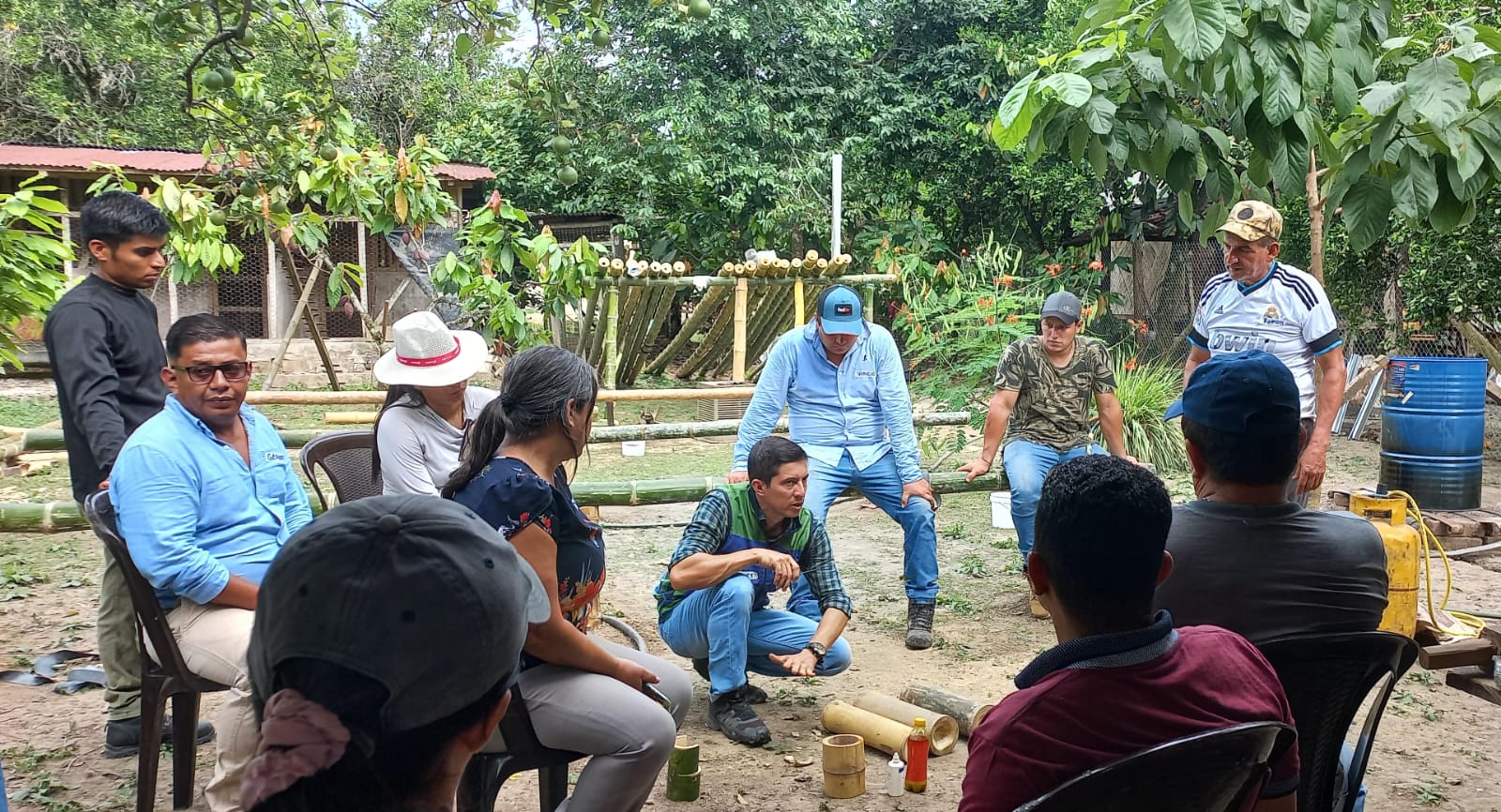
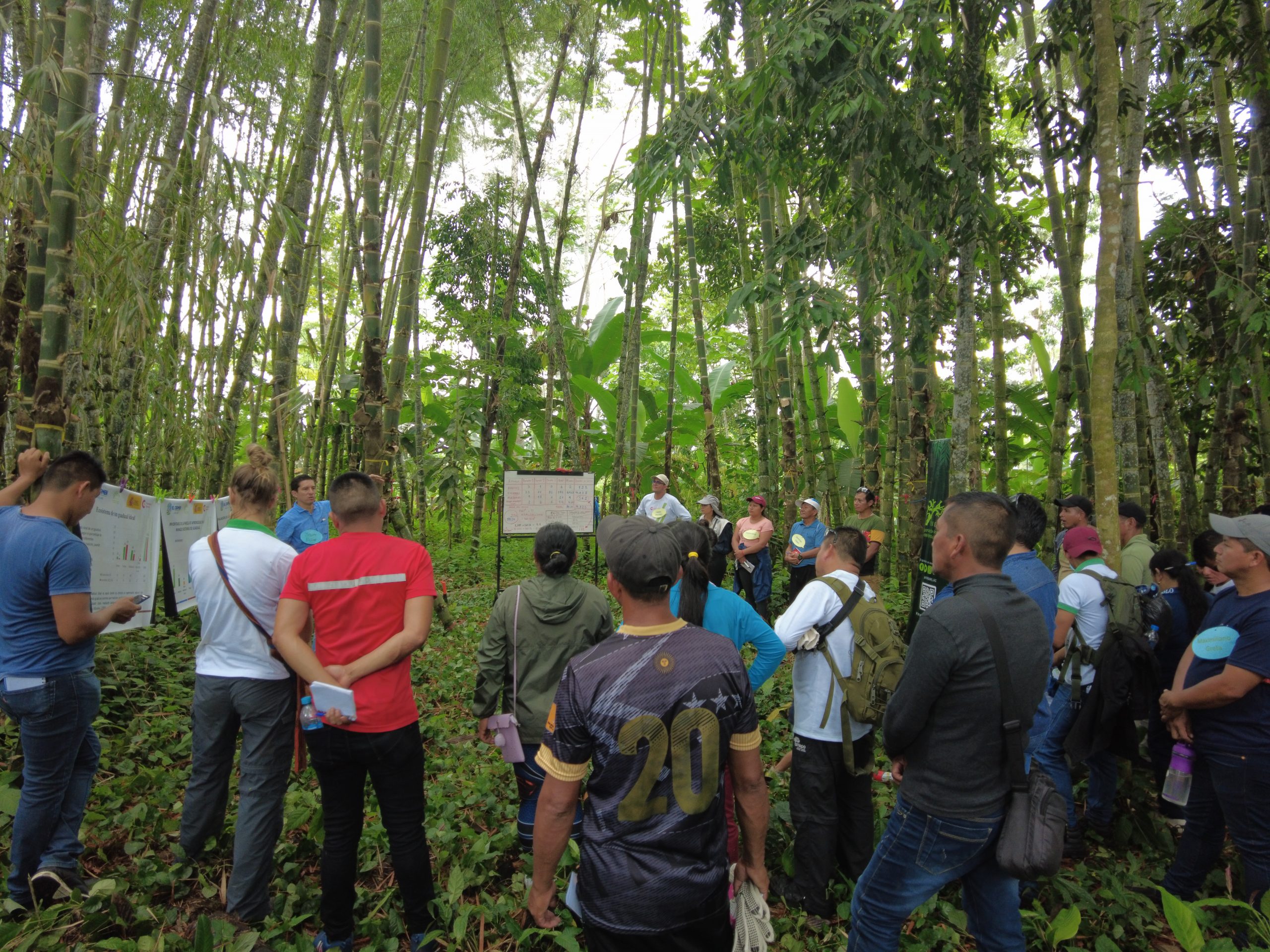
Javier Alcívar with the members of his Field School in Manabí.
Luis Javier Alcívar Meza resides in the canton of El Carmen in the province of Manabí. He says that his arrival into the world of bamboo allowed him to generate a holistic perspective on the resource and to unlock the overall potential of the province both in terms of production and processing.
“I had no prior knowledge about bamboo, everything I know now is thanks to God and INBAR as well as the institution where I work, the Municipal GAD of El Carmen, where I managed to learn about it and value it,” he adds.
After participating in the second cycle of the regional course Trainer of Trainers in Sustainable Management with Bamboo, Javier said that this process has been crucial for the activities undertaken in the territory.
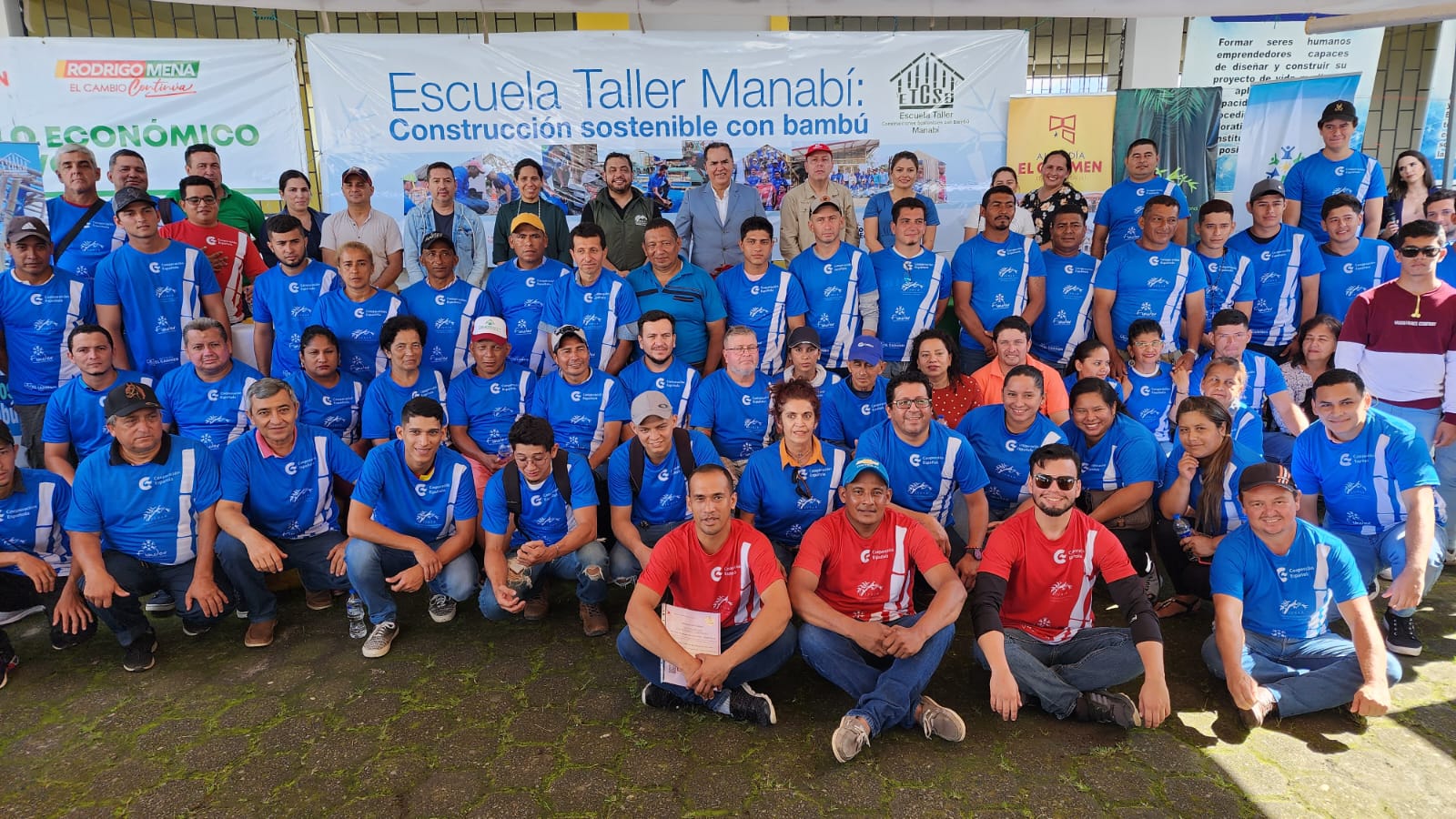
“From there, other processes were consolidated, including: A municipal ordinance that allows and creates incentives for the construction, conservation and sustainable use of Guadua and other bamboos; a specific cooperation agreement; the implementation of three schools in the sustainable management of bamboo; the execution of two bamboo construction workshops; the execution of the project: Sustainable Construction Workshop with Bamboo (ETCSB) – El Carmen; and the addition of sustainable footprints with this resource in the canton,” he emphasizes.
His experience in the program allowed him to nourish his knowledge with supplemental methodological tools that he then reproduced for new producers and colleagues in the municipality on topics such as ecosystem services, propagation, cultural work, preserving, drying, inventories, cutting plans and more. “What I learned is rewarding and enriching. So much information presented by experienced facilitators, that is what I learned during this time,” he points out.
During the journey, Javier indicates that teaching others under the shade of bamboo allows his students to improve their work in real-time, to try new things, to respect the ecosystem, to develop strategies, overall improve the quality of their products, and realize the true power of bamboo to diversify income streams.
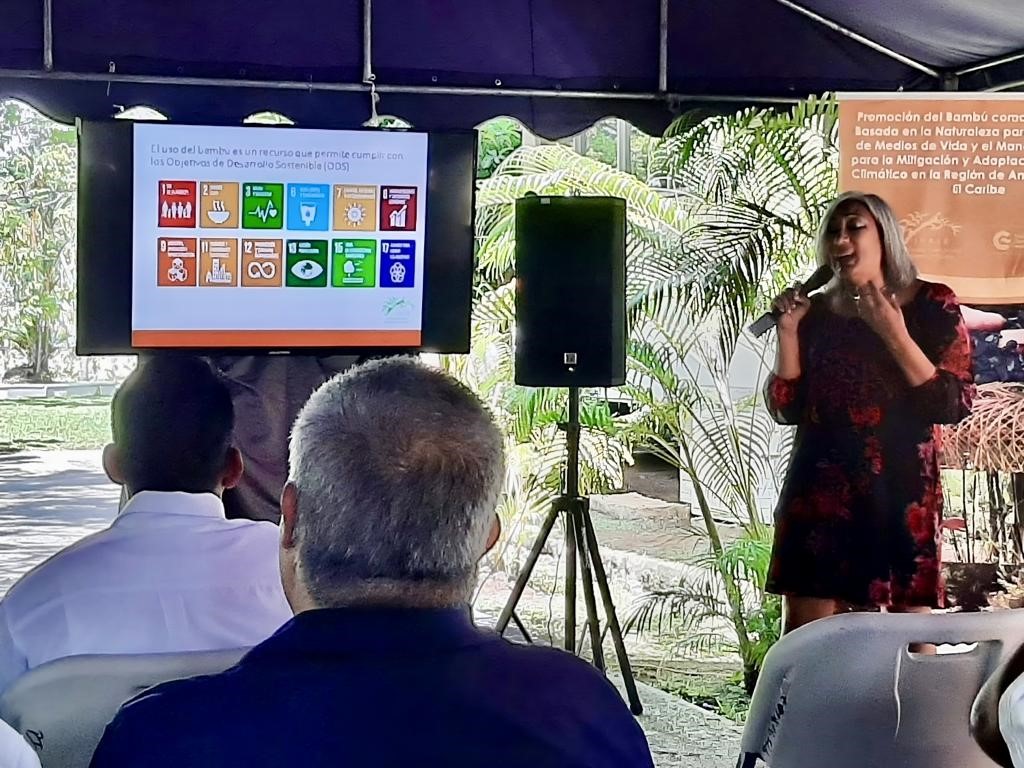
These schools are sanctuaries that do not need desks or blackboards. They are composed of people who come together in their Guadua fields to learn about and improve the conditions of their plantations with someone who guides them on how to best optimize their resources. They in turn also become teachers because they teach what they know to the rest of the group, and are able to garner even more respect and value from the community.
Esmeraldas bets on bamboo

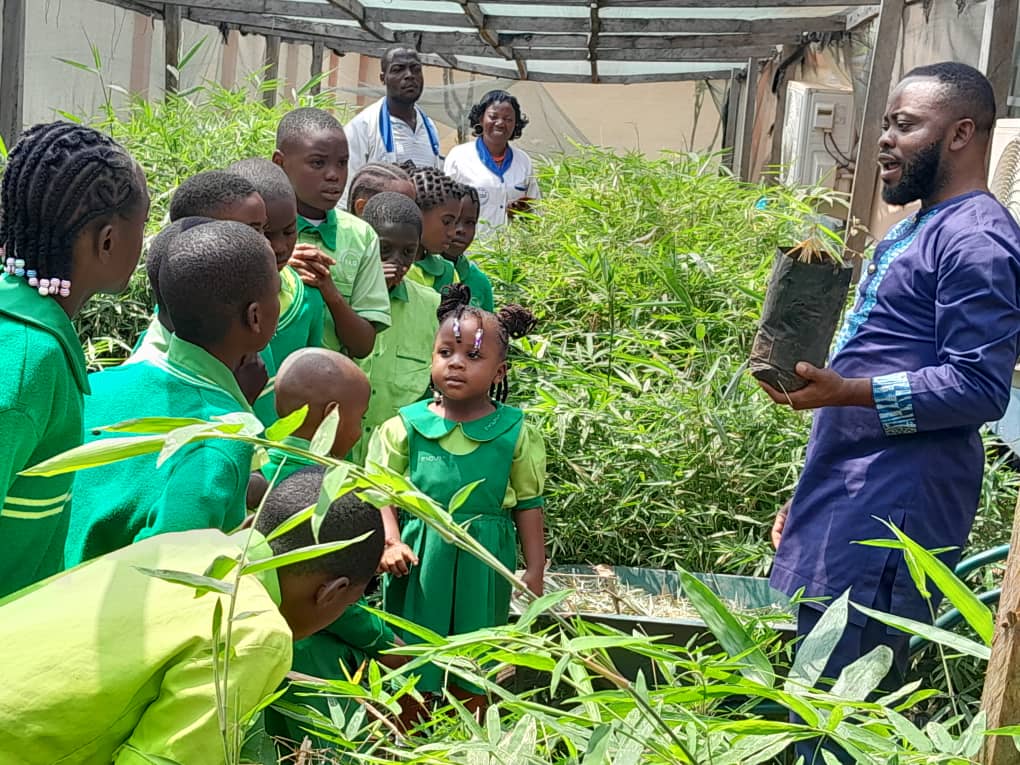
Lucía Vernaza teaching at her Field School.
Lucía Margarita Vernaza Quiñónez, who lives in the province of Esmeraldas, says that her participation in the third cycle of Trainer of Trainers in sustainable management with bamboo allowed her to expand her knowledge about the resource.
“The experience was rewarding, very enriching. Regarding bamboo, I was unaware of many issues that were clarified in this space,” she adds.
Lucía went on to say that previously when bamboo was mentioned to her, she associated it with a scaffolding construction material, but after receiving training in various topics, she is now the person responsible for disseminating what she has learned with new people in her territory.
“I found out about the project thanks to an invitation to the institution where I work. Now I have the responsibility to help show people that this resource can be a key tool in the fight against climate change,” she says.
The training process in the program is reflected in the implementation of two field schools in collaboration with the prefecture of Esmeraldas. Vernaza says that more than 37 people have participated across both schools, and that the path forward is promising in her area. Both her and her students are steadfast in their commitment to promote the use of bamboo.
“I see bamboo in the future as a strong part of the country’s productive matrix,” she concluded.
Bamboo: An ecological solution

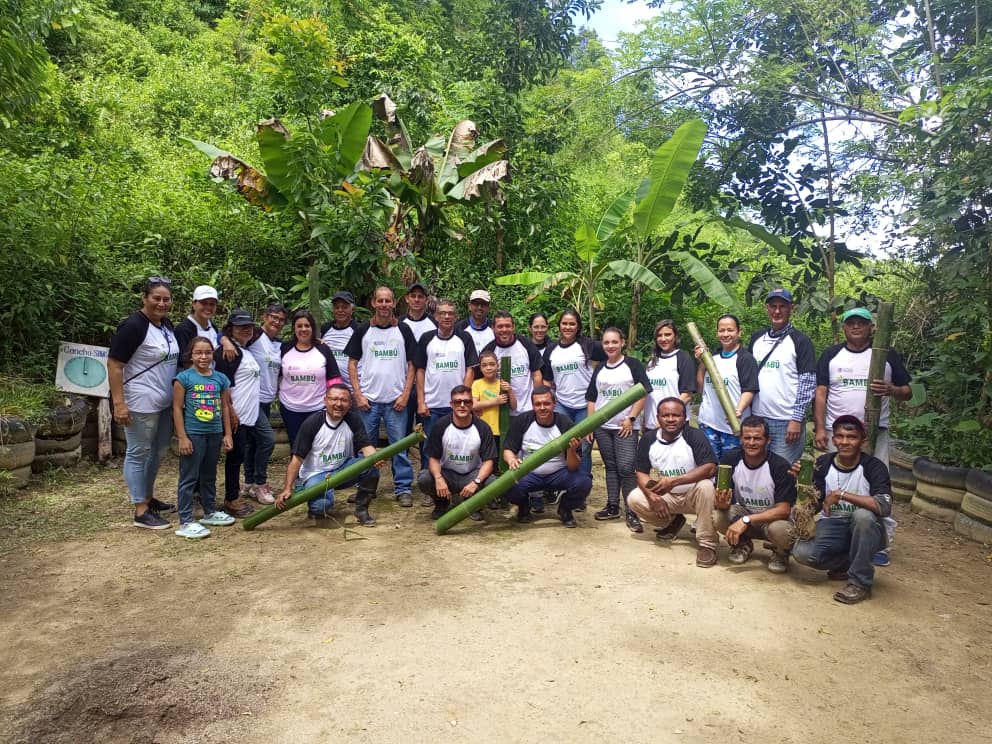
Daniel Rosero finishing one of his Field School classes.
For Daniel Isaías Rosero Mendoza, Official from the Undersecretariat of Forestry Production of the Ministry of Agriculture and Livestock, talking about bamboo is not something new. In just fifth grade, he was already learning about the resource in the classroom.
Rosero entered the second cycle of the Trainer of Trainers program in sustainable bamboo management thanks to coordinated activities between the Ministry of Agriculture and Livestock with INBAR.
“The second cycle of the program was a good and interesting experience. There are topics that should be done in person,” he mentions.
For Rosero, the key is not to give up, since the most valuable skills can really drive the industry forward. That is why he opted to go into training in order to demonstrate that bamboo has great potential not only on a global scale but also in Ecuador.
In total, 16 people participated in the development of their Field School, indicating that the strengthening of knowledge and skills on the basis of continuous observation and experimentation allows producers to make better decisions informed by livelihood needs.
“You have to foster an entrepreneurial outlook in those who participate. I have always conducted my trainings by letting people know about the benefits of bamboo,” he said.
Daniel indicates that to achieve what is proposed, it is essential to not only implement goals and but also follow up. For this reason, he imagines himself in the future residing in a bamboo home, working with stakeholders from his territory, seeking to amplify the message of bamboo as a multifunctional plant resource that delivers economic and social benefits, superior to other conventional materials.
The APPD project, funded by AECID, arises from the need to generate public-private strategic alliances that allow the industry to develop, increase job opportunities and expand the bamboo market in Manabí. It is scheduled to culminate at the end of 2023, setting the crucial precedent in Manabí, Esmeraldas and Guayas that bamboo is a sustainable source of raw materials and income, and also driving home the point that it is necessary to increase the availability of alternative technologies and materials to boost sustainable construction efforts in the region and around the world.