 News
NewsBiomass and carbon assessment training convenes in Panama

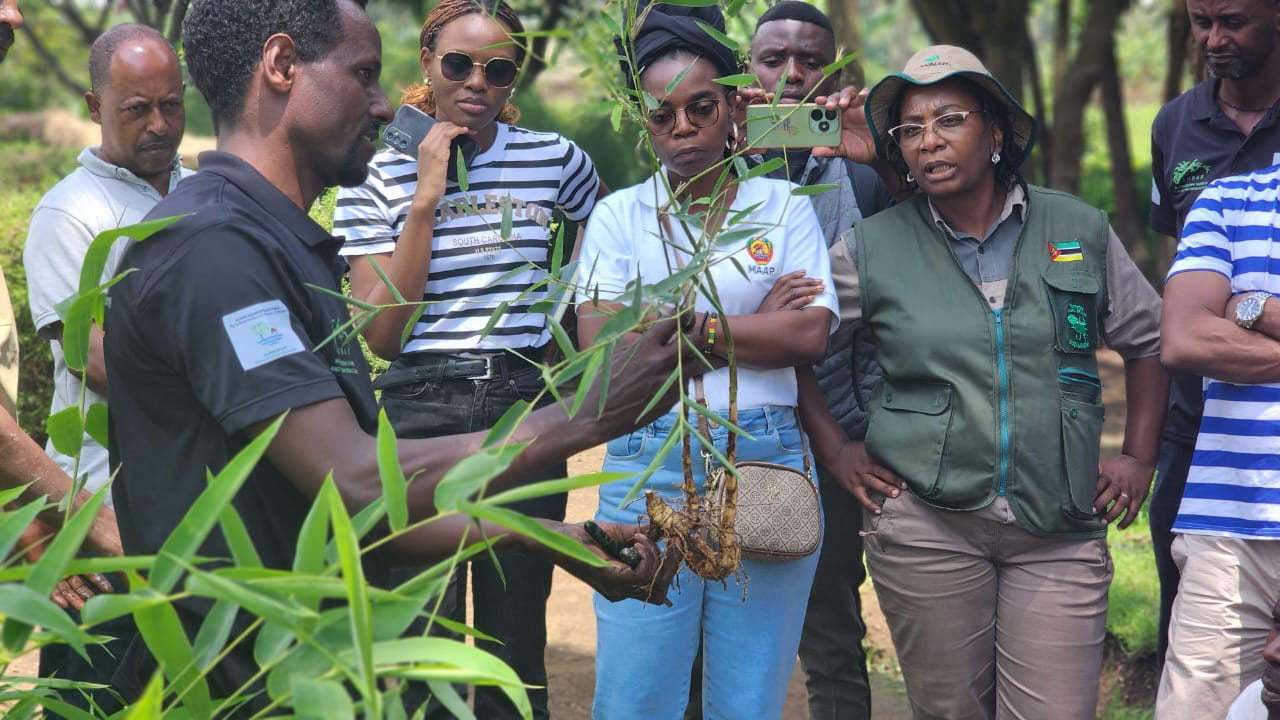
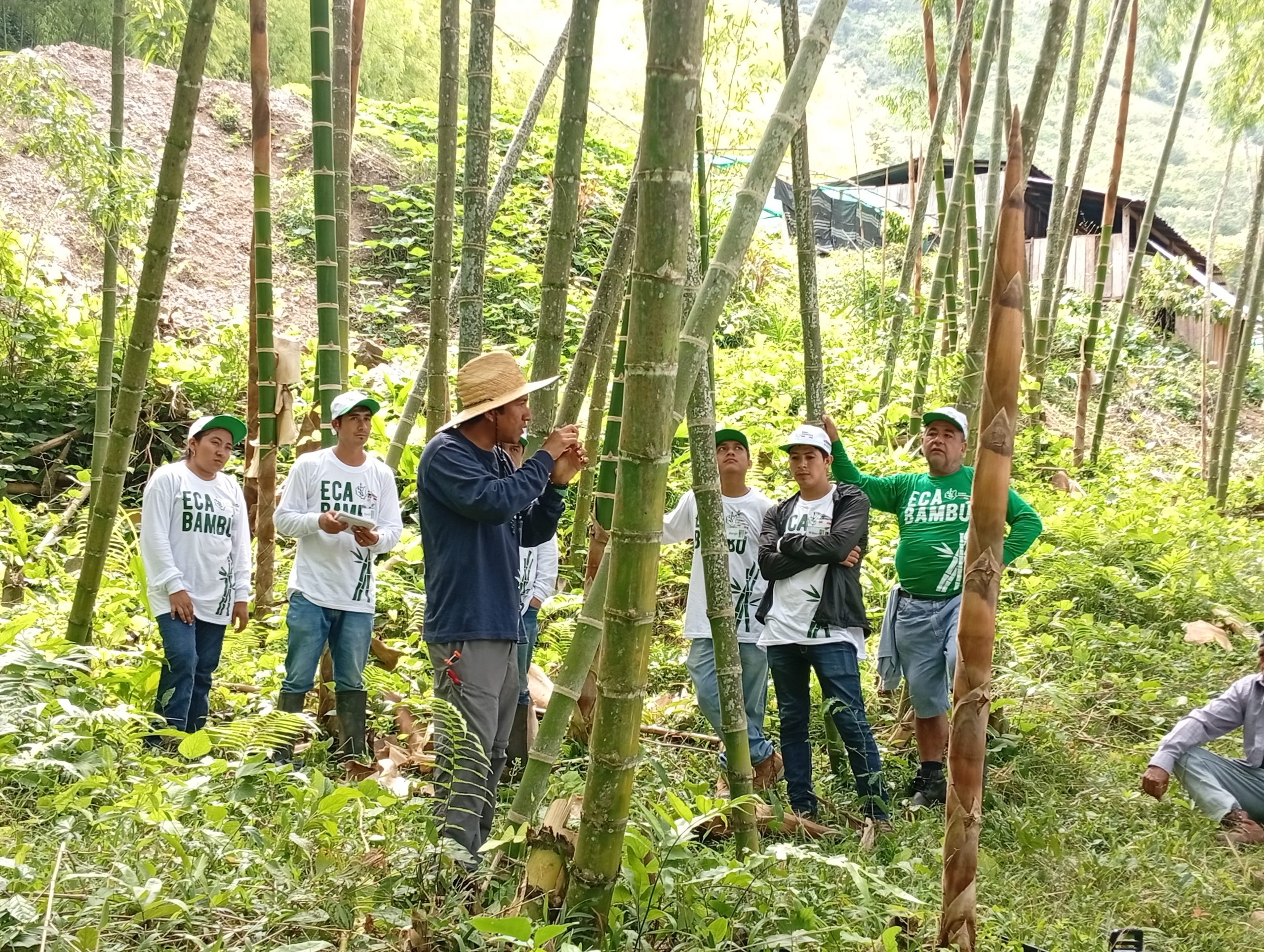
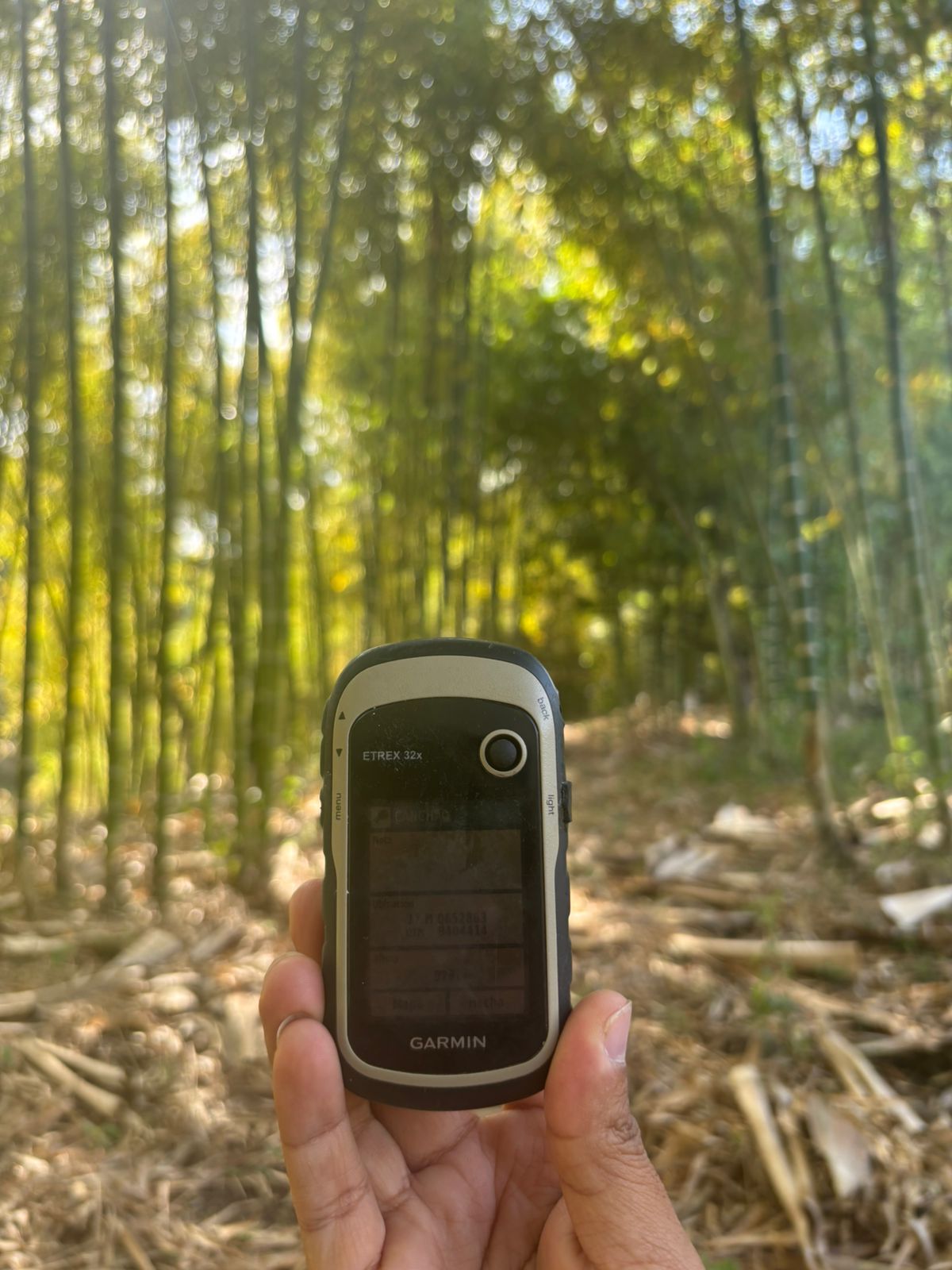
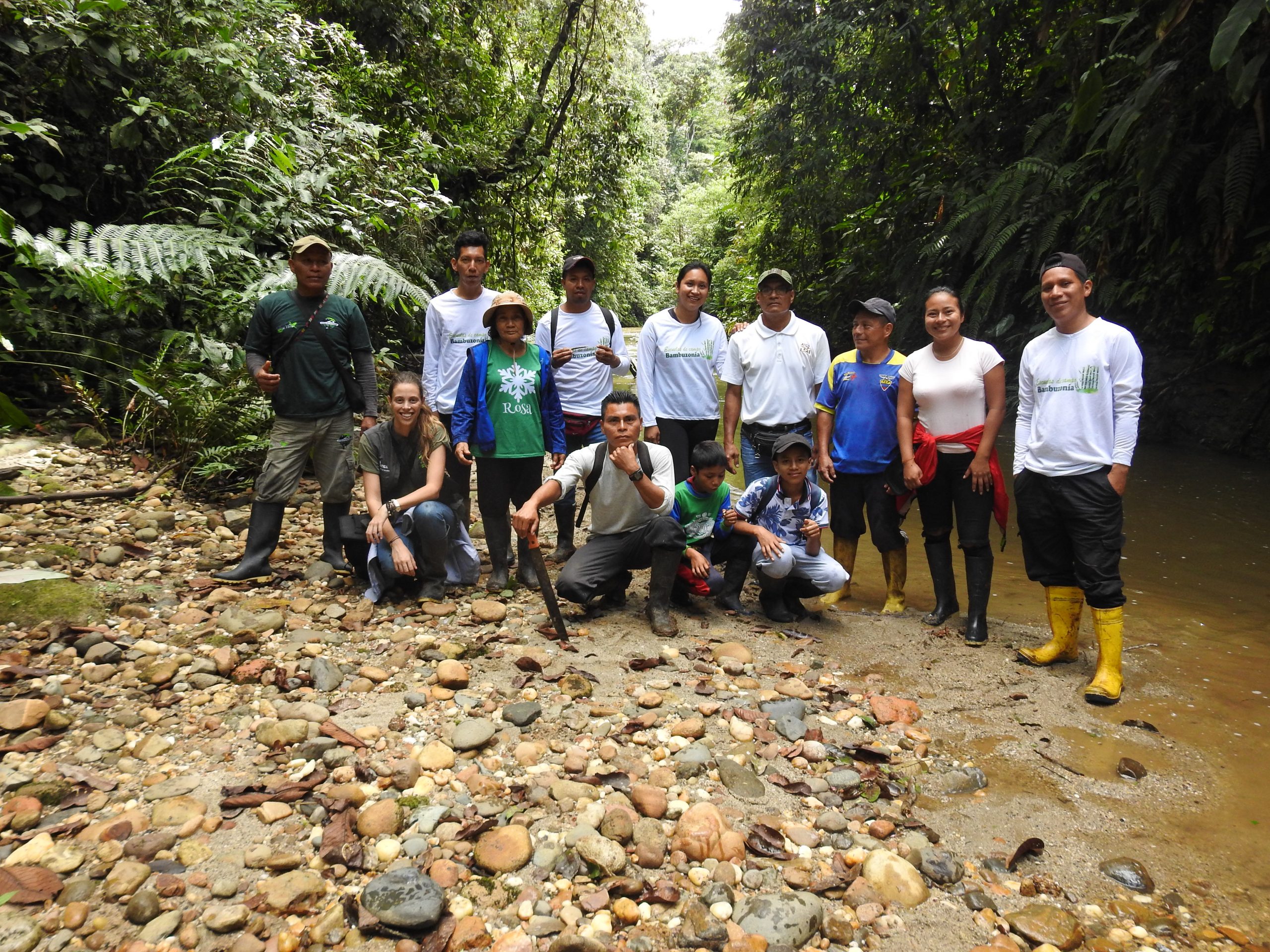
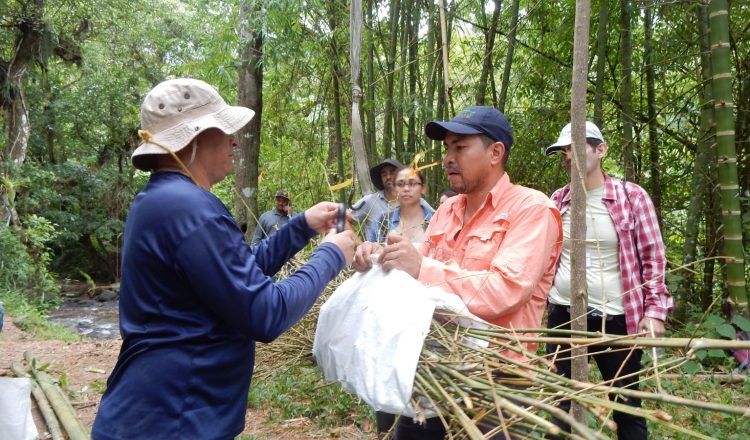
Field exercises were an important component of the training course.
Training seeks to establish baseline skills for improving the management and utilization of bamboo.
INBAR is currently implementing the regional project “Promoting bamboo as a nature-based solution for livelihood development and environmental management for climate change mitigation and adaptation in the Latin American and Caribbean region” financed by the Spanish Agency for International Development (AECID) with its ARAUCLIMA program. The objective of the program is to incorporate bamboo into research-action processes to boost the resilience of rural households in Costa Rica, Panama, Cuba, the Dominican Republic, Colombia, Ecuador and Peru to climate change.
Within the framework of this initiative, INBAR developed the “Specialized Course on Biomass and Carbon Assessment in Forests and Bamboo Plantations,” targeting researchers, specialists and residents of the countries where the project is being implemented. The training was held from 21 to 26 July 2023 in the province of Coclé, Panama across 40 total hours.
The workshop sought to provide the foundation for the evaluation of biomass and carbon in forests and bamboo plantations, considering the different characteristics of plants and methodological approaches. For Arcenio González, Forestry Engineer from the Panamanian Ministry of the Environment, this course functioned as a “tool to consolidate the knowledge that people hold about bamboo in order to acquire more information on the management of this resource.”

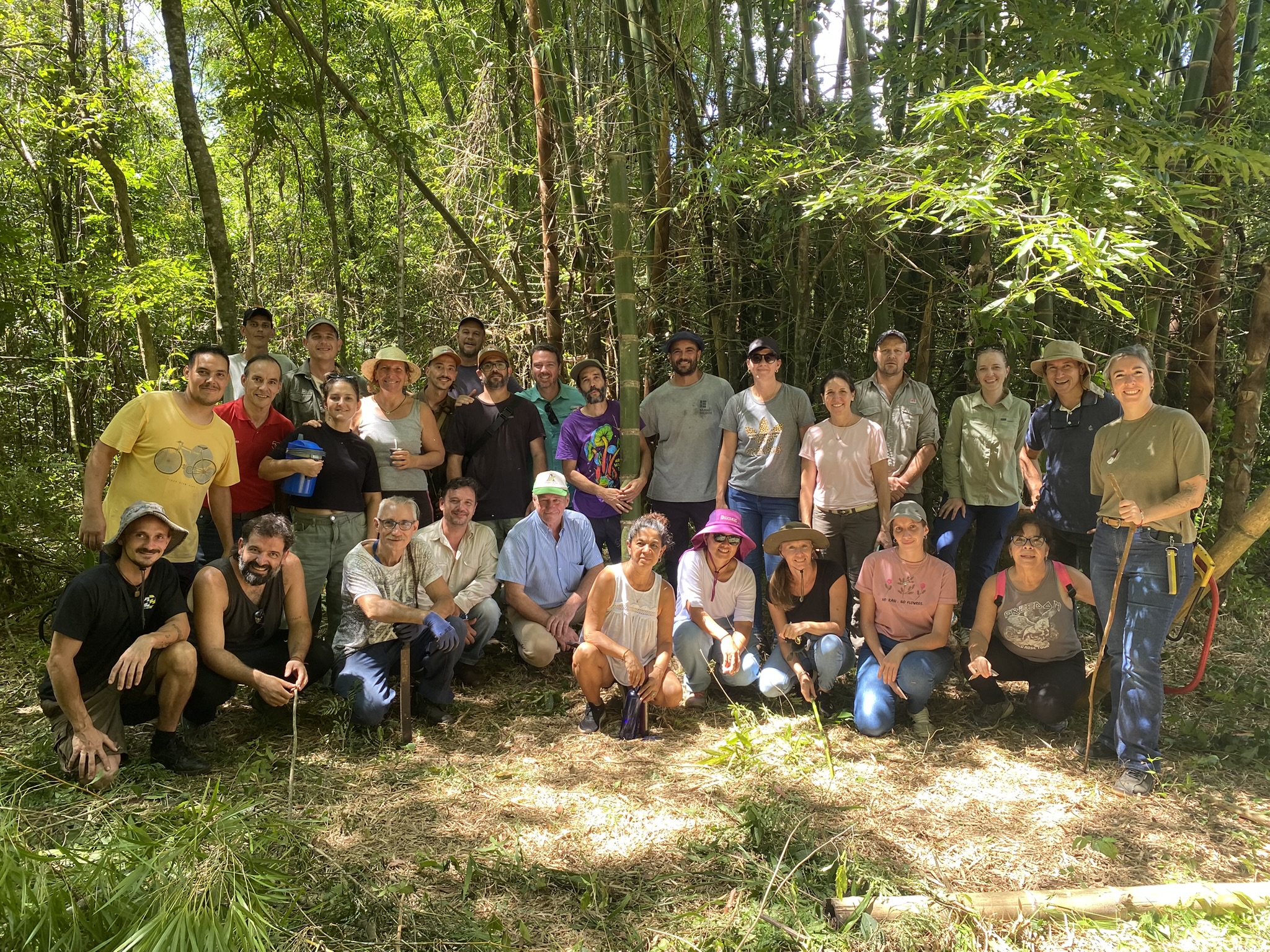
The course was attended by 31 participants from Costa Rica, Panama, Cuba, the Dominican Republic, Colombia, Ecuador and Peru.
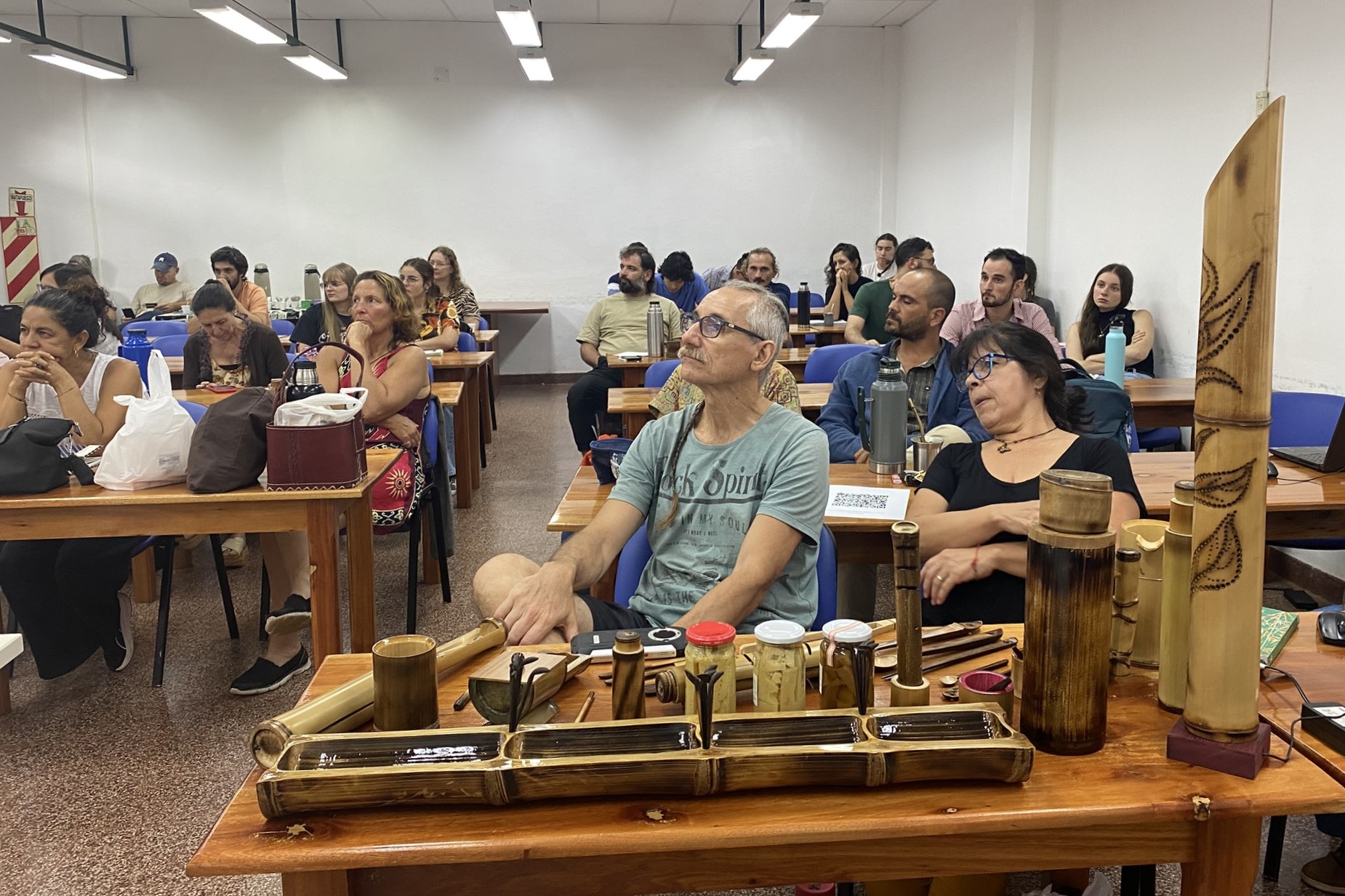
The agenda consisted of six modules. Topics revolved around ecological aspects pertaining to the evaluation and management of bamboo and the adjustment and validation of allometric equations. The teaching-learning method was employed for the course. Theoretical and practical sessions were both implemented to allow for most robust understanding of acquired knowledge. For Armando Solano, a participant from Cuba, the workshop allowed for “sharing experiences with professionals from Latin America and the Caribbean, and achieving greater knowledge about bamboo to replicate what has been learned in other countries.”
After the workshop ended, participants were well equipped to conduct further study into related topics, such as climate-smart practices with bamboo and other environmental indicators.