 News
NewsINBAR Bamboo Survey: Putting bamboo on the map in Pakistan
 Training on INBAR’s mobile app set to boost Pakistan’s efforts to document and utilize its bamboo resources.
Bamboo can play an important role in reforestation and afforestation efforts, delivering many benefits and enhancing the sustainable playbook of policymakers everywhere. Despite this, crucial missing data on global bamboo cover have hindered efforts to take advantage of the versatile plant where it could otherwise contribute to wider sector development.
Now that is starting to change. INBAR has partnered with Pakistan’s Ministry of Climate Change and Environmental Coordination (MoCC&EC) as well as the Pakistan Forest Institute (PFI) to conduct a training on scaling up usage of INBAR’s global bamboo survey app for bamboo resource assessment in Pakistan. The app has previously been used in several countries in Africa, Asia and Latin America with encouraging results.
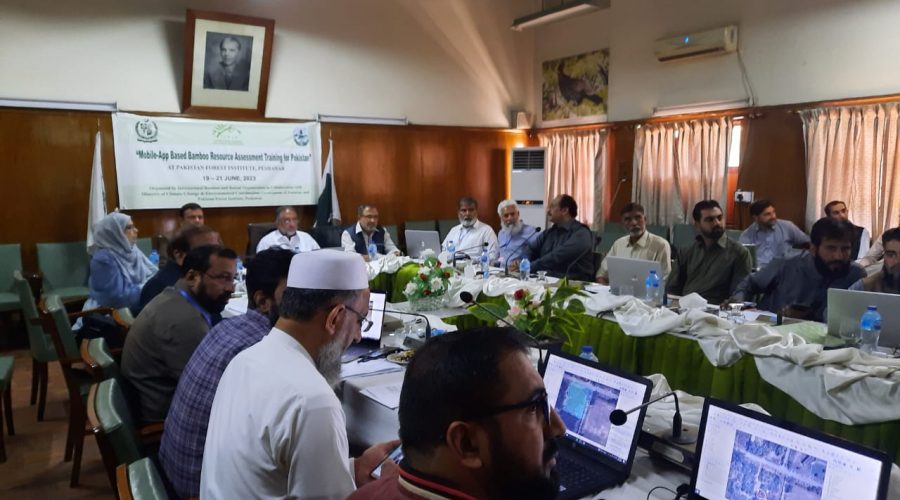
Held between 19 to 21 June 2023 in Peshawar, Pakistan, the Mobile-App Based Bamboo Resource Assessment Training for Pakistan was attended by 35 experts from the Forestry Departments of Punjab, Khyber Pakhtunkhwa, Sindh, Balochistan, Azad Jammu and Kashmir, and Gilgit Baltistan as well as participants from MoCC&EC and PFI.
The main objective of the workshop was to build the capacity of selected forestry officers and experts to facilitate conducting bamboo resource assessment in Pakistan. Participants would learn how to use the INBAR Bamboo Survey mobile app to collect, analyze and manage survey data as well as upload these data to the web server, forming a comprehensive and synchronized map of bamboo resources.
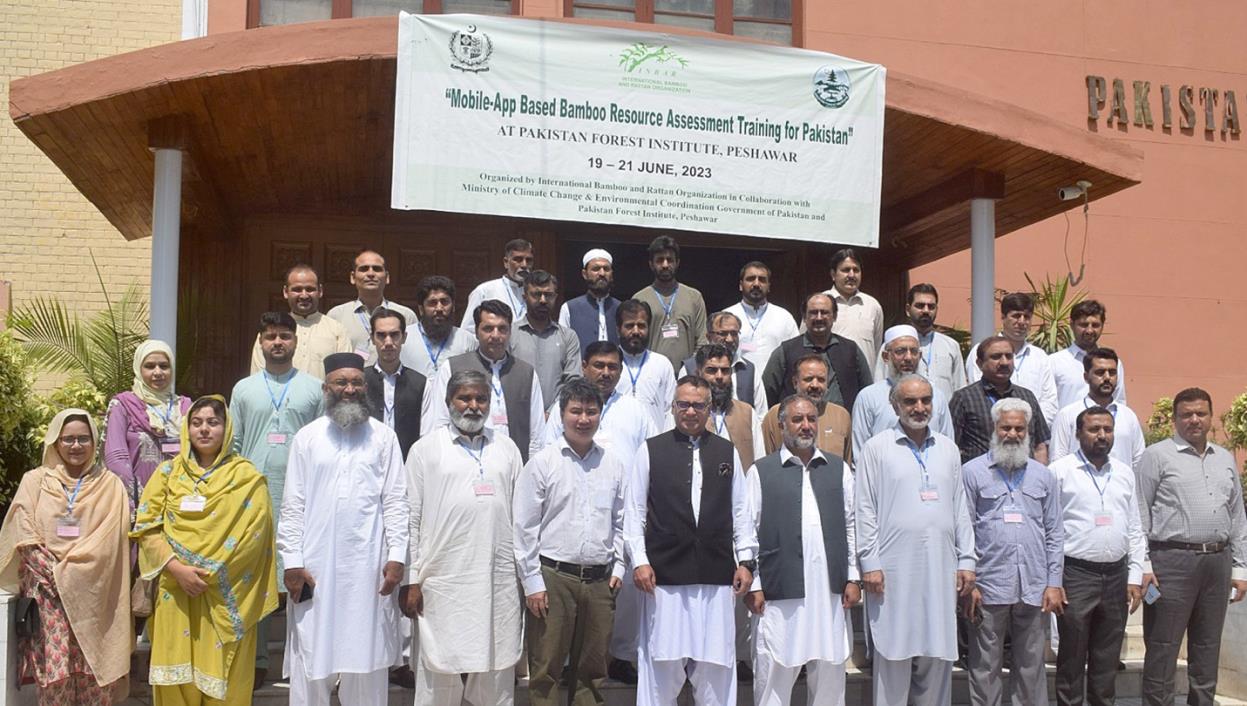
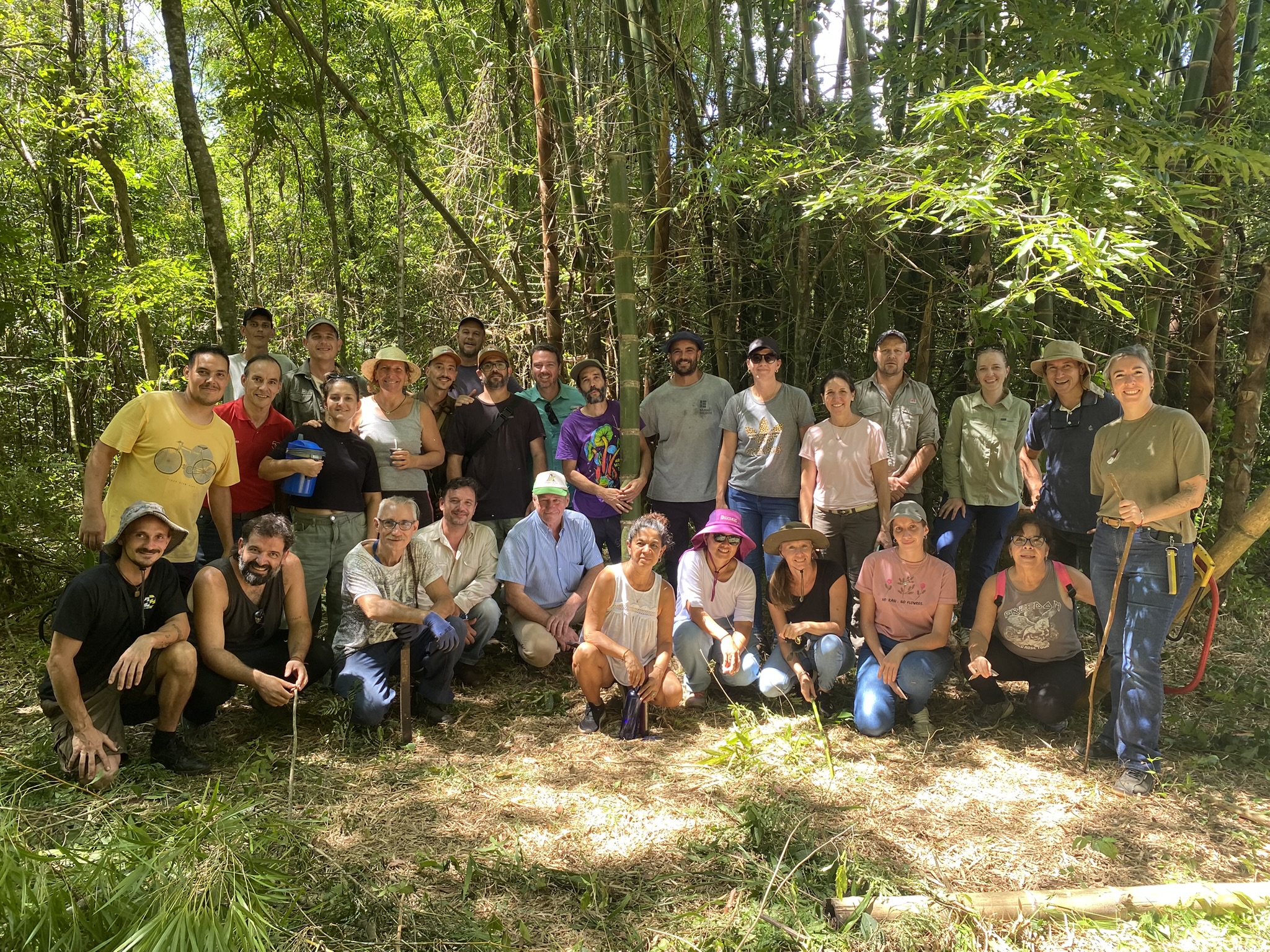
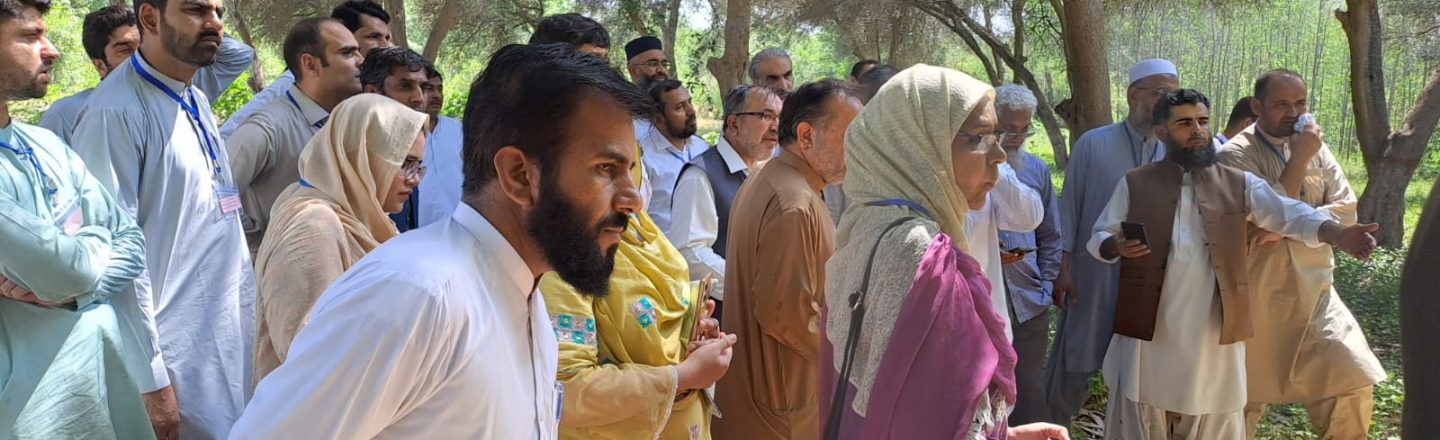
Group photo from day one of the three-day training.
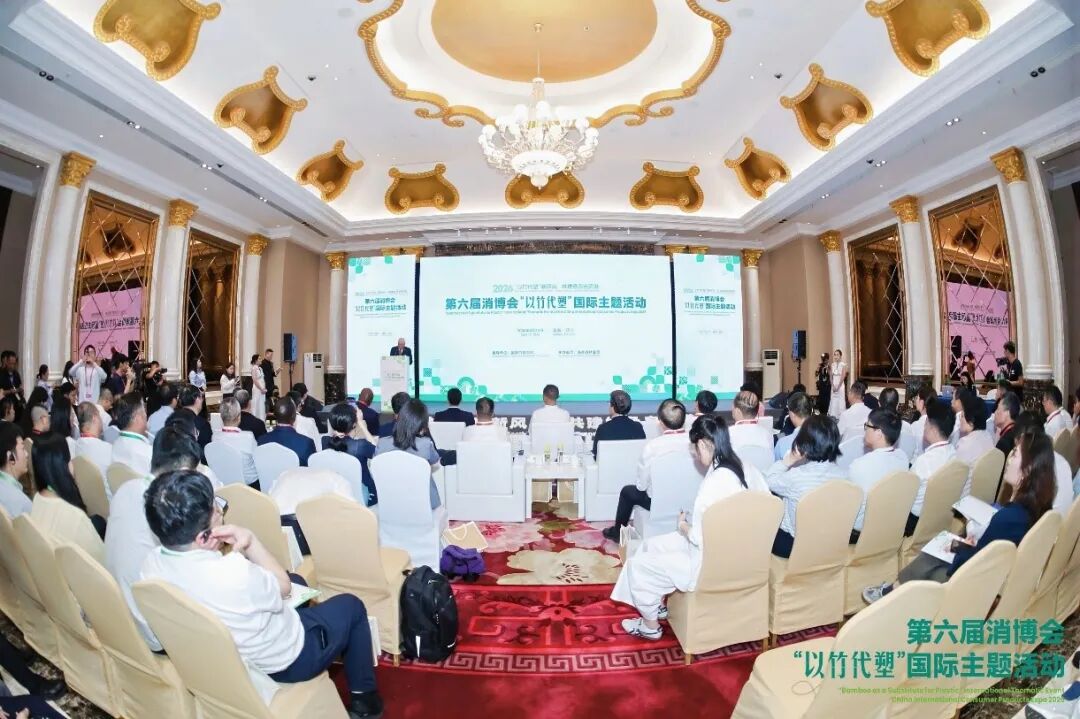
Mr. Khalid Ilyas, Director General of PFI, delivered the opening speech of the training. Ilyas emphasized that the training is crucial to properly document the bamboo resources of Pakistan and scale up the production and utilization of bamboo. He also highlighted the importance of bamboo for the improvement and development of livelihood opportunities for local communities and its contribution to the national economy.
Following the opening speech, Mr. Safdar Ali Shah, Additional Director General (Education) of PFI and Training Coordinator, outlined the main goals of the training and introduced its relevance to Pakistan’s sustainable development. Shah explained that in order to promote national bamboo sectoral development, adequate knowledge on the status and extent of bamboo resources and current bamboo value chains is crucial for achieving the sustainable management of bamboo forests and to properly capitalize on their potential. Moreover, each bamboo species has unique properties that enable its use for the manufacturing of different types of products, and hence more precise and differentiated inventory results are highly needed.
After the two speeches, the technical training commenced under the supervision of Dr. Hoang Viet Anh, a geoscience specialist and consultant hired by INBAR. He provided comprehensive details on the bamboo survey app as well as its back-end features, web applications, the significance of mobile bamboo mapping for resource monitoring, and how it will contribute to creating a centralized database for Pakistan’s bamboo resources.
After the app was installed in the mobile phones and laptops of the trainees, they were next instructed in its specific functions, including how to survey different types of bamboo, operate the survey form and workflow as well as navigate the web application for analyzing, aggregating and downloading data. In addition, the training also covered the use of QGIS, a popular free and open-source software that empowers users to prepare offline maps for the mobile app. This type of software is particularly crucial when assessing bamboo resources in remote locales that may lack a reliable internet connection.
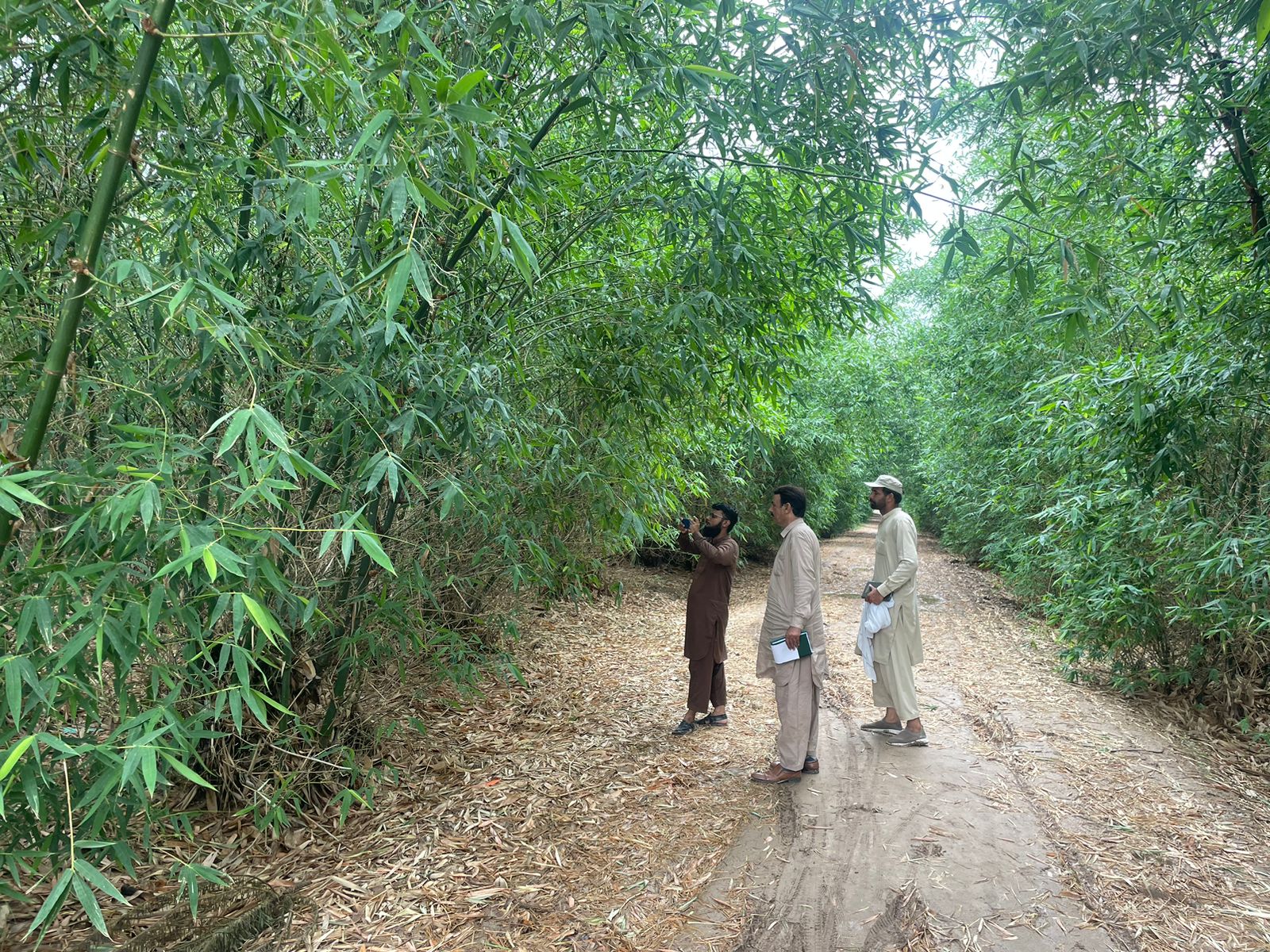
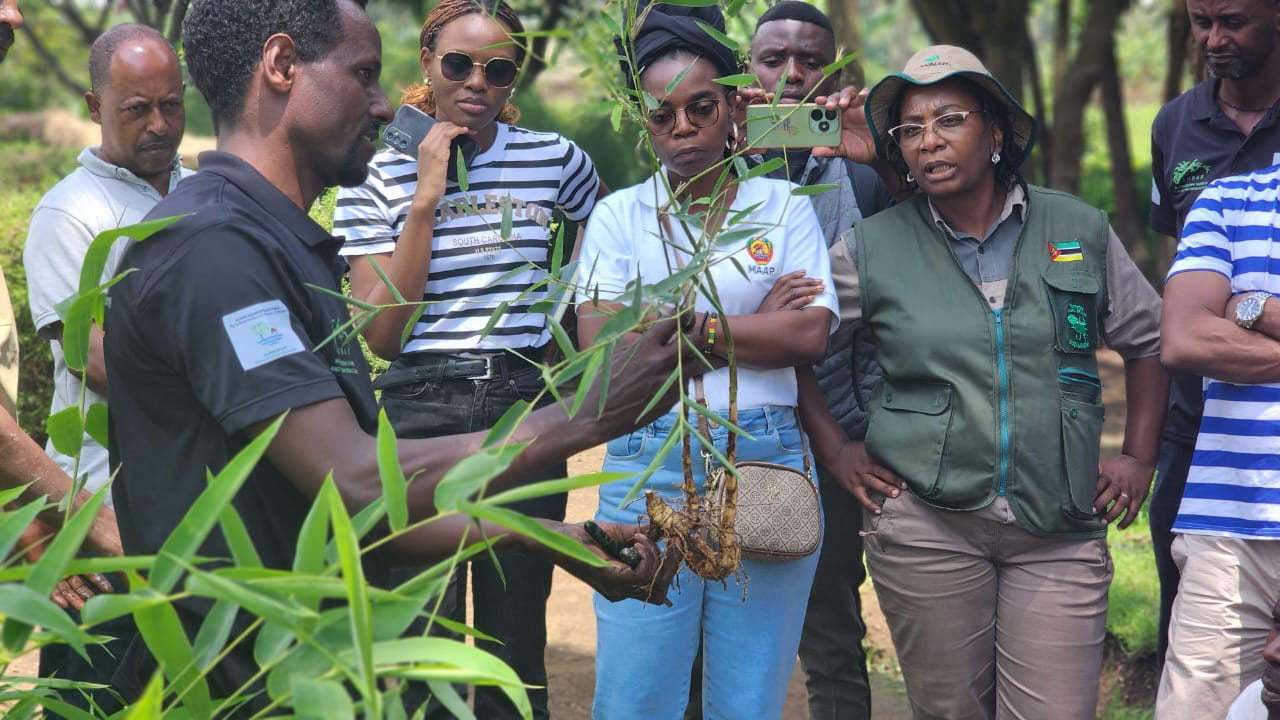
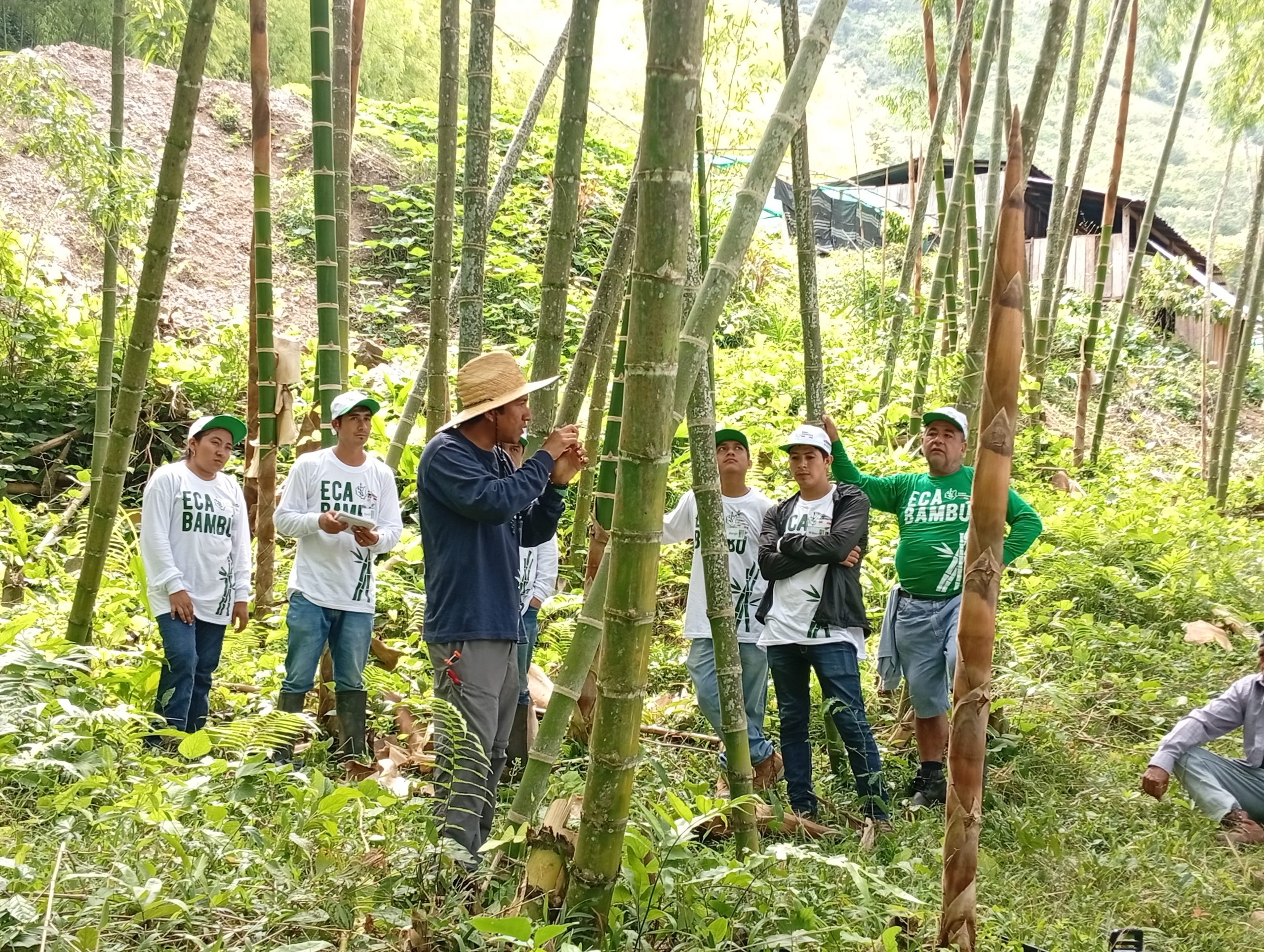
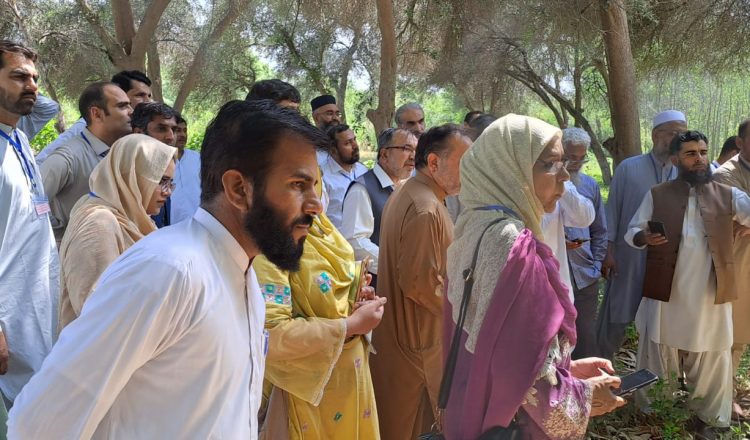
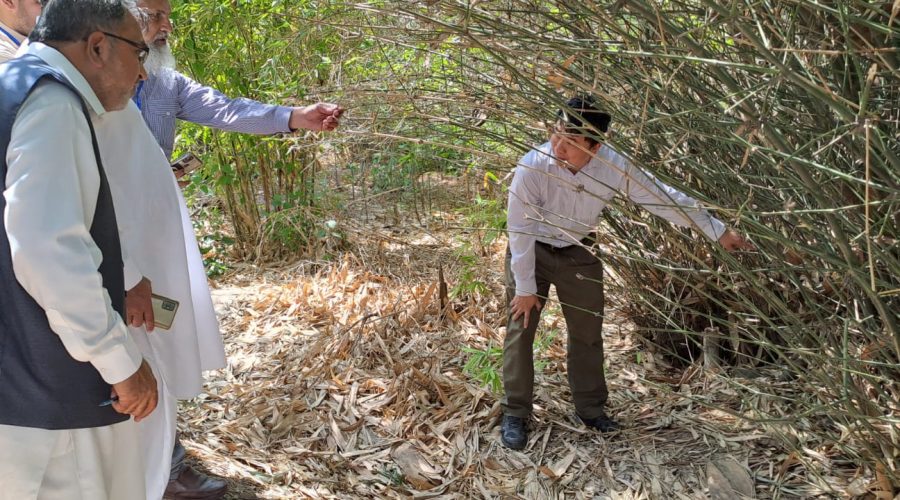
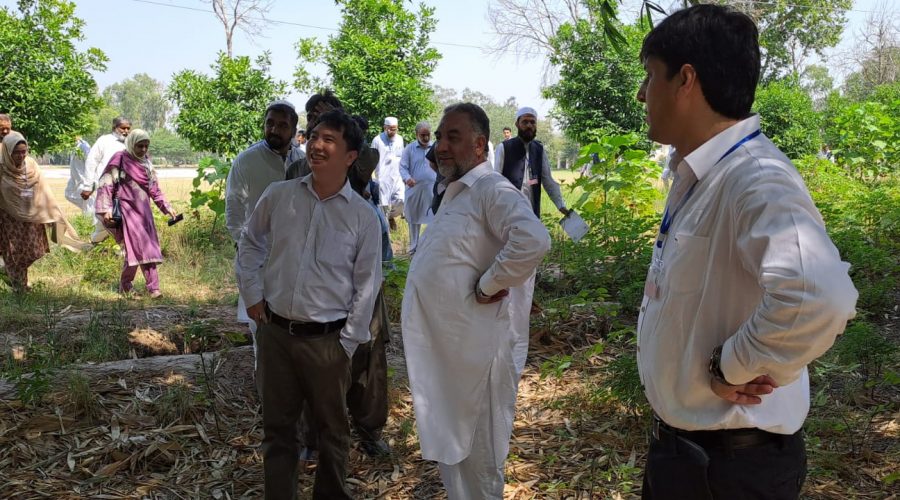
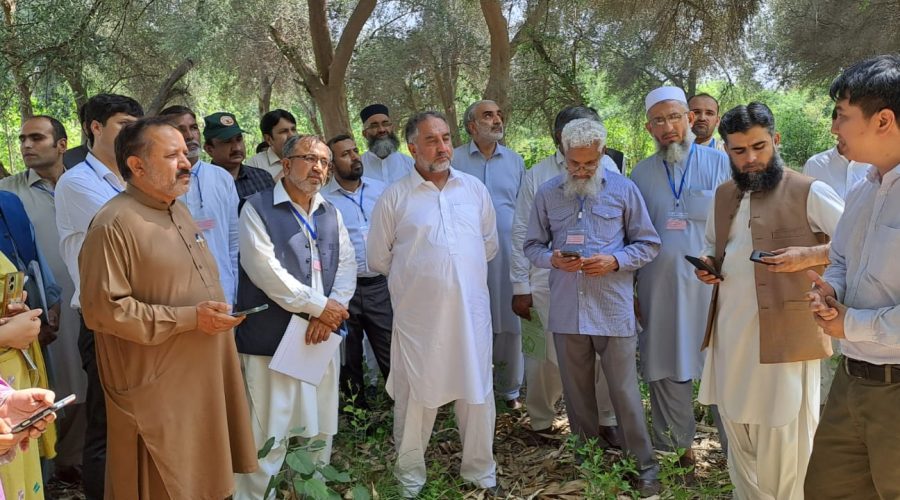
Trainees had the opportunity to practice their newly acquired surveying skills in the field.
On the last day of the training, participants were divided into groups and undertook a field or practical demonstration in the experimental bamboo forest of PFI. Each group was allocated a specific area of bamboo to survey using the mobile app. Afterward, field challenges and solutions were discussed. Finally, each group presented its generated maps and data, with the consultant providing useful feedback and support.
At the end of the training, Mr. Syed Nazar Hussain Shah, Secretary of Climate Change, Forestry, Environment and Wildlife, Government of Khyber Pakhtunkhwa, gave a closing speech in which he urged trainees to use their new skills and knowledge for the development of the sector and for uplifting local communities. He also thanked INBAR for arranging the training in coordination with the consultant and sponsoring the event. Since the training concluded, the INBAR Bamboo Survey app has already been used to survey over 600 hectares of bamboo in Punjab, Pakistan. These data are high-quality, easily accessible, relevant and updatable in real-time, demonstrating that participants are now equipped with the competencies and tools to independently conduct their own field work.
Once countries gain a better picture of their native bamboo resources, industries and policymakers can plan how to effectively leverage them to develop supply chains, attract investment, and devise context-specific interventions, strategies and actions that strengthen the sector. The app’s powerful and user-friendly toolkit will play an important role in filling in the missing data on not only Pakistan’s but also global bamboo cover.
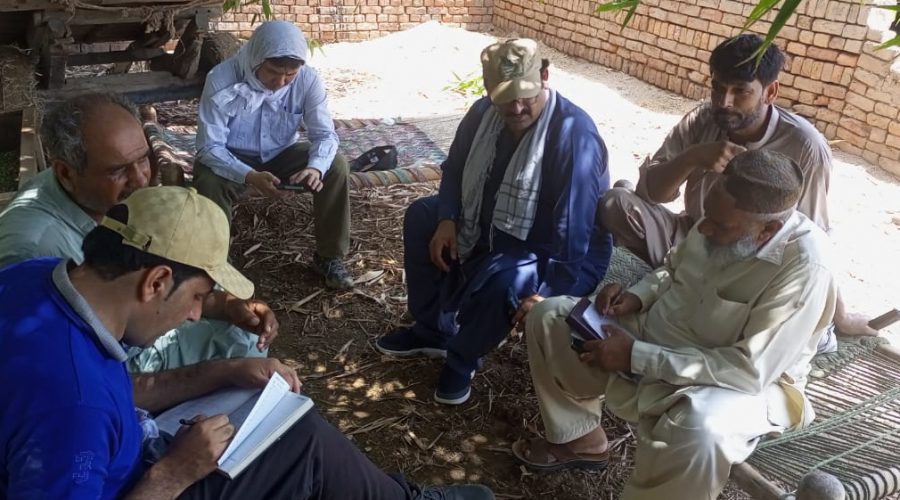
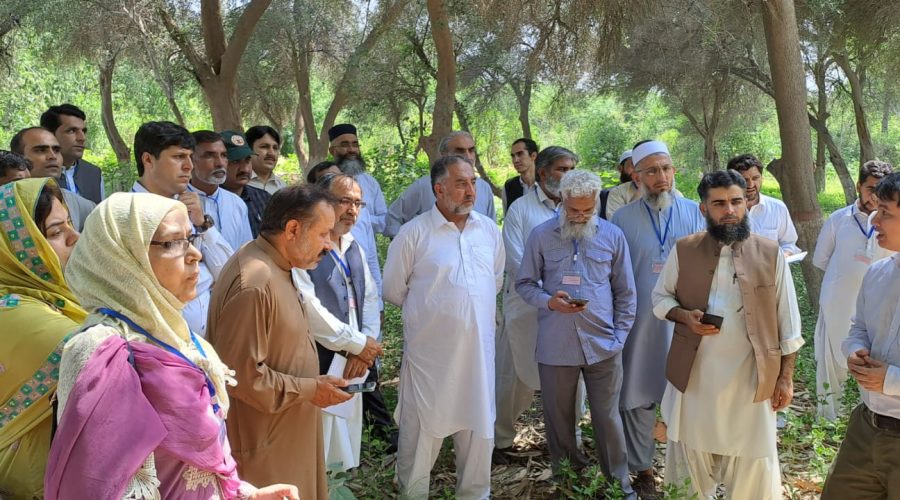


The INBAR Bamboo Survey app is available for download on the Google Play Store.
For local media coverage of the event, see here, here, here and here.