International Bamboo and Rattan Organization

International Bamboo and Rattan Organization

THE DUTCH-SINO-EAST AFRICA PROGRAMME: PHASE II

Ethiopia, Kenya, Uganda

2020
2024

Donors

Dutch-Sino-East Africa Bamboo Development Programme: Phase II

East African countries have abundant bamboo resources, but the plant’s full potential for poverty alleviation, job creation and environmental protection has not been fully realized. Running from 2020 to June 2024, phase II of the Dutch-Sino-East Africa Bamboo Development Programme is working to transfer knowledge, technologies and policy experiences from Europe and Asia to help develop the bamboo sector in Ethiopia, Kenya and Uganda, making it organized, efficient, vibrant and visible.

Read about the first phase of the project, which ran from 2016 to 2019.

Project objectives

The general objective of the program is to enhance climate change mitigation and adaptation benefits by developing inclusive and sustainable industrial and small and medium-sized enterprises’ bamboo value chains resulting in enhanced livelihood opportunities, food security, and environment management in East Africa. The program is expected to provide direct benefits to some 28,500 people, as well as restore 5000 hectares of degraded land with bamboo and enhance sustainable management practices for 5000 hectares of existing bamboo plantations and farms. The target groups include smallholder farmers, women, youth, small-to-medium enterprises and larger industries.

Specific objectives

  • Develop, upscale and diversify inclusive bamboo value chains, on both an industrial and a smaller-to-medium scale.
  • Restore and sustainably manage bamboo resources, contributing to decreased deforestation, enhanced carbon sinks, and increased climate resilience for ecosystems and livelihoods.
  • Enhance market development and policy and regulatory framework for increased public and private sector investment in the bambooindustry
2020

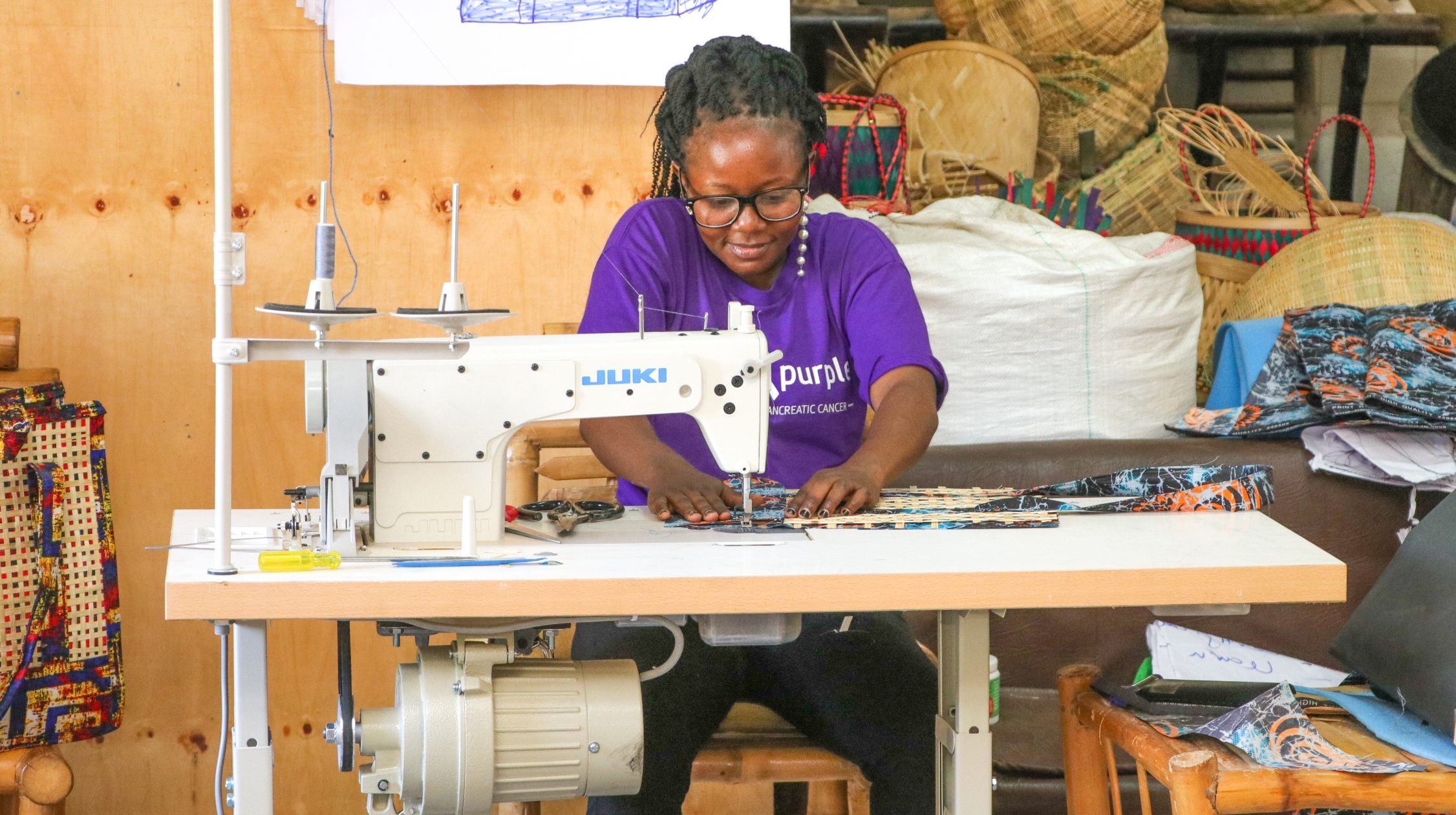
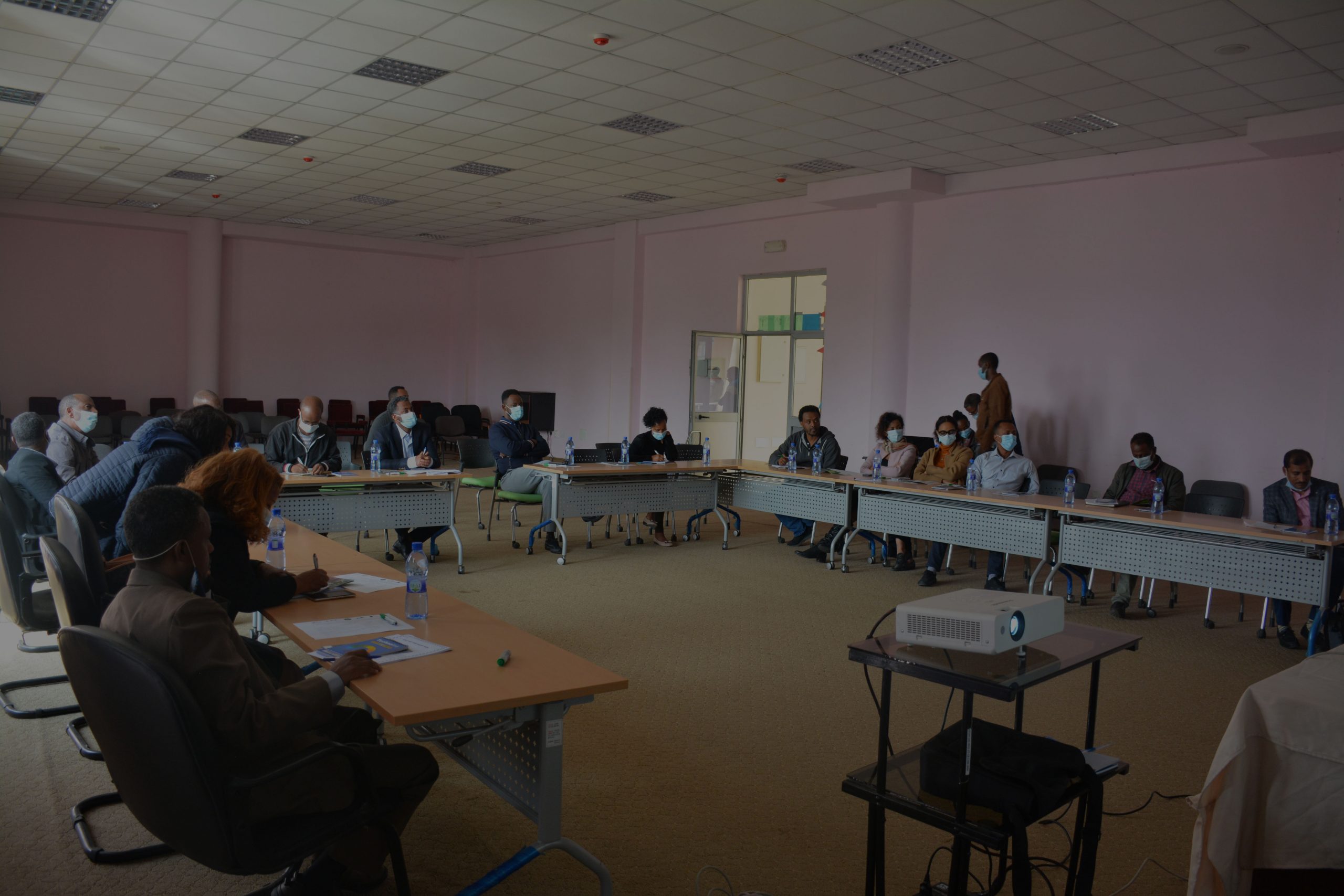
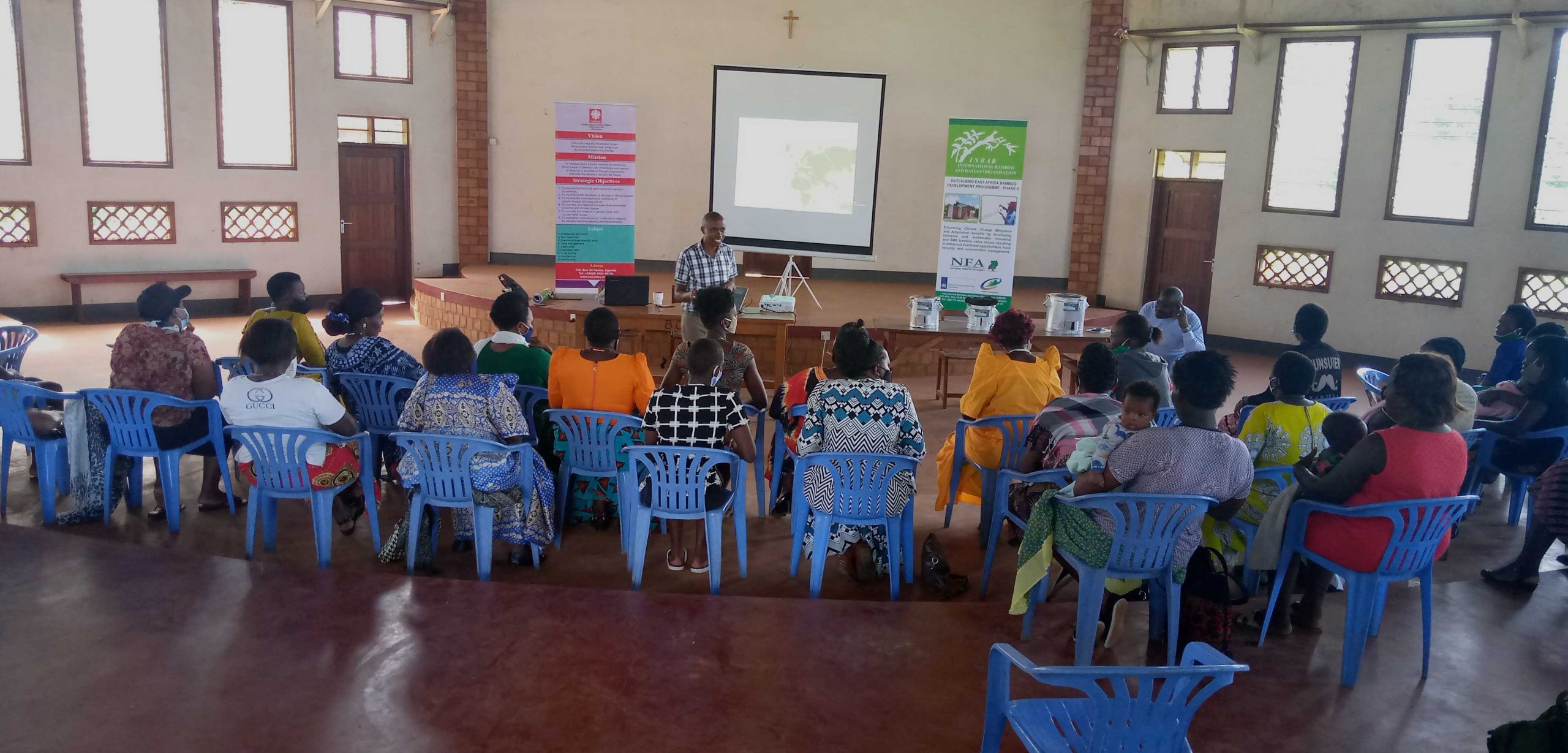
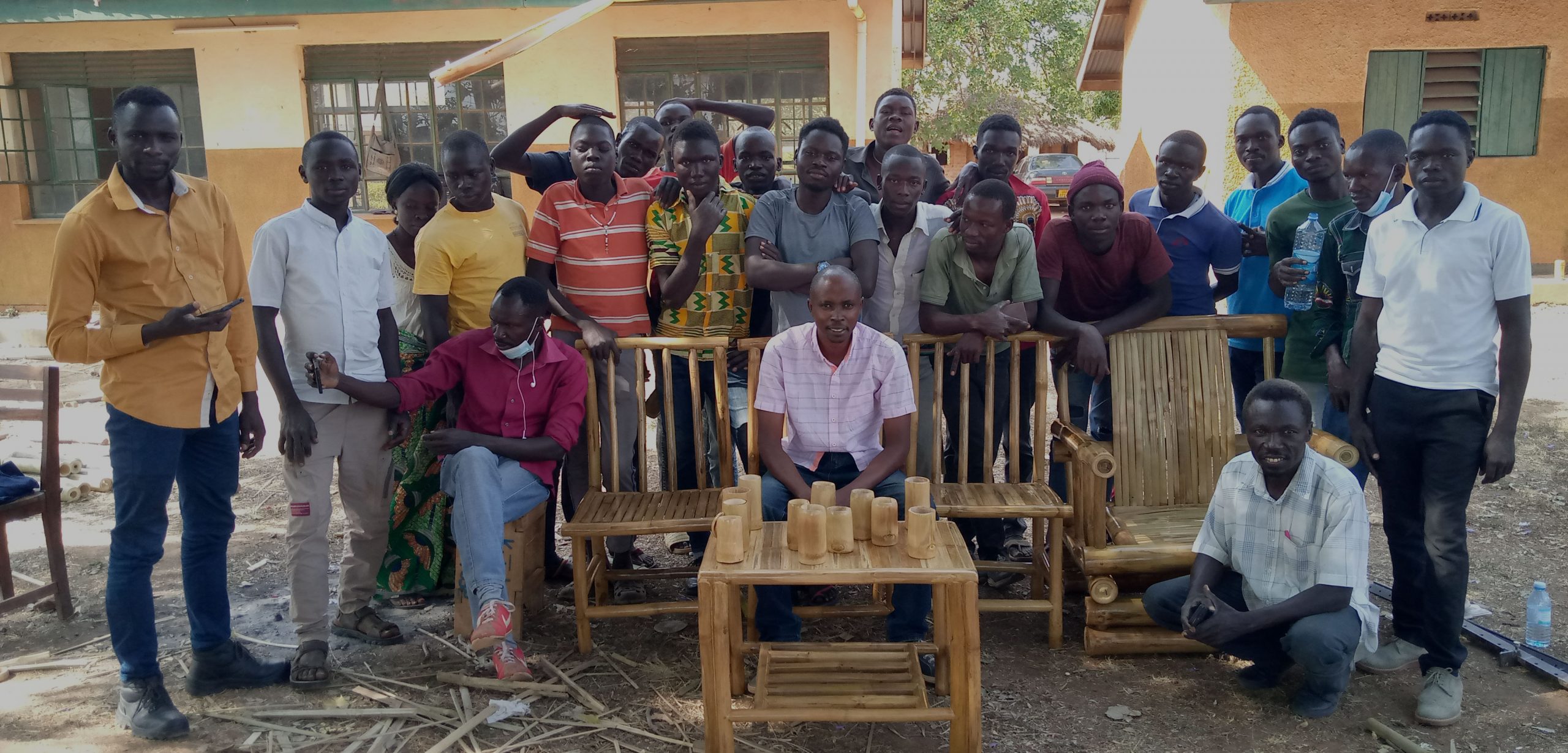
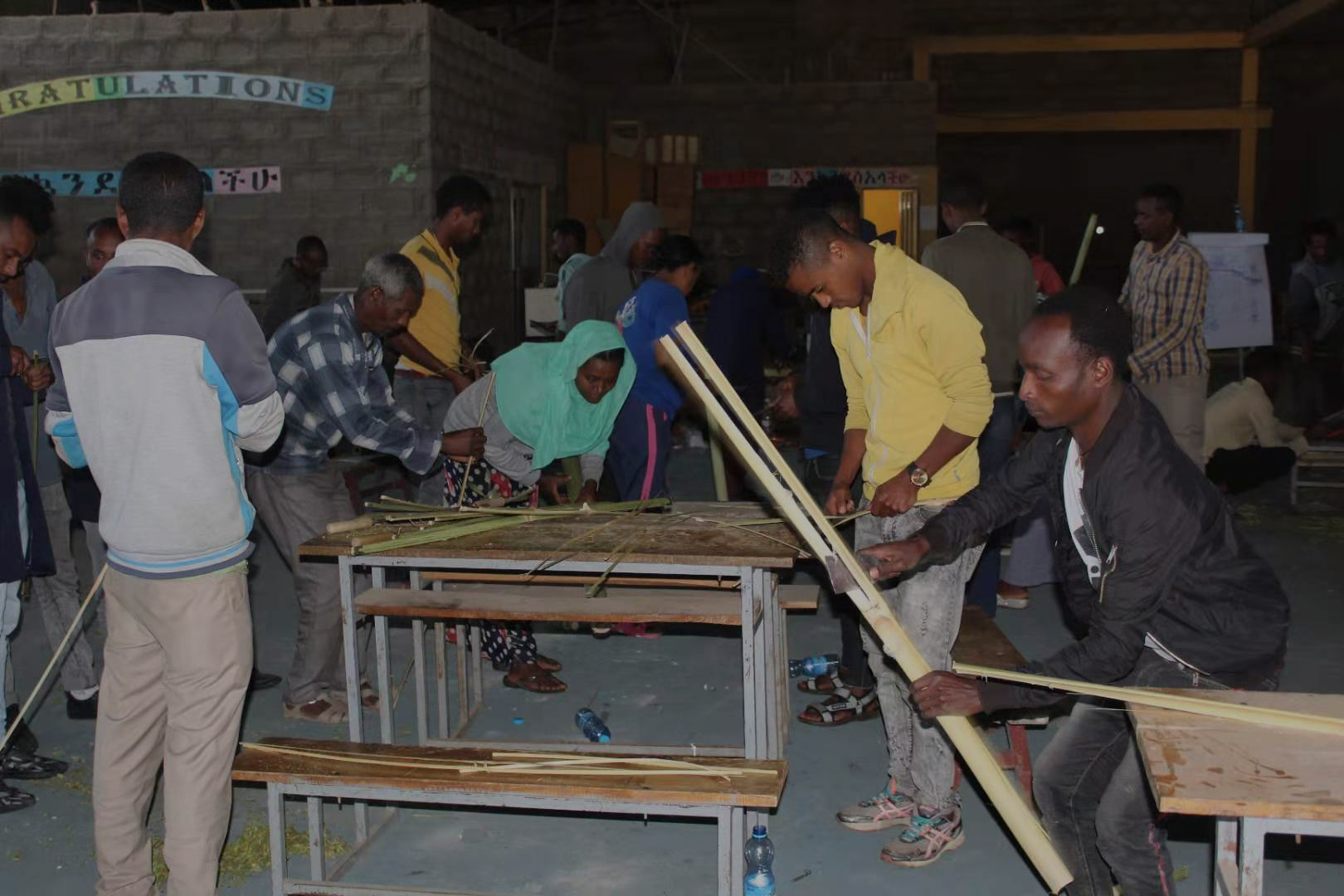
In 2020, the project staff organized 37 training courses for over 1000 trainees, which focused on how to establish bamboo micro-enterprises and how to link these to larger bamboo companies. A more formal vocational education curriculum is being developed, which will focus on training occupational skills for industrial bamboo processing and small- and medium-sized enterprises (SMEs). In addition to SMEs, the program is working to assist two new, larger bamboo businesses: GreenPot Enterprises in Kenya and Kontiki Bamboo Works in Uganda.

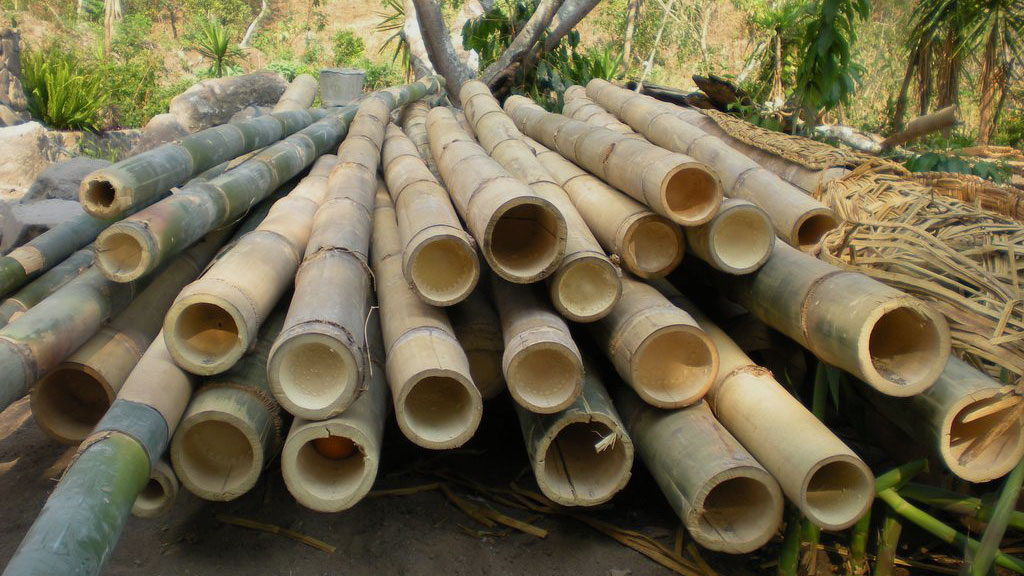
The programme facilitated the establishment of 24 bamboo nurseries for the government and private sector and supported smallholder farmers to plant bamboo on almost 1000 hectares of land. More than 1100 smallholder bamboo growers received training on how to sustainably manage their bamboo resources.

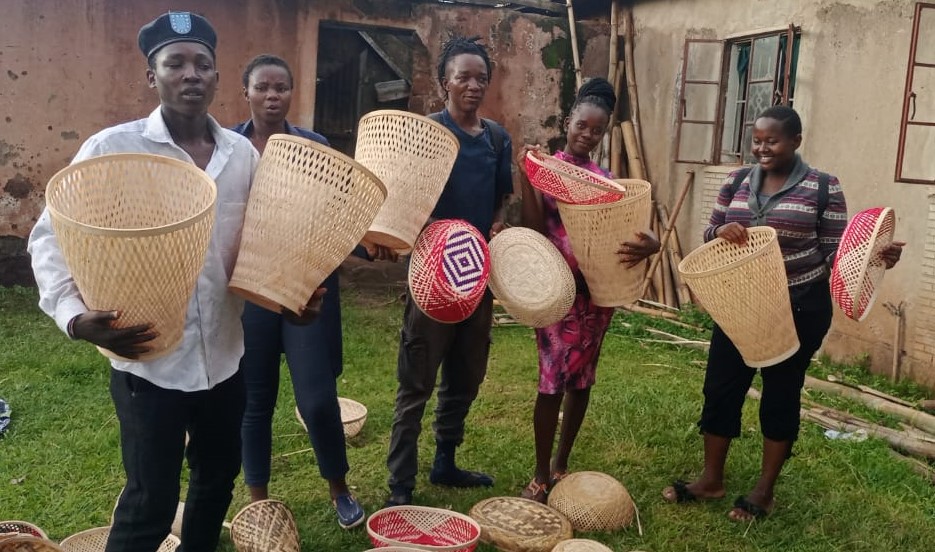
The program has also been working to promote bamboo business development. Bamboo knowledge centers have been established in Ethiopia, Kenya, and Uganda to provide business advice and support to prospective entrepreneurs. Locations have been identified to create bamboo depots – an important requirement for creating steady supply chains for enterprises.

The program has been supporting Ethiopia, Kenya and Uganda to finalize bamboo product standards and kickstart the process for forestry certification by the Forest Stewardship Council in Ethiopia.

2021

To strengthen pro-poor industry and SME value chains, the program has provided 56 capacity-building training for small-scale bamboo entrepreneurs, industry workers, and government experts. The training was aimed at strengthening the capacity in nursery development and management, bamboo sustainable management and harvesting, bamboo handy craft and furniture making, and business development services. Two bamboo course curriculums have been developed by the Ethiopian government and ten potential TVET colleges have been identified to offer bamboo processing courses in 2022. Similar efforts are also in the pipeline in Kenya and Uganda. The program has also established two bamboo charcoal briquette enterprises in Kenya and Uganda.

Bamboo sector development is essentially dependent on sustainable bamboo resource management and restoration. Accordingly,

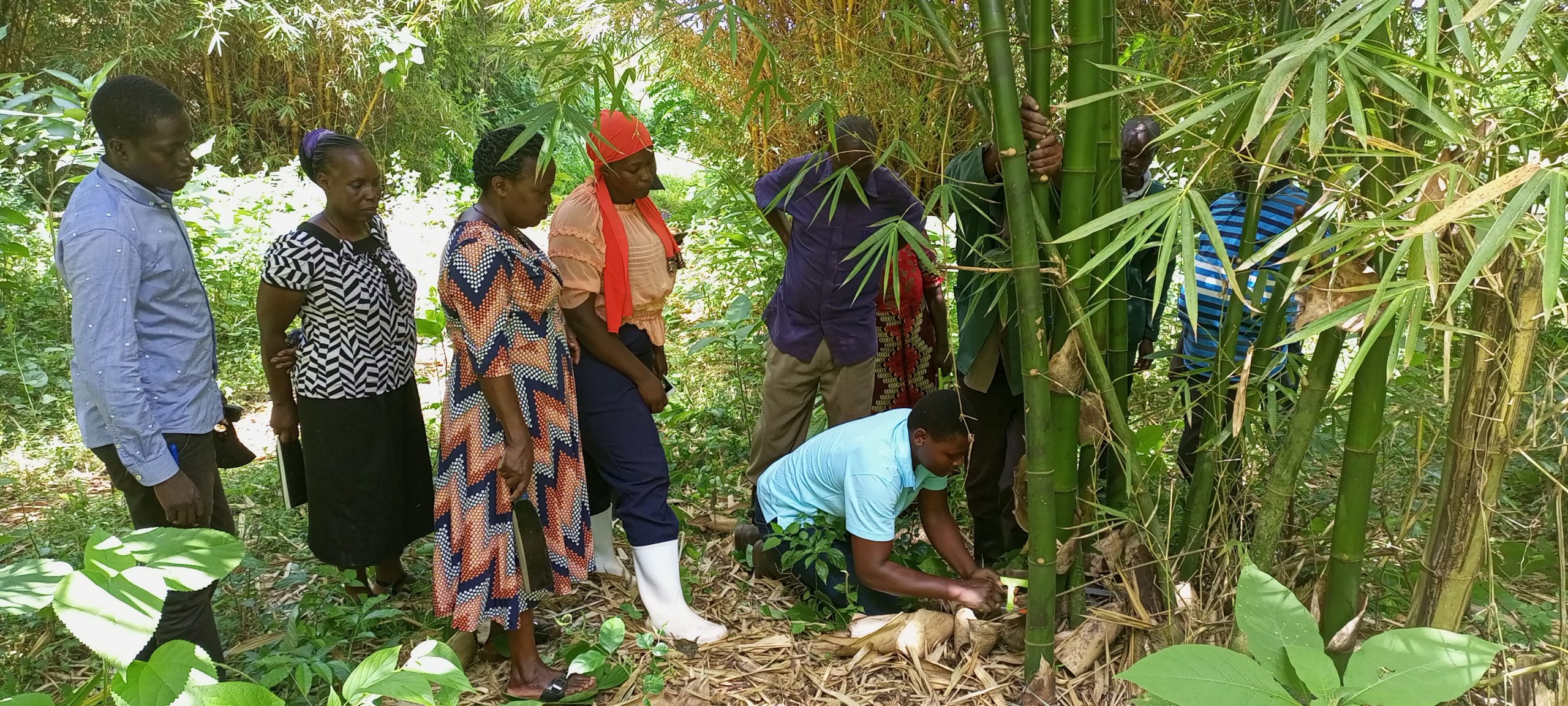
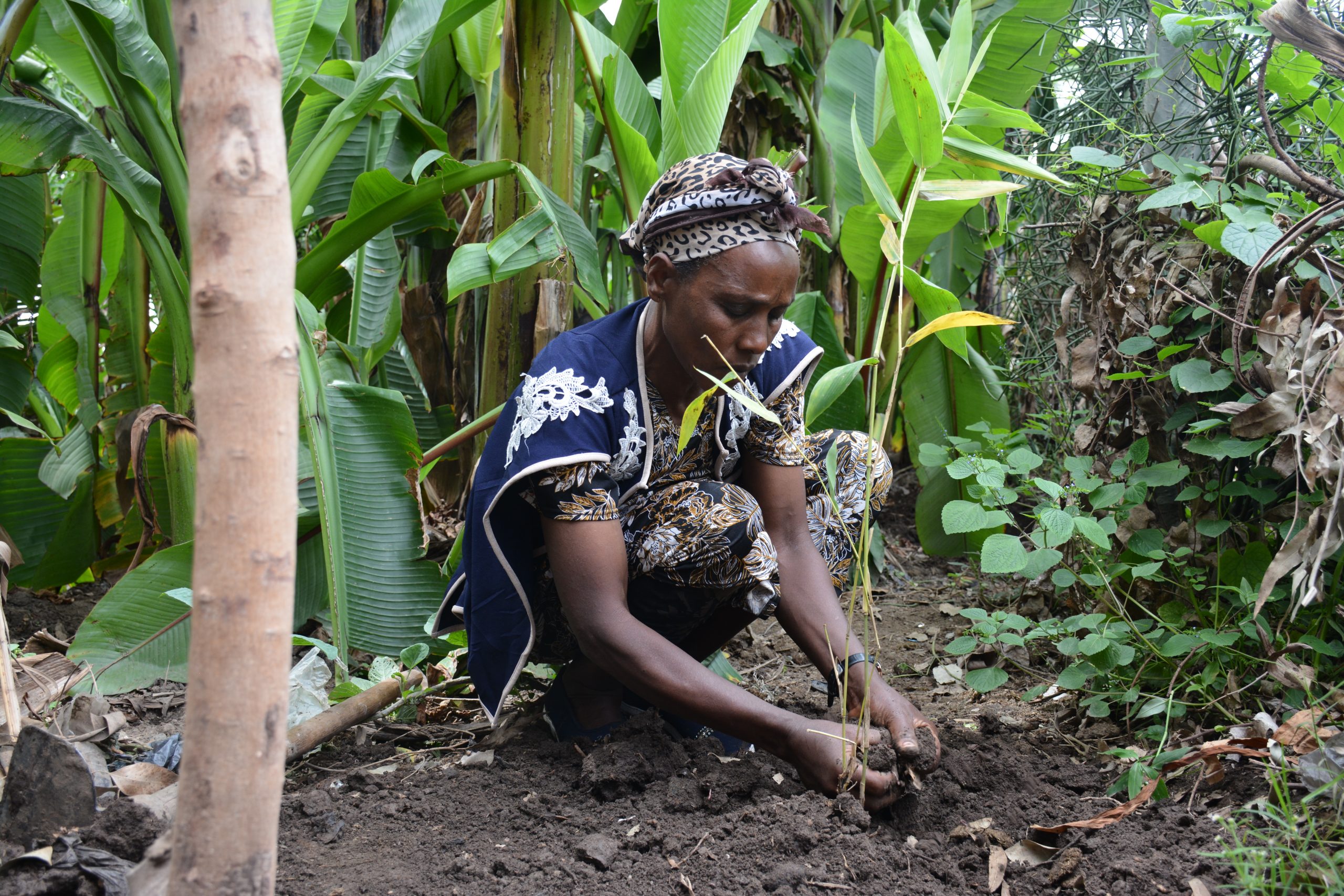
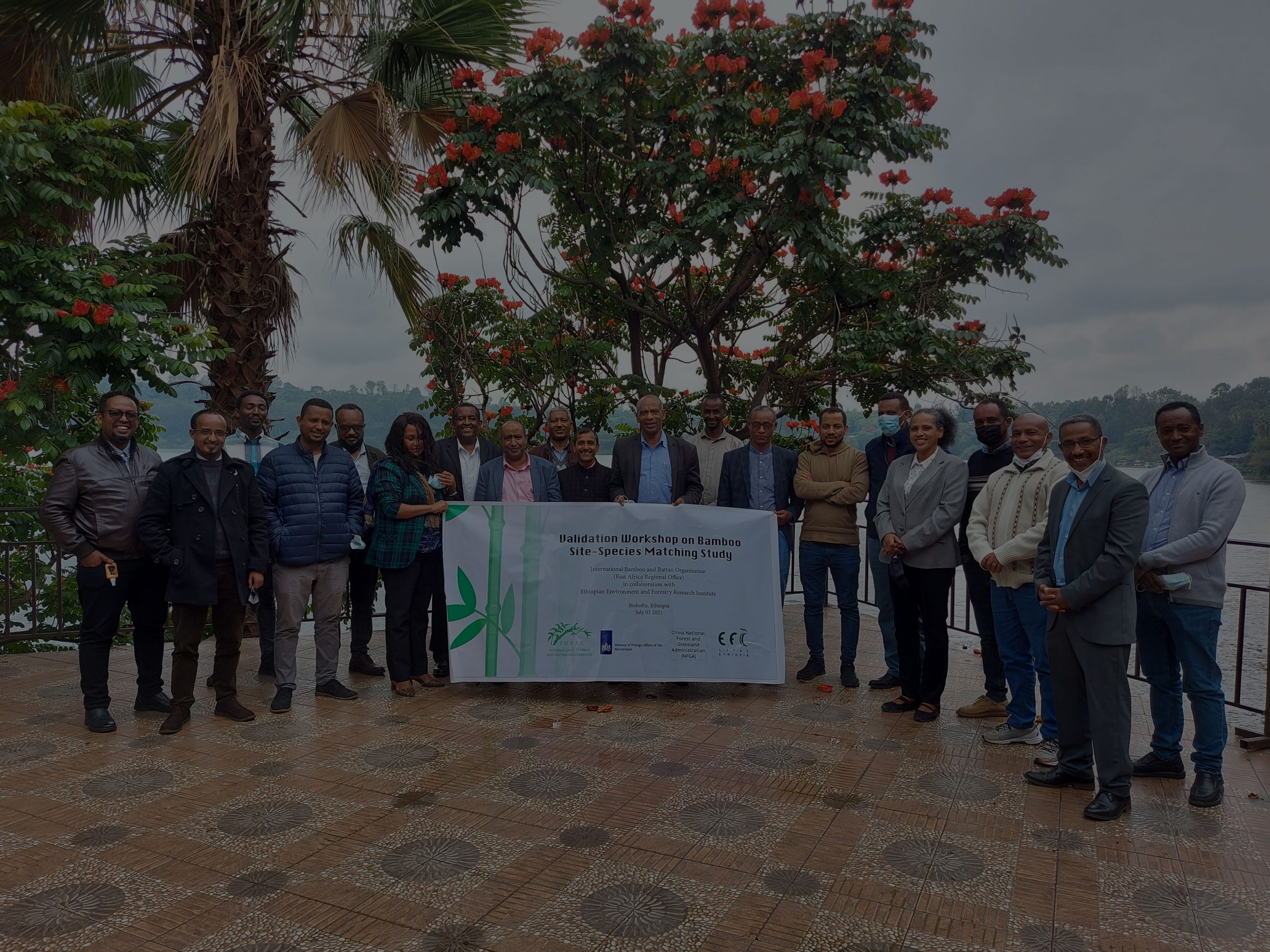
The program supported 36 large-scale nurseries and established 67 women and youth small-scale nurseries. These nurseries produced a total of 3,146,746 bamboo quality planting materials creating employment for 654 youths (193 men and 461 women). It has also conducted three site-species matching studies in collaboration with partner implementers in the target countries, assessing and validating the growth and performance of indigenous and exotic bamboo species, and shortlisting and providing recommendations for the expansion of selected species for different agro-climatic clusters and end-use. In 2021, the program established 1173.30 ha of new bamboo plantations, which makes the total plantation achievement of the program 2469.27 ha. A total of 560.78 ha of bamboo forest and farms have been brought under the sustainable management regime, and the overarching achievement of the bamboo sustainable management regime is 1029.23 ha of land, which supported 1998 beneficiaries (798 men and 1200 women). Moreover, the program team has been working on a bamboo carbon credit project in Uganda and it has conducted a feasibility study on the development and certification of a bamboo afforestation project for carbon emission reductions and livelihood development in the country.

2022

The project has been working on developing a reliable supply chain, capacity building, skill, research and technology, market development and scaling up, and the replication of best practices in bamboo sector development. It has been striving to develop and strengthen the pro-poor industry and small and medium-sized enterprises (SMEs) value chains to help create inclusive job opportunities, improve livelihoods and empower communities in the implementation countries. In so doing, it has continued building the capacity of smallholders, enterprise employees and owners, and government technical experts. In the first semester of 2022, the project conducted 21 skill development training for 475 beneficiaries, and 11 SMEs were supported with tools to enhance their production efficiency. It has been providing hand-holding support to 2396 households for the making of bamboo charcoal briquettes in Ethiopia, Kenya, and Uganda. The project has also completed four technical and vocational education and training curriculums on bamboo, comprising teaching, training, and learning materials in Ethiopia, while the same task is in progress in Kenya and Uganda.

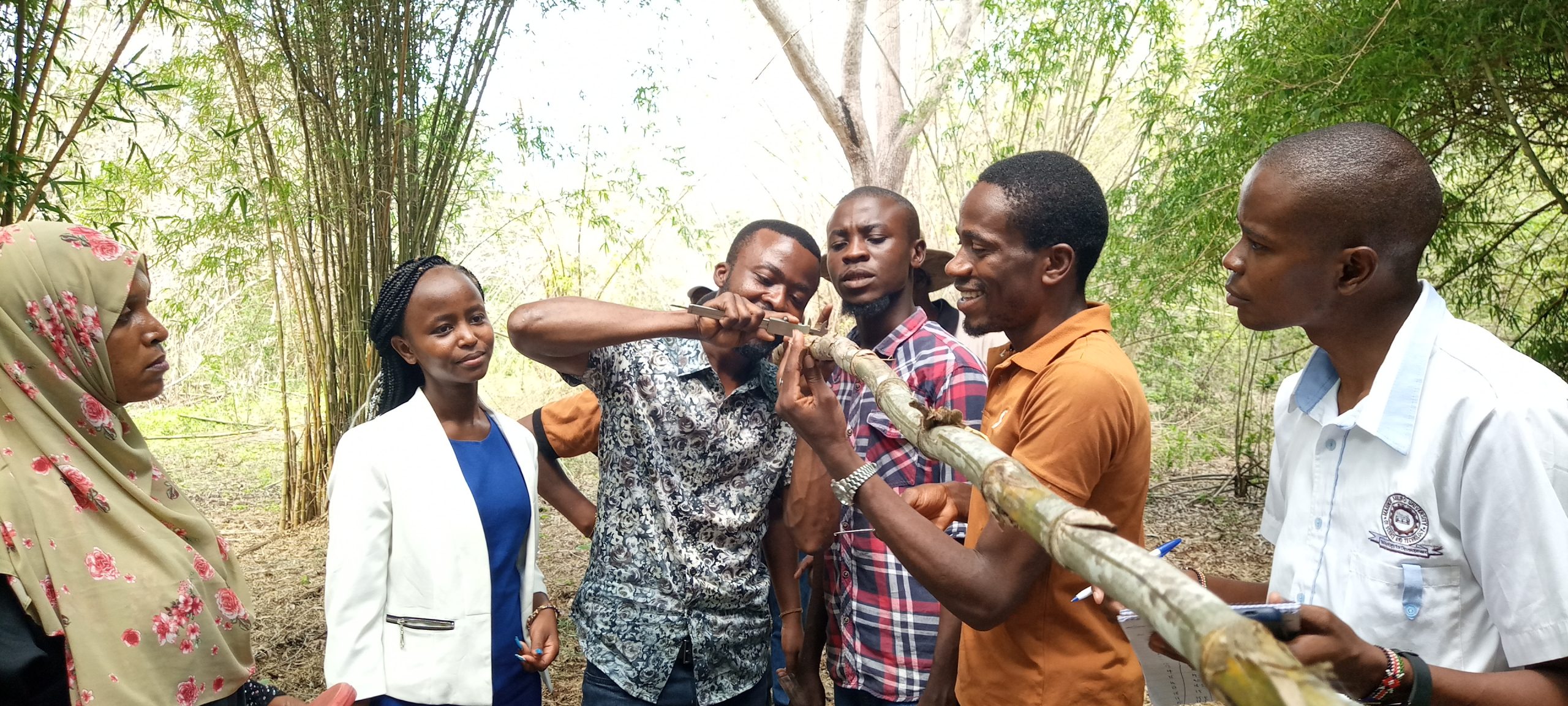
Restoration and sustainable management of bamboo resources is another pillar of progress, the project procured 100 kg bamboo seeds from India and distributed them to 12 nurseries in Kenya and Uganda. It has also been providing technical support to 24 small nurseries, and 2.75 million quality planting materials are now ready for plantation. Site-species matching studies of Ethiopia, Kenya, and Uganda are completed and the study from Ethiopia has been published in a scientific journal. Capacity-building activities have been conducted on nursery management, sustainable harvesting, and clumps management. Also, four Transfer Of Technology courses were delivered for the 152 line department officials on nursery development and management and nine community-level smallholders training benefited 393 participants.

The bamboo carbon credit initiative in collaboration with Climate Impact UK and Face the Future Netherlands is progressing in Uganda, and site selection has now been finalized in the Agago district of the country.

With regards to enhancing the business and trade environment of beneficiary countries, the project has been providing support in the adoption and ratification of national and international bamboo standards. Accordingly, seven product standards have been ratified in Ethiopia on bamboo curtain, bamboo charcoal generalities, bamboo charcoal fuel application, bamboo charcoal purification application, bamboo flooring indoor uses, and bamboo structures. The project has also been working on the establishment of “bamboo depots” as a multi-product supply chain for linkages with the SMEs and industries and to integrate all actors to reduce inefficiencies in the existing value chains. The multi-supply chain has been linked with primary and secondary cooperatives. During the period five new cooperatives have been registered with the involvement of 750 beneficiaries.

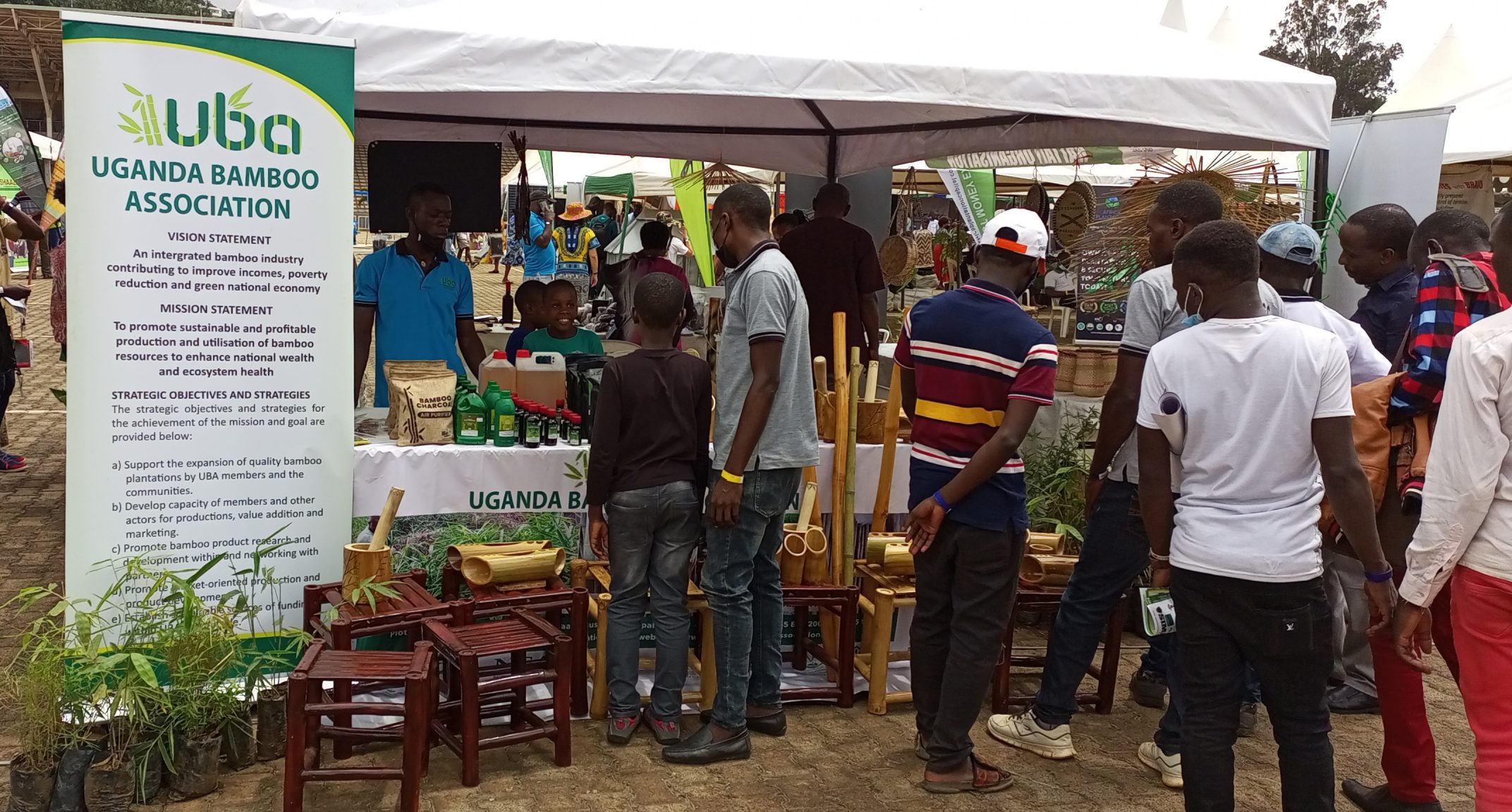
Moreover, bamboo associations for the private sectors of the beneficiary countries have been supported. Accordingly, the bamboo associations of Ethiopia, Kenya, and Uganda are now operational with five-year strategic plans and independent offices, and public communications websites.

In the second half of the year, the project continued its work on SME value chains, restoration, and enhancing business and trade environments of the bamboo sectors of its beneficiary countries. It has extended its support to building the capacity of smallholders, enterprises, and government technical experts in the area of improved bamboo processing and business development. The project has conducted 21 skill development training for 609 beneficiaries reaching a total of 16 enterprises to enhance their production efficiency. The project has also kept its support going on improved bamboo processing technologies and the provision of inputs for small-scale and household enterprises, through strengthening common production and training centers (CPTCs); bamboo-based household energy options, and facilitation of market access for these enterprises. As such, it has supported six CPTCs and model enterprises for household charcoal and biomass that reached 550 households in Ethiopia, Kenya, and Uganda.

In its second pillar, the project works on the provision of quality bamboo planting materials, restoration, and capacity building of beneficiaries on sustainable bamboo farm management. The project supported 18 large-scale nurseries; planted bamboo on 301 ha of land, and brought 800 ha of bamboo forest under a sustainable management regime, which benefited more than 650 households. The project strengthened the capacity of 700 local community members and government experts on sustainable bamboo source management, such as bamboo nursery development, restoration, and sustainable management. The project also published three bamboo site species matching studies in Ethiopia, Kenya, and Uganda that brought policy recommendations on the suitability of different local and exotic bamboo species to various agro-climatic conditions of these countries.

The project also enhances the business and trade environment for the bamboo sector development of its target countries. To this end, it supported the strengthening of multi-product supply chains; adoption of standards and certifications mechanisms; inclusive market development; investment and trade promotion; multi-stakeholder platforms; and capacity building of policymakers and functionaries. Accordingly, the project supported the adoption of six bamboo standards; three multi-product supply chains; and conducted a range of activities to enhance the enabling environment of sectoral development in three of its target countries.

2023

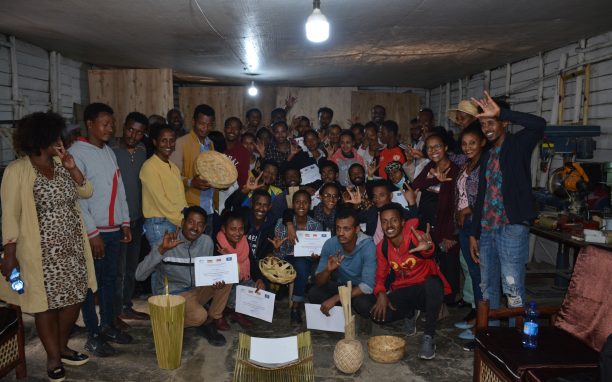
The program embarked on a journey to enhance employment, livelihoods and promote green economic growth through the strengthening, specialization and diversification of SME value chains. The programme conducted 30 skill and value chain development trainings for 978 (459M/519F) beneficiaries and 9 trainings for 261 (134M/127F) beneficiaries on entrepreneurship and business development. Supported 21 SMEs with additional basic tools for the improvement of production efficiency. One curriculum on bamboo certificate/diploma developed for Nyabyeya Forestry College, Masindi, Uganda. Two teachers’ training were organized for the TVET, Ethiopia and Nyabyeya Forestry College, Uganda. Overall, the project achieved capacity building for 5437 (2884M/2543F) beneficiaries.

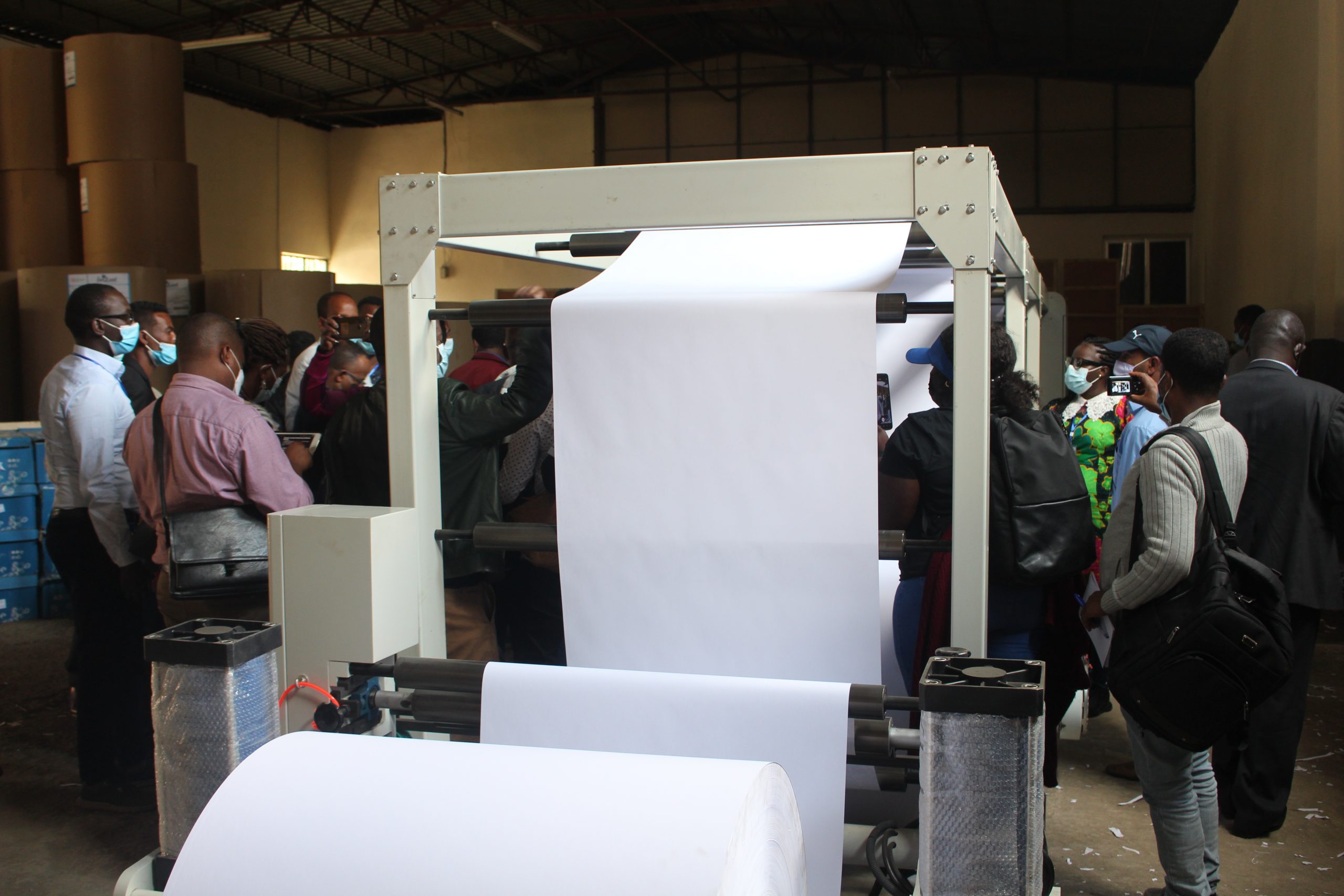
The machines and tools procured in collaboration with ICBR for establishing 2 new CPTCs in Kenya and Uganda. In addition, four old CPTCs were upgraded with tools and equipment, and one bioenergy enterprise was supported in Uganda. 1546 HHs trained on collecting waste charcoal and producing bamboo charcoal and linked with NCPP model enterprises. Moreover, 2328 HHs availed clean household cooking energy through a market-based PPP mechanism. Overall, the program trained 4871 HHs on charcoal collection and production, and 8799 HHs mobilized to use cook stoves through a PPP market-based mechanism. The Ethiopia and Kenya bamboo samples mechanical and products testing was completed in collaboration with ICBR, China and bamboo waste-based plastic products research was initiated in collaboration with Bio-craft Innovation, India.

The program supported 36 large-scale bamboo nurseries with input materials; 41 micro nurseries supported; organized exposure visits for three technicians from KEFRI tissue culture lab in IIWSC, Dehradun, India and two technicians from NRL, Uganda tissue culture lab in KEFRI, Kenya. Three reports on taxonomic studies were published. 1.68 million bamboo quality planting materials(QPM) produced and created employment for 135 (41M/94F) people in the existing nursery. Overall, the program reached 9.33 million seedlings production and generated employment for 976 (339M/637F).

The program planted 1683.53 hectares of bamboo in new areas for restoration and demonstration, 2169.05 hectares of bamboo forest and farms brought under the sustainable and harvesting management regime, 2512 (1188M/1324F) farmers planted bamboo in homestead and farm boundary, and 1203 (547M/656F) farmers benefitted on sustainable and harvesting management practices. Overall the program achieved 4745.54 hectares of new area of the plantation, 4745.93 hectares of sustainably managed bamboo in forest and farms, 9640 (4562M/5078F) farmers planted bamboo on homestead and farm boundary, and 4564 (1983M/2581F) farmers and forest dwellers benefitted on sustainable and harvesting management practices.

Five ToTs were conducted on bamboo vegetative propagation, nursery and sustainable management, and 43 community-led trainings were organized for 2148(1346M/801F) smallholder farmers on sustainable management practices. Overall, the programme achieved 25 TOTs, 161 community-led trainings, and trained 7426(3870M/3556F). One CIDCA/MoFCOM virtual training for 65(47M/18F) line department people and private sectors (CBOs/ Industry).

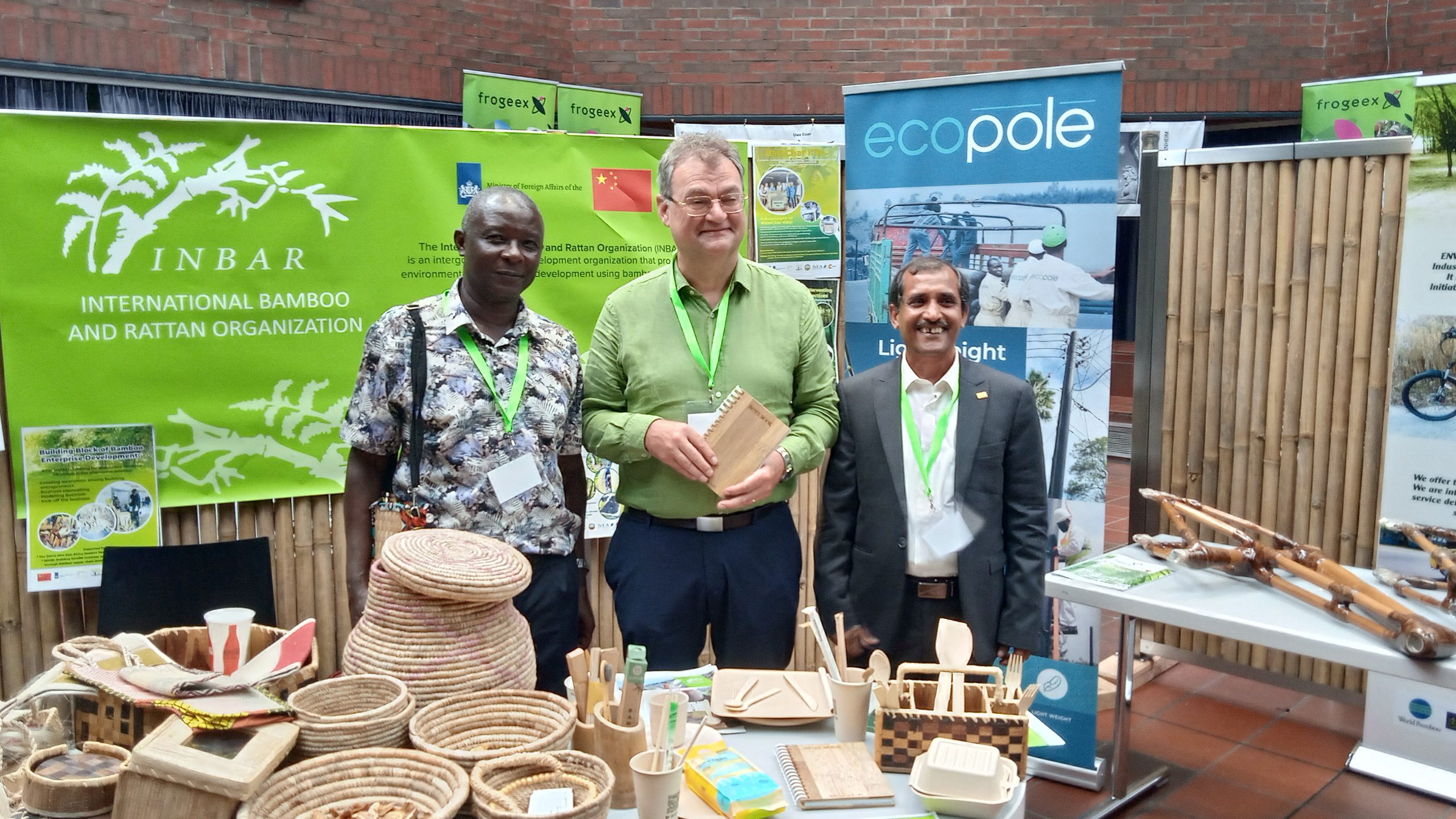
A technical feasibility and operational manual was developed to implement a 10,000 hectares bamboo carbon project in collaboration with Climate Impacts Partners(CIP) UK and Face the Future(FtF), Netherlands. Three site-specific matching trainings were conducted for 121(92M/29F) forest managers.  Two new supply chains/ bamboo depots were established, and six new cooperatives were established including 2 secondary associations, 11 standards supported, Ethiopian Interim National Standards for 1000-hectare bamboo forest certification finalized and submitted to FSC authority for approval. Three multi-stakeholder workshops were organized to incorporate bamboo in the annual planning, participated in one European BambooExpo 2023 in Germany, and one regional fair in Burundi, and 3 domestic fairs. Twelve awareness events were organized on the occasion of international days for 5638 participants, 2 videos and 4 radio talks. Overall, the program reached 19253 participants. In addition, the programme participated Global Land Restoration Forum 2023 in Nairobi, Kenya.

The bamboo units and three associations supported capacity-building, exposure and knowledge-sharing activities to strengthen their functional capacity. One training was organized on mobile-based online data collection systems; fourteen new participatory stewards engaged; three virtual meetings and one steering committee meeting were organized for project monitoring, mid-tem evaluation was completed and the project was rated Moderately Satisfactory. The project’s progress was described in the annual report of 2022, submitted to the donor and uploaded on the IATI platform.

Four research papers have been published in scientific research journals: Ethno-taxonomy and Potential Uses of Highland Bamboo Landraces in Ethiopia; Species Site Matching of Highland Bamboo in Ethiopia; and Species-Site Suitability Matching Study of Introduced Bamboos in Ethiopia; Species-Site Suitability Assessment of Bamboo and Its Detailed Study in Different Agro-ecological Zones of Kenya.

2024

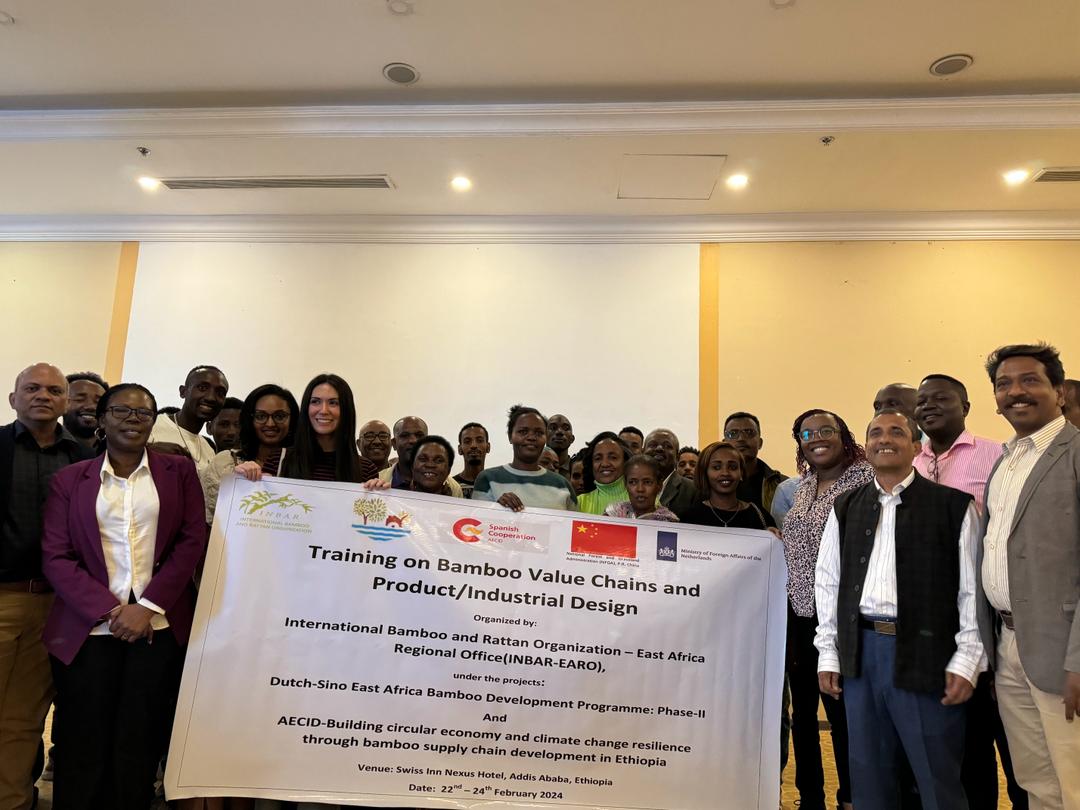
The programme organized 6 technical skills development trainings for small-medium enterprises and industrial workers, benefiting 122 (57M/65F) beneficiaries.Organized a regional technical training on bamboo value chains and industrial product development was organized for 43 small-medium enterprises and industries with the support of the Bamboo Design Innovation Centre at the Indian Institute of Technology (IIT) Bombay, India, as an alternative to the Moso Bamboo technical training. One curriculum completed and two TVET teacher trainings (Ethiopia and Kenya one each) were conducted for 27(15M/12F) beneficiaries. One training on entrepreneurship and business developments were provided for 23(15M/8F) beneficiaries.Tools and equipment were provided to two enterprises for improving the product quality and enhance the production efficiency.

The programme team, with technical support from ICBR, carried out the installation and commissioning of the machinery for the new CPTCs in Kenya and Uganda. The two new CPTCs in Mytos Bamboo Cooperative in Busia and Nyabyeya Forestry College Masindi in Uganda are operational. In addition, additional machinery support was provided to two public-private partners (PPP) in Uganda, such as A. W. Bamboo Enterprise in Mbale, Uganda, to strengthen the bamboo shoot production with vacuum pressure machine, and Bamboo Uganda Limited to strengthen the bamboo treatment pole for housing construction through impregnation treatment machine. The programme team organised the visit of Chinese technicians in collaboration with ICBR for the Ethiopian Productivity Improvement Centre of Excellent (PICE), Addis Ababa to carry out the inventory assessment of the existing BMB mat board facility.

The programme supported Magu Farm Limited in Meru, Kenya, to establish a bamboo charcoal production unit and involved 314 women’s households in the supply chains.
The programme produced and published the age-related property tests, machine and product compatibility tests of Ethiopian bamboo species, including Yushania alpina Syn. Oldeania alpina and Oxytenanthera abyssinica.
(https://www.inbar.int/resources/inbar_publications/age-specific-properties-machine-and-product-compatibility/. In addition, BioCraft Private Limited India completed the research on product development based on bamboo waste.

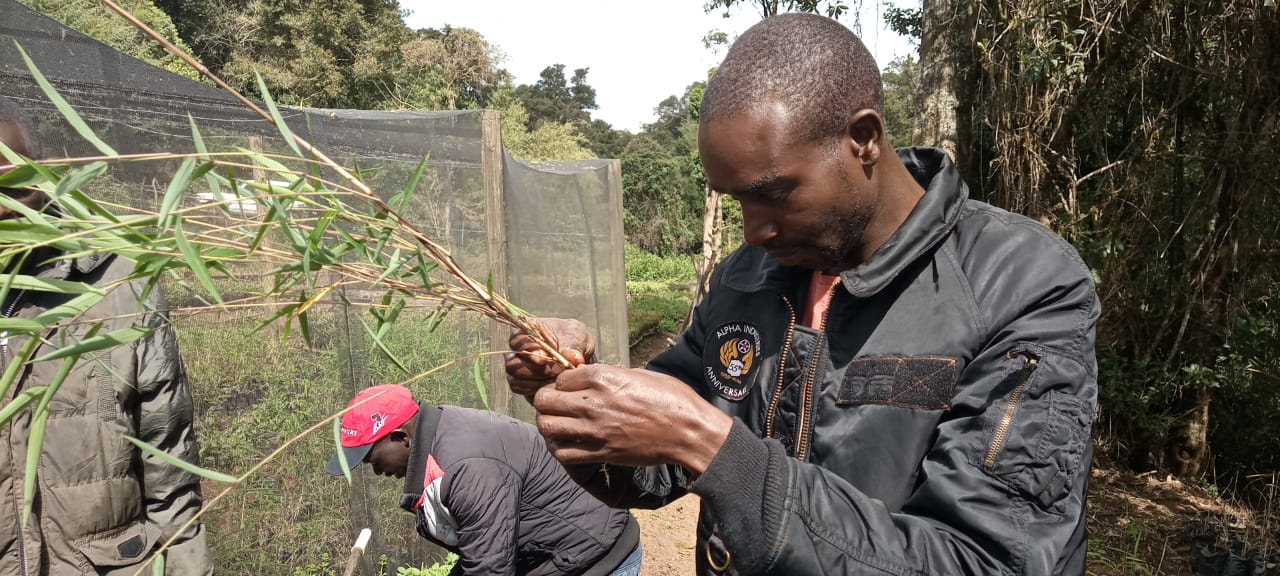
The programme supported 35 nurseries including one private nursery against the overall programme of 35 nurseries and handholding support to 41 women and youth. During the implementation period 475,725 plants were produced, including the production of 316271 plants by micro nurseries. In addition, a tissue culture protocol on five bamboo species (Dendrocalamus asper, Bambusa longinternode, D. yunnanensis, D. latiflorus and D. membranaceus) was published at the Kenya Forestry Research Institute (KEFRI)
https://www.inbar.int/resources/inbar_publications/technical-manual-on-tissue-culture-protocol-for-bamboo/

The programme established 283.75 hectares of new bamboo plantations on degraded land, which includes the demonstration for the establishment of the bamboo carbon project in Northern Uganda. In addition, the programme distributed bamboo plants to 387(140M/247F) beneficiaries and brought a total of 257 hectares of bamboo forests and farms under sustainable management. The sustainable management of bamboo forests and farms benefited 363(195M/168F) beneficiaries. The programme organised 2 community trainings on nursery, plantation and sustainable management for 87(54M/33F) beneficiaries.

The programme organized a follow-up meeting with Climate Impact Partners and Face the Future (FtF) to finalise the work plan for implementation of 10000 hectare carbon project in Northern Uganda. During the implementation period two journal papers were publish in the peer review scientific journal. Hydrological Response of Bamboo Plantations on Soil–Water Dynamics in Humid and Semi-Arid Coastal Region of Kenya https://doi.org/10.3390/w16131894 and Morphological Characteristics and Growth Performance of Bambusa vulgaris Schrad. Ex J. C. Wendl in Selected Agro-Ecologies of Uganda DOI: https://doi.org/10.37284/eajfa.7.1.1802.

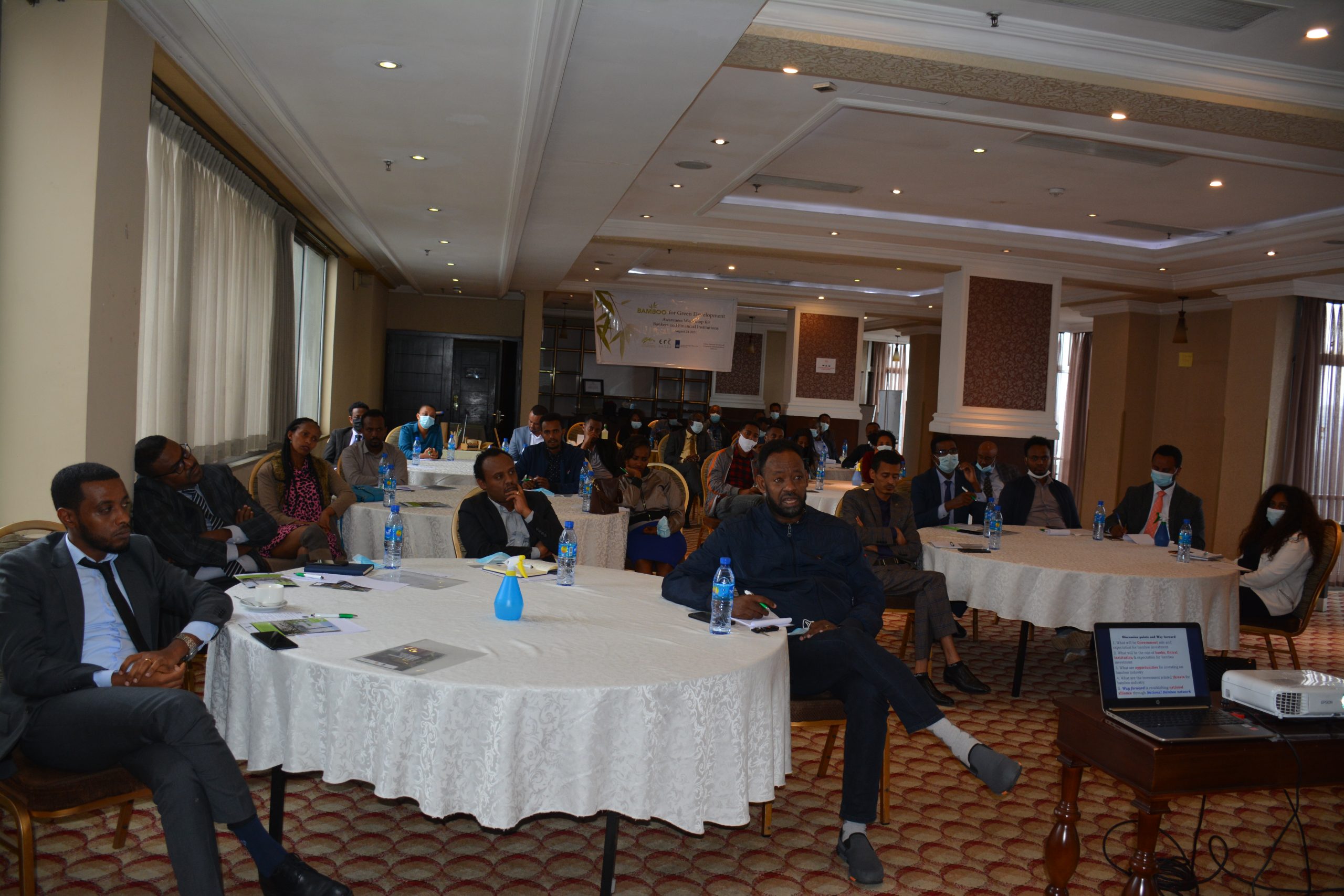
The programme supported the established multi-supply chains and local infrastructure and promoted cooperatives. One new cooperative was promoted and reached 45 (29M/16F) beneficiaries. In collaboration with Soil Certification Limited, UK and Ethiopian Forestry Development (EFD), has developed the Ethiopian Interim National Standard (INS) approved by the FSC Policy Steering Group for the certification of 1000 bamboo forests in Kaffa, South West Region of Ethiopia. Organized one awareness workshop for banks and financial institution, two regional multi-stakeholder workshop in Ethiopia and Kenya (one each), one awareness event in Ethiopia, one radio talks in Uganda organized and participated in the European BambooExpo2024 in Dortmund Germany
https://www.inbar.int/inbar-shows-up-at-european-bamboo-expo-2024/

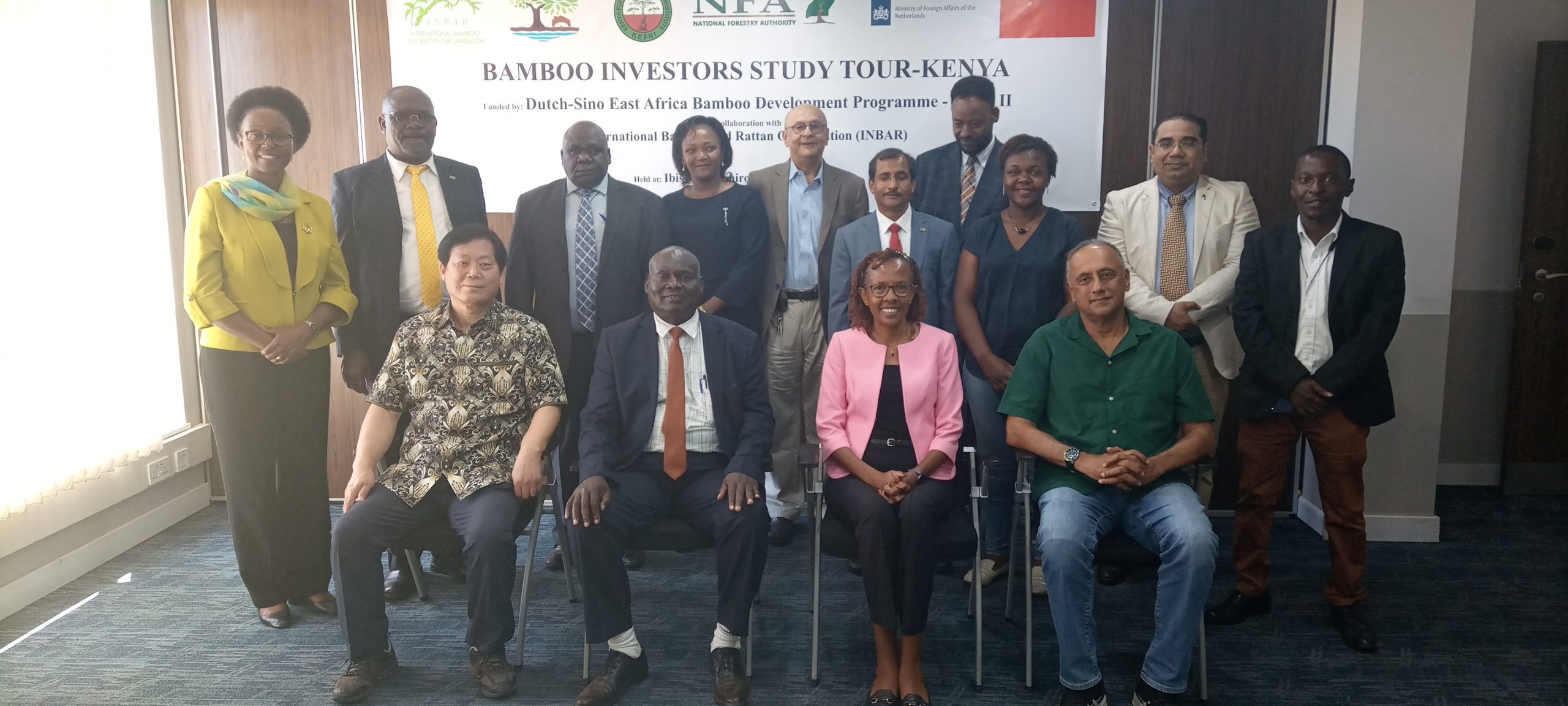
The programmer organised an investor study tour to Uganda in collaboration with the National Forestry Authority (NFA) and the Uganda Investment Authority (UIA). The study tour was attended by 14 (12M/2F) investors who understood the investment opportunities through face-to-face discussions with the Uganda Investment Authority (UIA).
https://www.inbar.int/investors-eye-uganda-for-bamboo-sector-development/

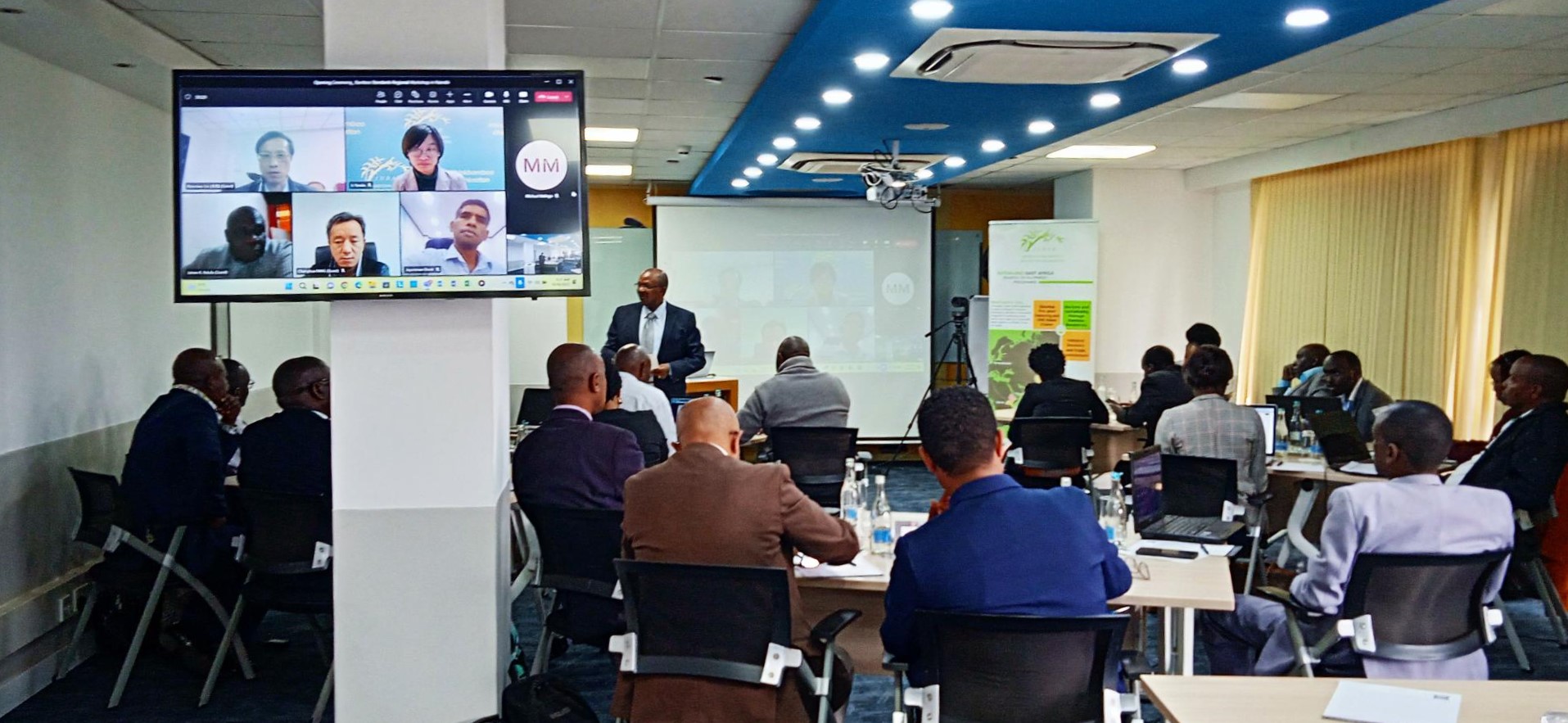
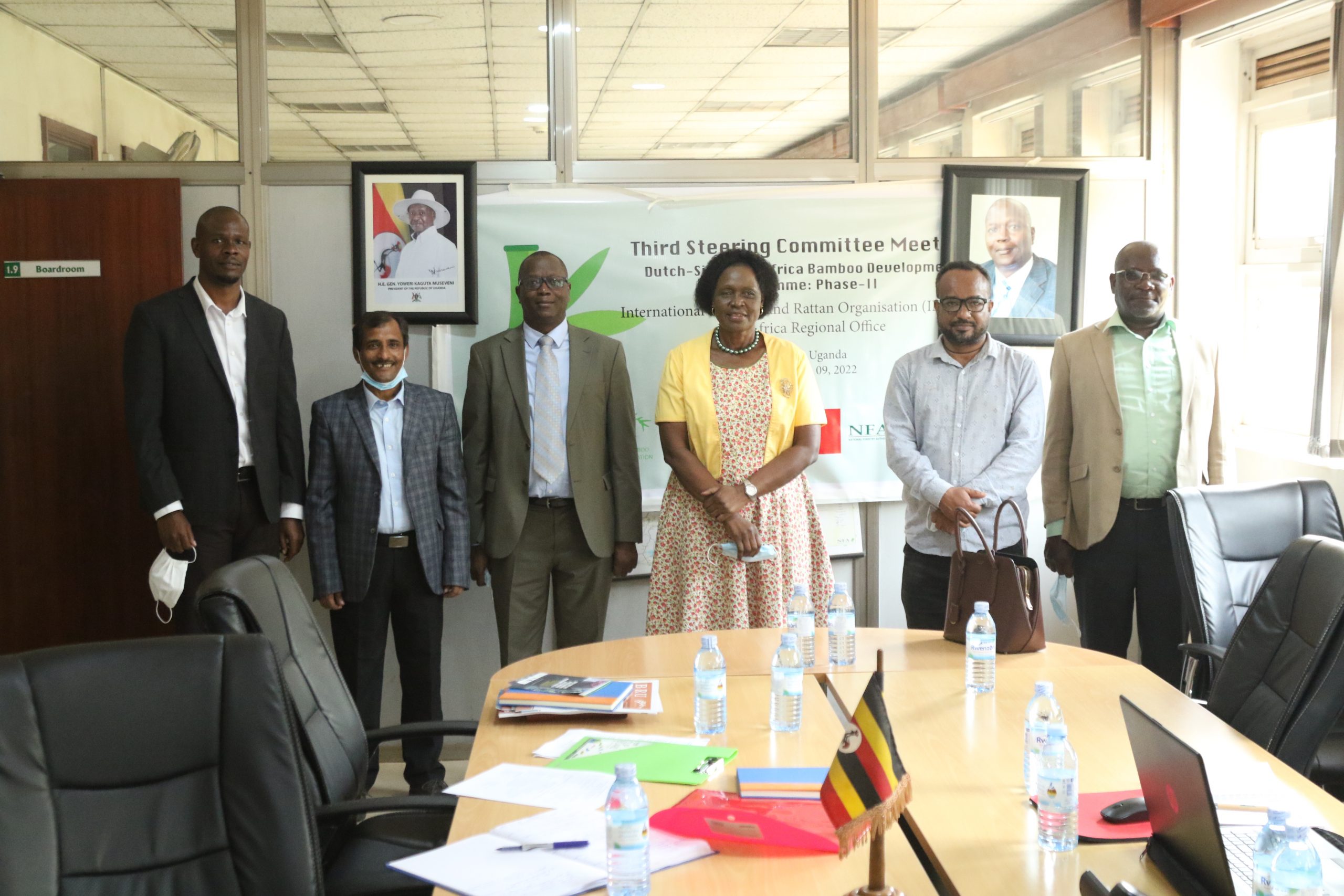
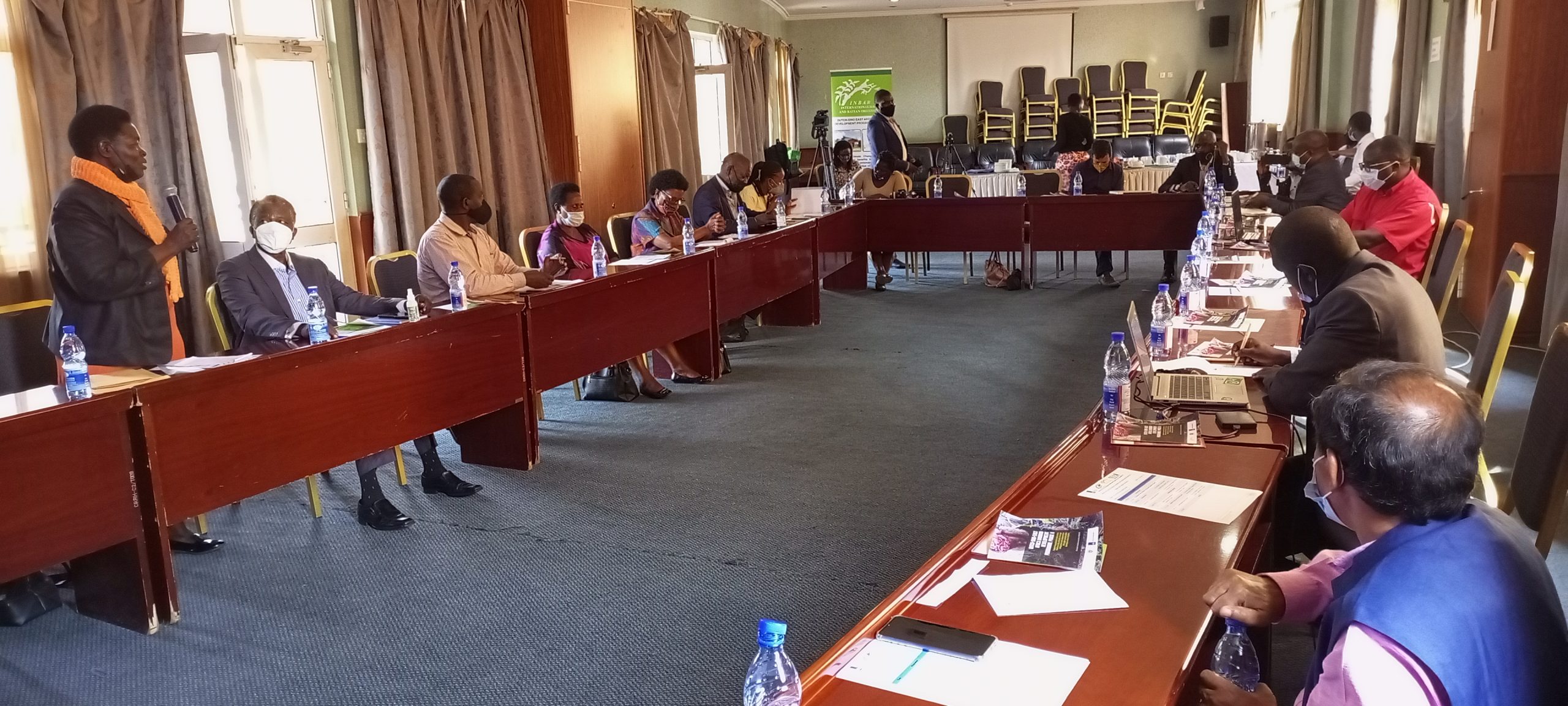
The programme has supported three Bamboo Units as well as three Bamboo Association in the three beneficiary countries. The fifth Steering Committee meeting of the programme was organised in a hybrid mode in Nairobi, Kenya on 17-19 January 2024, followed by field visits(https://www.inbar.int/dutch-sino-programme-steering-committee-meeting-kenya/ and the final evaluation of the programme has been completed to engage an independent evaluator.
Contact details

For more information about the project, please contact:

  • Selim Reza, Programme Manager, selim [at] inbar [dot] int, Ethiopia
  • Fiker Assefa Tareke, National Project Coordinator, fatareke [at] inbar [dot] int, Ethiopia
  • Nellie Caroline Mugure Oduor, National Project Coordinator, ncmoduor [at] inbar [dot] int, Kenya
  • Michael Malinga: National Project Coordinator, mmalinga [at] inbar [dot] int, Uganda
Project Media

Project News

Project Events

Project resources

Exotic Bamboo Species in Uganda: Identification and Assessment

A field study conducted in November 2022 during the implementation of Phase I...

Exotic Bamboo Species in Kenya: Identification and Assessment

This report on the identification and assessment of exotic bamboo species in ...

Gender Analysis of the Bamboo Sector in Ethiopia, Kenya and Uganda

The Dutch-Sino-East Africa Bamboo Development Programme is a triangular South...

Bamboo as a Green Business Opportunity in Ethiopia

Ethiopia has the largest bamboo resources in Africa, hosting a total bamboo g...

Support bamboo industry and SME value chains in Uganda: Selected cases

Bamboo is widely used by communities across Uganda. Local communities produce...

The Potential of Bamboo for Climate Change Mitigation in Ethiopia

This study presents the potential of bamboo for climate change mitigation in ...

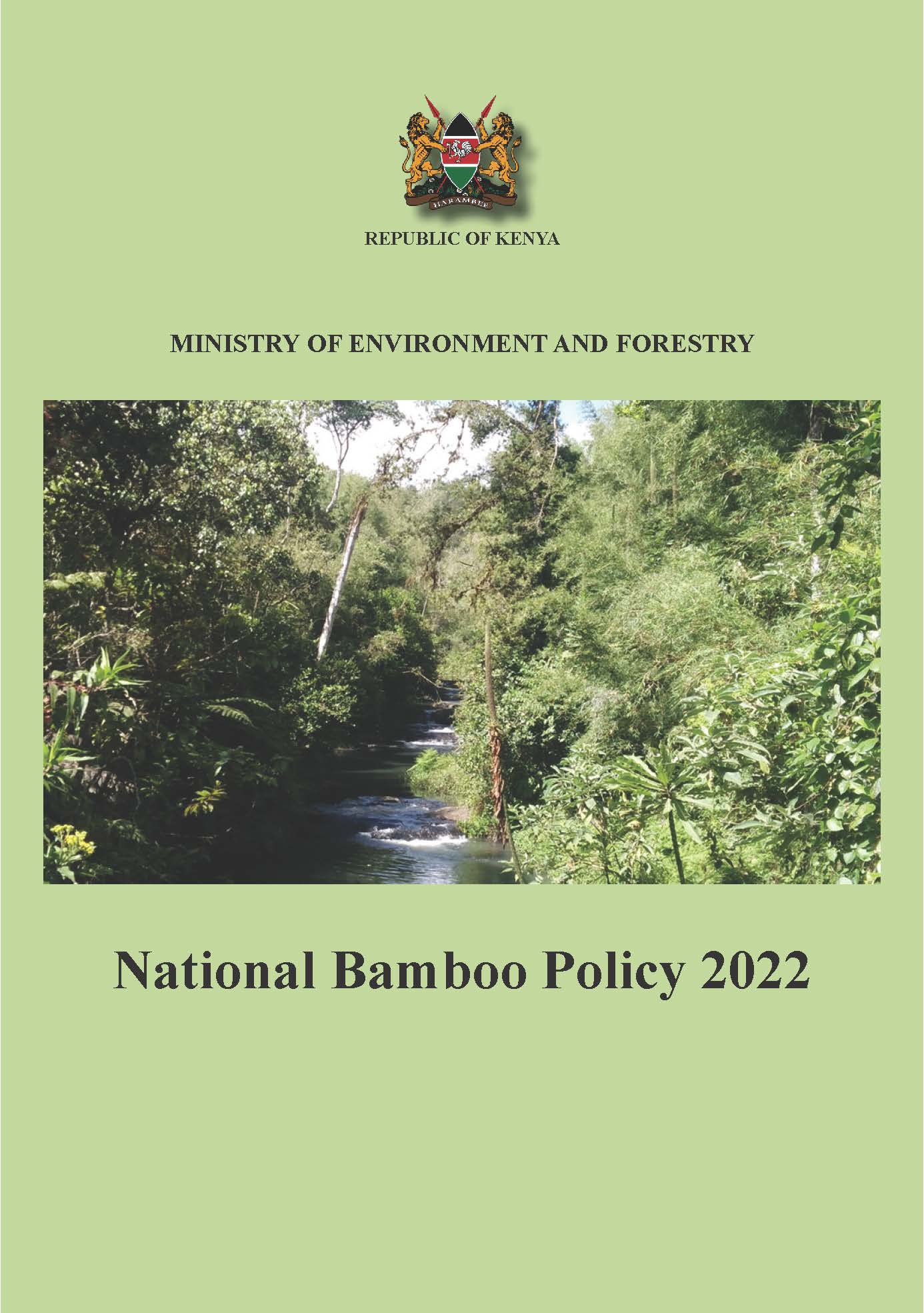
2022 Kenya National Bamboo Policy

Bamboo resources in Kenya are a valuable natural endowment that must be susta...

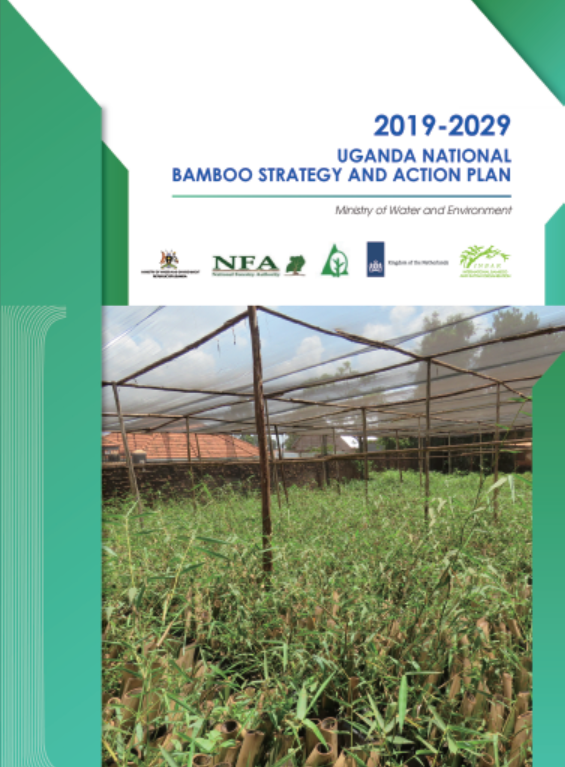
2019-2029 Uganda National Bamboo Strategy and Action Plan

This report was commissioned, developed and written by the Ministry of Water ...

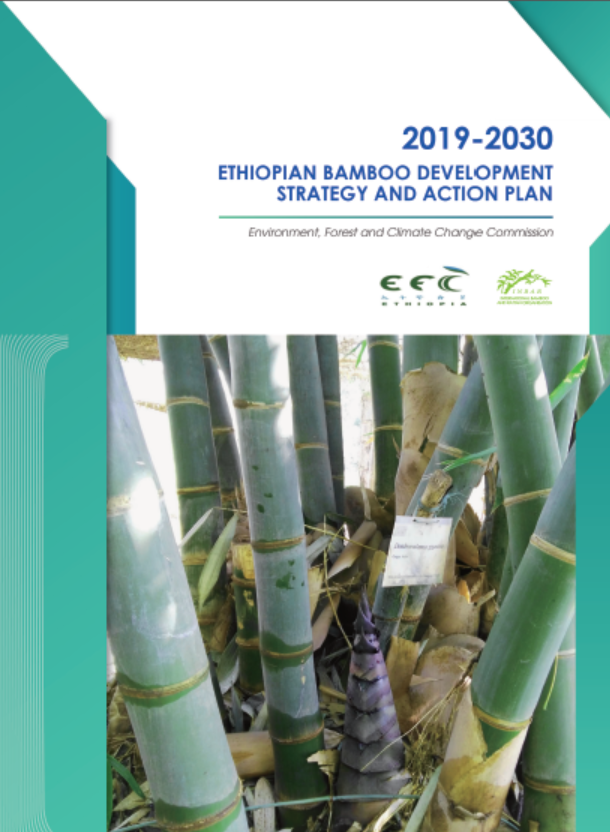
2019-2030 Ethiopian Bamboo Development Strategy and Action Plan

This report was commissioned, developed and written by the Environment, Fores...

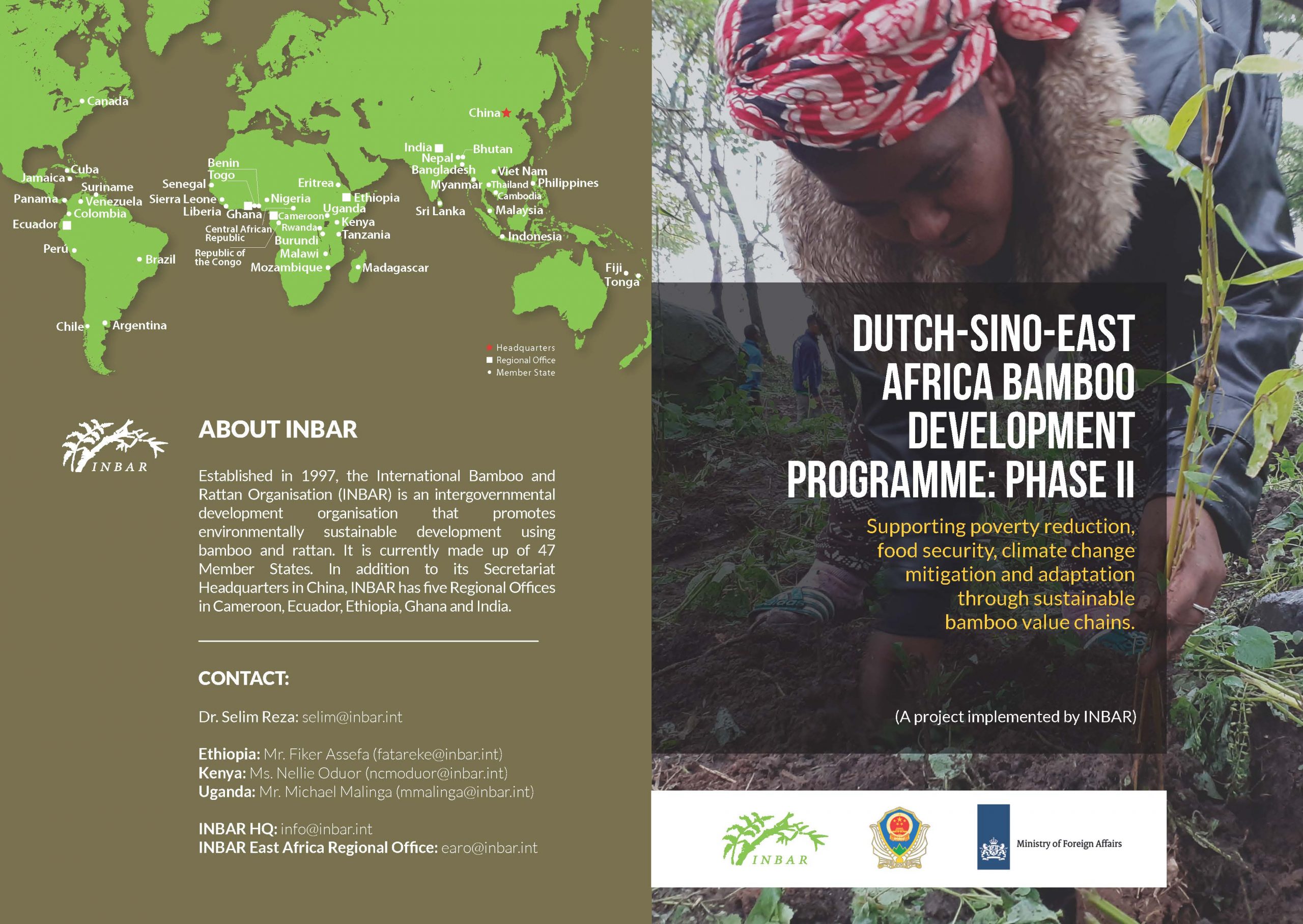
Dutch-Sino-East Africa Bamboo Development Programme Phase II - Brochure

This brochure introduces the second phase of the Dutch-Sino East Africa Devel...

Bamboo Site-Species Matching Study in Kenya

This report on bamboo site–species suitability matching for Kenya is expected...

Bamboo Site-Species Matching Study in Uganda

This report on bamboo species’ site suitability matching for Uganda is expect...

Bamboo Species-Site Matching Study in Ethiopia

This study on bamboo species-site suitability matching for Ethiopia is intend...