 News
NewsEasing financial restrictions on Uganda’s bamboo sector

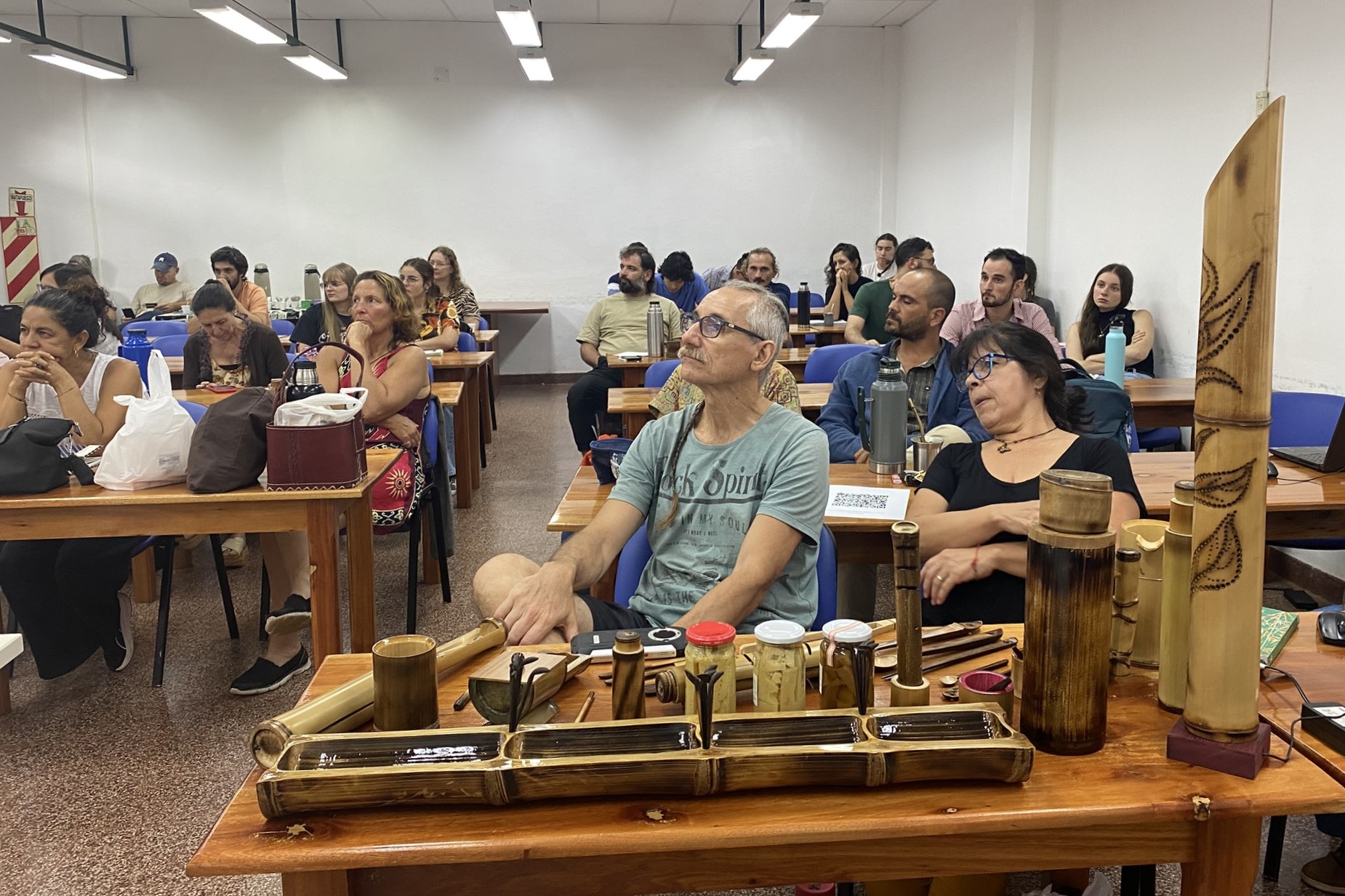
INBAR held a bamboo awareness workshop for bankers and representatives from financial institutions on the investment potential of the bamboo sector.
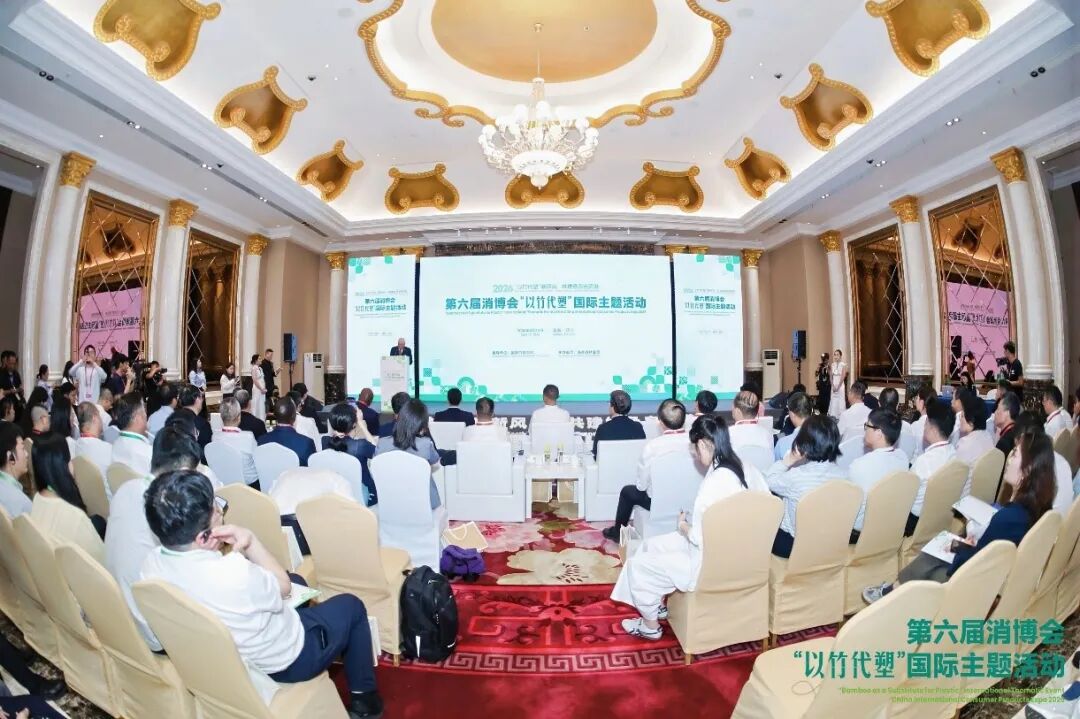
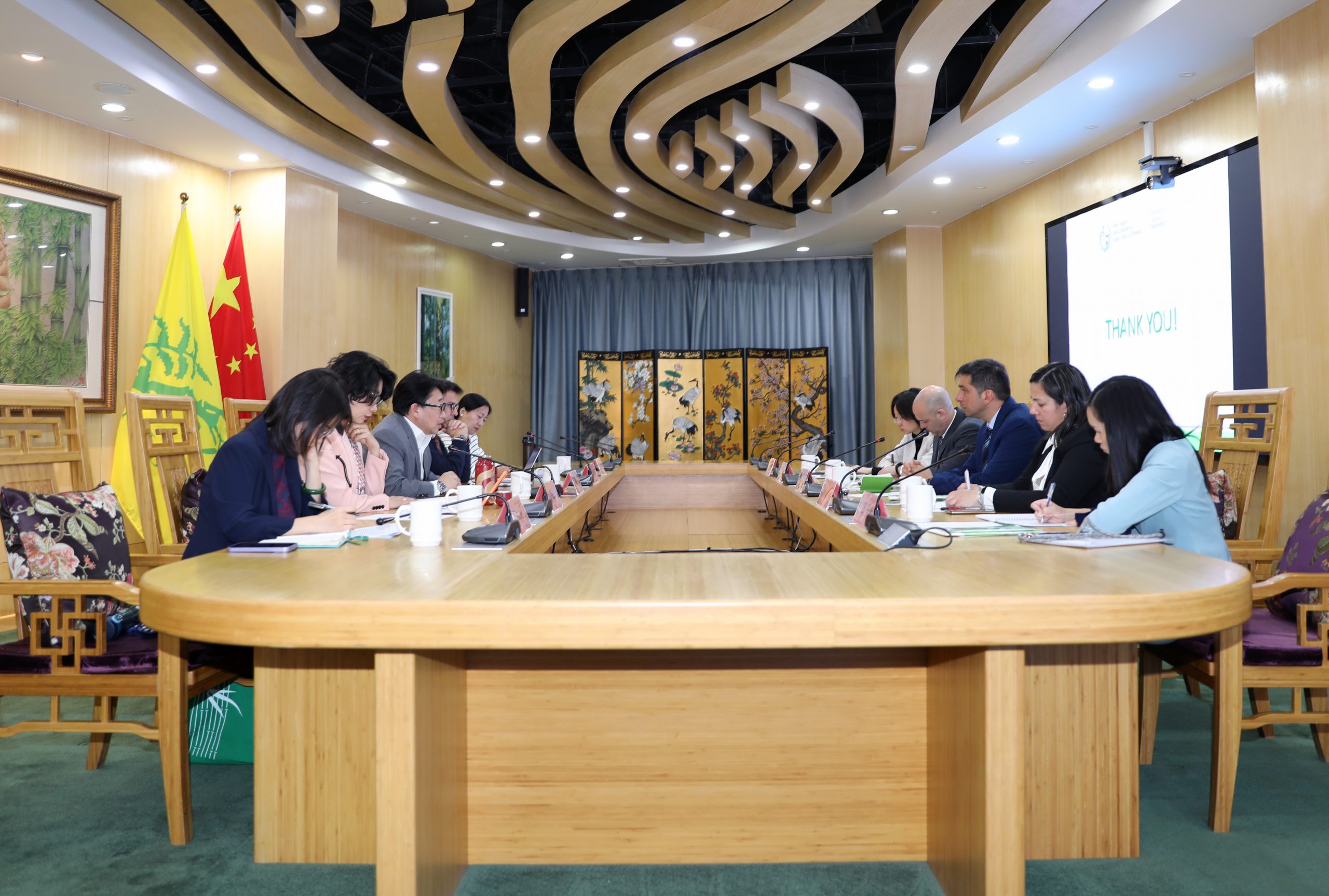
INBAR held an awareness workshop in April to sensitize Ugandan financial institutions about the investment potential of the bamboo sector. The workshop also facilitated discussion on potential business collaborations between investors, entrepreneurs and monetary institutions. Participants included stakeholders from Uganda development and commercial banks, micro-financial institutions, line ministries and the private sector.
In his opening remarks, Dr. Steward, Director for Plantations at the Uganda National Forestry Authority (NFA), noted that through the introduction of a comprehensive bamboo strategy and action plan, it is now envisaged that by the end of 2030, Uganda will become one of the leading high-value bamboo producers and suppliers in Africa. To achieve this vision, all stakeholders should work in unison to sustainably manage the country’s bamboo resources and promote bamboo industries by properly implementing the strategy. It is with this rationale, the director continued, that the Government of Uganda is collaborating with INBAR through the NFA to coordinate bamboo development initiatives in the country.
The workshop hosted 29 participant from diverse areas, underlining the significance of the event in terms of stimulating monetary institutions to consider the bamboo industry as a potential business client. They went on to express their readiness to work with the private sector, especially with small and medium-sized enterprises (SMEs), to enhance innovation as well as improve technology and product quality in the development of the industry. Mr Ronald Mugabi, Manager for Business Growth and Development at Equity Bank, shared his experience of reading about bamboo when processing a loan facility for a client from the Uganda Bamboo Association to construct a bamboo treatment plant. The client was able to sell the treated poles and repay the loan with interest in time. This helped the client’s business become prosperous.
Nevertheless, bankers also pointed out their reservations on the viability of local bamboo SME businesses. Representatives from the financial institutions expressed that most banks have financial products that suit the sector but need to make sure that proposals meet the principal requirements to secure a loan from a bank, e.g., they must be fully incorporated under the laws of Uganda, have audited reports and more. Mr. Abdul Nkyanika Nsibambi, the Holding Business Manager of Centenary Bank, said his bank is willing to create and manage a bamboo fund from investors which will avail loans to the sector as a solution to the financial limitations faced by stakeholders across the value chain, but enterprises need to meet requirements of the bank. The participants expressed that INBAR should prepare presentations for the boards of directors of different financial institutions and banks to generate awareness in decision-makers about the need to streamline loans for the bamboo sector.
Representatives from bamboo enterprises said that financial limitations remain the main problem to intensify bamboo investments in the country. They expressed that the government, in collaboration with bankers in the country, should not only facilitate access to finance but also consider launching a dedicated bamboo fund to attract more entrepreneurs and investors into the sector. Mr. Ndawula Kalema of Talent Agro Farm encouraged bankers to think and plan for bamboo as their retirement or a potential alternative source of income. He further mentioned that bamboo has many uses in agroforestry systems, forming a canopy for other crops in a short period of time.
As a way forward, participants agreed on the need for a dedicated national platform for bamboo sector development that would mobilize for regular trade fairs, exhibitions, raising awareness and promotional campaigns for the sector. They also reached consensus on the need for rolling out risk-sharing collateral mechanisms and skill development schemes for continued improvement of the sector performance and its competitiveness in local and international markets.
This workshop comes as a response to the ten-year Strategy and Action plan for Bamboo Sector Development (2019 – 2030) of the Government of Uganda which has been adopted by relevant agencies to increase and add value to bamboo development, sustainable management and utilization efforts. One of the major pillars of the plan is to develop pro-poor industries and SME value chains that would create income and employment for smallholders, women and youth.
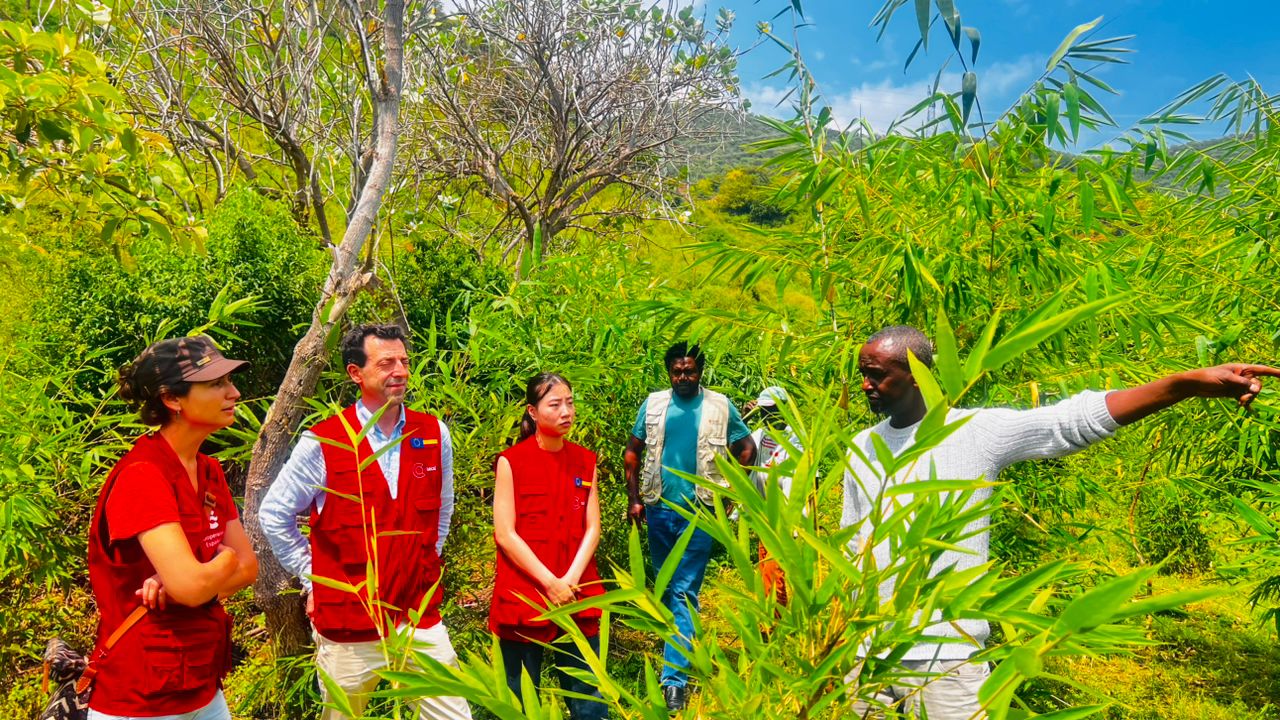
In East Africa, INBAR taps into investment opportunities of the Ugandan bamboo sector, supporting the industry and SME value chains across the country. Through the Dutch-Sino East Africa Bamboo Development Programme II, it is currently working with different stakeholders to attract investors and entrepreneurs into the bamboo sector and enhance the business and trade environment in Ethiopia, Kenya and Uganda.