 News
NewsTraining on bamboo species site matching kicks off in Nairobi

Training underscores the importance of selecting the right bamboo species for the right environment to maximize utility and benefits for rural communities.
Bamboo is a highly adaptable and useful plant with tremendous potential for stimulating economic growth and sustainable development. Growing bamboo allows rural communities to improve their livelihood, food security and environmental resilience efforts.
Bamboo has been growing in Kenya across various areas for nearly three decades. Several important factors have recently given rise to new demand for bamboo cultivation around the country, including the introduction of over 22 exotic species in eco-regions/domestication of certain species on farms by the Kenya Forestry Research Institute (KEFRI), declaration of bamboo as a cash crop, successes in tissue culture production of some species, and launching the National Bamboo Policy 2022.
The bamboo species site matching study, which highlighted the geographic locations of introduced species, their suitability to eco-climatic sites where they have been planted, and their growth and yield performance has been recently published under the Dutch–Sino–East Africa Bamboo Development Programme (Phase II). In Kenya, the bamboo industry is multisectoral, involving multiple government ministries, NGOs, CBOs, research institutes and universities, as well as support from INBAR and others.

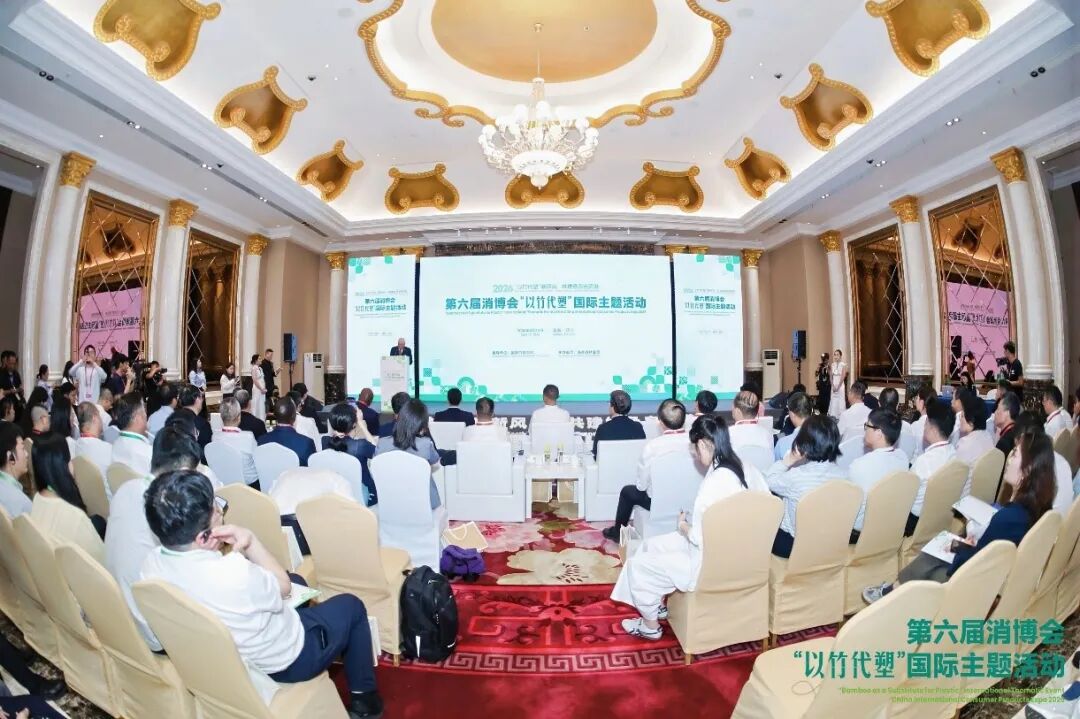
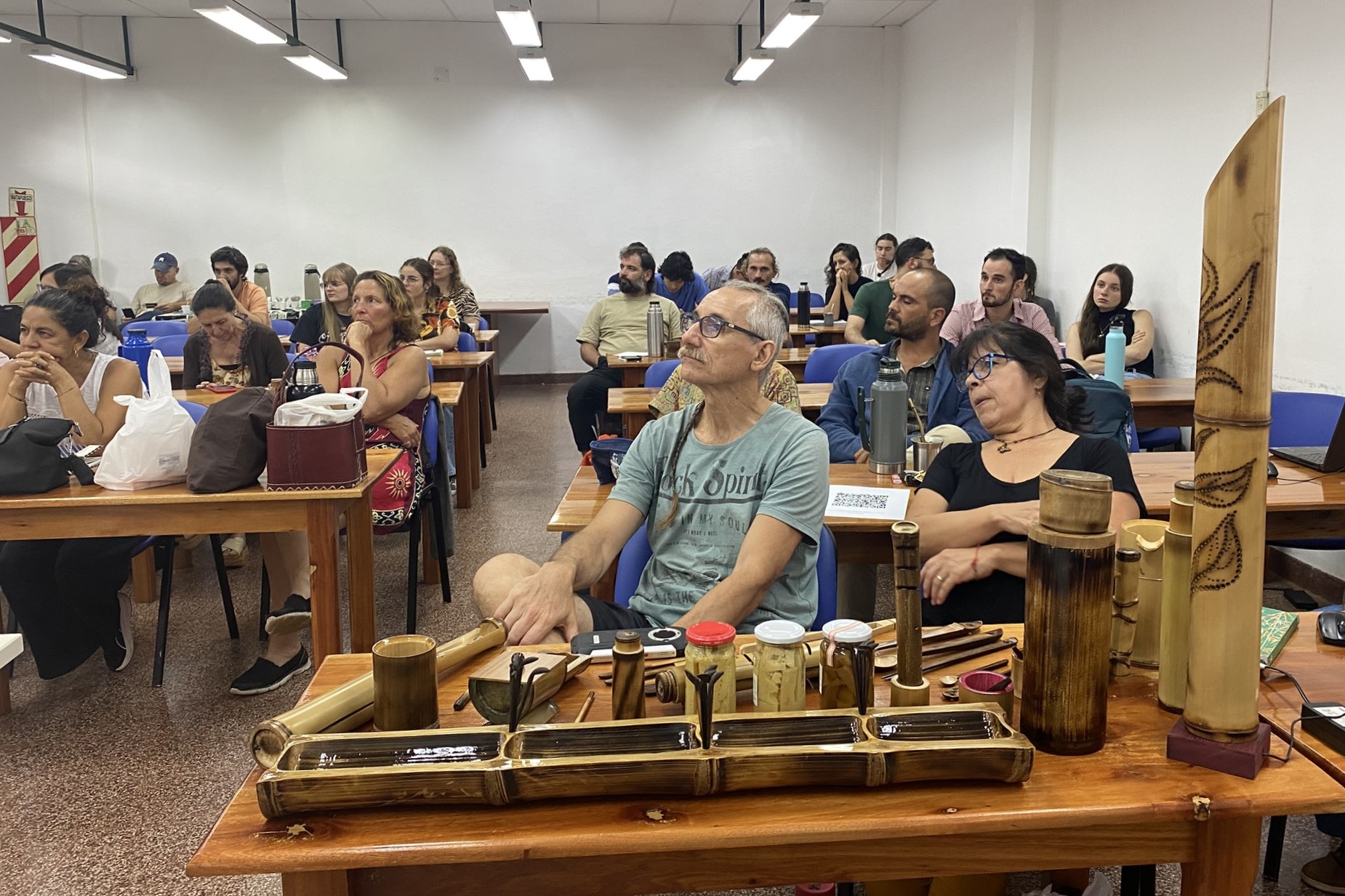
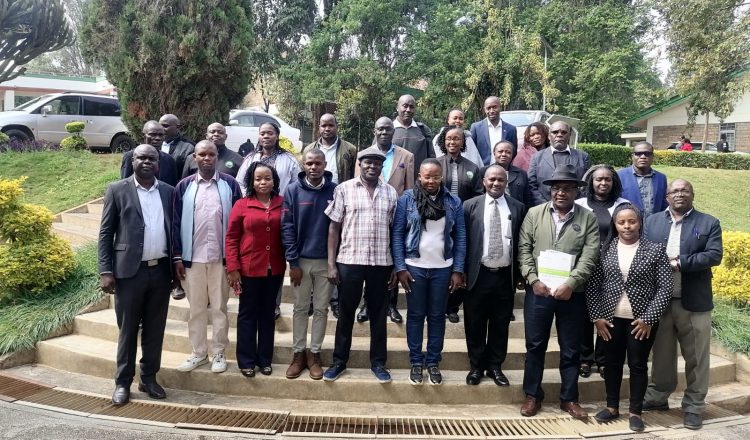
Participants gathered at Kenya Forestry Research Institute Headquarters in Nairobi to discuss the latest updates on bamboo species site research.
On 26 June 2023, INBAR conducted a training on Bamboo Species Site Matching at Kenya Forestry Research Institute Headquarters in Nairobi. The goal was to share research findings from the bamboo species site matching study with bamboo stakeholders as well as offer recommendations to steer bamboo development and receive feedback from industry stakeholders in order to help boost public and private sector investment. This, in return, would improve employment and livelihood opportunities while strengthening value chain governance and institutional mechanism.
A total of 33 participants from a wide range of organizations participated, with representatives coming from the Kenya Forest Service, Kerio Valley Development Authority, Ewaso Ng’iro South Development Authority, Kenya Forestry Research Institute, Kenya Water Towers Agency, private sector, civil society, bamboo co-operatives and academic institutions.

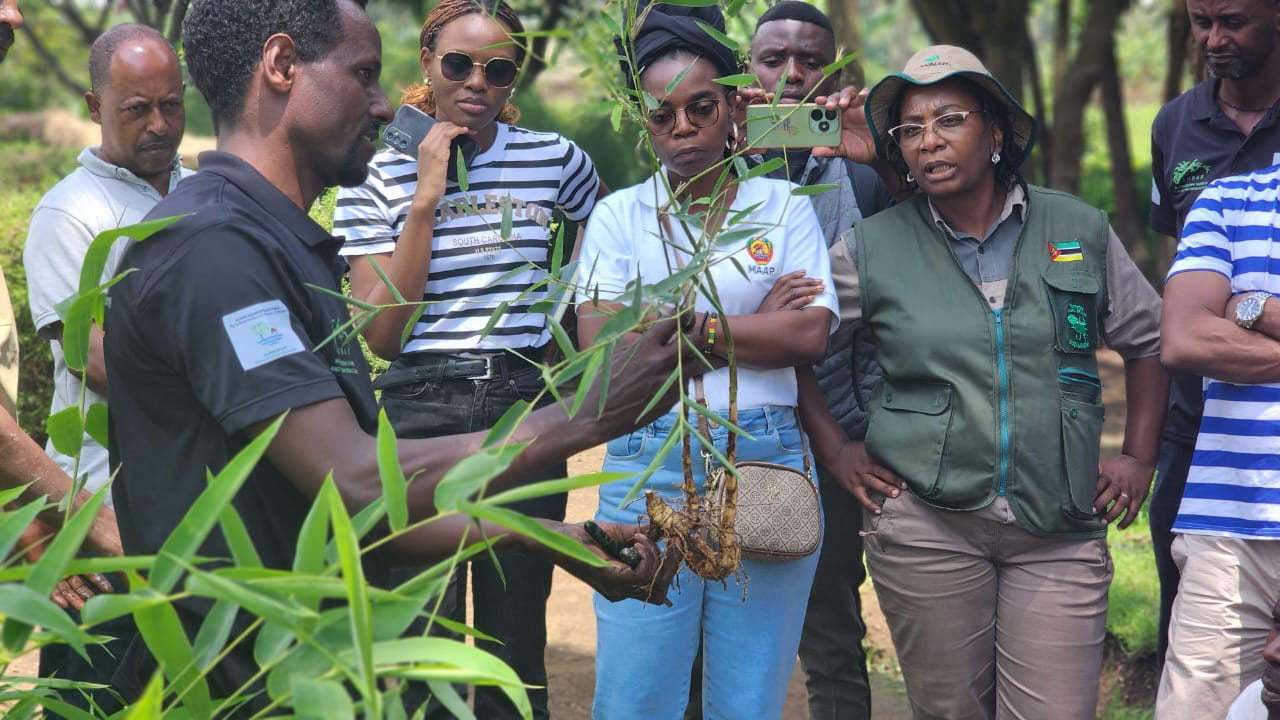
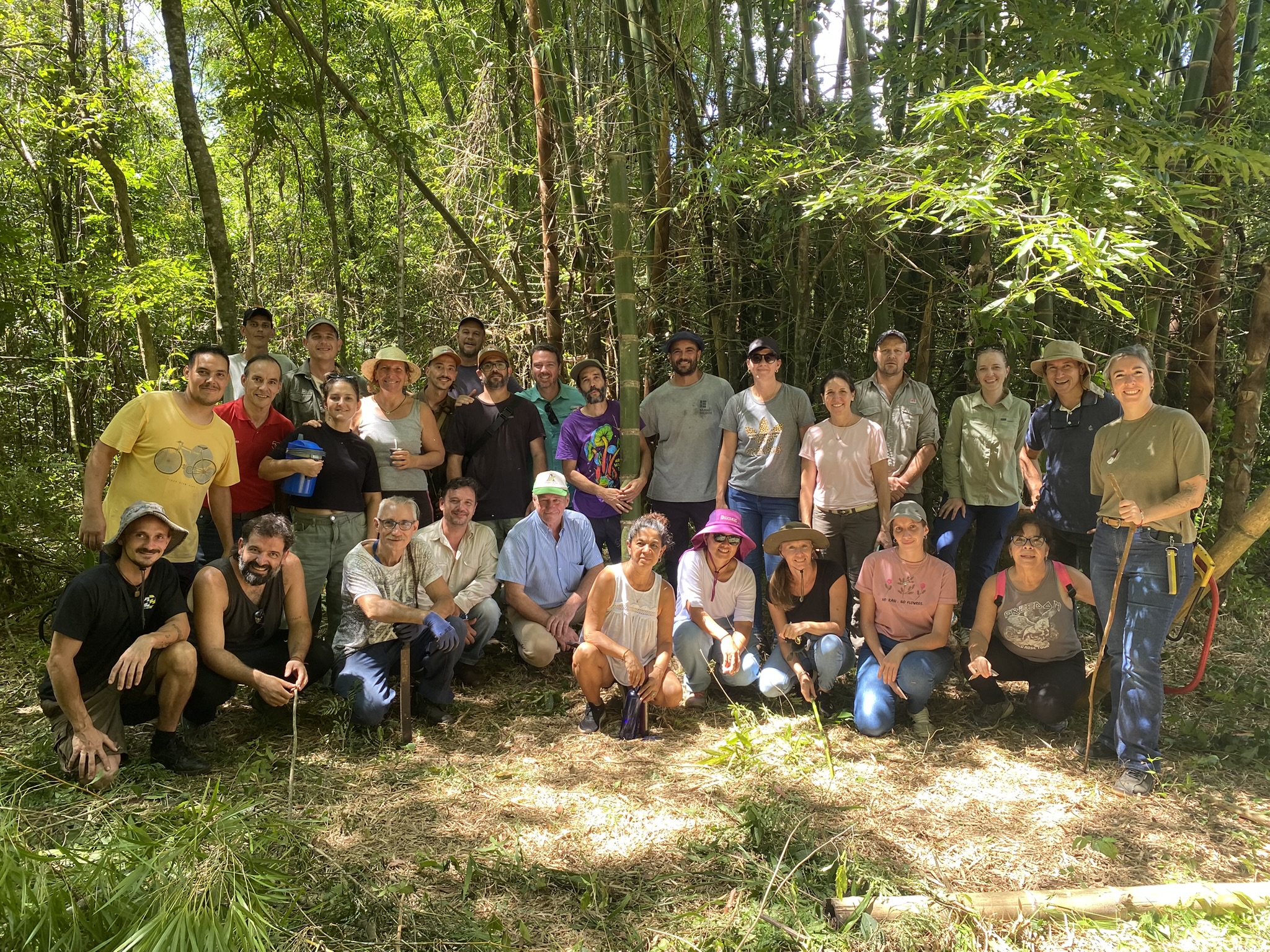
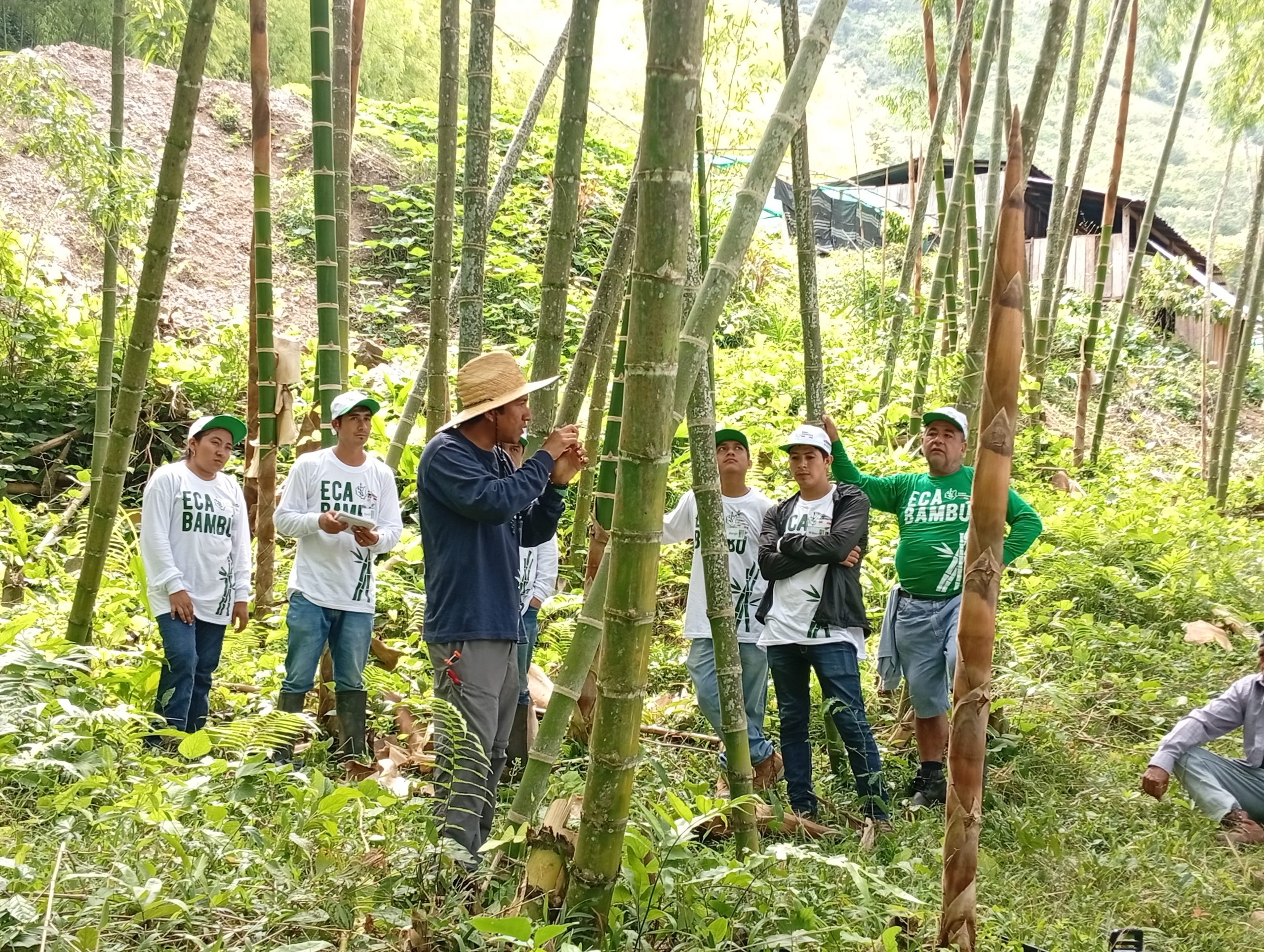
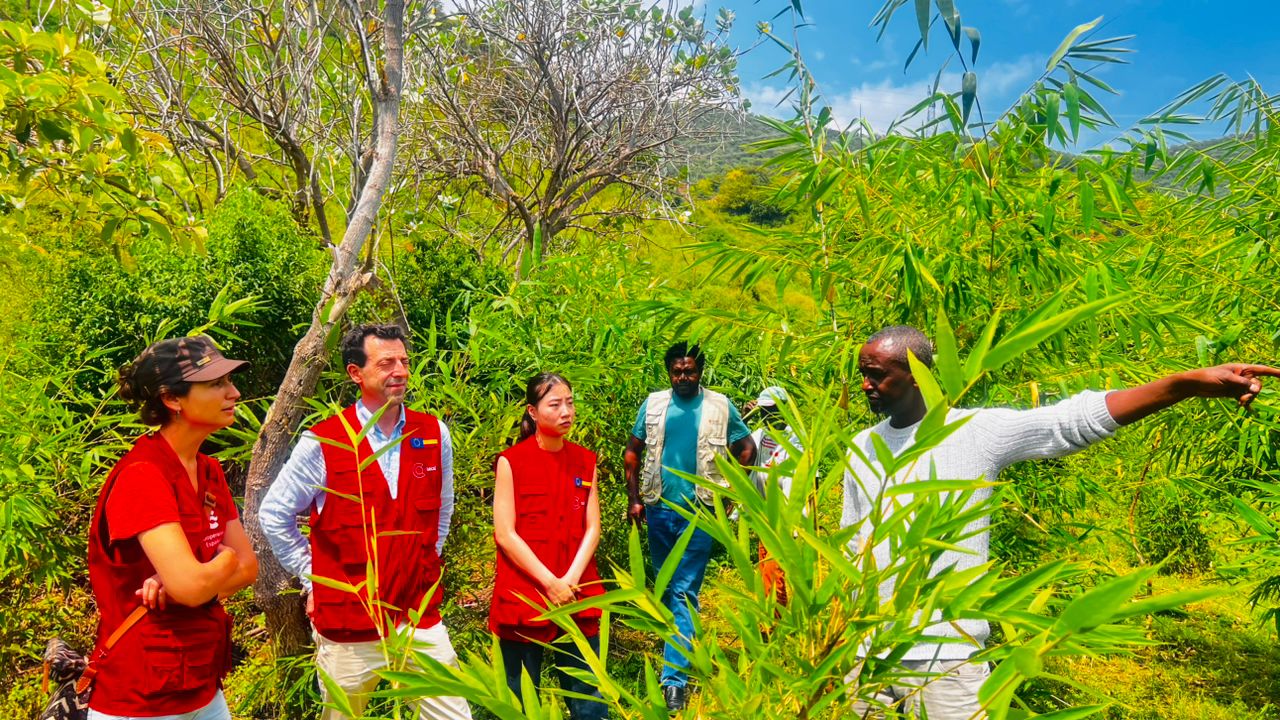
The workshop included an outdoors hands-on component.
Mrs. Nellie Oduor, National Project Coordinator of the project, welcomed participants to the workshop and provided an overview of the Dutch-Sino East Africa Bamboo development programme. She stated that the goal of the programme was to enhance climate adaptation and mitigation by developing inclusive and sustainable industrial and smaller-scale bamboo value chains.
Expected project outcomes were mentioned as to improve employment and livelihood opportunities through the strengthening and diversification of small and medium enterprises, specialization of industrial value chains, bolstering value chain governance and institutional mechanisms, improving yield and quality, and establishing and reinforcing multi-stakeholder platforms at national and regional levels.