News
NewsKenya phasing out single-use plastics with bamboo
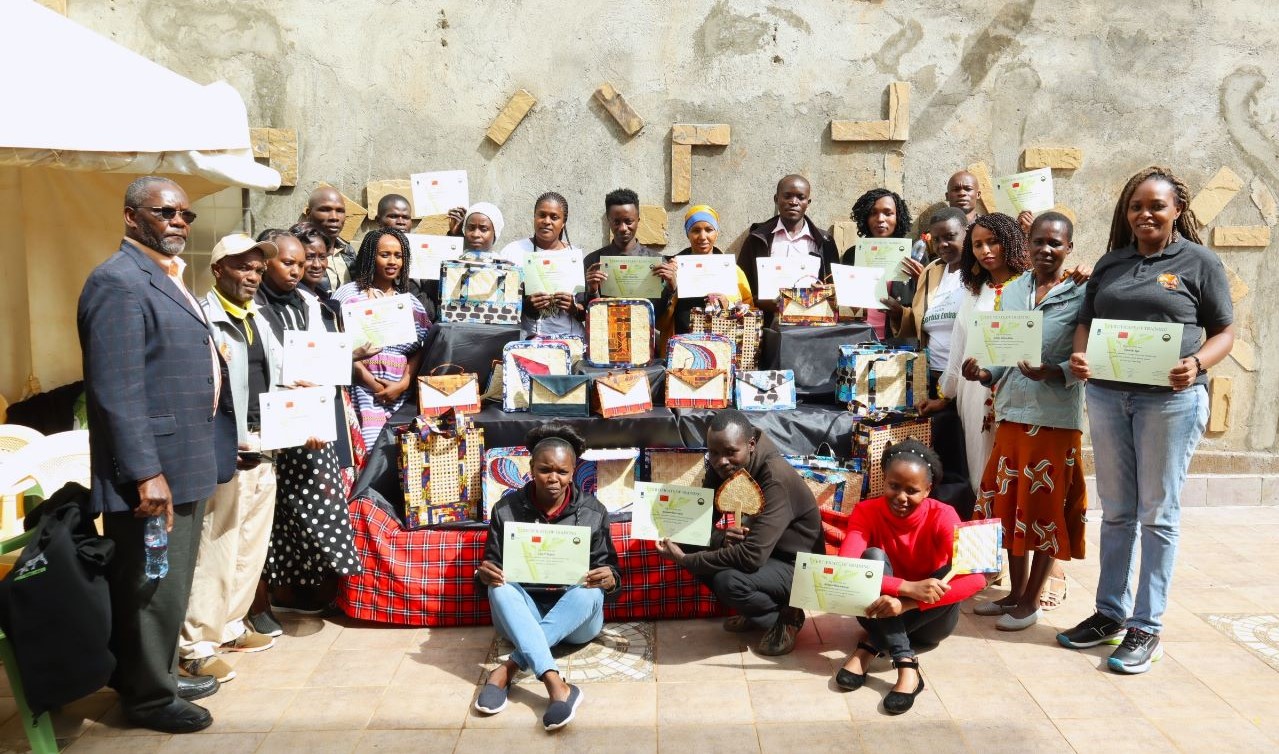
Skill development workshop demonstrates the potential for bamboo handbags to replace plastic goods.
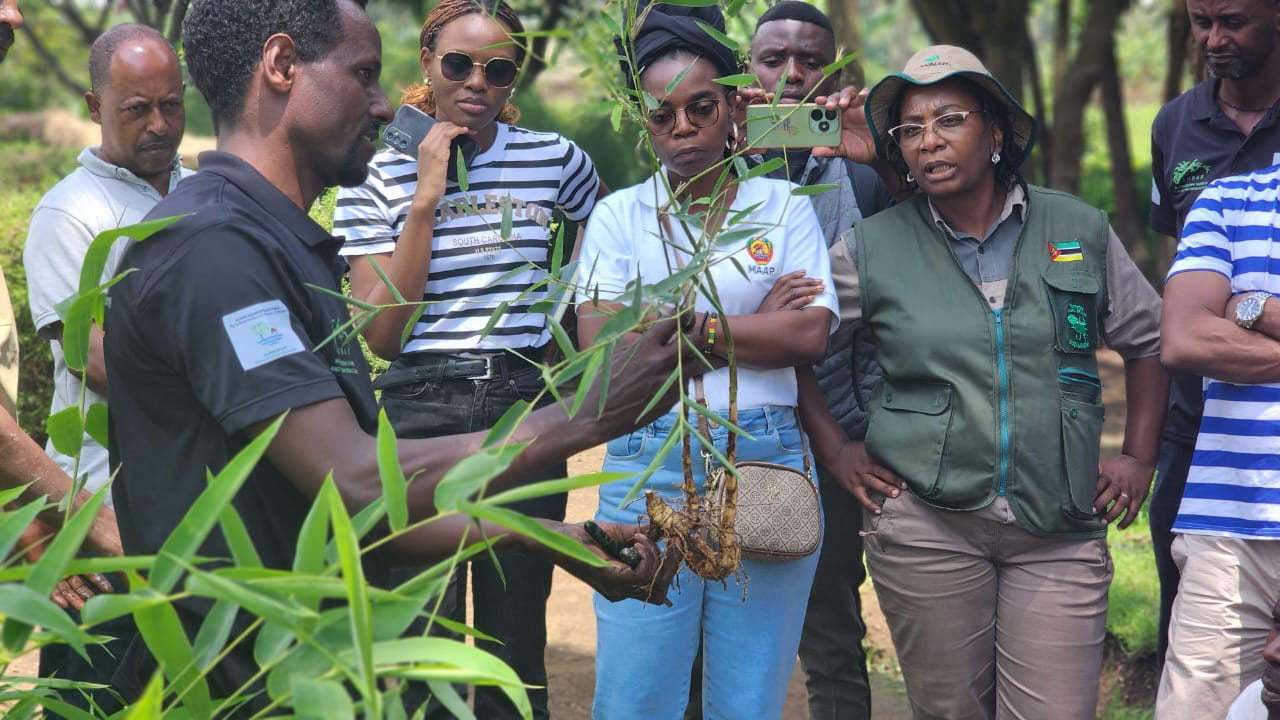
Recently, INBAR held a skill development workshop on bamboo handbags with 18 participants from community forest organizations and bamboo businesses in Nairobi, Kenya. Instructors from Ethiopia’s Woinshet Fikerte and Friends Bamboo Works Enterprise facilitated the training.
Ms. Nellie Oduor urged the participants to approach the training seriously and view the task of developing enduring and high-end bamboo products as a challenge to be overcome. Training included the processes used to make bamboo handbags as well as an introduction to the materials, tools and equipment. Over the 10-day course, six distinct designs were created, and each team was given a bamboo handbag to use for marketing the final product at home.
In addition to thanking everyone who contributed to the training’s success, Mr. Gordon Sigu complimented INBAR for promoting the growth of the bamboo industry in Kenya. He advised the students to impart their knowledge and talents to other bamboo technicians and apply what they had learned to improve their own lives. In order for bamboo handbags to be more competitive on the market and to encourage bamboo farmers who only sell their culms at the farm level, he underlined the importance of setting standards.

Participants were awarded certificates at the end of the training.
The trainees expressed gratitude to the training’s organizers and acknowledged that the experience had been an eye-opening one. They also noted that the skills they had learned would play a significant role in enabling them to compete in the country’s bamboo industry. As the first group to receive this type of training in the area, they were prepared to use their newfound knowledge to empower others with related capacity building. Trainees also agreed to take part in the upcoming Kenya Youth in Forestry Conference to demonstrate the use of sustainable materials sourced from bamboo.
Since the prohibition on single-use plastics went into effect in Kenya in 2017 alongside the President forbidding their use in protected areas, Kenya has been striving to phase out single-use plastics, especially polyene bags, which have been used as carrier bags and are responsible for a high degree of environmental pollution. There is a rising need for reusable, secure, long-lasting and environmentally responsible carrier bags in order to comply with the legislation as the nation transitions to a greener economy. As a result, bamboo has enormous potential to facilitate this green transition.

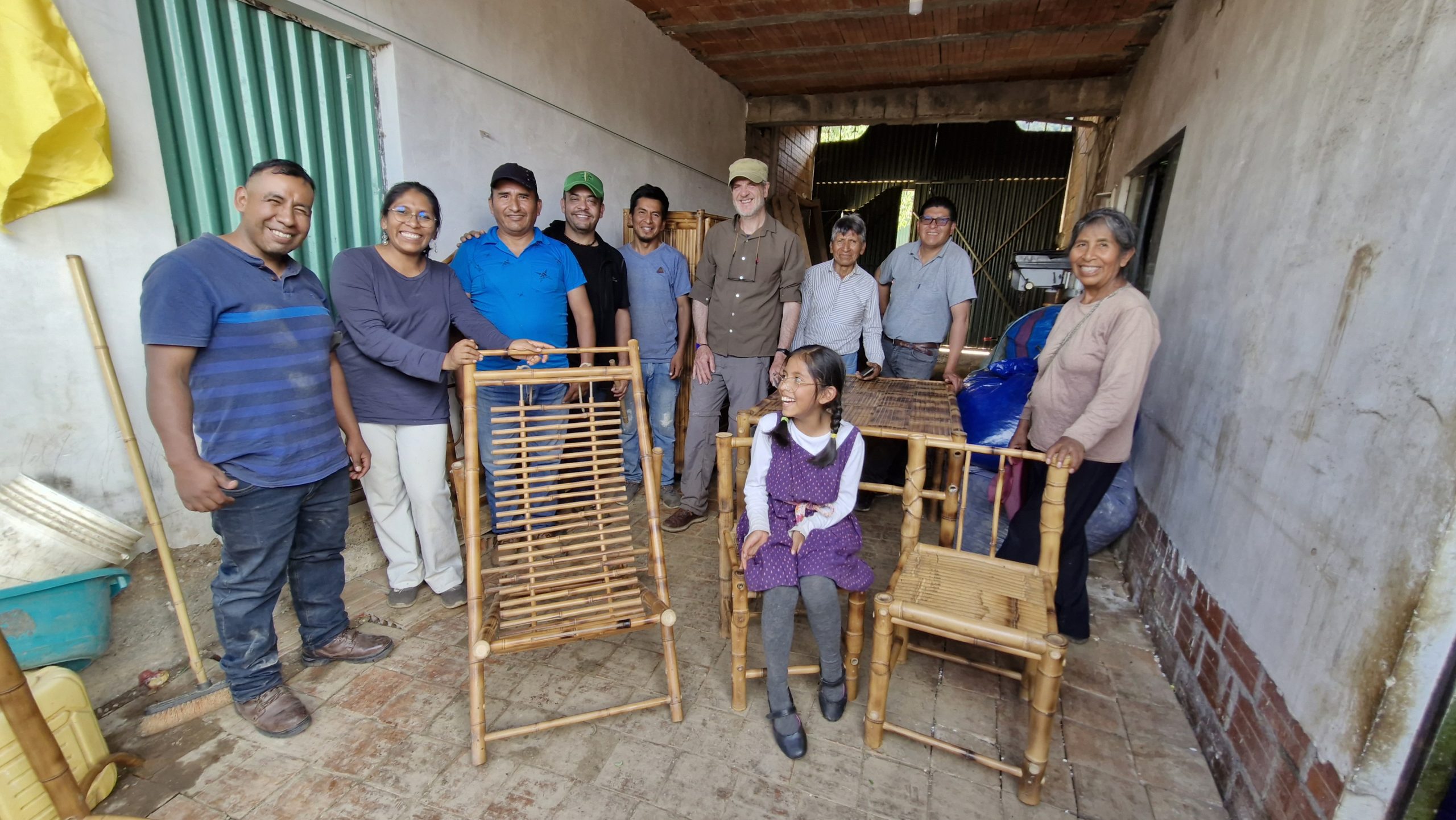
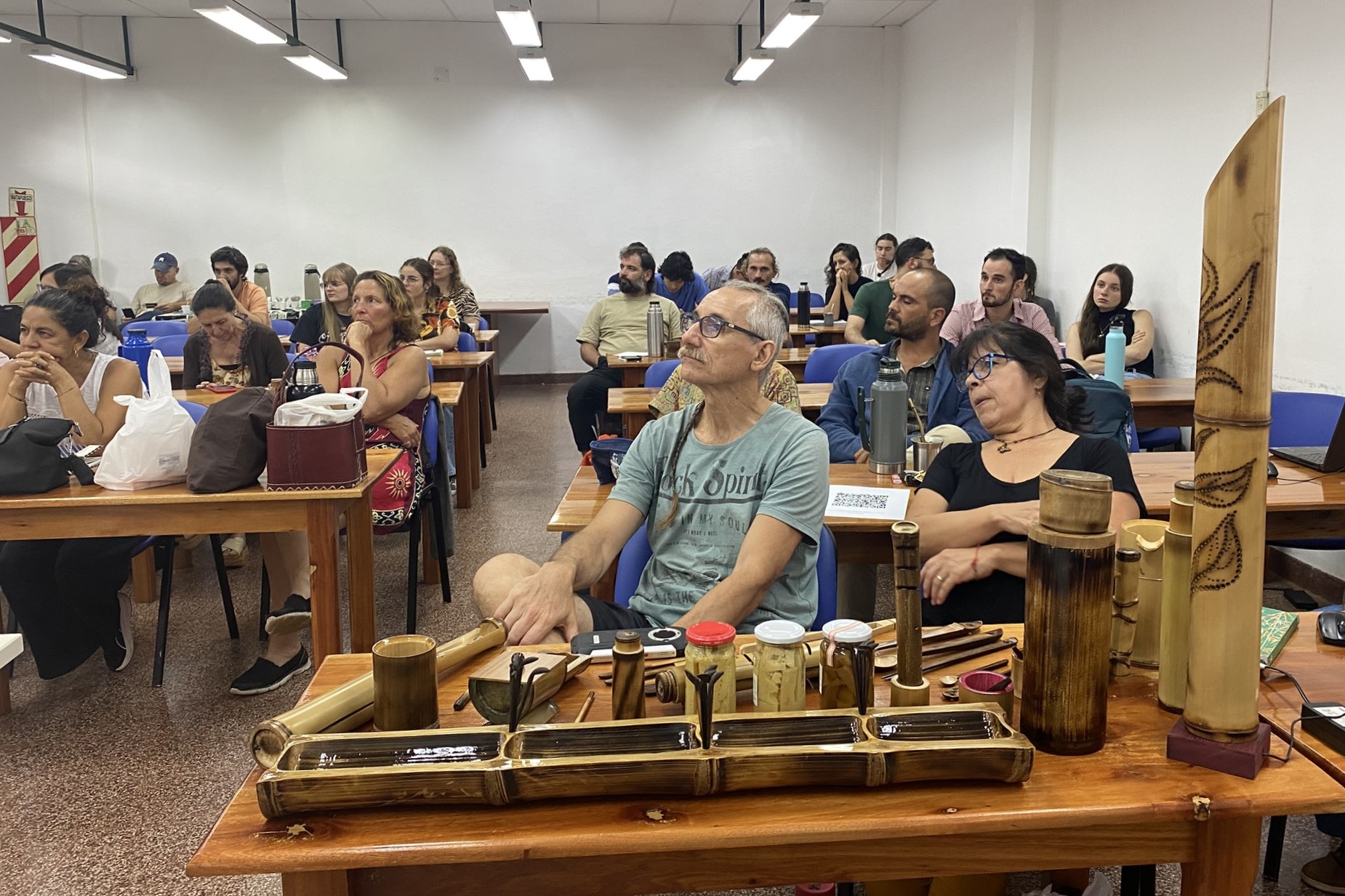
Handbag products on display at the event.
The Dutch-Sino East Africa Bamboo Development Program: Phase II supports livelihood development, food security and environmental management in East Africa. The project is working to transfer knowledge, technologies and policy experiences from Europe and Asia to help develop the bamboo sector in Ethiopia, Kenya and Uganda.