News
NewsBamboo: A powerful weapon against climate change

Plates are just some of the everyday products that can be sourced with bamboo materials.
On a global scale, bamboo is now considered a sustainable and renewable resource with a high capacity to absorb carbon dioxide, with important applications in the fight against climate change.
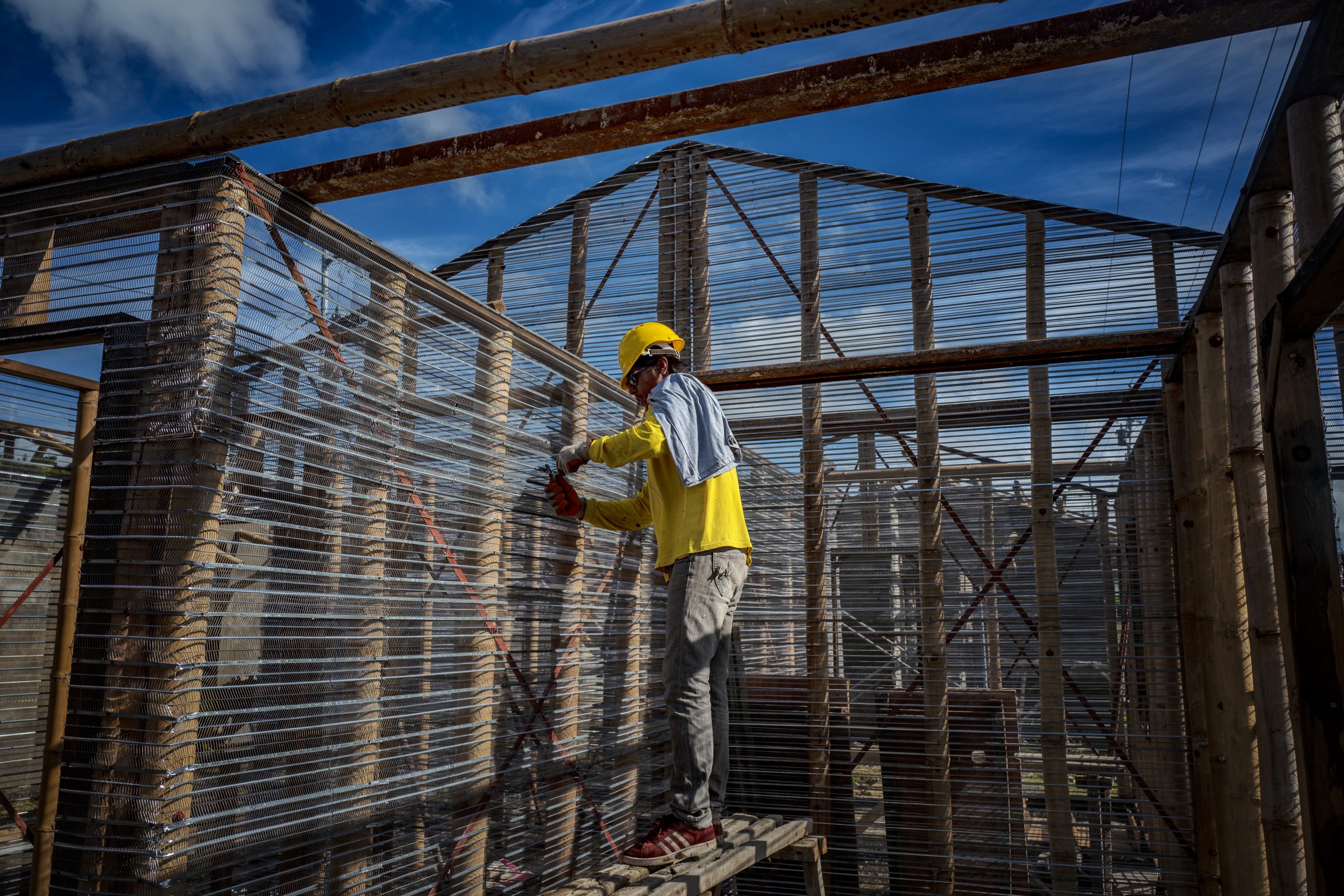
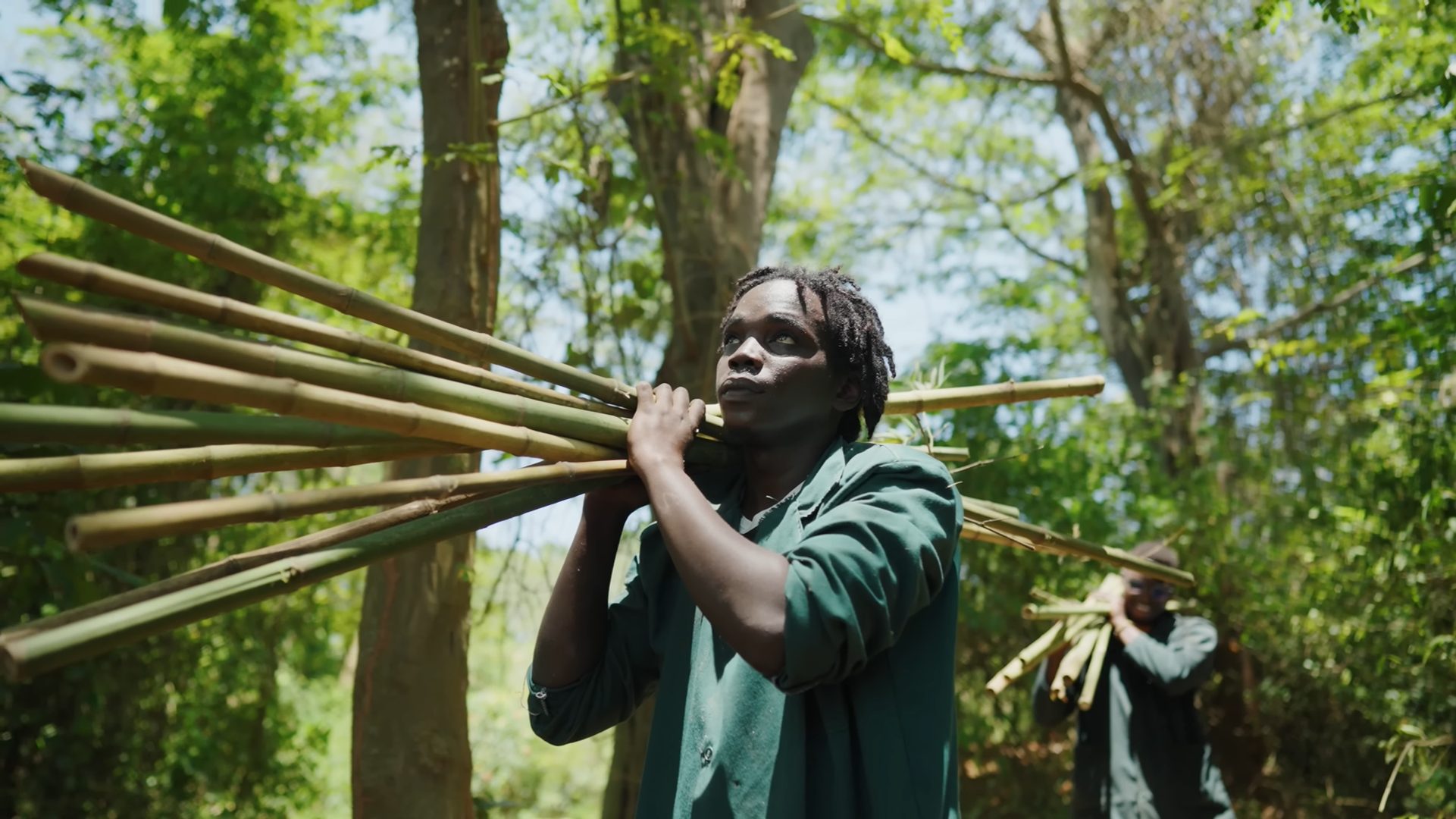
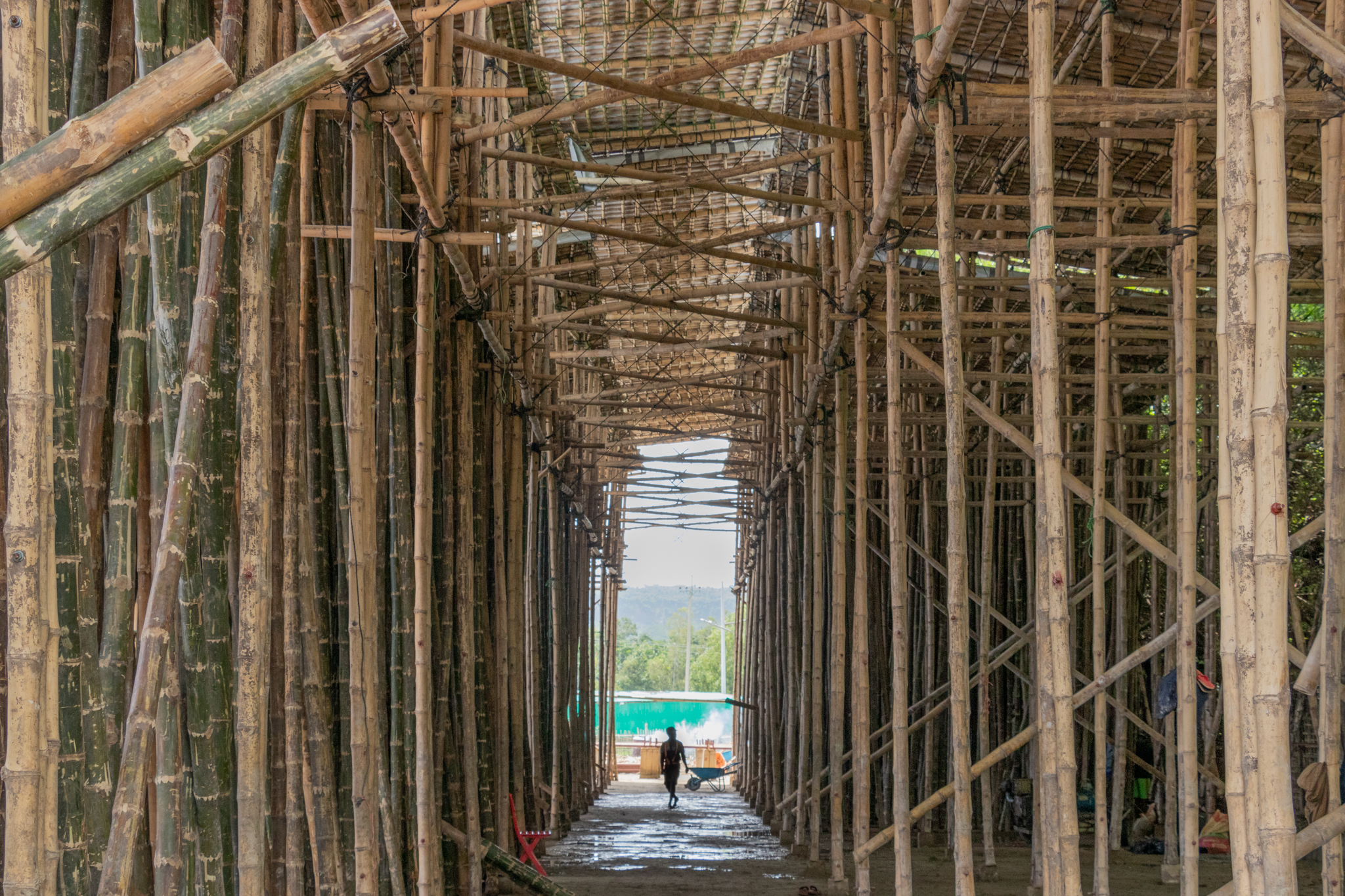
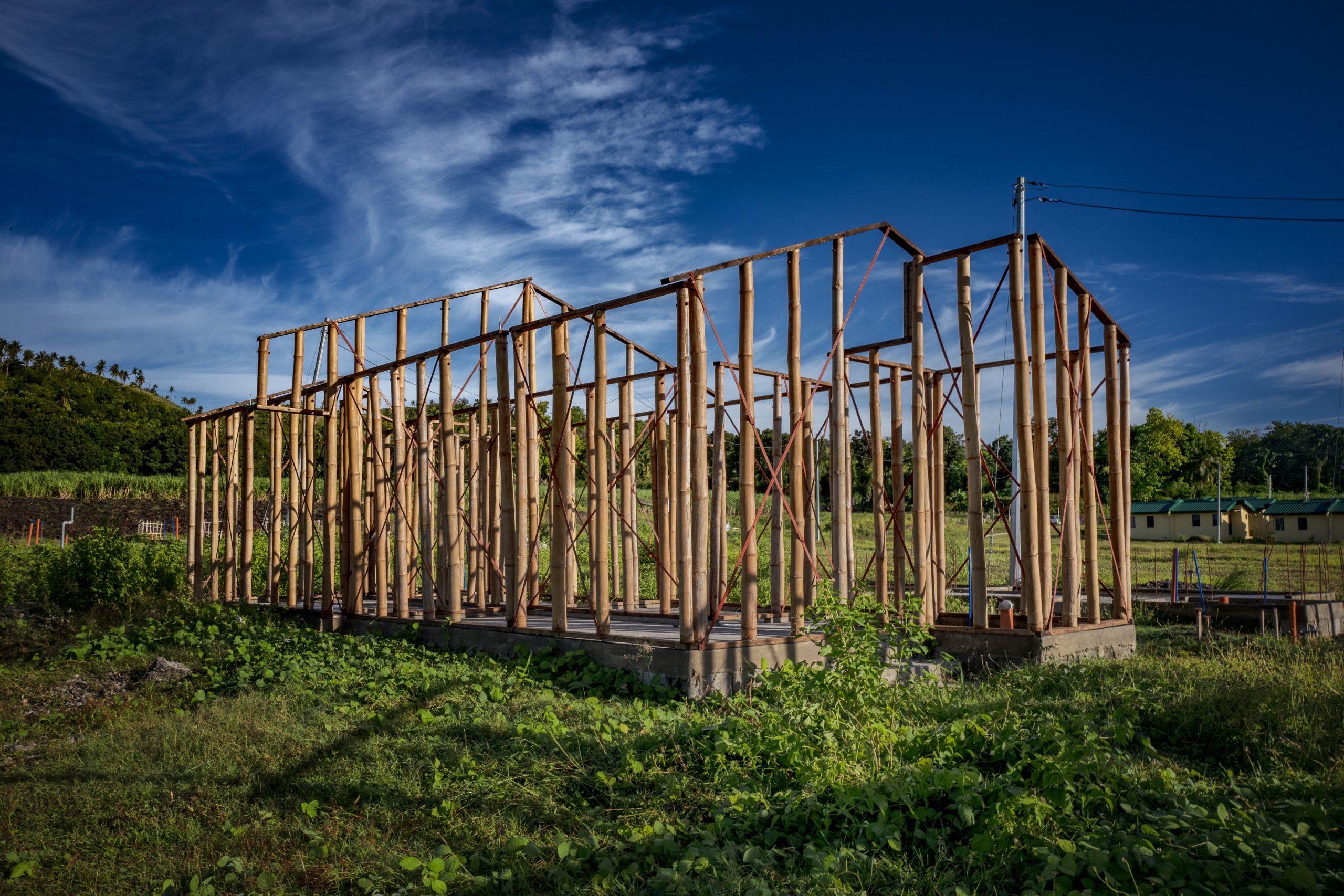
Bamboo, the forest resource distributed over at least 35 million hectares of land much of which can be found in the Global South, has many different uses. Since ancient times, it has been used in the construction sector, but recent technological advances have allowed it to expand its applications into various products from packaging, paper, furniture, handicrafts and more.
Around the world, more and more initiatives are being launched that are committed to promoting sustainable consumption to lower overall environmental impact on the planet.
One prime example of this is the company D Guadua SAS, which for the last five years has been transforming Guadua — a common bamboo genus in the Latin America — into ecological containers using its the stem leaf. “This leaf detaches from the Guadua during its growth phase. It is an abundant material in the region but underused, and that is why we are buying it from the producer and transforming it through non-chemical and non-polluting processes into dishes that help the environment,” mentioned Juan Pablo Ruiz from D Guadua SAS.
The idea of making these eco-friendly dishes was born on the Caribbean coast of Colombia. On one of his trips, the founder of the company was directly confronted with the problem of pollution from single-use plastics. He continued:
That was a turning point. I tried to no longer be part of the problem, which is precisely the purpose of D Guadua: To contribute to making a positive change by providing a responsible consumption alternative that is aligned with the needs of the planet and that contributes along the way to social, economic and environmental development in the region.
This Colombian firm seeks to boost the labor market in the country, directly purchasing raw material from the producer. One of the main objectives of the firm is to strengthen the position of Guadua within the production chain.
Bamboo is a versatile and highly adaptable resource in other countries too, like Panama. This area is also home to activities that promote bamboo as an alternative to other less sustainable materials.
The company Grupo Calesa together with the National Secretariat of Science and Technology has been undertaking an environmental conservation project with the purpose of producing bamboo at scale through biotechnologies in order to generate seedlings for reforestation activities in the short term.
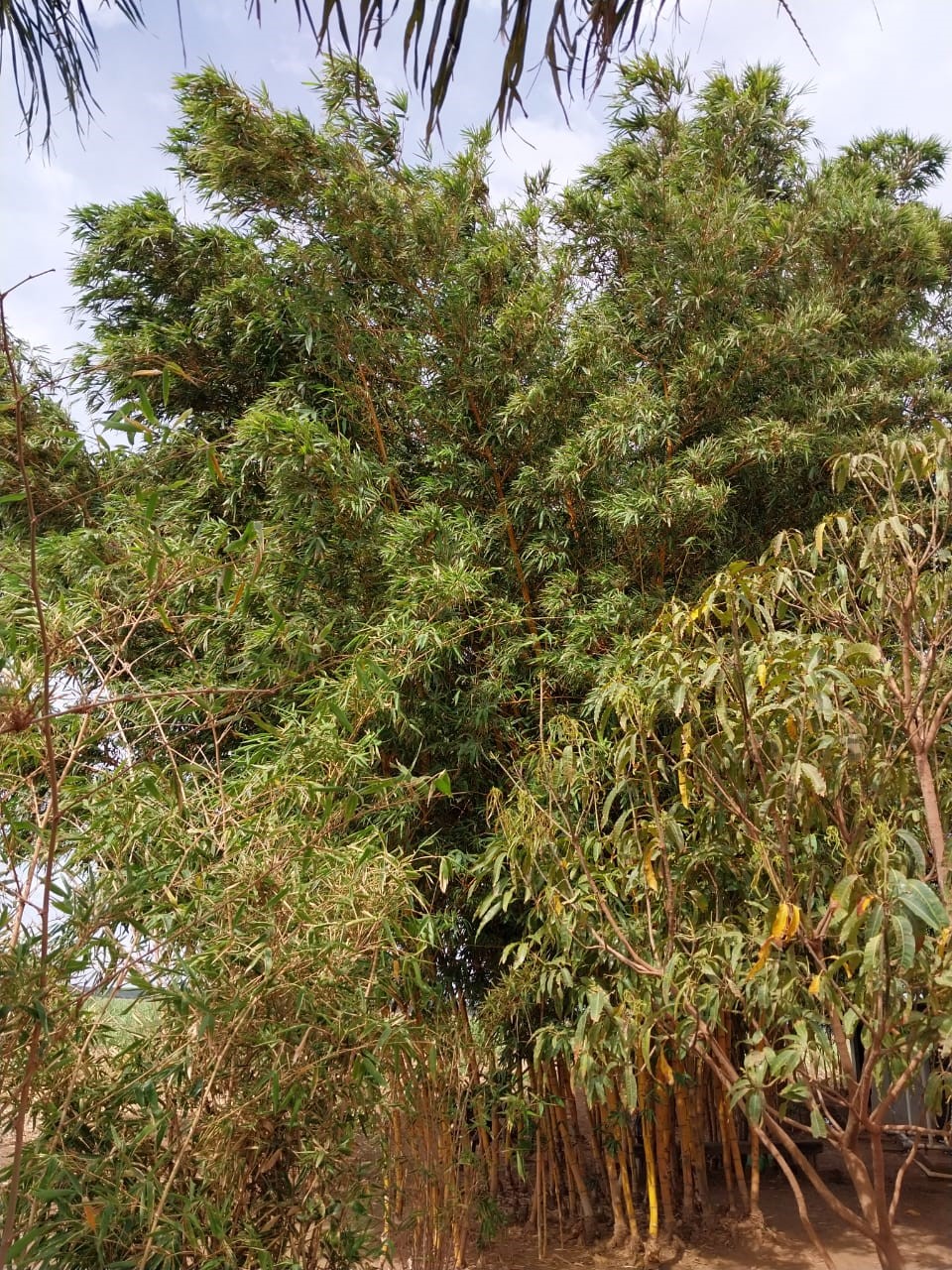
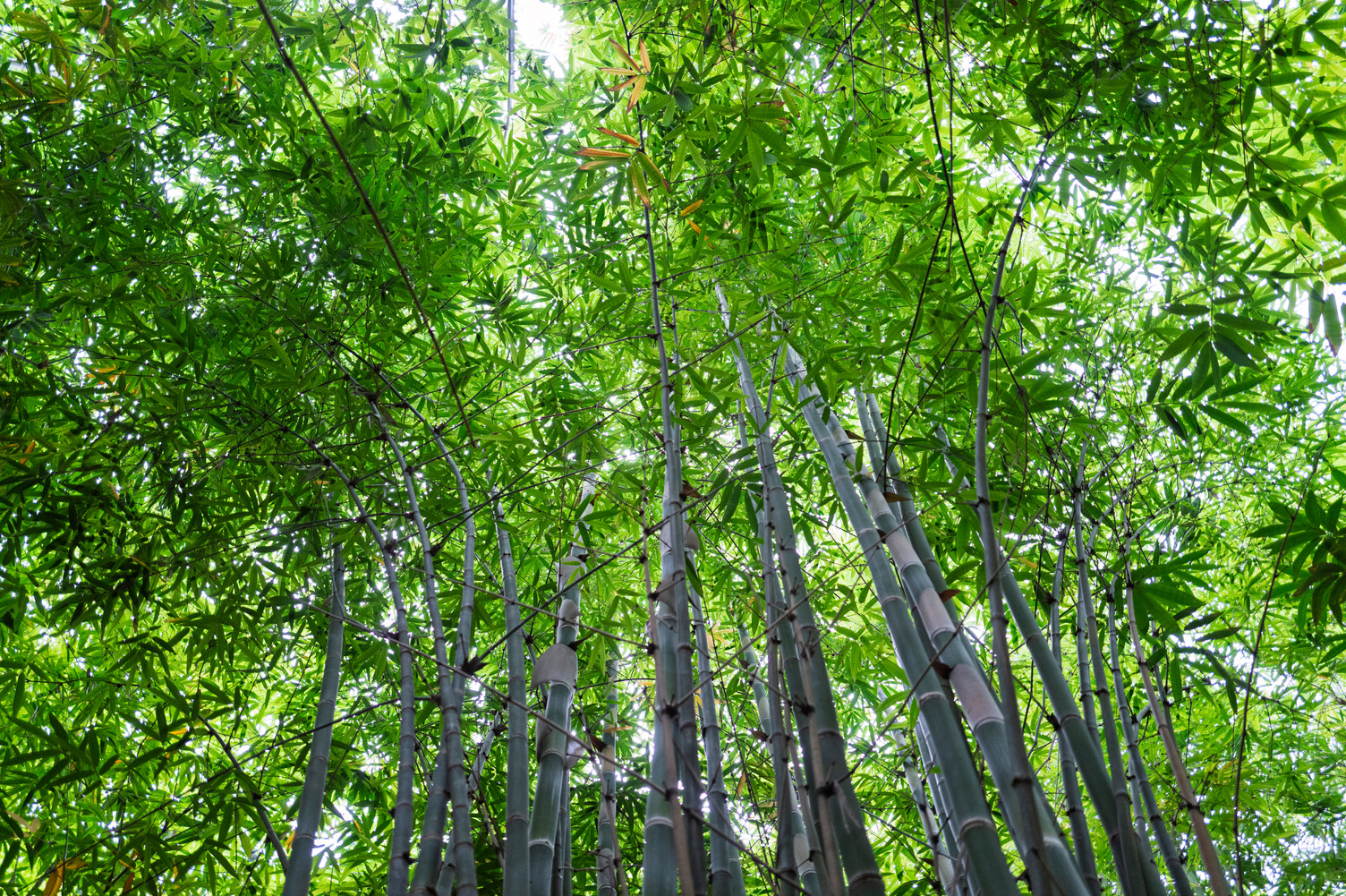
Bamboo growing in Panama. Credit: Grupo Calesa.
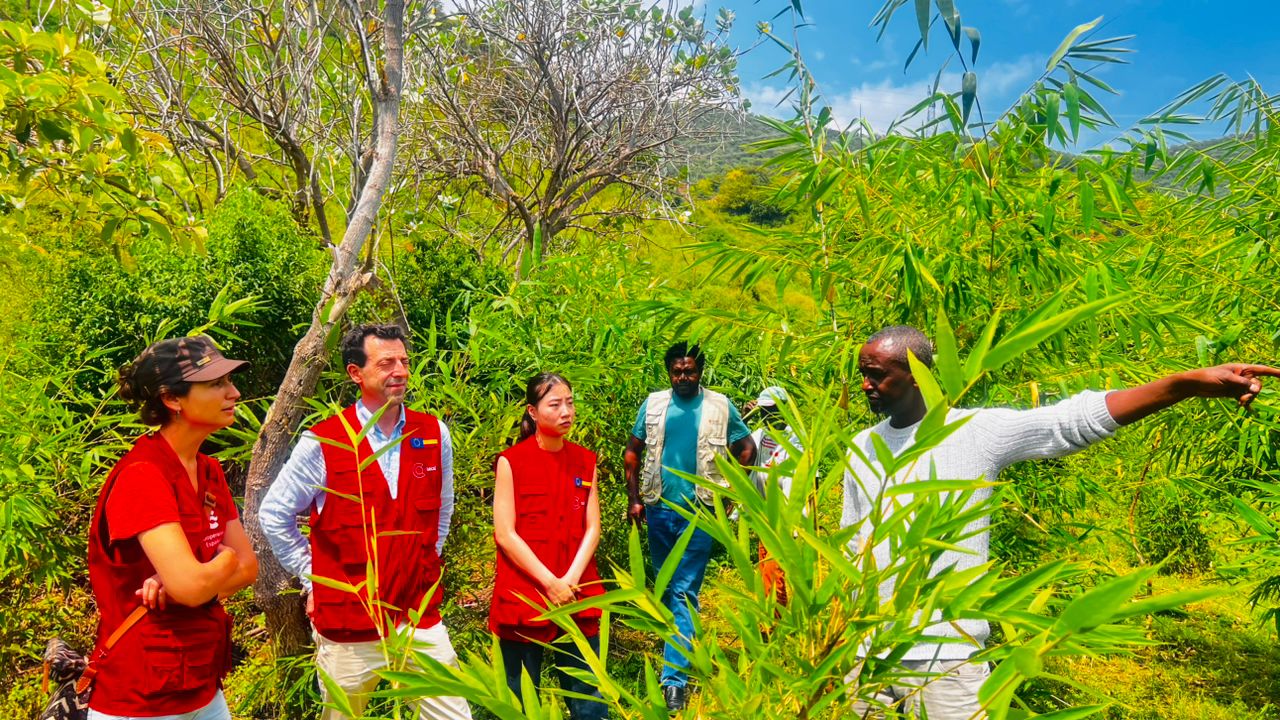
Iroel Rodríguez, an agronomist for Grupo Calesa, shared some thoughts on the project work:
The project began six years ago, and in that time, bamboo has already been used for many purposes: As a windbreak barrier to prevent the strong winds of the summer season from affecting facilities or crops; as a place of rest for workers during the day; to prevent bad smells and dust from reaching facilities or towns; to delimit areas; for multiple uses in agriculture; for storage structures; for equipment and supplies; and for signage.
Given the wide variety of applications and products that can be made from bamboo, other companies are exploring other avenues, such as the Be Bamboo company in Mexico, which has opted for the production of fabrics, sheets, towels and diapers from this forest resource.
Bamboo is a powerful weapon in the fight against climate change, capable of boosting the local economies of vulnerable sectors because it allows communities to generate steady sources of income. For years now it has also proven time and time again that bamboo is the sustainable and green alternative material the world needs to usher in the green transition in societies everywhere.