News
NewsDelegates from Chad and DRC tour Kenya and Ethiopia’s bamboo sectors

A study tour across Kenya and Ethiopia points the way forward for the growth of Chad and DRC’s bamboo sectors.
Two new countries are already reaping the rewards of membership in the INBAR family.
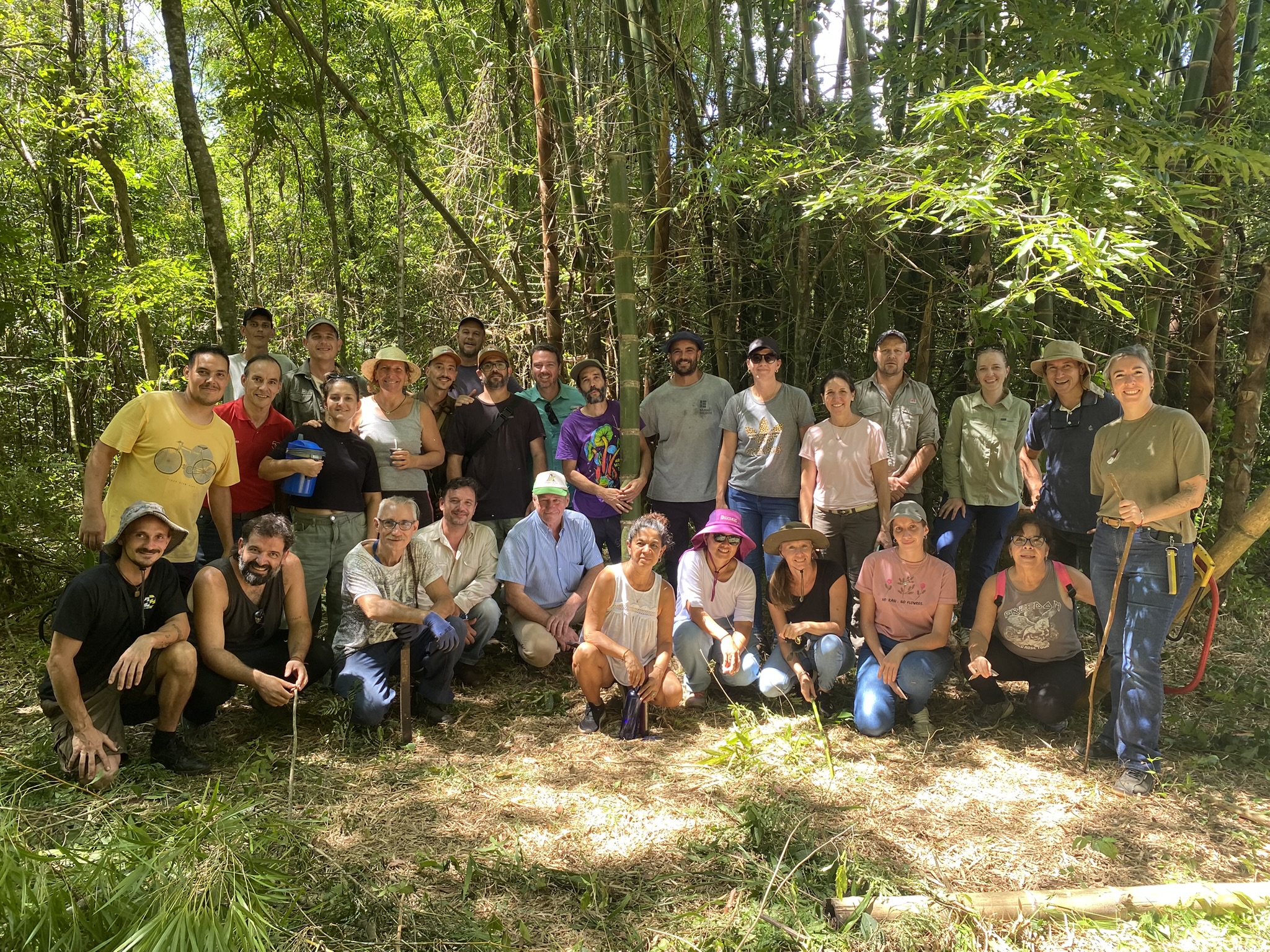
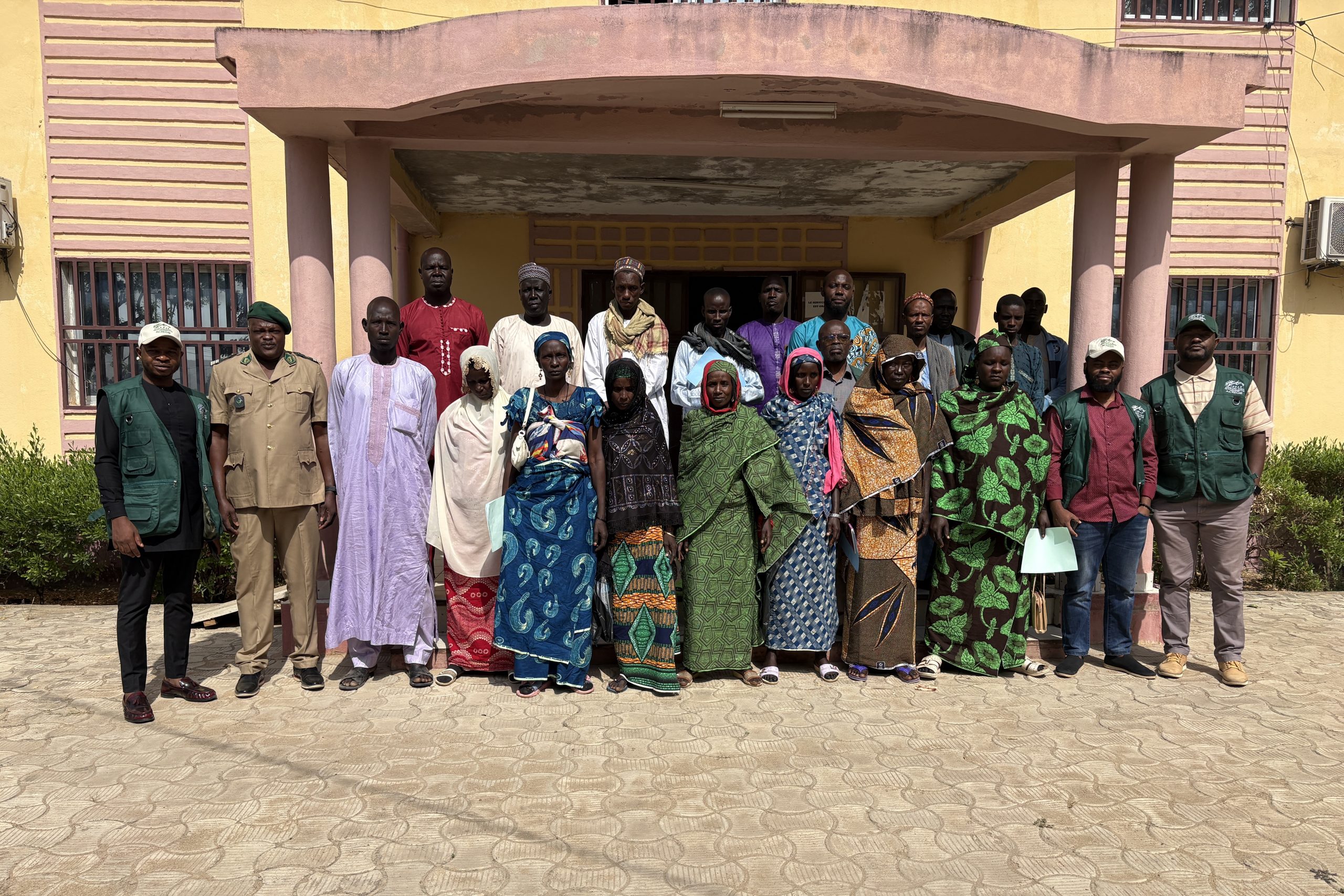
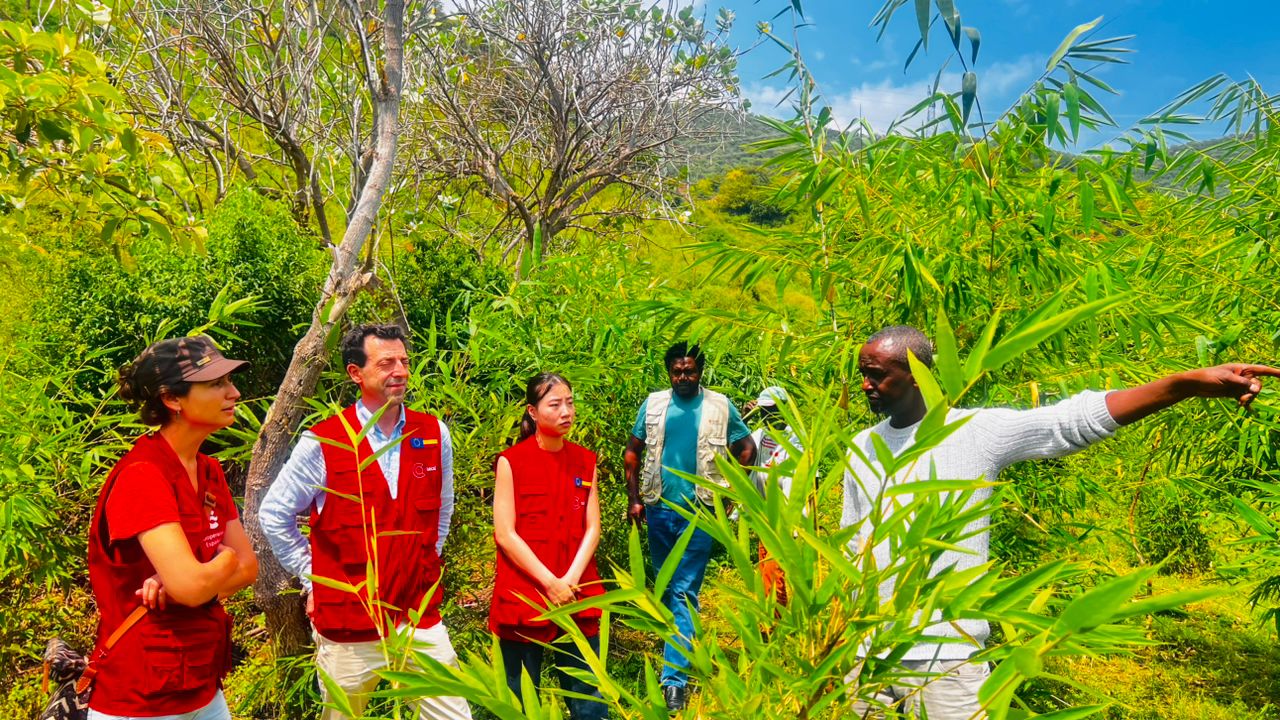
Organized by INBAR and with support from the Governments of Ethiopia and Kenya, delegates from Chad and the Democratic Republic of Congo (DRC) embarked on a study tour to Ethiopia and Kenya from 14 to 22 May 2023. The goal of the study tour was to share experiences from Kenya and Ethiopia with the delegates from Chad and DRC to promote the transition towards a vibrant bamboo economy in Africa by demonstrating innovations, best practices and experiences that could inspire investments to transform bamboo resources into high-quality competitive market products. It aimed to inspire deliberations and extensive exchanges on bamboo value addition, industrialization and enabling environments, ultimately supporting the sustainable development of the bamboo sectors in both countries.
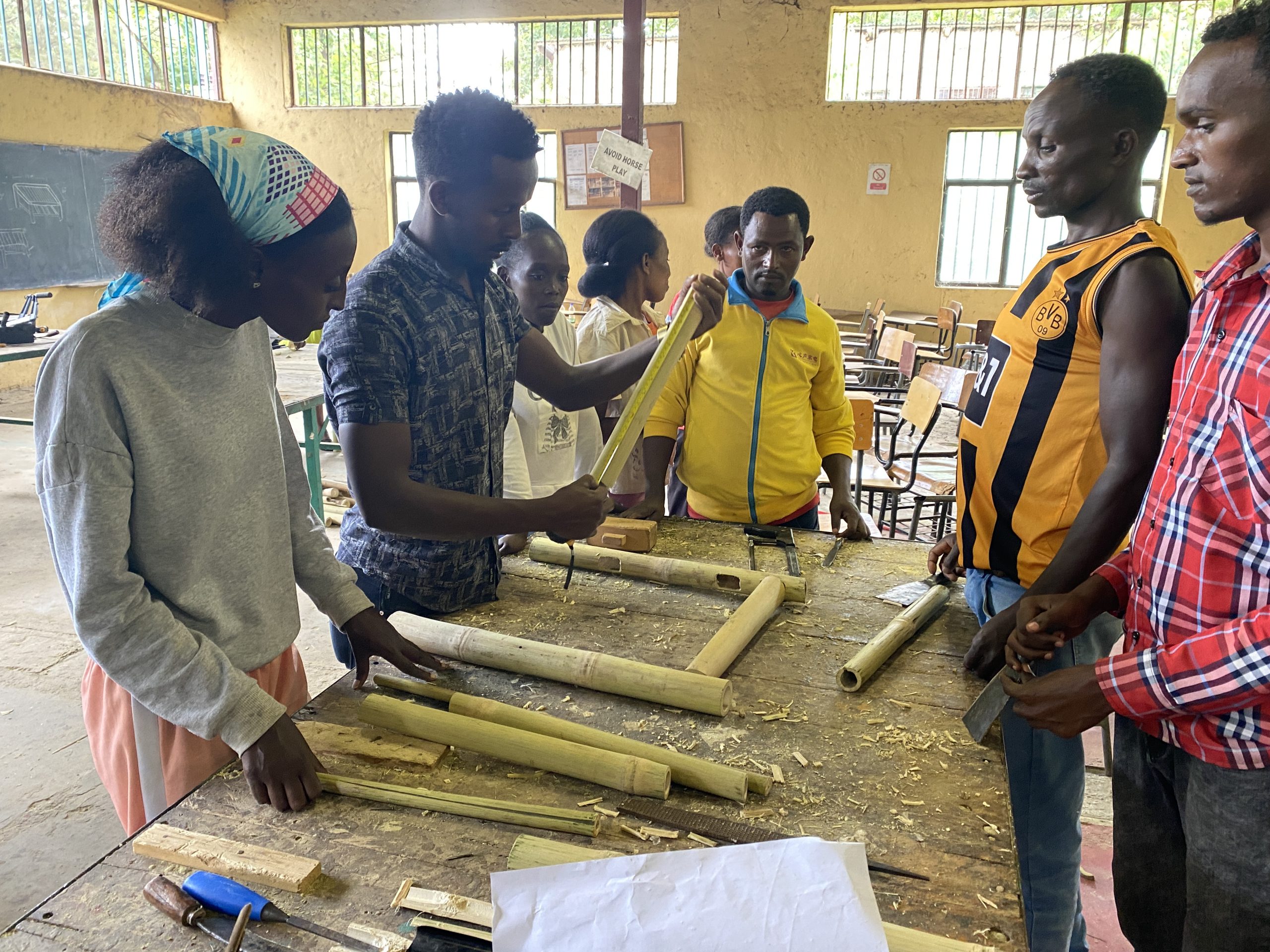
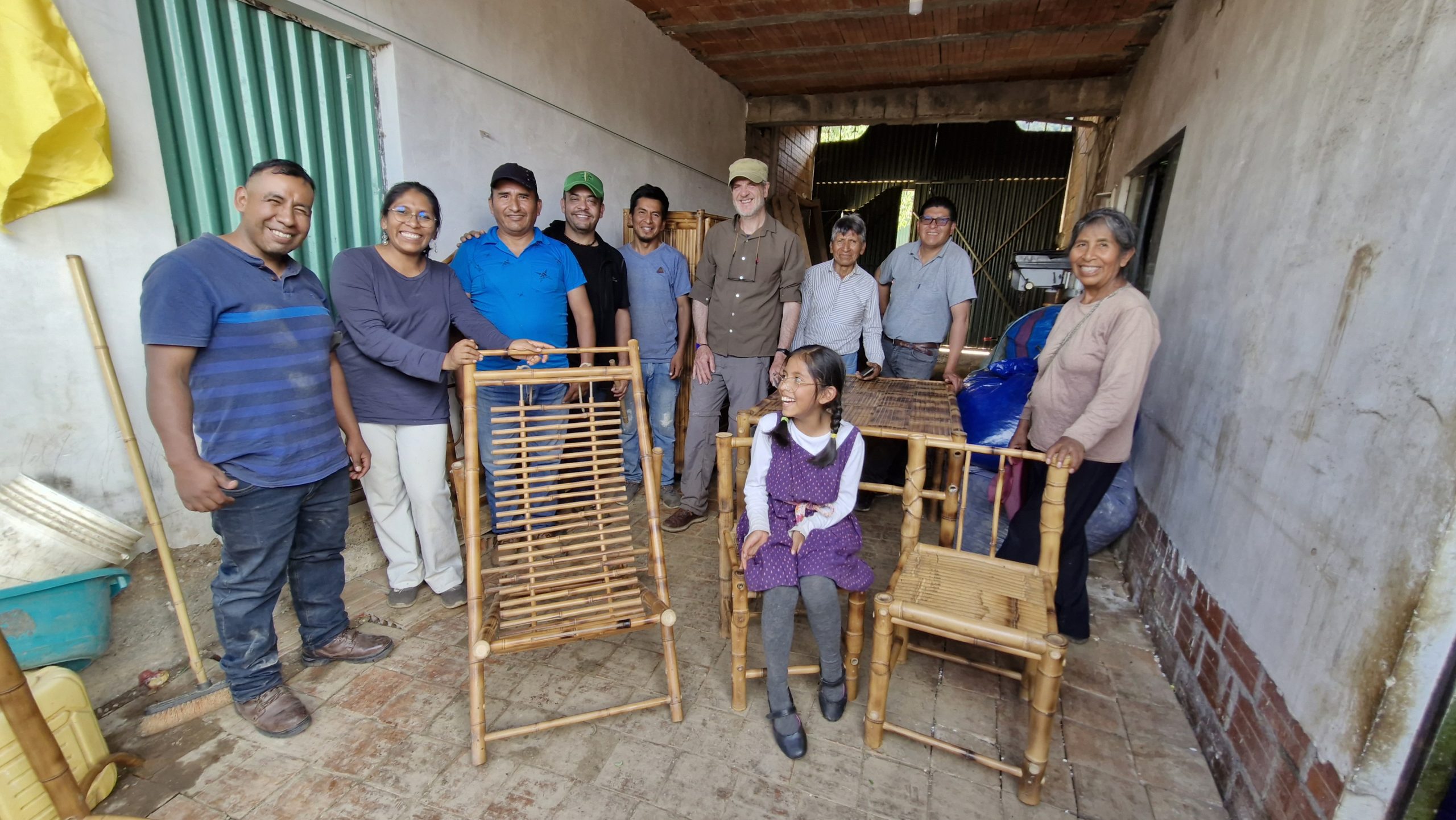
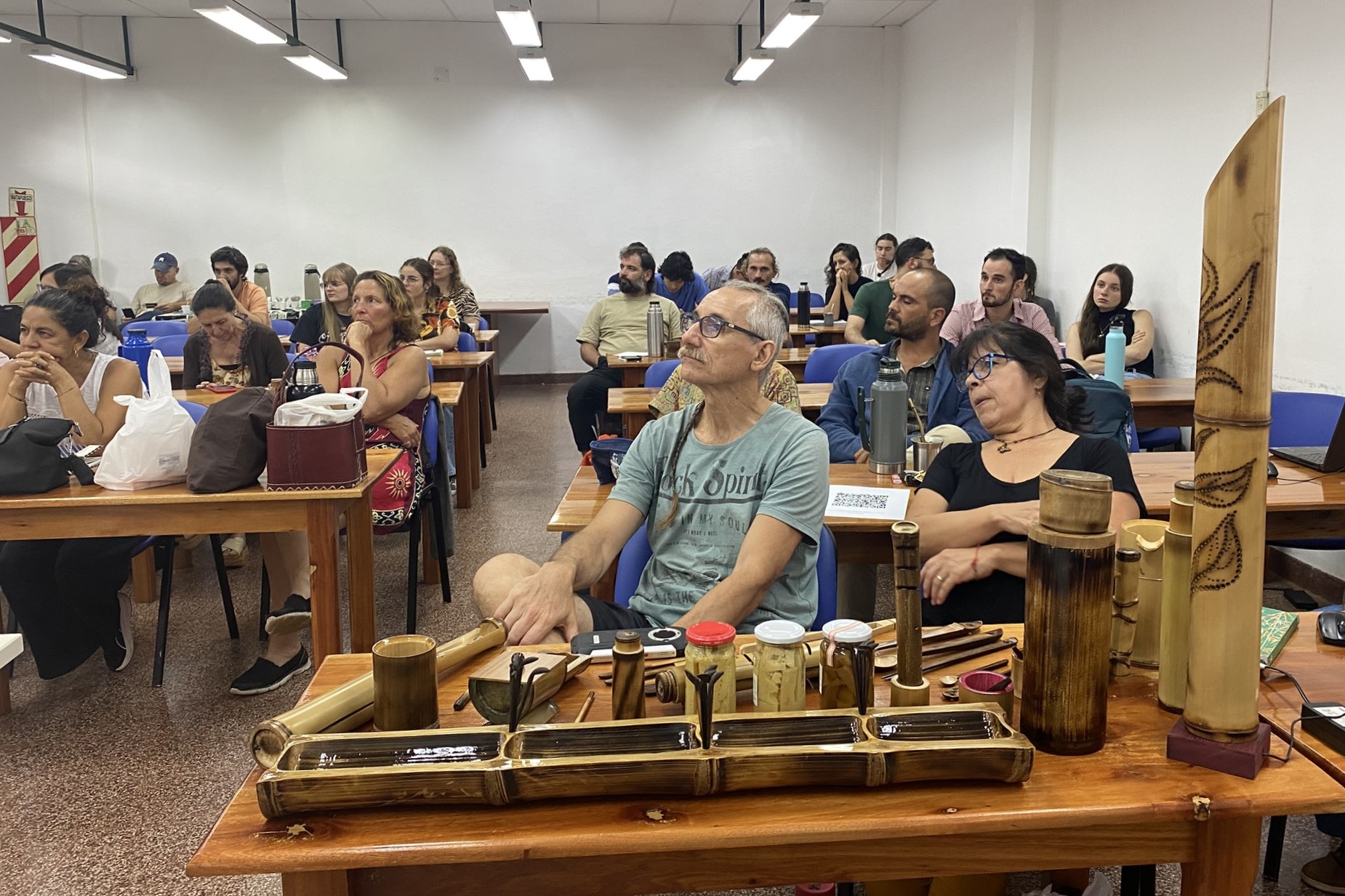
Bamboo can be used to make a wide variety of artisanal handicrafts and household objects.
In Ethiopia, delegates first participated in the Bamboo Handicraft Processing Training for Artisans organized by INBAR’s East Africa Regional Office. Under the Spanish Agency for International Development Cooperation, this initiative on Building Circular Economy and Climate Change Resilience through Bamboo Supply Chain Development in Ethiopia has focused on training artisans in bamboo processing and identifying suitable tools for their craft.
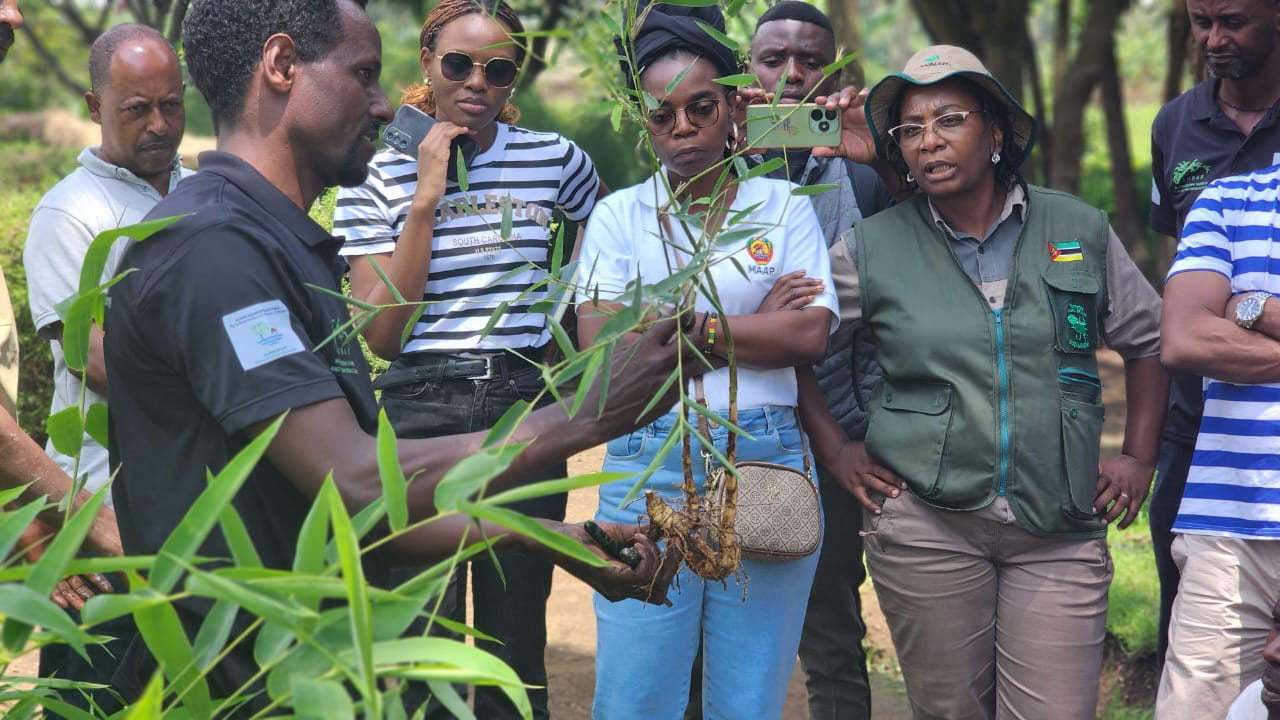
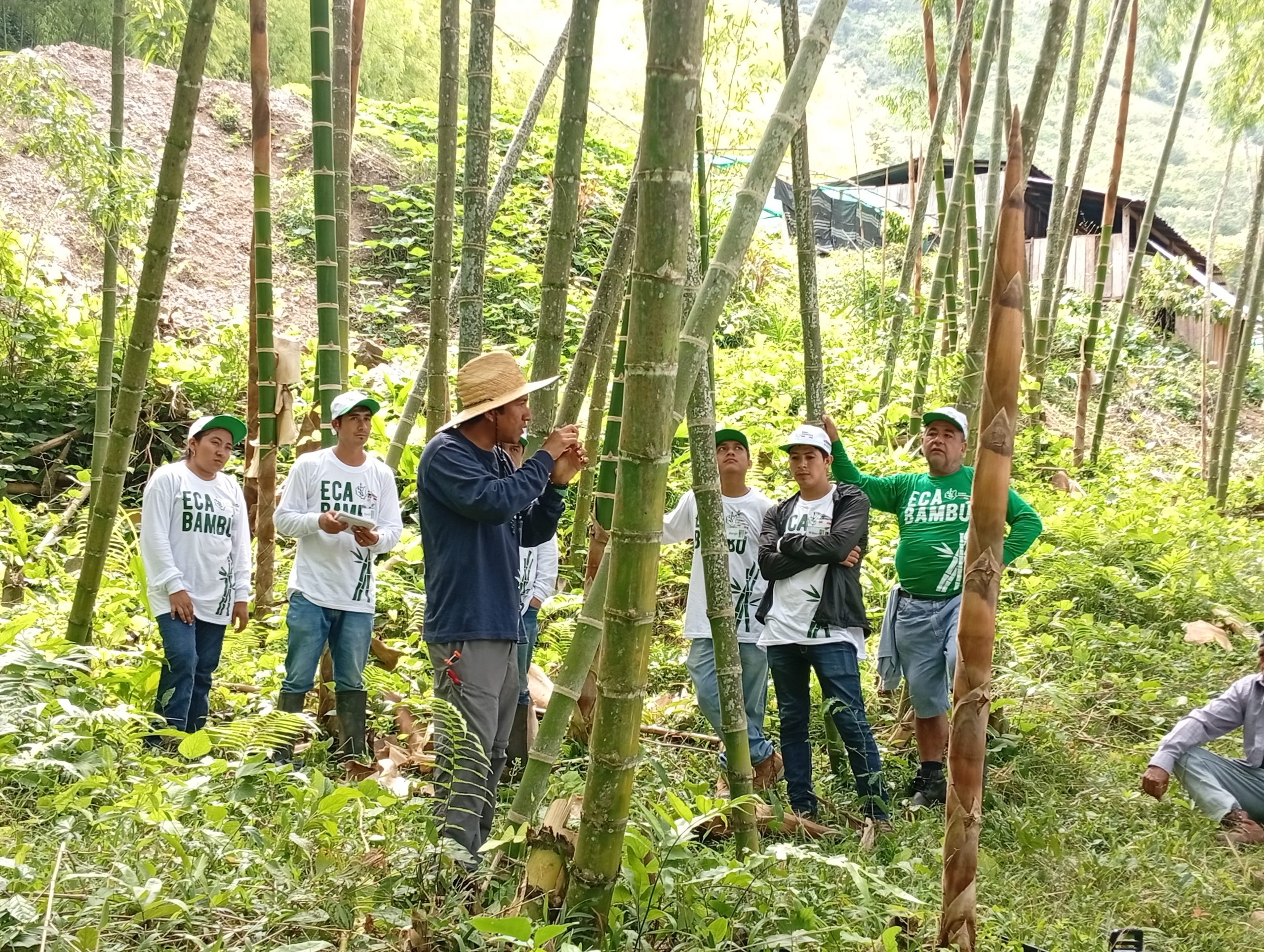
Next, delegates toured a bamboo nursery in Hawassa, which has the capacity to house 15,000 seedlings of both highland and lowland bamboo species. The nursery aims to restore 100 hectares of forest land in Ethiopia. Additionally, delegates visited Beshoftu Nursery, a private facility supported by INBAR and other donors. The seedlings produced at the facility are currently being used for restoration efforts on the shoreline of Lake Hawassa.
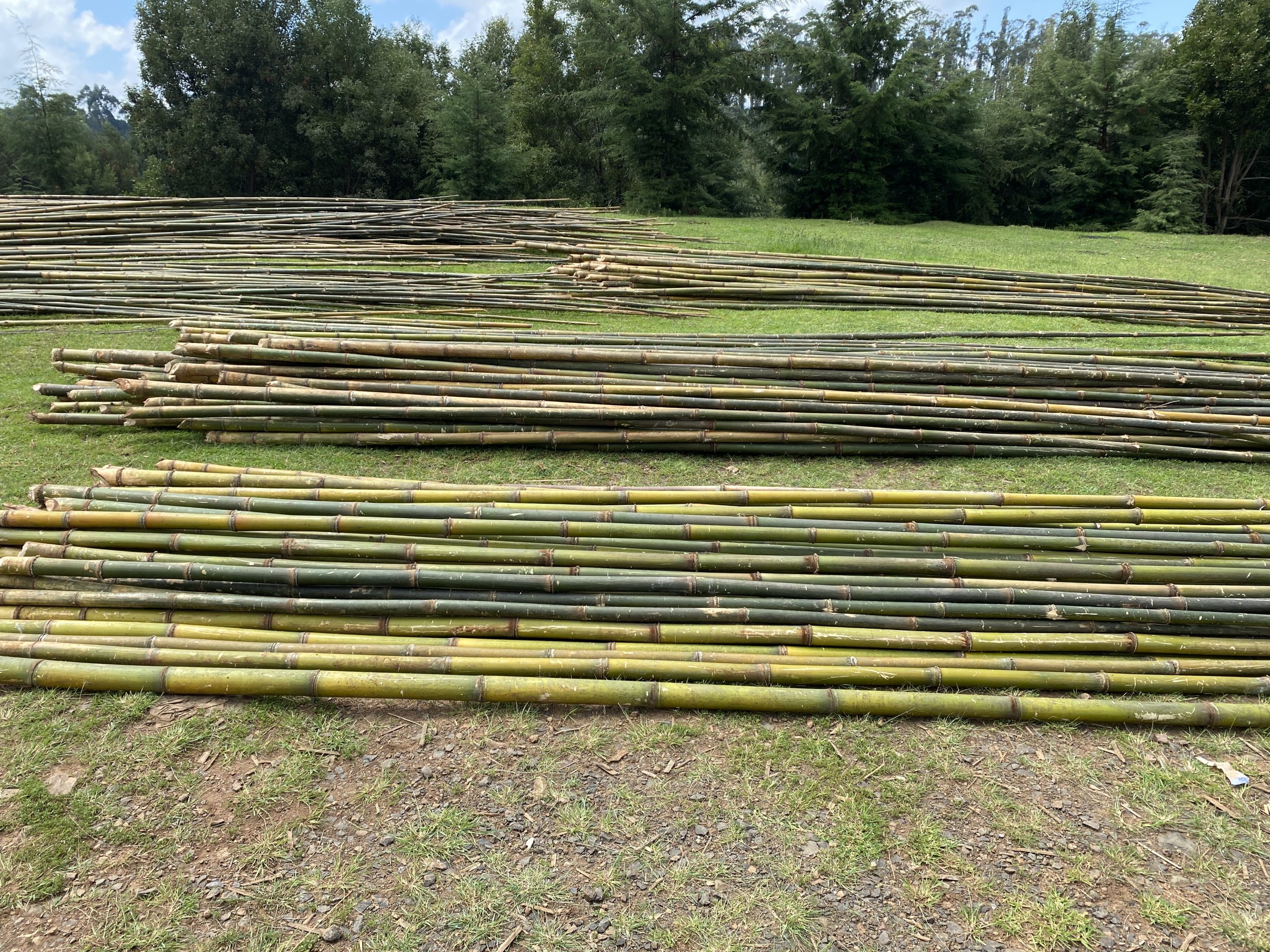
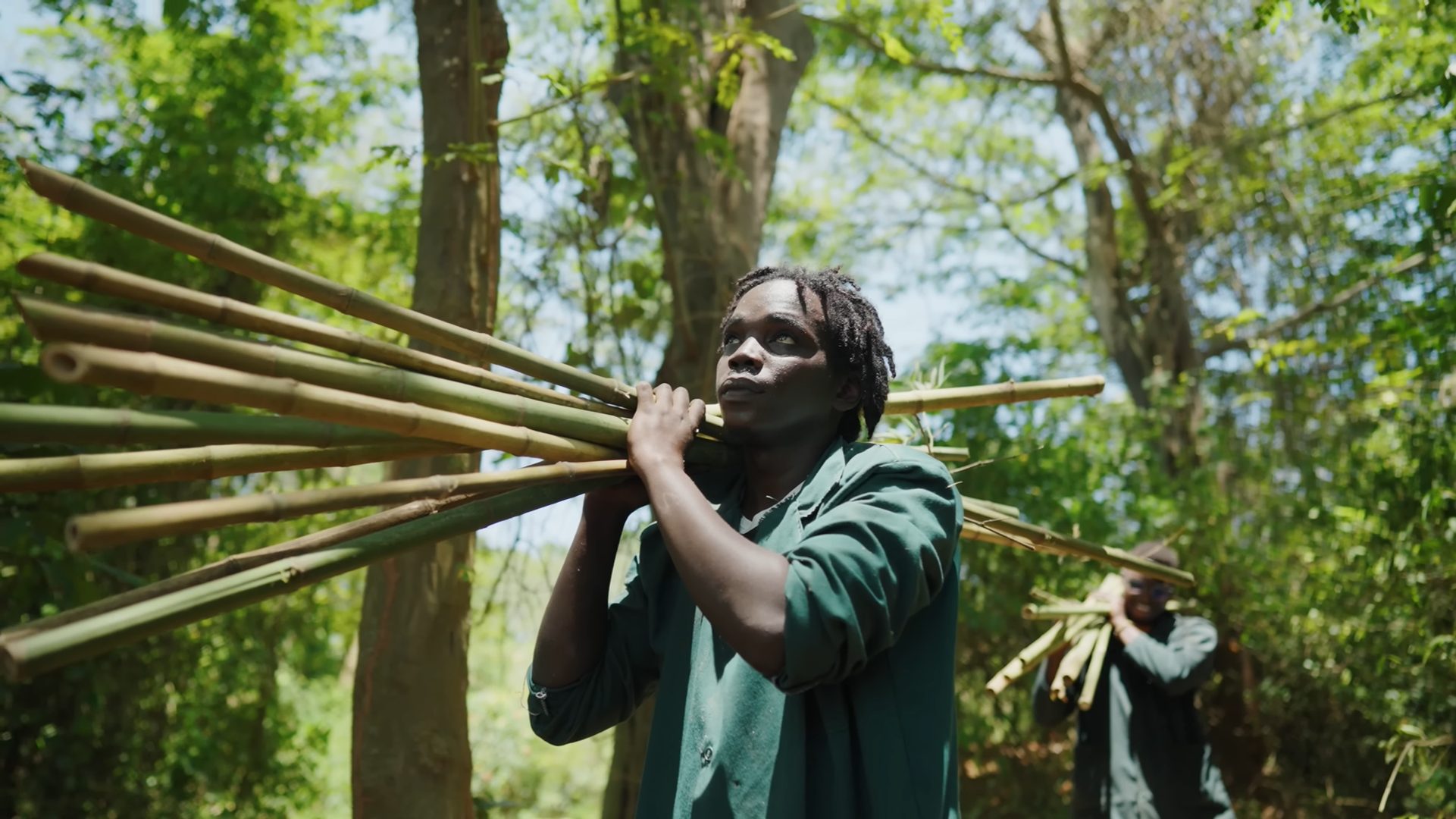
Harvested bamboo culms.
The delegation proceeded to visit the Bamboo Market Site and Depot in Hula, Sidama, which has received support from the Dutch-Sino East Africa Bamboo Development Programme: Phase II. They learned about local community utilization of bamboo in the operation of the bamboo market and also observed the way in which farmers have been organized into cooperatives and witnessed the positive impact of bamboo cultivation on people’s livelihoods. Furthermore, they received training on bamboo treatment techniques, including the use of chemicals like boric acid for preservation.
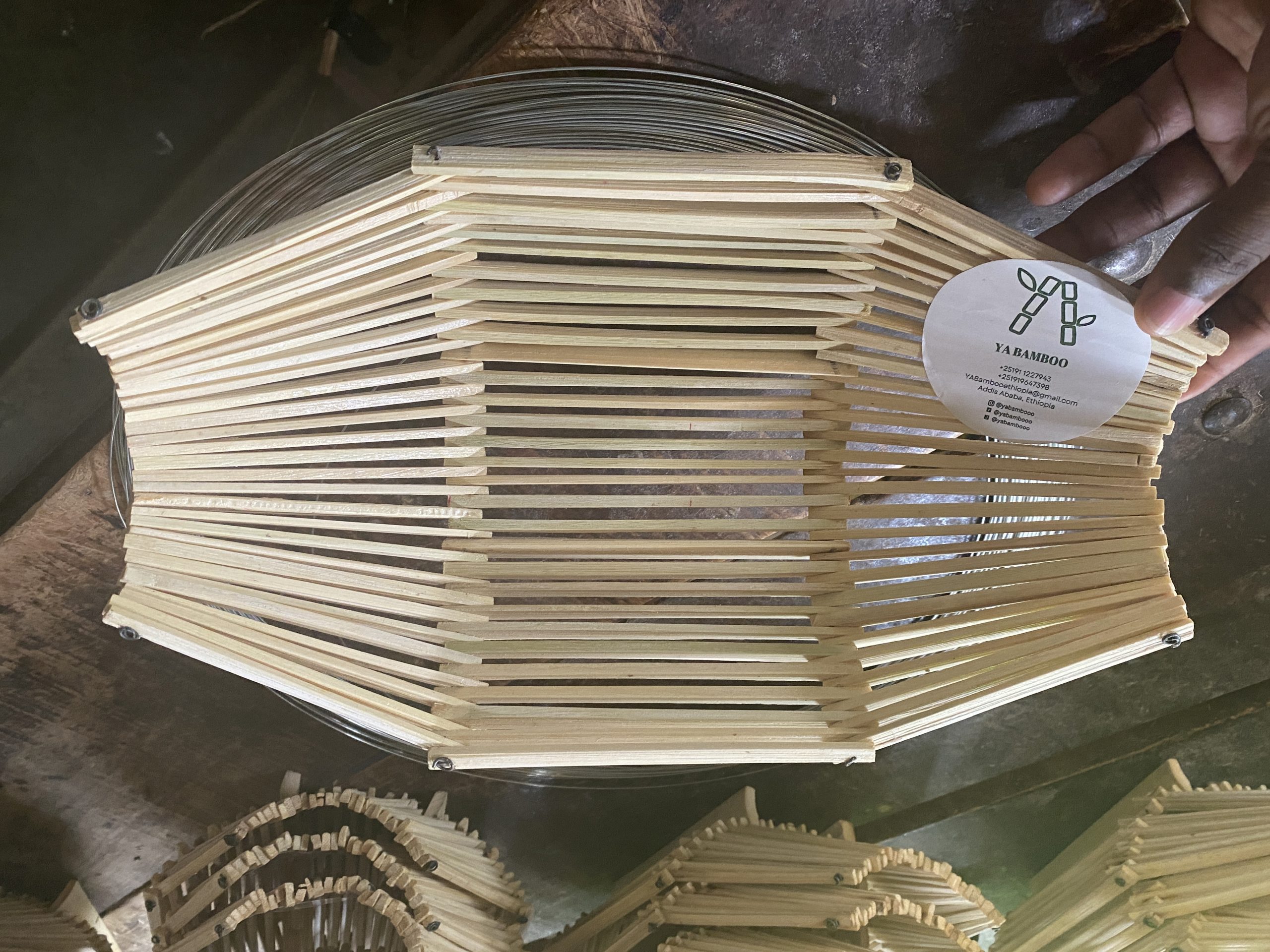
YA Bamboo plays an important role in affirming equality in the workplace and empowering rural women.
Traveling to Addis Ababa, the delegates visited various bamboo enterprises, including the YA Bamboo enterprise, a women-led business with around 50 employed women specializing in basket making. INBAR has supported YA Bamboo in developing a mobile application to facilitate the online commercialization of bamboo baskets in response to growing demand. The delegates also visited bamboo workshops in the Bole Sub-city Administration Culture and Tourism Office, where artisans trained by INBAR apply their acquired skills.
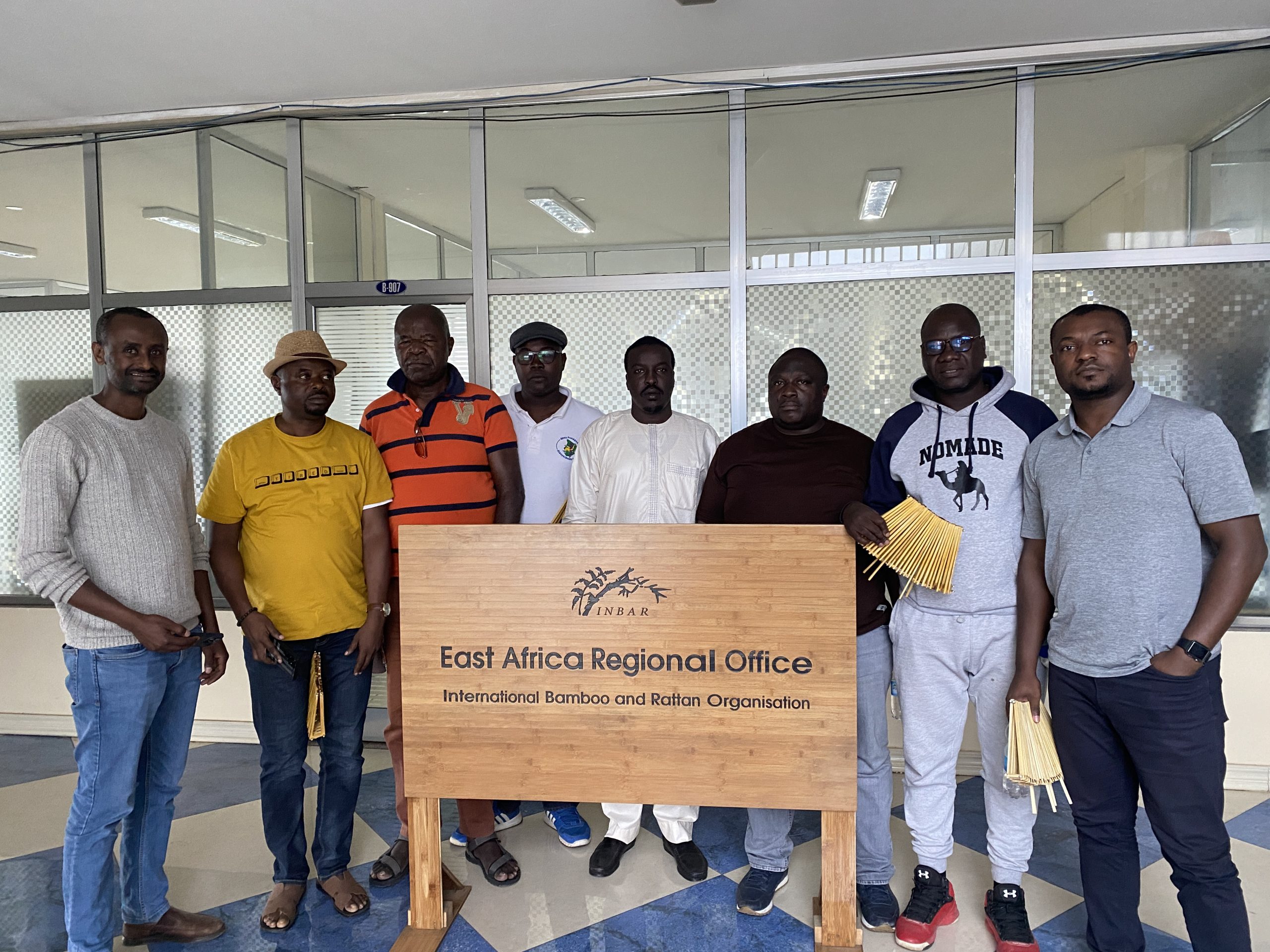
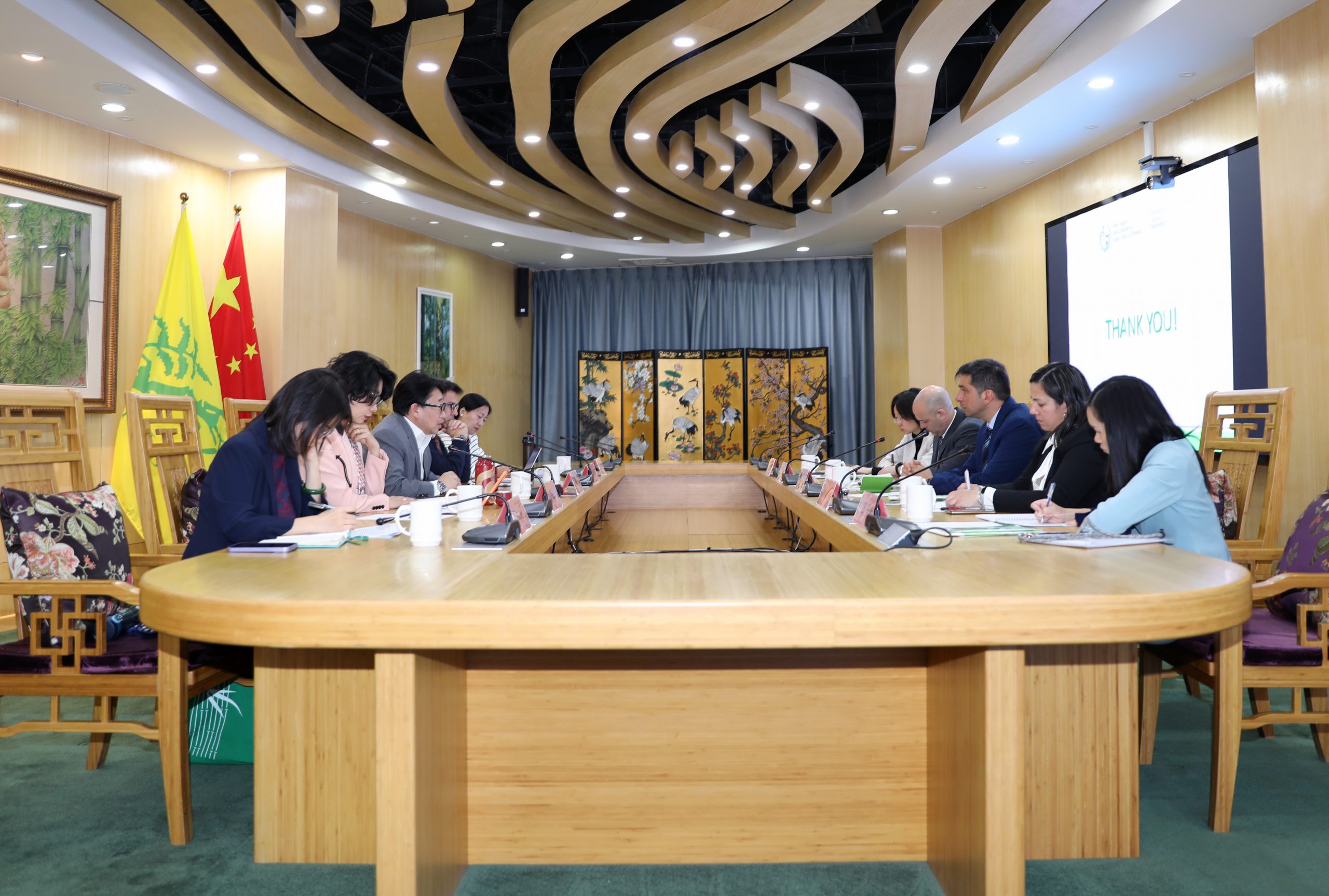
Delegates visited the INBAR East Africa Regional Office at the end of the Ethiopia trip.
Finally, the delegates visited INBAR’s East Africa Regional Office in Addis Ababa to round off the Ethiopia trip. They received an overview of all ongoing projects based out of the Regional Office and engaged in discussions regarding the institutional support provided by the Ethiopian Government to INBAR, fostering an enhanced relationship between the two entities.
Delegates had many takeaways from the Ethiopia portion of the study tour. They had seen firsthand the immense potential of bamboo for cultivation in nurseries at scale and applications for landscape restoration as well as its potential for commercialization via a wide range of high-quality marketable products and handicrafts like woven bamboo bags. Furthermore, they deepened their baseline knowledge on bamboo with exposure to detailed procedures like boric acid treatment for preservation.
After the trip to Ethiopia finished, delegates traveled to Kenya on 18 May for another study tour scheduled in Busia County. Upon arrival in Nairobi, they visited the National Forest Product Research Center in Karura. It was here that delegates learned about each detailed step behind sustainable bamboo harvesting, processing, preservation and use of bamboo materials for product making.
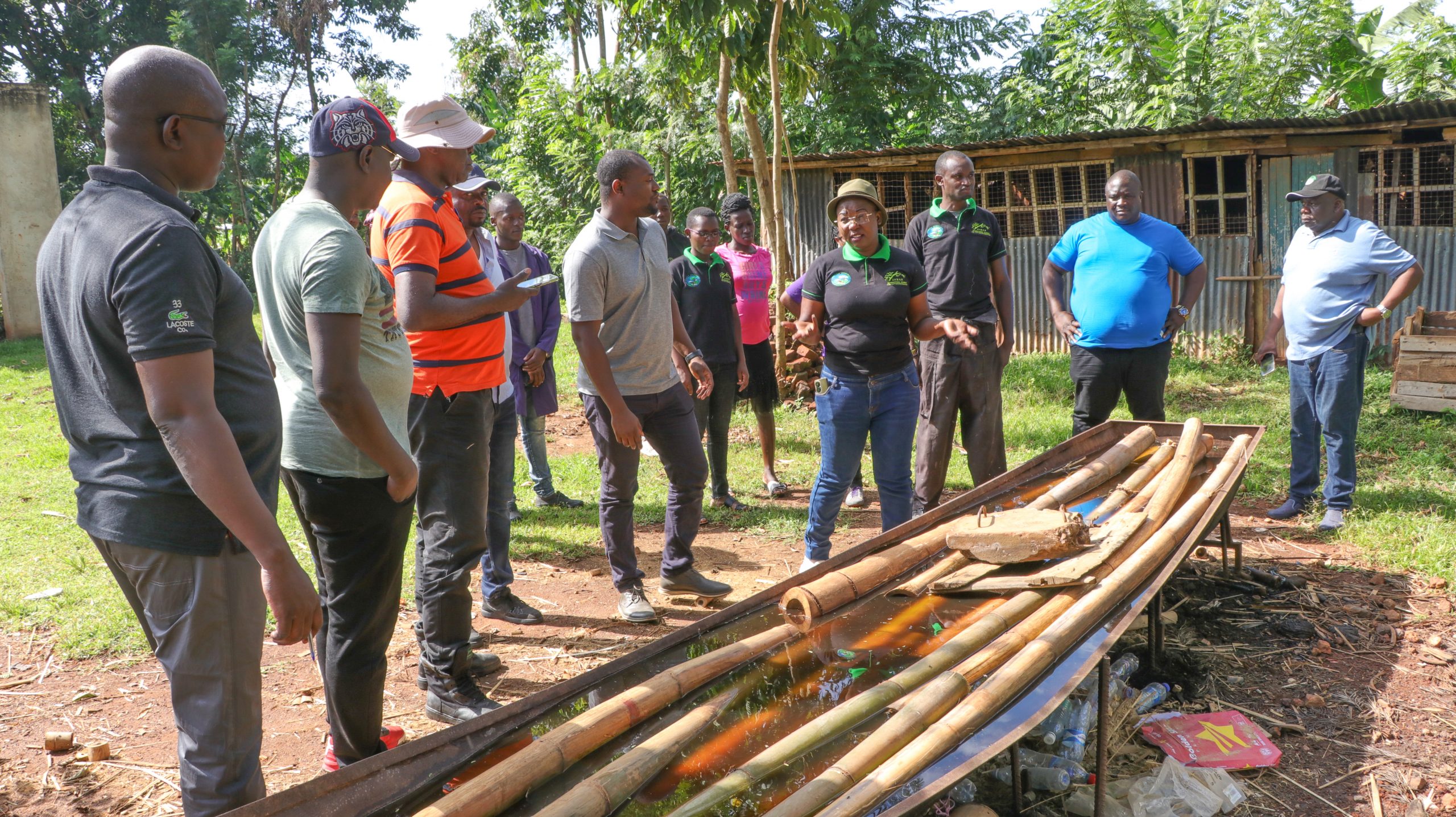
Throughout the study tour, delegates were exposed to numerous treatment and processing techniques for bamboo, such as treatment via immersion.
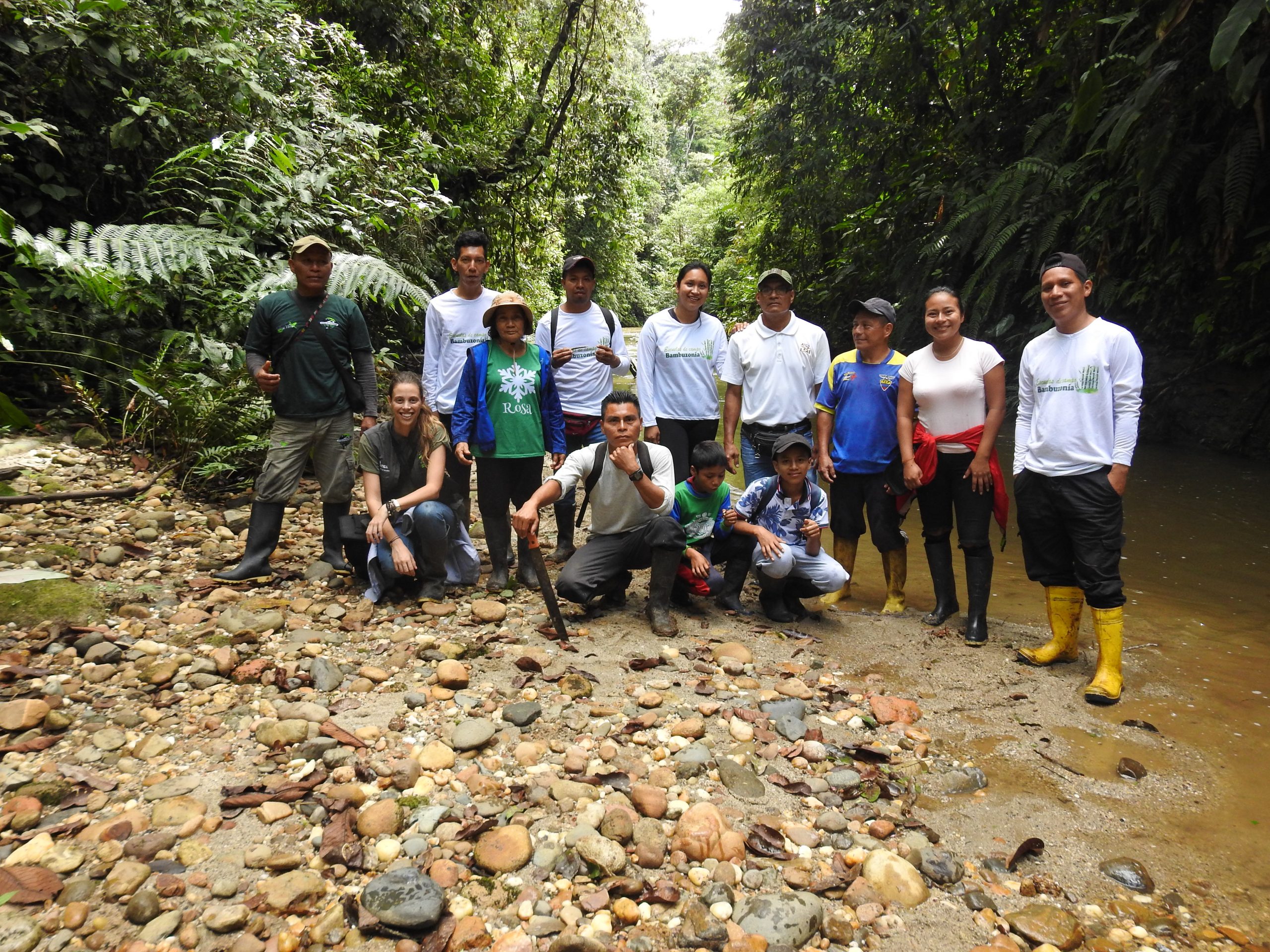
The four-day visit to Kenya featured the delegates visiting Busia County in Western Kenya, where they visited different bamboo nurseries. Busia County has 15 established bamboo nurseries that serve the entire region, which are largely supported by INBAR. In particular, the Mama Vivi Nursery is an illustrative project success story for livelihood improvement.
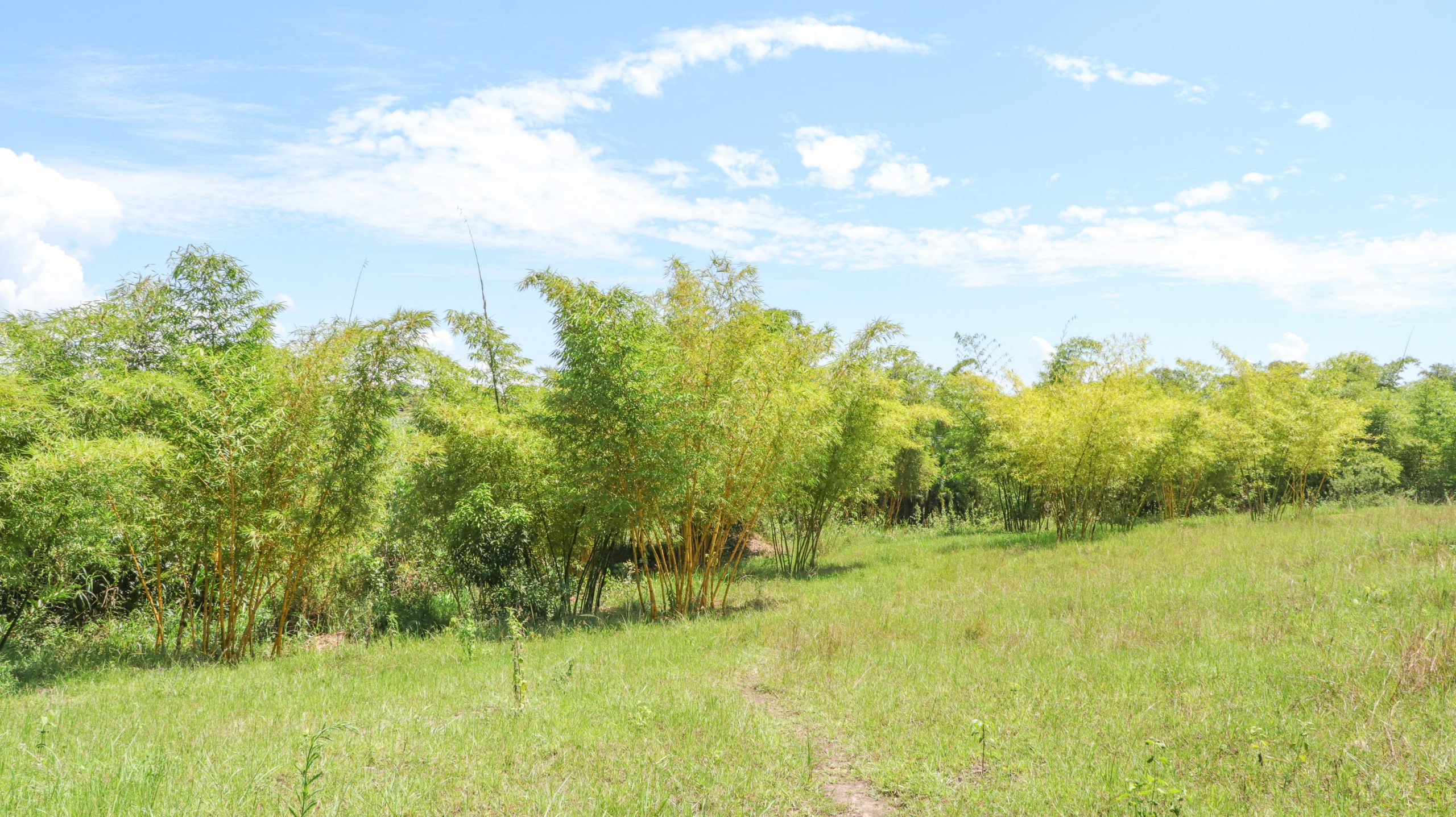
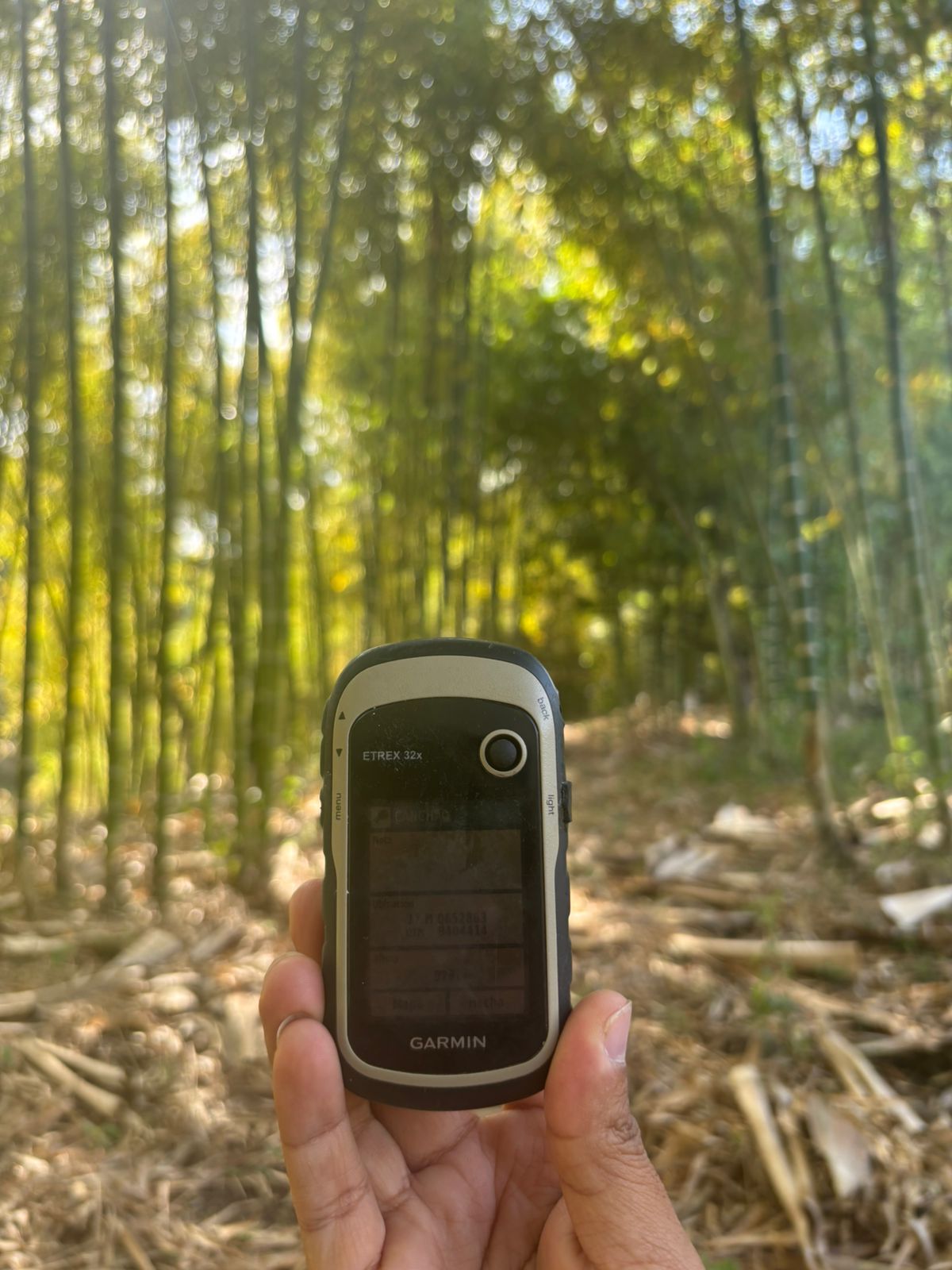
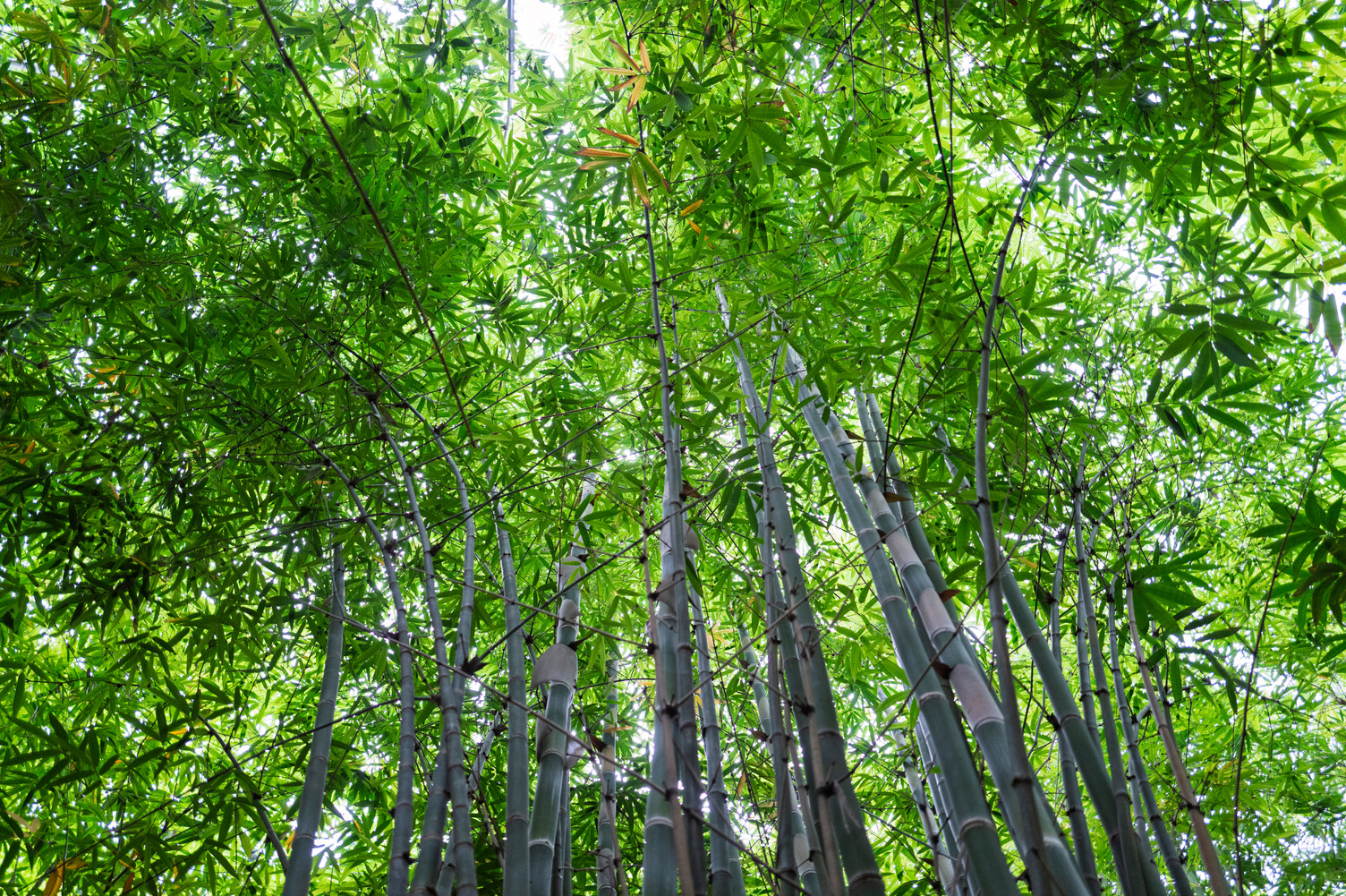
Bamboo can be cultivated in a wide variety of soils and climates.
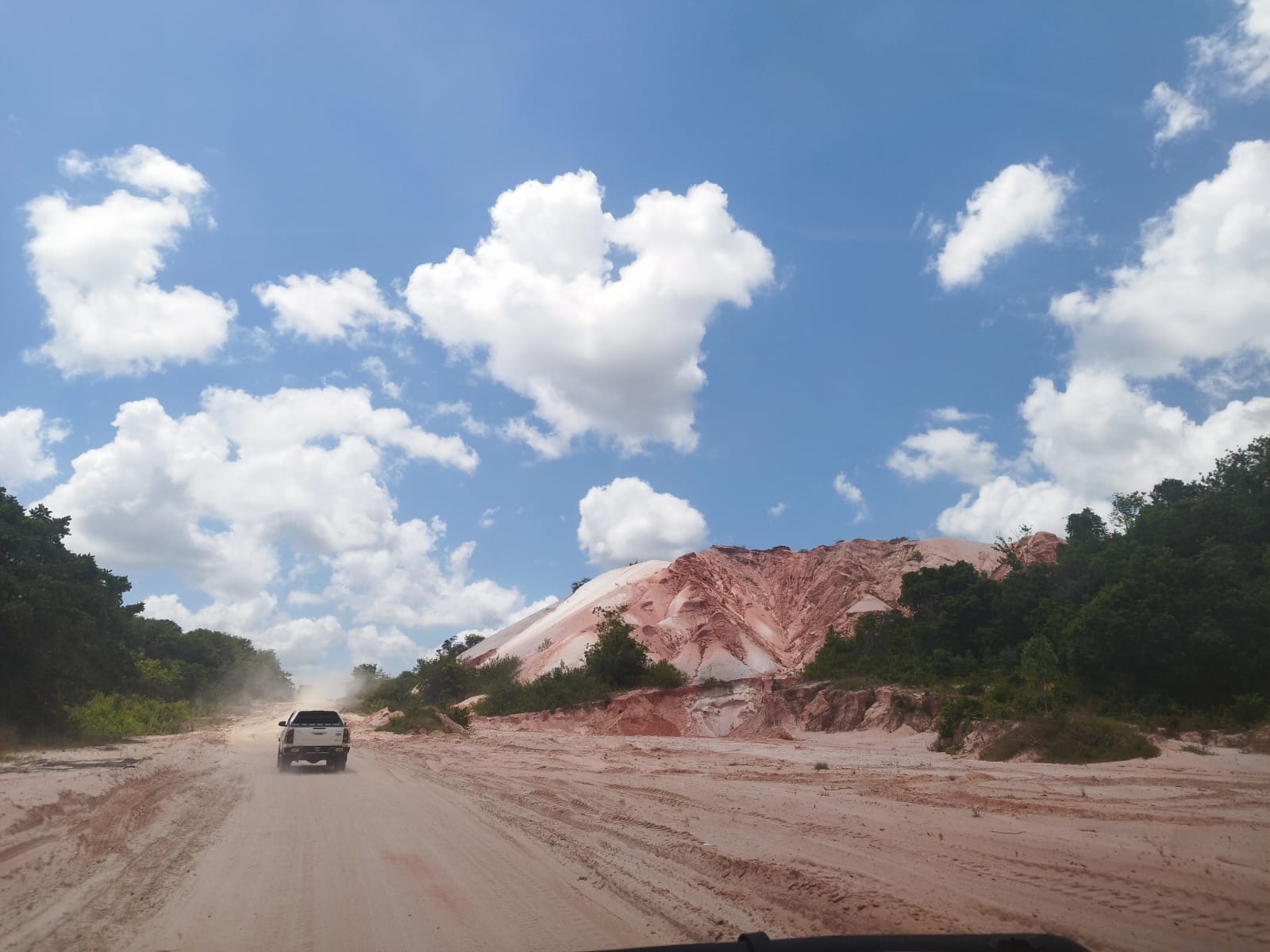
Delegates also traveled to protected zones along the riverbanks of both the Alupe and Nzoia Rivers. These two rivers are typical examples showing how bamboo can help restore land in degraded mining sites, mitigate adverse conditions in flooding zones while also strengthening river banks, dykes and gullies as it binds loose soils to prevent erosion as in the case of the Osipata Gulley restoration site in Teso South.
Next, delegates had the opportunity to visit several key locations that showcased the value addition and environmental benefits of bamboo in Kenya. In Busia Town and Onyurnyur, they visited both the Eco-Green Bamboo Value Addition Training Centre and Onyurnyur Semi-Processing Unit.

High-quality fine bamboo crafts meet consumer demand in markets for low-carbon products.
At the Eco-Green Centre, delegates learned about the post-harvesting processing of bamboo. The Centre plays a crucial role in training farmers and providing other value addition services. The delegates also learned about various bamboo value addition methods for manufacturing, including weaving, furniture making, and handicraft and handbag production. This visit in particular highlighted the potential for income generation and entrepreneurship within the bamboo sector.
The delegates were also exposed to the promising use of bamboo in the production of charcoal briquettes. This eco-friendly biofuel offers a sustainable solution for waste utilization and disposal while being economically feasible. Their visit to the Butula Bamboo Making Centre also highlighted how the community, organized under a cooperative, benefits from briquette making. In addition, they learned about energy-saving jikos (stoves) and the utilization of bamboo dust waste for biochar production.
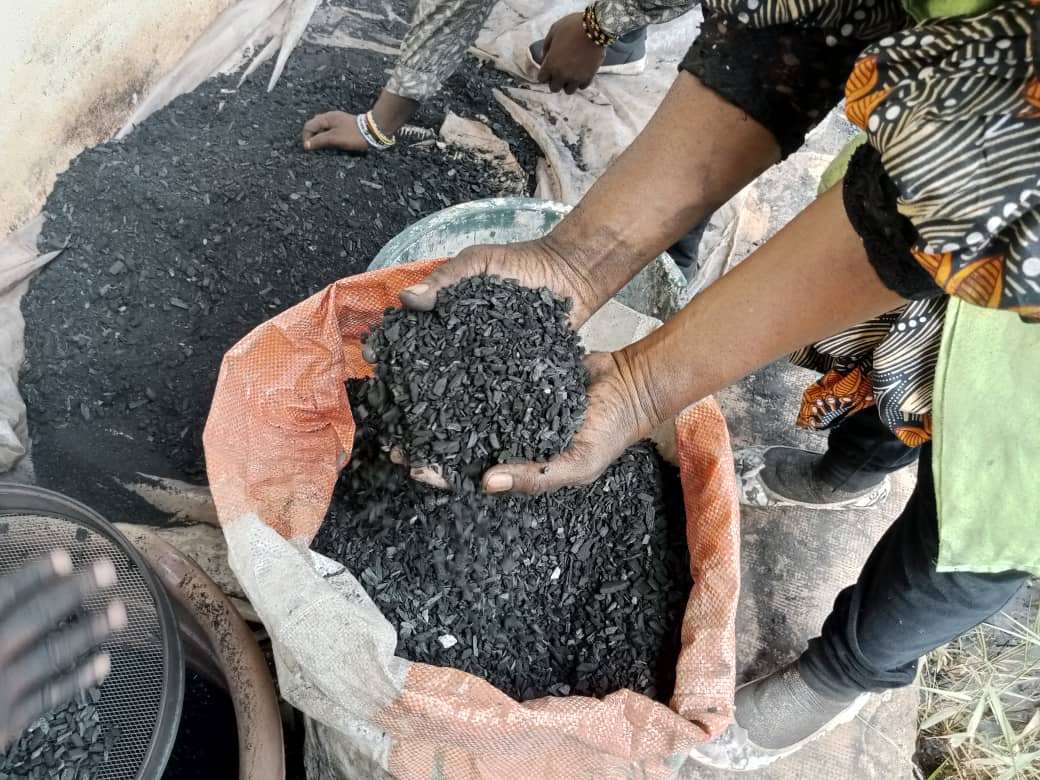
Bamboo biochar has numerous applications in revitalizing and boosting yields across agricultural lands, helping to improve soil structure.
Biochar, a charcoal-like material produced from plant materials, was another important aspect explored during the tour. Delegates visited farms that incorporated bamboo biochar into their cultivation practices. They observed the positive impact of biochar on soil fertility and crop yields, highlighting its potential for sustainable agricultural practices.
For their final stop in Kenya, delegates visited Patrice Lumumba, a large bamboo farm in Butula. This visit demonstrated bamboo contributing to the restoration of wetlands and water sources. By protecting rivers and their surrounding ecosystems, bamboo can play a vital role in preserving the environment and ensuring the availability of clean water resources.
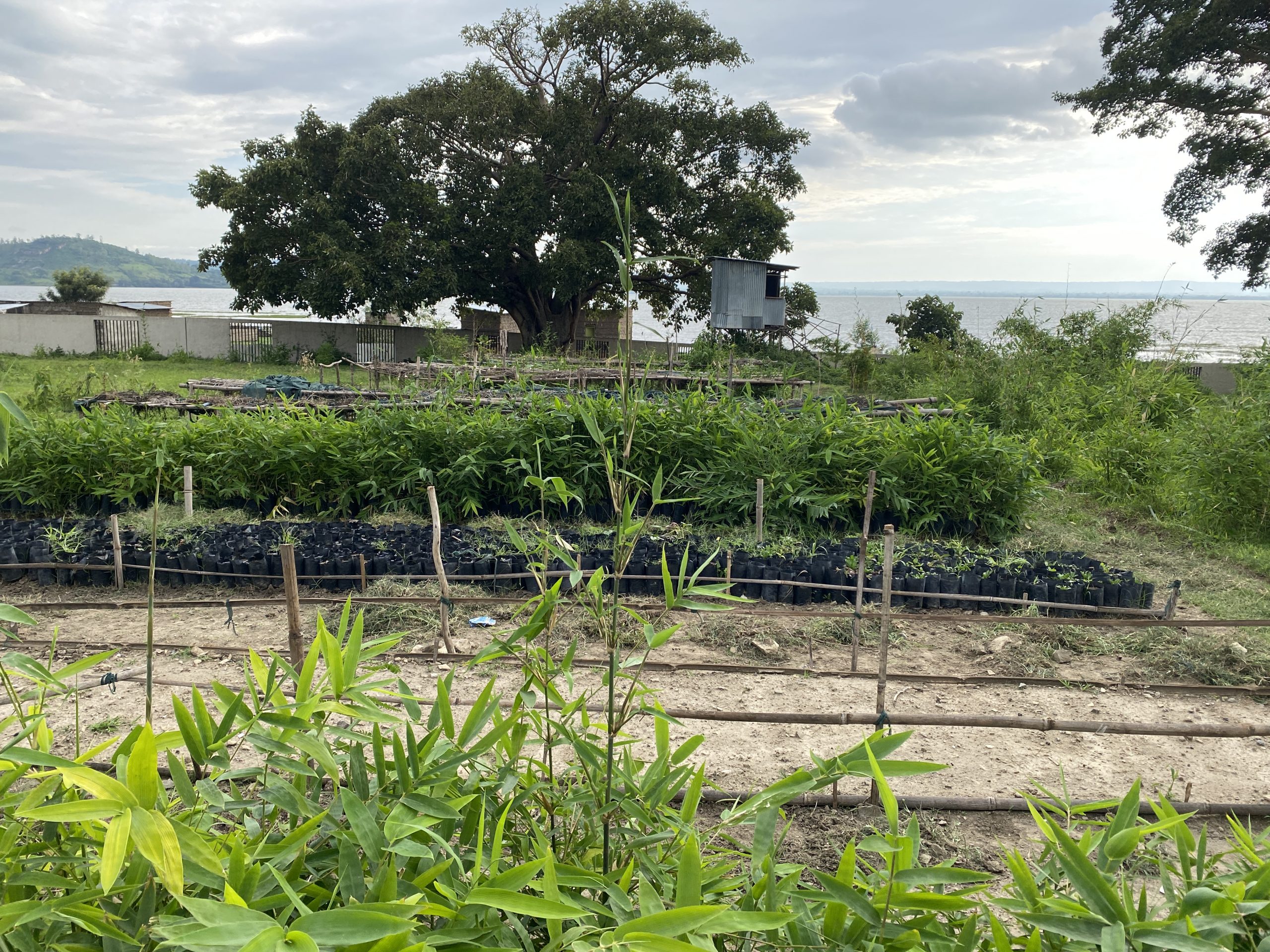
Given bamboo’s ability to restore denuded soils, bamboo nurseries have a unique role to play in healing degraded landscapes.
The Kenya portion of the trip also made a deep impression on delegates. They saw the potential for bamboo helping to bind loose topsoil and contribute to the restoration of degraded mining sites while alleviating the impact of natural disasters. Biochar was also revealed to be an important value-added product of bamboo for enriching agriculture soils and boosting yields.
Overall, the study tour across the two countries provided an excellent opportunity to forge potential partnerships with diverse actors, including manufacturers, investors, designers and exporting companies. INBAR hopes that practices, experiences and innovations shared by experts and practitioners in Ethiopia and Kenya can help Chad and the DRC facilitate the sustainable development of their own bamboo sectors, strengthening livelihoods in local communities and bringing much-needed ammo to the fight for environmental conservation.
For more information, please contact Rene Kaam: rkaam[at]inbar[dot]int.