News
NewsBamboo Product Policy Workshop in Kenya
INBAR conducted a multi-stakeholders bamboo product policy workshop in Kenya aimed at identifying and discussing bamboo products that have the potential for future policy development.
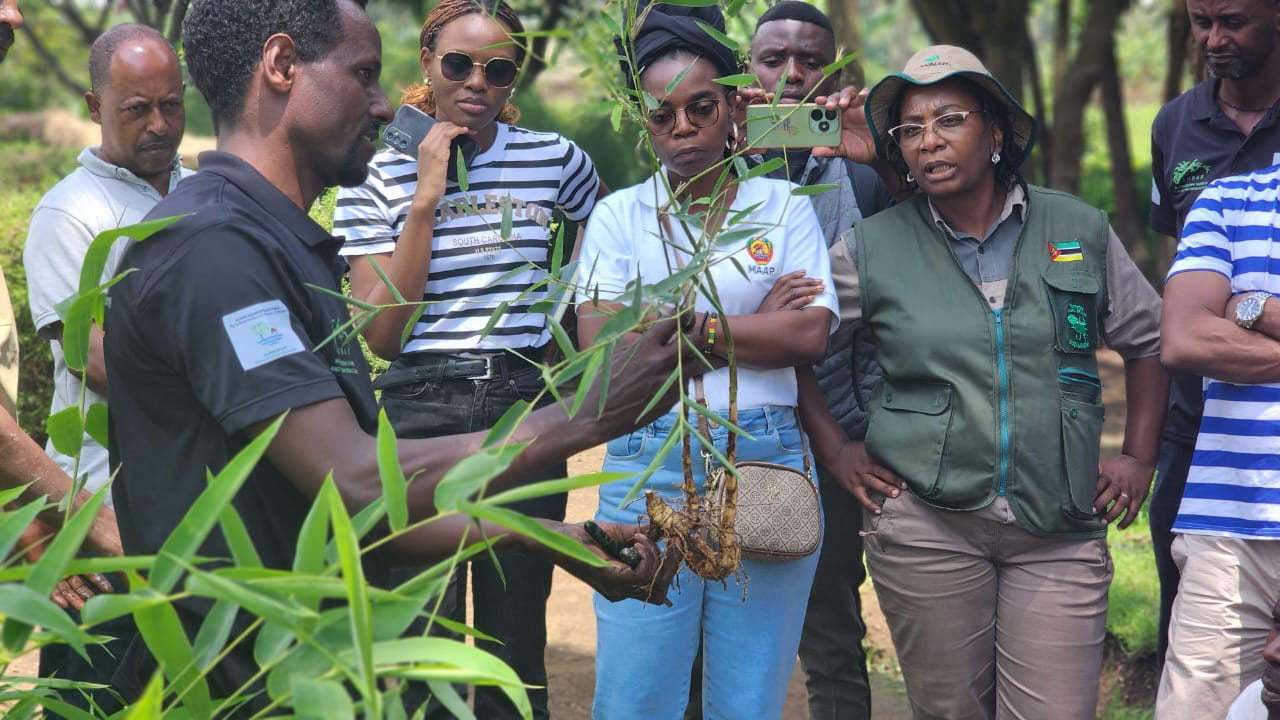
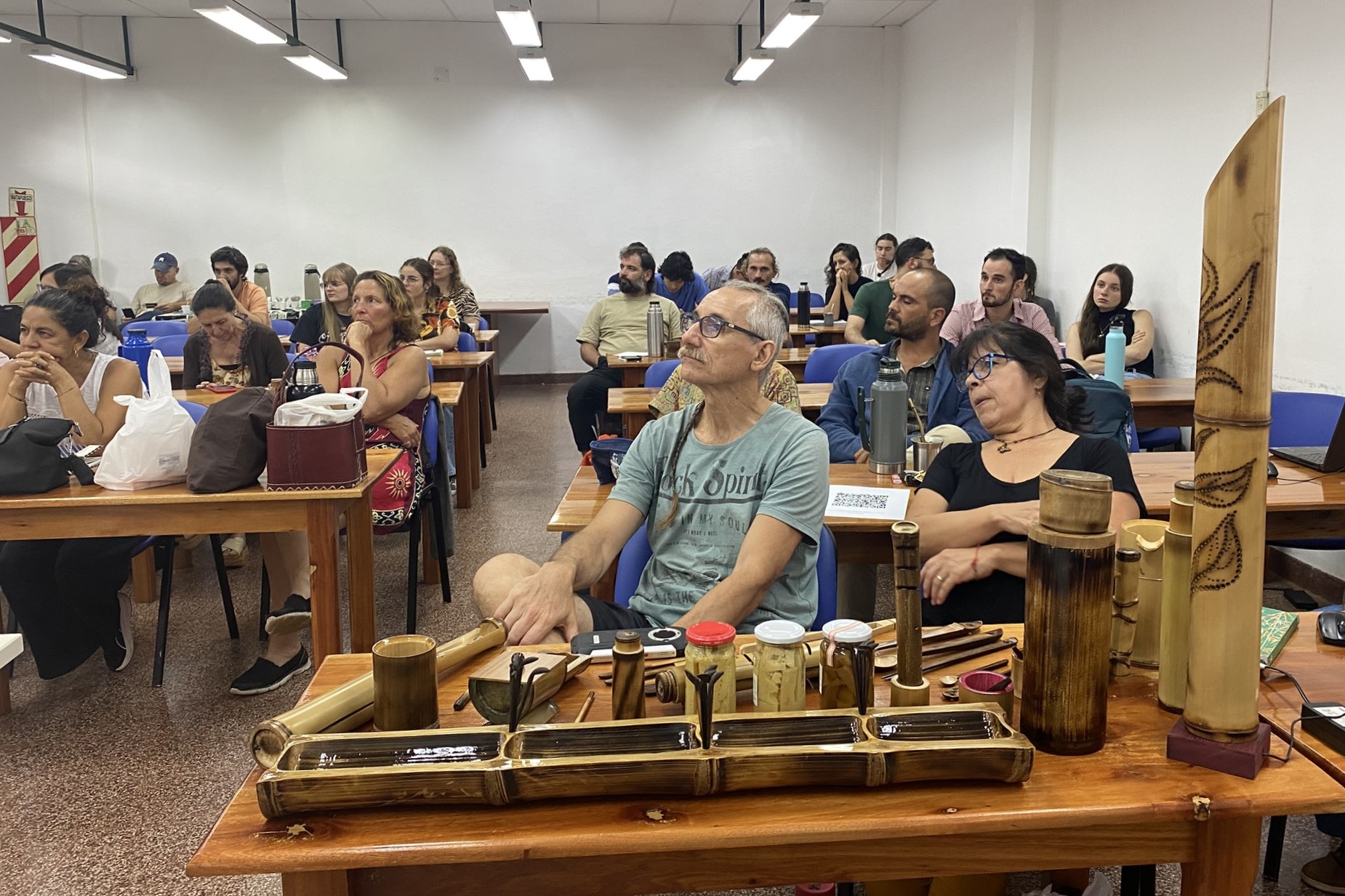
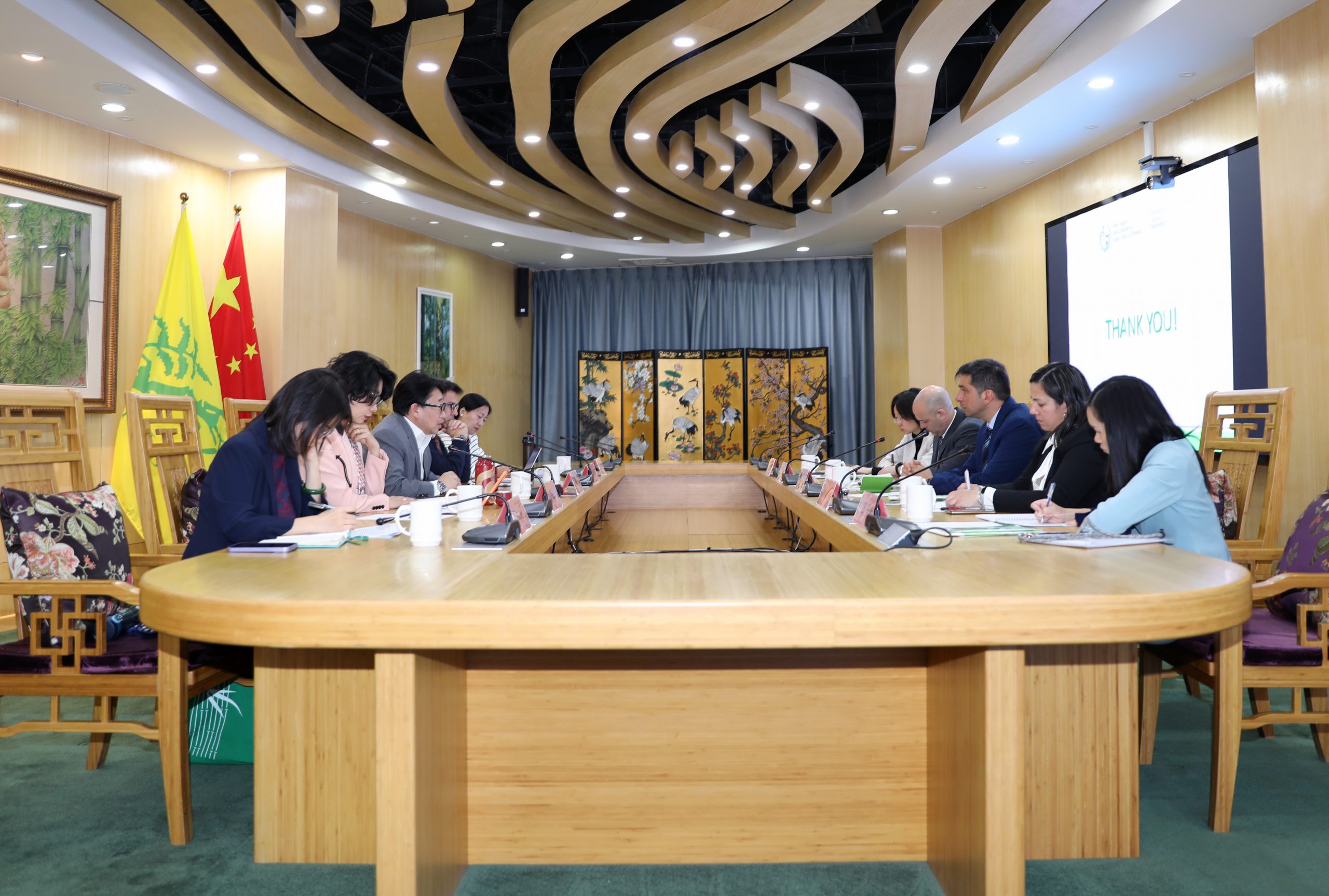
INBAR recently conducted a multi-stakeholders bamboo product policy workshop in Kenya. The workshop aimed to bring stakeholders together in the bamboo sector, including government agencies, to identify and discuss the bamboo products that have the potential for future policy development, with a focus on their inclusion in public procurement systems as an approach for the government to promote the bamboo sector in the country. The workshop, which was held on 10 June inside the premises of the Kenya Forest Services in Nairobi, brought 28 participants including bamboo and non-bamboo practitioners, including farmers, entrepreneurs, government agencies, civil societies organization, and private actors, and discussed priorities and issues of the bamboo sector development and approaches whereby bamboo products could get visible recognition in the country.

In his opening remarks, Dr. Benjamin Kinyili of the Kenya Forest Service welcomed the stakeholders to the workshop and gave a preview of the state of bamboo in Kenya. He thanked INBAR for supporting bamboo sector development in Kenya and stated that if it was not for INBAR, Kenya would not have adopted a national bamboo policy. He emphasized the need for the county government to include bamboo in the County Integrated Development Plans to tap into more sources of financing for the bamboo sector as it has a vast potential in alleviating poverty. He has also mentioned different counties in Kenya are farming bamboo for commercialization which may require support as the industry develops.
Dr. James Ndufa of Kenya Forestry Research Institute, in his presentation on the national bamboo policy, alluded that the policy is a blueprint for supporting the government development plans on food security, health care coverage, housing and manufacturing, and achieving the sustainable development goals.
In his presentation, Dr. Selim Reza, Dutch-Sino-East Africa Bamboo Development Programme Manager, stated that the workshop was important for the bamboo sector development in Kenya as the platform will result in building partnerships and collaboration, networking, dissemination, and sharing of information, knowledge management, and scale-up of best practices. Dr. Selim also highlighted key areas for products policy development, including bamboo timber substitute industries, bamboo round pole and laminated furniture, bamboo crafts and https://waldofleamarket.com/ cheap price bioplastic products, bamboo stick-based products (curtains, mats, incense sticks), bamboo pulp and paper, bamboo bioenergy, construction, and bamboo eco-tourism. He also emphasized creating a bamboo value chain in bamboo-growing counties of the country to further strengthen bamboo businesses at the community, county, and national levels.
The workshop was adjourned by identifying short-term priority action points, such as finalizing the draft bamboo strategy and action plan to implement the bamboo policy; identifying procurable products and setting quality standards of each product identified for public procurement; developing a standard procedure for the treatment of bamboo poles for value addition; organize high-level government officials and bamboo stakeholders workshops to promote dialogue on the bamboo industry development in Kenya, and enhancing awareness creation through media coverage.

Ms. Nellie Oduor, INBAR National Project Coordinator for Kenya, made the closing remarks during the workshop at the Kenya Forest Service in Nairobi.
In her closing remarks, Ms. Nellie Oduor, INBAR National Project Coordinator, appreciated the effort made by all the stakeholders in ensuring healthy bamboo development in Kenya and urged that the momentum continues until the vision and goals of the entrepreneurs of bamboo sector development in Kenya are achieved. She also thanked INBAR for continuously supporting bamboo in Kenya.
Bamboo has vast potential to contribute to rural poverty reduction in several African countries. One of the fastest-growing plants on earth, bamboo has been used to create jobs, economically empower women, and protect the environment. Despite the potential of bamboo as a fast-growing renewable resource, the market for bamboo products in Kenya is still relatively misty. That is attributed to various bottlenecks in the sector, and one of them is the lack of a guideline on the public procurement process when dealing with bamboo products. One of the objectives of the Dutch-Sino-East Africa Bamboo Development Programme is to work to overcome these challenges and help promote bamboo sector development in the region.
Learn more about the Dutch-Sino-East Africa Bamboo Development Programme.