 News
NewsCircle of Friends of Cameroon comes to INBAR’s Central Africa Regional Office

Bamboo shows up at prominent event in Cameroon, where it can contribute to the country’s scientific, political, environmental and socio-economic goals.
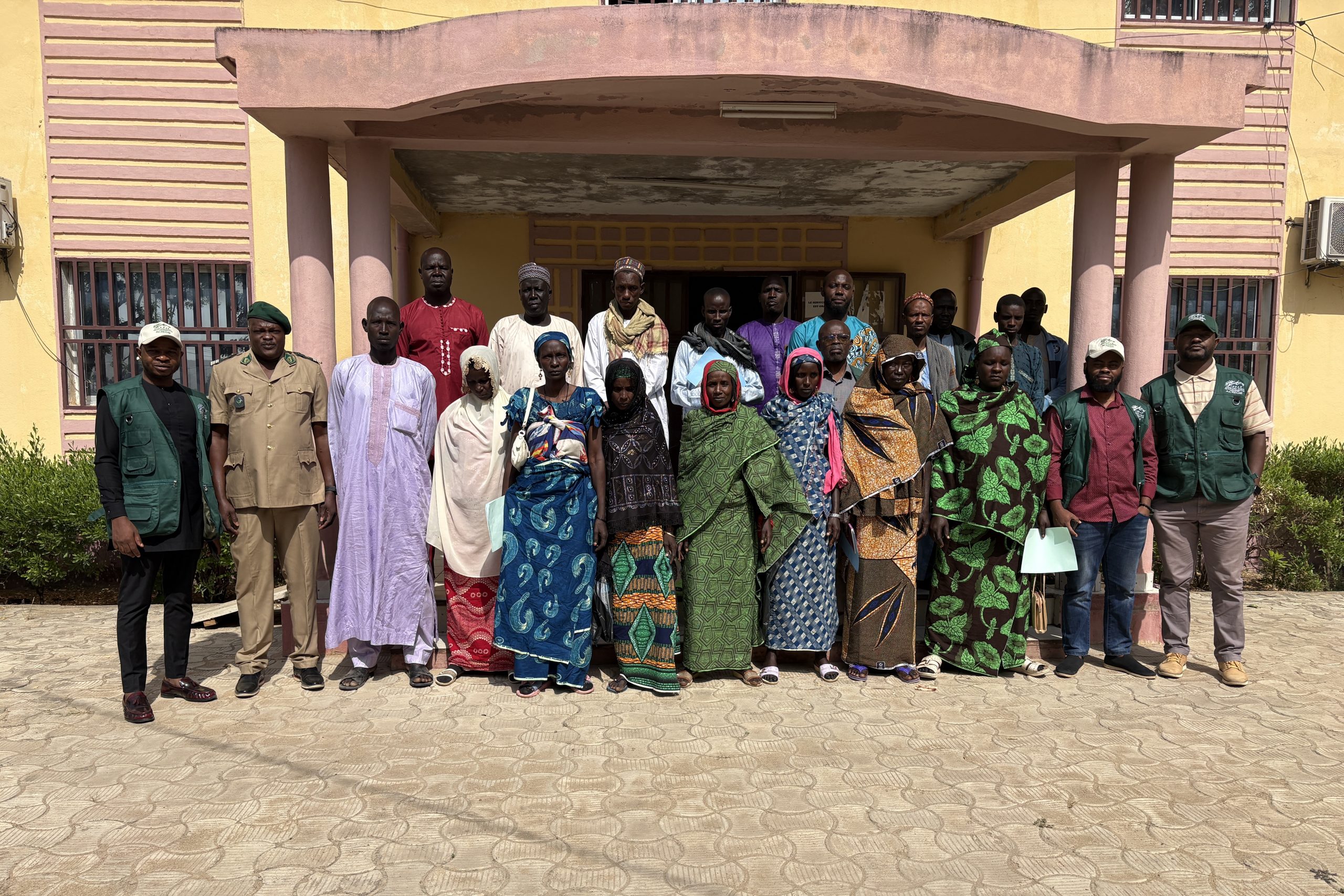
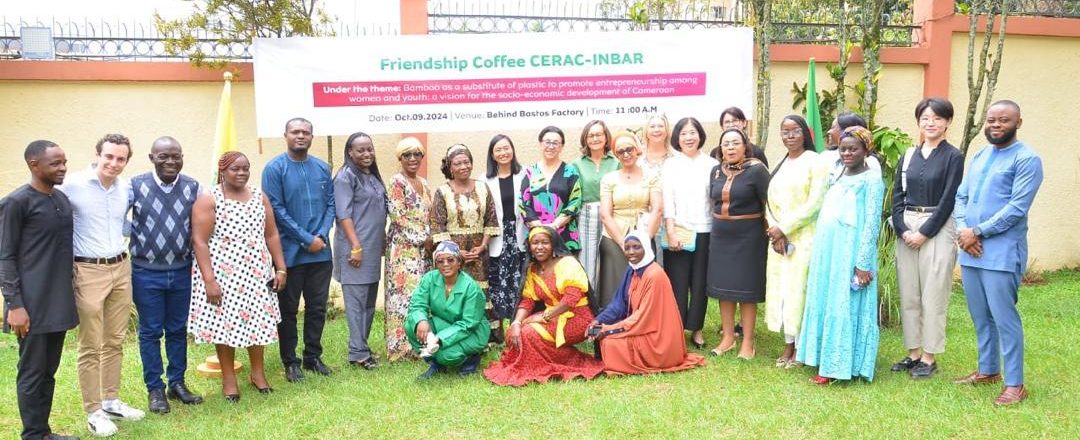
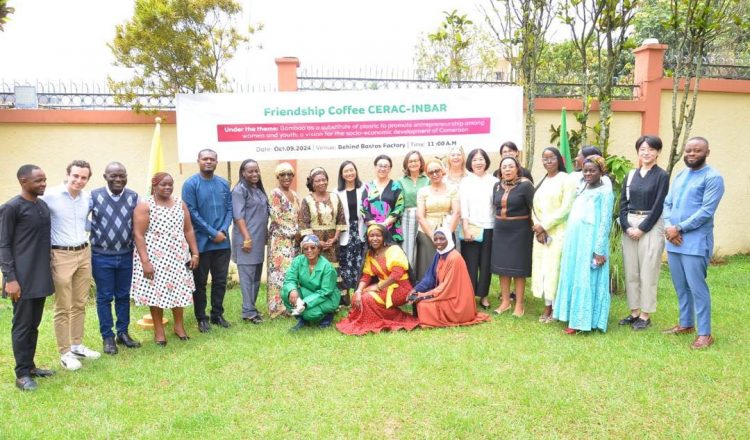
On 9 October 2024, INBAR’s Central Africa Regional Office (CARO) hosted the Circle of Friends of Cameroon (CERAC) under the theme, “Bamboo as a substitute for plastic to promote entrepreneurship among women and youth: A vision for the socio-economic development of Cameroon.”
CERAC is an initiative launched by the First Lady of Cameroon, Mrs. Chantal Biya, aimed at actively participating in the development of Cameroon by providing significant assistance to the most disadvantaged populations. As a humanitarian, apolitical, and nonprofit association, CERAC seeks to foster friendship and solidarity among its members, provide humanitarian aid to vulnerable populations, facilitate access to quality healthcare for the underprivileged, promote inclusive education, contribute to the fight against poverty and human suffering and work towards enhancing Cameroon’s international profile, notably through its “diplomatic section.”
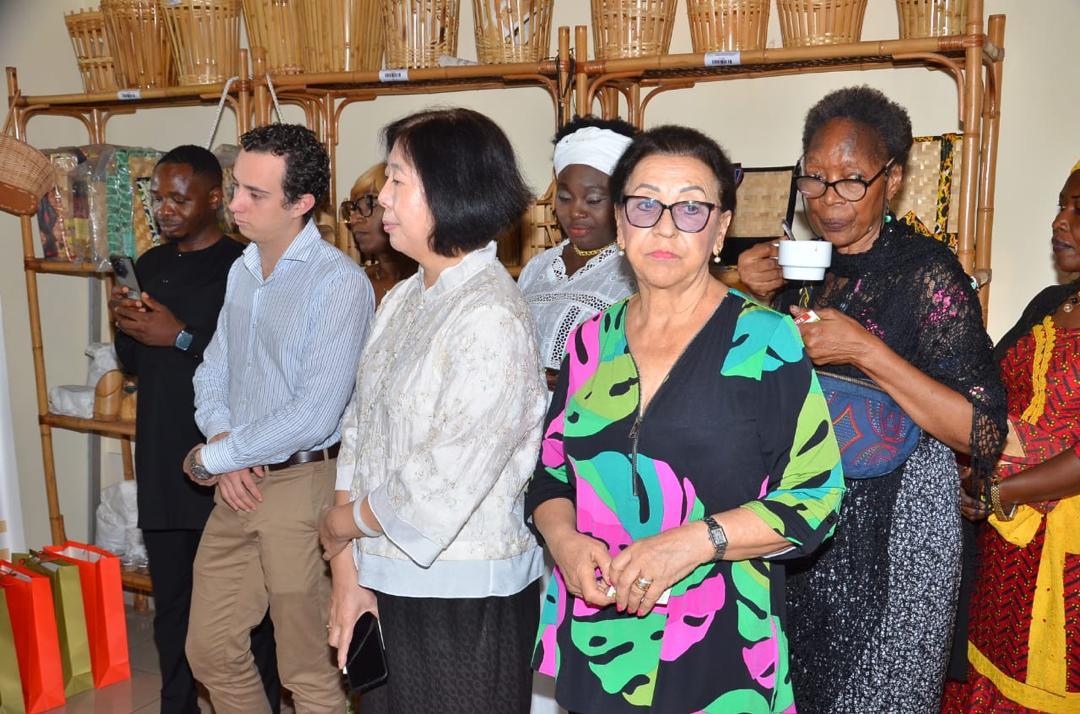
The café of friendship organized with the “diplomatic section” fulfilled all its promises, namely, to commune and promote the potential of bamboo. The spouses of members of the diplomatic corps and the spouses of members of national institutions in attendance were informed and sensitized about the scientific, political, environmental and socio-economic aspects of bamboo.
The event consisted of three main components: A visit to the bamboo and rattan nursery of INBAR CARO; a presentation of bamboo as a substitute for plastic; and seeing firsthand the wide range of products that can be made from bamboo.

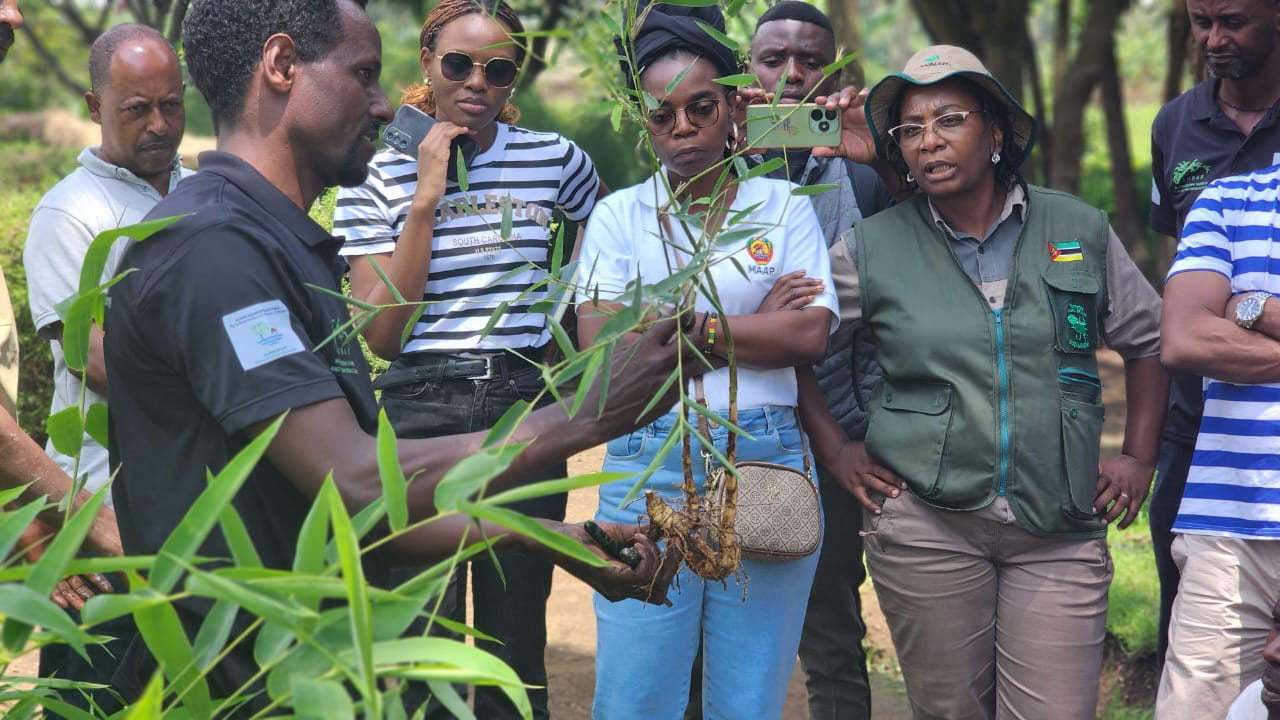
The presentation of the nursery helped enlighten the spouses of Cameroon’s high dignitaries about the history of the nursery’s creation, the different bamboo species under production and the number of bamboo seedlings. This presentation enabled the members of CERAC to understand where bamboo comes from and what it looks like. Beautifully adorned with plants of various bamboo species, the CARO nursery spans an area of 94 square meters, housing three germination beds and three propagation frames that allow for testing the germination potential of seeds. This nursery, which can contain around 3000 seedlings, currently has 1008 bamboo plants.

Rene Kaam, the Regional Director of INBAR CARO, also delivered a comprehensive presentation on bamboo, including relevant information regarding different bamboo species, each with different characteristics and uses. In Cameroon, 15 species of bamboo have been recorded, and the office currently counts 18 nurseries across the country. Kaam also mentioned that bamboo can be used for furniture, cosmetics, food as well as many other everyday items, or even as fodder for livestock. Hence, bamboo is an innovative, renewable, and sustainable raw material with multiple avenues for development.

Today, bamboo can be used as a substitute for plastic. Humanity produces over 430 million tons of plastic each year, and individuals consume the equivalent of a credit card’s worth of plastic annually. This is not only harmful to humans but also pollutes the environment. These facts sparked robust discussion among the audience. Kaam added that, “Based on available technology, most products made of plastic can be replaced with bamboo. You will find disposable bamboo cutlery on many flights today.”


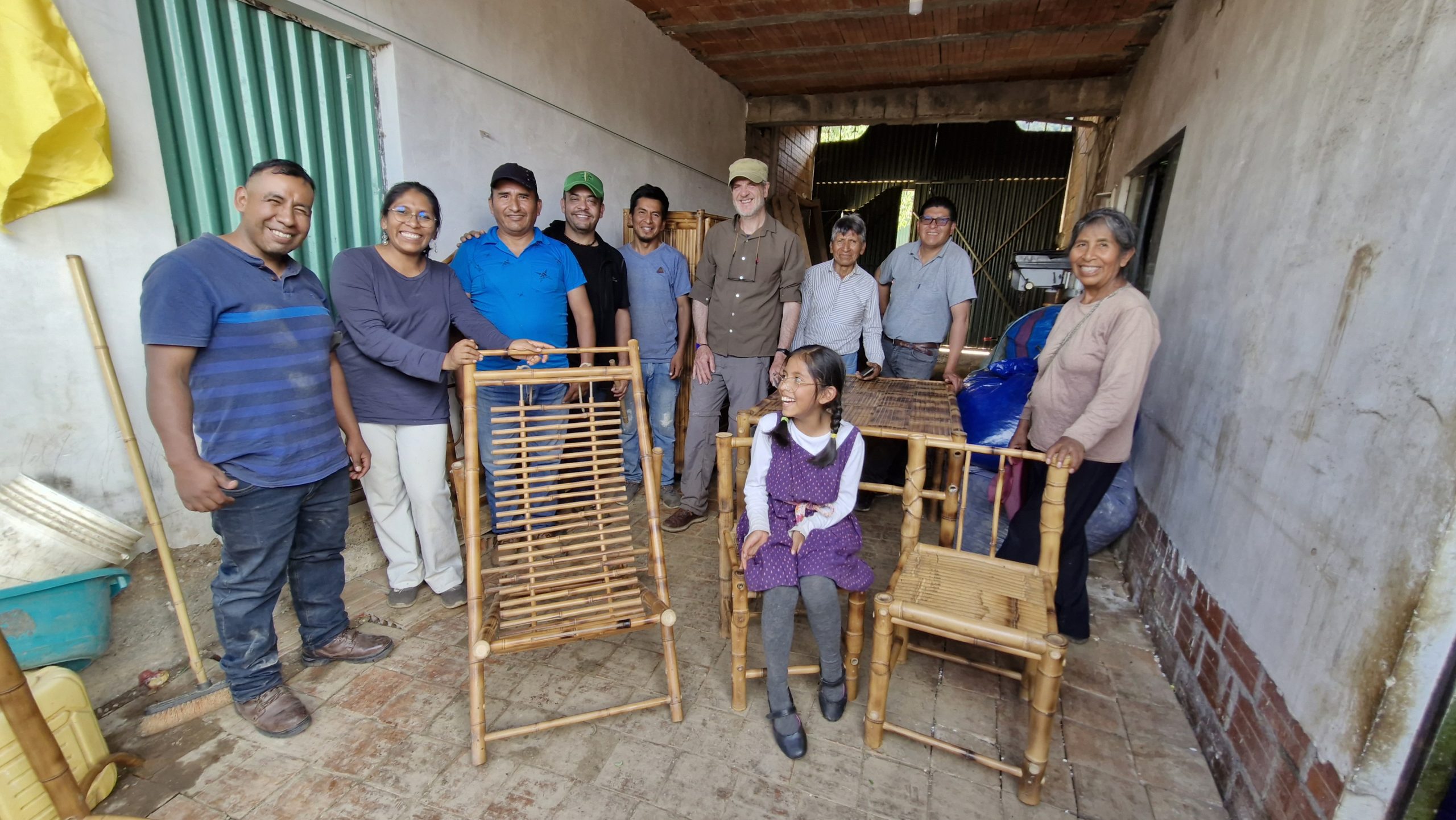
Following this enlightening presentation, the CERAC ladies visited an exhibition put on by local artisans, showcasing diverse bamboo products. These included bamboo tea, soap, bedside lamps, handbags, fruit baskets and fans. After the visit, the coordinator of the diplomatic section of CERAC, Madame Mballa Mballa, took a moment to address INBAR. In her remarks, after outlining the missions of CERAC, she thanked INBAR for this café of friendship, which aligns with the vision of the First Lady of Cameroon, Mrs. Chantal Biya, who encourages moments of sharing and conviviality.

The visit from the diplomatic section of CERAC ultimately represents an important step in the efforts of the INBAR CARO to raise awareness within the international and diplomatic community about the potential of bamboo as a tool for sustainable development in the Congo Basin countries and in the fight against plastic pollution.