 News
NewsIN PROFILE: Projectobambu.com, Brazil

One company in Brazil is promoting bamboo as a viable alternative to plastics and other non-renewable resources.
Projetobambu.com is a Brazilian company with a long history of promoting the use of bamboo as a sustainable material. Founded in 2008, the company has been working to raise awareness of bamboo’s versatility and environmental benefits, while also training local communities in bamboo harvesting, processing and product development. Through partnerships with government agencies and participation in fairs and events, Projetobambu.com has been at the forefront of efforts to position bamboo as a viable replacement for plastic and other non-renewable resources in Brazil. In this interview, the company’s leadership discusses their driving mission, the socioeconomic impacts of their work and their vision for bamboo’s future in the country.
Tell us more about Projetobambu.com! What is your driving mission, and how is it related to bamboo and/or rattan?
The company Projetobambu.com was created in 2008 with the aim of promoting bamboo in Brazil, demonstrating its many potential uses. The company’s CEO, engineer Vitor Marçal, had already been studying bamboo for some time and understood that the best way to promote bamboo would be to promote its possibilities of use within the community, presenting the beauty, strength, and untapped potential it has to offer.

What would you like our partners to know about Projetobambu.com?
The company Projetobambu.com has a long history of activities with bamboo. Initially, the focus was to present interesting information about this flexible and durable material. Later, activities became more practical, with workshops and courses that presented real and dynamic ways of working with bamboo and how to transform this material into products and structures that could benefit people and communities to develop activities that could generate employment and income. With increased knowledge about the characteristics and techniques of working with bamboo, it was possible to develop more activities on a semi-industrial scale to make better use of the bamboo available in the region. Soon after, the company was already importing industrialized bamboo boards from China to create products and services in Brasília, the capital of Brazil. With the increase in demand and the technical level of work increasingly improving, it was necessary to develop pre-manufacturing and assembly systems that would enable the company’s growth.
 In what ways does Projetobambu.com contribute to the goals of the Bamboo as a Substitute for Plastic Initiative, that is, in reducing plastic pollution and/or addressing climate change?
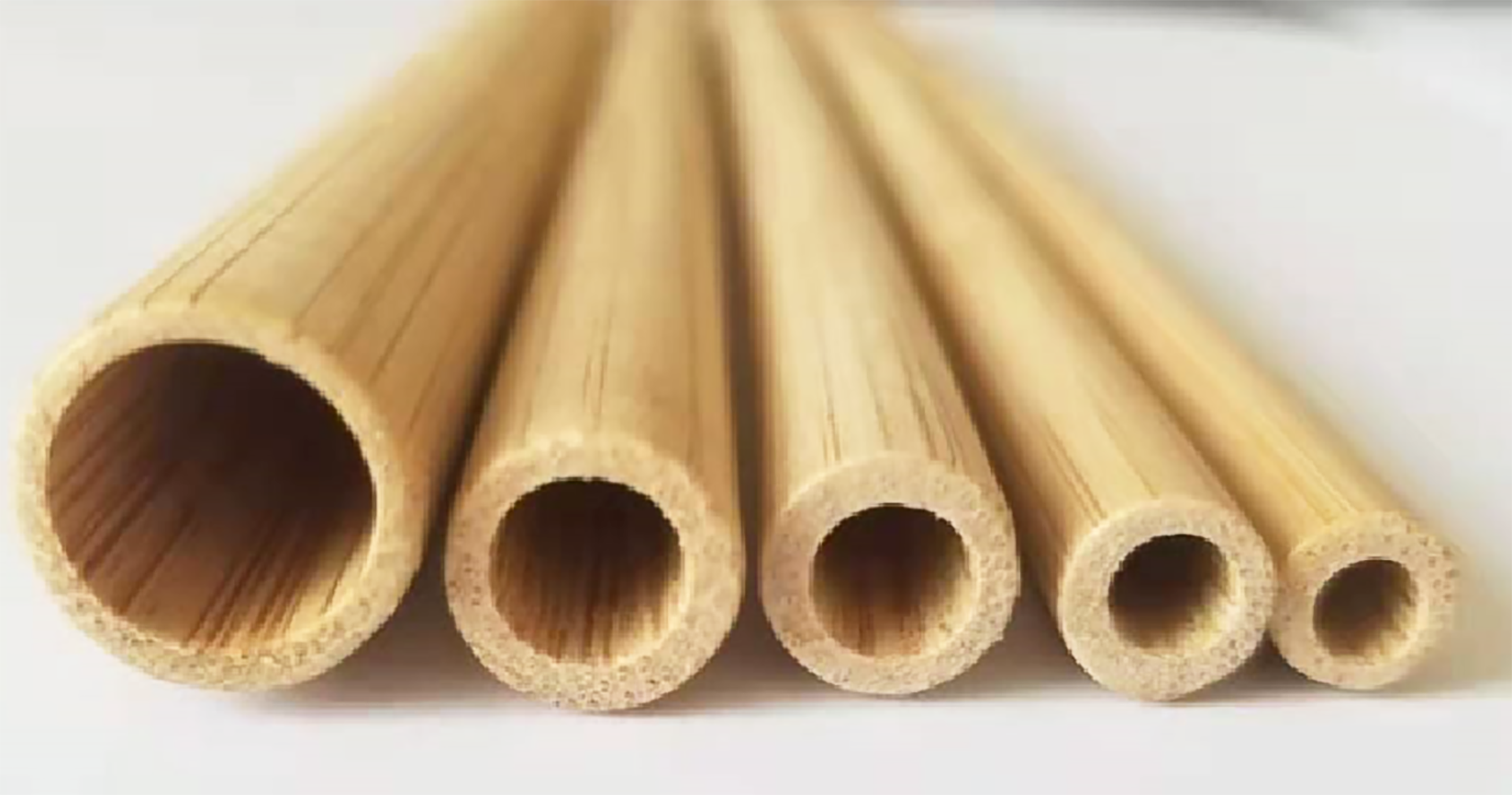
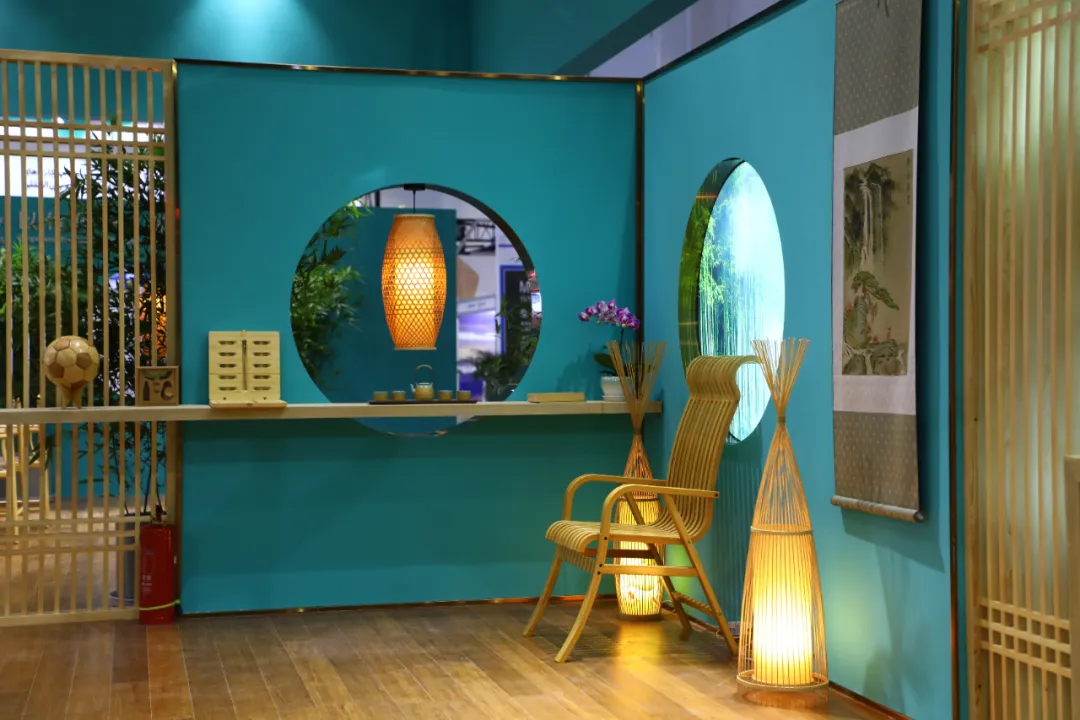
The company Projetobambu.com is very concerned about the environment and the production of waste during its activities. Therefore, during the first years of the company’s operation, a factory was developed to create and produce products using bamboo and demolition wood to produce accessories and small products for home and office that were presented at fairs and relevant events to demonstrate the potential of using bamboo and the possibility of replacing synthetic materials, such as plastic, to produce more sustainable and recyclable products. Events were developed together with government partners, such as the Ministry of Science and Technology, to emphasize the possibilities of using bamboo in Brazil and the positive impacts that these changes can bring to the planet. More than 100 different products have been developed in our company.

How does the work of Projetobambu.com benefit or impact the socio-economic livelihoods of local communities to support sustainable development?
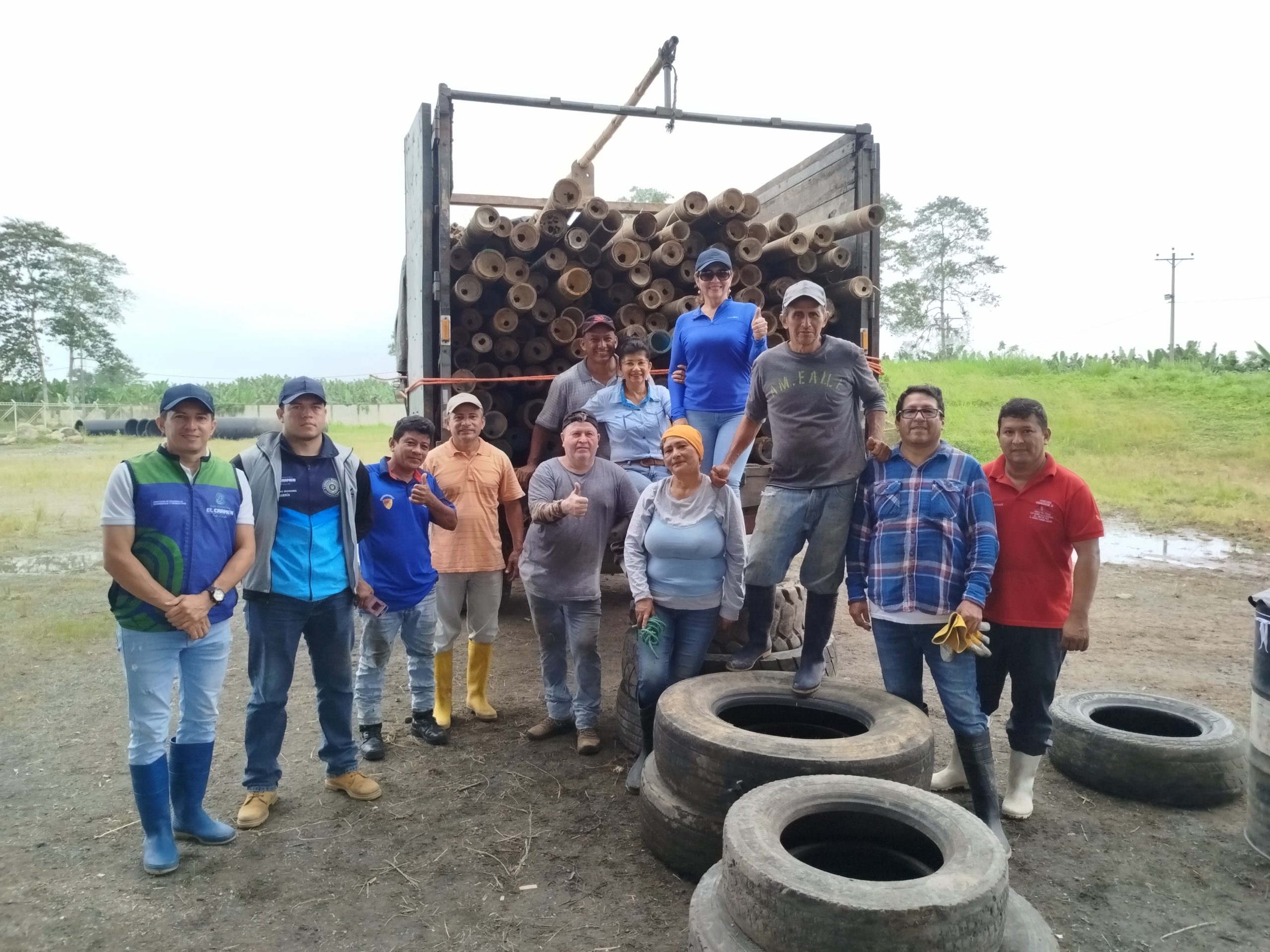
To develop our activities, it is necessary to train partners to facilitate the processes of identifying bamboo groves, selecting and cutting bamboo culms, transporting, treating and processing the material. These processes make it easier for people living in rural areas, and with a lower level of knowledge, to learn more about bamboo and its uses, in addition to receiving payment for this harvesting activity. Subsequently, processing and production stages are developed, where better-trained partners work in the creation and production of products and in the pre-manufacturing and assembly of structures using bamboo. This crucial knowledge transfer helps to promote bamboo and its potential for use in their communities.

Can you share specific moments in Projetobambu.com history where an obstacle was successfully overcome?
In the beginning, even though our company was aware of bamboo’s enormous potential in a variety of industries, it was difficult to gain access to high-quality bamboo and technical expertise in the region. A large investment was needed in mapping bamboo productive areas, which provided the necessary material for later activities, followed by training for people and communities close to these areas. Subsequently, it was necessary to develop techniques, processes and machinery to develop the products and services we intended to offer. It was necessary to bring partners from Colombia to improve the techniques and knowledge for the company’s further evolution. However, our biggest challenge was to present the material to our consumer market, where there was relatively low awareness about bamboo as a sustainable material, especially on a commercially profitable scale. This challenge was overcome with the development of courses, fairs and events where we could present our products and services, creating greater demand in places with large circulation of people, which over time resulted in growing demand seeking for bamboo products.

In the future, what course of development do you expect for Projetobambu.com?
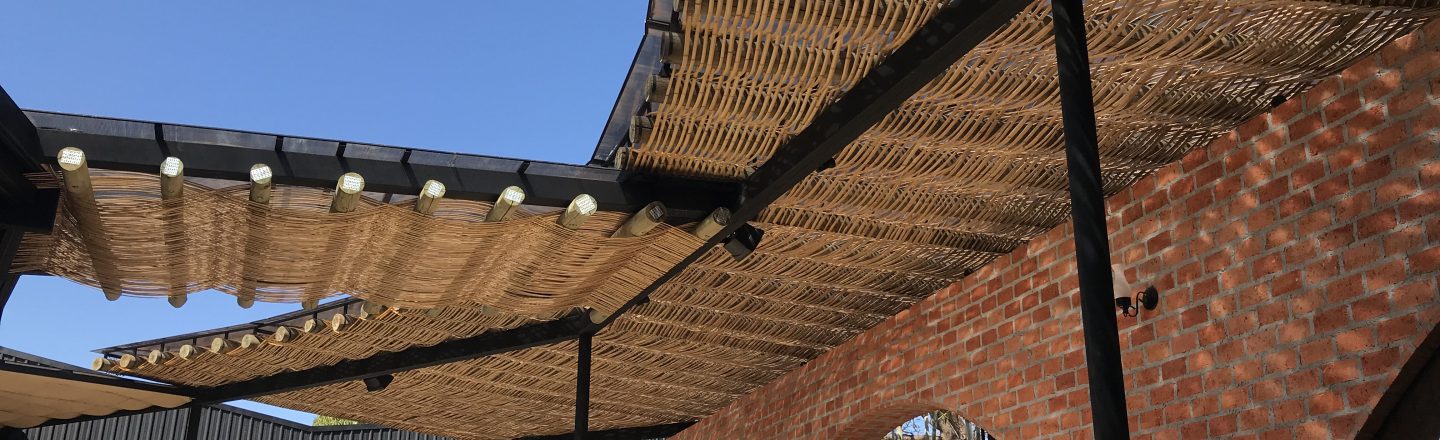
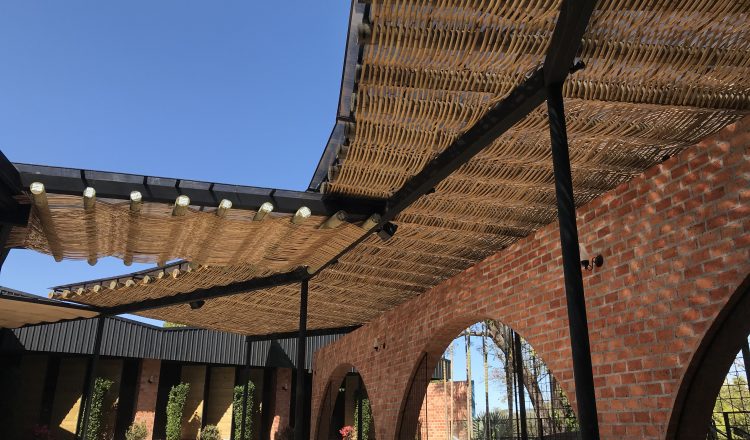
Looking ahead, we hope that the company Projetobambu.com can continue to develop its activities, making the most of bamboo. Our greatest expectation is to develop increasingly larger and more challenging projects. We hope to be able to work together with national and international partners, taking advantage of the new materials that are being produced in China and other countries to create and execute increasingly challenging structures and projects. Above all, we want to continue presenting Brazilians citizens with the full potential of bamboo, not only in Brazil but also around the world, confirming the qualities of this material and its potential for replacing plastics with a more sustainable, beautiful and naturally perfect material.