 News
NewsINBAR and WTO delegation explore collaboration on plastic pollution and bamboo solutions
 INBAR welcomed a high-level WTO delegation to its Beijing headquarters to advance bamboo solutions for plastic pollution.
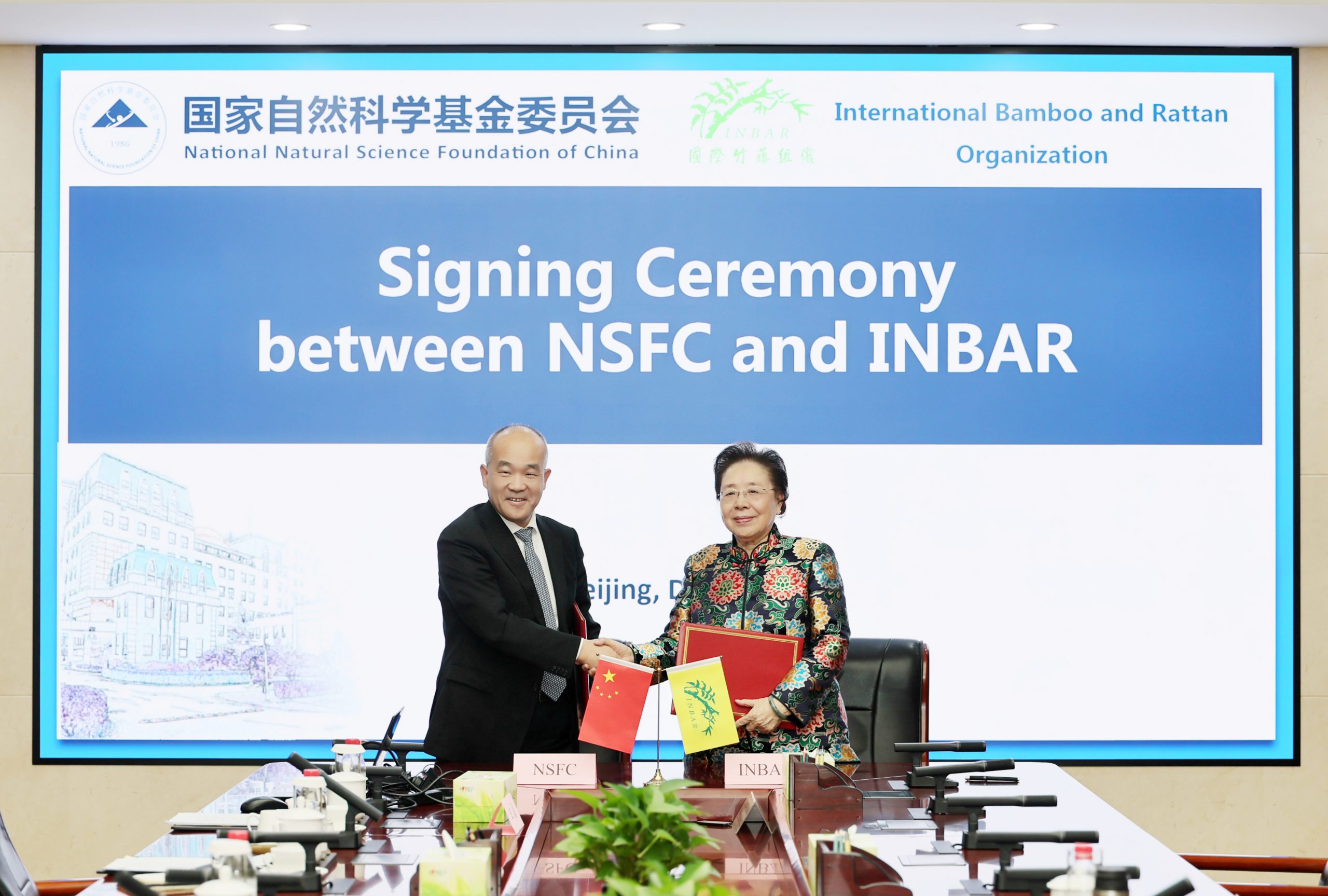
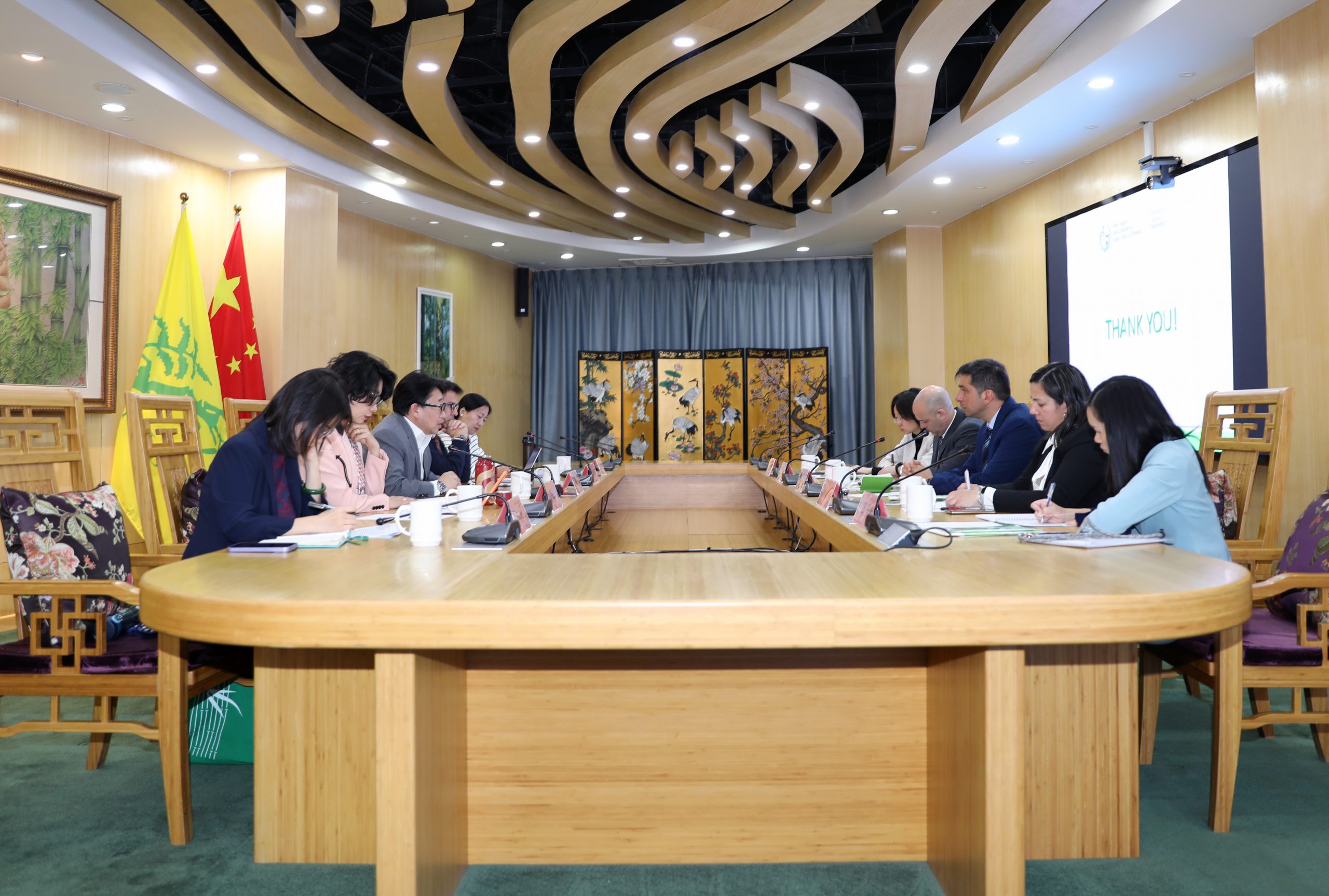
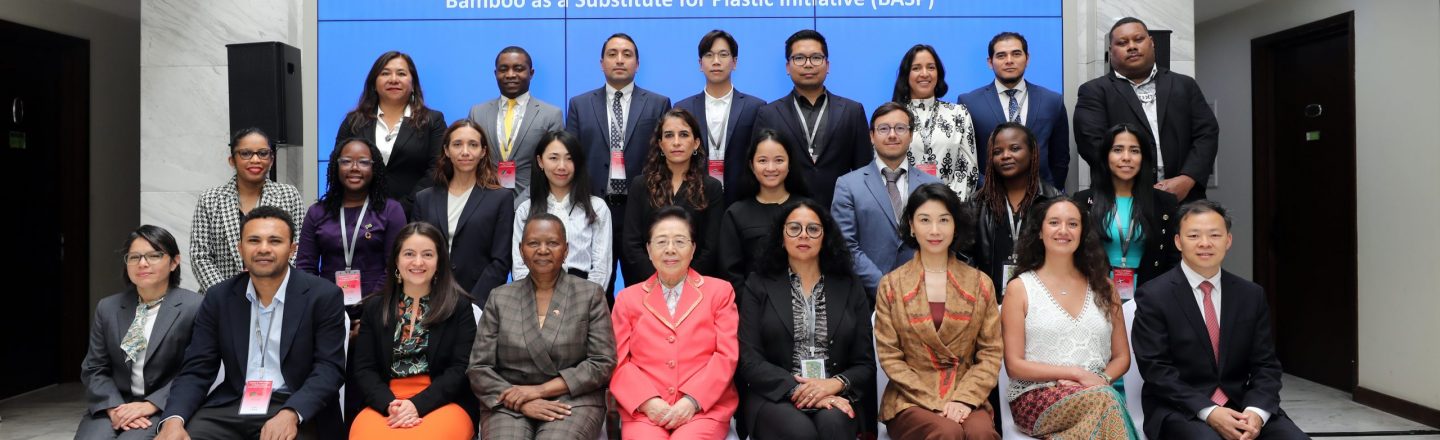
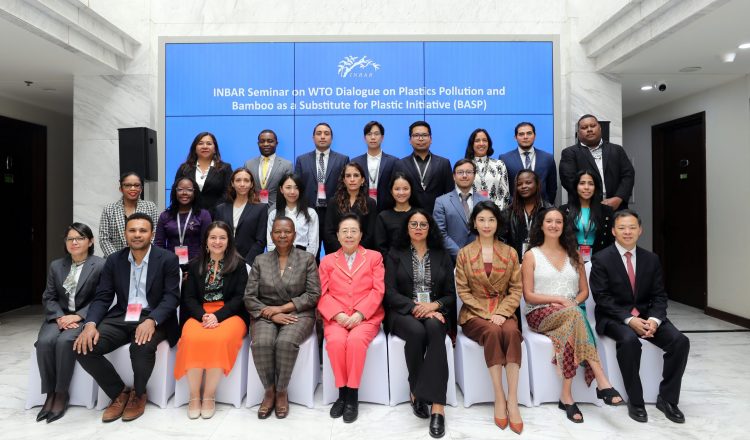
On 22 September 2025, INBAR hosted a high-level exchange session with a delegation from the World Trade Organization (WTO) at its Beijing headquarters. The meeting focused on strengthening multilateral cooperation to tackle plastic pollution and advance the Bamboo as a Substitute for Plastic (BASP) Initiative.
The session featured remarks from distinguished figures, including Professor Jiang Zehui, Co-Chair of the INBAR Board of Trustees; H.E. Ambassador Oliver Wonekha, Ambassador of Uganda to China and Vice-Chair of the INBAR Council; and H.E. Ambassador Clara Manuela Da Luz Delgado Jesus, Permanent Representative of Cabo Verde to the WTO.

In her opening address, Professor Jiang highlighted bamboo’s role as a green, low-carbon, and renewable biomass resource. “The BASP Initiative is highly aligned with the WTO’s efforts to prevent and control plastic pollution,” stated Professor Jiang. “We welcome the WTO delegation to INBAR to learn more about the unique role of the BASP Initiative. We hope this visit will strengthen collaboration and advance the effective global implementation of BASP.”
The dialogue highlighted INBAR’s growing role in building international partnerships. Over the years, INBAR has formalized cooperation agreements with UNCTAD, the UNFCCC Secretariat, and FAO, while working closely with trade bodies like the International Organization for Standardization and the World Customs Organization to integrate bamboo and rattan into global trade frameworks.

Ambassador Wonekha stressed the critical importance of bamboo and rattan for sustainable development: “Bamboo and rattan provide critical resources for rural communities, essential materials for industries, and solutions for pressing environmental challenges.” She emphasized the need for greater collaboration on issues including market access, international standards, and innovation in the sector’s value chains.

Ambassador Da Luz Jesus reaffirmed the shared commitment to addressing plastic pollution. “Bamboo and rattan—renewable, versatile, and affordable—serve as excellent alternatives to plastics, and can make significant contributions to sustainable development, green growth, and climate action. The BASP Initiative is a timely and practical response to the global trend.” she noted. “We extend our sincere appreciation to INBAR for their expertise, which has provided a deeper understanding of the policy frameworks and international cooperation needed to unlock this potential.”


INBAR’s Director of External Relations and Partnership, Mrs. Li Lan, joined the session alongside other senior officials. Presentations were delivered by Mr. Borja De La Peña, Global Policy Officer, and Mr. Durai Jayaraman, Director of Global Programme, who outlined INBAR’s ongoing work and shared updates on the progress of the BASP Initiative and related global projects.
Permanent representatives to the WTO from Cambodia, Colombia Jamaica and Morocco joined the dialogue, engaging with INBAR officials on topics including market promotion of bamboo products, harnessing rattan’s potential, addressing tariff barriers, and opportunities for capacity building.

Ahead of the exchange, the WTO delegation visited INBAR’s Bamboo and Rattan Exhibition Hall, gaining first-hand insights into the versatility and innovation of these resources.