 News
NewsThe World Unveils Its Premier ISO Standard for BASP Products

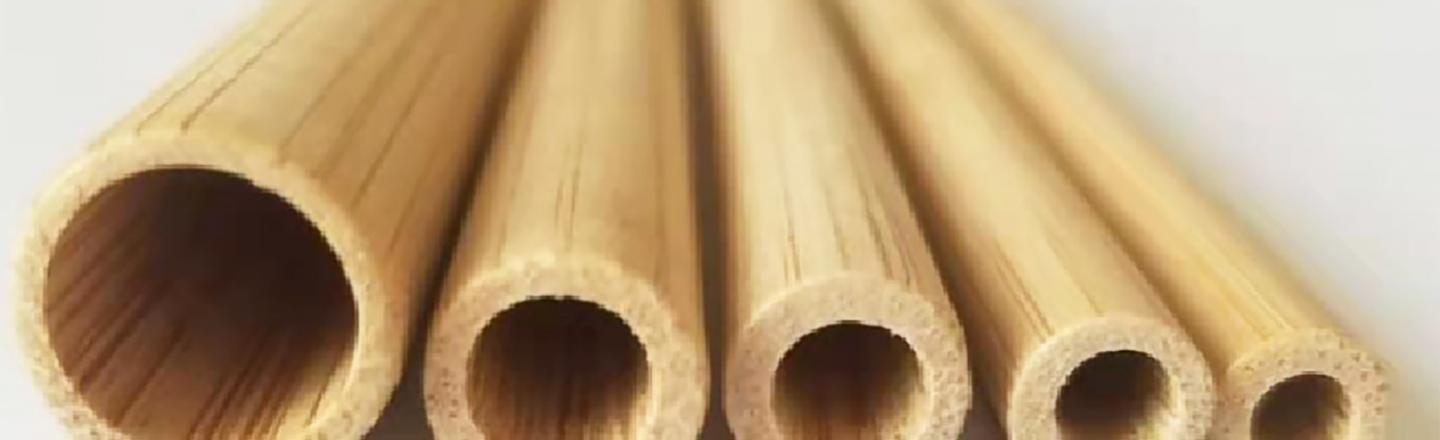
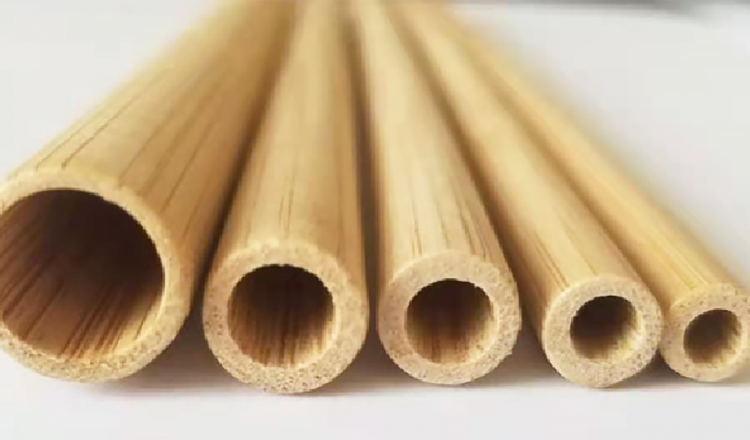
Bamboo straws made by drilling holes on sticks processed from bamboo culm wall. Credit: ICBR
On 22 January 2025, the International Organization for Standardization (ISO) officially released a groundbreaking international standard: “ISO 16830:2025 Specification of Bamboo Drinking Straws” (hereinafter referred to as “Bamboo Drinking Straws”). This is the world’s first ISO standard for Bamboo as a Substitute for Plastic (BASP) products and the 12th ISO standard issued by the ISO Technical Committee on Bamboo and Rattan (ISO/TC 296) since its establishment.
Globally, over 70% of single-use plastic products end up in soil, air, and oceans. Single-use plastic straws, due to their small size and lightweight nature, are rarely recycled. On January 19, 2020, the National Development and Reform Commission (NDRC) and the Ministry of Ecology and Environment (MEE) of China jointly issued the “Opinions on Further Strengthening Plastic Pollution Control,” which stipulates that by the end of 2020, the use of non-degradable disposable plastic straws will be prohibited in the catering industry nationwide. Similarly, the international community has enacted numerous policies to ban the use of disposable plastic straws. Being one of the fast-growing plants in the world, bamboo serves as an excellent, renewable, and biodegradable material. Beyond its use in engineering applications, the development and application of bamboo drinking straws can significantly mitigate global plastic pollution caused by disposable plastic straws, while also offering substantial economic, social, and ecological benefits. Bamboo straws produced using advanced technologies such as drilling holes on bamboo sticks or rolling bamboo veneer, exhibit immense market potential.

Bamboo straws made by rolling veneers processed from flattened bamboo. Credit: ICBR
The Bamboo Drinking Straws standard specifies the requirements, test methods, storage, packaging, and labeling. The project was officially approved on June 24, 2022, following a vote by members of ISO/TC296 The project was led by the International Center for Bamboo and Rattan (ICBR), with key contributions from leading entities such as ICBR, China Anhui Hongye Group, and China Long Bamboo Technology Group. Over ten domestic institutions in China, including Central South University of Forestry and Technology, Inner Mongolia Agricultural University, and Zhejiang Agriculture and Forestry University, along with researchers and experts from ISO/TC 296 member countries, participated in the development of the standard. The project received comprehensive guidance and support from the Secretariat of ISO/TC 296 and also benefited from strong backing from the Science and Technology Department of the National Forestry and Grassland Administration and the Department of Standards Innovation Management of the State Administration for Market Regulation in China.

Bamboo straws made of small-diameter round bamboo culms or branches.
This milestone marks a significant step forward in promoting sustainable alternatives to plastic products while leveraging world’s abundant bamboo resources.
Please contact the Secretariat of ISO/TC 296 Coommittee for details.