 News
NewsINBAR participates in key conference on ecosystem preservation in Central Africa
 Meeting highlights the role of local and Indigenous communities for safeguarding the Congo Basin.
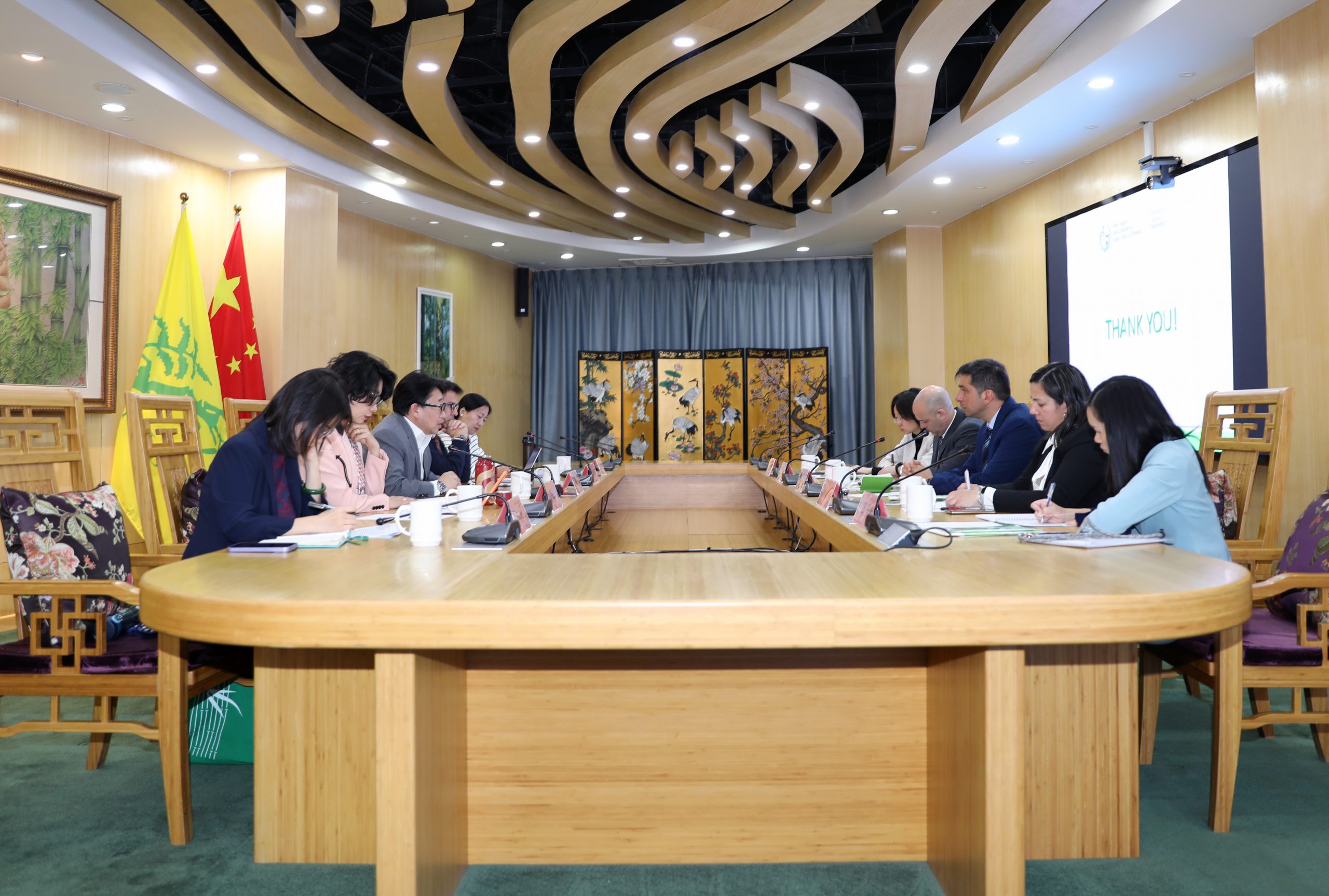
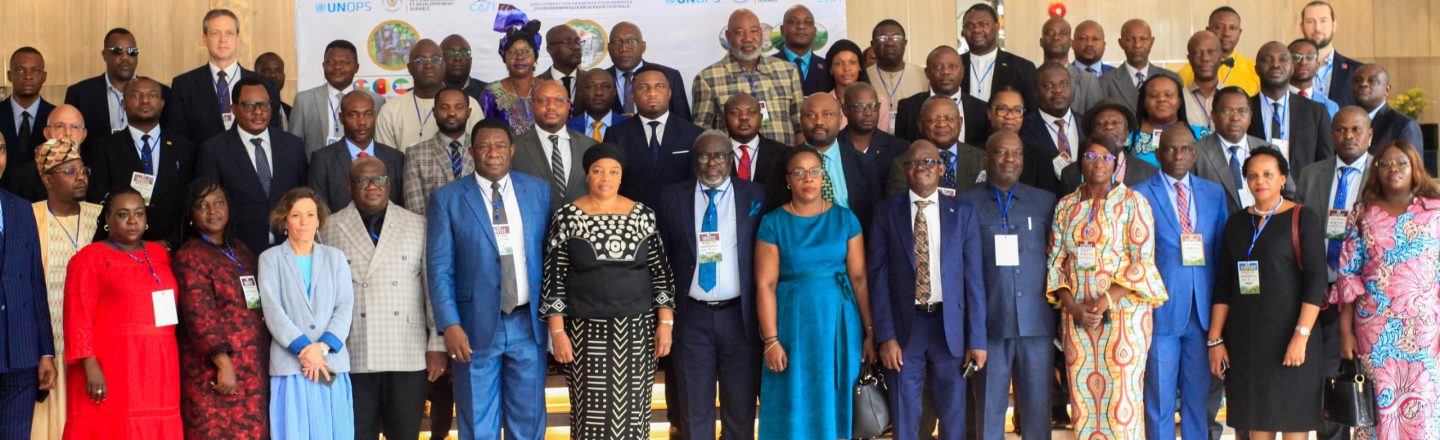
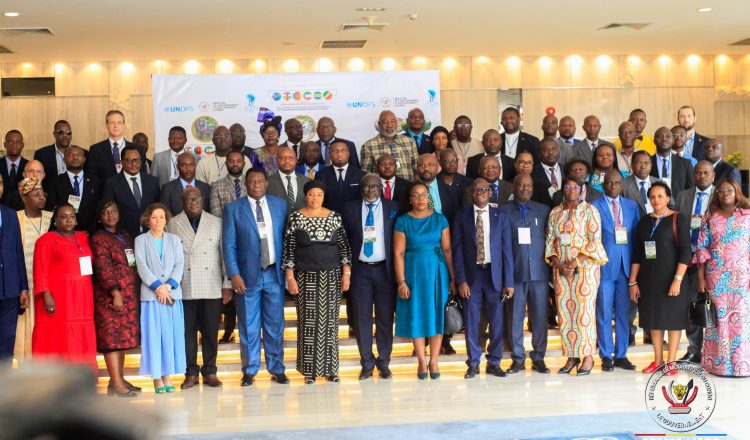
INBAR participated in the International Ministerial Conference on the Deployment of Payments for Environmental Services (PES), held from 27 to 29 January 2025, in Kinshasa, Democratic Republic of Congo. The event, organized by the Ministry of Environment and Sustainable Development, aimed to strengthen the preservation of ecosystems in the Congo Basin while placing local and indigenous communities at the heart of sustainable management strategies.
INBAR was represented by René Kaam, Central Africa Regional Director, whose mission was to advocate for the role of bamboo and rattan as critical nature-based solutions within the PES framework. During the conference, Kaam highlighted the environmental services provided by bamboo and rattan, which contribute to six key areas of PES: Agroforestry, reforestation, perennial crops, regeneration, sustainable forest management and conservation. These contributions are vital to the success of PES mechanisms, particularly in the context of the Congo Basin’s unique ecosystems.

Contributing to PES in Central Africa
INBAR’s participation at the conference was strategically significant, especially given that four out of the six countries signatory to the Central African Forest Initiative (CAFI) are also INBAR members: Cameroon, Central African Republic, Republic of Congo, and the Democratic Republic of Congo. INBAR’s presence underscored the importance of bamboo and rattan as essential resources for climate change mitigation, forest regeneration and sustainable livelihoods.
Through its pioneering work, INBAR has developed a digital platform to assess bamboo resources outside forest areas and a Bamboo and Rattan Species Selection Tool. These innovations position INBAR as a potential partner to support CAFI’s objectives, ensuring that bamboo and rattan resources are appropriately included in PES schemes and that local communities are fairly compensated for their conservation efforts.
Bamboo and rattan: Key parts of ecosystem services
Kaam emphasized that bamboo and rattan are not only sustainable resources but also vital to achieving the goals of PES in the Congo Basin. Bamboo and rattan, as fast-growing, resilient, and multi-purpose plants, have significant potential in agroforestry and reforestation efforts, and can play an integral role in reducing deforestation and promoting ecosystem regeneration. By addressing critical environmental issues like soil erosion, carbon sequestration and biodiversity loss, bamboo and rattan contribute to climate resilience while supporting local economies.
Digital revolution in environmental service payments
The conference also saw the announcement of digital tools designed to enhance the management and planning of PES in the region. The Minister of Environment and Sustainable Development, Eve Bazaïba, revealed that the upcoming digital solutions would include real-time geolocation of beneficiary activities and the digitization of payment systems. These innovations will streamline the implementation of PES, making the system more transparent and efficient. The tools will allow for accurate tracking of environmental services provided, ensuring that communities are compensated fairly for their contributions to conservation.
“This digital transformation will make the Congo Basin a global model in the fight against climate change through nature-based solutions,” said Minister Bazaïba during the opening speech.

Focusing on local communities and Indigenous rights
Bazaïba emphasized the importance of involving local and indigenous communities in forest management. She reiterated that it would be unrealistic to protect the region’s forests without the active participation of the people who depend on them. The PES mechanism, she explained, will not only encourage innovative and sustainable practices but also empower local communities economically.
The three-day conference brought together ministers from the Central African countries of the Congo Basin, technical experts and international partners to discuss a joint position on PES ahead of the 30th Conference of the Parties (COP30) in Belém, Brazil. The objective was to formulate a roadmap for the large-scale deployment of PES mechanisms and ensure that they are adequately funded through both local and international resources.
Commitment to regional and global climate goals
As part of the conference’s proceedings, a high-level dialogue took place on the need to increase financial resources for PES in the Congo Basin. International partners including the Central Africa Forest Commission (COMIFAC), the Congo Basin Forest Partnership (PFBC), the African Development Bank (AfDB), and the Global Environment Facility (GEF) were present, providing their support for this crucial regional initiative.
Bazaïba also highlighted Africa’s contributions to global climate action, noting that despite the continent accounting for only 3.8% of global greenhouse gas emissions, it plays a critical role in carbon sequestration through its forests. She pointed to the “Kivu-Kinshasa Green Corridor” presidential initiative as a prime example of balancing conservation with community development.

Taking a crucial step against climate change
This conference marked a critical milestone in the efforts to protect the Congo Basin’s ecosystems, a region that contains one of the largest tropical rainforests in the world. The decisions and agreements reached in Kinshasa will be pivotal in shaping the future of the region’s environmental policies and conservation efforts.
As the conference concluded on 29 January 2025, the focus was clear: Central Africa must embrace innovative solutions, including PES, to preserve its vital forests and enhance the resilience of local communities against climate change.
INBAR, through its expertise in bamboo and rattan, remains committed to supporting the region’s sustainable development efforts, ensuring that these natural resources play a central role in shaping the future of forest conservation in Central Africa.