 News
NewsChad hosts landmark workshop on national strategy for bamboo and rattan
The two resources can play a significant role in advancing the country’s sustainable development agenda.
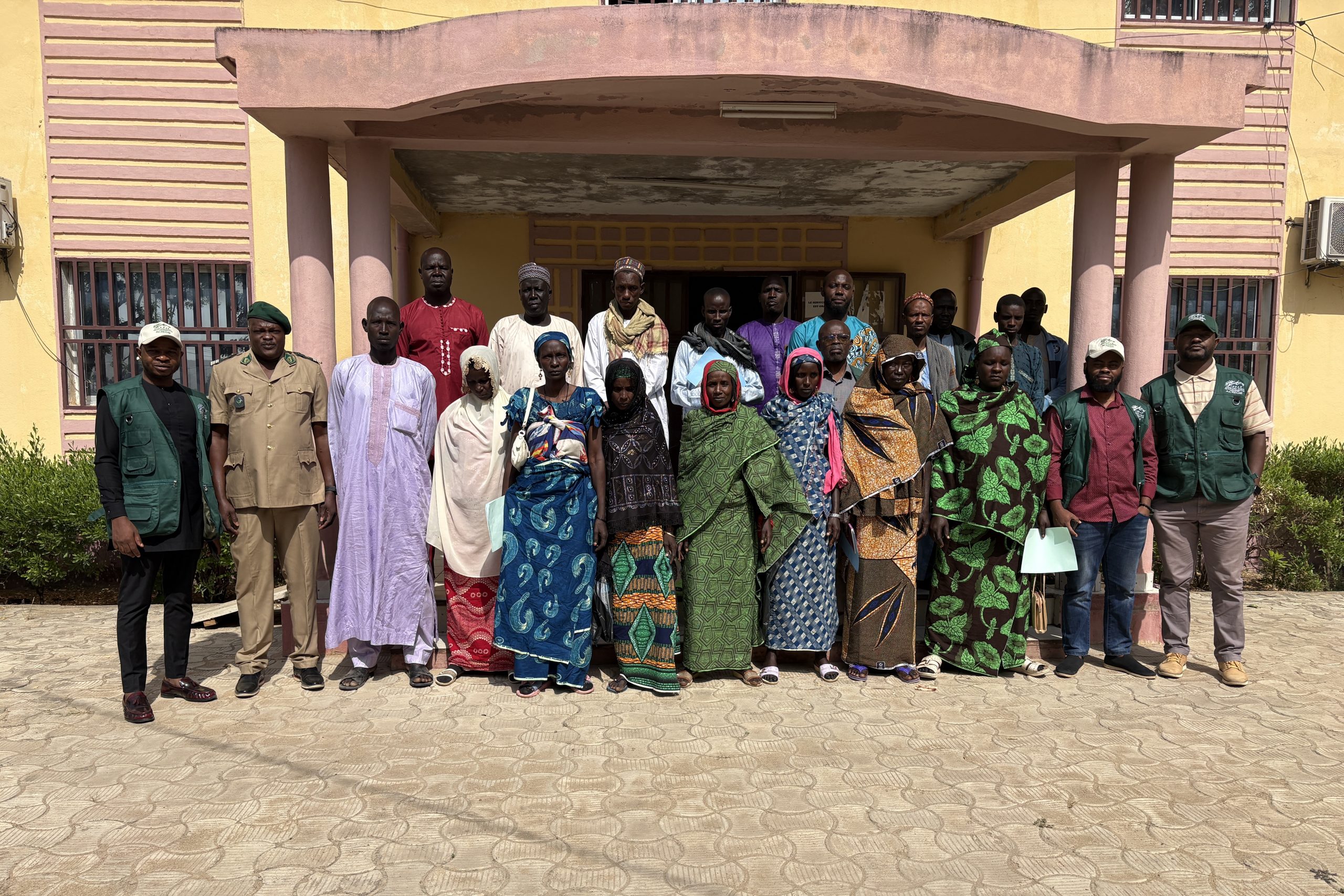
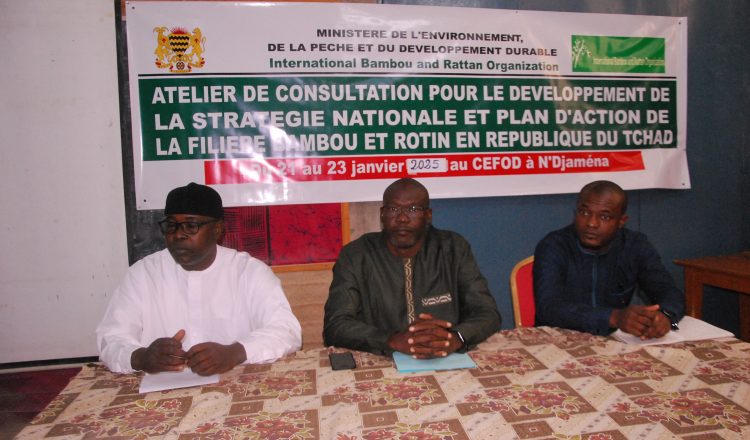
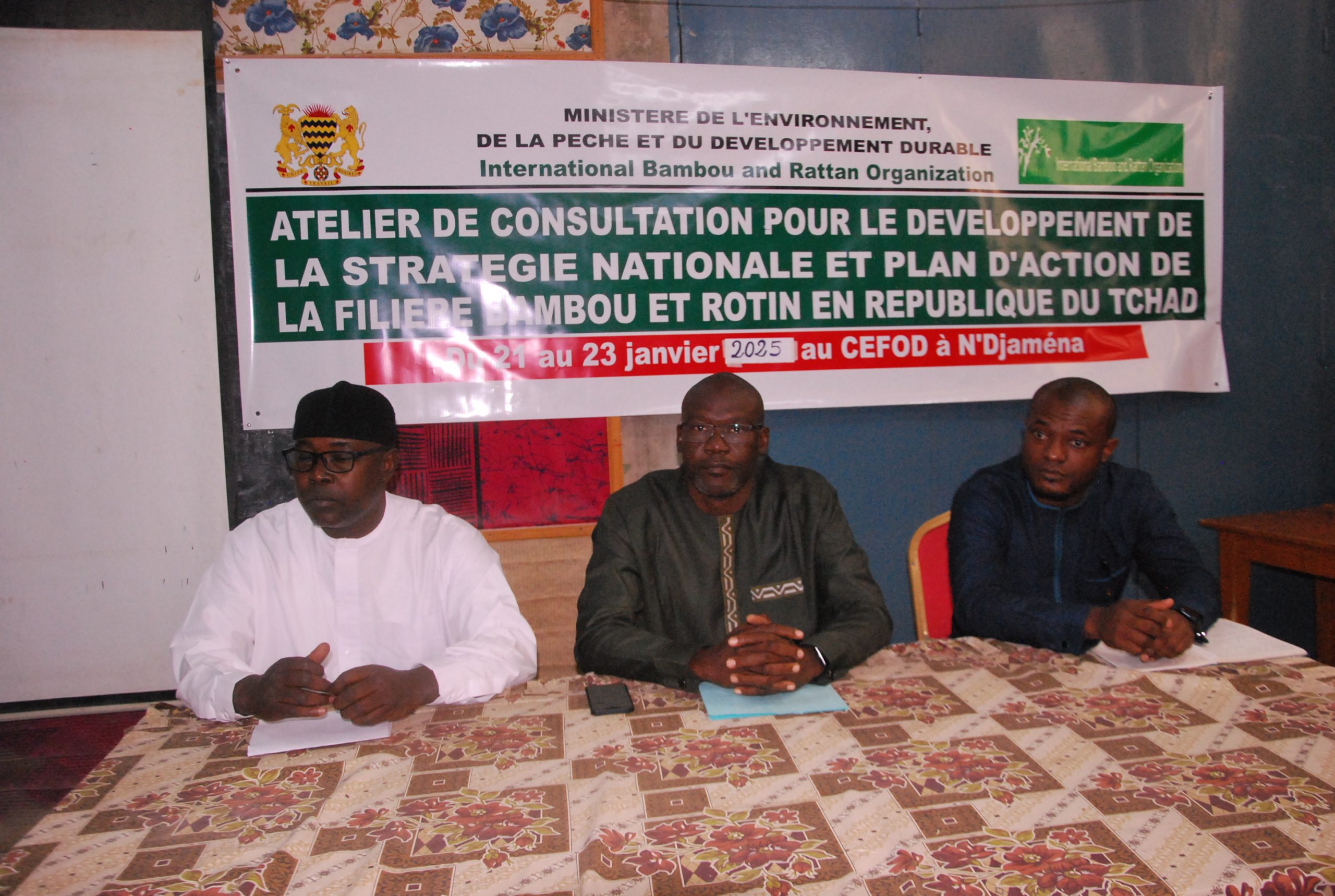
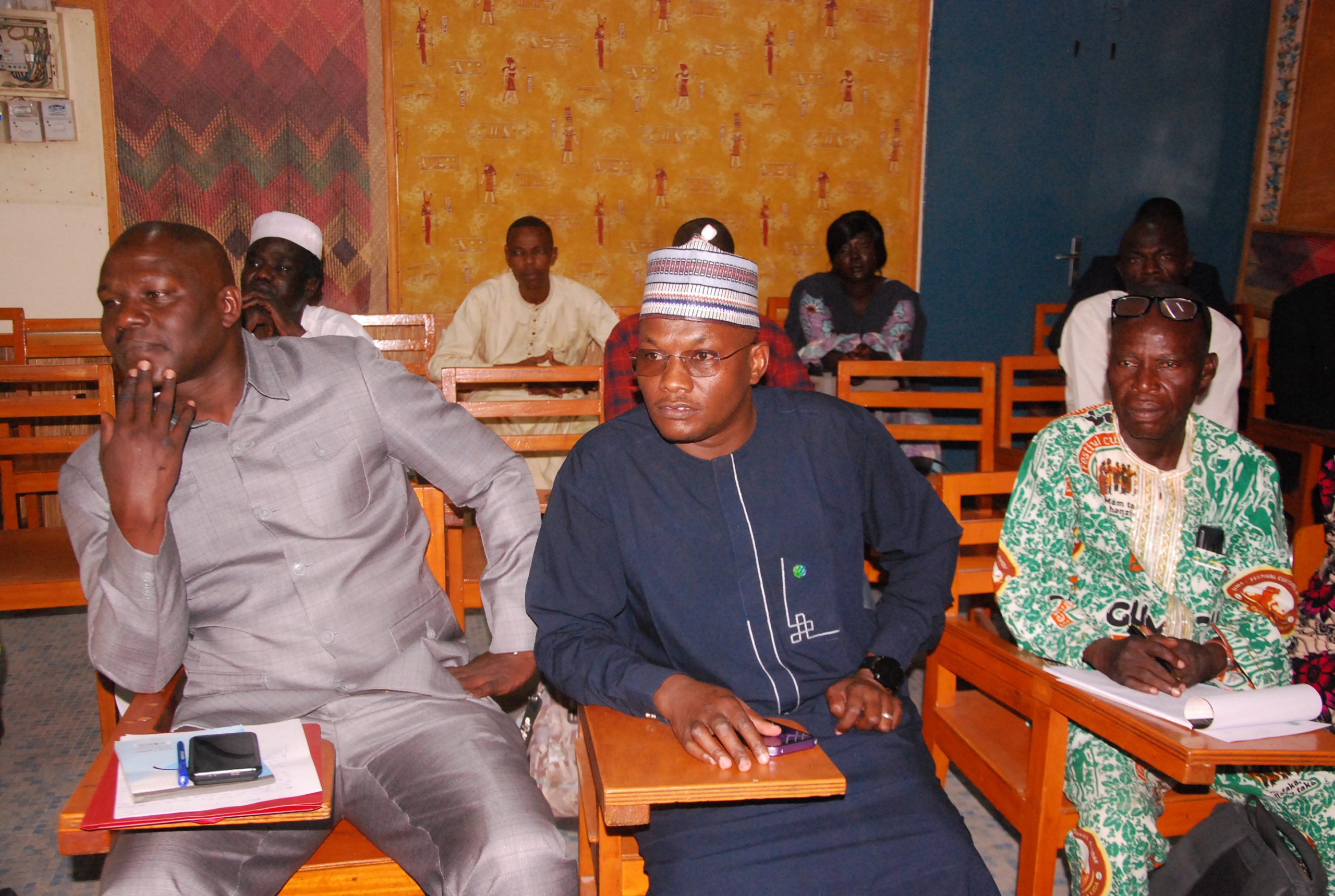
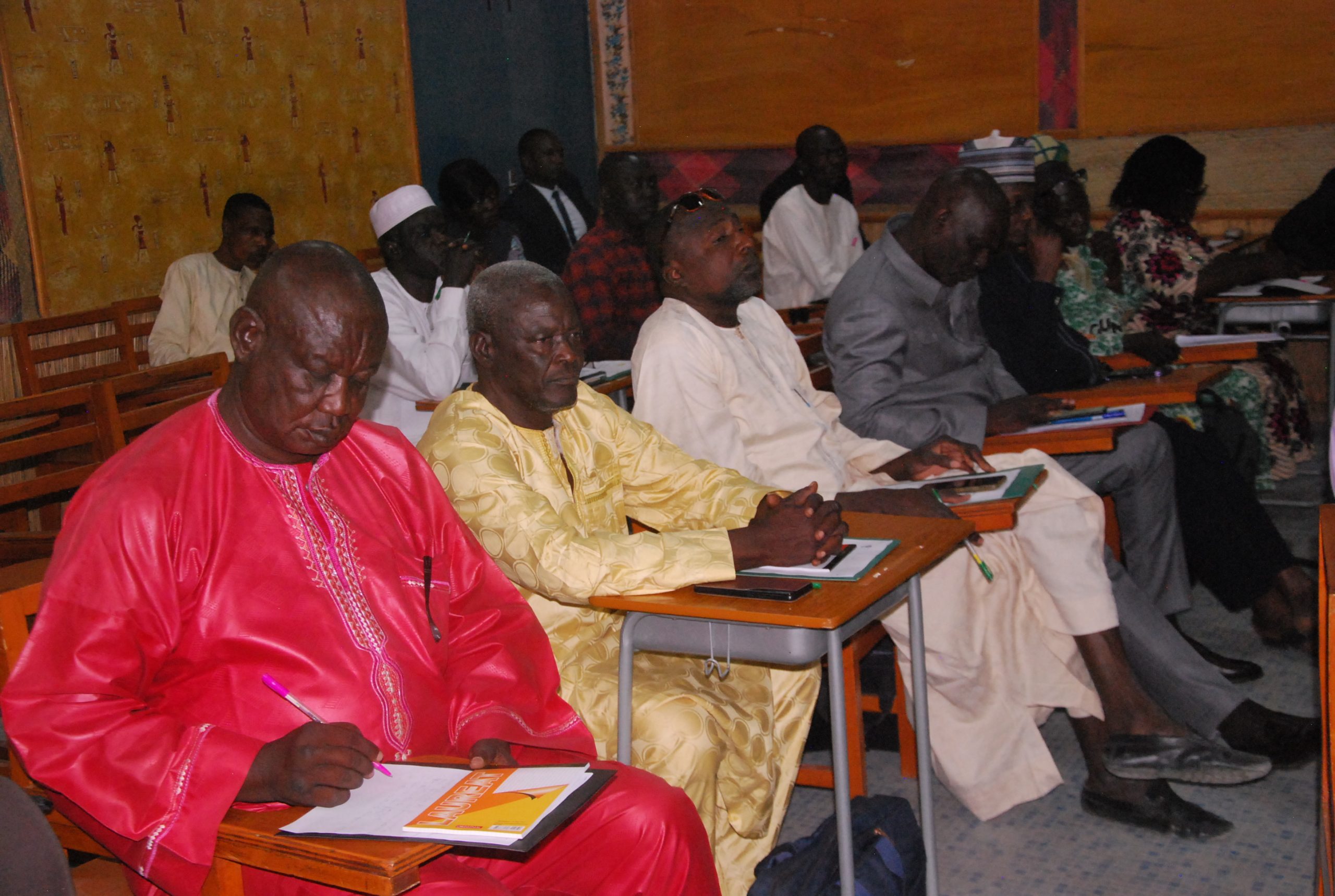
A pivotal workshop aimed at advancing the bamboo and rattan sectors in Chad concluded successfully in N’Djamena on 24 January 2025. Organized by the Republic of Chad (Ministry of Environment, Fishery and Sustainable Development) in collaboration with INBAR, the workshop gathered a diverse group of stakeholders, including government representatives, researchers, non-governmental organizations (NGOs), smallholder bamboo farmers and international partners to develop a comprehensive national strategy and action plan for the bamboo and rattan sectors.
This four-day workshop, held at the Center for Studies and Training for Development in N’Djamena, attracted around 25 participants from key ministries, research institutions, and international organizations such as INBAR, the World Bank, the European Union and the United Nations Development Programme (UNDP). The event provided a unique platform for all stakeholders to discuss and plan for the sustainable development of the bamboo and rattan industry in Chad, which is poised to play a significant role in the country’s economic and environmental future.
Workshop focus and objectives
The primary objective of the workshop was to gather key stakeholders in the bamboo and rattan sector to engage in dialogue, share knowledge and contribute to the development of a robust national strategy. The workshop’s goals were aligned with Chad’s broader environmental and economic policies, aiming to foster sustainable development, climate resilience and the creation of green jobs through the exploitation of bamboo and rattan resources.
At the heart of the workshop’s discussions was the urgent need for Chad to unlock the potential of its bamboo and rattan resources. Bamboos with numerous applications, from construction to energy generation and environmental conservation, have remained largely underutilized. In addition to presenting the challenges faced by the sector, the workshop sought to craft a clear vision and action plan to harness these resources for the benefit of local communities, the national economy and the environment.
State of the bamboo and rattan sectors
The workshop began with an insightful presentation by Bondoro Henry, which provided an in-depth overview of the current state of the bamboo and rattan sector in Chad. This presentation highlighted key challenges such as the declining production of bamboo due to human activities, the underutilization of available bamboo resources and the need for sustainable management practices. It also explored the significant potential of bamboo as a non-timber forest product that can contribute to climate change mitigation and environmental restoration.
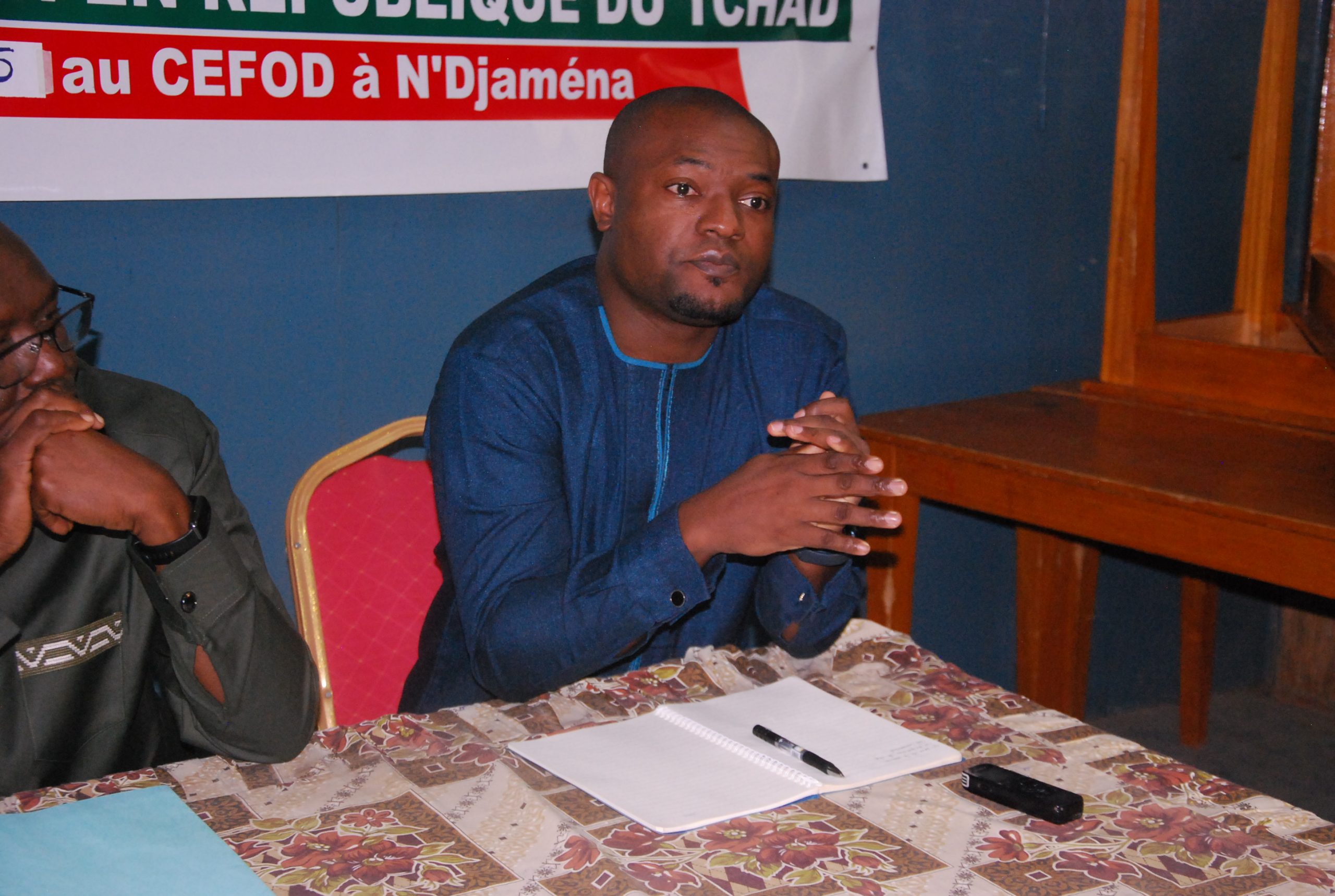
The second presentation, by René Kaam, Central Africa Regional Director of INBAR, focused on the potential of bamboo for sustainable development. He emphasized the versatility of bamboo as a raw material for a wide array of products, including furniture, paper, construction materials and even energy. According to Kaam, the bamboo sector in Chad could create thousands of jobs while promoting green energy solutions and reducing the nation’s reliance on non-renewable resources.
Following the presentations, the workshop participants engaged in lively discussions, contributing their thoughts and insights into how best to develop and structure the bamboo sector. These discussions led to the identification of several strategic areas that would guide the development of the national strategy.
Strategic areas and objectives
A core outcome of the workshop was the identification of 10 strategic areas that are critical to the development of the bamboo and rattan sector in Chad. These strategic areas include:
- Governance and Sector Organization
- Sustainable Resource Utilization
- Promotion of Bamboo Products
- Research and Innovation
- Financing and Partnerships
- Stakeholder Engagement and Capacity Building
- Technology and Equipment Acquisition
- Environmental Impact and Climate Change Mitigation
- Communication and Advocacy
- Monitoring and Evaluation
From these strategic areas, the workshop participants outlined ten specific strategic objectives to guide the country’s bamboo and rattan policies over the next decade. These objectives are aimed at improving sector governance, boosting bamboo utilization, fostering research and innovation and ensuring the sustainable management of bamboo resources.
The overarching vision for the bamboo and rattan sector in Chad is to make it a key pillar of the country’s green economy. By 2035, the strategy aims to turn the bamboo sector into a major driver of economic growth, climate resilience and sustainable development.
International and local partnerships for success
One of the workshop’s most significant achievements was the establishment of a broad coalition of stakeholders committed to supporting the development of the bamboo sector in Chad. Among the organizations represented were INBAR, the World Bank, African Development Bank, UNDP and various national government ministries. In addition, potential funding partners, including international financial institutions, were identified to support the implementation of the national bamboo strategy.
The workshop also emphasized the importance of developing local partnerships with small bamboo farmers, NGOs and community-based organizations to ensure that the benefits of the bamboo sector are widely distributed across Chad’s population. Participants discussed the need to empower local communities through capacity-building initiatives and to create sustainable business models that can thrive both locally and internationally.
Government commitment to sustainable development
The workshop was officially opened by Sobkika Yanka, Director General of Environment, who underscored the Chadian government’s commitment to leveraging the bamboo sector as a tool for socio-economic development and environmental protection. He thanked INBAR for its technical and financial support, which has been instrumental in helping Chad to develop its bamboo and rattan industry.
“The bamboo sector presents a unique opportunity for Chad to build a resilient and sustainable economy,” said Mr. Yanka. “Through the successful implementation of the national strategy, we can create jobs, protect our environment and contribute to the global fight against climate change.”
Vision for the future
The national strategy and action plan for the bamboo and rattan sectors, which will be finalized in the coming months, aim to establish Chad as a regional leader in bamboo production and utilization. By focusing on sustainable practices, innovation and local community empowerment, the strategy envisions a thriving bamboo industry that will contribute to economic diversification, environmental sustainability and poverty reduction.
With a clear strategy in place, Chad is poised to tap into the global bamboo market, attracting investment and expertise that will transform the country’s natural resources into a sustainable source of income and job creation. Moreover, the bamboo sector has the potential to become a crucial tool in addressing key environmental challenges, including deforestation, land degradation and climate change.
Moving forward
As the workshop concluded, participants reaffirmed their commitment to the process, with a clear understanding of the next steps required for implementing the strategy. These steps include finalizing the strategy document, securing funding for key initiatives and strengthening the involvement of all stakeholders in the process.
In closing, Kaam praised the workshop for its productive discussions and stressed the importance of ongoing collaboration between the Chadian government, international organizations and local stakeholders. He assured the participants that INBAR would continue to provide technical and financial support throughout the implementation phase.
Oumar Mahamat Hassane, INBAR Focal Point for Chad, thanked all participants for their valuable contributions and expressed his confidence that the national bamboo strategy would lead to a brighter, greener future for Chad.