News
NewsBiocentric restoration: An Indigenous-led approach for ecosystem recovery and resilience
Joint FAO-INBAR project blends Indigenous knowledge and innovation to safeguard ecosystems and biodiversity, with bamboo at its core.
Since 2018, the Food and Agriculture Organization (FAO) and Indigenous Peoples’ organizations have been co-developing and advancing an Indigenous Peoples’ biocentric approach to restoration within Indigenous Peoples’ lands and territories. This initiative supports the preservation of ecosystems that sustain traditional Indigenous Peoples’ food systems, including their innovative solutions, through Indigenous worldviews and their symbiotic, respectful relationship with nature.
Indigenous Peoples are recognized as guardians of biodiversity due to their biocentric cosmogony, which ascribes spiritual importance and the same level of respect to all living beings, fostering harmony within ecosystems. This approach underpins the Indigenous Peoples´ biocentric restoration initiative, aimed at conserving and restoring ecosystems and biodiversity while maintaining their knowledge systems, territorial management practices, and respect for their collective rights and spiritual values. Central to this effort are “schools of life” — intergenerational and gender-inclusive processes where knowledge is transmitted from elders to youth, ensuring the preservation and evolution of Indigenous wisdom. In these processes, Indigenous women play a key role in transmitting their knowledge in younger generations due to their unique knowledge linked to their community roles and occupations.
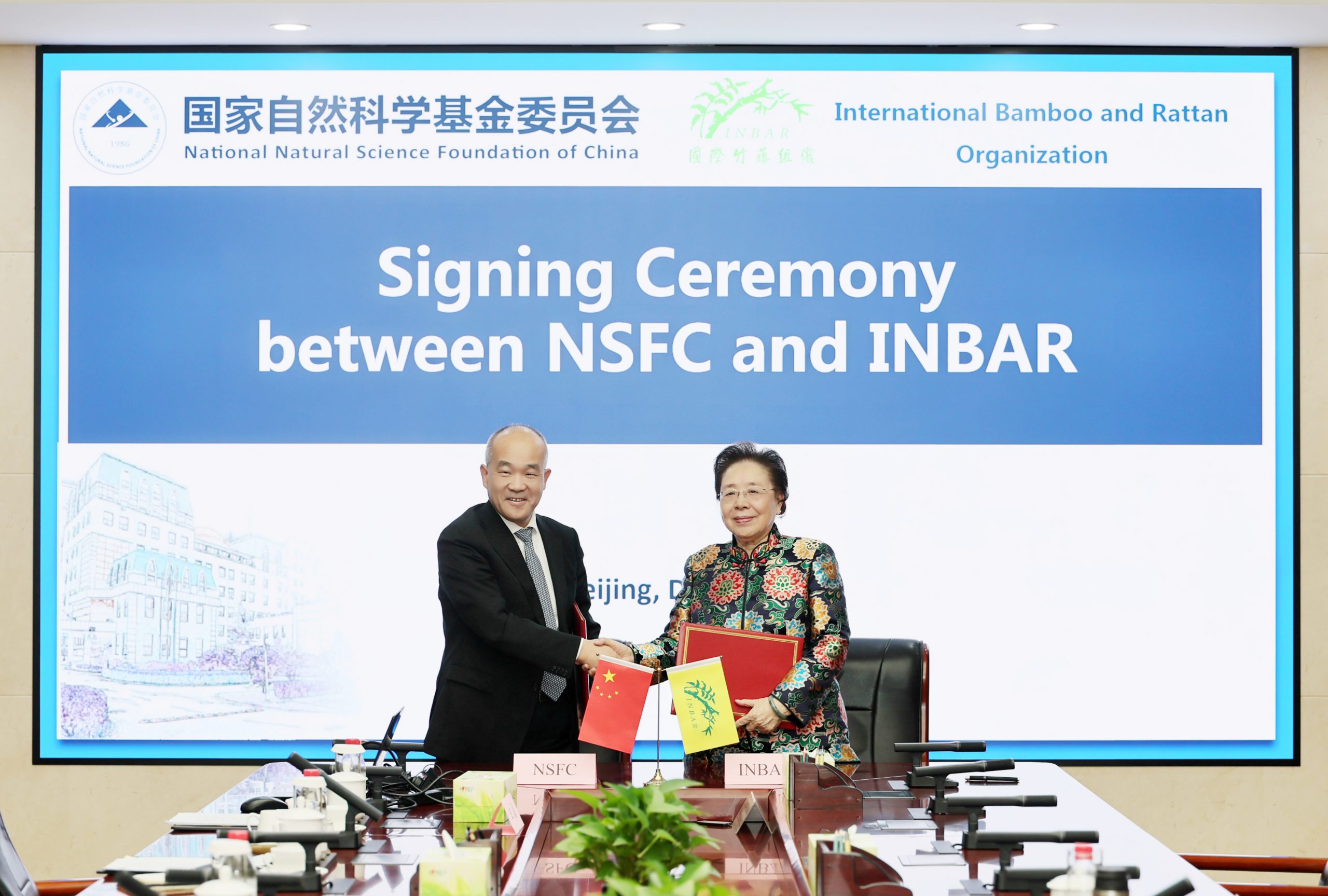
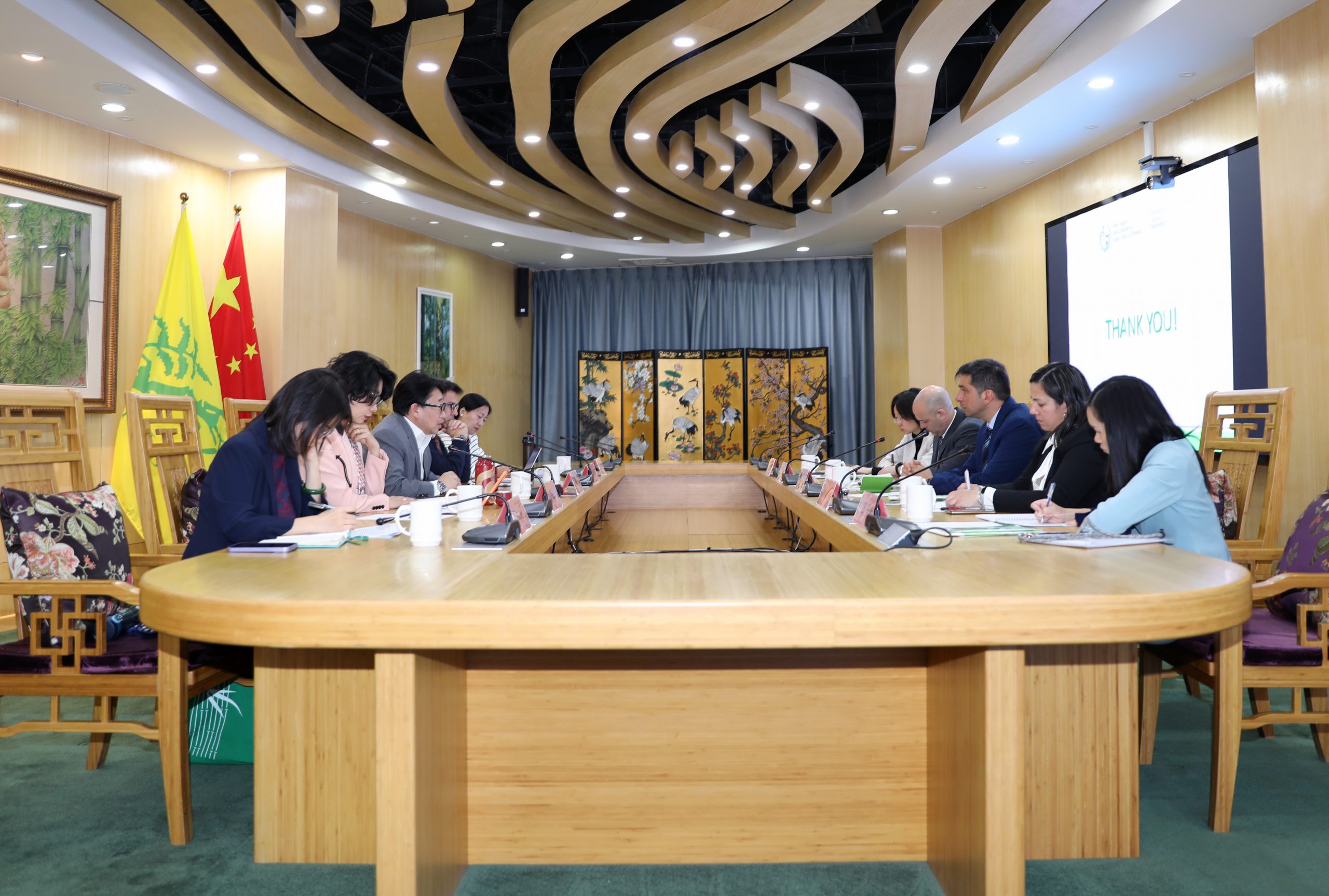
In October 2020, FAO and the International Bamboo and Rattan Organization (INBAR) signed a Memorandum of Understanding to consolidate, develop and enhance collaboration. Building on decades of collaboration in forest data collection and international trade classification and monitoring, this new partnership seeks to promote the sustainable consumption and production of bamboo and rattan in order to contribute to the Sustainable Development Goals.
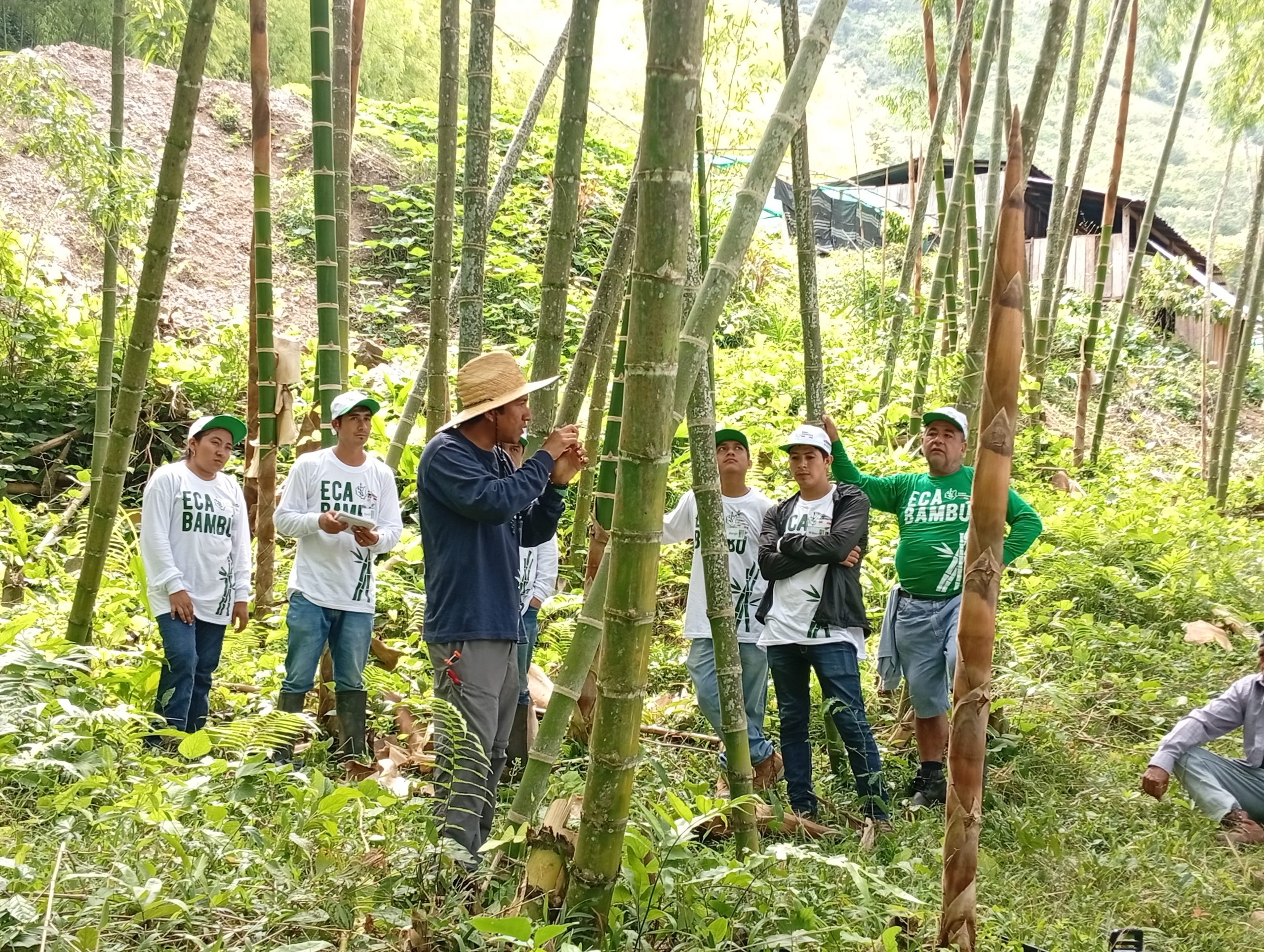
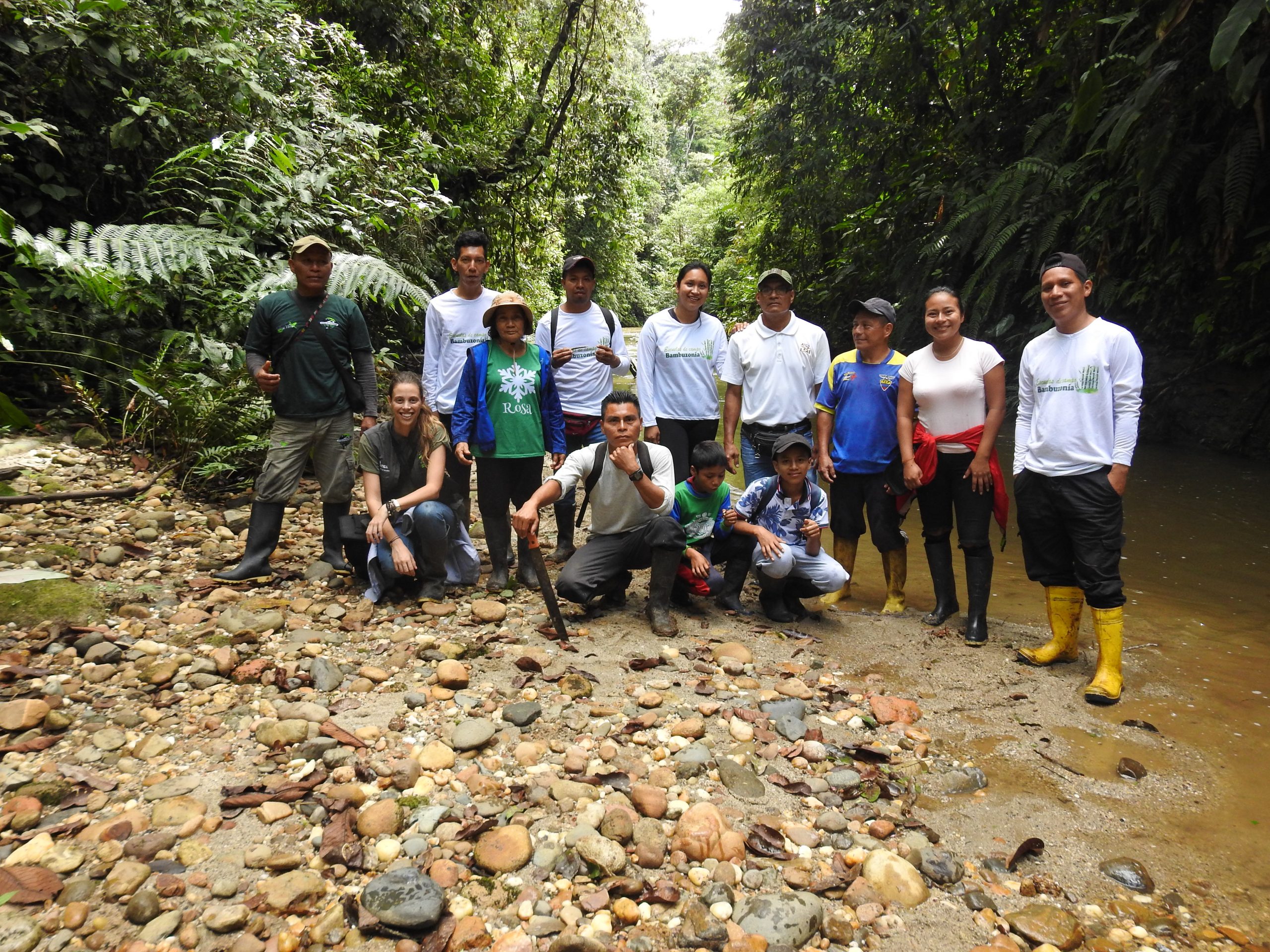
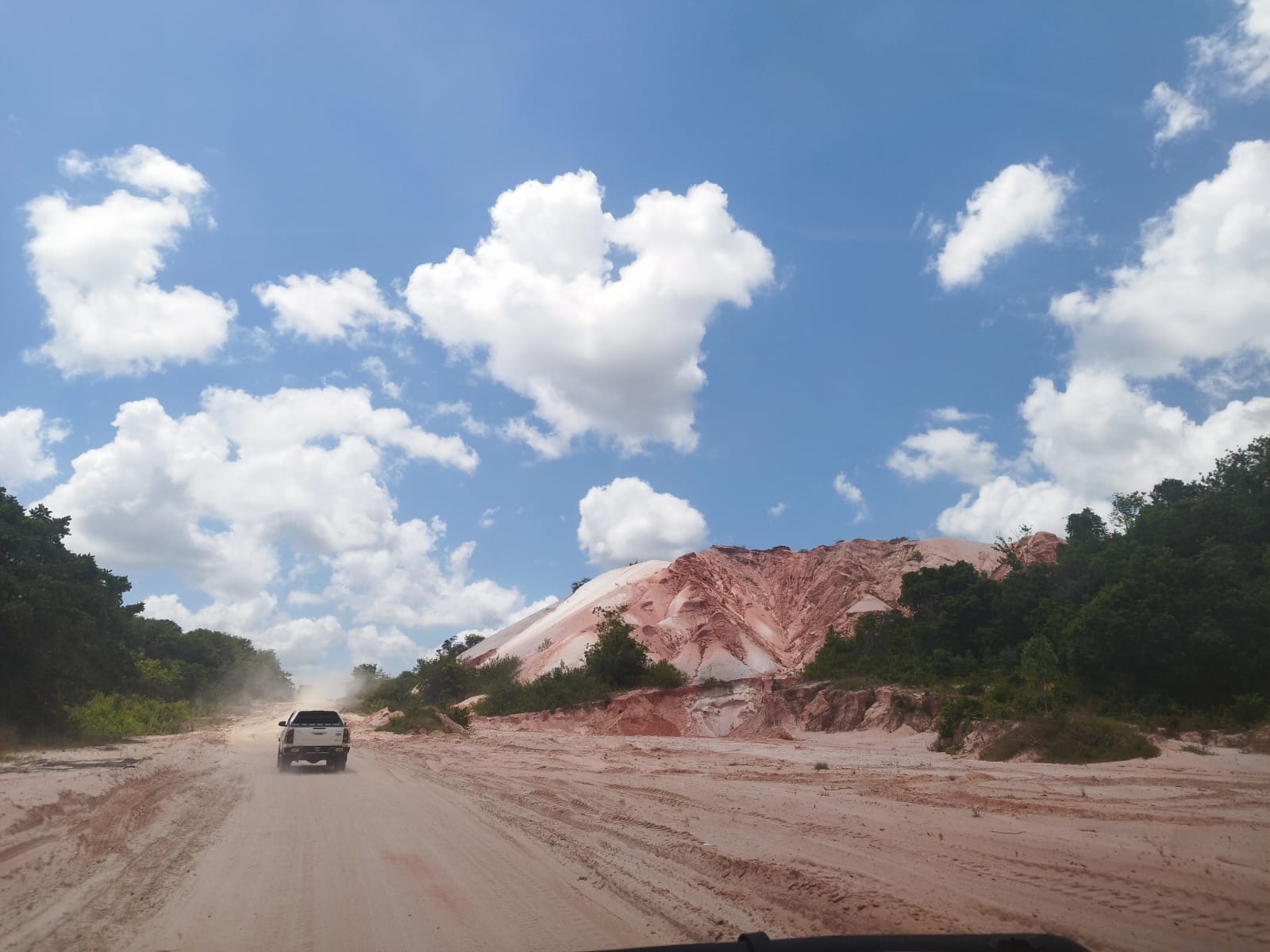
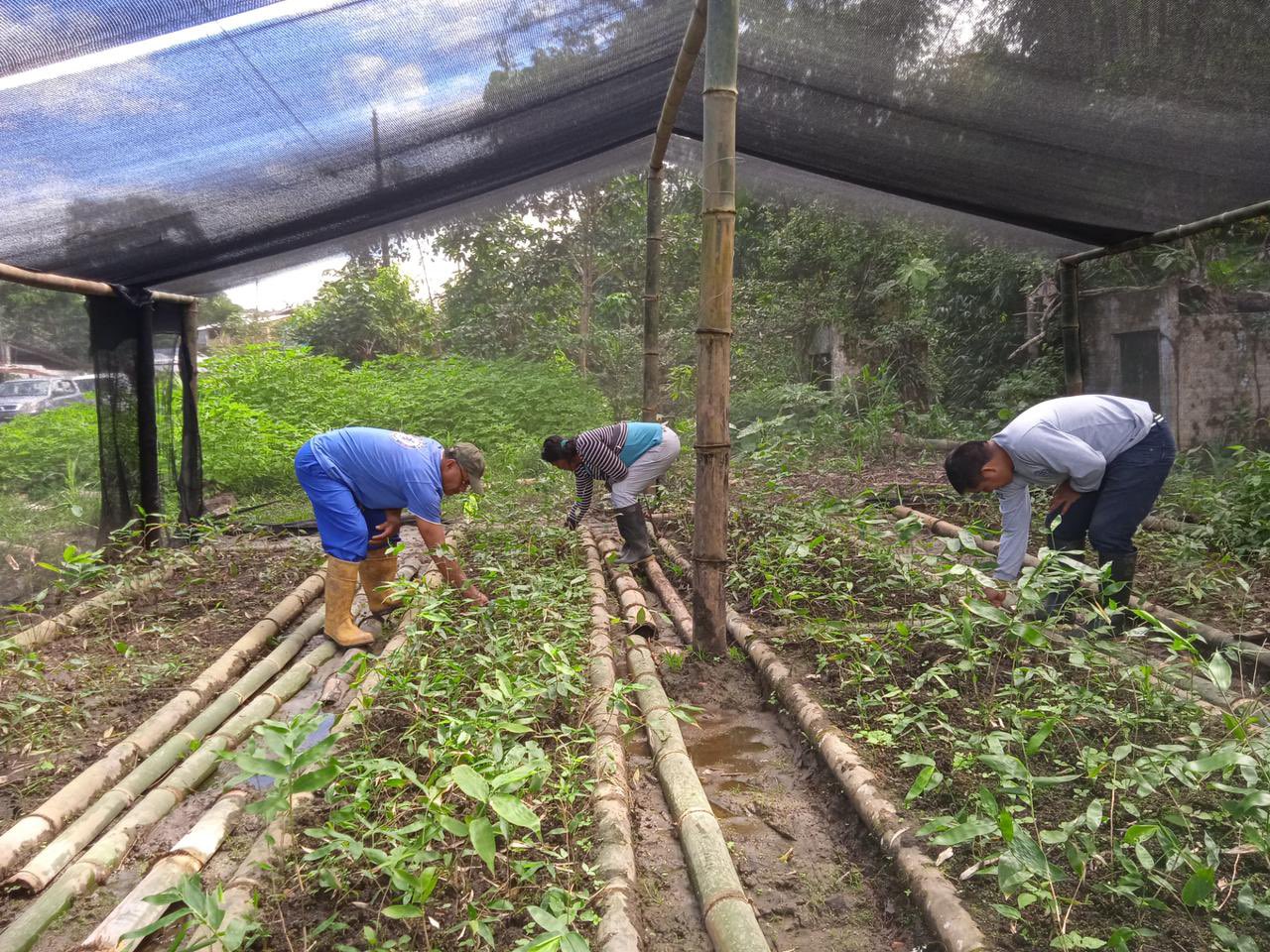
In 2022, FAO, INBAR, Ecuador’s Ministry of the Environment, Water, and Ecological Transition, Ministry of Agriculture and Livestock, and local governments together launched the Indigenous Biocentric Restoration Project in Ecuadorian Amazonian Indigenous Territories. This initiative involved four Kichwa communities in Napo province — Pucachicta, Ongota, Alto Tena, and San Pablo — where 123 members of the Kichwa Women’s Association (Amukina) engaged in participatory processes to establish schools of life. These processes aimed to serve as the foundation for developing Indigenous biocentric restoration actions in areas affected by deforestation, loss of native species, and unsustainable agricultural and livestock practices.
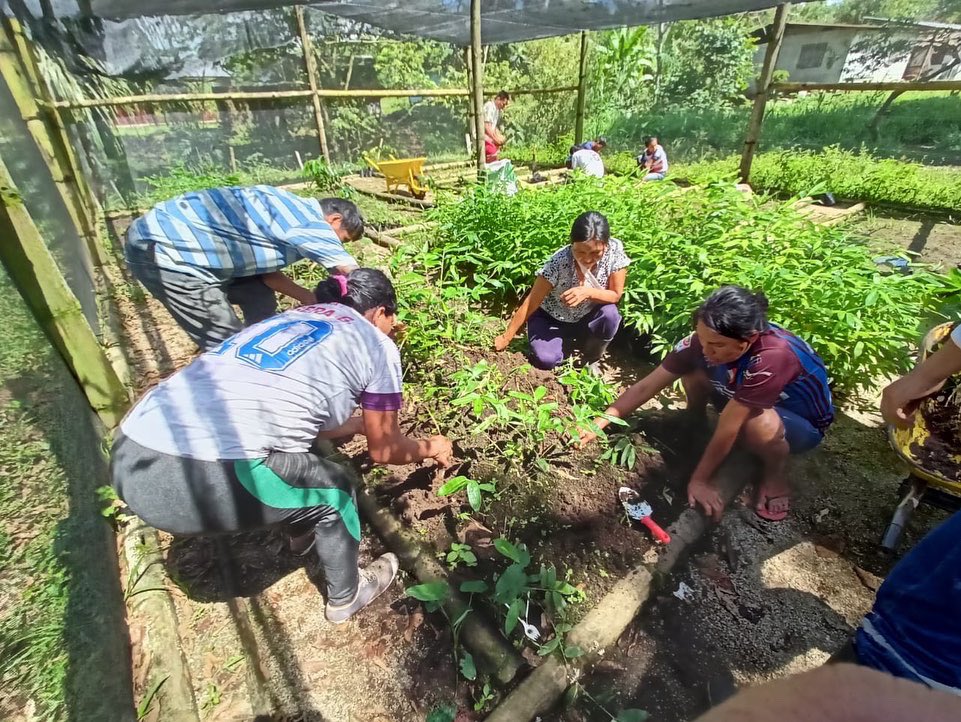
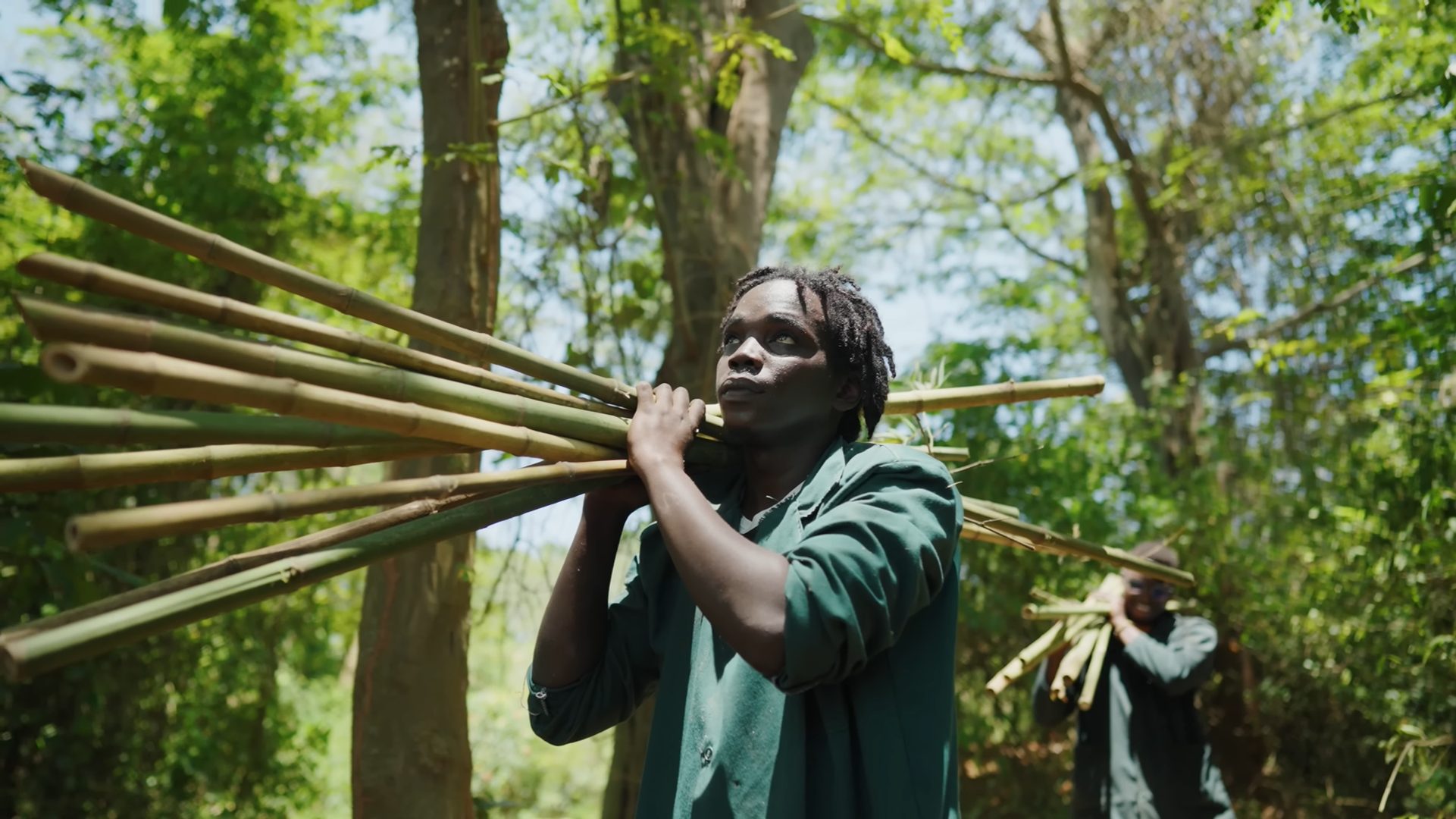
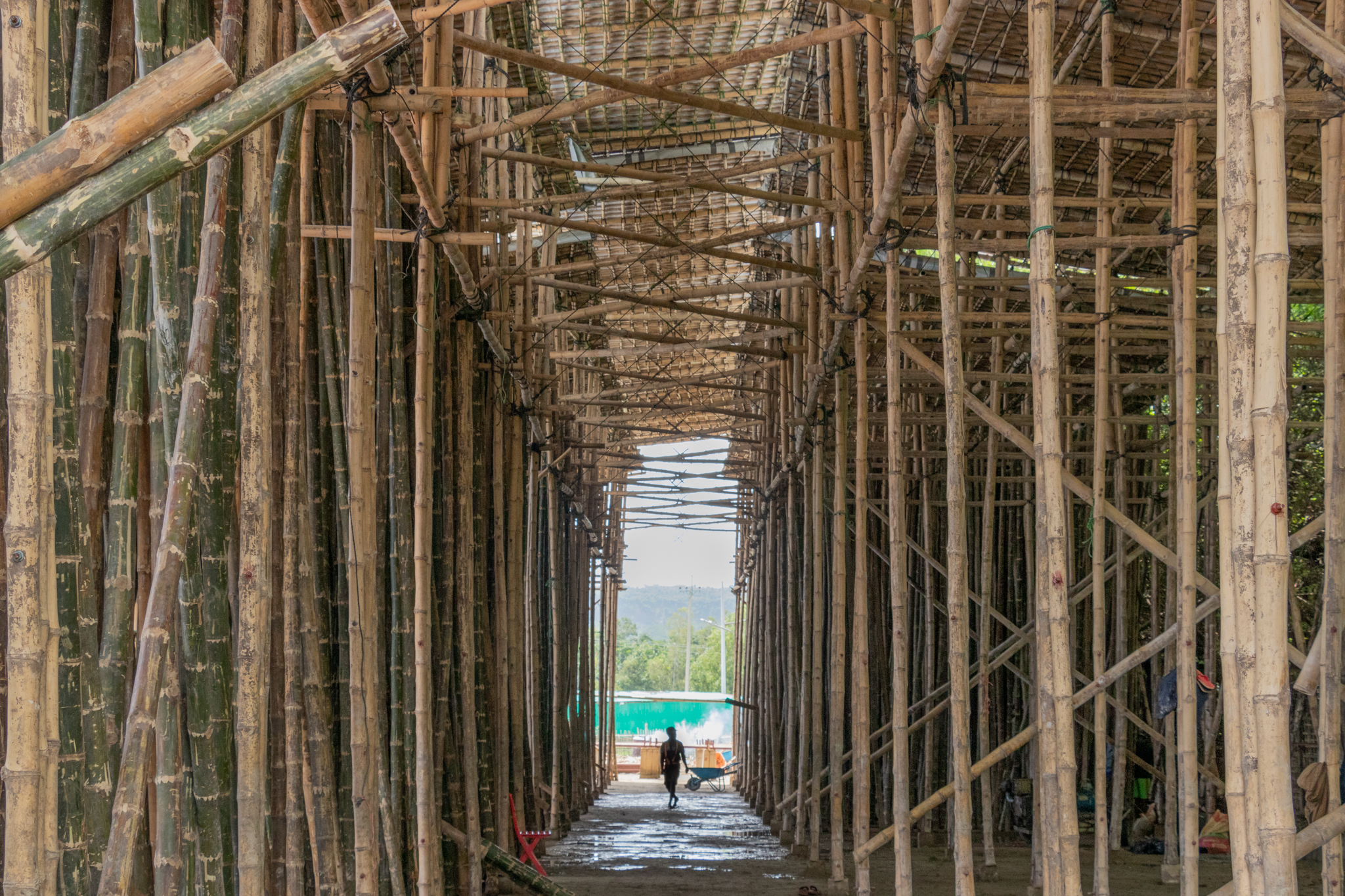
The project emphasized the recovery and transmission of ancestral knowledge to ensure that future generations inherit and build upon this legacy, fostering a new wave of nature custodians. In these communities, the native bamboo species, known locally as wamag, play a pivotal role due to their socio-economic, cultural and ecological potential. Bamboo has become the centerpiece for reclaiming Indigenous Peoples’ knowledge, restoring degraded lands and creating diverse ecosystems that bolster climate resilience for residents of the Amazon.
Key Outcomes from the Pilot Project
The initial pilot phase of the Biocentric Restoration Project achieved the following results:
- 55.59 hectares undergoing restoration
- 156 species reintroduced into Indigenous territories
- Establishment of four community nurseries and the production of 20,678 plants for continuous integration into community agroforestry systems (chakras)
- Creation of four schools of life, serving as intergenerational processes for knowledge exchange, problem identification and action planning
- Revival and valorization of bamboo as part of the traditional Kichwa diet through the dish wamag yuyo, highlighting bamboo shoots as a nutritious food source
Expanding the Vision for 2024 and Beyond
These preliminary achievements have set the stage for broader adoption of Indigenous Peoples’ biocentric restoration practices. In 2024, the initiative entered its second phase, marked by a significant expansion in the number of hectares under restoration, the active involvement of Indigenous communities, the establishment of additional schools of life and nurseries, and the identification of species with ecological, spiritual and medicinal value.
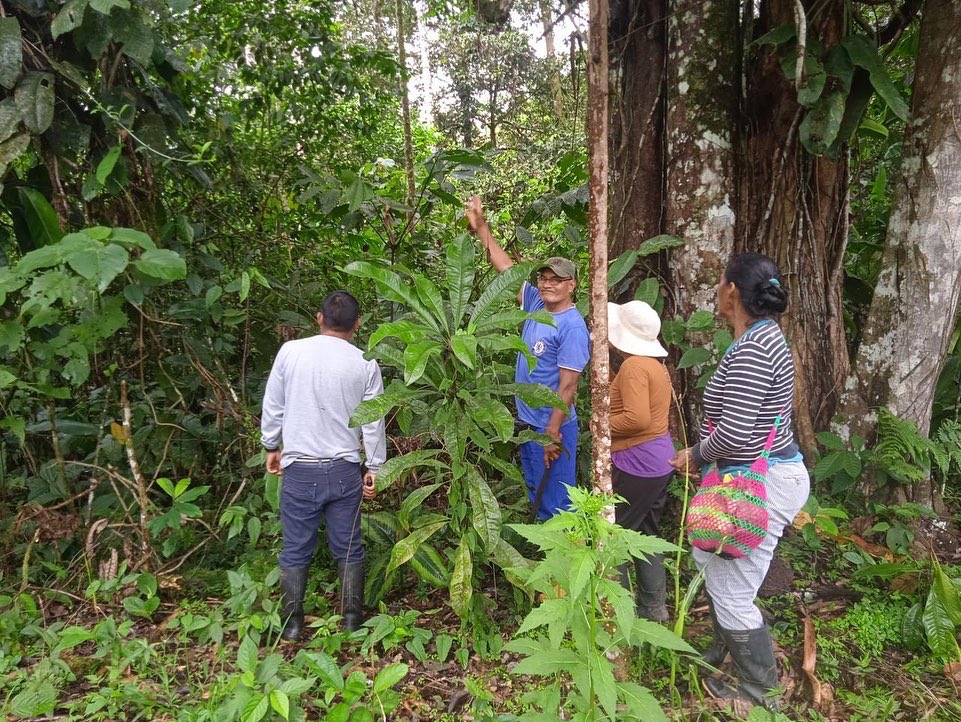
Led by the FAO’ Indigenous Peoples Unit and INBAR, these experiences are now being shared with other Indigenous Peoples’ communities across Ecuador and the wider region. The success of the pilot project has sparked widespread interest, with an increasing number of Indigenous Peoples’ communities eager to replicate this approach.
A Model Rooted in Ancestral Knowledge and Innovation
This biocentric restoration approach, guided exclusively by Indigenous Peoples, acknowledges their collective and customary rights while integrating their ancestral knowledge with innovative practices. This approach restores and protects degraded ecosystems through a cosmogonic lens, ensuring harmony between humans and nature. The initiative exemplifies how combining traditional wisdom with collaborative innovation can create sustainable, scalable solutions for biodiversity conservation and ecosystem recovery.
As INBAR and FAO continue their partnership, this groundbreaking project serves as a powerful model for fostering resilience, enhancing biodiversity and empowering Indigenous Peoples’ communities to lead the way in restoring ecosystems and cultural heritage for generations to come.