
 News
NewsBamboo as a Substitute for Plastic at COP29

UN Climate Change Conference hosts side event on how bamboo can contribute to global plastic reduction.
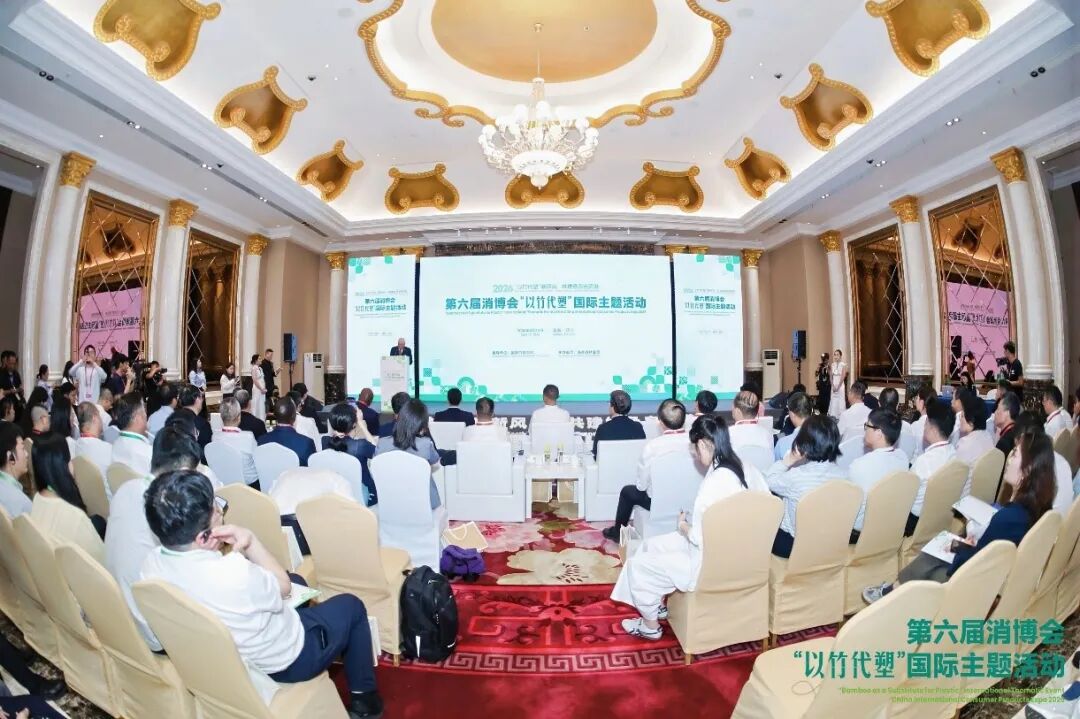
On 18 November 2024, INBAR and the National Forestry and Grassland Administration (NFGA) of China held a joint side event on, “Harnessing Climate Action to Reduce Plastic Pollution: Bamboo as a Substitute for Plastic Initiative” at the China Pavilion of the 29th Conference of the Parties to the UN Framework Convention on Climate Change (UNFCCC COP 29).
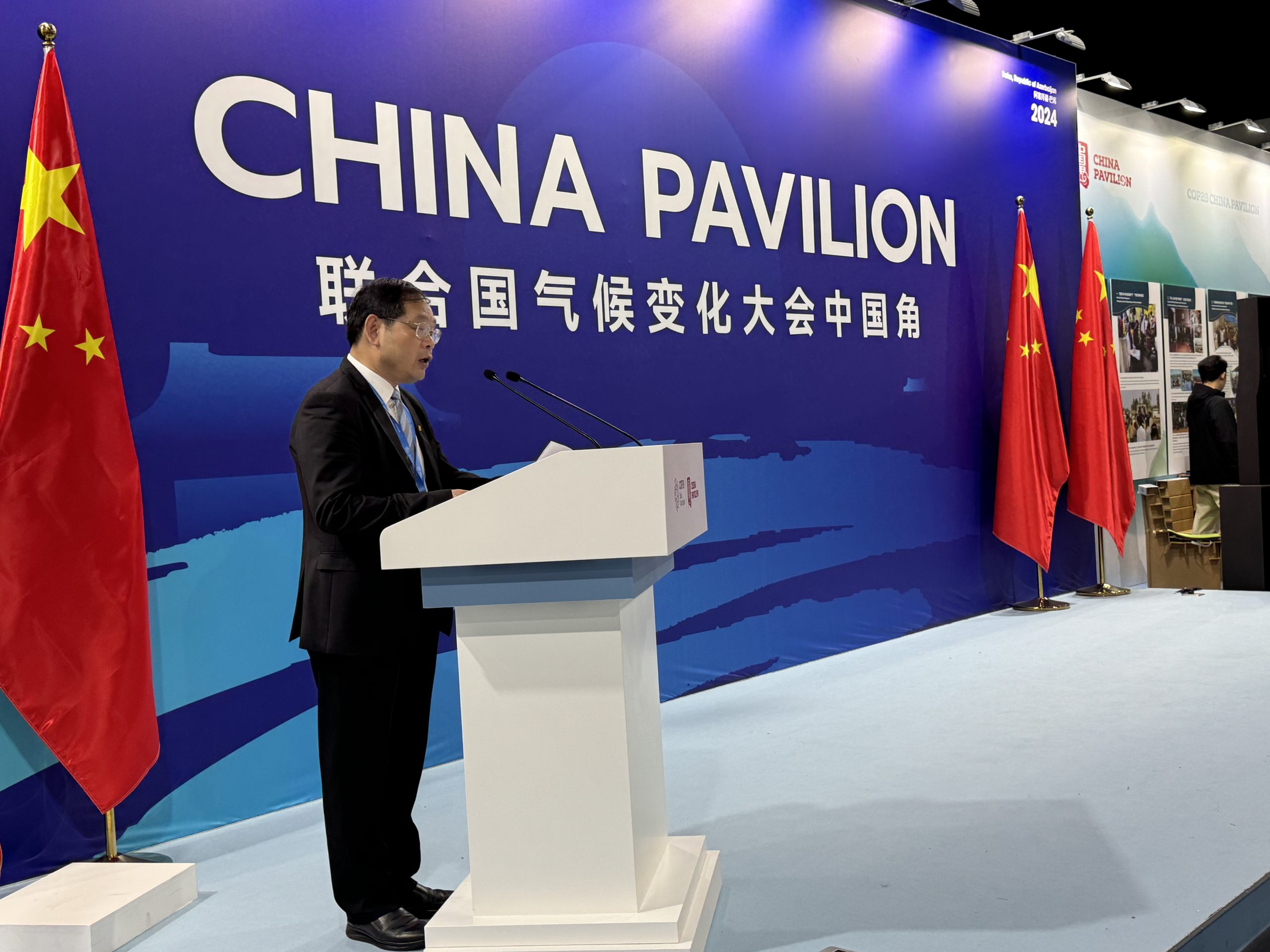
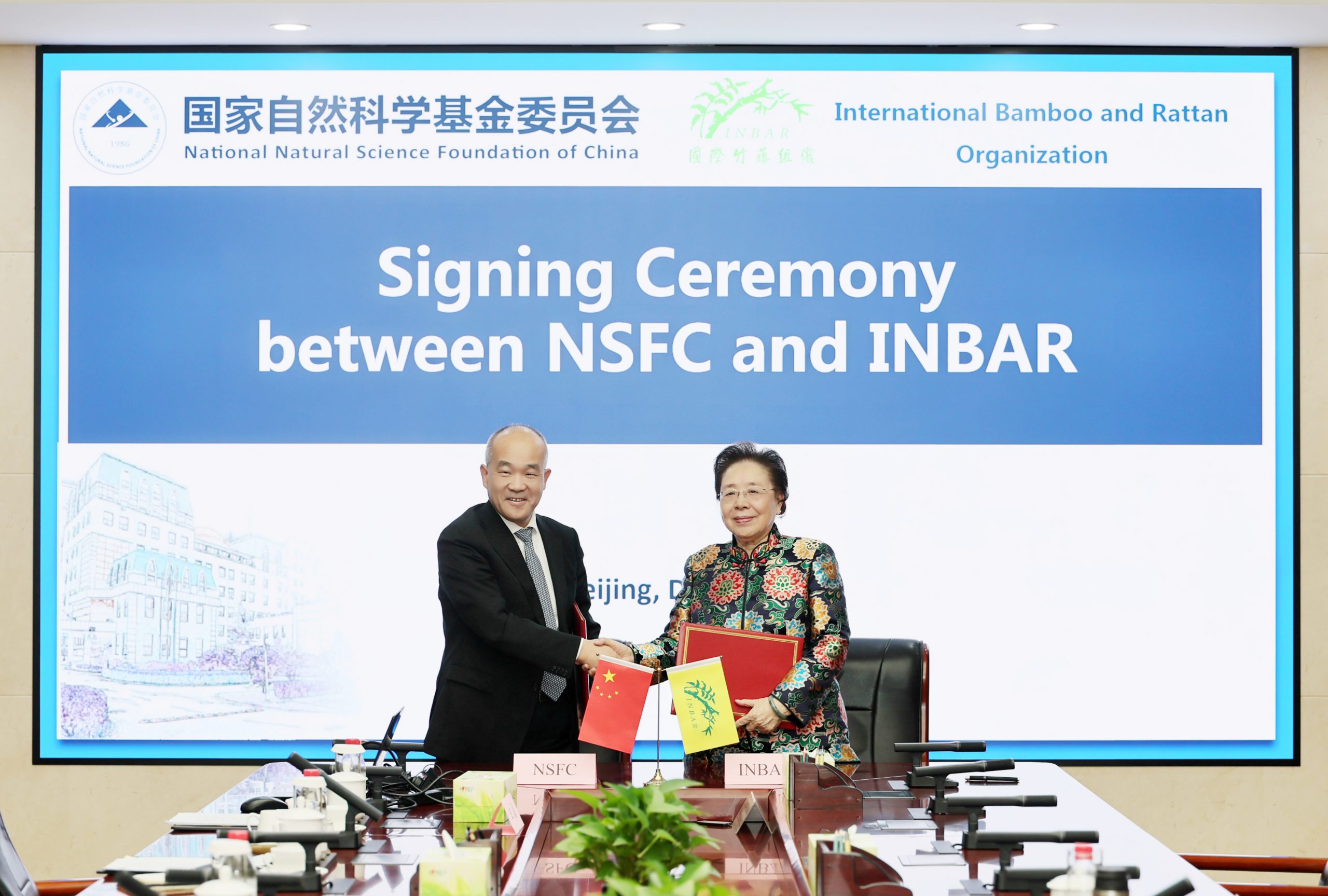
Lu Wenming, Deputy Director General of INBAR, delivered a keynote speech. He pointed out that in November 2022, the Chinese government and INBAR jointly launched the Bamboo as a Substitute for Plastic (BASP) Initiative to reduce plastic pollution and address climate change. In November 2023, the Chinese government and INBAR issued the Global Action Plan for Bamboo as a Substitute for Plastic (2023-2030). In order to further implement the BASP Initiative and the Global Action Plan, and to deepen cooperation with UN agencies and China as the Host Country of INBAR, INBAR has signed three agreements with the United Nations Conference on Trade and Development, the United Nations Framework Convention on Climate Change and the International Fund for Agricultural Development, expanding the network of international partnerships. Meanwhile, in China, INBAR signed a MOU on cooperation in jointly building the Belt and Road Initiative (BRI) with the National Development and Reform Commission of China, and the BASP Initiative and related actions were officially listed as key cooperation items of the BRI. At the same time, INBAR has been implementing scoping studies across six INBAR Member States. In the future, INBAR will continue to work across its partnerships to implement the Global Action Plan and support the realization of the goals set within the BASP Initiative.
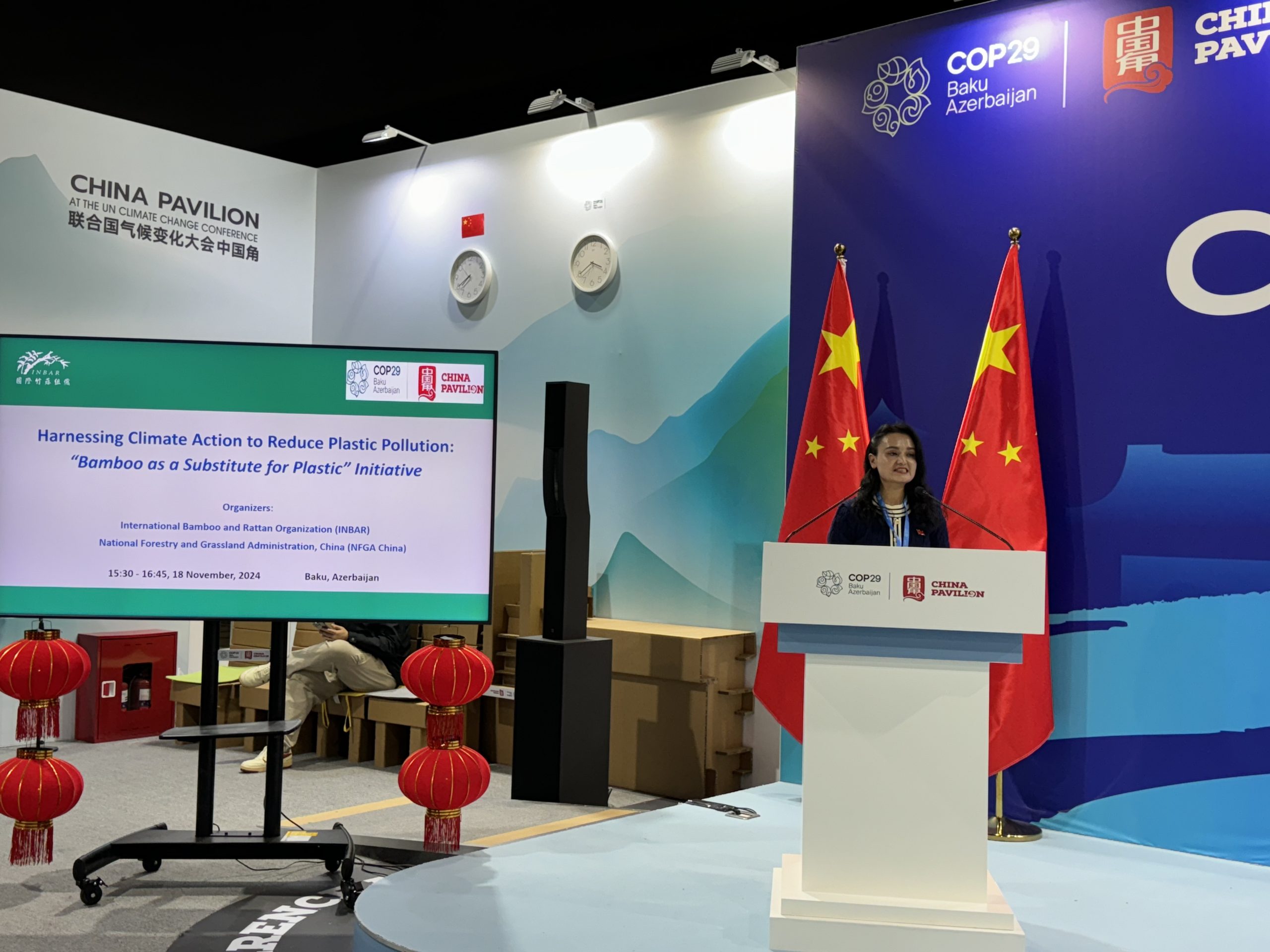
Mubarak Azezi, Deputy Director of the Ecological Protection and Restoration Department of the NFGA of China, delivered a keynote speech, focusing on the actions taken and progress made by the Chinese government in implementing the BASP Initiative. In recent years, China has taken the lead in developing a series of actions: formulating the Three-Year Action Plan for Accelerating the Development of the Bamboo as a Substitute for Plastic (BASP) Industry in China, organizing and implementing the National Key R&D Program Project for Crucial Technologies of Bamboo as a Substitute for Plastic, and releasing the Special Standard System for BASP, which provides strong support for the bamboo industry to improve quality and efficiency, achieve transformation and upgrading, and obtain the best economic, social and ecological benefits. In the future, under the framework of global development initiatives and South-South cooperation, China will continue to work with multiple international partners such as INBAR to implement the Global Action Plan and provide nature-based solutions for climate change and green sustainable development.

Durai Jayaraman, Director of INBAR Global Programmes Department, delivered a keynote speech. He detailed the measures of the Global Action Plan for BASP in mitigating plastic pollution and climate change, as well as the potential and market prospects of various bamboo products and applications as plastic substitutes. He also shared the implementation of the BASP Initiative and how it is being undertaken in the world and China, including trade regulations, publicity and advocacy, research and development, and future development plans to promote plastic pollution control.
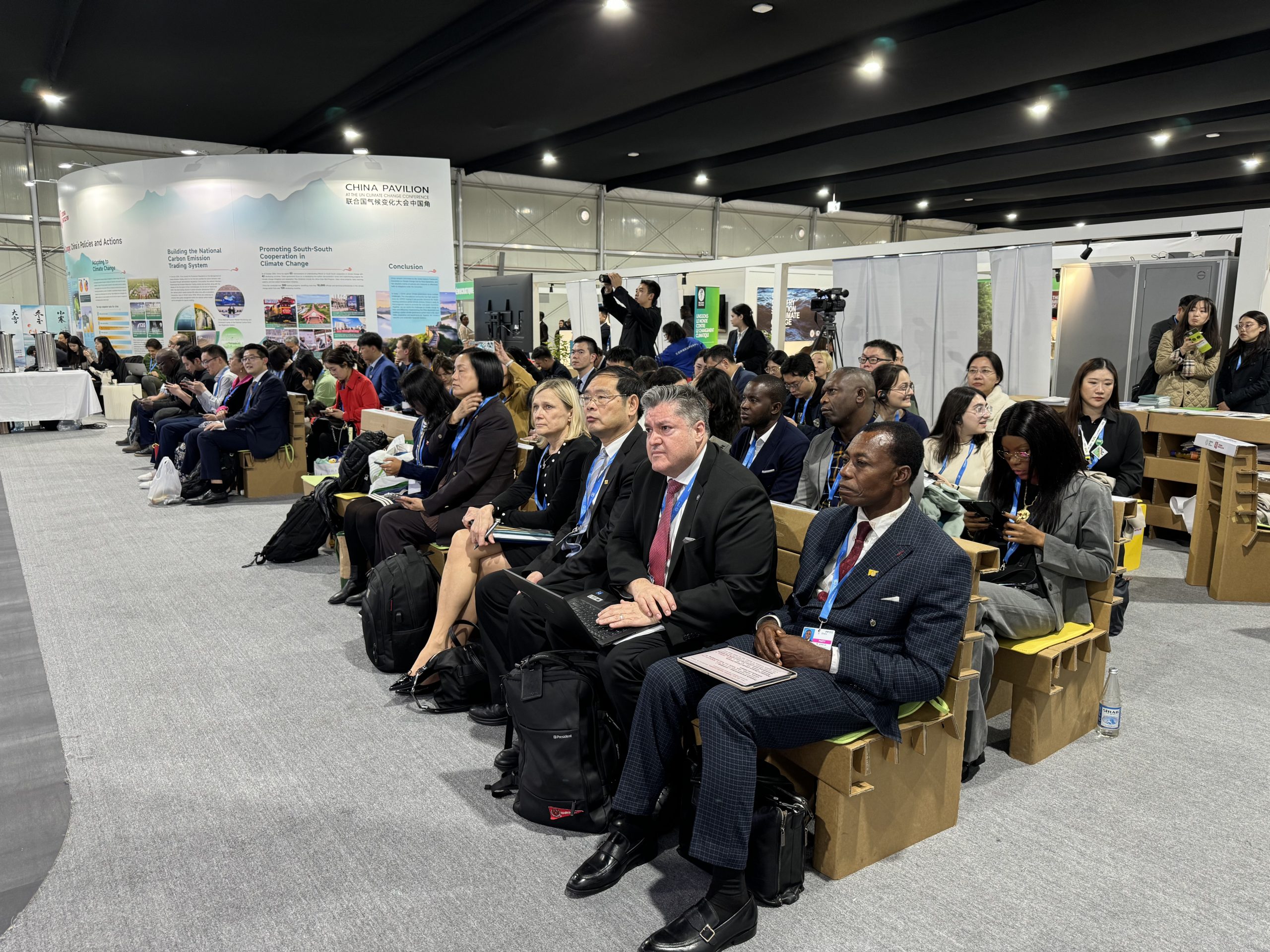
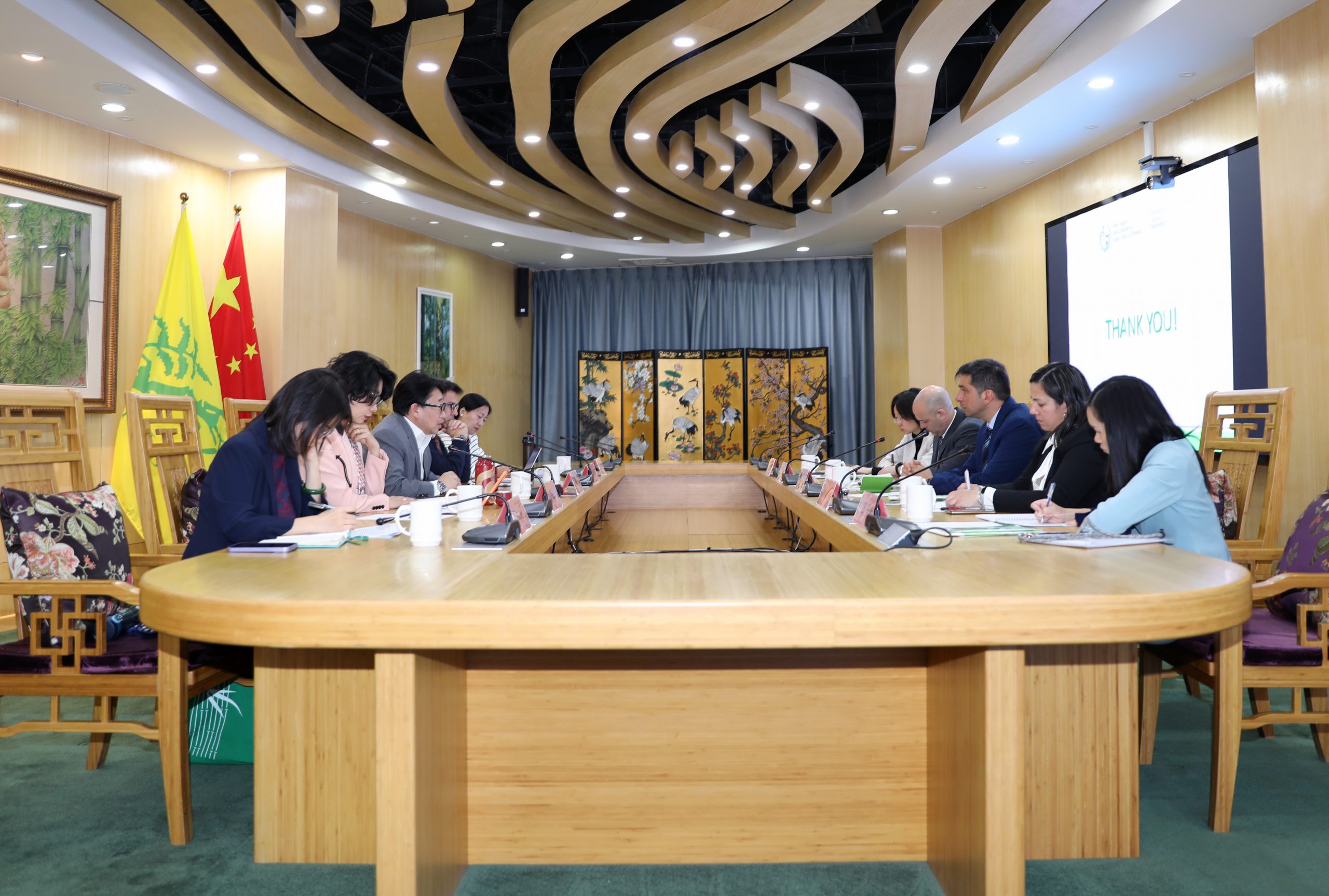
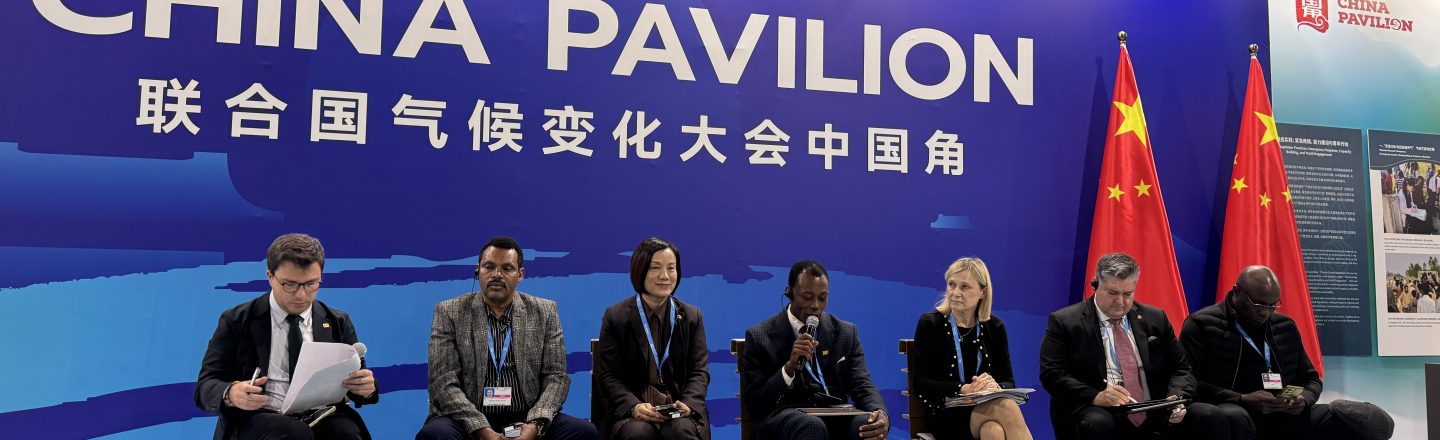
Senior representatives from the Secretariat of the UNFCCC and the World Trade Organization, government officials and business representatives from Ethiopia, Ghana, Cameroon, China, and other INBAR Member Countries, participated in the dialogue session to discuss how to incorporate the BASP Initiative into international and national strategic planning. Participants introduced innovative products and technologies for BASP; explored how to promote global bamboo product trade and promote the popularization of global plastic substitutes; and shared the regulatory framework for bamboo and rattan trade, financial mechanism policies and regulations, and the current status and prospects of the global bamboo and rattan market.
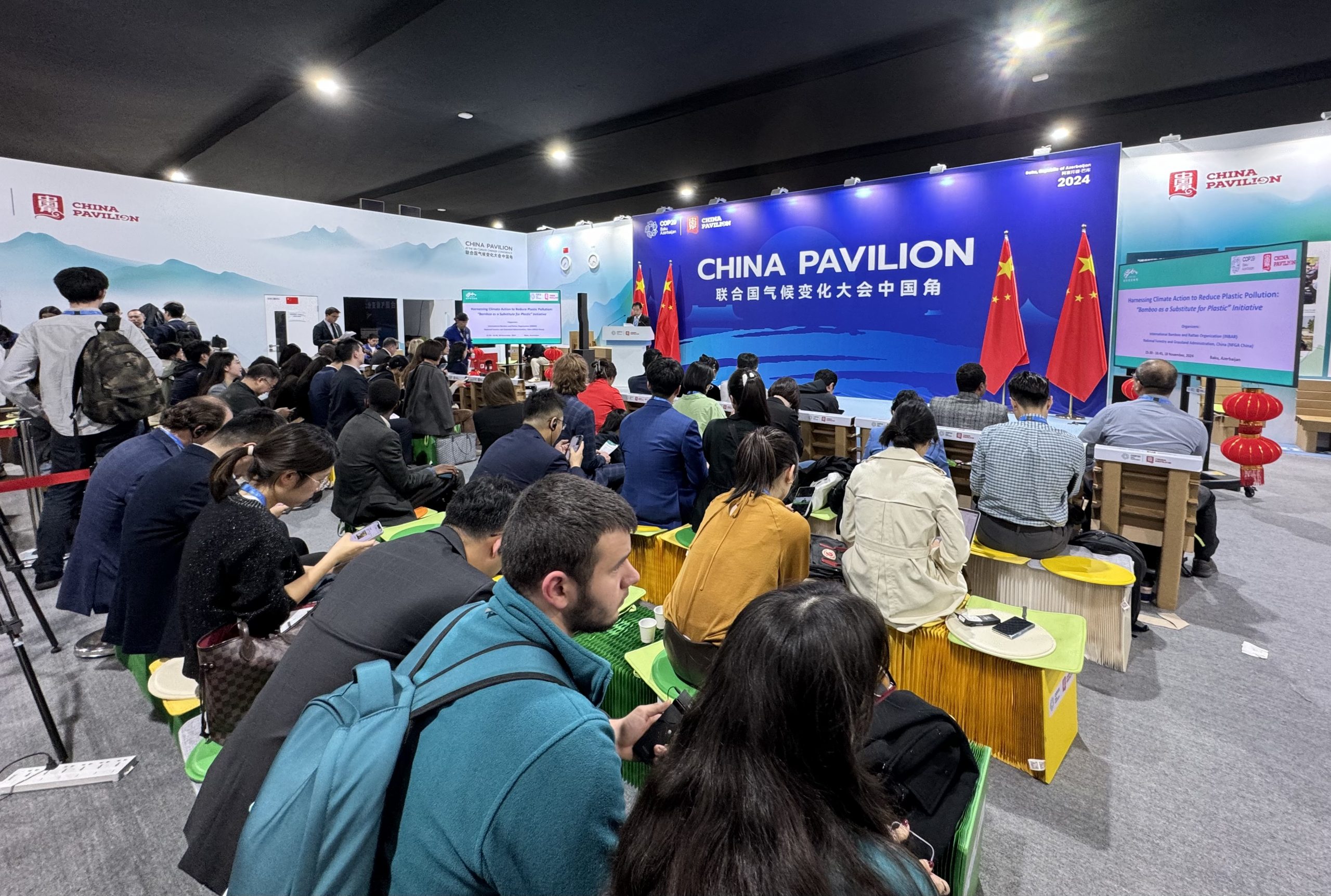
At present, responding to plastic pollution has become a hot topic in the field of global environmental governance. In November 2022, China and INBAR jointly launched the BASP Initiative to deepen global cooperation on plastic substitution and leverage bamboo’s unique attributes in replacing plastic products. This can help us create a planet that is greener and cleaner for future generations.