 News
NewsBambu Sur – Supporting climate resilience and rural empowerment in Latin America

Farmers in Argentina, Bolivia and Brazil ready to harness the potential of bamboo for resilient livelihoods.
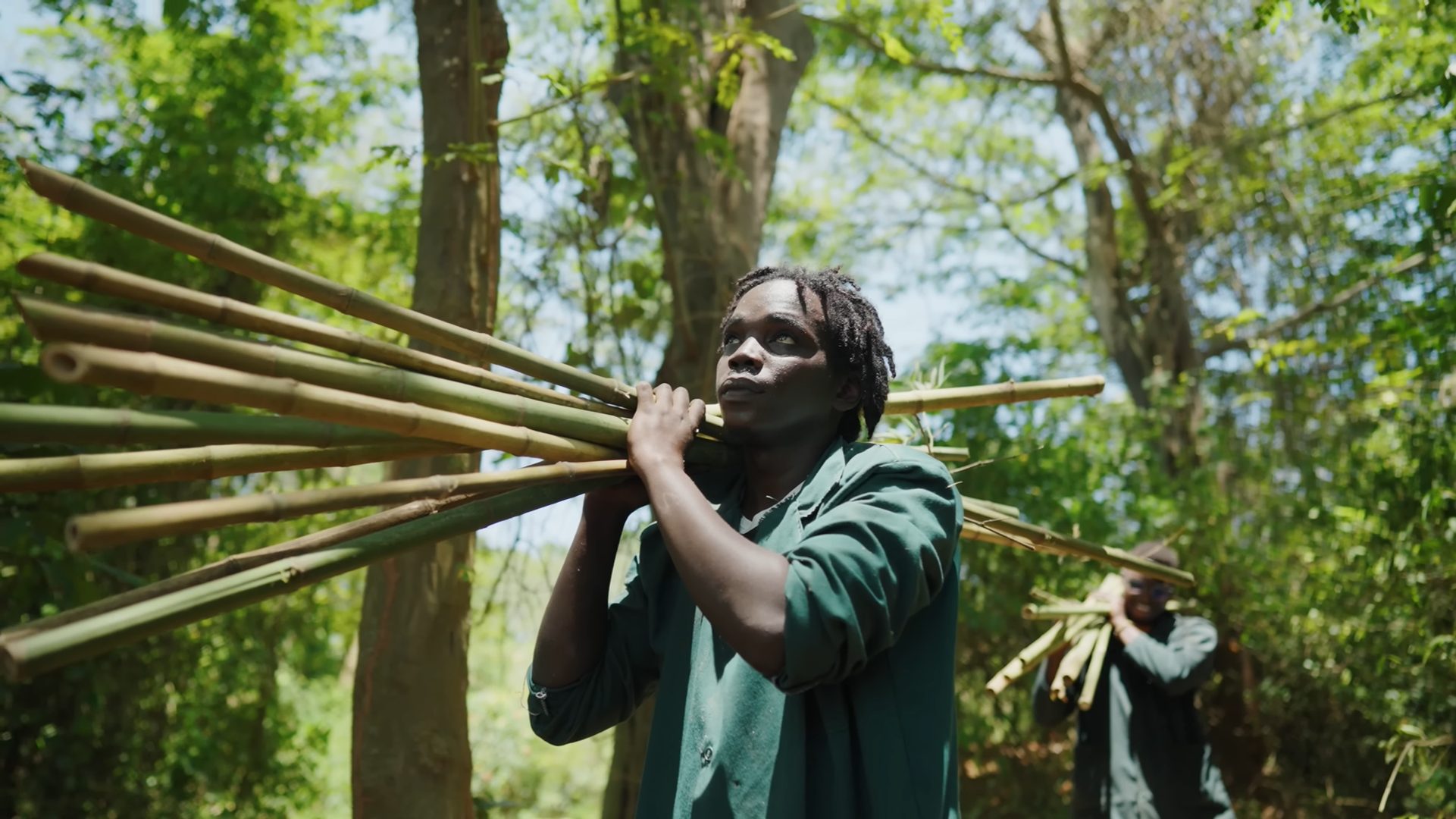
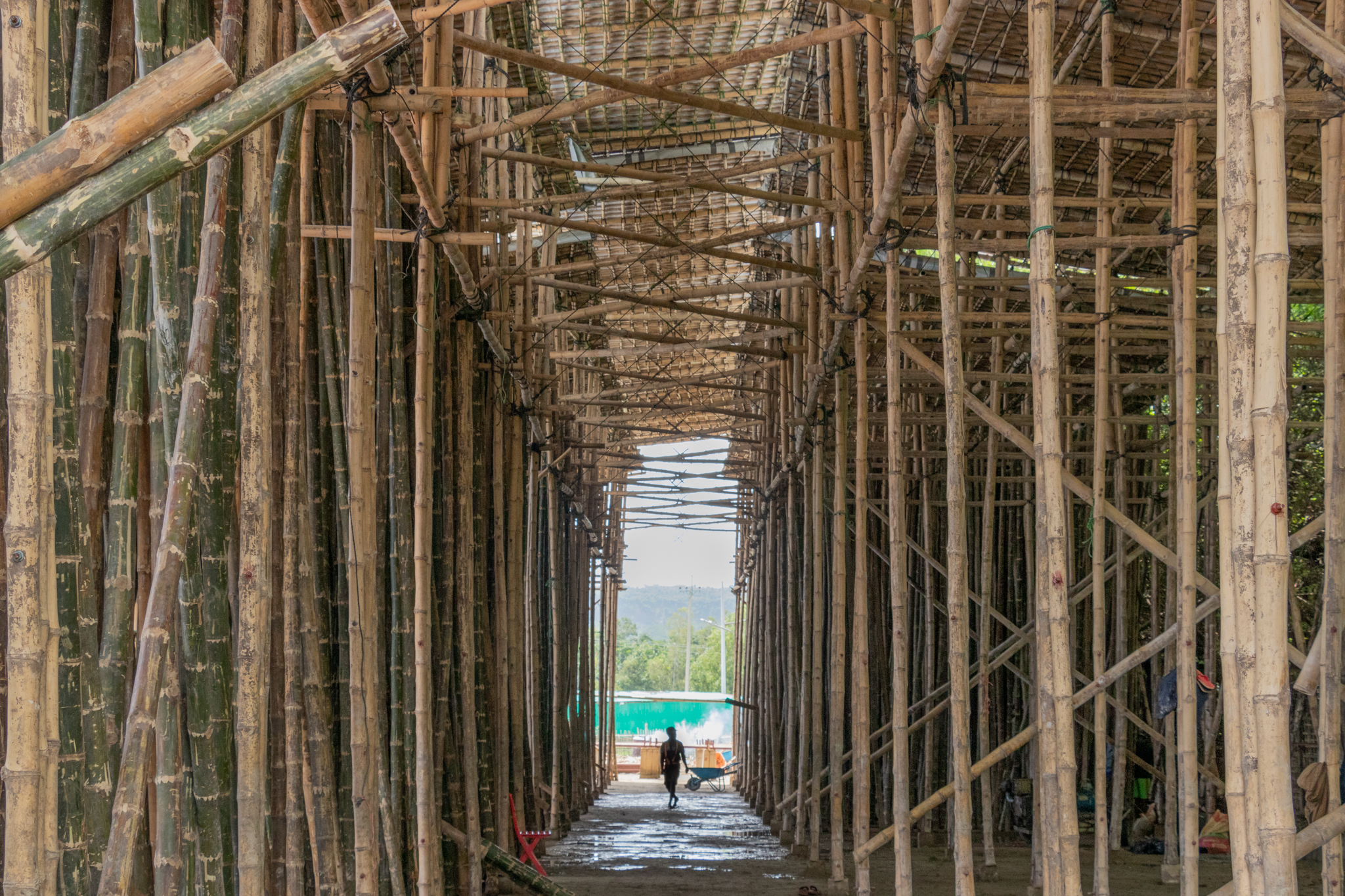
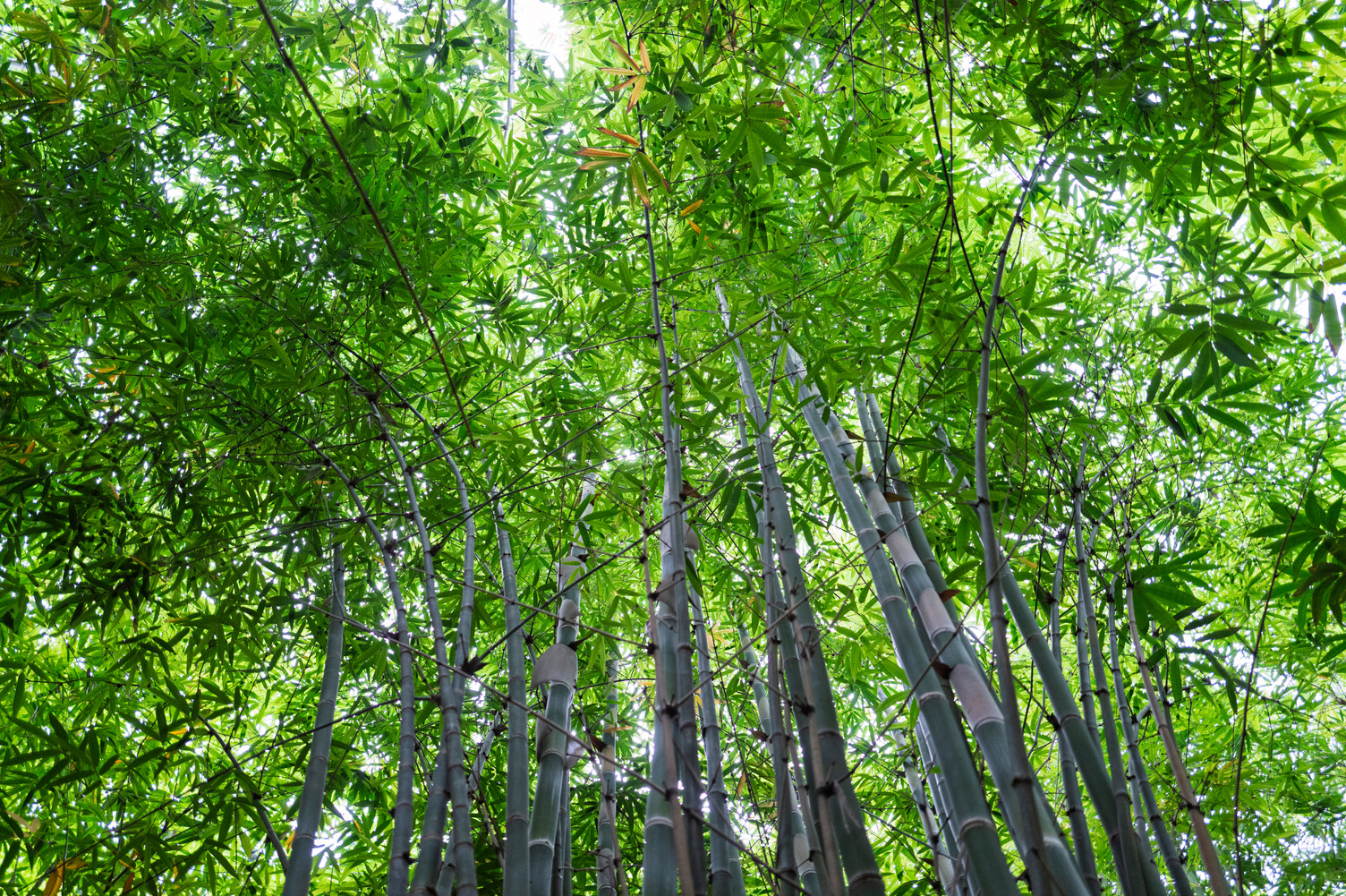
Bamboo, often dubbed the “green gold” of the tropics, has long been a staple resource across Africa, Asia and Latin America. Beyond its historical uses, bamboo is now recognized as a resilient and sustainable alternative that can support environmental conservation, climate resilience and rural development. Launching a new phase in bamboo innovation, the Bambu Sur: South-South Initiative to Promote the Sustainable Use of Bamboo as a Climate Resilience Strategy for Smallholder Farmers project is set to begin operations in Argentina, Bolivia and Brazil. This project, building on the success and insights of the Bambuzonía initiative, promises to integrate best practices to foster resilient rural livelihoods.
Learning from Bambuzonía: A blueprint for success
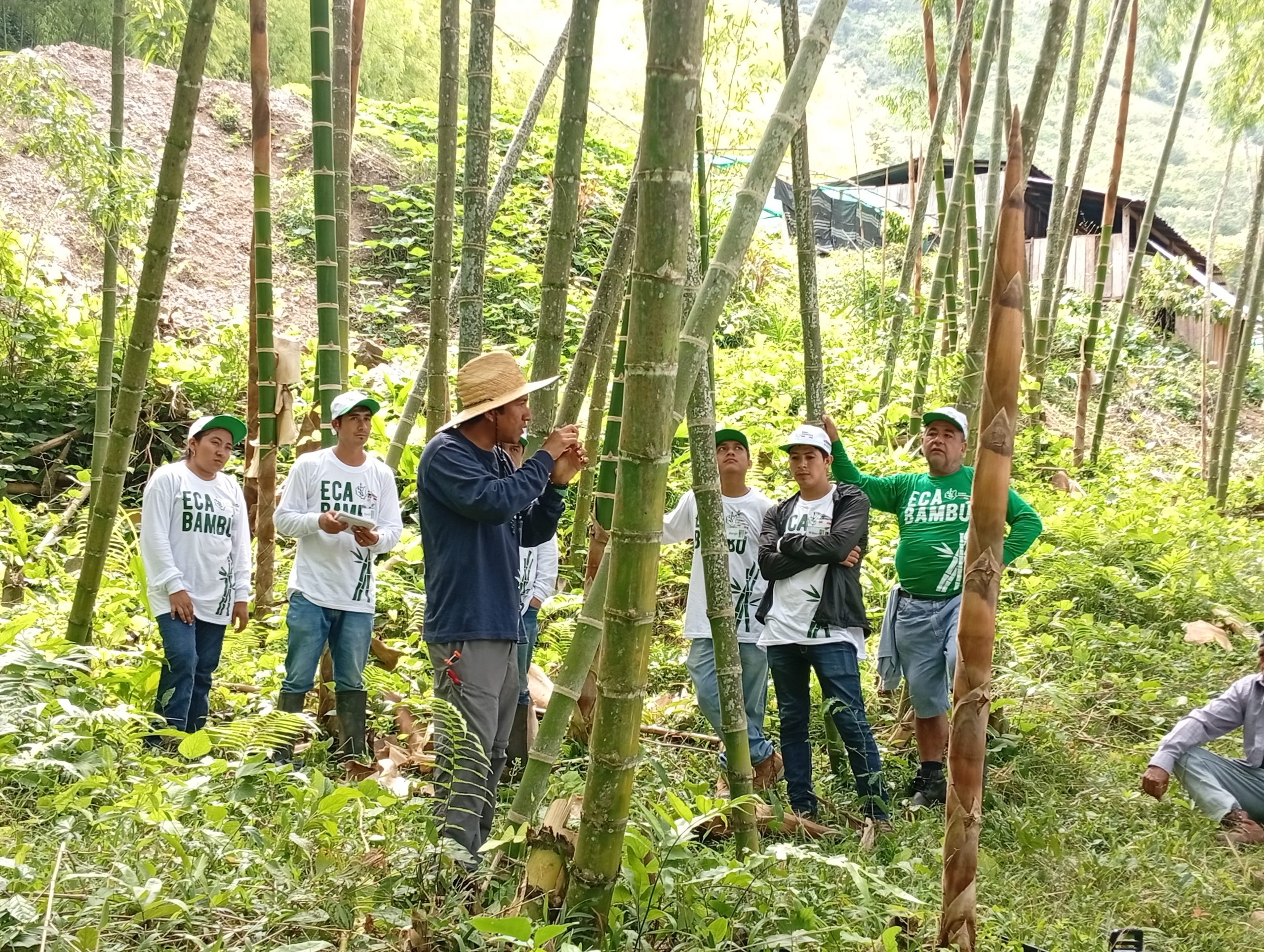
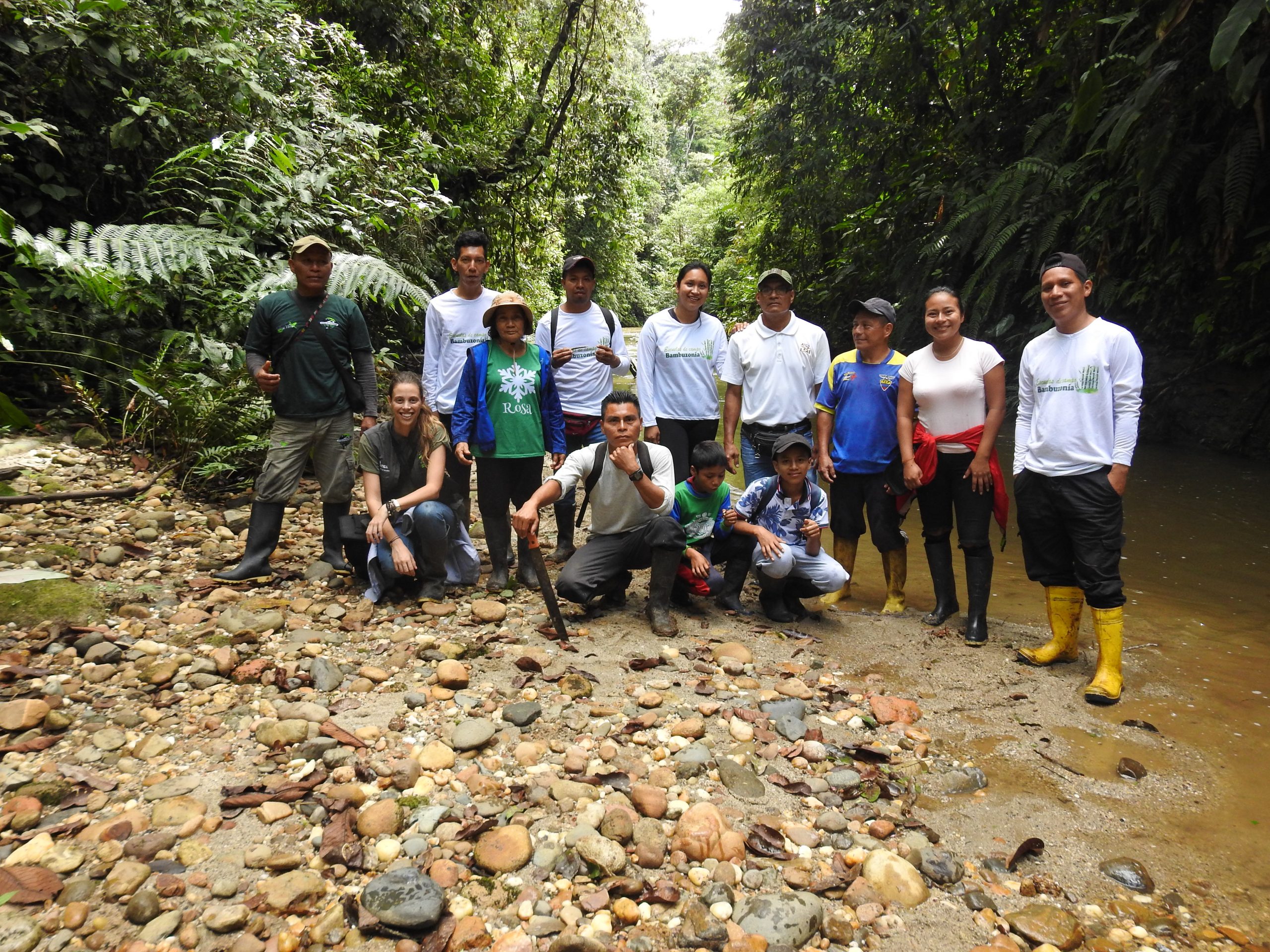
Bambu Sur draws on key lessons from the Bambuzonía Project, an International Fund for Agricultural Development (IFAD) and INBAR collaboration from 2019 to 2023. Implemented in Colombia, Ecuador and Peru, Bambuzonía successfully demonstrated bamboo’s versatility in boosting the climate resilience of smallholders. By enhancing bamboo production and establishing innovative, bamboo-based income streams, Bambuzonía showed the potential of bamboo for job creation, soil regeneration, watershed protection and adaptation to climate impacts.
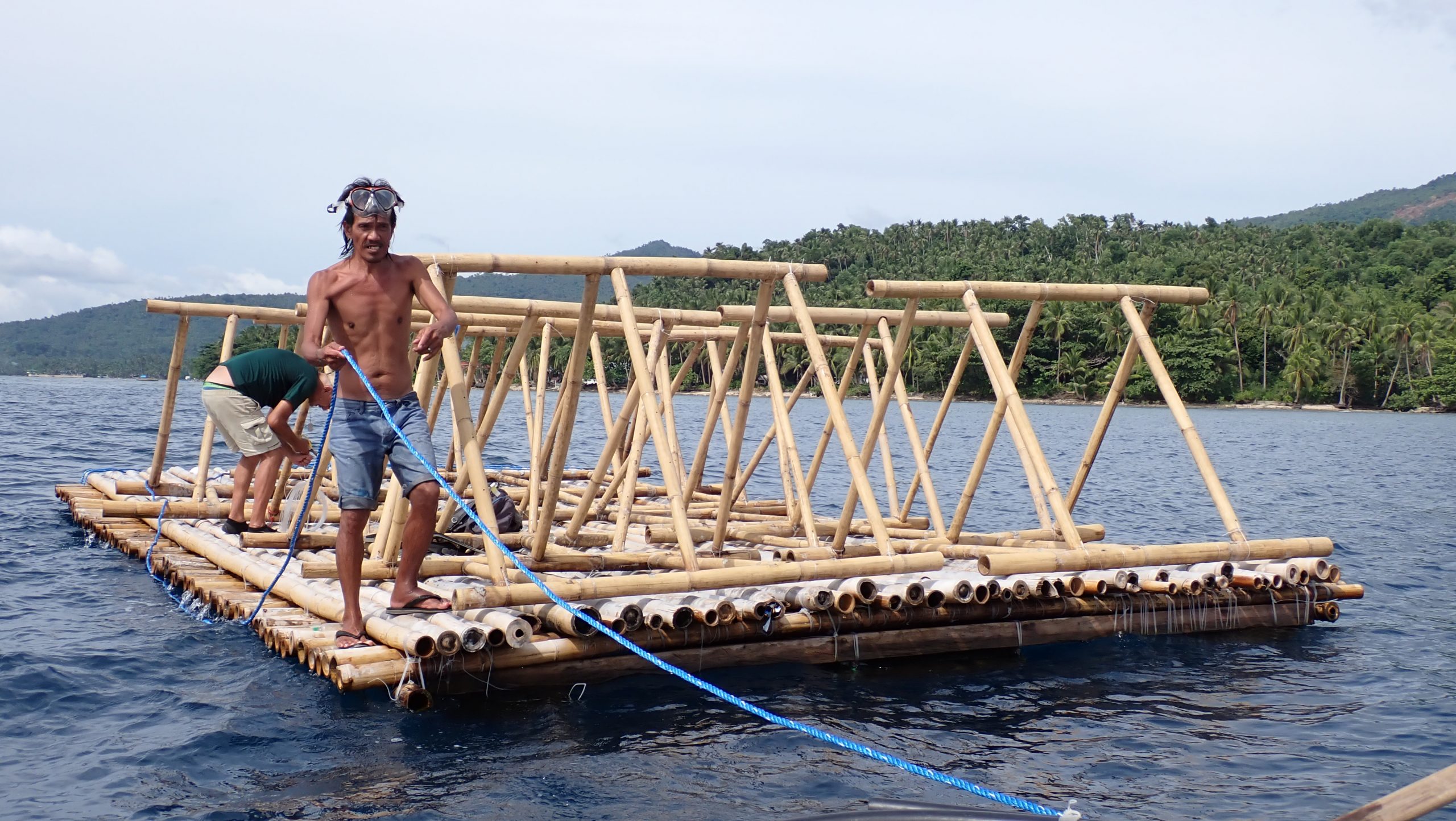
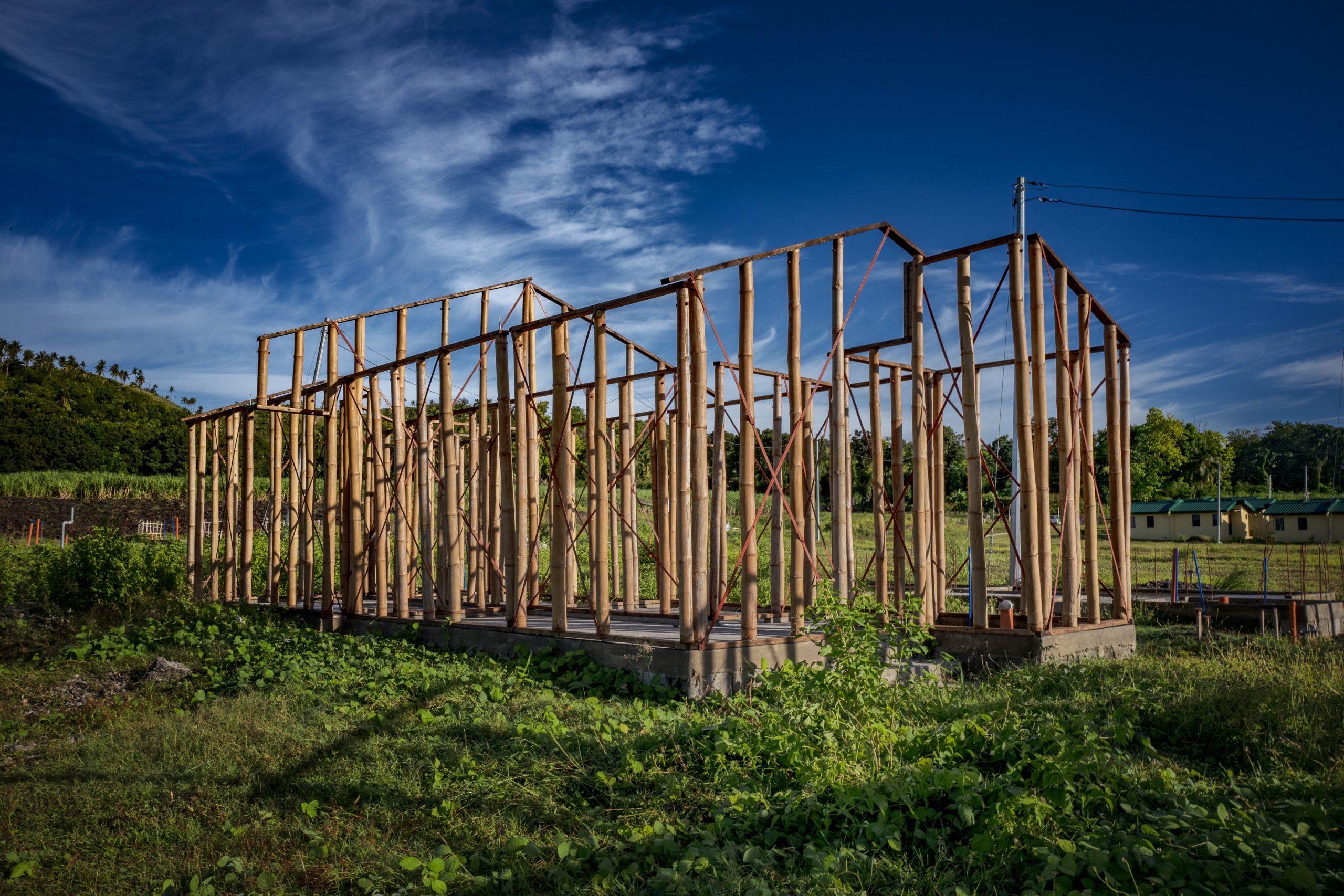
The achievements of Bambuzonía, which benefited over 4500 rural residents, highlighted bamboo’s suitability for diverse uses — from construction materials to handicrafts and environmental protection. Bambu Sur will build on these successes, replicating and expanding the project’s most effective strategies to benefit even more rural communities across South America.
Expanding bamboo’s reach through South-South Cooperation
Funded by the China-IFAD South-South and Triangular Cooperation Facility, Bambu Sur represents a collective effort to share bamboo expertise, resources and technologies across developing countries. The project is tailored to address the unique challenges of smallholder farmers in Argentina, Bolivia and Brazil, with specific focus on bolstering climate resilience, income generation and sustainable farming practices.
The project targets at least 900 direct beneficiaries across these three countries, including small farmers, youth and women. Additionally, it aims to reach up to 4500 indirect beneficiaries, encompassing rural families, community organizations, government agencies and other stakeholders involved in rural development and climate adaptation.
Objectives
Bambu Sur’s primary goal is to enhance climate resilience and boost rural livelihoods by promoting the use of bamboo. The project’s specific objectives include:
- Enhancing climate resilience: By integrating bamboo into farming, the project aims to boost soil stabilization and water retention, making farms more resilient to climate impacts.
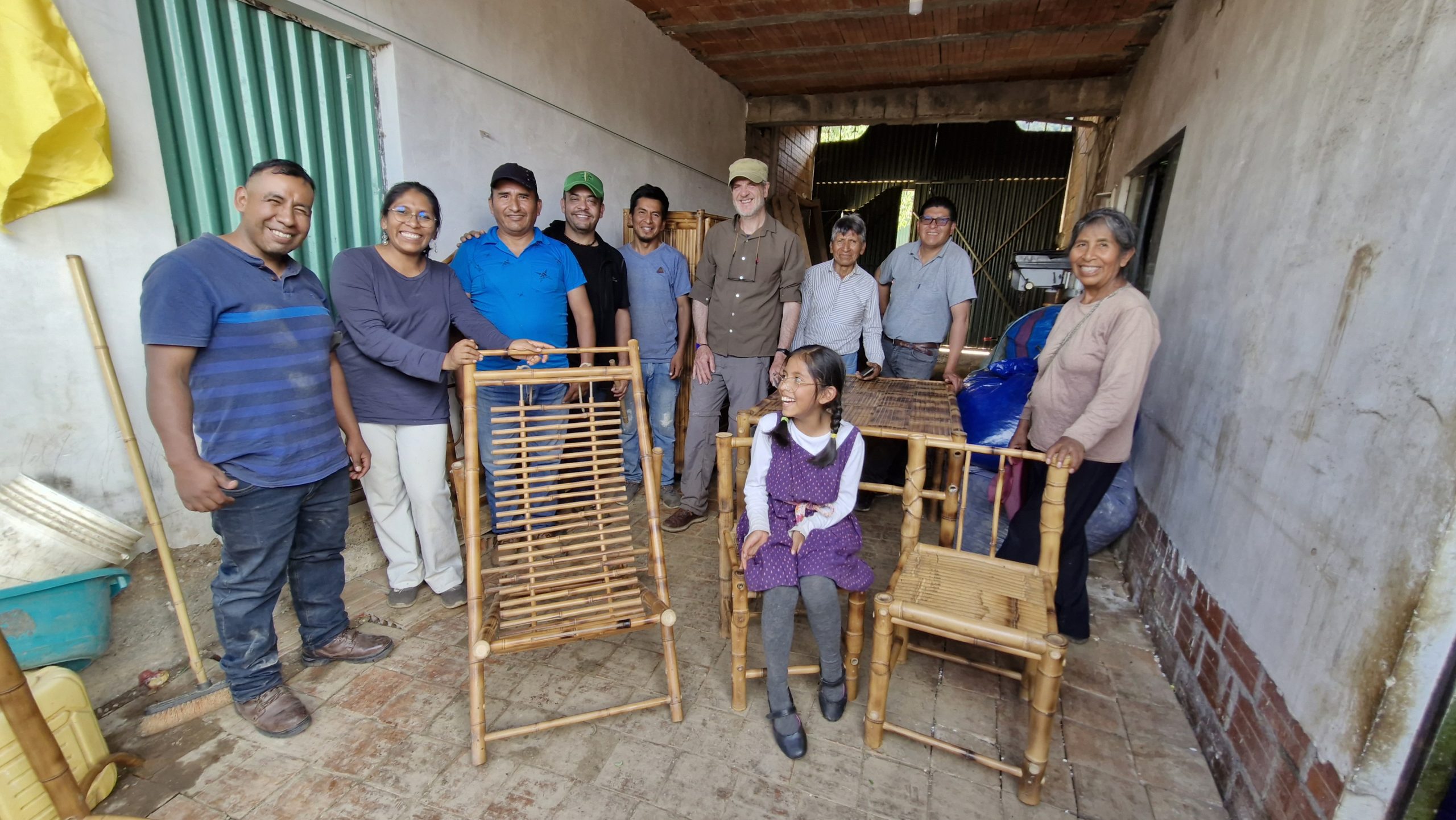
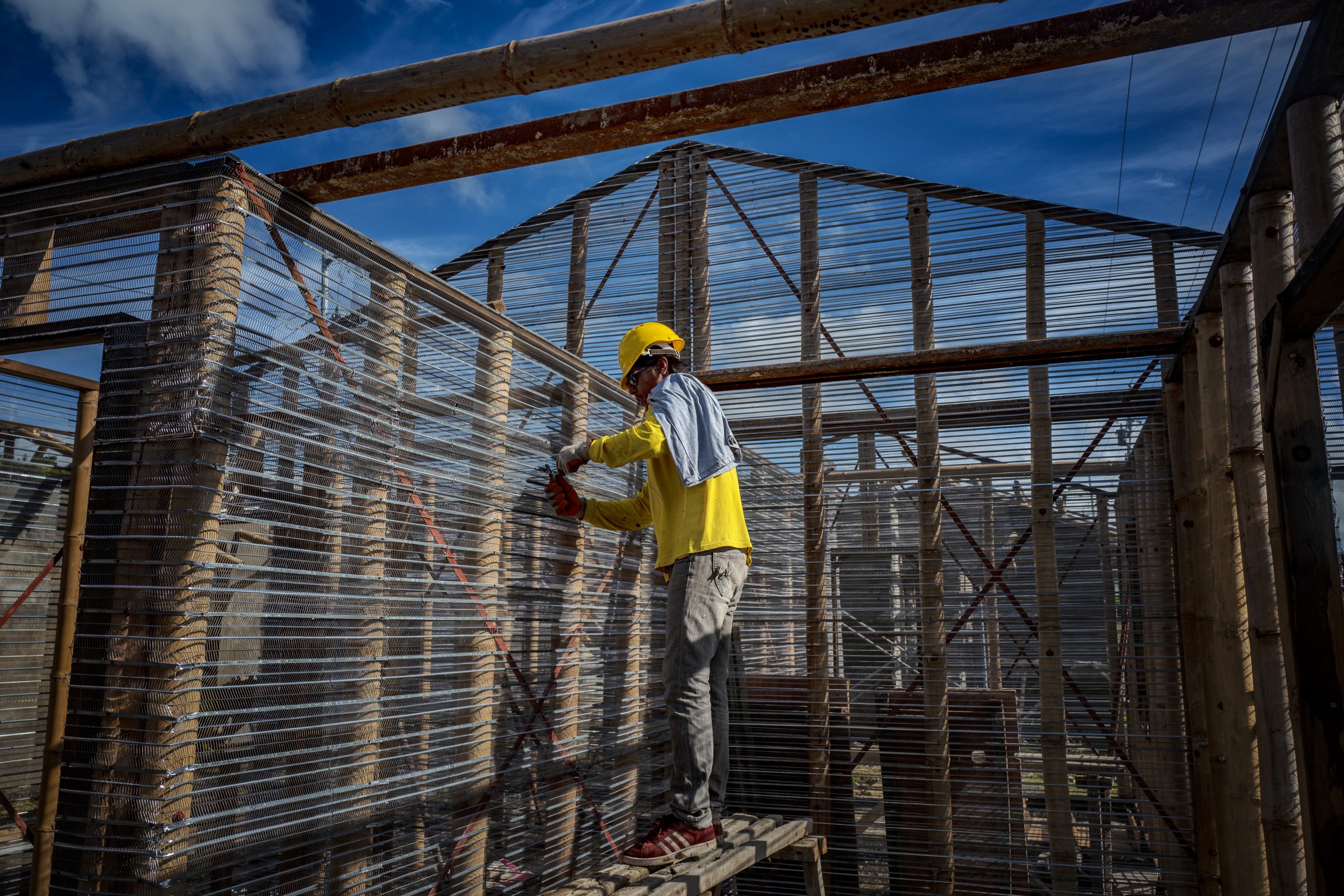
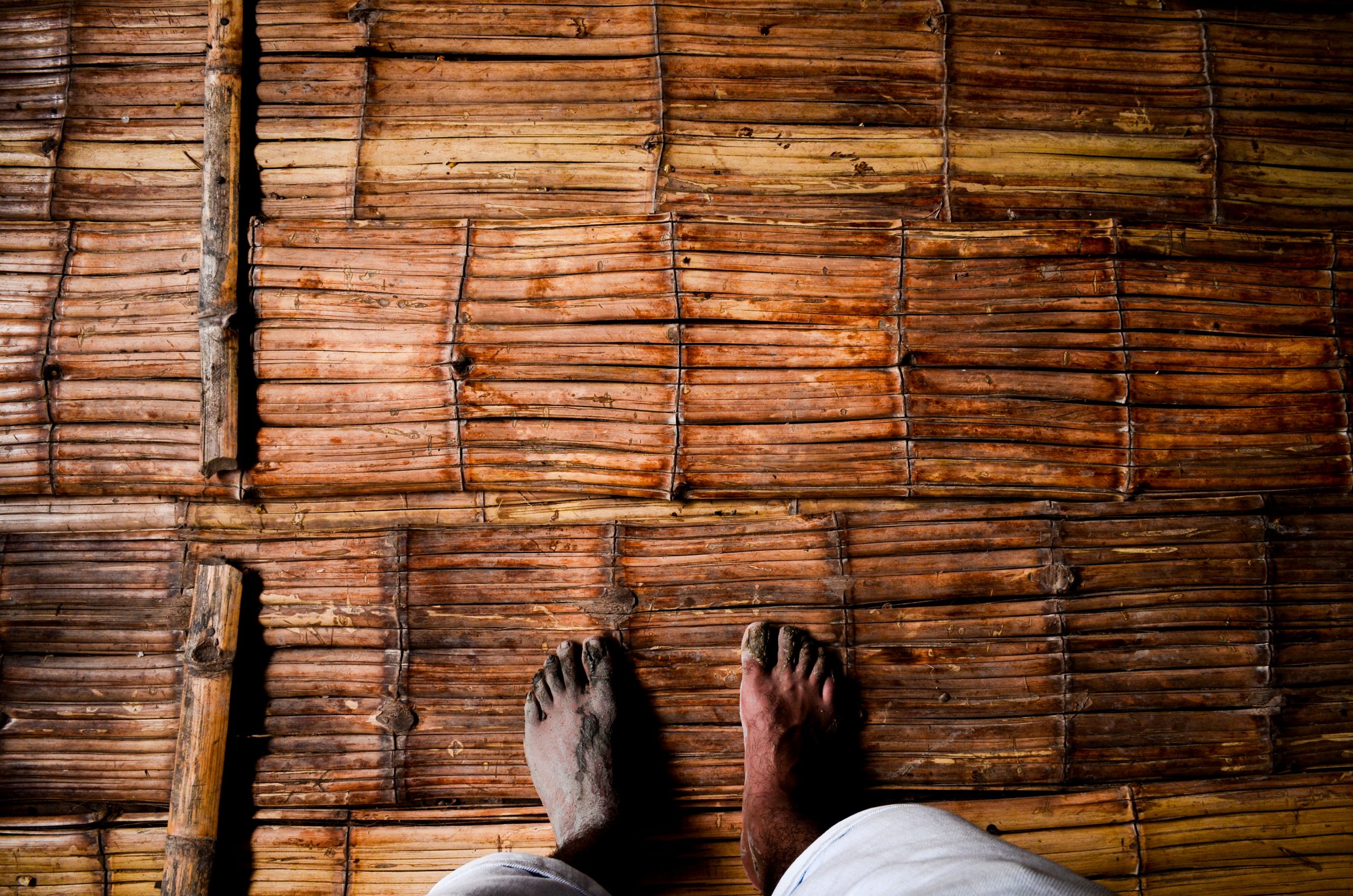
- Promoting income diversification: Bamboo, a fast-growing and renewable resource, offers numerous opportunities for economic diversification. Bambu Sur will empower smallholders to create bamboo-based products such as furniture, crafts and construction materials, fostering new rural enterprises.
- Strengthening knowledge and institutional capacity: Leveraging insights from Bambuzonía, the project will enhance the capabilities of local institutions to promote bamboo as a sustainable, income-generating resource.
Project components
The project’s initiatives are structured into three main components:
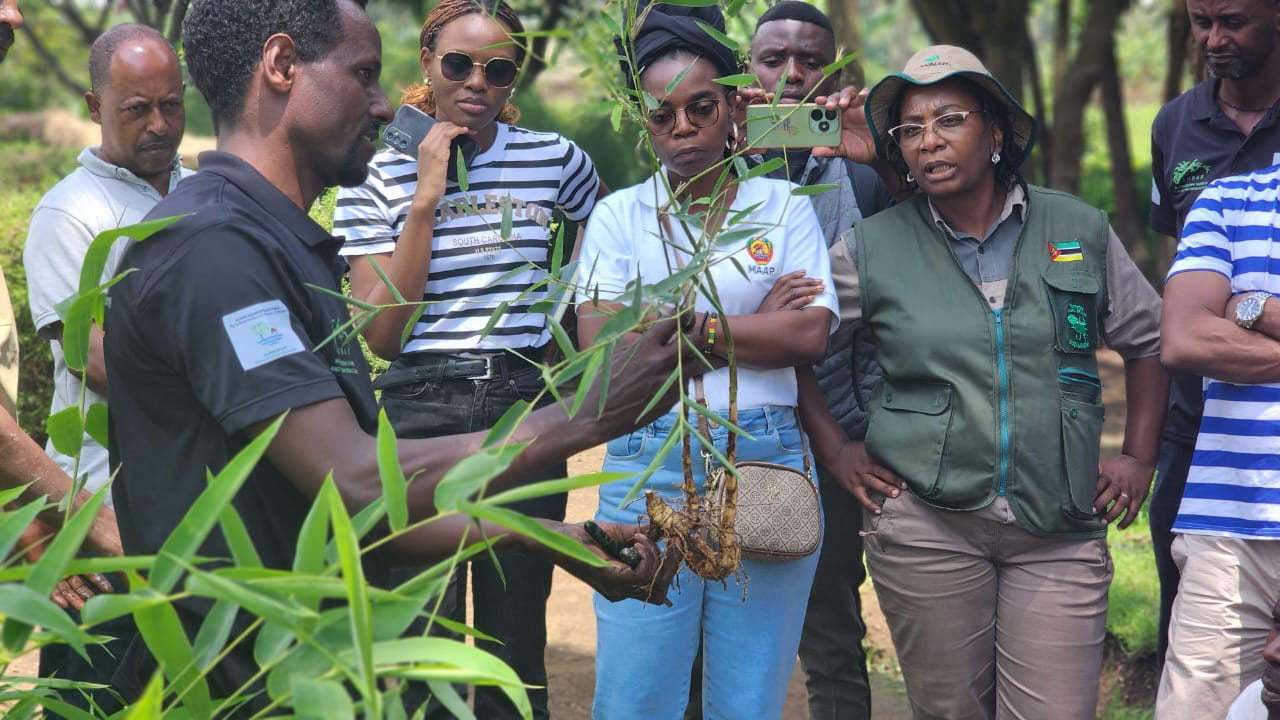
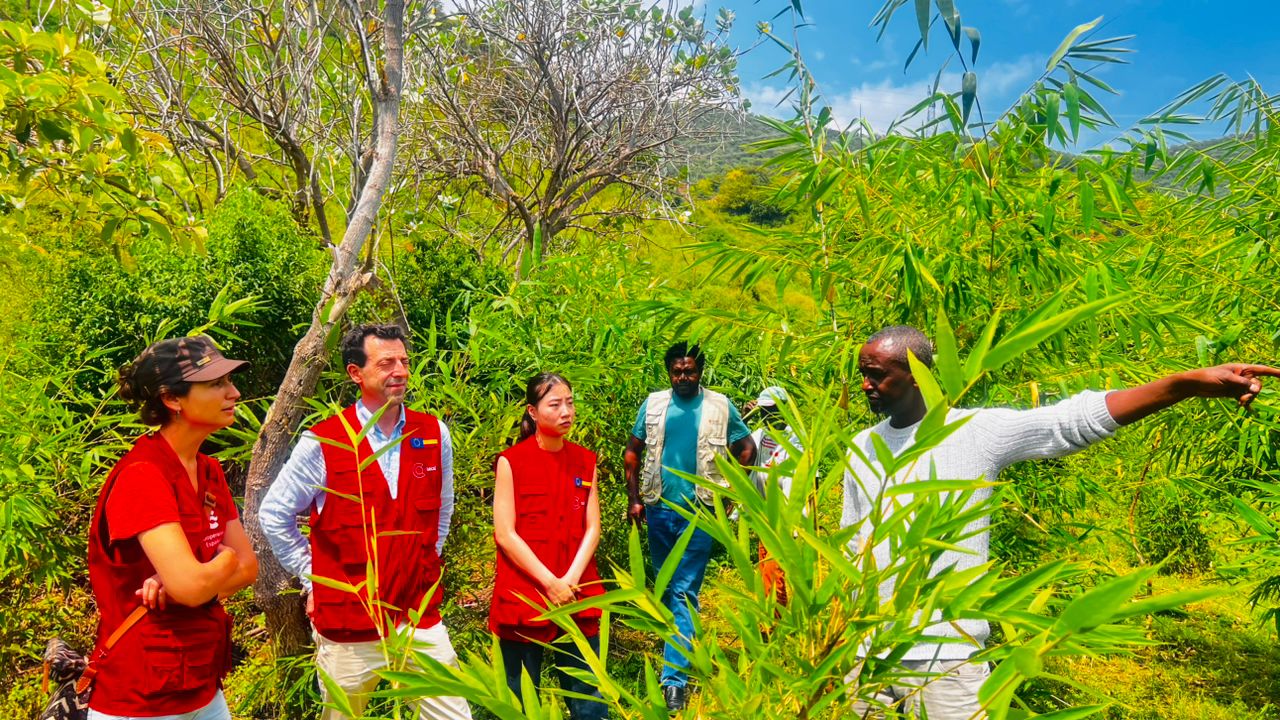
- Climate resilience enhancement: This component focuses on building climate resilience by integrating bamboo into agricultural systems. Farmers will receive training on bamboo planting and management practices, enhancing ecosystem services like soil stabilization and water conservation, to support resilient farms and create income streams.
- Income diversification through value addition: By fostering bamboo-based product development, Bambu Sur provides economic alternatives for rural communities. The project will introduce bamboo as a sustainable material for crafts, furniture and household items, creating off-farm employment opportunities, especially for youth and women.
- Knowledge sharing and institutional strengthening: Bambu Sur will document successful practices from Bambuzonía, producing knowledge products and sharing best practices. This component aims to empower local institutions to sustain bamboo-driven initiatives and raise awareness of bamboo’s real potential across Argentina, Bolivia and Brazil

Expected outcomes
The project is designed to deliver the following key outcomes:
- Improved climate resilience: Smallholder farms will become more resilient to climate impacts through bamboo’s integration, protecting natural resources and securing food sources.
- Increased economic opportunities: Bambu Sur will support rural small and medium-sized enterprises to fully leverage bamboo’s economic potential, enabling smallholders to diversify income sources.
- Enhanced local knowledge and institutional capacity: Bambu Sur will strengthen local institutions by equipping them with the tools and partnerships needed to implement bamboo-based solutions, creating a network for sustained bamboo utilization.
Sustainability and scaling up
The sustainable mission of Bambu Sur lies in its commitment to building resilient systems at the environmental, social, economic and institutional levels. Critical sustainability pathways include:
- Environmental sustainability: Responsible bamboo management will preserve ecosystems, improve soil health and reduce deforestation. Sustainable harvesting techniques will ensure bamboo resources remain steadily available.
- Social and economic sustainability: Emphasizing community participation, Bambu Sur will include women and youth in bamboo-based training, promoting inclusive growth. Innovations in bamboo processing will strengthen existing value chains, providing long-term economic opportunities.
- Institutional sustainability: Through collaboration with local partners, Bambu Sur will encourage policy support for bamboo in rural development, creating a foundation for continuous resource mobilization and shared learning.
Scaling up Bambuzonía’s best practices
A central focus of Bambu Sur is to scale up the successes of the Bambuzonía project. The project will apply proven bamboo sector development strategies from Colombia, Ecuador and Peru across a broader region, empowering communities to adopt bamboo-based climate adaptation and job creation practices. By integrating bamboo into local development plans and sharing strategies through South-South Cooperation, Bambu Sur aims to influence sustainable rural development not only in Argentina, Bolivia and Brazil but throughout all Latin America.