
 News
NewsCOMMENT | Bamboo genomics: Driving global sustainable development and the Bamboo as a Substitute for Plastic Initiative

This Comment was co-authored by Shyam K. Paudel, Ximena Londoño, and Maxim Lobovikov.
Plastic waste and climate change are global threats. Over 430 million tons of plastic are produced annually, with 36% used for single-use products and less than 10% recycled. Climate change is also destabilizing ecosystems. Bamboo is an appealing alternative. It grows rapidly, breaks down naturally and absorbs about 5.1 tons of CO₂ per hectare per year — more than fir forests. Bamboo products also emit only 20% of the carbon footprint of plastics. These traits make bamboo a strong candidate for both carbon reduction and pollution control. Yet progress has been limited by a lack of genomic understanding. The new pangenome by Hou et al. (2024) sheds light on the genetic basis of bamboo’s climate adaptability, offering a scientific foundation for the future of the Bamboo as a Substitute for Plastic (BASP) Initiative.
Why Bamboo Matters — Ecologically and Economically
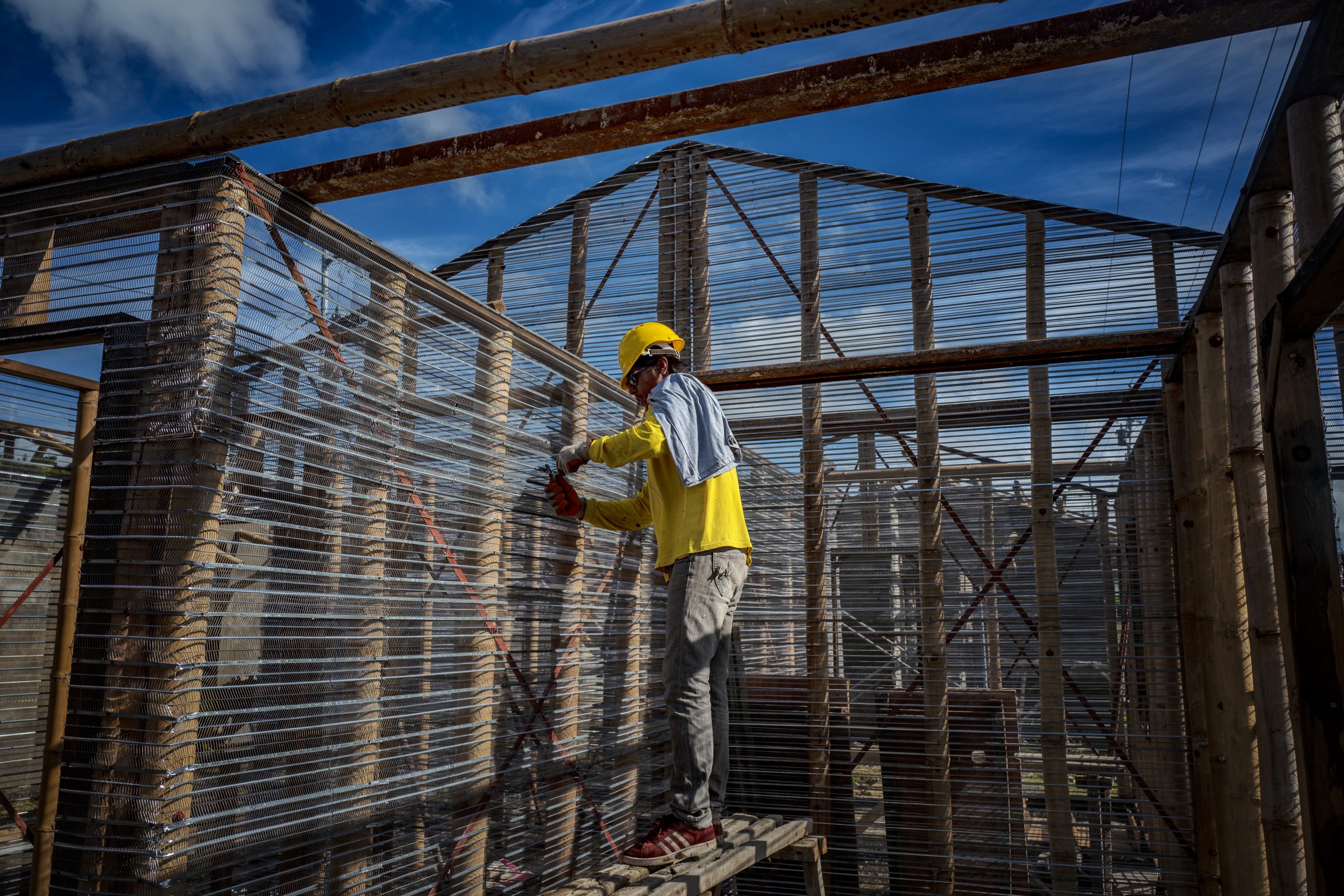
Often called “green gold,” bamboo contributes to both ecosystems and economies. It supports carbon storage, prevents soil erosion and sustains forest biodiversity. Countries now include bamboo in their carbon neutrality goals under the Paris Agreement. Economically, the impact is growing. China’s 7.5 million hectares of bamboo forest generated USD 75 billion in 2023, creating 15 million jobs. Bamboo-based materials are expanding into construction and packaging, replacing up to 50% of single-use plastics in some countries. The BASP Initiative is now gaining global policy attention as a dual-purpose solution.
Genomic Breakthrough
Hou et al. (2024) created the first haplotype-resolved pangenome of Moso bamboo, revealing rich genetic variation. Unlike traditional genomes that only contain information from a single individual, a pangenome includes the genetic information from almost all individuals of the species. This research approach is crucial because it can reveal hidden genetic diversity and help researchers more fully identify genes that influence important traits in bamboo. Enabled by the pangenome, over 1000 variants linked to climate traits such as temperature and rainfall tolerance were identified. Populations in western and northern China were found to be especially vulnerable. This genetic map provides a tool for adaptive conservation—placing the right bamboo in the right environment—and helps breeders develop resilient, high-yielding varieties.
Using Genomics to Shape Bamboo’s Future
- Better Breeding Techniques
Traditional bamboo breeding takes a long time. Now, with this pangenome, scientists can quickly find genes that influence important traits like fiber strength and growth speed. This allows them to develop bamboo varieties that are better suited for industrial uses, especially those that replace plastic.
- Adapting to a Changing Climate
The genetic data helps predict how bamboo will respond to future climate conditions. Farmers and land managers can use this information to plant varieties that are more likely to survive drought, heat or other stresses. This helps make bamboo production more resilient and efficient.
- Protecting Global Bamboo Diversity
To keep bamboo strong and healthy for the future, we need to protect its genetic diversity. This means storing seeds and plants in gene banks, monitoring how bamboo genes change over time and sharing data globally. Countries can also focus on sequencing important local species, such as Oxytenanthera abyssinica in Africa and Guadua angustifolia in Latin America. Organizations like INBAR will be critical to this collaborative endeavor.
What Comes Next
The real power of bamboo lies at the intersection of science, policy and markets. To unleash it fully:
- Policy makers should include genetic monitoring in forestry plans and offer incentives for using bamboo in plastics replacement.
- Researchers must continue to explore how bamboo’s DNA shapes its growth and environmental benefits and measure the social and economic impacts of bamboo industries.
- Global partnerships, especially under the BASP Initiative, need to share data, funding and technology so that all bamboo‑growing countries can benefit.
When science and policy move together, bamboo can become a key tool against climate change and plastic waste. Studies like Hou et al. (2024) give us the roadmap to grow, protect and use bamboo with greater wisdom, transforming this fast‑growing grass into a global engine for sustainable development.
Read the study: https://www.nature.com/articles/s41467-024-52376-5