 News
NewsHarnessing bamboo for marine conservation and coastal livelihoods

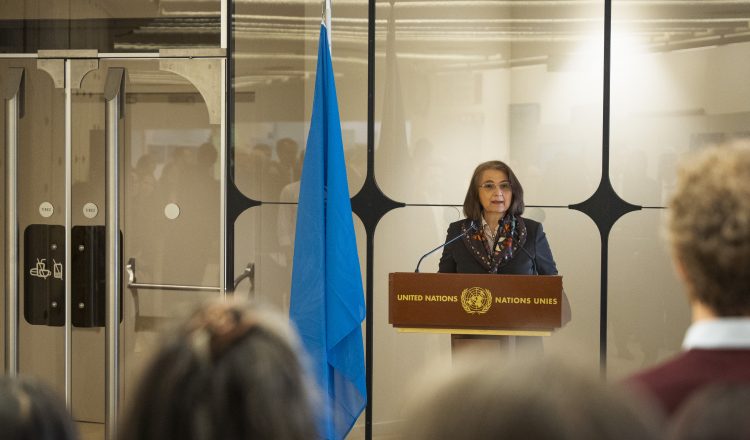
Opening of the MAPS Expo. Credit: UN Trade and Development/Carl Philipp Von Limburg
Meeting in Geneva showcases bamboo and rattan’s contribution to strengthening coastal communities.
From 3 to 5 March 2025, an INBAR delegation attended the Marine-based Products and Services (MAPS) Expo in Geneva, Switzerland, organized by UN Trade and Development (UNCTAD). Aligned with the 5th Ocean Forum’s theme, “Ocean Economy, Trade Policy, Climate, and Development Nexus,” MAPS Expo brought together businesses, researchers and innovators engaged in marine-based products, ocean conservation and sustainable material, highlighting alternatives to conventional plastics, circular economy innovations, sustainable fishery initiatives and nature-based solutions that contribute to marine conservation, sustainable ocean use and coastal livelihoods.
INBAR’s booth displayed a wide range of bamboo and rattan products as well as knowledge products, attracting the interest and attention of high-level officials, businesses, researchers and innovators regarding the potential of bamboo and rattan as sustainable substitutes for conventional plastics and other harmful materials. These resources can play a major role in discussions on environmental stewardship, livelihood strengthening, climate action, plastic reduction, circular economy and marine conservation among coastal communities.

H.E. Mr. Arnoldo André Tinoco (right), Foreign Minister of Costa Rica, visits INBAR booth. Credit: UN Trade and Development/Henrique Pacini
An estimated 19-23 million metric tons of plastics enter aquatic ecosystems annually, adding to the 200 million metric tons already present. This waste, from microplastics to larger plastics items such as bottles, bags and food wrappers, kills 100,000 marine animals each year and severely degrades ocean ecosystems.
The use of ocean-safe, low-carbon, and biodegradable bamboo and rattan products helps reduce plastics waste, especially single-use plastics that make up 89% of ocean plastic litter. Moreover, they also support coastal livelihoods, boosting the ocean economy.
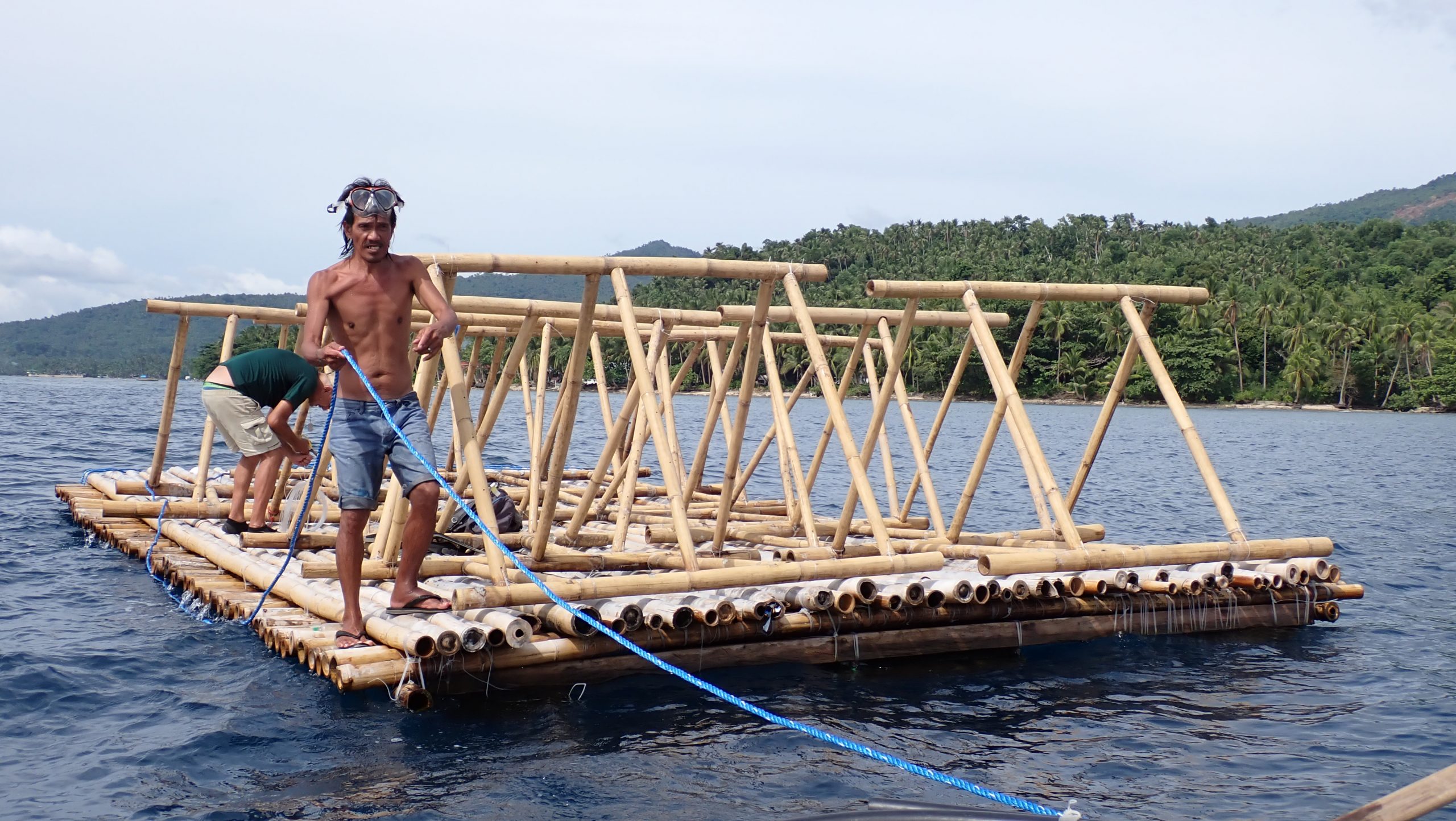
Every year, 2.1 million tonnes of plastics are used in fisheries and aquaculture. Abandoned, lost or otherwise discarded fishing gear (ALDFG), usually made of plastic polymers, can be replaced by bamboo and rattan, owing to their lightweight, strong, affordable, and eco-friendly nature. Fishing vessels, traps and other crafts made from bamboo and rattan are used in many countries, such as Ecuador, Peru and Ghana. Cases of bamboo used in fisheries and aquaculture can be found in INBAR’s recently published fact sheet. This not only offers a sustainable solution to plastic pollution, but also helps small-scale fishers and fish farmers make the transition to more ocean-safe materials.

Some of the various uses of bamboo for ocean livelihoods.
Durable bamboo flooring is a widely used material for floorboards in shipping containers, due to its strength, light weight, availability, low environmental footprint and cost-benefit for marine transportation.
New innovations continue to emerge. Bamboo winding composite pipes are being tested as eco-friendly alternatives to high-density polyethylene buoys and steel structures in floating solar power stations. Also, bamboo veneers can be used as top and bottom layers of surfboards to enhance durability and sustainability. This can help green the growing surfboard market, which is projected to reach USD 6.7 Billion by 2031.

Bamboo frame supporting floating solar panels.
Bamboo can powerfully support ocean conservation, marine ecosystems and coastal livelihoods while advancing sustainable development goals on food security, decarbonization, responsible consumption and production, life under water and more.
INBAR champions bamboo as a climate-resilient, sustainable material for green growth in ocean communities at global fora such as the Intergovernmental Negotiating Committee to develop an international legally binding instrument on plastic pollution, including in the marine environment, the Global Partnership on Plastic Pollution and Marine Litter, and the Convention on Biological Diversity.
In November 2022, INBAR and China jointly launched the Bamboo as a Substitute for Plastic (BASP) Initiative, which seeks to provide bamboo-based solutions to plastic pollution and climate change while advancing the United Nations 2030 Agenda for Sustainable Development.
In 2023, at the First International Symposium on Bamboo as a Substitute for Plastic, INBAR and the Chinese Government released the initiative’s Global Action Plan (2023-2030). A Pilot Project is now underway in six key countries to research national bamboo resources and investigate industry chains, laying the groundwork for building a new bamboo substitute industry.
To see some of the ways bamboo and rattan are strengthening coastal communities, see the video below: