 News
NewsGraduation in Manabí: A step toward economic revitalization and sustainability

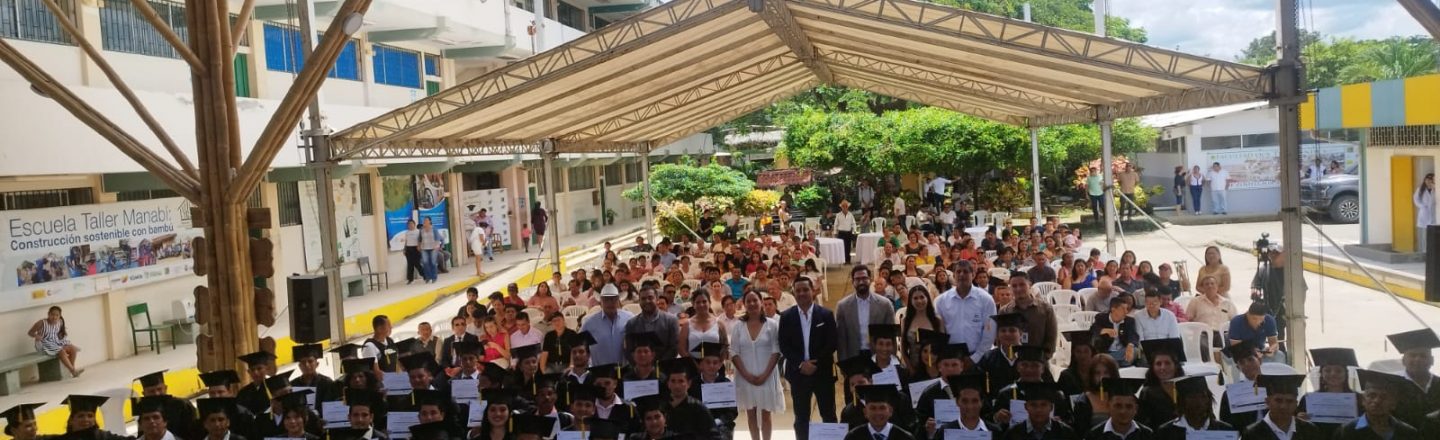
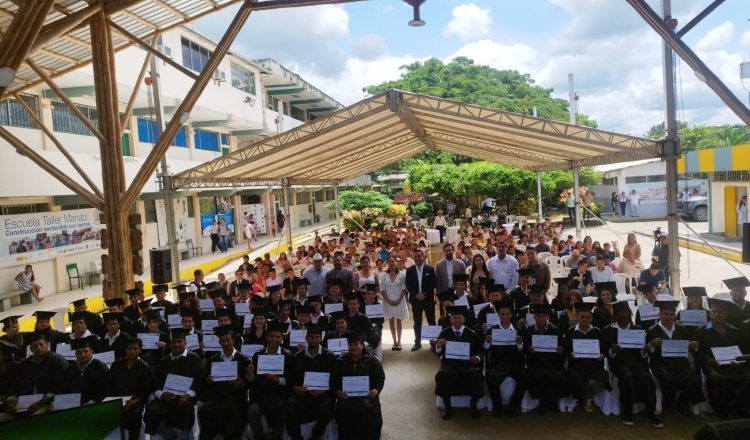
The graduation of the third cycle of the Workshop School of Sustainable Bamboo Construction marks a key step in strengthening the local economy and promoting sustainability in Manabí.
As part of the project “Post-pandemic Local Economic Revitalization in the Province of Manabí through Strengthening Sustainable Bamboo Construction,” funded by the Spanish Agency for International Development Cooperation (AECID), we proudly celebrate the graduation of the third cycle of the Workshop School of Sustainable Bamboo Construction (ETCSB). This project aims to contribute to specialized training and research in sustainable bamboo construction, boosting the local economy in a post-pandemic context.
A Workshop School that unites efforts and regions

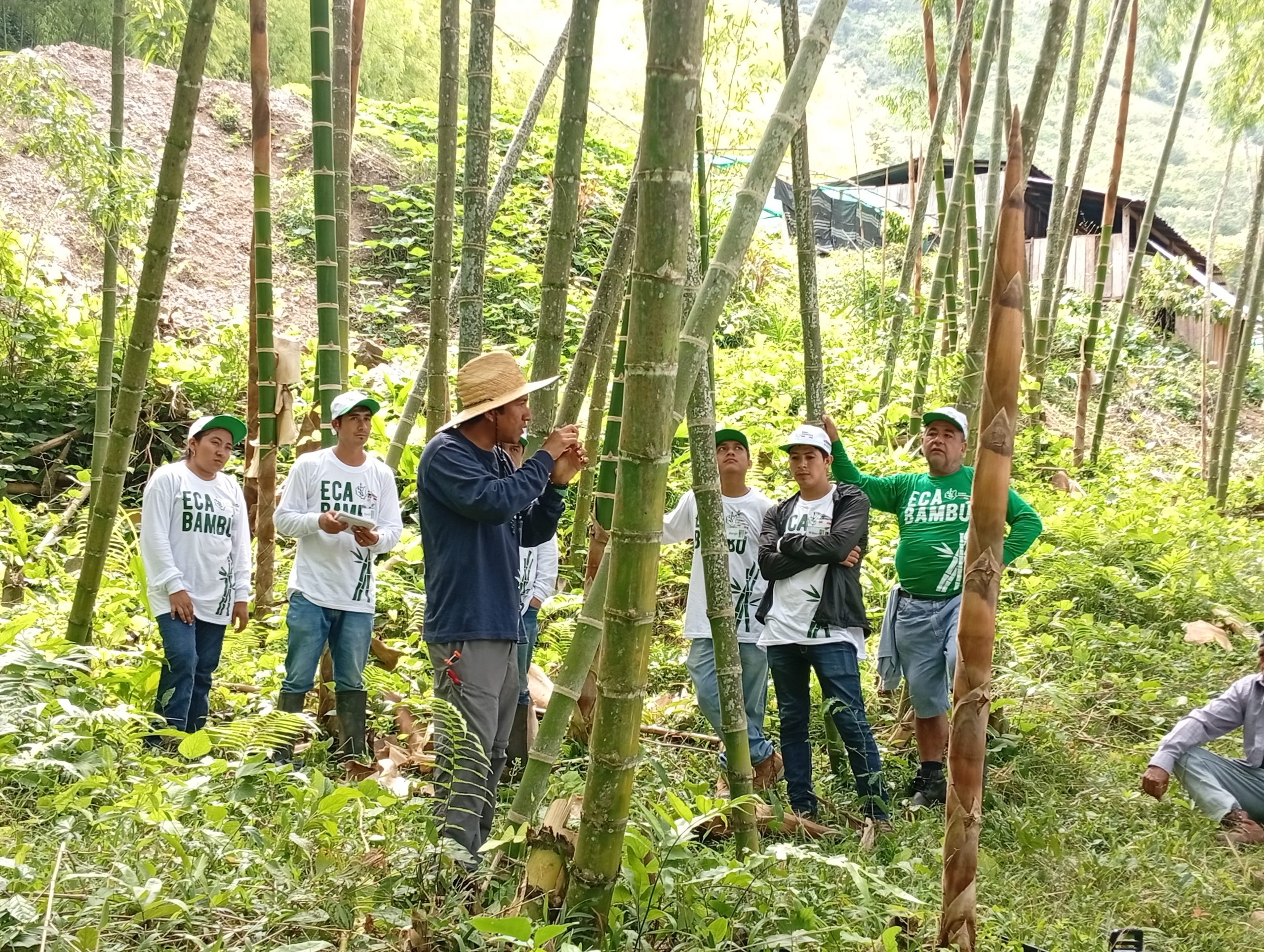
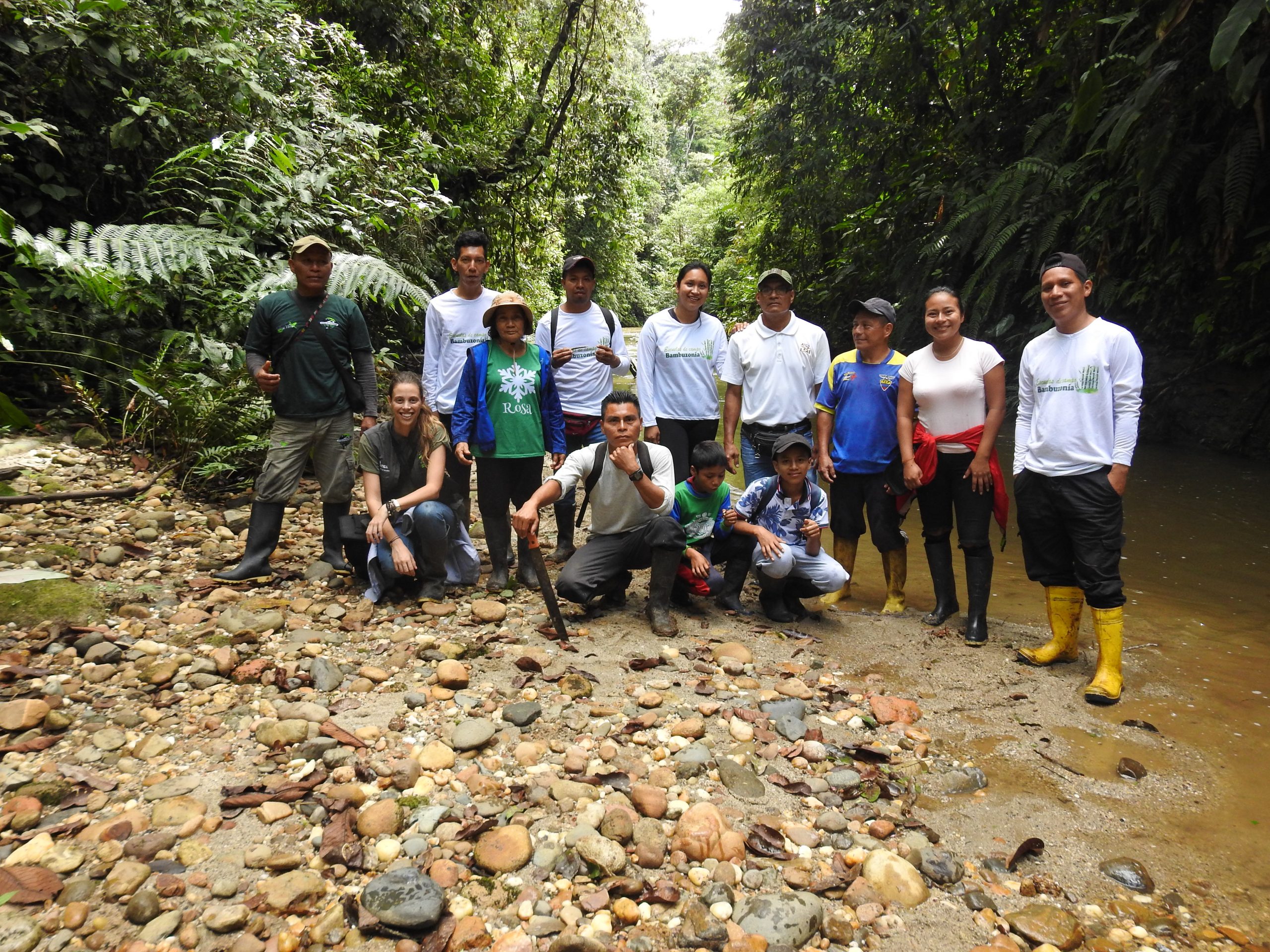
Located in the parish of Chone, in the heart of Manabí, this edition of the Workshop School brought together 25 students from 14 parishes of Manabí (Bolívar, El Carmen, Flavio Alfaro, Jipijapa, Junín, Manta, Montecristi, Paján, Portoviejo, Rocafuerte, Santa Ana, Sucre, Tosagua, and 24 de Mayo) and 6 students from other provinces such as Esmeraldas, Santo Domingo, and Pichincha. Over 11 months, these new master craftsmen were trained in the trade of “Carpentry and Bamboo Structures Assembly,” certified by the Ministry of Labor of Ecuador.
The event was attended by distinguished guests such as Leonardo Rodríguez, Mayor of Chone; Pablo Jácome Estrella, INBAR Regional Director for Latin America and the Caribbean; Vanessa Pinto, Coordinator of the SOMOS Foundation; Santiago Quiroz, Dean of the Technical University of Manabí; and Mr. Enrique Yturriaga Saldanha, the Spanish Ambassador to Ecuador, who attended virtually. This achievement would not have been possible without the support of partner institutions such as the Chone Municipality, the Technical University of Manabí, the Abe LAC-UICN Program, Slow Food, Coorpogam, Asocebú Ecuador, the Chone Veterinarians’ Association, the Chone Fire Department, and especially the SOMOS Ecuador Foundation, responsible for academic coordination and excellence in training.

Quality training with a sustainable focus
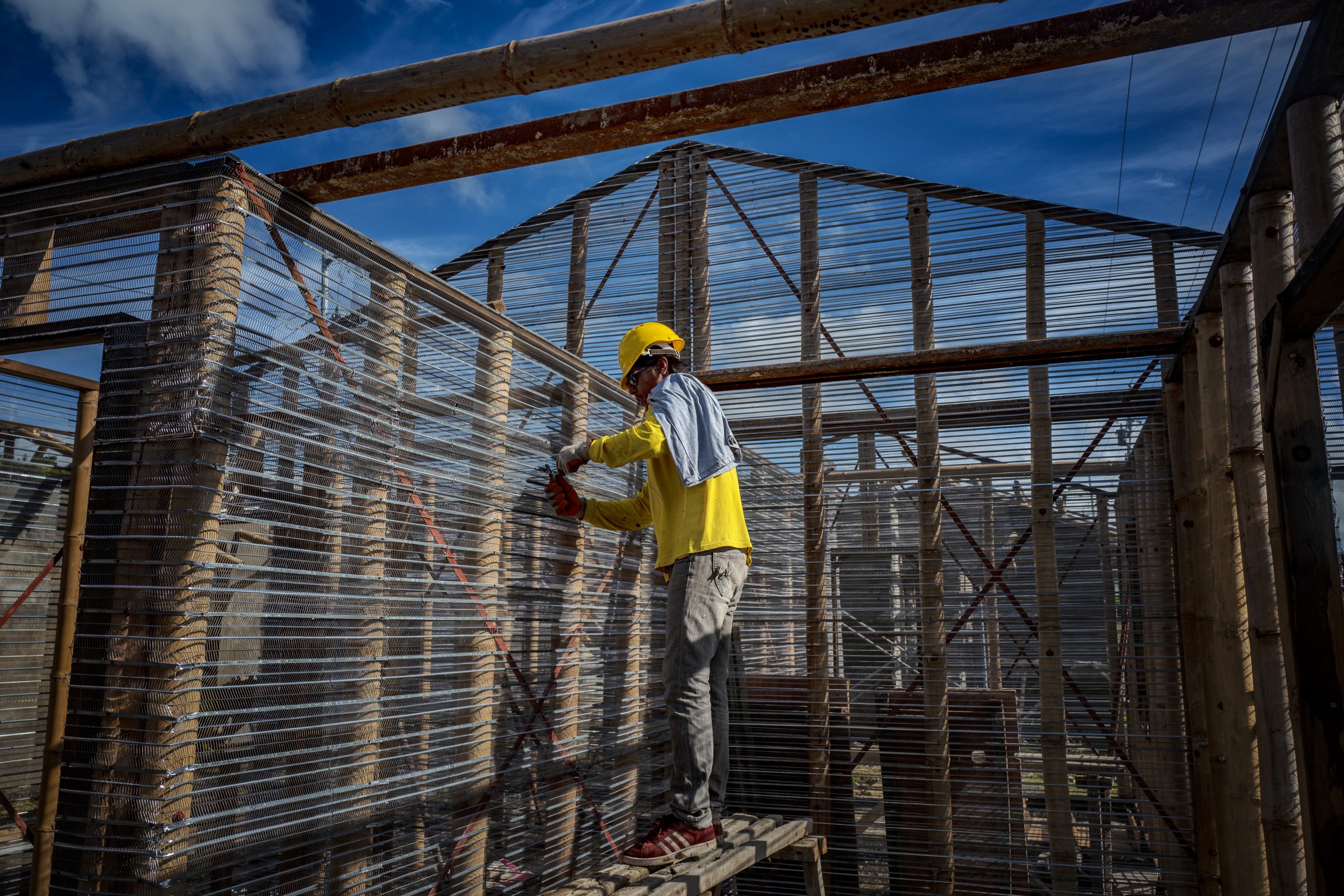
This third cycle stood out for having specialized instructors and teaching assistants selected from the best graduates of the first two cycles of the school, significantly enhancing the quality of the training process. Students were trained in topics such as sustainable bamboo management, workplace safety, project planning, construction regulations, project execution, finishes and bamboo construction maintenance.
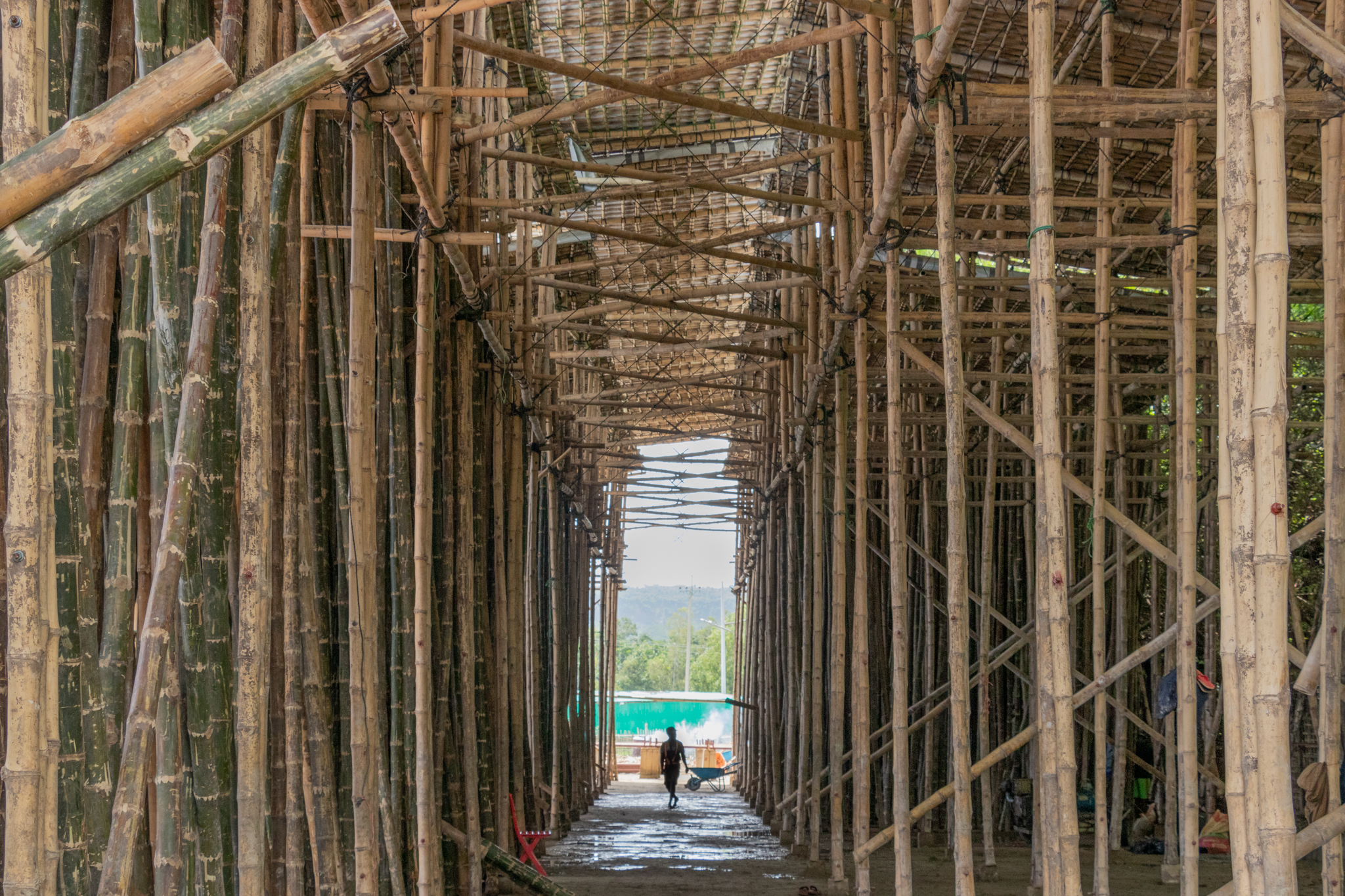
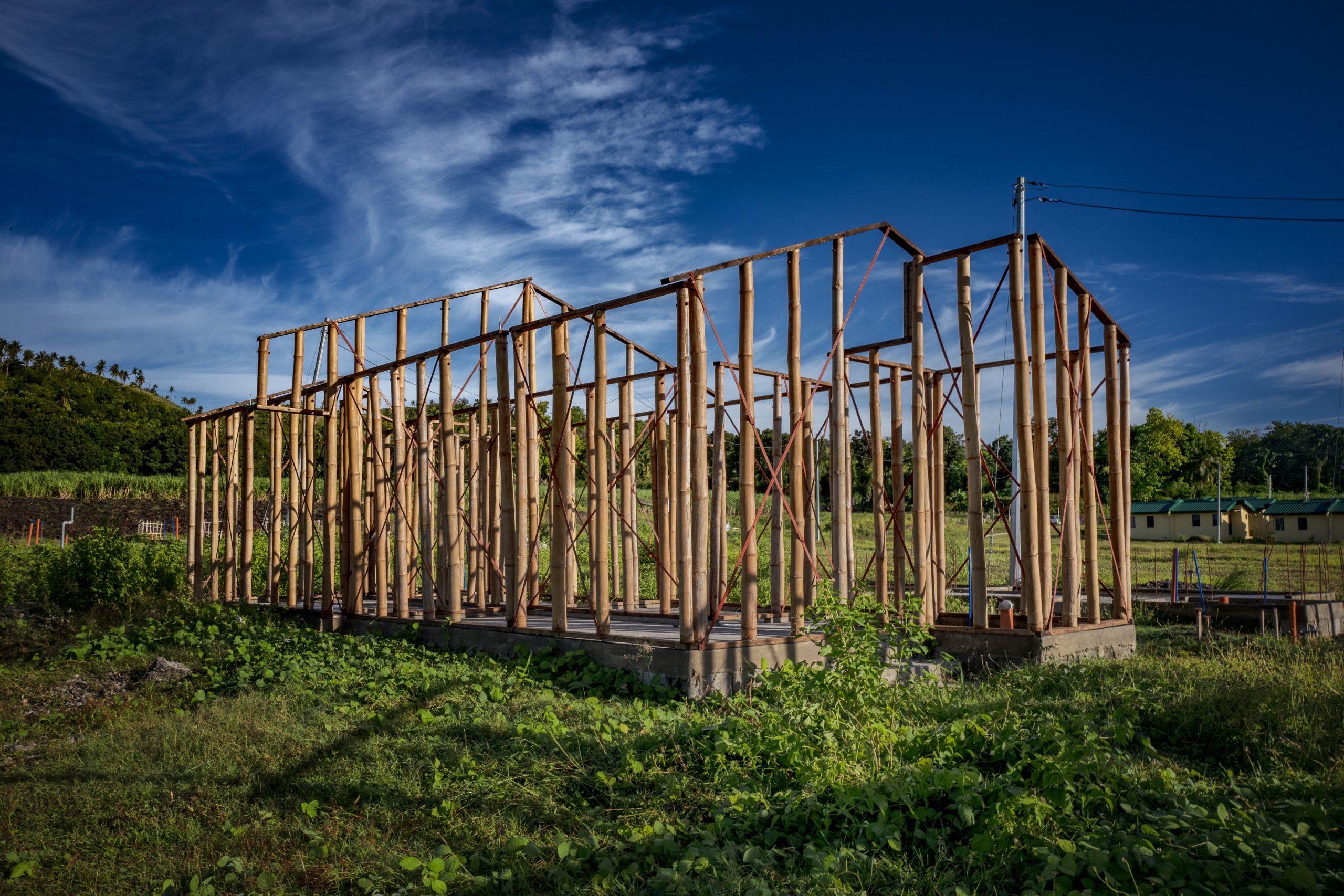
All these topics were developed using a hands-on learning methodology, resulting in seven sustainable bamboo projects, including three bus stops, three kiosks for selling Chame, and a country house for the Los Pinos Technological Research and Transfer Center at UTM.
With the graduation of these 67 new master craftsmen (51 men and 16 women), the total number of certified professionals in this trade has reached 245. These master craftsmen are not only trained to build but also to promote sustainable construction and protect the bamboo resource, contributing to climate change mitigation.
The Workshop School is an example of inclusion, especially for women, who represent 24% of the graduates. Francisca Cobeña, one of the graduates, states: “Bamboo helps improve my economy, the economy of rural communities and that of small producers. Additionally, with bamboo buildings that have zero carbon footprint, I contribute to climate change mitigation.”

Leaving sustainable footprints on Manabí
The work of the Workshop School’s craftsmen has left an indelible mark on the province. Twenty-seven new bamboo structures have been built, including the roof of the Technical University of Manabí, the Church in Cojimíes, the Coliseum in Las Tunas, the Calderón Mirador Tower, a C in Chone, among others. In addition, 20 fully bamboo houses have been built in the parish of Olmedo, and 480 kits for roof structures of the MIDUVI have been produced and distributed across the country.
During the event, Chone’s Mayor Leonardo Rodríguez emphasized: “We are prioritizing families, the parish, and the province to make this planet a better place and ensure a sustainable future for future generations.”

The quality of these constructions has been recognized internationally, positioning the ETCSB as a benchmark for excellence in sustainable bamboo construction in Ecuador. Furthermore, in the first quarter of this year, four continuing education courses certified by the Ministry of Labor were conducted, training 30 men and 20 women in the design and construction of bamboo structures, and 13 men and 13 women in bamboo furniture and crafts. These courses, using a theoretical-practical methodology, received technical support from INBAR and left two sustainable bamboo structures in the parish of Chone.
The ETCSB is an example of how specialized training, institutional collaboration, and community commitment can transform realities. Every graduate is an agent of change, promoting a more sustainable and resilient future for Ecuador and the world.
Looking ahead, INBAR plans to expand the Workshop School model to other regions of Ecuador, bringing this knowledge to the Amazon, the center, and the coast of the country. The goal is clear: for all of Ecuador to think bamboo.
Let’s continue building with bamboo, thinking of the planet and future generations!