
 News
NewsPutting the missing pieces into the puzzle: Bamboo as a key non-plastic substitute

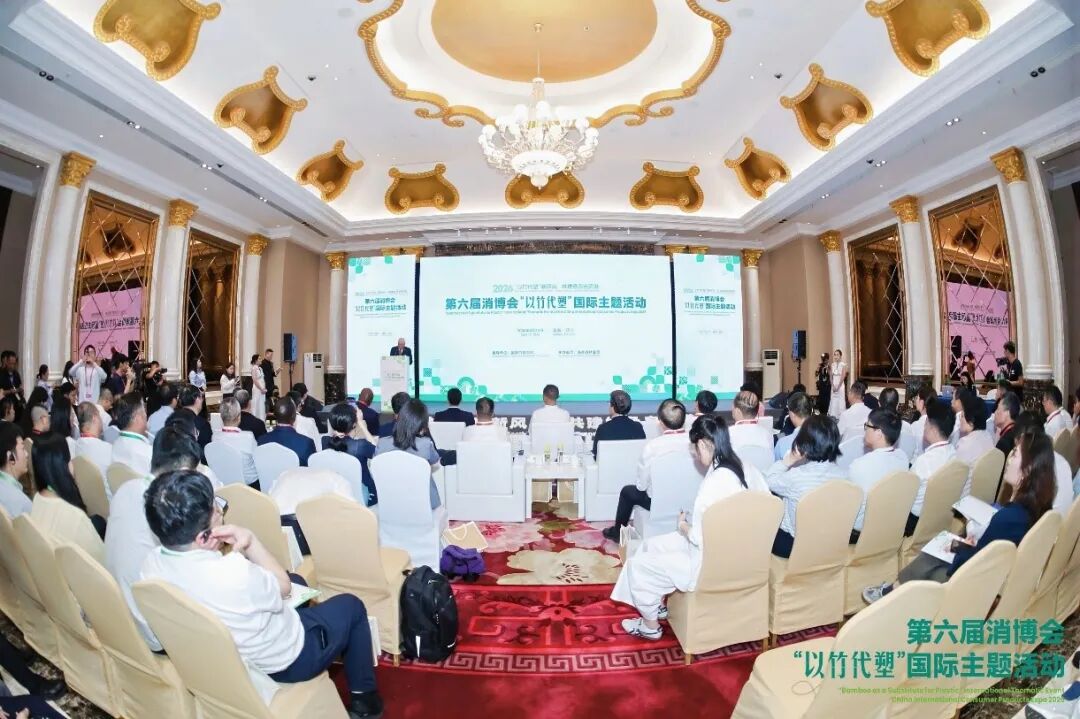
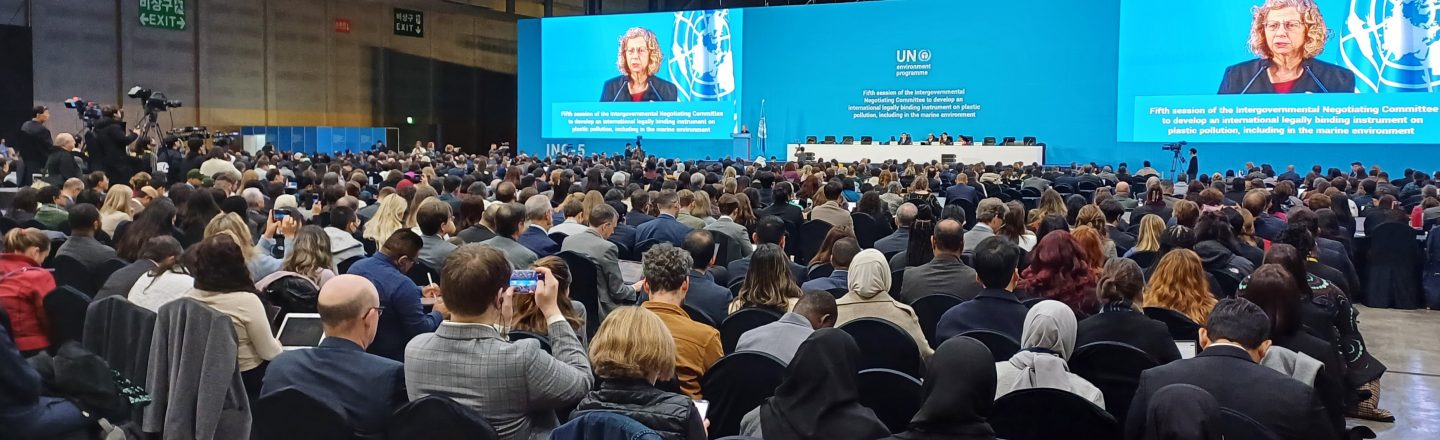
Plenary of INC-5 held in Busan, Korea.
Bamboo recognized as a biodegradable alternative to plastics that can contribute to a just transition in developing nations.
The fifth session of the Intergovernmental Negotiating Committee (INC-5) to develop an international legally binding instrument on plastic pollution, including in the marine environment (ILBI), was held from 25 November to 1 December in Busan, Republic of Korea. INBAR participated the INC-5 session, submitting a written statement and observing the negotiations.
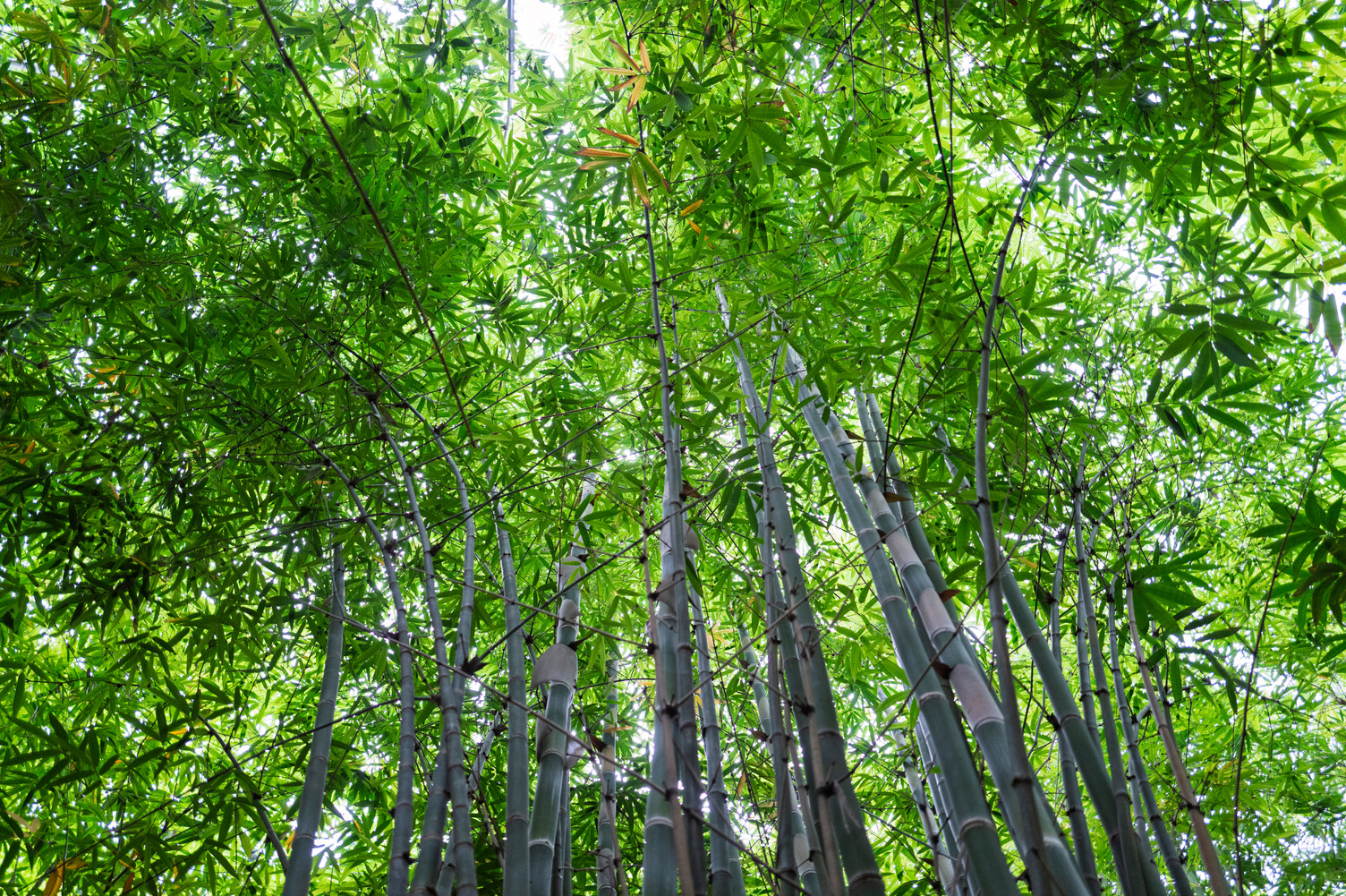
Bamboo, as an important non-plastic substitutes, provides important solutions with triple bottom line benefits to plastic pollution. Through research and innovation, diverse plastic substitute products ranging from single-use products, packaging materials, automotive parts, daily necessities, building materials, agriculture mulch films, bamboo winding pipes and more are constantly being developed and mainstreamed. Growing across tropical and subtropical regions of the world, bamboo can also provide green jobs and generate income through robust bamboo value chains, which could be effective vehicles for enabling a just transition for developing nations.
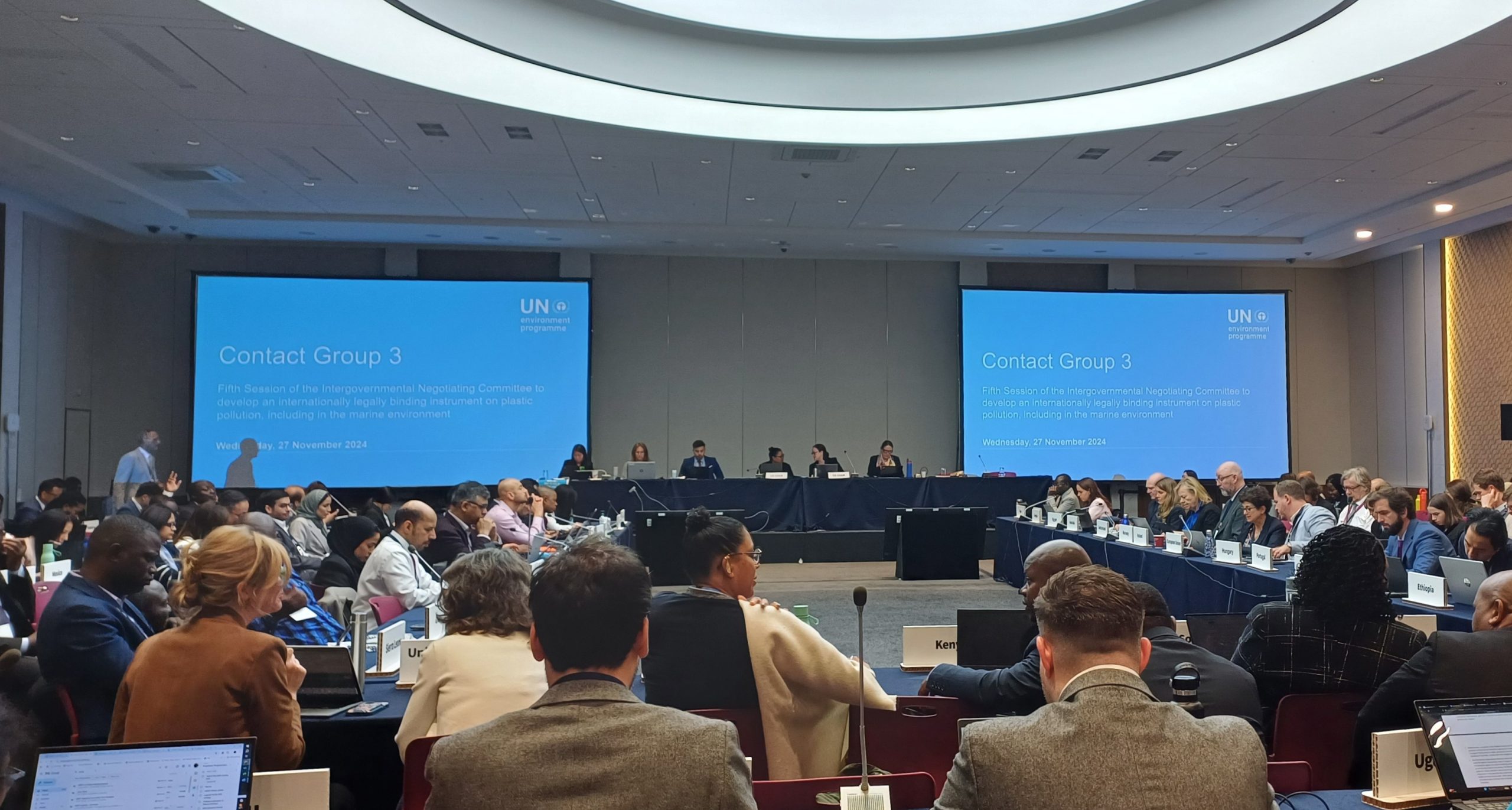
INBAR participated in an observer capacity at the negotiations.
In 2022, INBAR and the Government of China co-launched the Bamboo as a Substitute for Plastic (BASP) Initiative, aimed at mitigating plastic pollution by leveraging the advantages of bamboo to develop biodegradable alternatives to plastic products. INBAR extends an invitation to all nations, civil society organizations and international bodies to embrace the BASP Initiative and crystalize efforts and actions with all stakeholders to end plastic pollution and bring about positive change for people and planet. Listed below are several holistic endeavors suggested for immediate adoption.
Comprehensive life cycle assessment and impact evaluation of existing and potential bamboo plastic substitute products
To avoid introducing other problematic materials as a result of efforts to address plastic pollution, much of the conversation about plastic substitutes and non-plastic substitutes revolves around safety, environmental health and sustainability. Trade-offs and possible unintended consequences need to be carefully studied, adopting a comprehensive life cycle assessment approach and evaluating materials based on a comprehensive set of criteria to ensure that these substituting options have no or minimal impact on human health, land, food and water security, waste management and more. At the same time, they must be proven to deliver social and economic benefits to facilitate a just transition.
With recent research and innovation, bamboo now represents new value addition for a diverse range of non-plastic substitutes. However, research into the carbon footprint of bamboo applications as non-plastic substitutes while considering their entire life cycle remains limited. Therefore, comparable life cycle assessments of bamboo applications as non-plastic substitutes could build a strong foundation and generate robust science-based evidence for buy-in at international levels, and also for galvanizing policy solutions and public consensus.

Anti-plastic demonstration held outside the INC-5 meeting hall.
Adopt a circular economy approach for improving resource efficiency
Considering the negative impacts of plastic pollution, a circular economy approach is a widely acknowledged model for eliminating the high and rapidly increasing levels of plastic pollution, beginning with product design and production and ending with disposal and reuse. Resource efficiency and circularity in bamboo value chains should be considered for the production and use of non-plastic substitutes.
Standards, preferential trade and non-tariff trade-related measures
INBAR is now collaborating with international partners to set the stage. In recognition of bamboo and rattan as natural fibers that can be substituted for plastics, the United Nations Conference on Trade and Development has included bamboo into its new database launched during INC-5 that tracks global trade in non-plastic substitutes.
In addition, the Dialogue on Plastics Pollution and Environmentally Sustainable Plastics Trade at the World Trade Organization explores efforts to reduce plastics pollution and promote the transition to trading with more environmentally sustainable plastics. In its MC 13 Ministerial Statement, bamboo and rattan were recognized as materials to substitute for plastic which can help reduce plastic pollution.
Finally, INBAR is actively participating in the development of standards for bamboo and rattan plastic substitute products under the ongoing ISO/TC 296.

Durai Jayaraman, Director of INBAR Global Programme (left) and Li Yanxia, Senior Programme Officer of INBAR Global Programme (right) attending INC-5.
At the recently concluded INC-5, developing nations stressed the need for capacity building, technical assistance, technology transfer, awareness raising and public campaigns with sustainable financial mechanisms to enable a just transition and comply with a legally binding instrument. INBAR stands ready to support its Member States in efforts to curb plastic pollution and implement the BASP Initiative through research and development and South-South and Triangular Cooperation for sustainable development.