News
NewsBamboo at XIV BRICS: New initiative seeks to reduce plastic pollution and address climate change
China and INBAR poised to jointly launch a new bamboo initiative as part of a series of measures to strengthen global partnerships and achieve the 2030 Agenda for Sustainable Development at the High-level Dialogue on Global Development.
Last Friday, at the High-level Dialogue on Global Development convened as part of the 14th BRICS Summit, China showed the world it was serious about sustainable global development.
Hosted virtually by Beijing, leaders from Brazil, Russia, India, China, South Africa and other non-BRICS nations met at the High-level Dialogue under the theme of “Foster a Global Development Partnership for the New Era to Jointly Implement the 2030 Agenda for Sustainable Development” to discuss and reach consensus on global development issues of common interest. At the session’s conclusion, China released a series of deliverables under the framework of the Global Development Initiative, a comprehensive plan meant to jumpstart international efforts to meet the 2030 Agenda for Sustainable Development. Included in the deliverables was the Bamboo as a Substitute for Plastic Initiative, poised to launch soon in collaboration with INBAR.
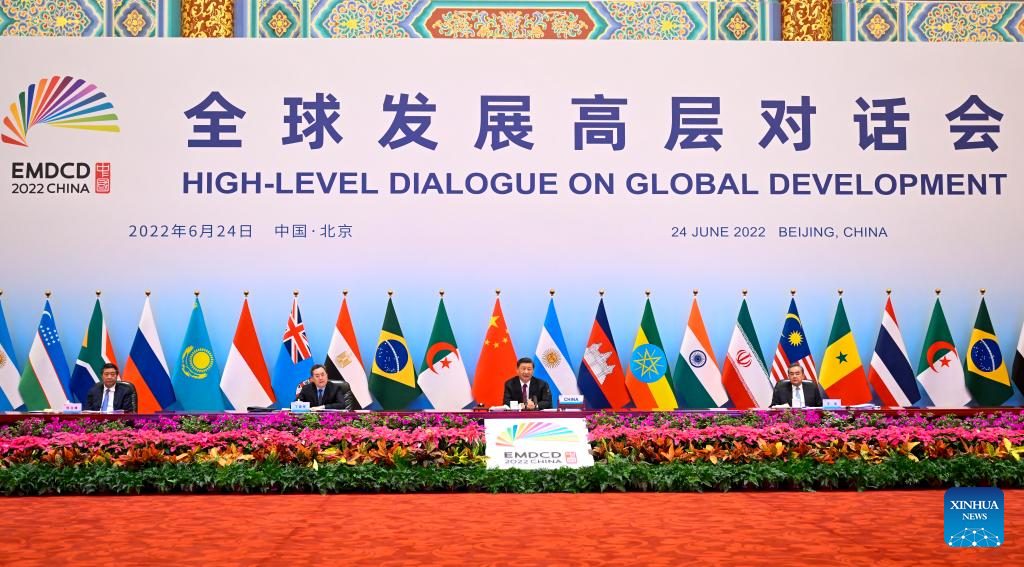
Chinese President Xi Jinping chairs the High-level Dialogue on Global Development at the 14th BRICS Summit. Credit: Xinhua
Global in scope, the initiative acts as a roadmap for radically scaling up the use of bamboo as a renewable resource, capable of playing a crucial role in tackling humankind’s most pressing challenges. It is driven by the twin goals of using bamboo to reduce plastic pollution while simultaneously addressing climate change. China, as INBAR’s host country and a founding Member State, will be a critical collaborator in the development and implementation of the project.
A sharp rise in single-use plastics, which are produced almost entirely from fossil fuels, has seriously damaged the wellbeing of the planet. After being discarded, they form colossal mounds of waste that enter our terrestrial and marine ecosystems. As they break down, they degrade into microplastics that contaminate our food sources, with potential deleterious effects on human health.
Bamboo, which grows as a multifunctional fast-growing and resilient plant in tropical and subtropical climates, can be sourced for a wide variety of sustainable and durable products. Bamboo can help replace single-use plastic or wood cutlery, cups, straws, paper and packaging, while being recyclable at the end of their lifespan. In addition, even if industrial bamboo products use non-biobased materials, they still have a lower carbon footprint and environmental impact than other materials.
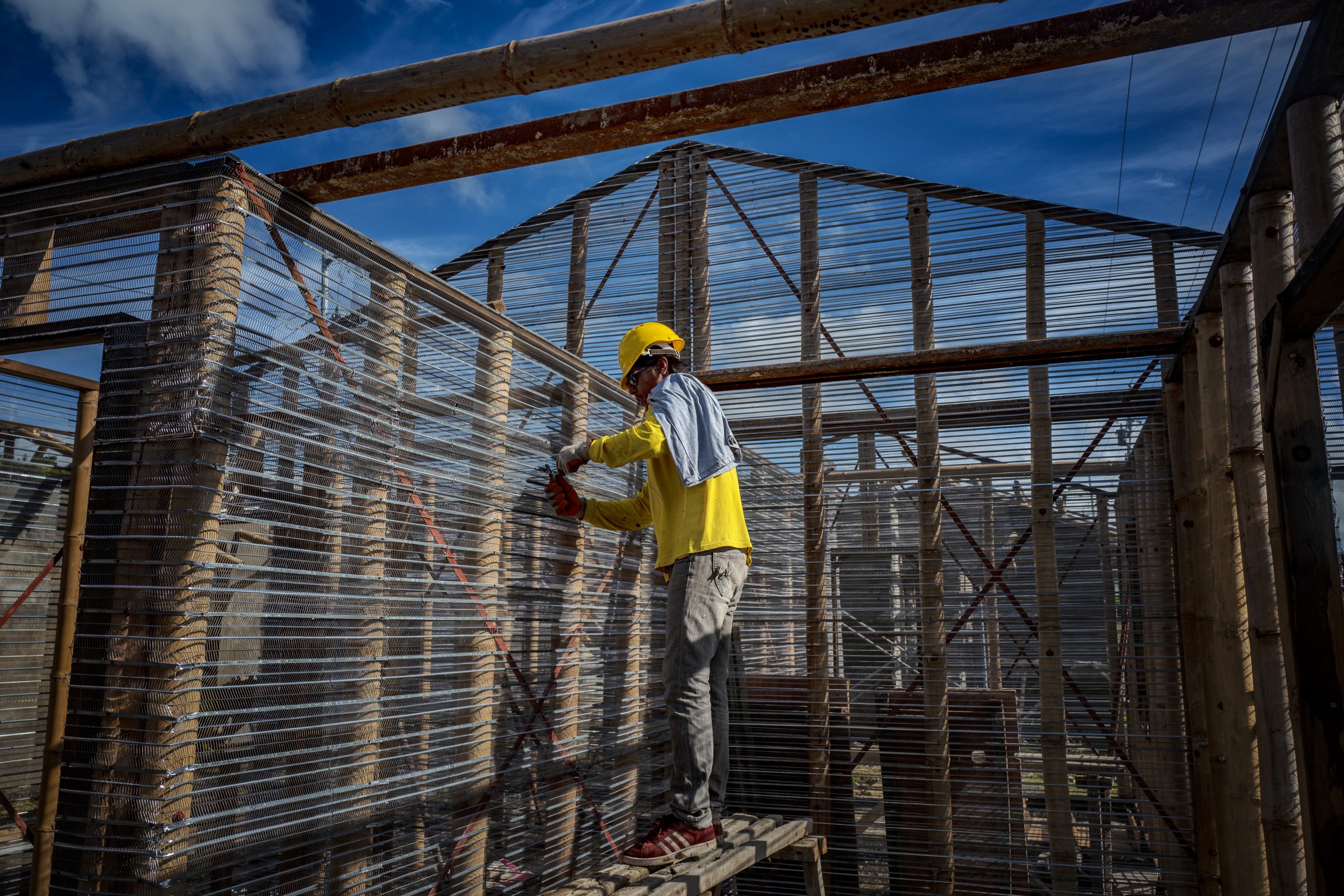
In addition to having significant implications for reducing global plastic use, bamboo can be substituted for emissions-intensive construction materials, such as aluminum, concrete, plastic and steel. Given that infrastructure alone accounts for 40% of energy-related greenhouse gas emissions, increased use of bamboo cladding, decking and structural components can play an important role in mitigating the effects of climate change.
It also has knock-on ecological effects, with demonstrated effectiveness in restoring degraded or deforested land, sequestering enormous amounts of carbon, mitigating soil erosion and acting as a food source for vulnerable or endangered animal species, like the giant panda, mountain gorilla, bale monkey and greater bamboo lemur. Its ability to thrive in suboptimal soil types and rapidly mature make it an ideal plant species for agroforestry and other regenerative farming systems.
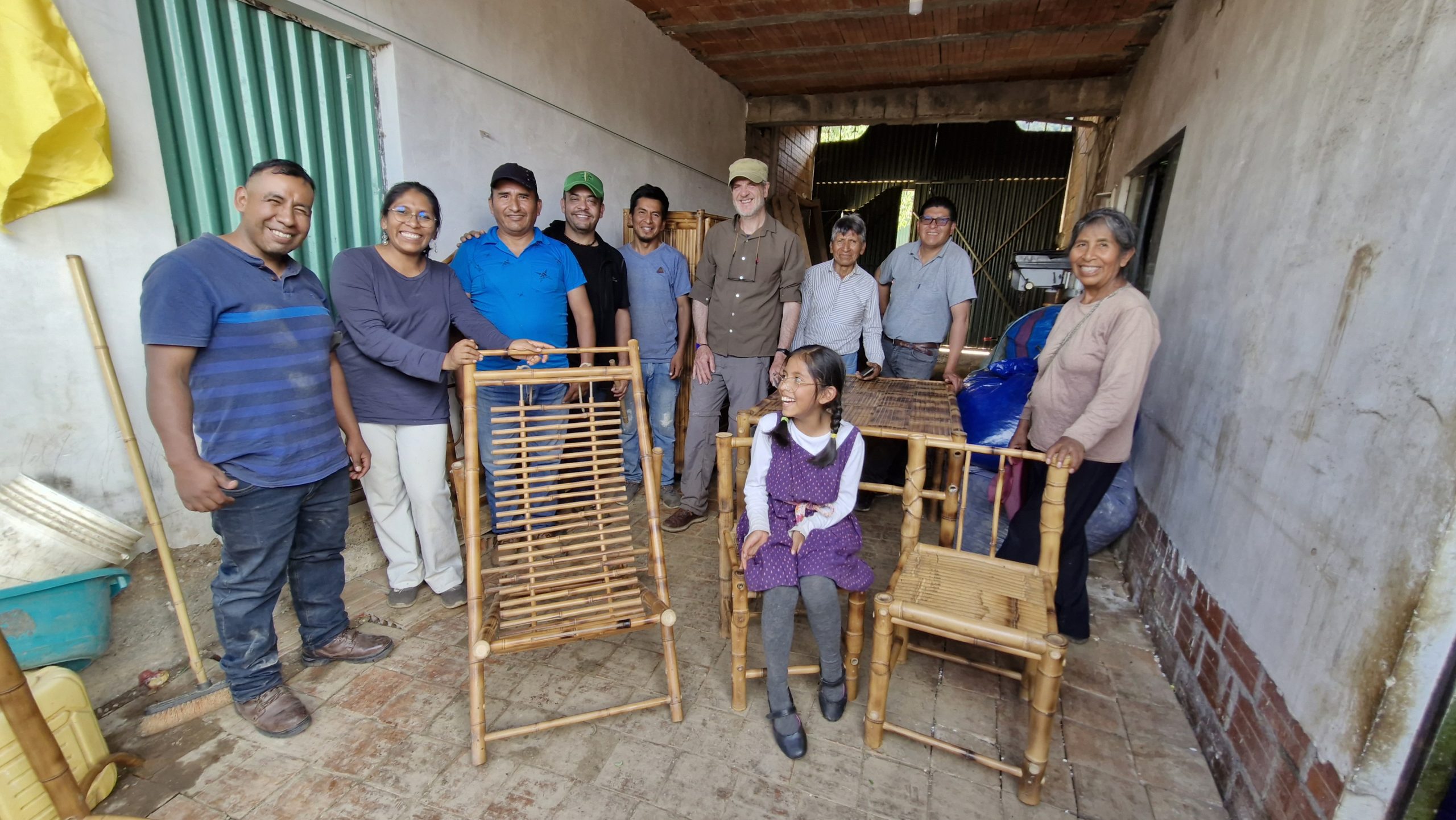
And that is to say nothing of its socioeconomic impact. Rural communities around the world have leveraged bamboo as a new sustainable source of income capable of filling the gap left by plastic restrictions and bans, leading to a burgeoning global bamboo sector and surge in international trade. Internal data from INBAR indicates that bamboo products totaling USD 3.05 billion were exported in 2021, representing a steady increase over the years.
It is no wonder that bamboo is heralded by policymakers and experts alike as a nature-based solution that will be key to solving the challenges of our time. Given that 50 million hectares of bamboo are distributed across Asia, Africa and the Americas—also where the majority of INBAR Member States can be found—there is immense potential for scaling up learned lessons and experiences across regions.
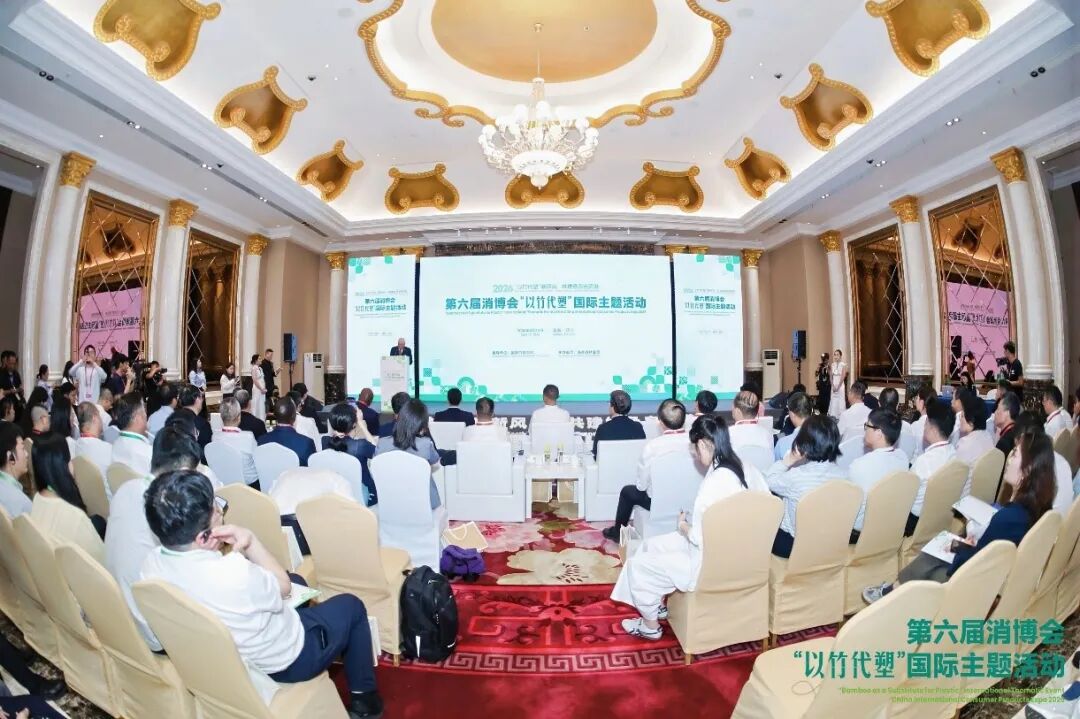
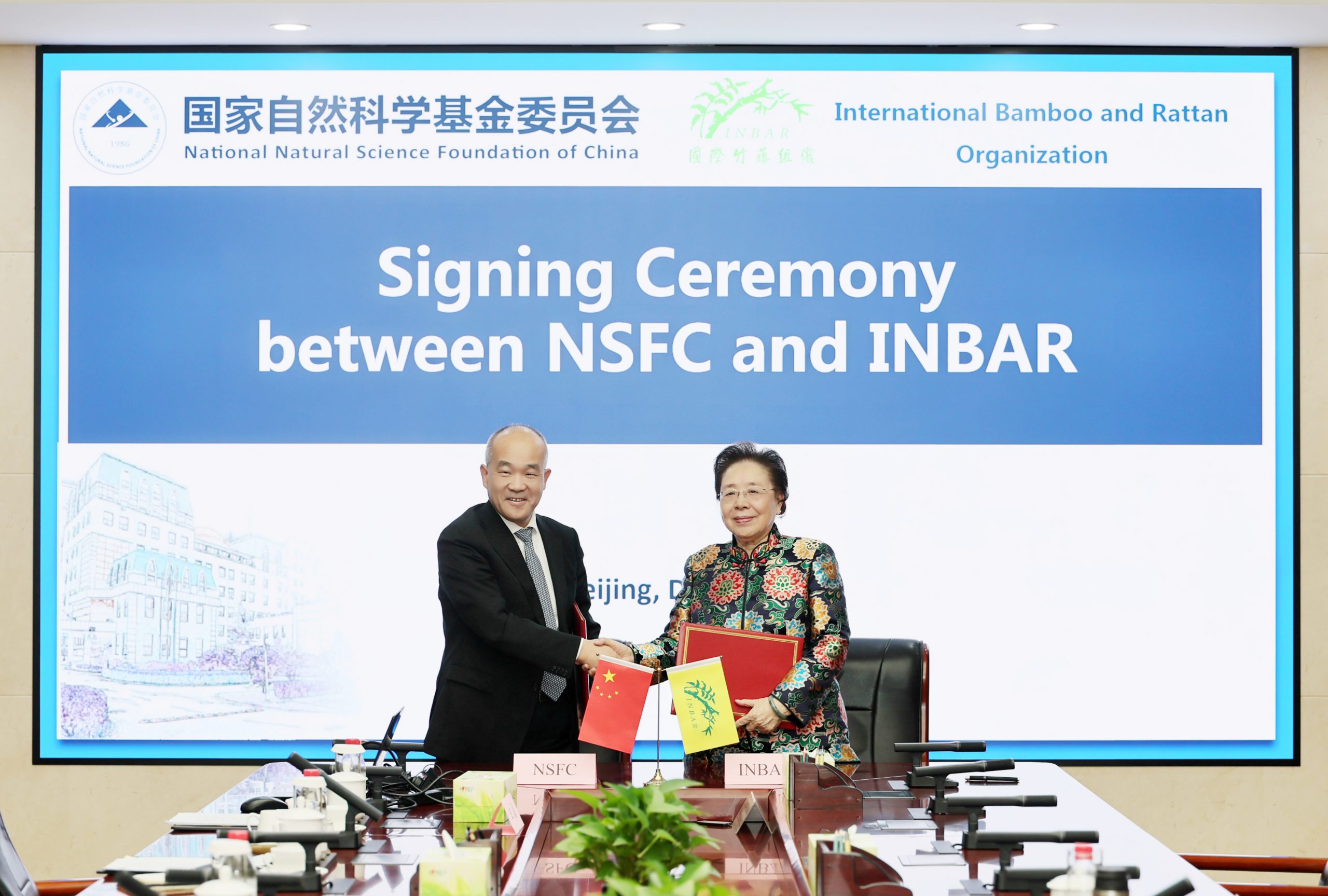
INBAR has long touted bamboo as a green method for lowering our dependency on plastic and ameliorating the effects of climate change, from raising awareness at COP 25 about the potential of bamboo for meeting climate change commitments in developing countries, speaking at the International Plastic Ban Industry Forum about the exciting new possibilities for bamboo use to promoting the role of bamboo as an alternative to plastic at the 2021 China International Fair for Trade in Services. It is now well positioned to accelerate the Bamboo as a Substitute for Plastic Initiative in close partnership with the Chinese Government.
In order to bolster financial reach and strengthen collaborative mechanisms, His Excellency Xi Jinping, President of the People’s Republic of China, announced that China would upgrade the South-South Cooperation Assistance Fund to the Global Development and South-South Cooperation Fund, boosting funding from USD 3 billion to USD 4 billion, and increase input to the UN Peace and Development Trust Fund. This significant step indicates China’s unwavering support for global green development. Meanwhile, INBAR will continue to mobilize other Member States and partner organizations around the world to cooperate and highlight the important role bamboo can play in reducing the use of plastics and combating climate change.
Read INBAR’s fact sheet to learn more about how bamboo can replace plastic.