 News
NewsBamboo innovation reduces onion losses and boosts farmer livelihoods in Northern Cameroon
Bamboo and onions are proving unexpected partners in strenthening resilience against climate change and market fluctuations.
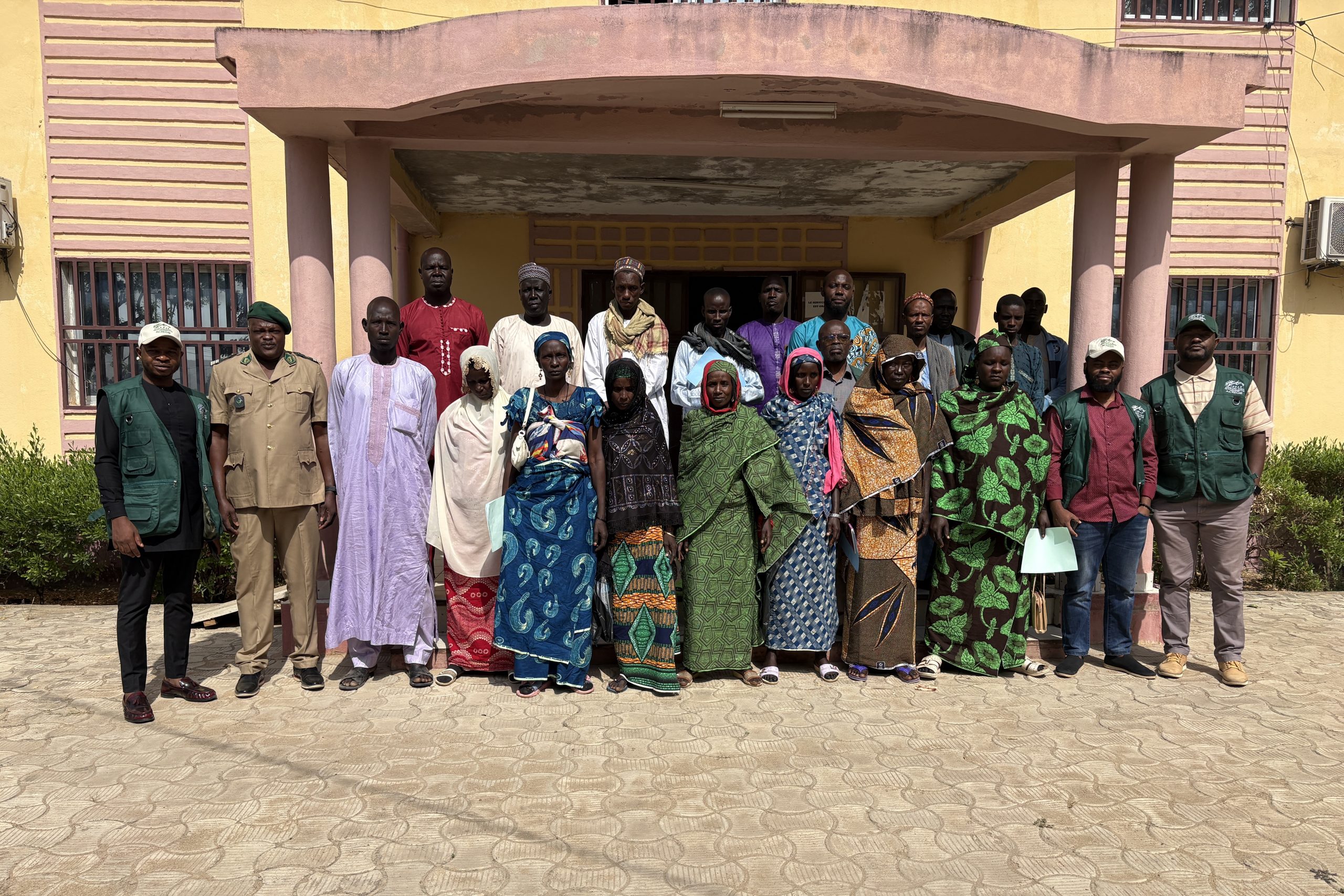
From 22 to 28 September 2025, the Commodity Value-Chain Development Support Project (PADFA II), under the Ministry of Agriculture and Rural Development (MINADER), in partnership with INBAR, organized a hands-on training workshop aimed at tackling a major challenge for onion farmers in northern Cameroon: Post-harvest losses.
The workshop brought together 27 smallholder farmers from 10 onion-producing cooperatives, as well as local bamboo craftsmen. The workshop aimed to instruct how to build bamboo drying and storage racks as a low-cost, sustainable solution to reduce onion spoilage and improve storage efficiency.

This training is part of a broader collaboration between PADFA II and INBAR to promote bamboo as both an agricultural tool and a source of livelihood. The initiative combines environmental sustainability with practical economic benefits by training farmers in bamboo cultivation, agroforestry and sustainable management. The long-term goal is to ensure a steady supply of bamboo for local use and income generation.
The workshop had three main objectives:
- Raise awareness among participants about the environmental and economic potential of bamboo;
- Train them in selecting, processing and preparing bamboo culms for constructing durable structures; and
- Equip participants with practical skills to build bamboo racks for onion drying and storage.
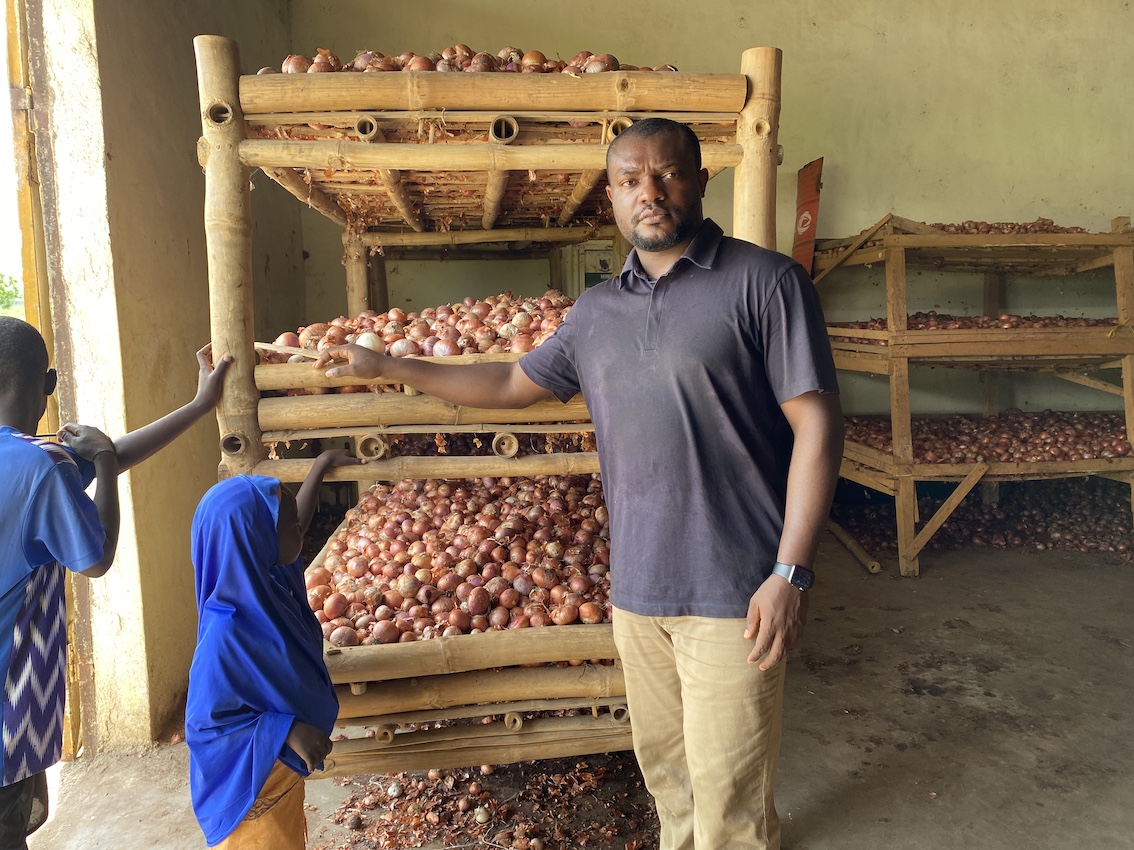
The training followed a participatory approach, starting with a one-day theoretical session, followed by six days of practical exercises. Through group work, demonstrations and hands-on construction, participants gained the knowledge and confidence to build and maintain bamboo racks independently. These racks are essential for onion producers, as they allow for better air circulation, significantly reducing drying time and minimizing rot, which are two key factors in reducing post-harvest losses.

Highlighting the importance of the workshop, Mr. René Kaam, INBAR’s Central Africa Regional Director, highlighted the multifarious benefits of bamboo:
“Bamboo not only supports better post-harvest management but also provides farmers with an additional income source. By establishing their own bamboo plantations, smallholders can meet their own needs for materials and even sell surplus bamboo for extra cash, strengthening their resilience to climate change and market fluctuations.”
Mr. Christiant Kouebou, PADFA II Representative, emphasized the importance of farmer-led action:
“Cooperatives must equip themselves with basic bamboo processing tools. This will allow them to build their own storage racks and significantly reduce losses after harvest.”

Feedback from the farmers has been positive. Many noted that bamboo shelves not only reduce spoilage but also help preserve onion quality, leading to better prices in the market. The approach has been so effective that PADFA II and INBAR are now exploring options to scale up the initiative.
The two organizations will continue supporting onion-producing cooperatives while advocating for integration of bamboo into agricultural policy as a strategic tool for improving smallholder farming systems in northern Cameroon.