News
NewsBamboo and Rattan Industry Development Symposium in Ghana
INBAR has organised a symposium in Ghana to improve bamboo and rattan value chain conditions.
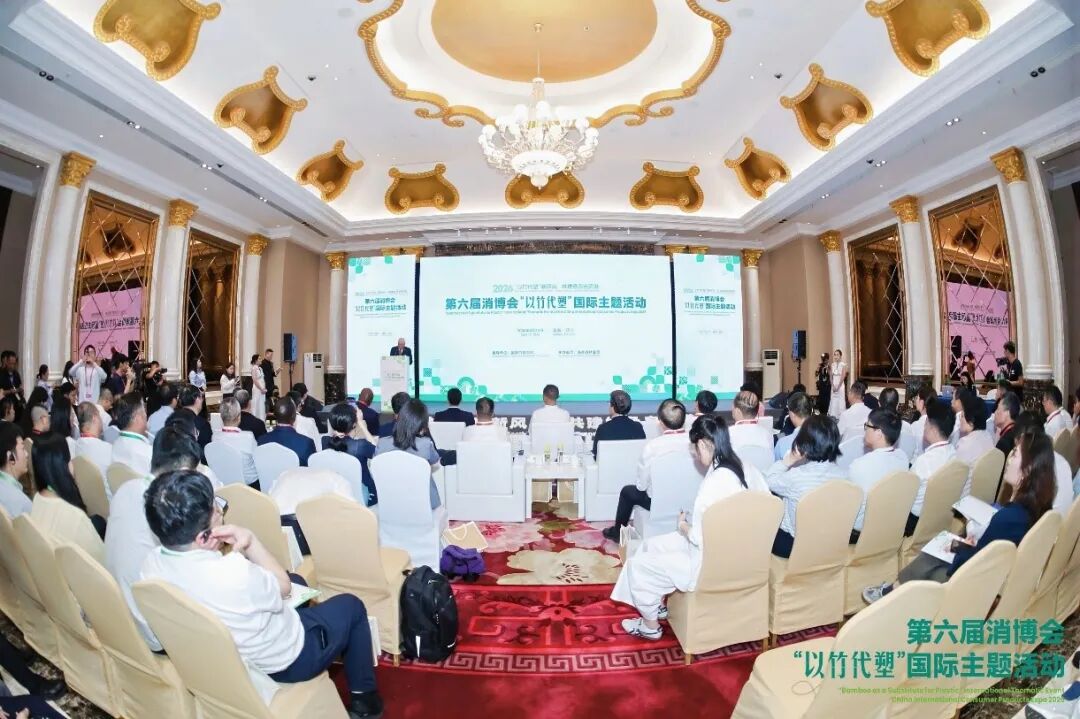
INBAR West Africa Regional Office (WARO) organised a 2-day Regional Symposium on bamboo and rattan development in Africa under the theme “Investing in Bamboo as a Productive Sector of the Economy” from 22- 23 July 2021 in Accra, Ghana. The symposium is part of activities under the China-IFAD South-South Triangular Cooperation (SSTC) Facility, which seeks to improve bamboo and rattan value chain conditions through increased awareness, improved policy framework, investment promotion and enhanced knowledge transfer between technical experts from beneficiary countries.
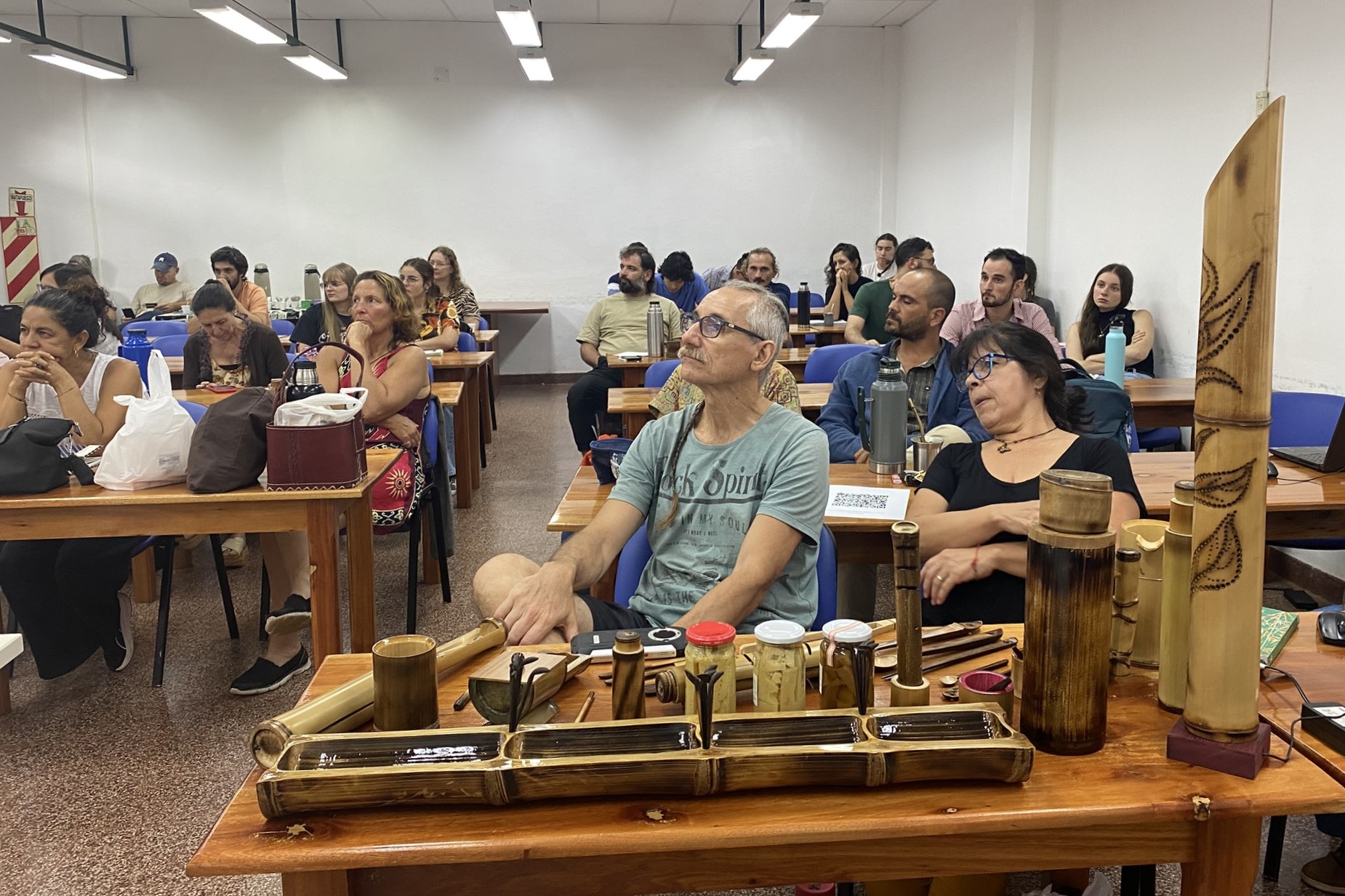
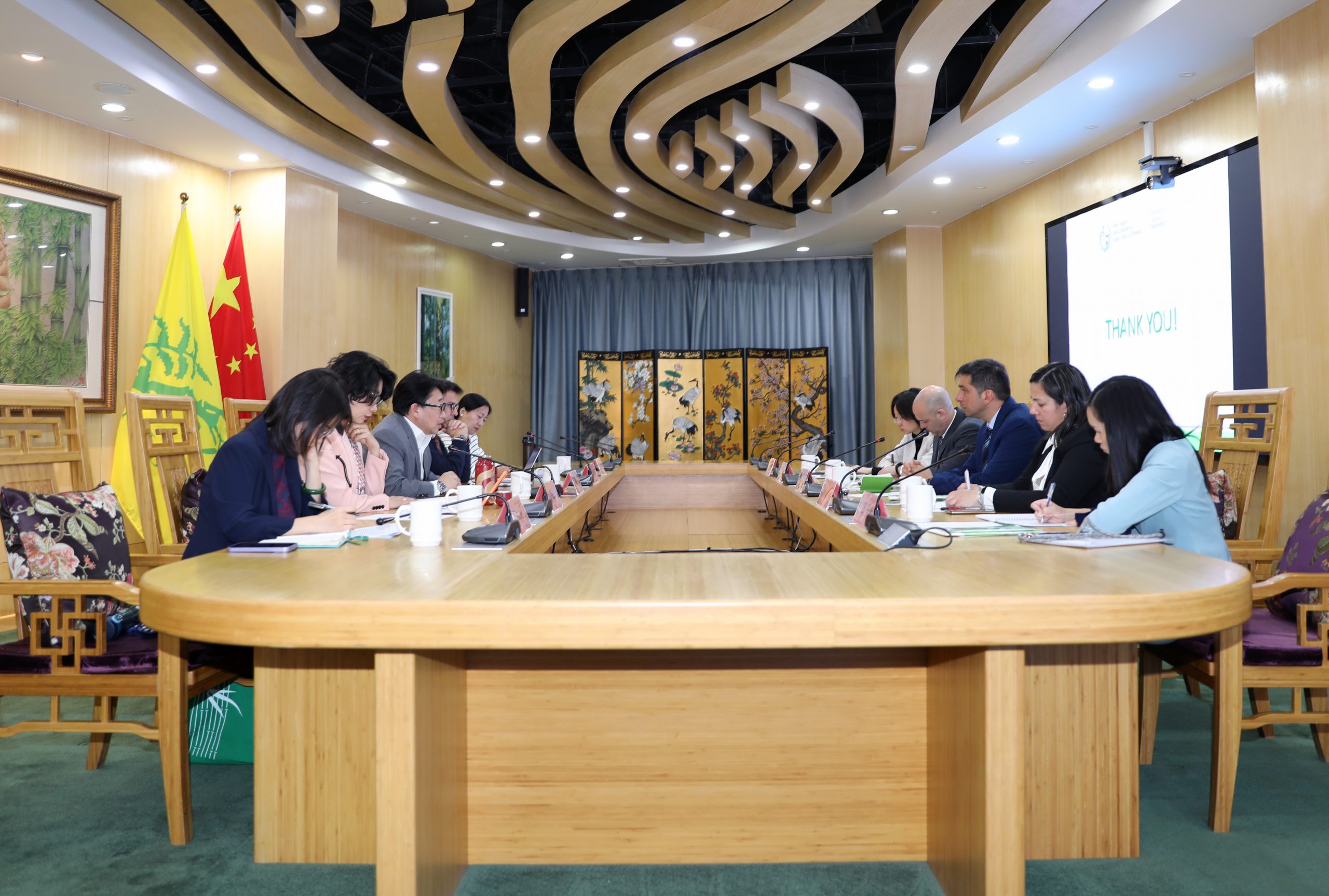
The symposium brought together investors, entrepreneurs, policymakers, programme managers, standard experts and civil society leaders to discuss innovative ways of developing a vibrant bamboo and rattan economy in African countries. The symposium also discussed mechanisms and policies that could leverage trade and investment to transform bamboo and rattan resources into high-quality competitive market products. It also provided a platform to deliberate on the opportunities and challenges confronting the development of bamboo-based economies in African countries. Participants came from Benin, Cameroon, Ethiopia, Ghana, Kenya, Liberia, Nigeria, Rwanda, Sierra Leone and Tanzania. A major highlight of the symposium was the promotion of South-South cooperation between African countries on knowledge management, investment and best practices in sustainable bamboo and rattan sector development
Addressing participants at the opening ceremony of the symposium, Hon. Benito Owusu Bio, the Deputy Minister of Lands and Natural Resources, Ghana, urged African countries to embrace innovative ways of harnessing bamboo and rattan materials to establish viable ventures that would contribute significantly to productive green economies. He emphasised the need for African countries to take advantage of the opportunities presented by the African Continental Free Trade Agreement to boost investment and trade in the bamboo and rattan sector.

Hon. Benito Owusu Bio, the Deputy Minister of Lands and Natural Resources, Ghana
“We must also capitalise on the presence of the African Continental Free Trade Area to develop a globally competitive bamboo and rattan industry to sustain the growth and development of bamboo and rattan resources across the continent”.
― Hon. Benito Owusu Bio
Hon. Owusu Bio also highlighted the Government of Ghana’s commitment through the inclusion of bamboo and rattan in the Green Ghana Initiative. The Green Ghana Initiative led by the government aims at increasing tree canopy, restore degraded lands and set Ghana on the path towards a low-carbon economy. Under the initiative, the country aims to achieve a planting target of 2000 hectares per annum using bamboo and rattan. He expressed optimism about plans to find long-term sustainable landscape management solutions to Ghana’s land degradation, deforestation and forest degradation problems.
Key takeaways from the regional symposium
At the end of the symposium, participants highlighted the critical importance of the symposium in the following ways:
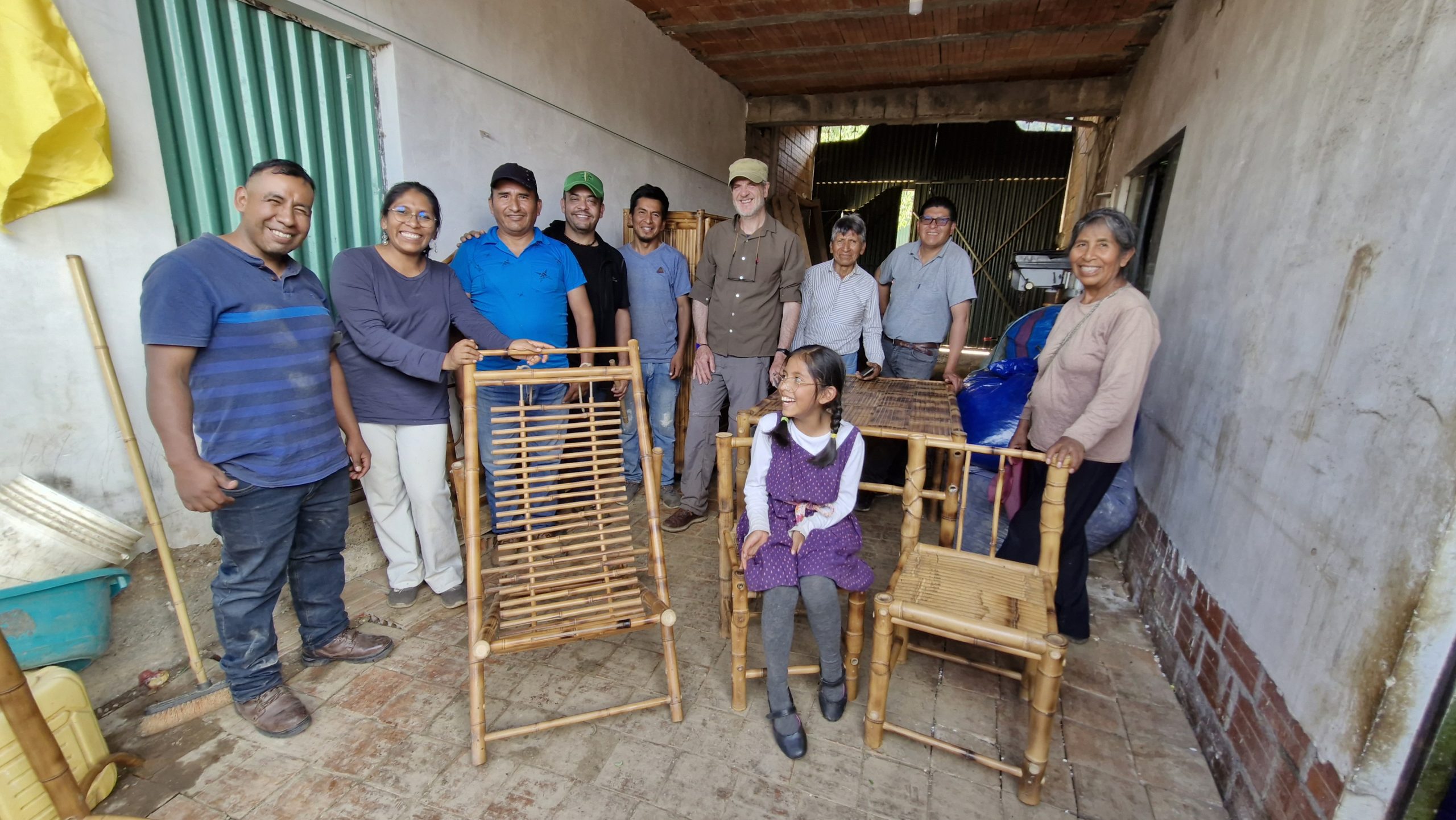
- The symposium set the platform for networking among participants, the exchange of knowledge and best practices, and the potential market for producers and exporters of bamboo and rattan products. For instance, an entrepreneur from Uganda aims to set up a bamboo craft processing factor using a similar model of bamboo craft enterprise in Ghana. The project is providing support in transferring technologies, tools set and craftsperson.
- Presentations from participating countries at the symposium seem to suggest that there has been gradual progress and adoption of bamboo development strategies through various exchanges among African countries and China. For example, Ethiopia during the SSTC funded study tour drew important lessons from Ghana’s established Bamboo and Rattan Unit and thus follow suit with the establishment of a Bamboo Technical Unit at the Environment, Forest and Climate Change Commission (EFCCC).
- It became obvious that to establish a robust market for high-quality bamboo products, African countries must create a sustainably managed bamboo and rattan resources base. A major step toward high standard product development is the availability of high-quality bamboo and rattan resources stocks.
- The development of bamboo and rattan standards is very crucial to the development of a sustainable market in Africa countries. They are also vital to bamboo and rattan sector investments, export and trade. The presentation by an official of the Ghana Standard Authority generated discussion about bamboo and rattan standards beyond the symposium. The establishment of the National Technical/ Mirror Committee to develop and adopt bamboo and rattan standards such as the International Standards Technical Committee 296 (ISO/TC 296) will help improve the quality of bamboo and rattan products in African countries.
Recommendations from symposium participants
Following a brainstorming session on the themes of the symposium, participants proposed among others, the following recommendations to improve the bamboo and rattan sector in Africa.
- INBAR and its partners should continue to develop and undertake relevant bamboo and rattan skills training for artisans to develop new products and improve the quality of their product.
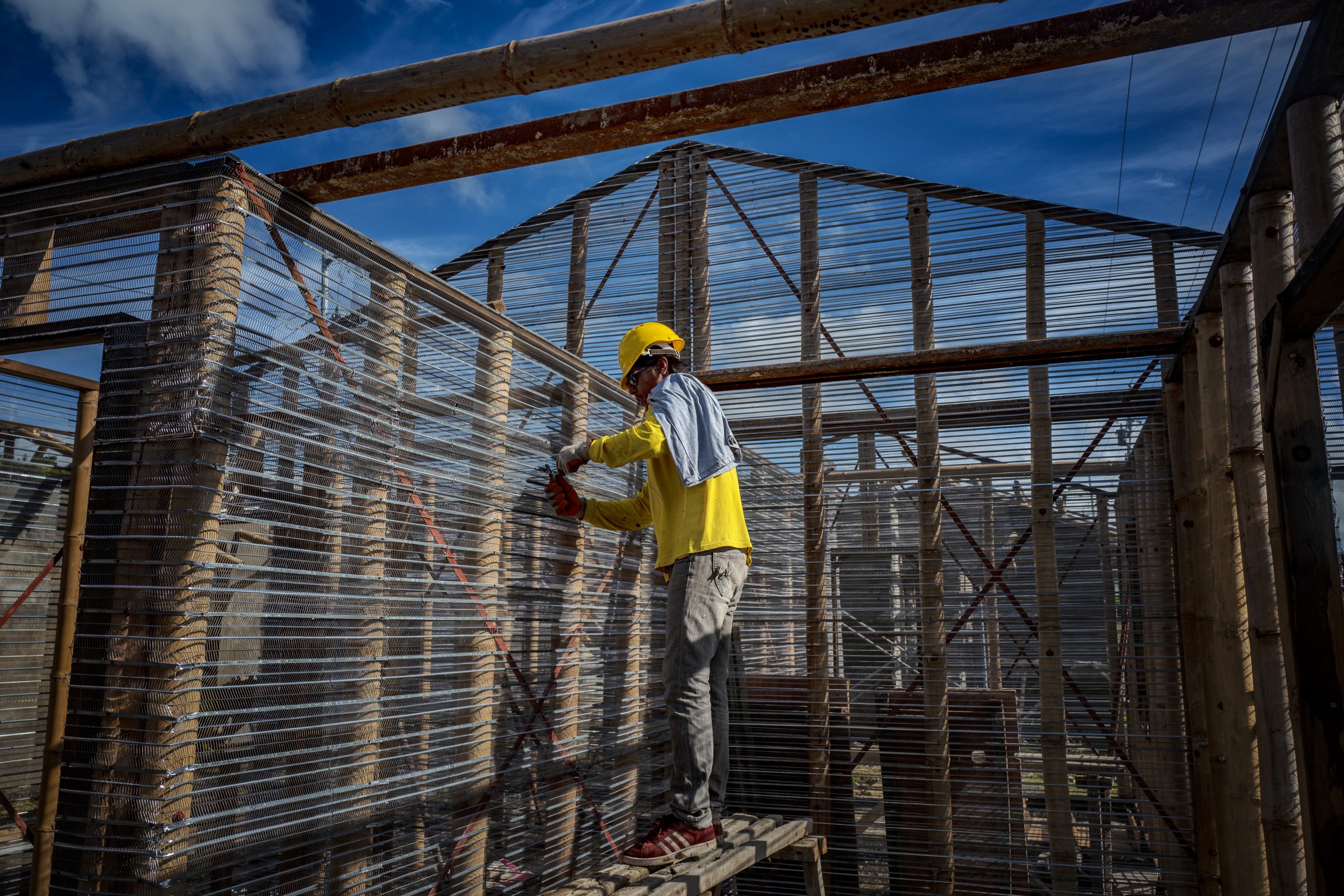
- Investment in research and technology transfer particularly, in housing construction technologies.
- Governments of African countries should provide incentives for bamboo and rattan entrepreneurs and manufacturers to boost the production of high-end products, support export and improve trade.
- The government in partnership with the private sector should establish bamboo and rattan artisanal hubs to commercialise processing and innovative product development.
- Government agencies and private sector actors should intensify the establishment of bamboo and rattan plantations to increase the resource base in order to attract investment into the sector.
- Other African countries should learn from Ethiopia, Ghana and Madagascar especially in mainstreaming bamboo and rattan into national development plans, policies and climate change adaptation and mitigation programmes.
- Sustained engagement with stakeholders in the bamboo and rattan sector is key to strengthening collaboration and partnership to ensure industrial growth.

Participant from Cameroon
Globally, we are witnessing a growing demand for bamboo and rattan materials. This is in line with the shift towards sustainable production and consumption of renewable resources. With an industry valued at USD 39 billion in 2018, China undeniably remains the world’s largest producer of bamboo and rattan products. Other key exporters include the European Union, Indonesia, Vietnam, the USA, the Philippines and Thailand. Highly processed bamboo and rattan-based commodities such as flooring, panels, cladding, furniture and woven items comprise the increasingly large share of international exports.
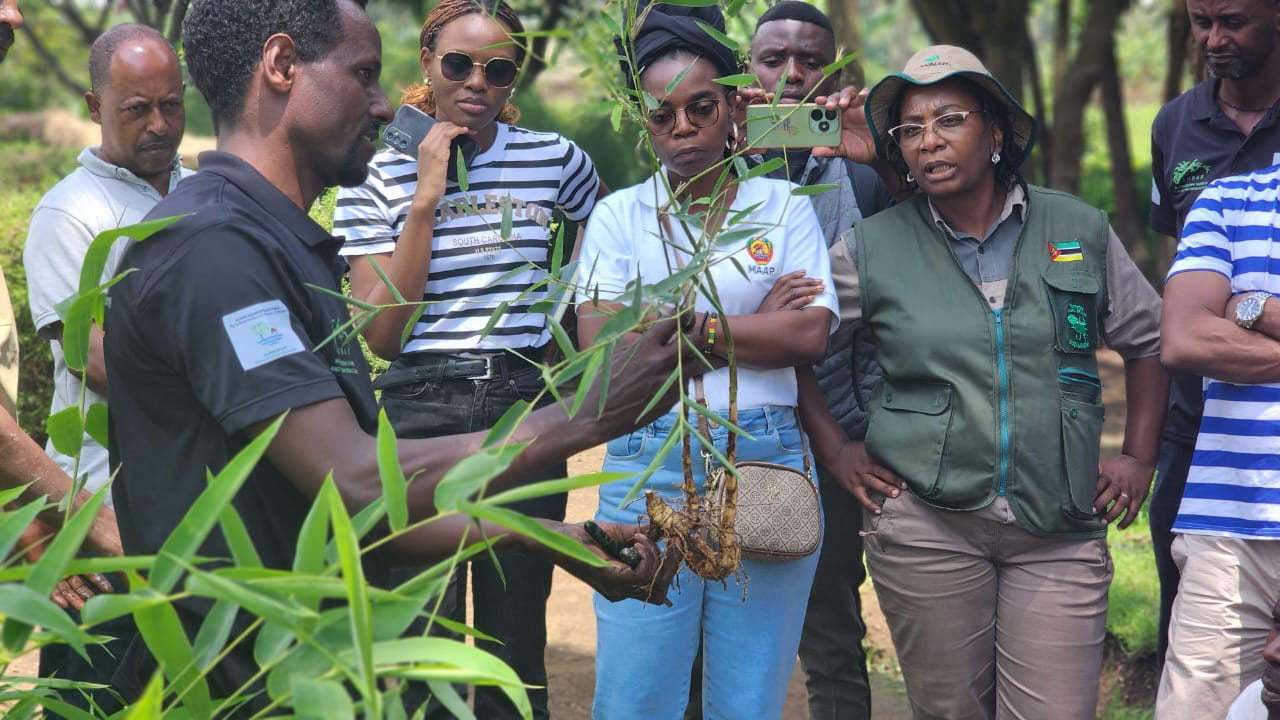
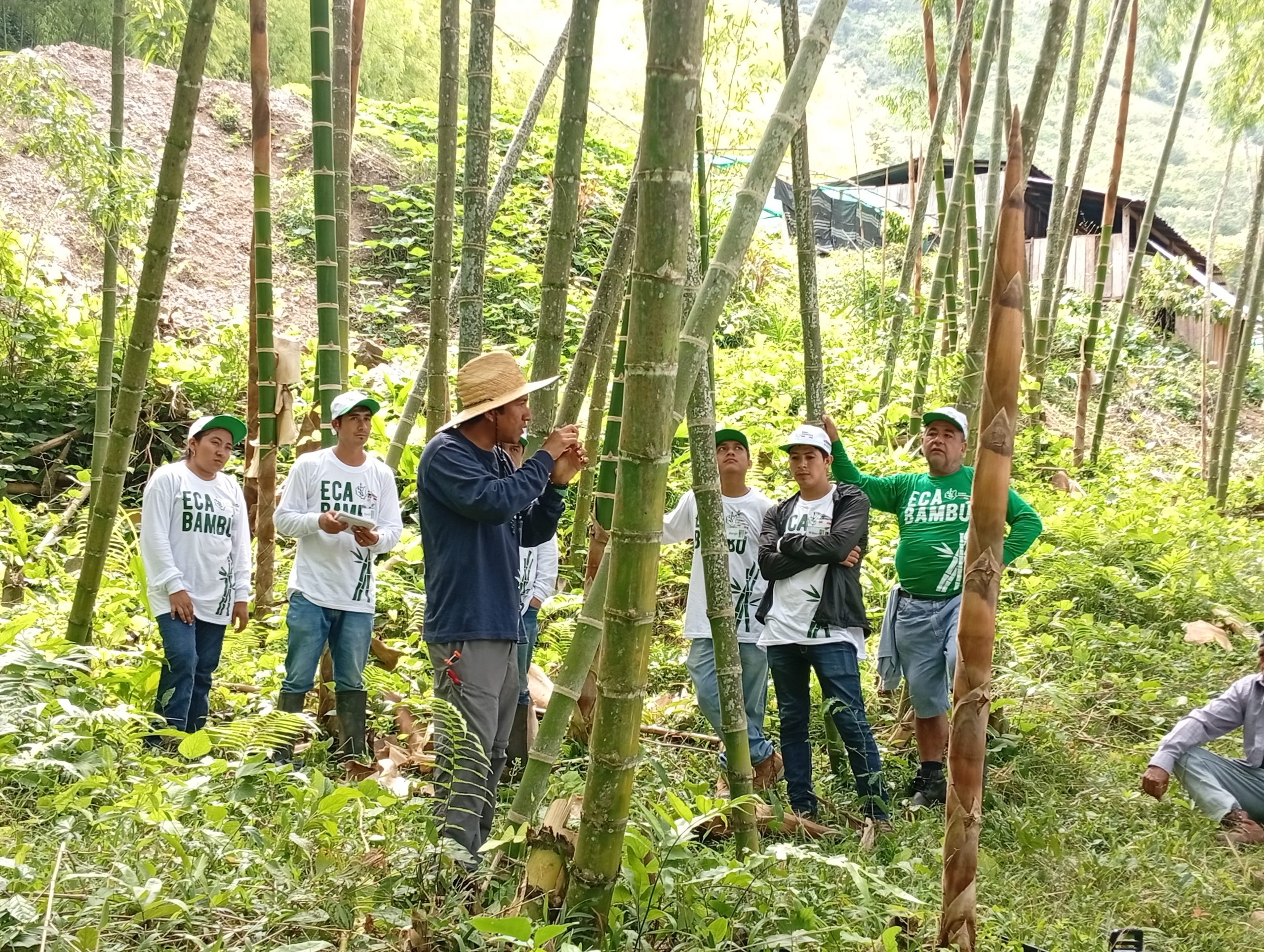
Bamboo and rattan represent important resources in the lives of rural communities in Africa. The current bamboo markets in African countries are centred around the harvesting of bamboo for construction poles, basic furniture, handicraft, charcoal, briquette, and rudimentary housing construction materials in the rural areas. African countries are yet to unearth the potential value of bamboo that could alleviate poverty, create jobs and improve national economies. To transform the bamboo and rattan sector into a valuable and viable industry, INBAR and its partner institutions are enabling Africa countries to develop sustainable bamboo and rattan value chains through the sustainable production of seedlings, management of plantation and natural stands, harvesting and processing into high-quality products for the global market.

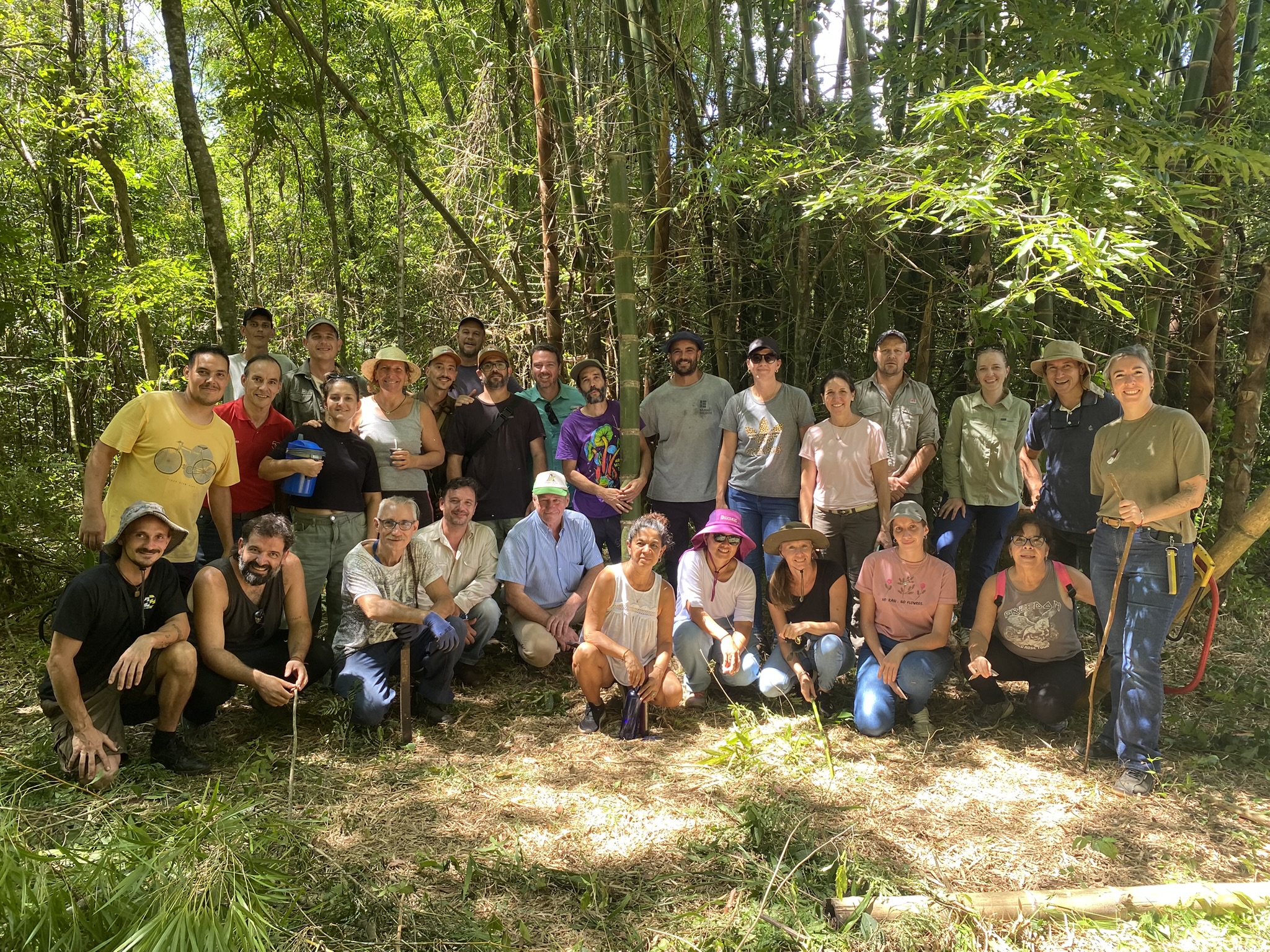
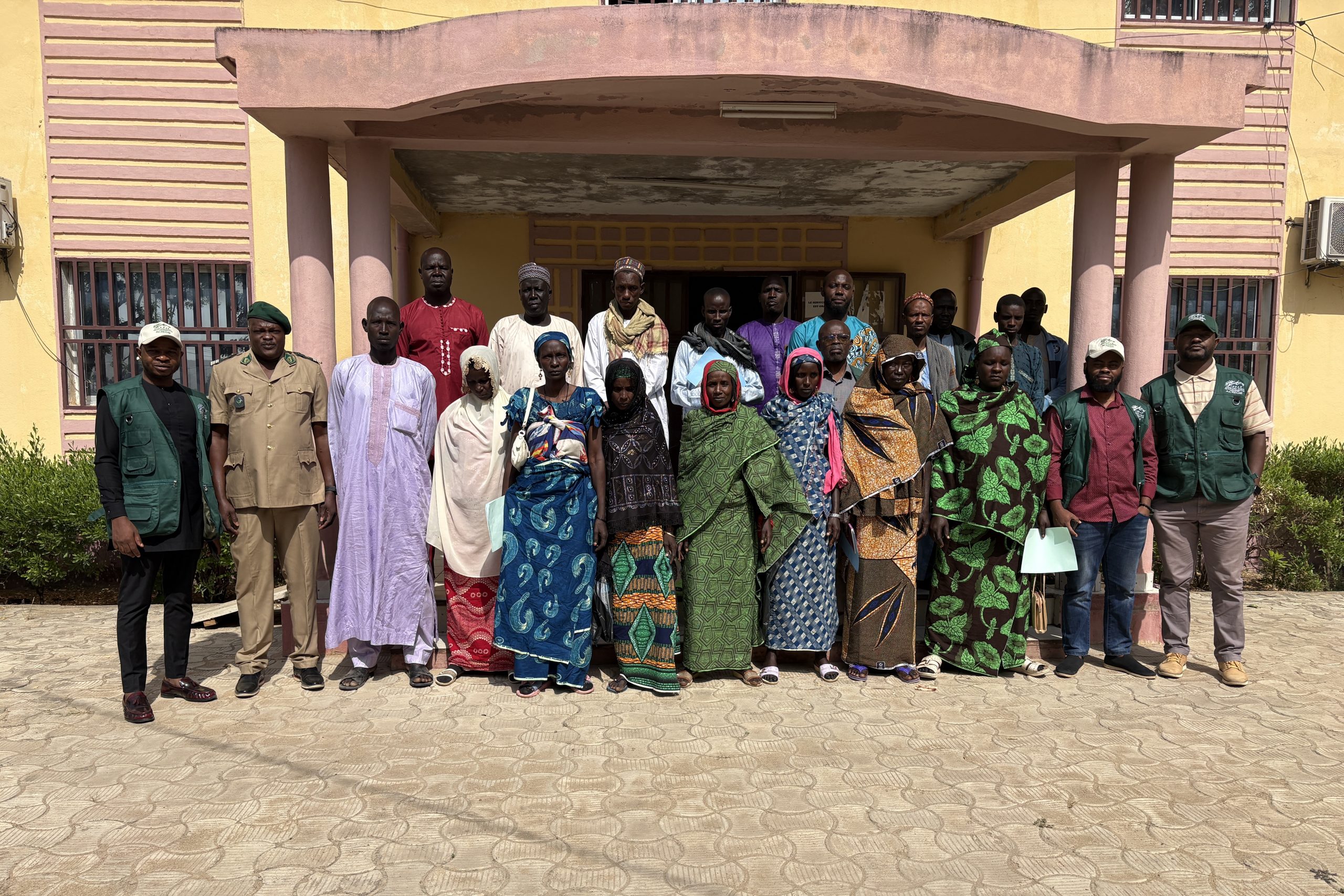
Participants of the symposium came from Benin, Cameroon, Ethiopia, Ghana, Kenya, Liberia, Nigeria, Rwanda, Sierra Leone and Tanzania
INBAR continues to foster partnership and enhance knowledge exchange between Member States through targeted interventions such as this symposium to improve the sector. It is expected that participants upon return to their respective countries will adapt lessons learnt from the symposium to deepen their advocacy on bamboo and rattan mainstreaming as well as develop sustainable business models to improve the bamboo and rattan value chains in their countries.