News
NewsBamboo recognized at UN meeting on commodities and development

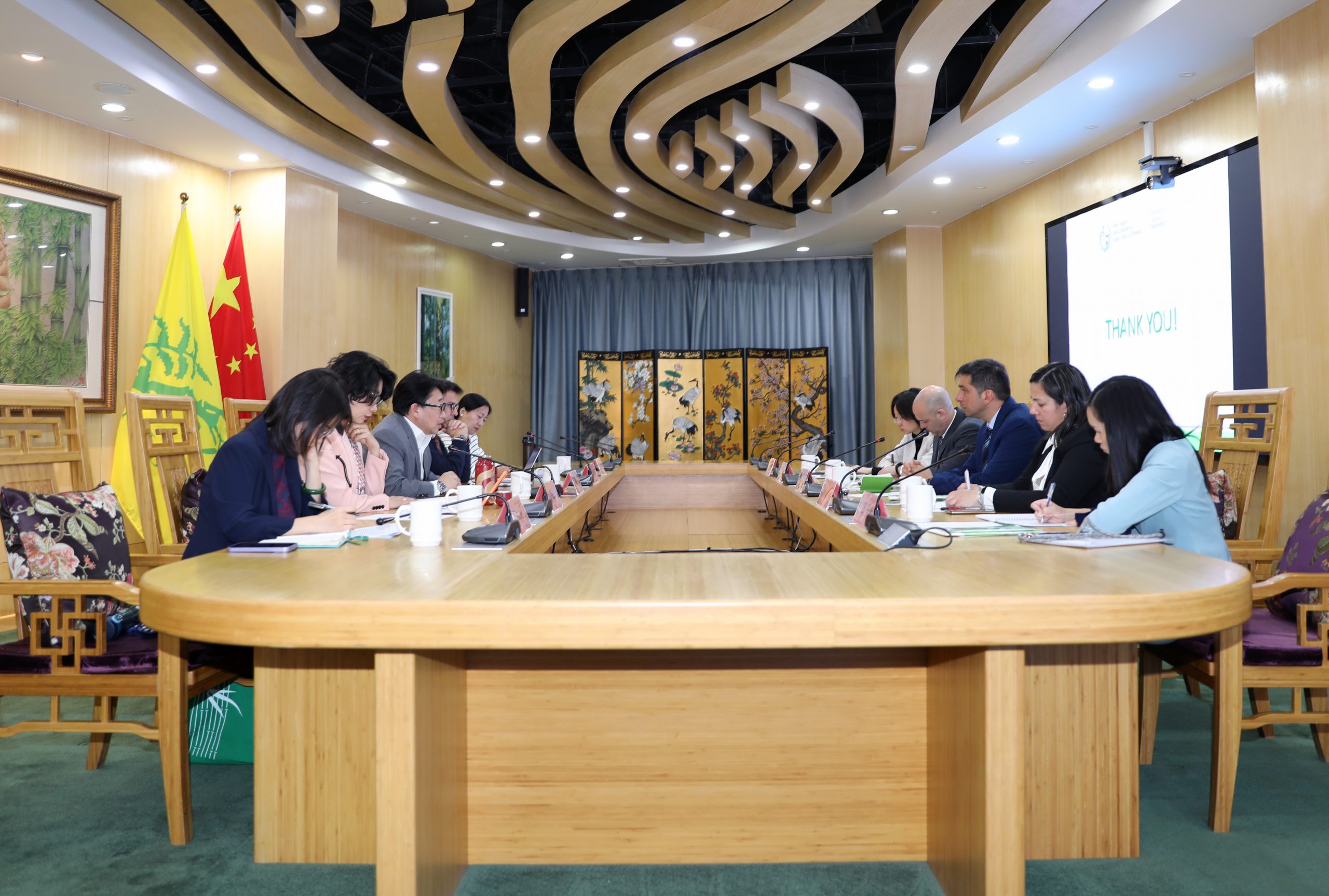
Participants at the 13th Session of the Multi-year Expert Meeting on Commodities and Development gathered in Geneva, Switzerland.
A strong presence at the important meeting signals a bright future for bamboo.
From 10 to 12 October 2022, the United Nations Conference on Trade and Development (UNCTAD) organized the 13th Session of the Multi-year Expert Meeting on Commodities and Development in Geneva, Switzerland.
Over the years, the purpose of the meeting has been to monitor trends, major developments and challenges and opportunities in commodity markets, giving due attention to commodity sectors that are relevant to commodity-dependent developing countries, such as the bamboo sector. The meeting brings together national and international experts from different organizations and bodies as well as representatives from the private sector and civil society to present on important developments in key commodity sectors and markets from a development perspective. This structure disseminates authoritative and relevant information to UNCTAD member States in a timely manner.
For most UNCTAD member States, bamboo has long been recognized as an important commodity. Because of this, under the lead of the Republic of Cameroon, it was suggested to the Secretariat of UNCTAD to include bamboo in the repertoire of important commodities. In response to this request from its members, UNCTAD engaged in discussion with the International Bamboo and Rattan Organization (INBAR), publishing the report Commodities at a glance: Special issue on bamboo. In addition, one full day was allocated for discussing bamboo as a commodity on 12 October 2022.

Li Lan, Director of Industrial Development of ICBR.
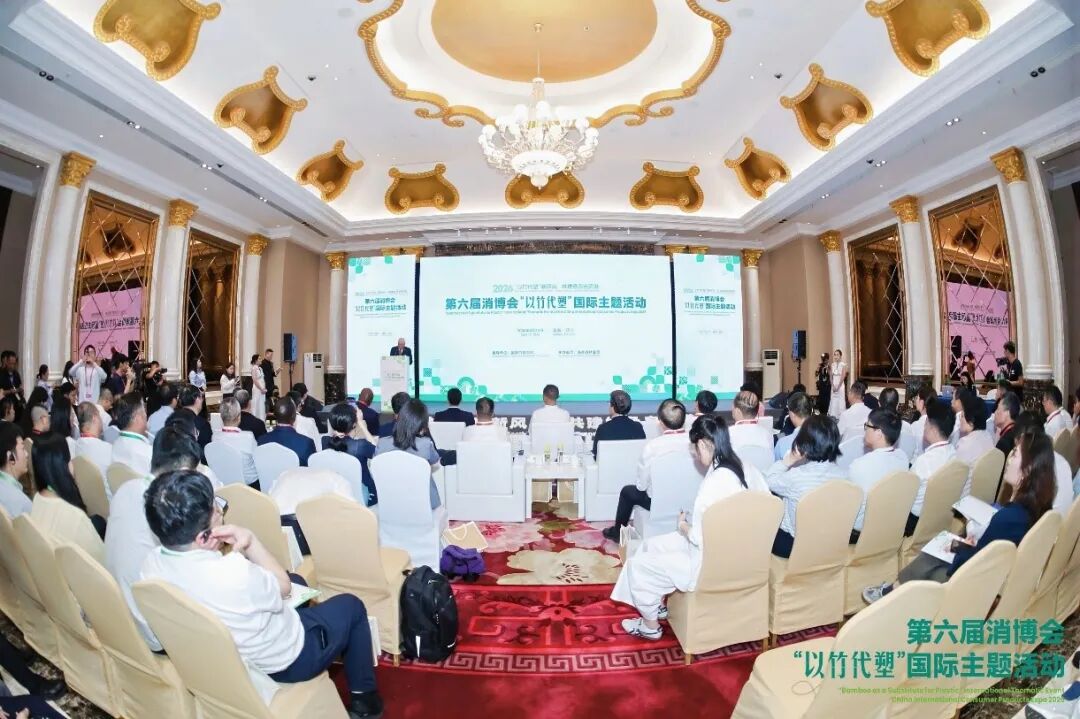
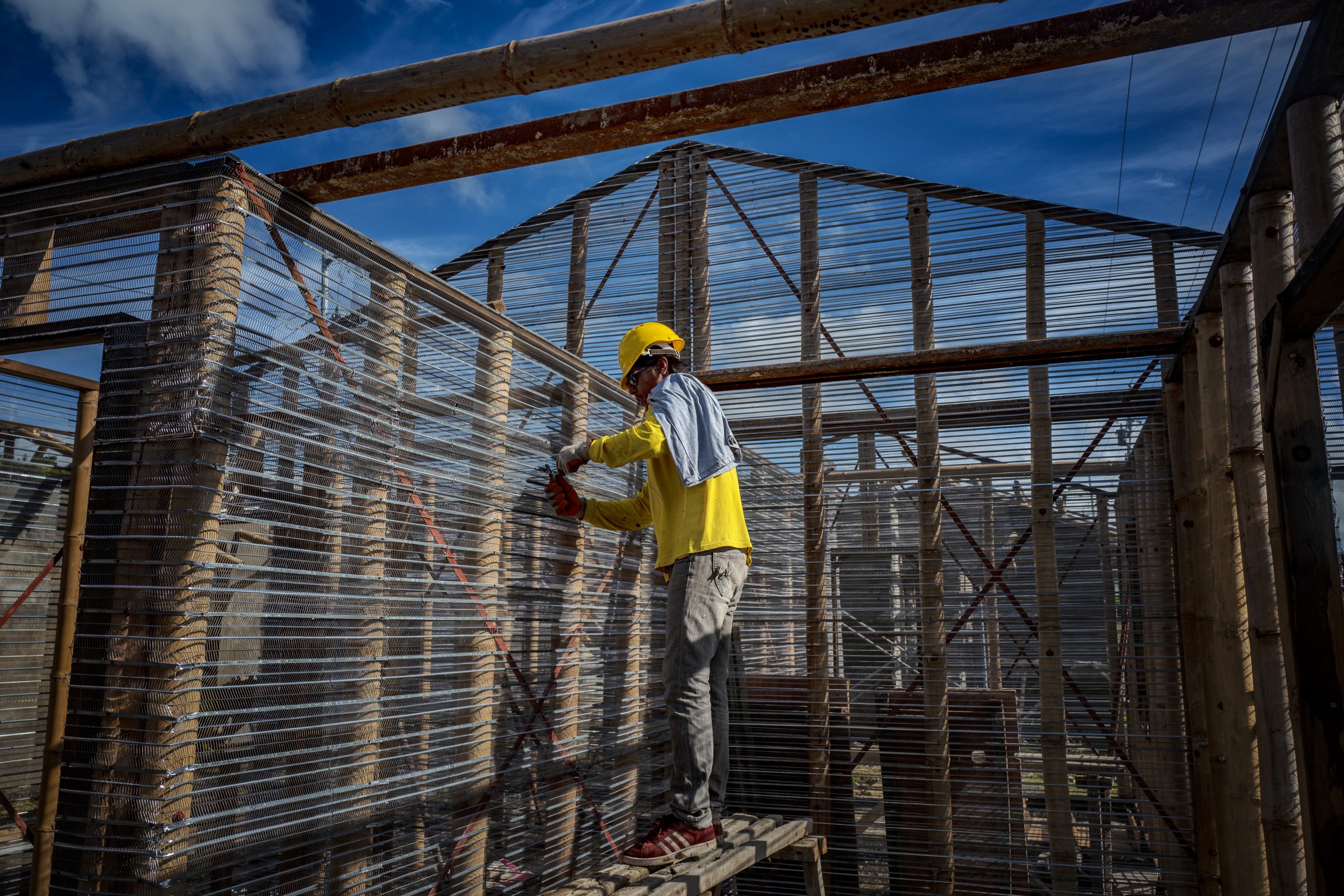
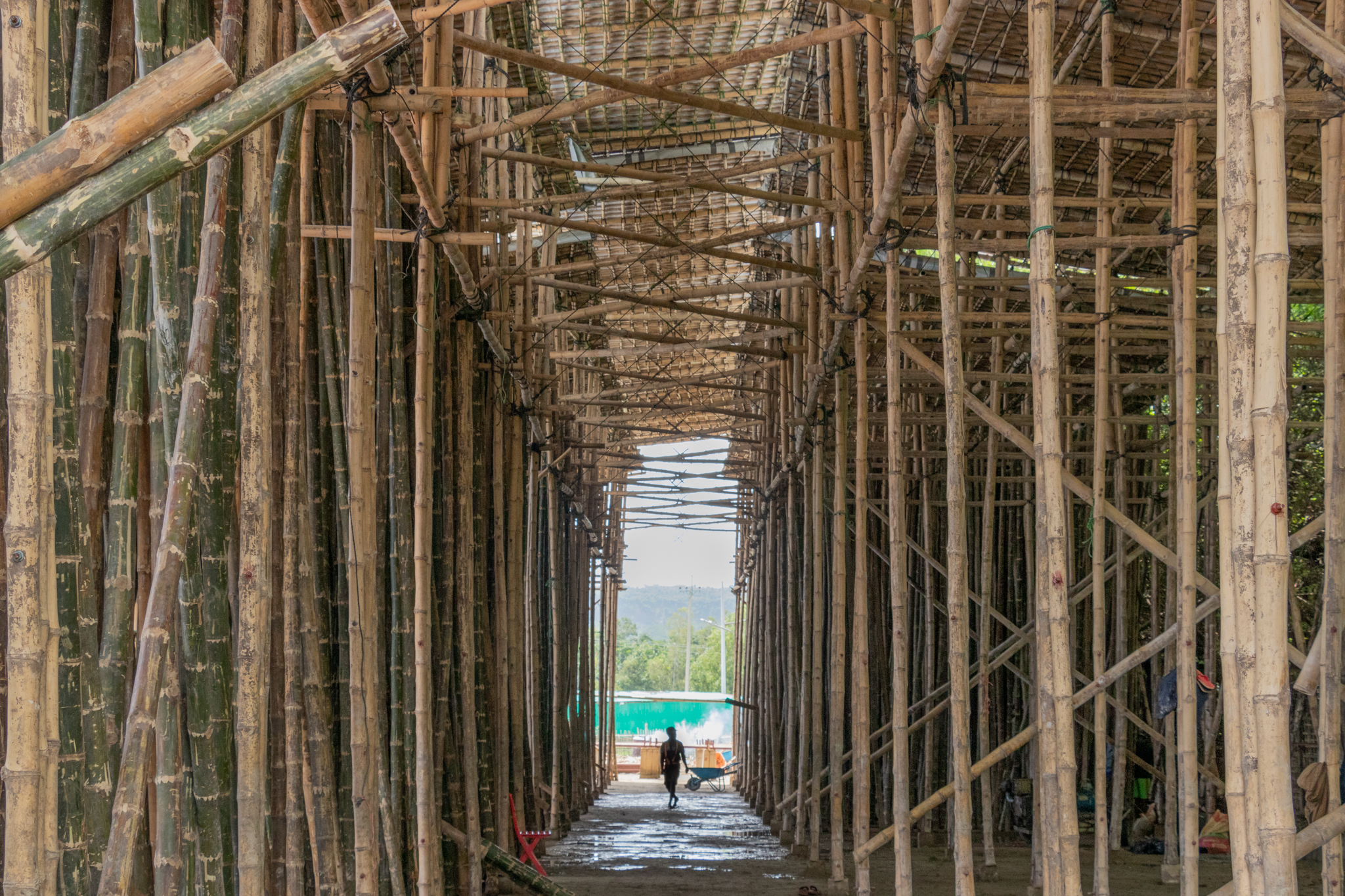
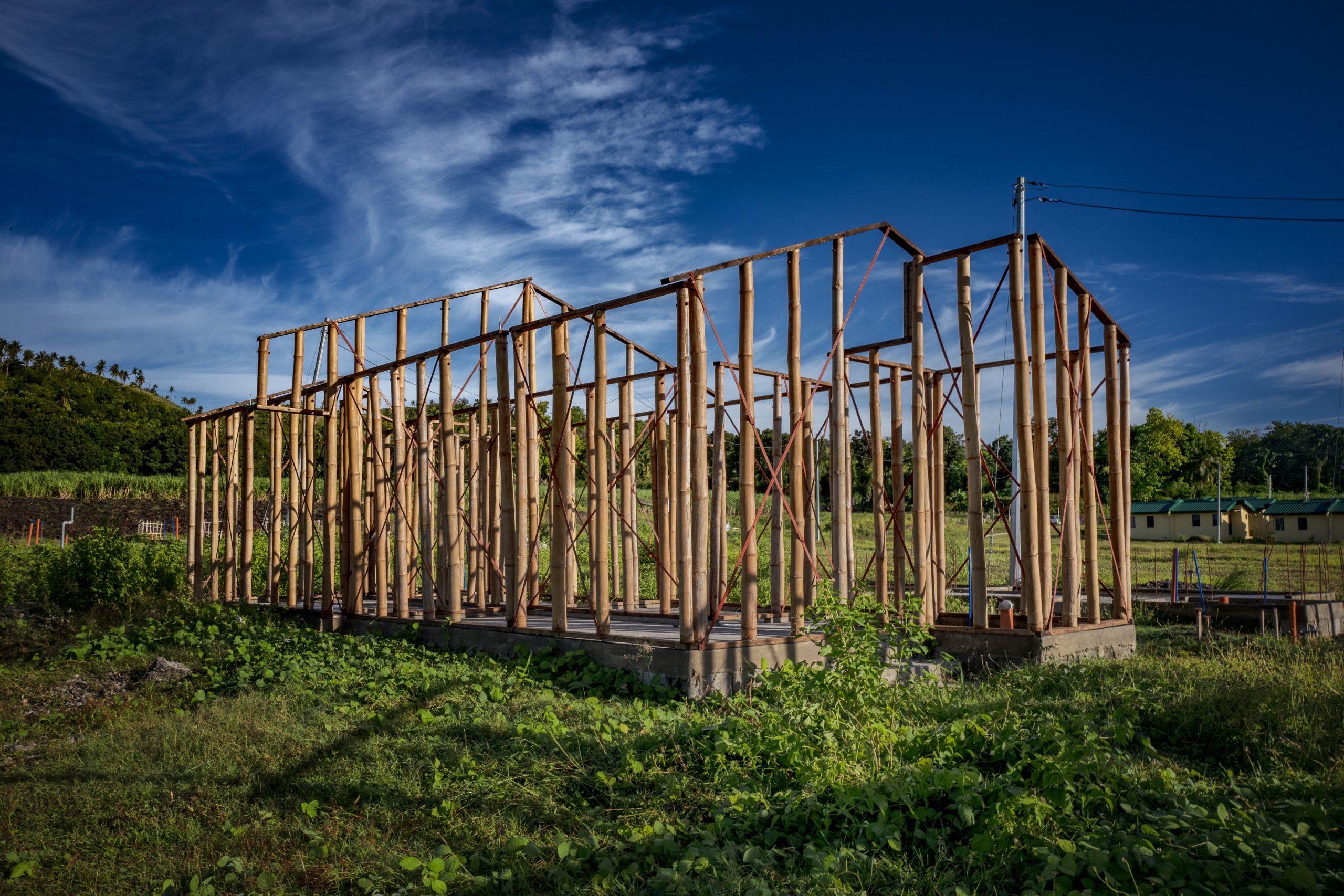
This day intended to explore aspects of the bamboo value chain that are especially important for developing countries, including opportunities for the value addition of raw bamboo, challenges in the downstream processing of bamboo, the numerous advantages of bamboo as a construction material, and the disparate uses of bamboo in climate change mitigation. To inform policy options for developing the bamboo sector, valuable experiences and lessons were exchanged. An interactive panel discussion included participants from bamboo-producing and -importing countries, from government officials from member States to stakeholders from the private sector and civil society. The panel featured two delegates from INBAR: Li Lan, Director of Industrial Development of ICBR, who presented on Developments in the Market for Bamboo, as well as René Kaam, Regional Director for Central Africa, who presented on The Role of Bamboo in Environmental Management — Carbon Sequestration, Protecting Biodiversity and Ecosystems, Restoration of Degraded Lands. In the same session, experiences learned during the development of China’s bamboo sector were shared by Prof. Changhua Fang of the International Bamboo and Rattan Centre (ICBR). Full presentations are available online.
In conclusion, UNCTAD members congratulated the Secretariat of UNCTAD for including a bamboo commodity day as part of the meeting and encouraged the Secretariat to collaborate with INBAR to carry out joint activities that robustly support the development of the bamboo sector, including the organization of regional commodity days in Africa and Latin America.
For more information about bamboo commodity day at the 13th Session of the Multi-year Expert Meeting on Commodities and Development in the United Nations Office, please contact Mr. Rene Kaam, Regional Director of Central Africa Office at .