News
NewsBamboo’s solutions to plastic pollution and climate change highlighted at COP 28

Bamboo’s versatility was recognized as a key nature-based solution at the 2023 UN Climate Change Conference.
From December 8 to 10, INBAR participated in the 28th Conference of the Parties (COP 28) to the UN Framework Convention on Climate Change (UNFCCC) held in Dubai, United Arab Emirates. INBAR organized three side events and an exhibition booth, aiming to showcase the potential of bamboo in the fight against climate change.
INBAR’s side events at COP 28 showcased successful stories from the Global South, emphasizing bamboo’s versatility in restoring degraded land, promoting green economies, fighting plastic pollution and advancing the Sustainable Development Agenda.
Side Event #1: Bamboo Based Innovation for Upscaling Landscape Restoration and Green Growth in Developing Countries
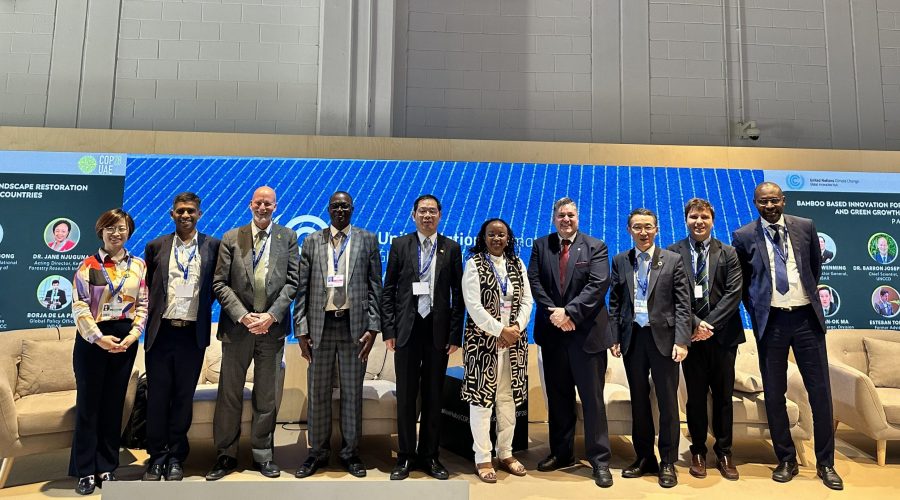


The first side event held on 9 December was organized at the UNFCCC Global Innovation Hub and titled “Bamboo Based Innovation for Upscaling Landscape Restoration and Green Growth in Developing Countries.” The session highlighted bamboo’s potential for landscape restoration, green growth and sustainable development. Key points included innovative approaches to bamboo planting material production and sustainable harvesting and management. The session also emphasized the importance of building robust supply chains, adopting circular economic models, promoting diverse products and industries, and facilitating South-South technology and knowledge transfer to accelerate the development of the bamboo sector in developing and least developed countries.
In the welcoming remarks, Prof. Lu Wenming, Deputy Director General of INBAR, expressed INBAR’s commitment to collaborating with countries in utilizing bamboo and rattan as strategic resources for sustainable development. He emphasized INBAR’s role as a supporting partner of the UN Decade for Ecosystem Restoration, outlining the organization’s goal of planting 6 million hectares of bamboo forests by 2030 to restore degraded land.
In the keynote remarks, Dr. Barron Joseph Orr, Chief Scientist of the UN Convention to Combat Desertification, praised INBAR’s efforts in advancing the scientific understanding of bamboo and rattan’s potential for land restoration, aligning with climate change objectives.
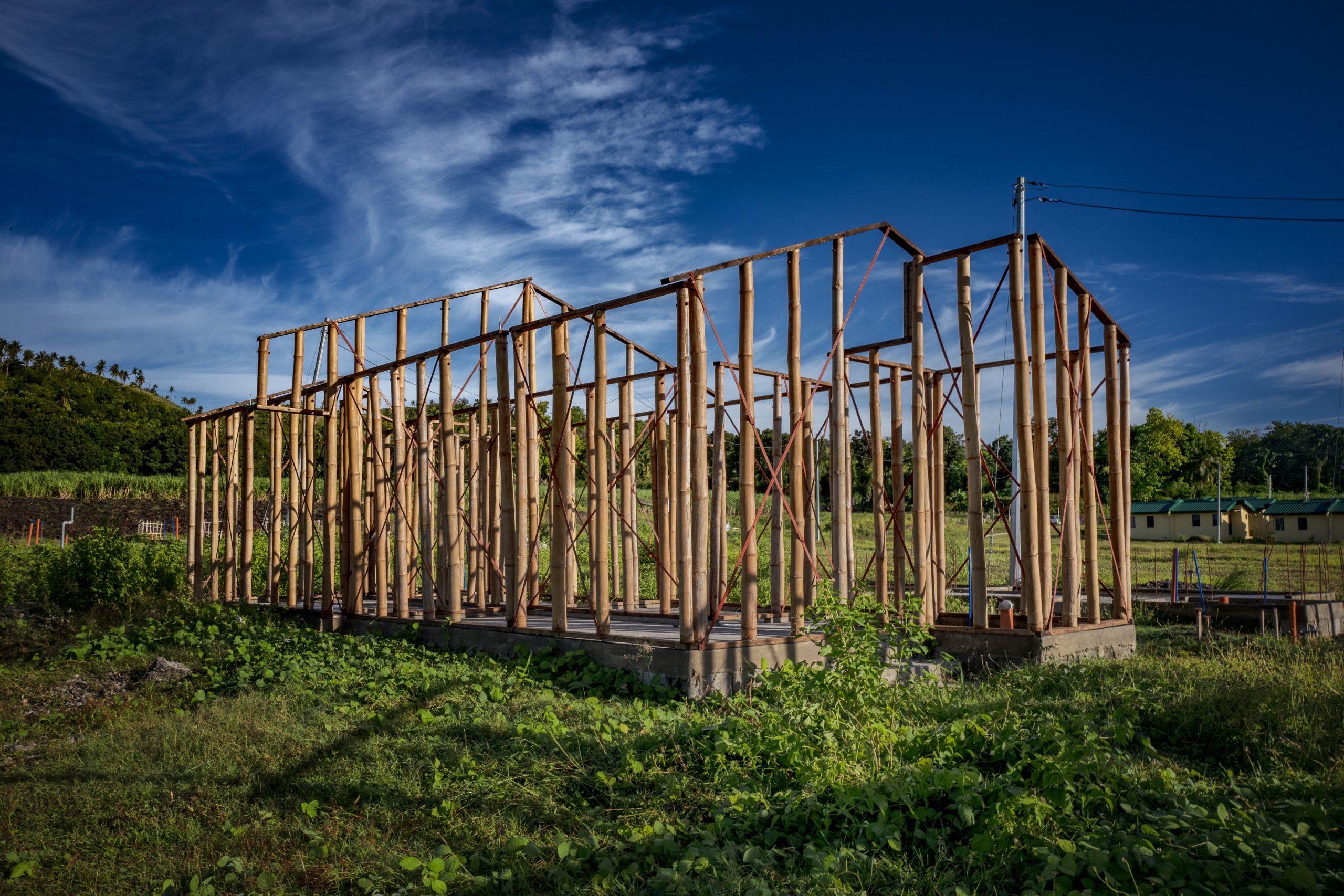
The presentations of the invited panelists highlighted successful bamboo initiatives in Uganda, Kenya, Indonesia, and Ecuador. Mr. Tom Okello Obong, Executive Director of the National Forestry Authority of Uganda, presented Uganda’s bamboo strategy implementation success, which has generated 10,000 green jobs and restored 3000 hectares of degraded land. Dr. Jane Njuguna, Acting Director of the Kenya Forestry Research Institute, showcased bamboo’s role in soil binding and water conservation in Kenya. Dr. Hwan-ok MA of ITTO introduced the organization’s bamboo activities in Indonesia, illustrating how bamboo is contributing not only to sustainable forest management but also as a source of livelihood for rural communities. Mr. Esteban Torres, Former Advisor at the Ministry of Urban Development and Housing of Ecuador, detailed how bamboo is being integrated into the national housing program, effectively reducing CO2 emissions. Dr. Carlos Ruiz-Garvia, Team Lead of the Adaptation Committee Unit of UNFCCC, reviewed the opportunities of bamboo in National Adaptation Plans (NAPs) and Nationally Determined Contributions (NDCs) in tropical regions and opportunities for scaling up climate actions with bamboo, citing inspiring examples.
Mr. Borja De La Peña Escardó, INBAR Global Policy Officer, moderated and concluded the event, emphasizing bamboo’s crucial role in restoring degraded lands, mitigating and adapting to climate change and promoting green economies.
Side Event #2: Bio-Economy Value Chain Development for Climate Change Mitigation and Resilience: Bamboo & Amazon Products

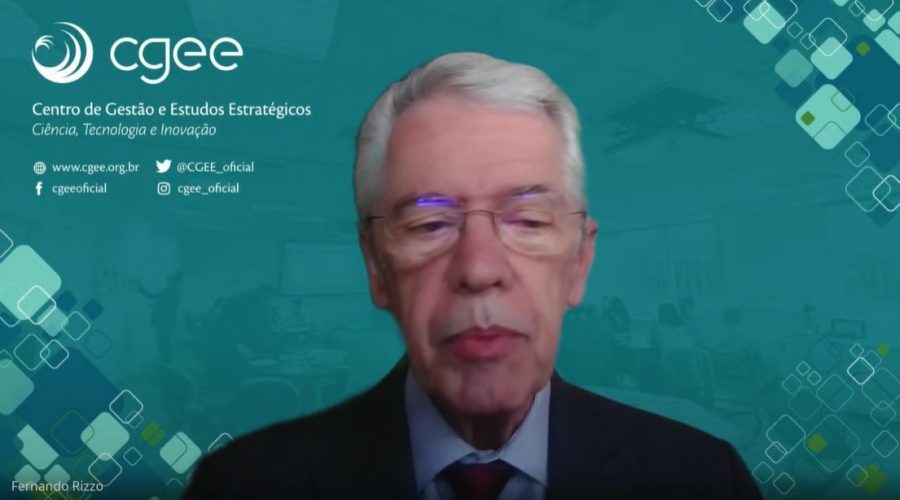
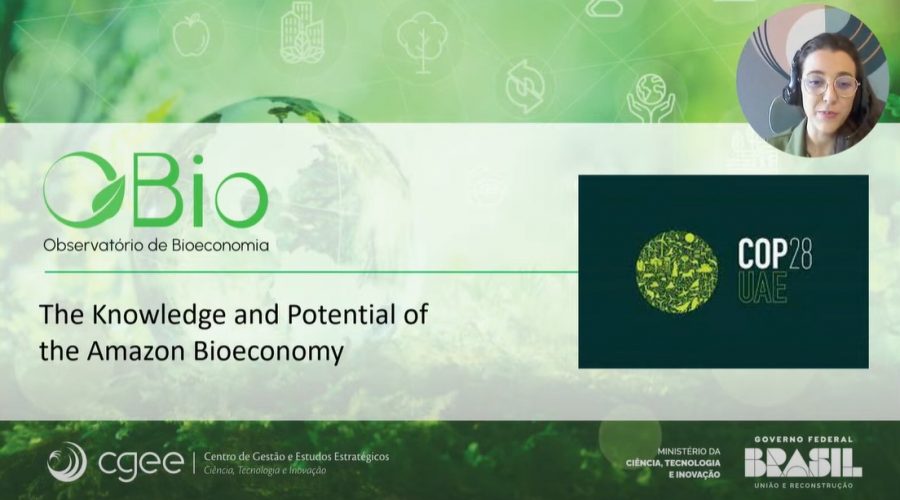

The second side event titled “Bio-Economy Value Chain Development for Climate Change Mitigation and Resilience: Bamboo & Amazon Products” was organized by INBAR and the Center for Management and Strategic Studies (CGEE) of Brazil on 10 December. The side event highlighted how bio-economy value chains are important to achieve carbon neutrality and build resilient economies. The session featured lessons learned and knowledge advances on bamboo value chains globally, as well as, on the Amazon forest products, to aid countries in the Global South in achieving the 2030 Agenda
The keynote remarks were delivered by Prof. Lu Wenming Deputy Director General of INBAR and Dr. Fernando Rizzo, President of CGEE. Prof. Lu emphasized INBAR’s focus on natural capital and the development of circular supply chains to boost the bio-economy and address plastic pollution with the utilization of bamboo-based products. Dr. Rizzo emphasized the importance of green energy innovation, strategic solutions to climate change and science for bio-based solutions. The main presentation of the side event was given by Mr. Jayaraman Durai, Director of Global Programmes of INBAR, which demonstrated bamboo as a solution for building climate resilience and contributing to the UN Sustainable Development Goals.
The panel discussion featured distinguished speakers, including Mrs. Karina Barrera, Former Under Secretary of Climate Change at the Ministry of Environment, Water, and Ecological Transition of Ecuador. She highlighted bamboo’s pivotal role in Ecuador’s climate and community resilience project. Dr. Motuma Tolera Feyissa, Deputy Director General of Ethiopian Forestry Development, shared about Ethiopia as a pioneer in the bamboo sector in Africa. Mr. Tom Okello Obong, Executive Director of the National Forestry Authority of Uganda, provided insights into Uganda’s significant steps in bamboo development. Dr. Wu Zhimin, Director of the Forestry Division of FAO, emphasized the key actions required to fully recognize bamboo’s potential. Dr. Zhang Guobin, Head of the Climate Division at the Department of Ecological Protection and Restoration, National Forestry and Grassland Administration of China, shared valuable insights into China’s successful bamboo development journey.
Mr. Borja De La Peña Escardó, Global Policy Officer of INBAR, moderated the lively panel.
Side Event #3: Mitigating Plastic Pollution and Climate Change with Bamboo


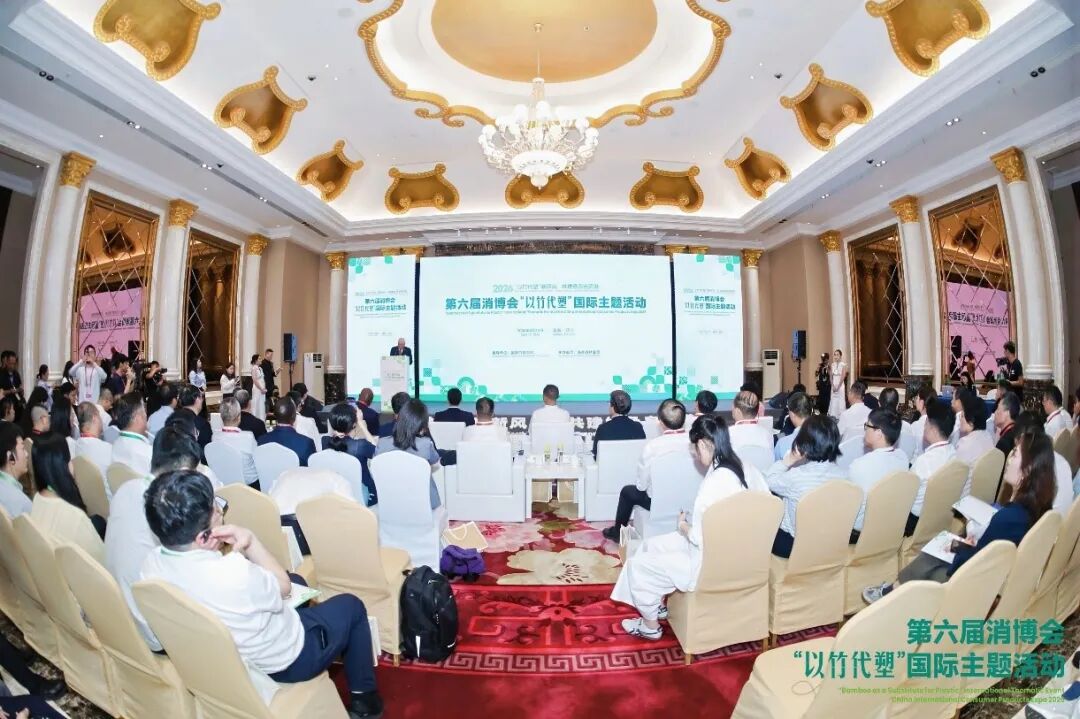
The third side event titled “Mitigating Plastic Pollution and Climate Change with Bamboo” convened at the China Pavilion on 10 December. The session focused on demonstrating the feasibility and strategies for promoting bamboo as a substitute for plastic. Recently, INBAR released the Global Action Plan for Bamboo as a Substitute for Plastic (BASP) (2023-2030), outlining a series of actions that seek to mobilize global resources and key stakeholders in the fight to combat plastic waste. The BASP Initiative focuses on providing bamboo-based solutions to address plastic pollution and contribute to climate change mitigation.
In the keynote remarks, Prof. Lu Wenming emphasized the organization’s commitment to working closely with Member States to implement the Global Action Plan of the BASP Initiative. Dr. Zhang Guobin, Head of the Climate Division, Department of Ecological Protection and Restoration of the National Forestry and Grassland Administration of China, shared the actions taken by the Chinese government and the progress made in implementing the initiative in China.
Mrs. Li Lan, Director of Host Country Affairs of INBAR, delivered a presentation providing valuable insights into the strategies outlined in the Global Action Plan to address plastic pollution and climate change, enriched with the concrete actions being implemented at the provincial and local level in China to improve existing technologies and expand the industrial utilization of bamboo to replace plastics.
The panel discussion featured Mrs. Karina Barrera, Former Under Secretary of Climate Change at the Ministry of Environment, Water, and Ecological Transition of Ecuador, who elaborated on Ecuador’s initiatives within the Intergovernmental Negotiating Committee (INC) to promote sustainable alternatives to plastics. Dr. Carlos Ruiz Garvia, Team Lead of the Adaptation Committee Unit in the Adaptation Division of UNFCCC, underscored the potential of this initiative in curbing emissions and achieving carbon neutrality. Dr. Claudia Contreras, Economic Affairs Officer at UNCTAD, provided a comprehensive overview of the necessary policies and regulations to facilitate the trade of sustainable alternatives, emphasizing the importance of reducing tariffs for nature-based solutions and establishing a level playing field for fair competition with plastics in international markets. Mr. Yang Dezhen, Deputy General Manager of Anhui Hongye Group, China, offered insights from the private sector, emphasizing the pivotal role of value chains to drive innovation and lower costs for bamboo alternatives to plastics.
Mr. Borja De La Peña Escardó, Global Policy Officer at INBAR, moderated the session, ensuring a comprehensive discussion on the BASP Initiative and its global impact.


The recordings of INBAR side events at COP 28 can be found online.