 News
NewsChad validates its bamboo value chain report
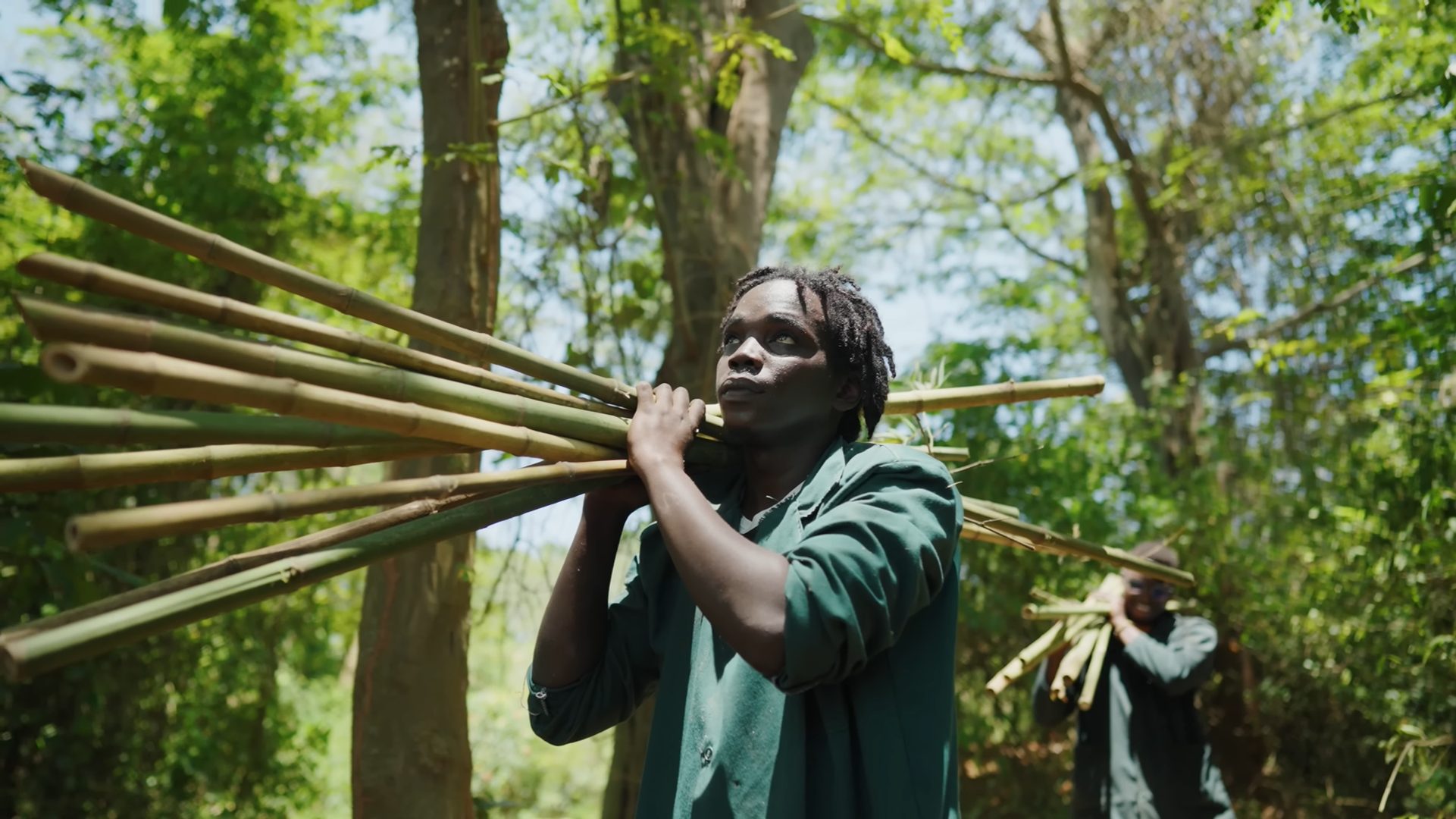
 Study reveals essential insights into bamboo harvesting, processing, marketing and consumption in Chad.
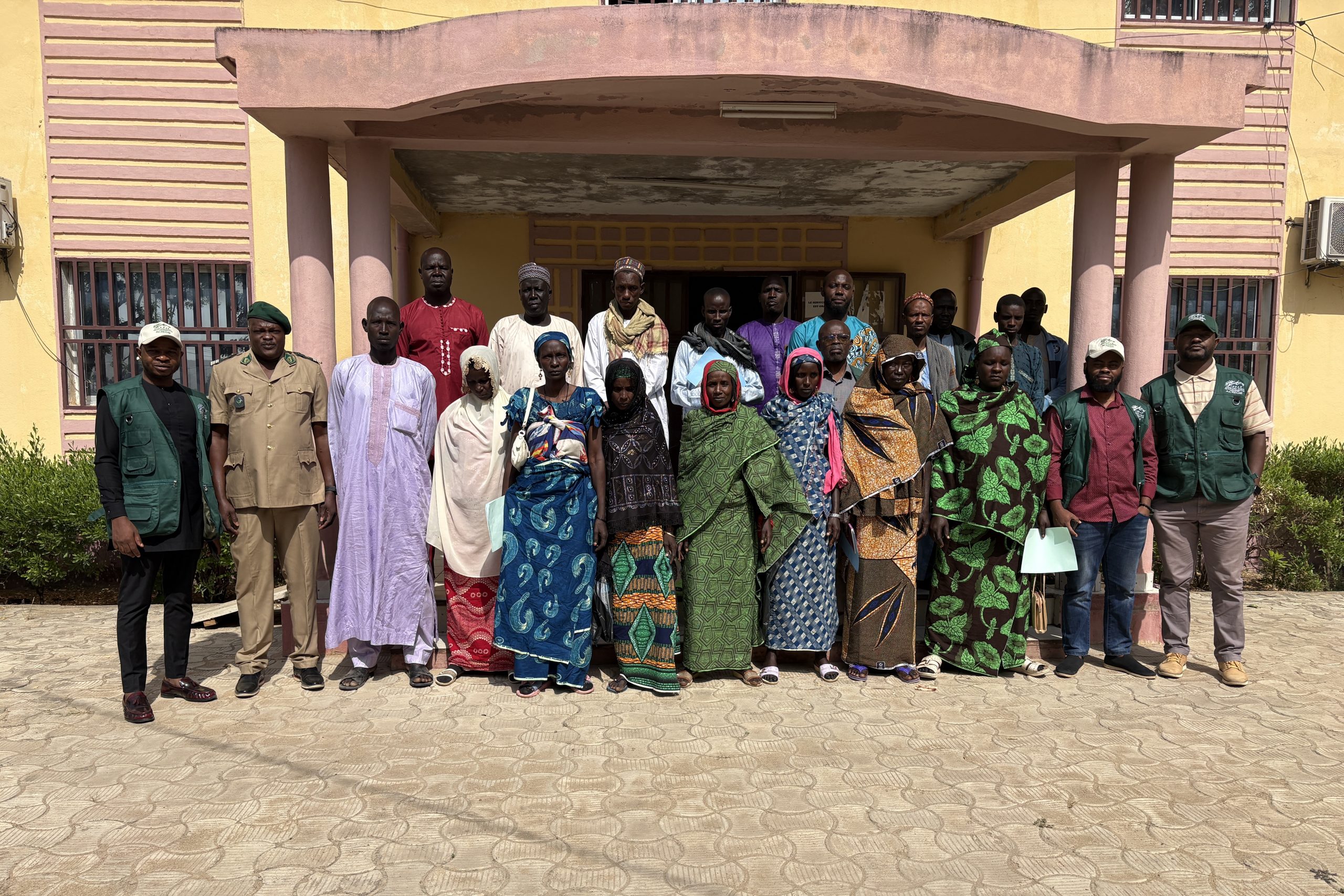
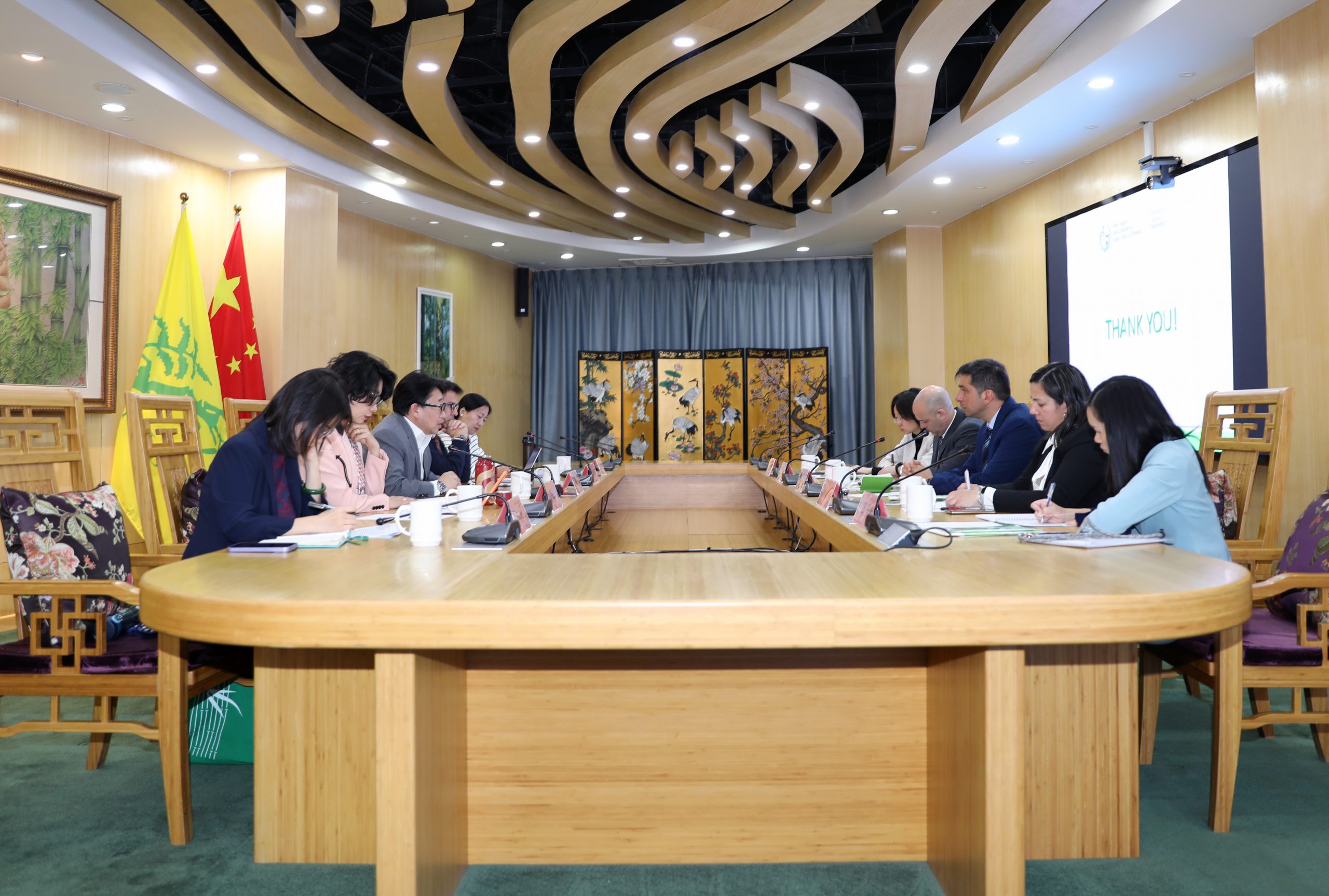
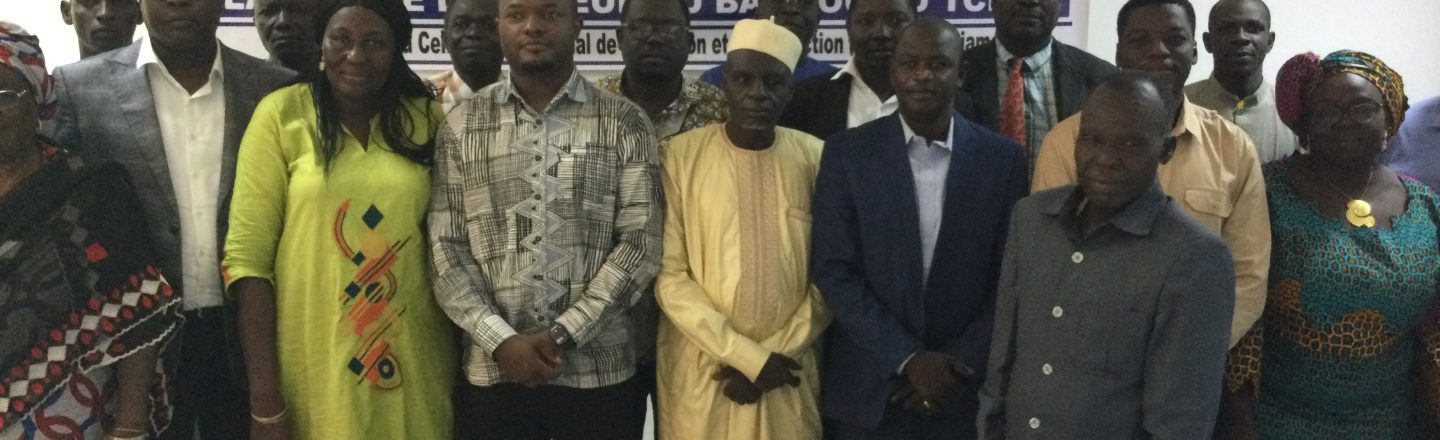
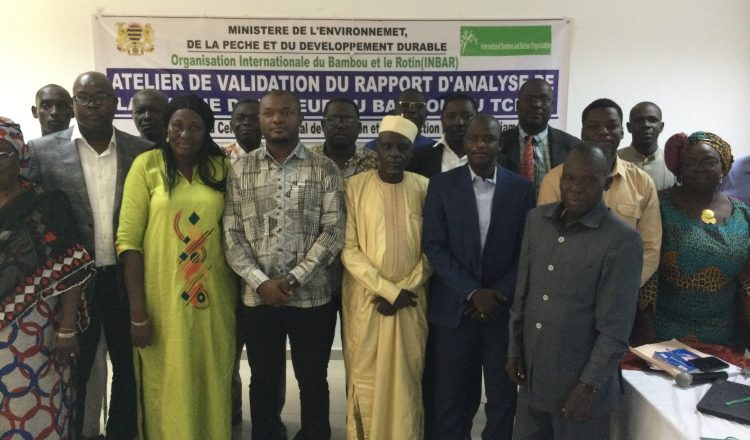
On 8 August 2024, the validation workshop for Chad’s Bamboo Value Chain Analysis Report was officially launched by Nénodji Madingar, Deputy Secretary General of the Ministry of Environment, Fisheries, and Sustainable Development.
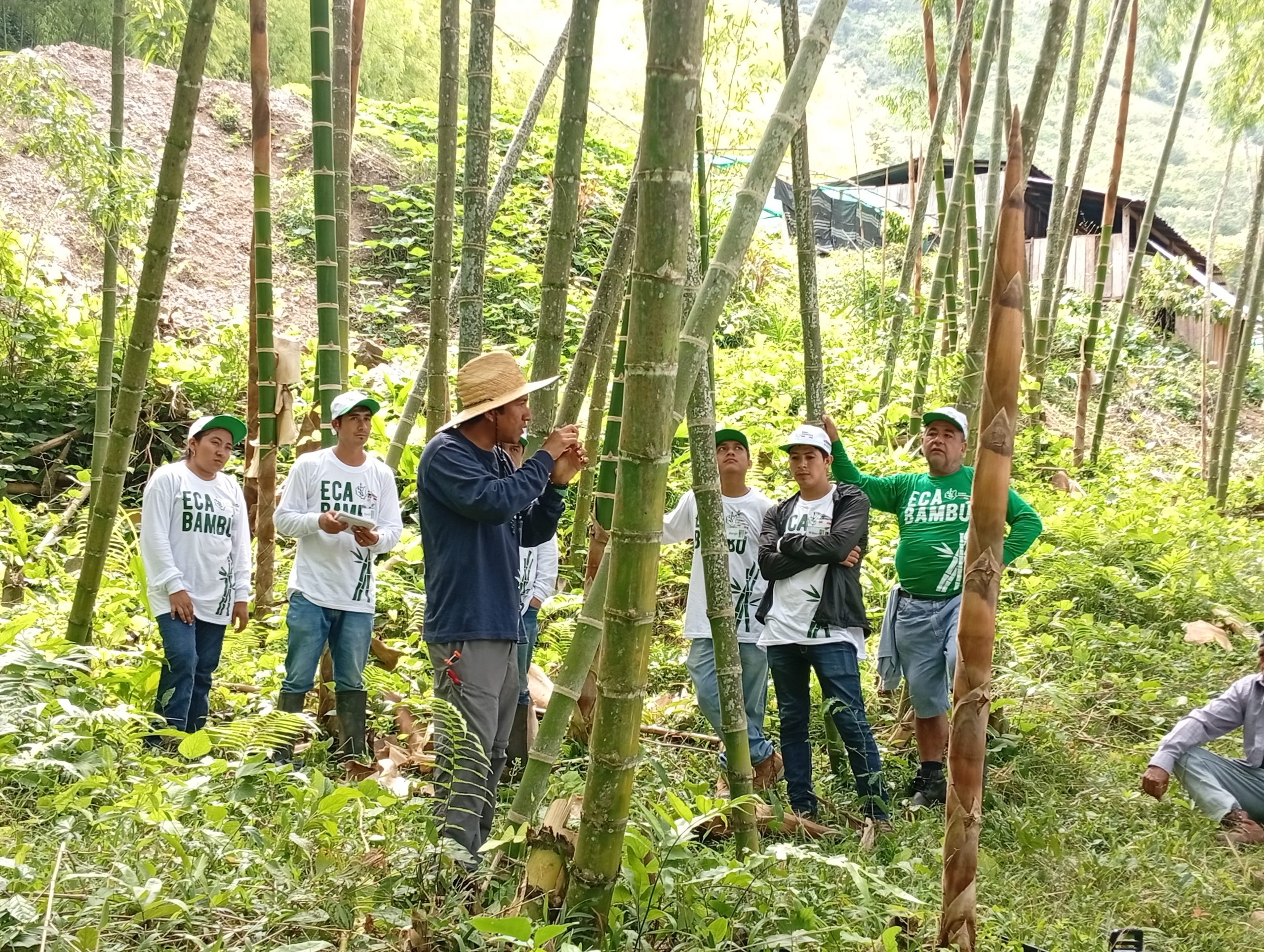
This workshop represented an important moment in the collaboration between the Government of Chad and INBAR, aimed to present, deliberate on and validate the report’s findings. The workshop was built on earlier training conducted to equip enumerators and stakeholders with the proper research methodology and tools for conducting value chain analysis.

René Kaam, INBAR’s Regional Director for Central Africa, emphasized the report’s significance, noting that it provides crucial insights into the bamboo resources in Chad, including key actors, product types, production locations and revenue streams. “These insights are foundational for the development of Chad’s bamboo sector, informing sustainable development projects, economic growth initiatives and policy integration,” Kaam said.
He went on to highlight bamboo’s potential as a renewable resource, capable of producing over 10,000 different products, offering substantial economic opportunities. Kaam pointed out that the global bamboo trade is valued at approximately USD 60 billion, with China creating 8 million jobs and generating USD 30 billion annually from the sector alone.

Madingar echoed these sentiments, underscoring the strategic importance of bamboo and its potential to play a crucial role in Chad’s ecological and socio-economic landscape. She noted that the analysis, supported by INBAR, focused on Salamat, Guera, Moyen-Chari, and Mandoul provinces, collecting critical data on bamboo harvesting, processing, marketing and consumption. “This foundational information is essential for policymakers and development actors to optimize bamboo’s potential in Chad,” Madingar remarked.
She further emphasized the commitment of Chad’s leadership, particularly that of President Mahamat Idriss Déby Itno, to developing value chains, including bamboo. Madingar expressed hope that this study will soon extend to other provinces, such as Batha, Sila, Logone Occidental and Mayo-Kebbi West, to complete the baseline data needed for effective development interventions.