News
NewsContributing to Ethiopia’s clean cooking transition with bamboo
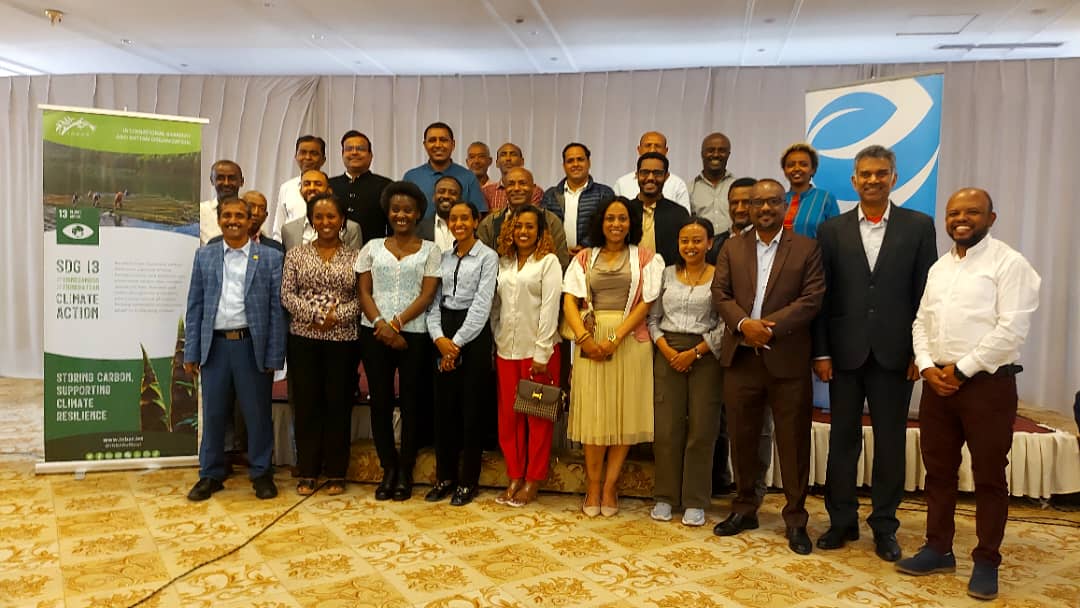 Event raises awareness of bamboo’s potential as a sustainable biomass fuel resource.
Ethiopia uses approximately 116 million cubic meters of wood fuel per year to meet the demand of 4 million tonnes of charcoal consumed annually by rural and semi-urban households. The high demand for wood fuel is expected to increase to 142 million cubic meters by 2033. The consequences of these practices are critical, leading to deforestation, soil erosion, flash floods, impacts on agricultural land, loss of biodiversity and overall impacts on livelihoods.
To address these challenges, the Ethiopian government is on the verge of developing a national clean cooking roadmap to be implemented from 2025 to 2030, focusing on alternative biomass fuel resources to reduce pressure on forests and mitigate carbon emissions. The Ethiopian Clean Cooking Alliance (ECCA) is working closely with various stakeholders to create an enabling environment to optimize alternative biomasses for conversion into clean cooking energy, including pro-poor and affordable technologies.
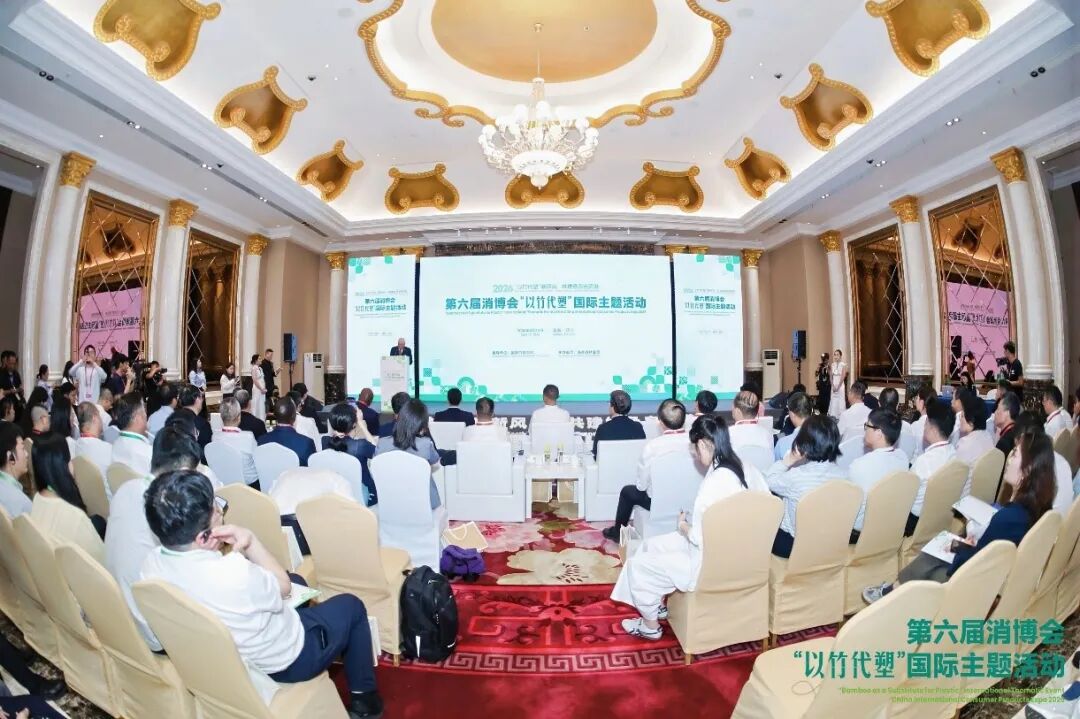
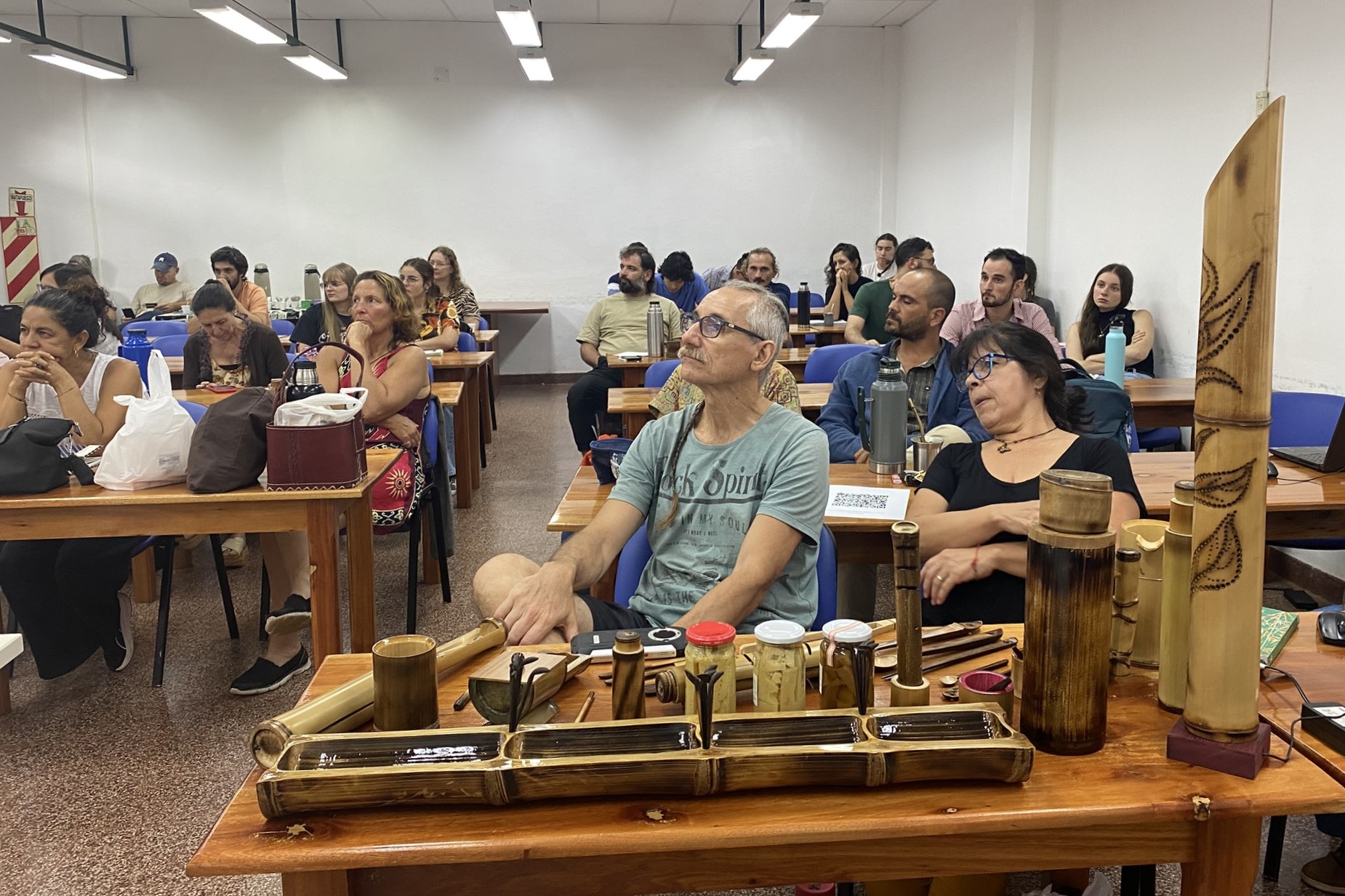
In this context, on 22 November 2024, INBAR, under the AECID Bamboo Supply Chain Development Project, in partnership with the ECCA and Nature and Biodiversity Conservation Union Africa Regional Office Ethiopia co-organized the 76th chapter Talk Energy Ahead in Getfam Hotel, Addis Ababa, Ethiopia. The event intended to highlight the potential of bamboo as a sustainable, renewable energy source and promote bamboo charcoal as a viable, cleaner alternative to traditional biomass fuels while creating employment. The event brought together 52 stakeholders from government institutions, international donors, non-governmental organizations, the private sector and academia to discuss opportunities, challenges and the way forward in promoting bamboo charcoal in the country to optimize the potential of bamboo resources.
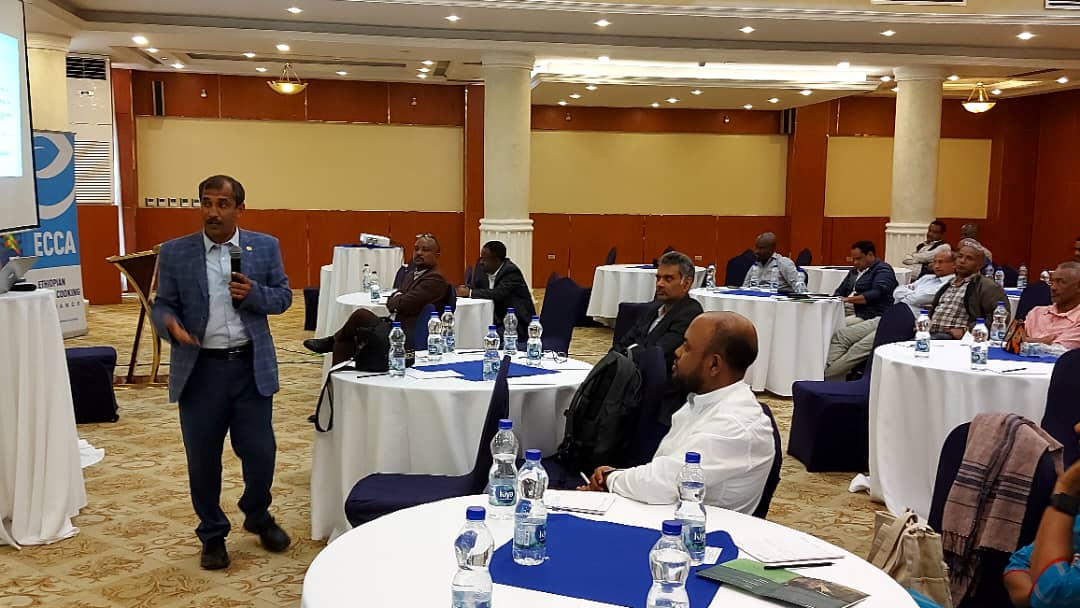
As a result of the event, participants gained an understanding of the potential of bamboo charcoal to address Ethiopia’s energy challenges. Calls were made for supportive policies to enable the bamboo charcoal industry to thrive, including subsidies for clean cooking technologies and regulations to ensure sustainable bamboo harvesting and management practices. Finally, recommendations were given to establish market linkages and promote bamboo charcoal as a competitive alternative to traditional fuels.
The event also highlighted critical challenges such as limited awareness of bamboo charcoal technologies among communities, initial costs for production equipment and improved cook stoves, and the need for research and development in the sector. The appropriate policy support, community participation and market development are needed for bamboo charcoal to make a significant contribution to clean energy access, environmental conservation and rural livelihoods improvement. Participants committed to further advocacy and collaboration to advance this promising initiative with development partners such as GIZ and the Foundation of Netherlands Volunteers as well as the private sector in Ethiopia.