 News
NewsContributing to workforce development and green investments in Latin America and the Caribbean
INBAR project in Ecuador reveals the immense potential of bamboo as a sustainable construction material.
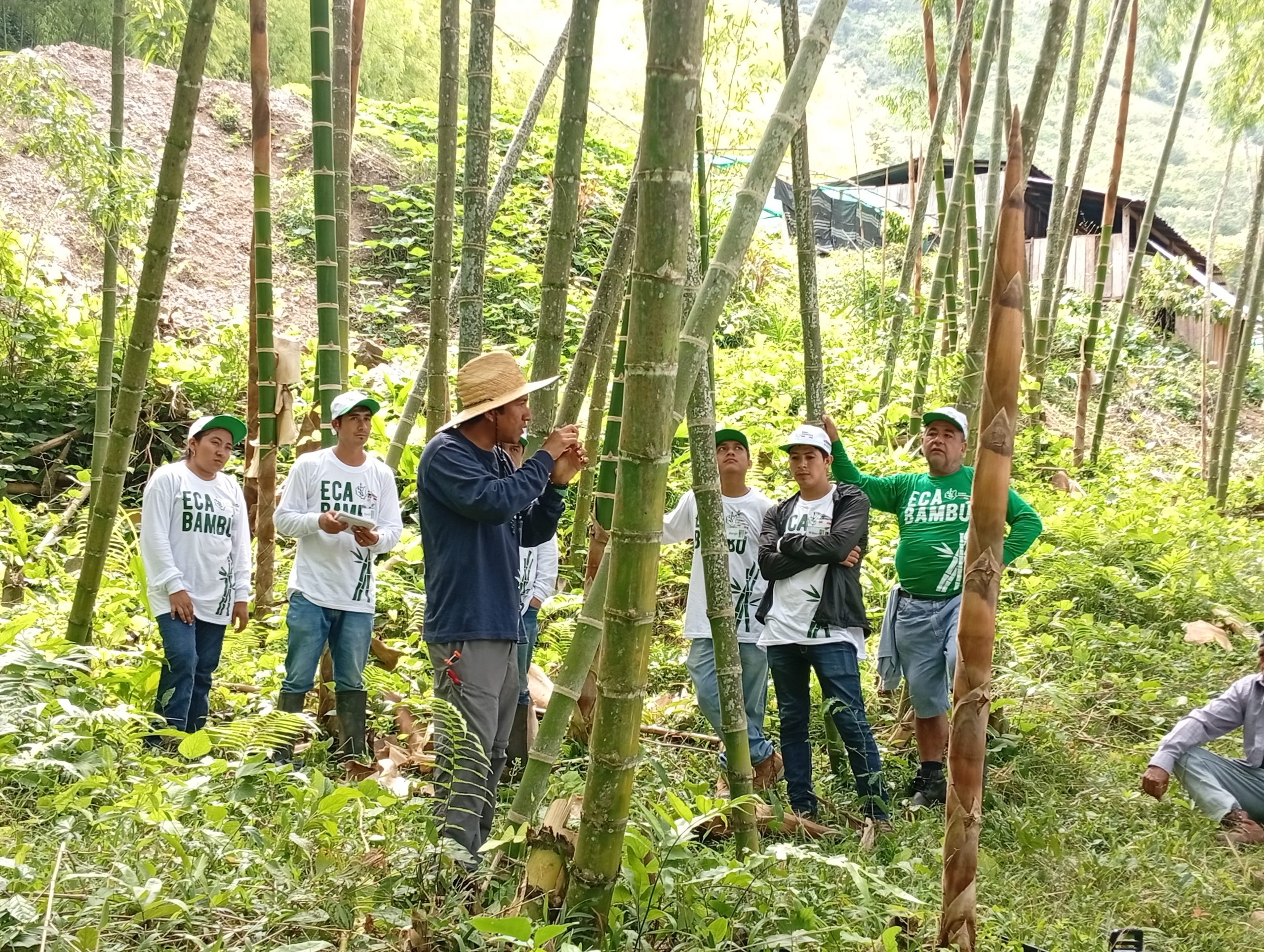
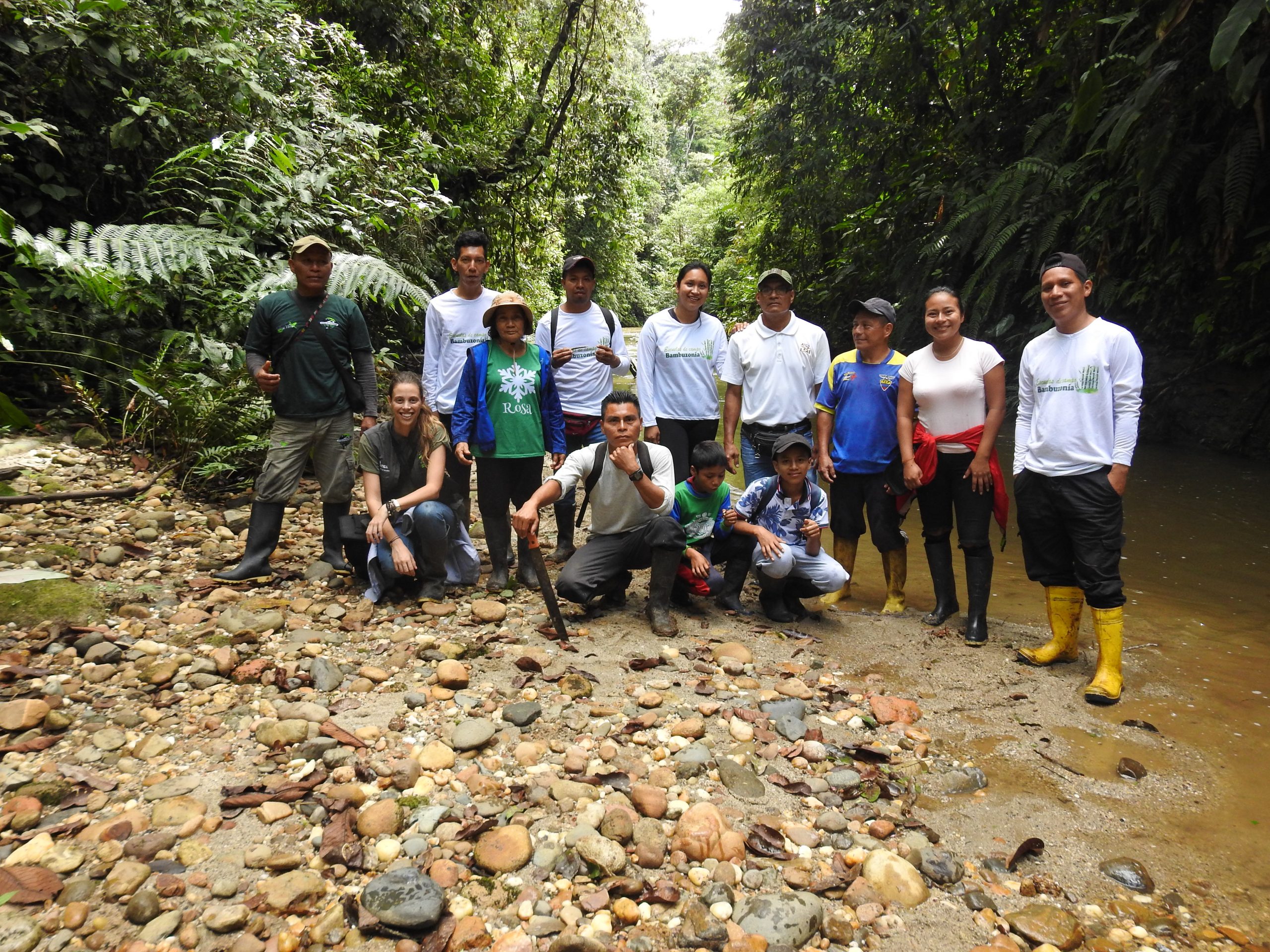
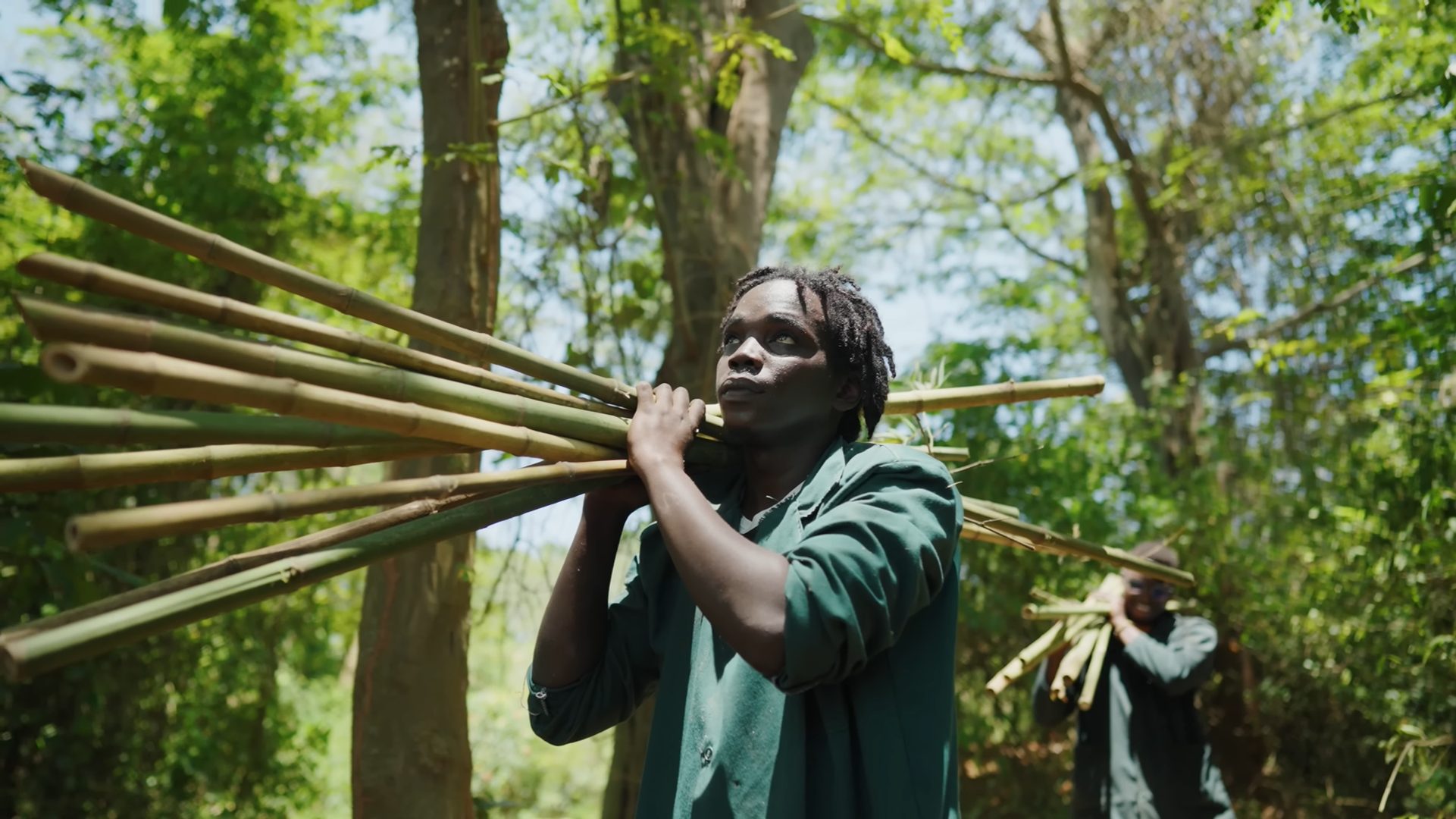
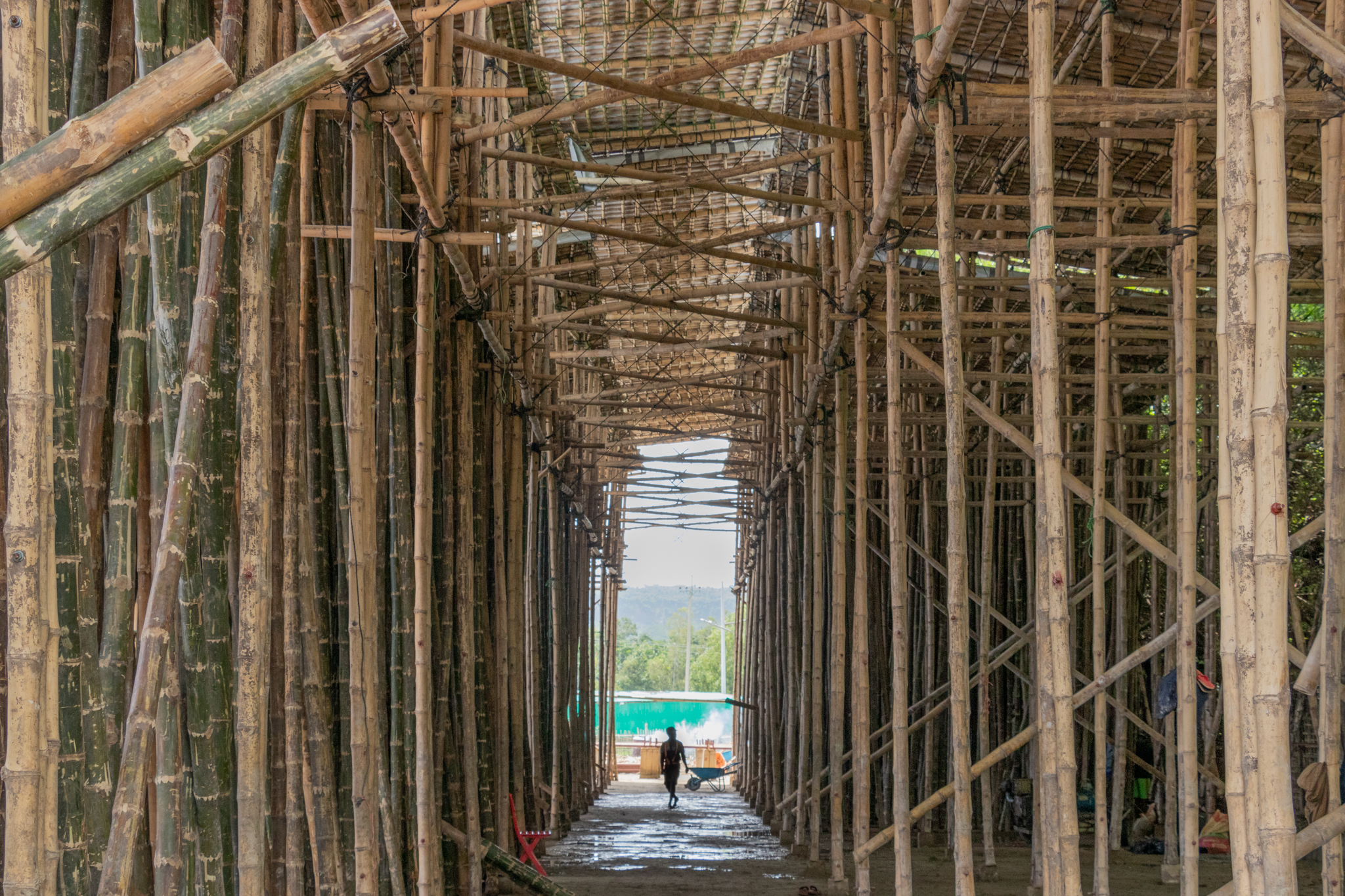
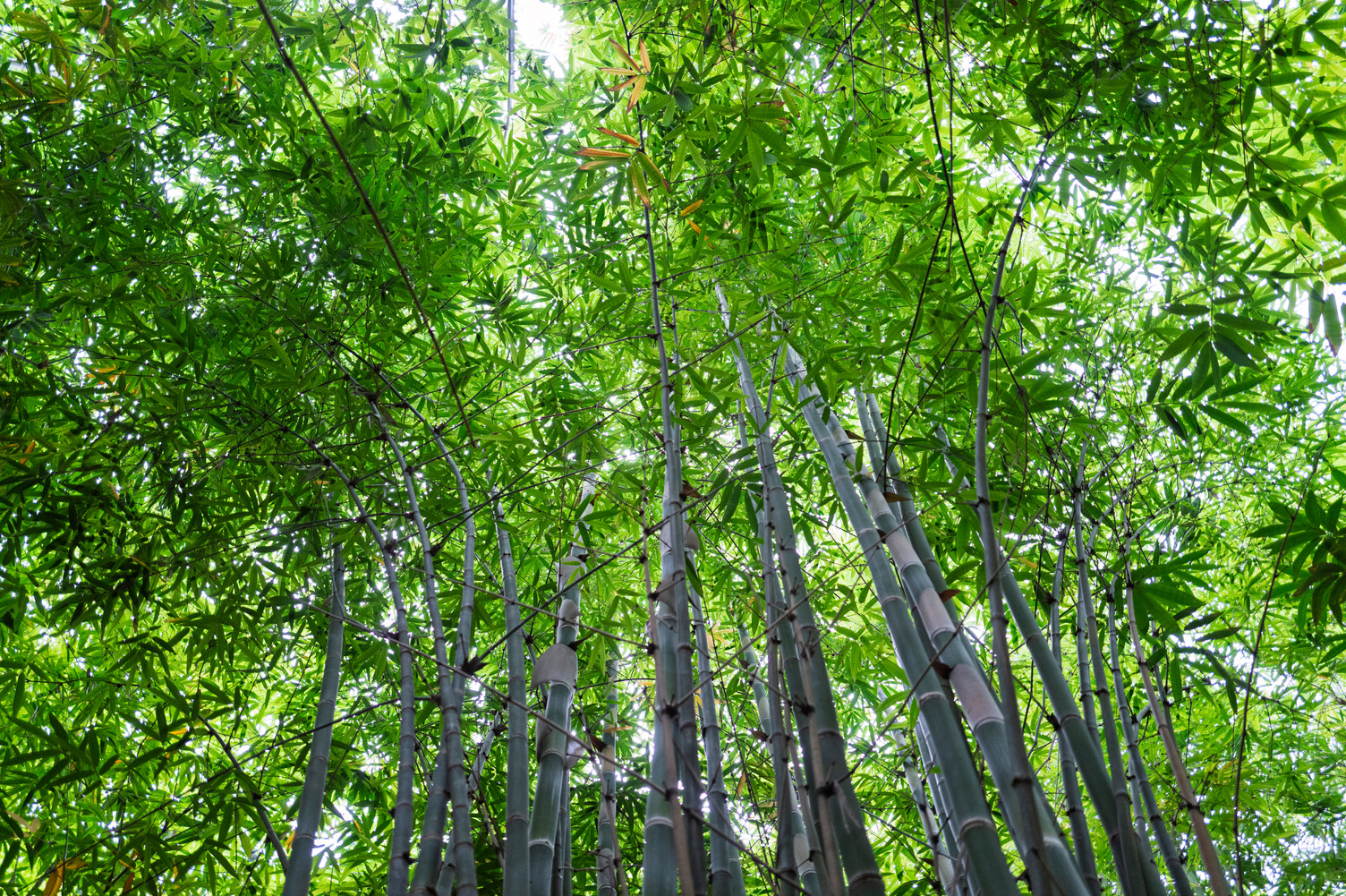
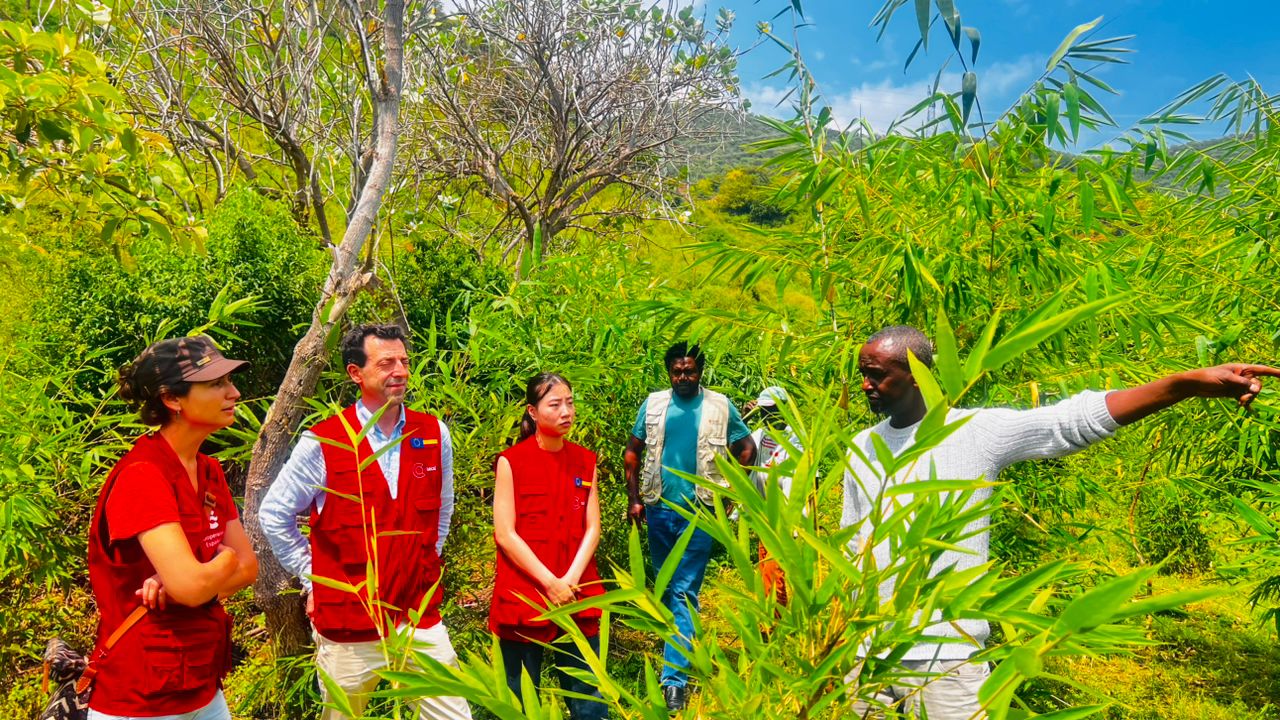
Recently, INBAR worked together with the Inter-American Development Bank (IDB) in the Amazon region of Ecuador to support indigenous communities in improving their skills and infrastructure for bamboo collection, preservation and storage. The objective was to help Amazonian communities adequately answer the call of the emergent bamboo construction market in the local economy. This collaboration exposed IDB to INBAR’s activities in the country regarding the advancement of sustainable bamboo construction, opening the door to share its experiences from the Bamboo Sustainable Construction Workshop School of Manabi implemented in Ecuador.
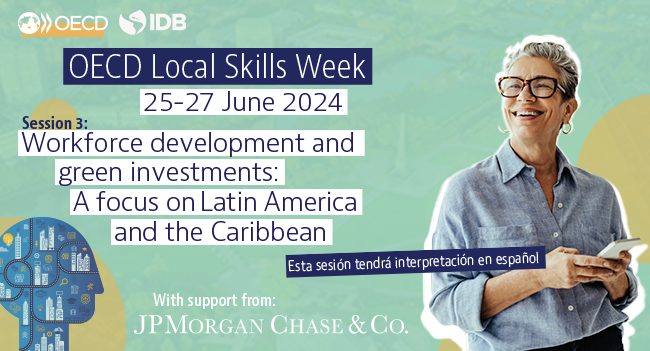
Accordingly, INBAR was invited to participate in the Second Edition of the Organisation for Economic Co-operation and Development (OECD) Local Skills Week 2024, focusing on Talent for the Green and Digital Transitions (also called the Twin Transition), which demand new skills from the labor force. The event was organized by the Centre for Entrepreneurship, SMEs, Regions and Cities of the OECD, and the IDB. From 25 to 27 June, nine online sessions were held that showcased a broad spectrum of perspectives and local actions to prepare labor markets and adult learning systems.

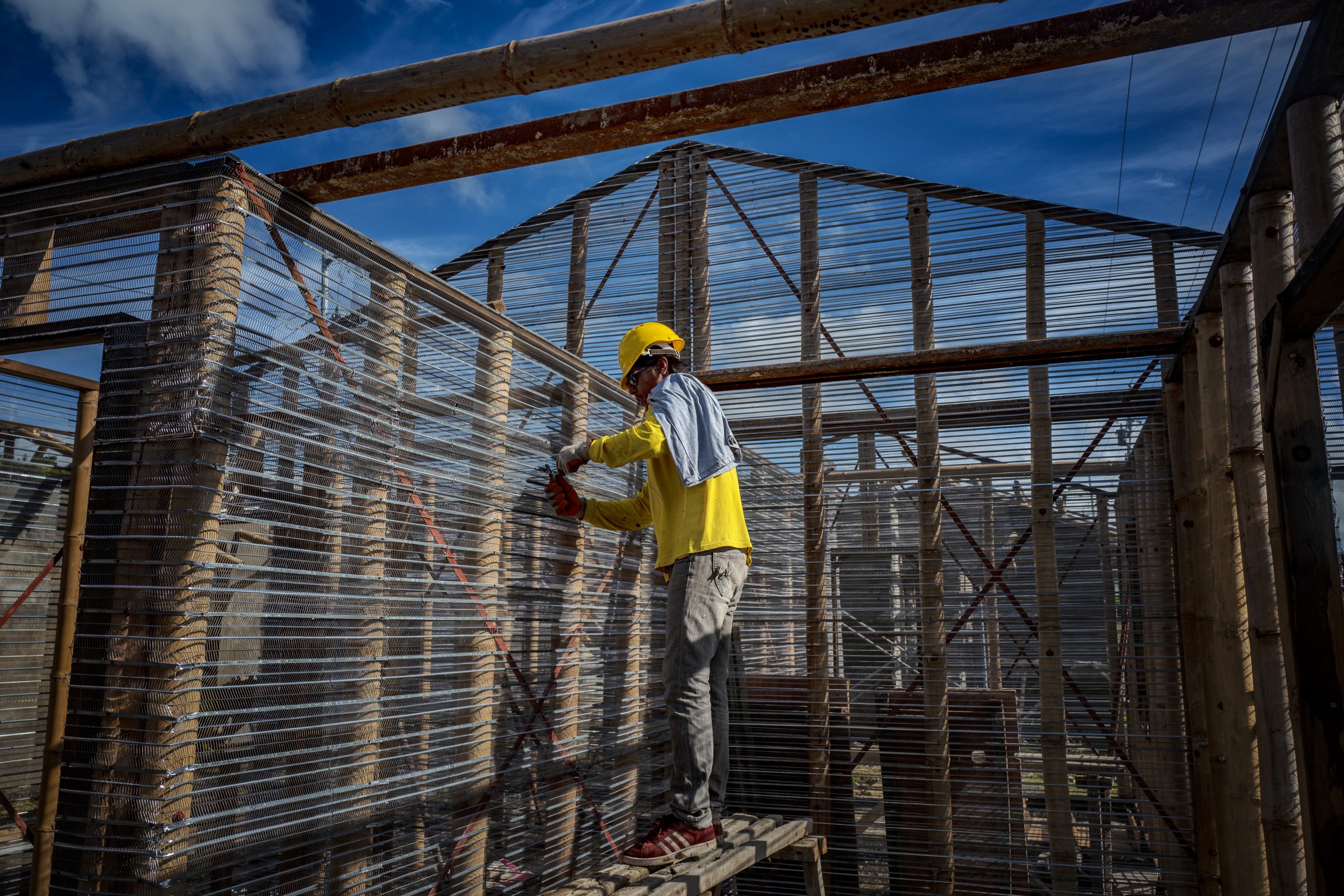
INBAR participated in the session on Workforce Development and Local Green Investments: A Focus on Latin America and the Caribbean alongside representatives from Belize, Chile and Costa Rica. The integrated approach adopted in Manabí was used as a successful case study, highlighting the capacity building of producers and technicians from local institutions, raising awareness among local authorities and policymakers, and mid-term training programs to prepare specialized sustainable construction workers. Several key points of consensus were reached between panelists, including the importance of having a solid local understanding of socioeconomic dynamics, the inclusion of all stakeholders, and the identification of gaps and potential solutions, as is the case in Manabí, where bamboo is not only changing perspectives about its benefits but also becoming part of income-generating activities in the involved communities. The case study in Manabí leveraged the participation of public and private institutions to boost bamboo development in the targeted territories.

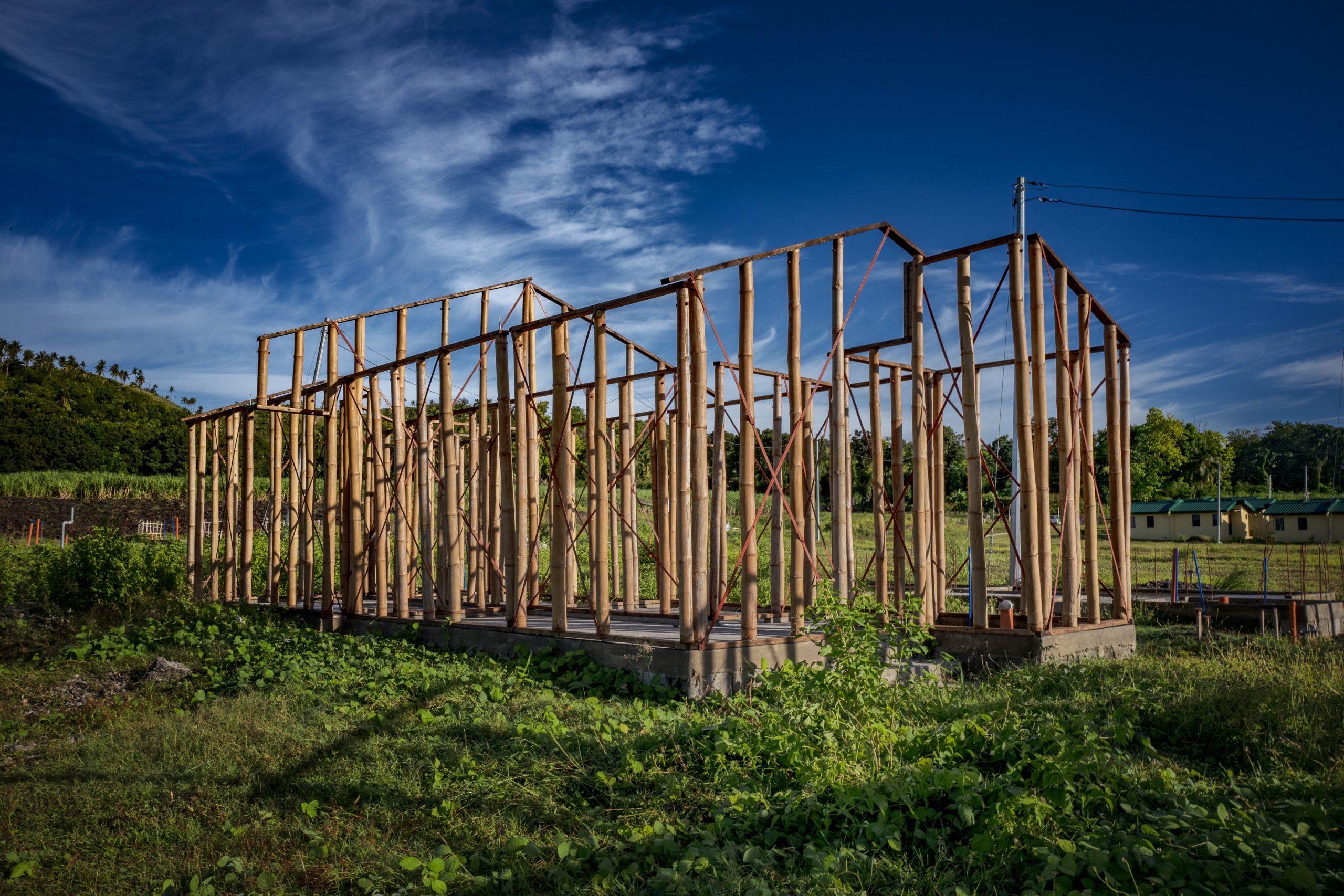
Another important issue that was raised involved the empowerment of local participants in the project to increase the impact of the activities and contribute to their sustainability. One example of this is how new graduates from the Manabí Workshop School organized themselves to provide bamboo frames for private construction enterprises responsible for building more than 700 houses in the Amazon and coastal regions of Ecuador under the social housing program of the Ministry of Urban Development and Housing from 2023 to 2024. This also highlights the critical role of government in facilitating the transition to sustainable materials for construction projects and policies. Interactions between local and national governments, private and public sectors, and cultivating the type of drive to train a specialized workforce for local construction were all considered valuable learning experiences that could be further developed and replicated in similar contexts.
For more information, please see the official OECD website.