
 News
NewsIN PROFILE: Brazilian Bamboo Network, Brazil

Bamboo has major applications as a sustainable, biodegradable alternative in Brazil, a country that ranks as the fourth-largest producer of plastic waste globally.
The Brazilian Bamboo Network (RBB) is an organization dedicated to promoting the sustainable use of bamboo in Brazil. Bamboo has a storied history in the country, having been utilized by early indigenous populations, and its presence grew even more with the introduction of Asian species during the arrival of the Portuguese Royal Family in 1808.
Despite bamboo’s deep-rooted history and manifold applications, its productive sector remains relatively unknown in Brazil. Under the leadership of distinguished architect, researcher and World Bamboo Ambassador Anelizabete Alves Teixeira, RBB seeks to expand knowledge and promote usage of this versatile, eco-friendly material, leveraging its environmental, economic and social benefits across agriculture, construction, industry and more. Through Teixeira’s academic expertise and the organization’s advocacy efforts, RBB aims to drive greater awareness of bamboo’s potential within Brazil. In this interview, we have the opportunity to hear directly from Teixeira about the work of RBB.
Tell us more about your organization! What is your driving mission?
The Brazilian Bamboo Network, or RBB, is a research network fundamentally focused on strengthening the bamboo production chain in Brazil. RBB includes professionals, technicians, researchers and administrative leaders linked to interdisciplinary national institutions across the public, private and third sectors that focus on the dissemination, research and technological development of Brazil’s bamboo culture. The main objective is the convergence of scientific, professional, technological and cultural capacities on bamboo at the national level, through projects and other cooperative actions. It also seeks to generate consensus on the positive impacts of bamboo in line with socioeconomic demands, aiming to facilitate the sustainable development of the country and, especially, improve the lives of its poor and marginalized populations in both urban and rural locales.
What would you like our partners to know about RBB?
RBB was established during the first National Bamboo Seminar in 2006. This important event publicized the work of Brazilian researchers, professionals and institutions involved with bamboo and supported the fulfillment of critical goals for the growth of this culture, such as the expansion of the technical and scientific capacities, the technological development aimed at the cultivation and propagation of native and cultivated species and the formulation of policies to encourage the healthy growth of the bamboo industry.
RBB National Seminars typically occur every four years. They center around work and research in the following areas: Biodiversity and ecology; cultivation and management; preservation and treatment; chemistry and industrial production; energy potential and bioenergy; applications in architecture, civil engineering and design; handicrafts; carbon sequestration; glued laminated bamboo; public policies and social inclusion; feeding; medicine and cosmetics; replacement of plastic with bamboo; development of Brazilian standards; and more.
It is worth mentioning that the main research developed in the country involving the use of bamboo is selected by a scientific committee and published in the Annals of the National Bamboo Seminar for later presentation and publication.

In what ways does RBB contribute to the Bamboo as a Substitute for Plastic Initiative?
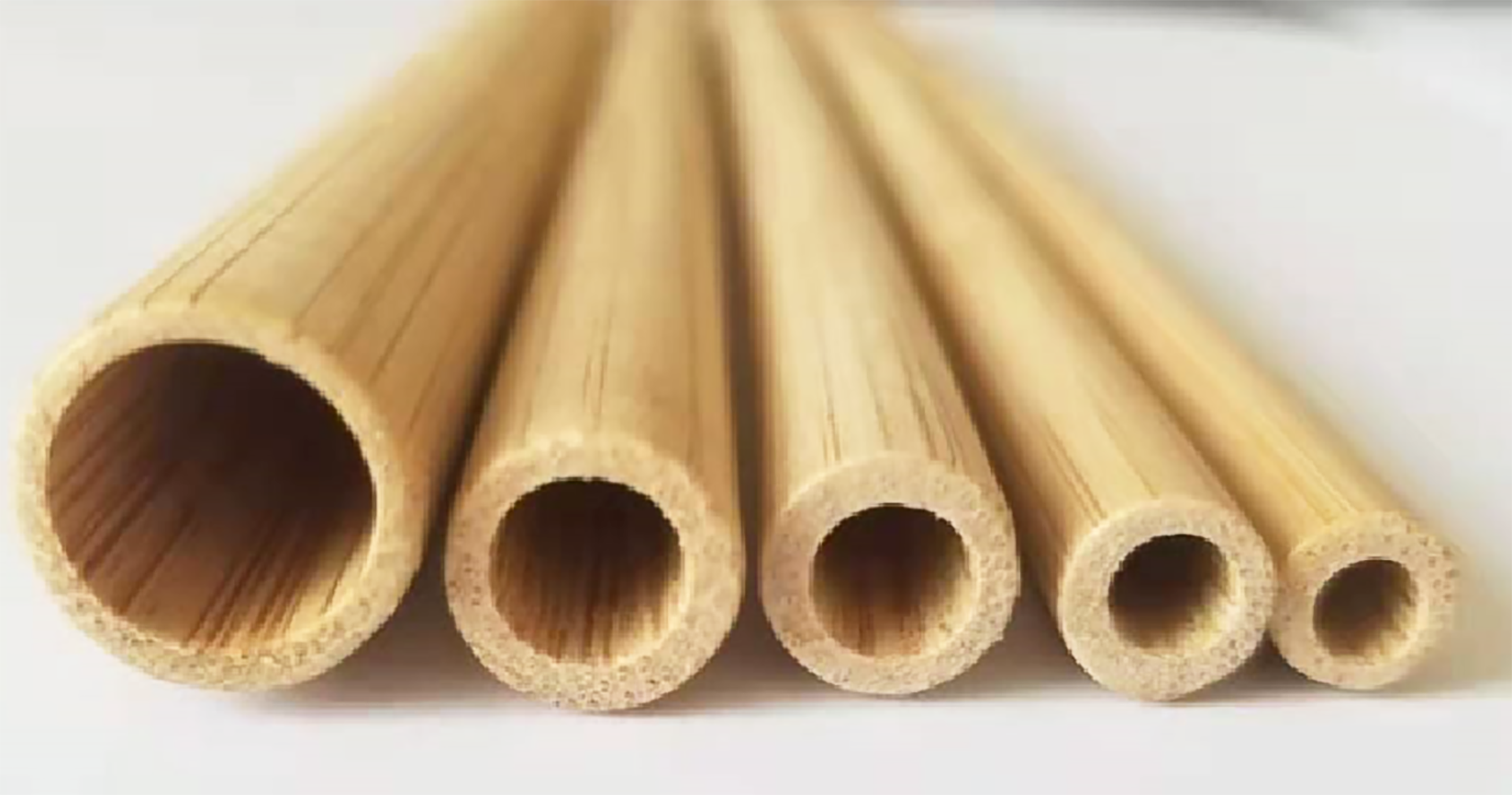
Brazil is the fourth-largest producer of plastic waste in the world. Plastic is a petroleum derivative, and its incineration releases a number of harmful gases into the atmosphere. Bamboo, on the other hand, is a grass considered to be a resource with a high capacity to reduce carbon dioxide from the atmosphere, being the largest consumer of carbon dioxide in the plant kingdom. Countless products currently made with plastic could be manufactured with bamboo, which is a biodegradable material that is naturally incorporated into the environment, without inconvenience and without pollution.
In Brazil, research into the use of bamboo for the production of a 100% biodegradable plastic capable of decomposing in up to three months after coming into contact with soil and moisture is already a reality at the Federal University of Acre. The Amazonian bamboo undergoes a chemical treatment and is transformed into cellulose, where, instead of obtaining carbon nanoparticles, carboxymethylcellulose, which is soluble in some solvents, is obtained. This biodegradable plastic, generated without contaminants and carcinogens, brings fertilizer into the soil during its decomposition process.
It is important to highlight that in 2022, 25.6% of Brazil’s post-consumer plastic waste was recycled, and recently, new materials are gaining ground as viable, ecological and sustainable alternatives to replace conventional materials. Also noteworthy is the research carried out with the use of bamboo in various industrial segments, including civil construction, design, packaging and more, due to its excellent physical, chemical and mechanical properties in addition to its low cost. This trend is encouraging, stimulating more investments and incentives in Brazil.
How does the work of RBB benefit the livelihoods of local communities?
RBB has been working to foster and strengthen the bamboo production chain, with the important mission of promoting the sustainable use of bamboo and publicizing the benefits that this plant resource can offer to the world. By using bamboo as a substitute for conventional building materials, as a substitute for plastic and as an important sequesterer of CO2 from the atmosphere, we can make positive contributions to society, the economy and solving climate problems. The last two seminars in 2015 and 2022 contributed to Law No. 12.484, establishing the National Policy to on incentives for Sustainable Bamboo Cultivation and Management (PNMCB). This is expected to regulate and implement the National Bamboo Law in the country, with the goal to strengthen the entire bamboo production chain and contribute more effectively to sustainable development and mitigate environmental and climate problems in Brazil.

Can you share a moment in RBB’s history of overcoming an obstacle?
RBB has been continuously moving forward, facing challenges and overcoming obstacles since its establishment in 2006. It has dedicated over 18 years to bamboo, bringing together researchers, professionals, technicians, students and lovers of this plant.
The holding of RBB’s National Seminars is undoubtedly a great achievement of RBB, as they function as platforms for hosting and disseminating valuable technical and scientific knowledge with concrete applications. RBB’s contribution was a crucial component to the creation of the National Bamboo Law, Law No. 12.484/2011, which establishes the National Policy to on incentives for Sustainable Bamboo Cultivation and Management (PNMCB).
Also noteworthy is the creation and implementation of the Brazilian Bamboo Standards – NBR 16828 / Part 1 and 2 (ABNT, 2020), which bring together important information and standards for the use of bamboo thatch as a construction material in structures. This effort featured collaboration between professional members of RBB under the management of the president at the time, Prof. Dr. Normando Perazzo Barbosa.
What does the future hold for RBB?
It is hoped that RBB can continue to surmount challenges and promote the use of bamboo in our country, strengthening the entire production chain and increasing research in various areas of bamboo knowledge. We also hope to deepen ties with INBAR in order to refine our research, leverage new opportunities, exchange expertise and knowledge, and carry out future technical and cultural exchanges.