 News
NewsSafeguarding the planet’s ‘lungs’
Bamboo recognized as a powerful tool for sustainable management at a key meeting on how to safeguard forests of the Congo Basin.
Comprising 71% of Africa’s total forest cover, the Congo Basin is one of the most important “lungs” of the planet. It spans an area larger than India and France combined, clocking in at a staggering 3.7 million km². Nearly one-quarter of the carbon-stocking capacity of all global forests can be found under its verdant canopies. It is also a key area for biodiversity conservation, home to about 10,000 tropical plant, 400 mammal, 1000 bird and 700 fish species.
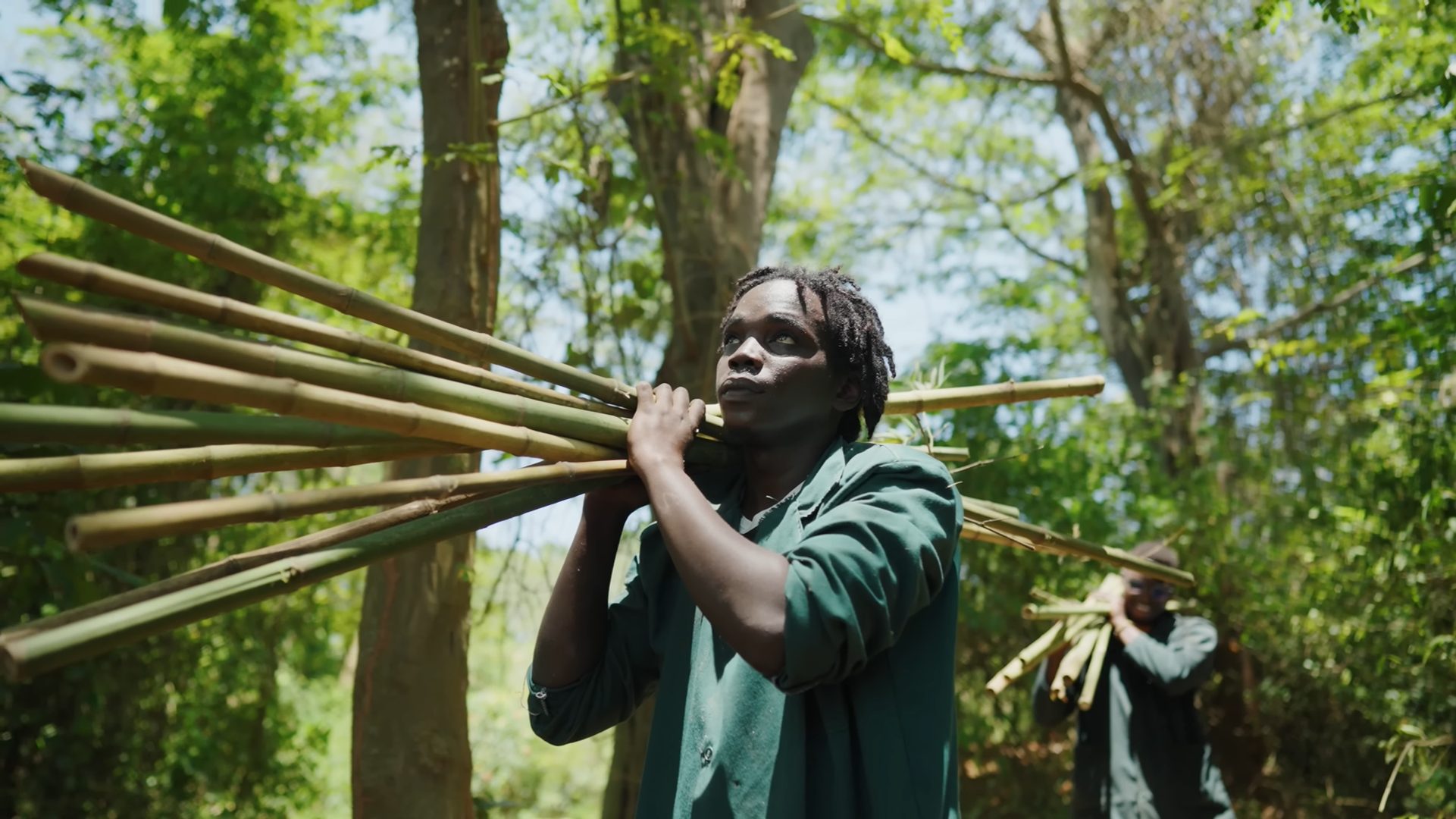
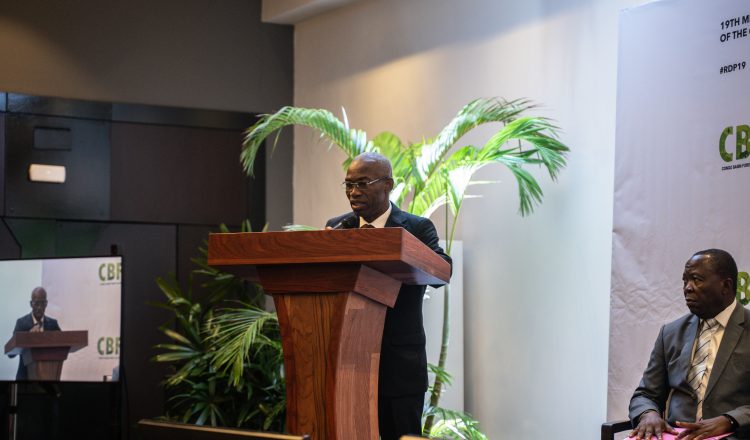
At a session entitled “Conditions and Prospects for a Sustainable Timber Economy,” held 6 July as part of the 19th Meeting of Parties to the Congo Basin Forest Partnership (CBFP) in Libreville, Gabon, Rene Kaam, Director of INBAR’s Central Africa Regional Office, made the persuasive case for bamboo as a powerful tool for regreening efforts. As a fast-growing grass capable of reaching maturity after three years, developing extensive underground rhizome networks that reduce erosion, growing on degraded and sloping land, sequestering carbon at efficient levels, and thriving in all six countries that span the Congo Basin, bamboo is a premiere multifunctional forest resource for sustainable development.
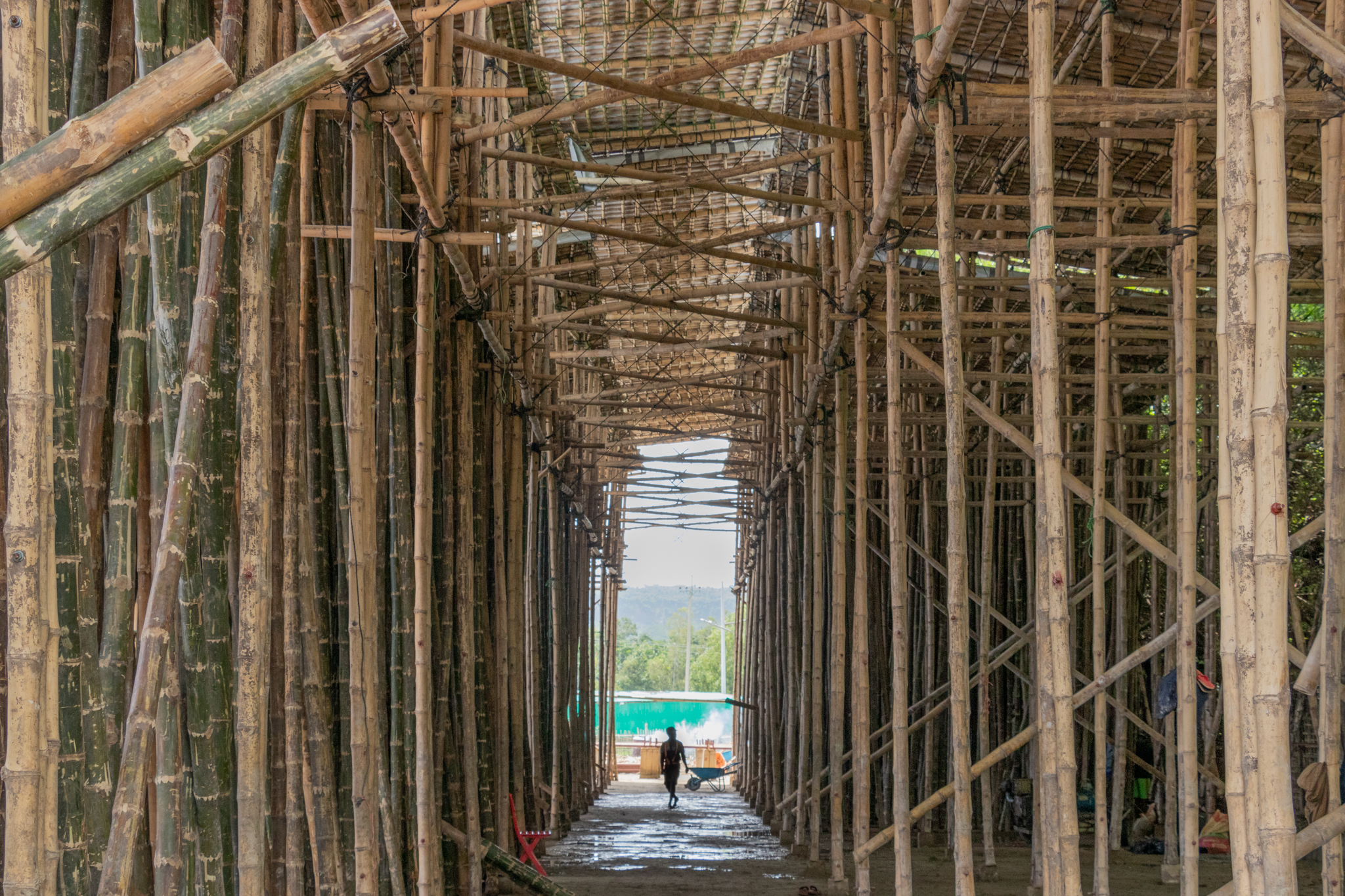
And that’s not all. It can also function as a substitute for fuelwood, charcoal and construction materials, reducing the need for human incursions into natural forests, while strengthening sustainable livelihoods for local households. As was made abundantly clear during the presentation, bamboo is not only capable but ideal for addressing the three themes of the annual meeting — sustainable land use, biodiversity conservation and land restoration. INBAR’s ongoing project in the Republic of Cameroon has already made strides in mainstreaming sustainable bamboo forest management into policymaking for land restoration.
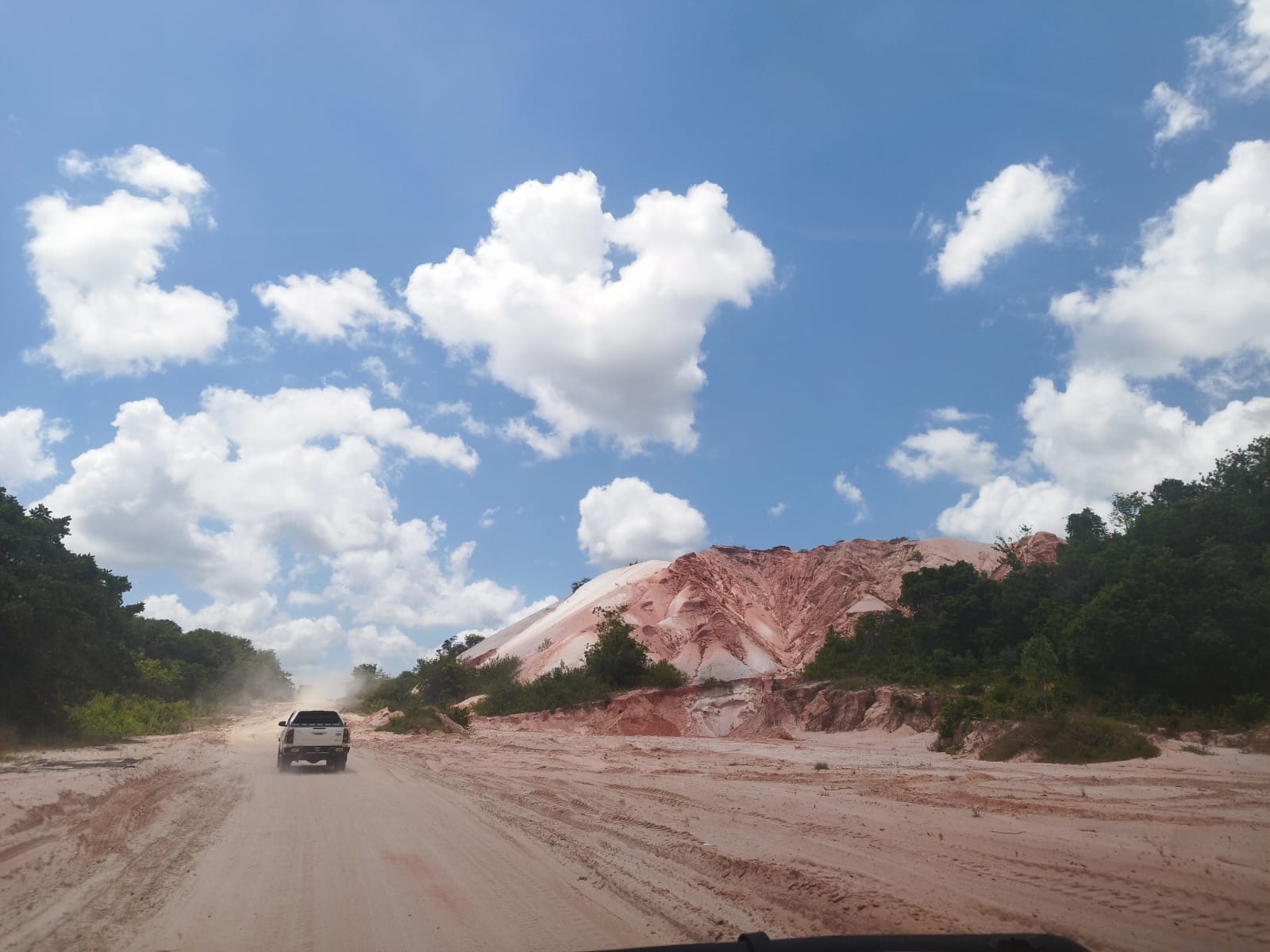
However, the future of the Congo Basin is imperiled by a bevy of factors. Located at the frontlines in the fight against climate change, approximately 70 billion tons of above and belowground carbon are sequestered by its forestland. And despite providing innumerable life-giving services that not only benefit local communities in Africa but also the entire globe, its forest cover continues to degrade and vanish. Agricultural encroachment, fuelwood harvesting, runaway infrastructure development and reckless mining operations are just a few of the ways in which anthropogenic activities are endangering this precious “lung” of the world.
We are now at a tipping point. If this massive carbon store were released into the atmosphere, it would have devastating consequences for all life on the planet. If the Congo Basin is on the frontlines of climate change, then it is a battle we surely must win if we wish to limit global temperature rise.
The CBFP platform was established in 2002 to meet this challenge. Its membership has now swelled to 122, 13 of which are African countries, and nearly a hundred partner organizations, including the Economic Community of Central African States, Central African Forest Commission and other international organizations. Together their joint actions are galvanizing the support and financial resources necessary to achieve the sustainable management of Congo Basin forests.

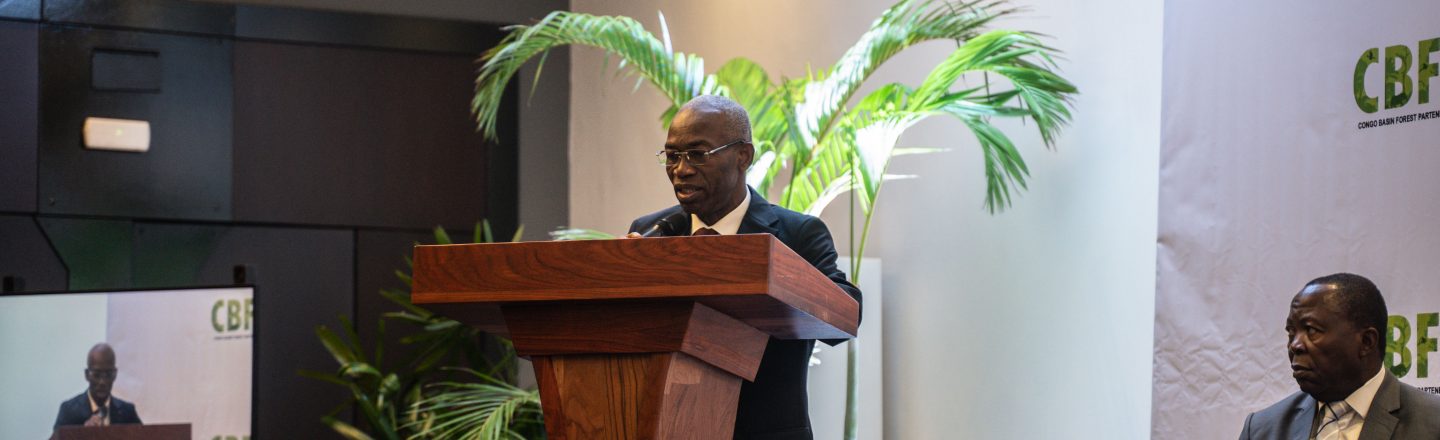
Opening speech by H.E Stephane Bonia, Minster Delegate, Ministry of Water, Forests, Sea and Environment in charge of the Climate Plan and Land Use Plan of Gabon.
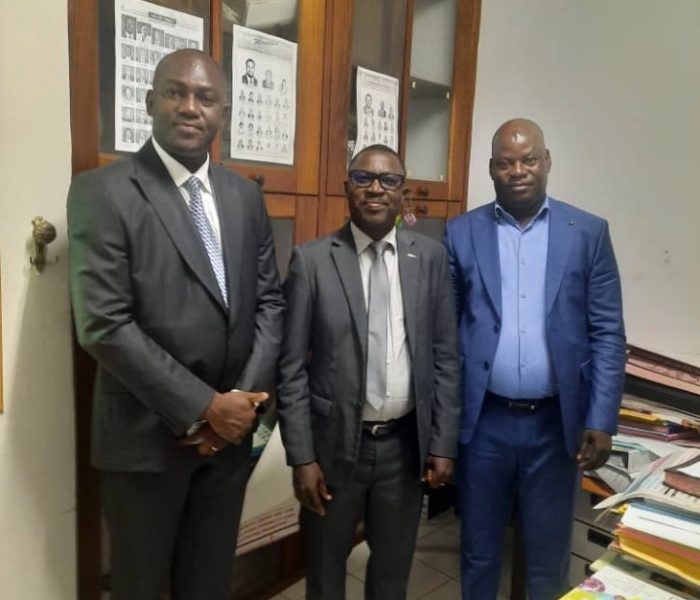
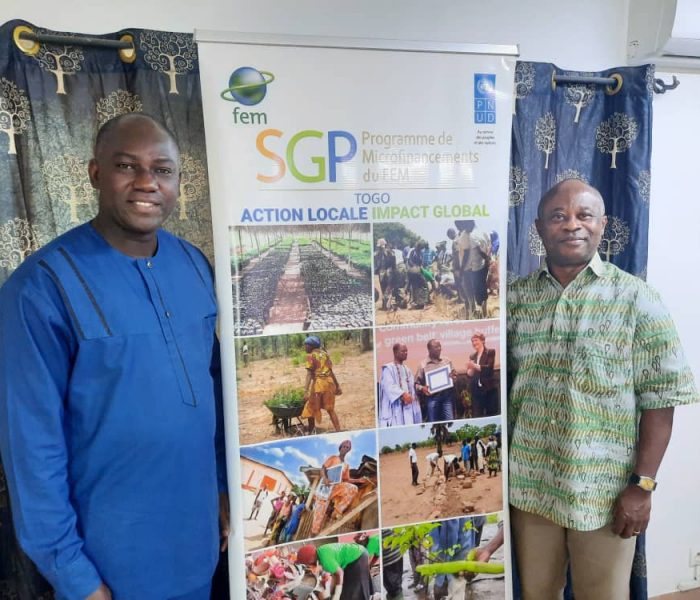
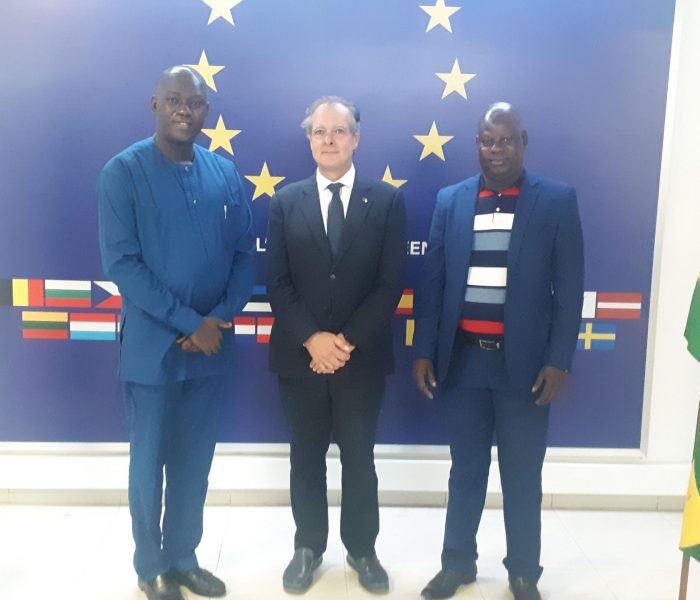

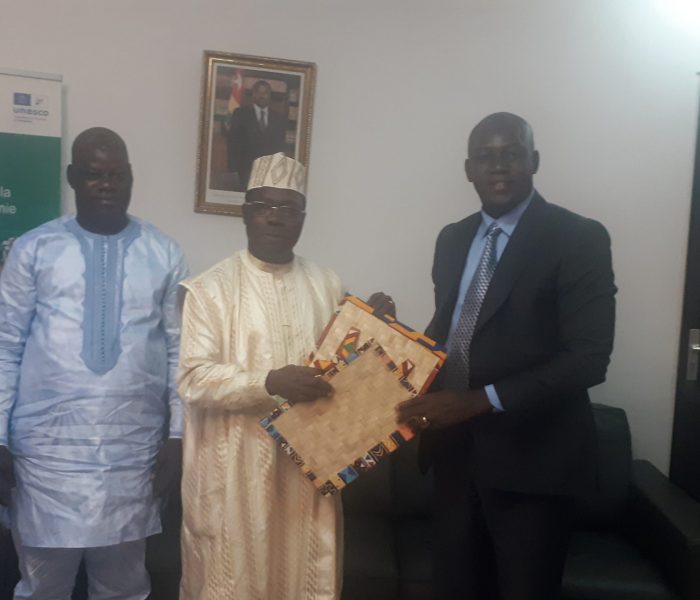

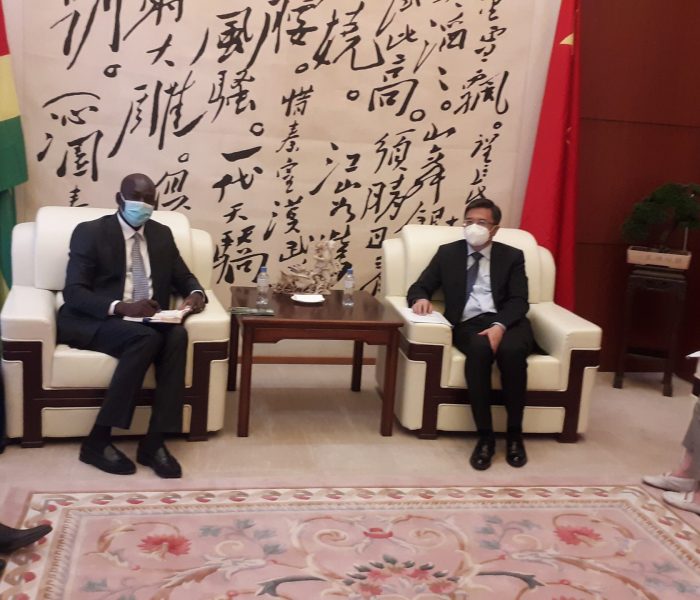

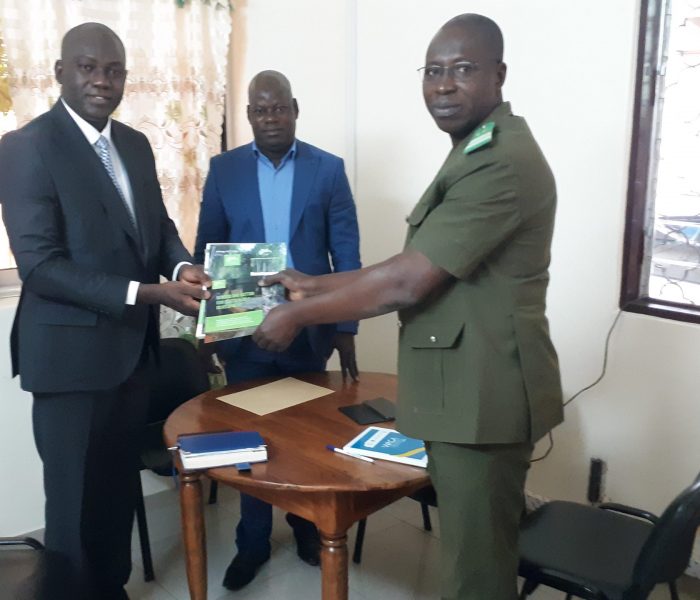
Co-Chaired by His Excellency Honorable Dr. Christian Ruck, Goodwill Ambassador, CBFP Facilitator of the Federal Republic of Germany; His Excellency Jules Doret Ndongo, Cameroon’s Minister of Forestry and Wildlife, Chairman of COMIFAC and Chair of the Council of INBAR; and His Excellency Prof. Lee White, Minister of Water, Forests, Sea and Environment in charge of the Climate Plan and Land Use Plan of Gabon, decision-makers and stakeholders from around the world held talks at the meeting to exchange best practices and lessons for how to become responsible caretakers of the Congo Basin area. Broad agreement was met about the fundamental role nature-based solutions must play in any transformative and responsible land management scheme.
For more information, please see the detailed program of MOP19 CBFP.
For requests about the participation of INBAR at MOP19 CBFP, please contact Rene Kaam at .