 News
NewsINBAR participates in key committee on plastic pollution
 International consensus is growing on developing a legally binding instrument for combating plastic pollution.
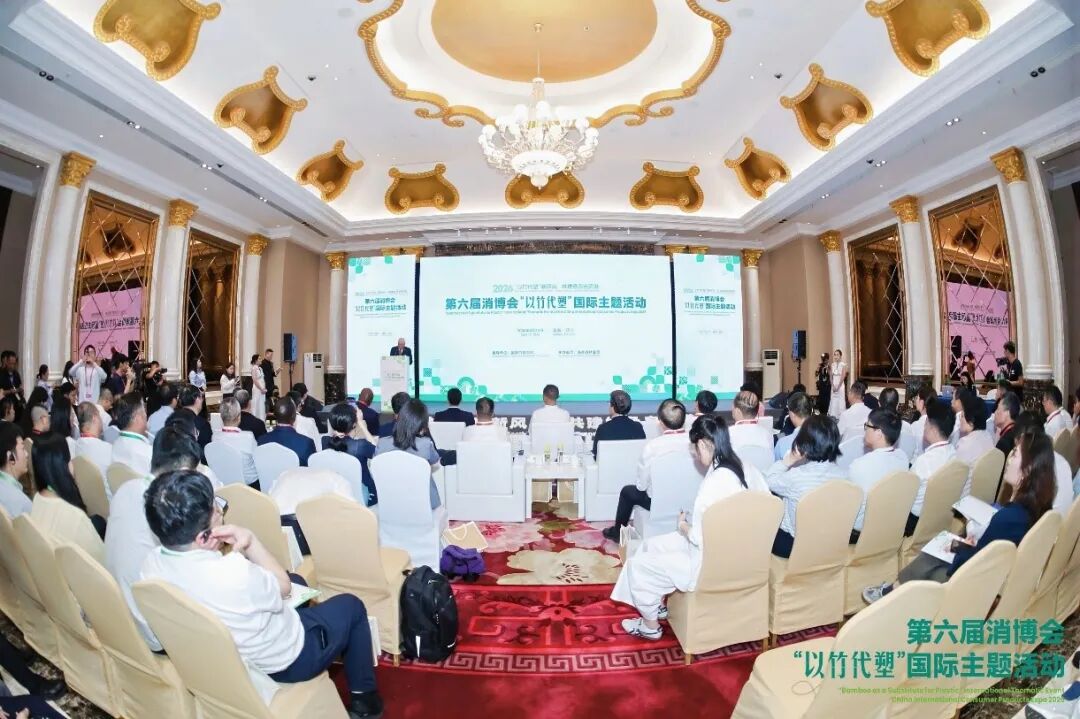
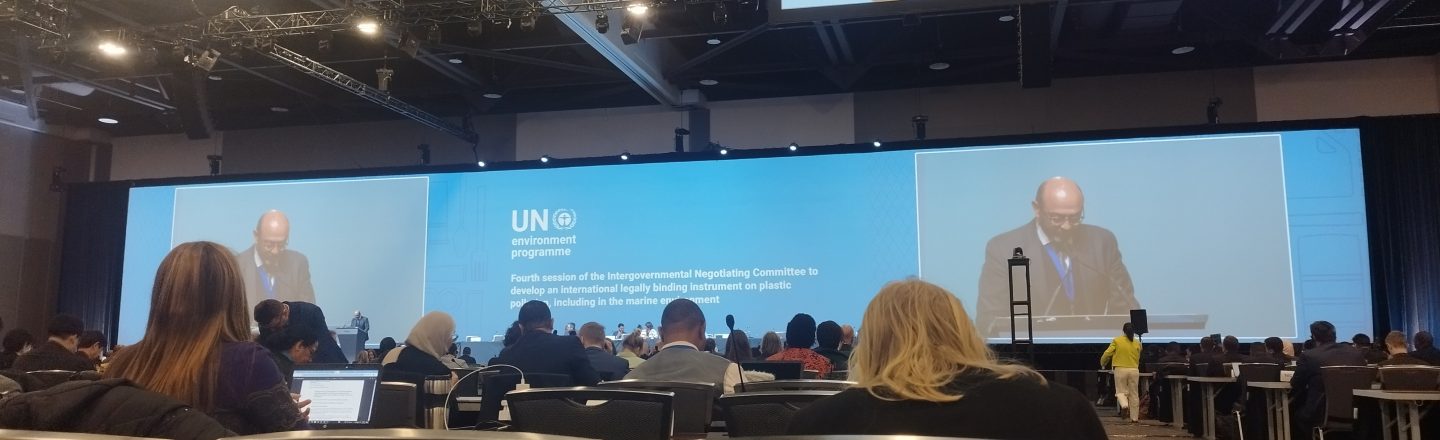
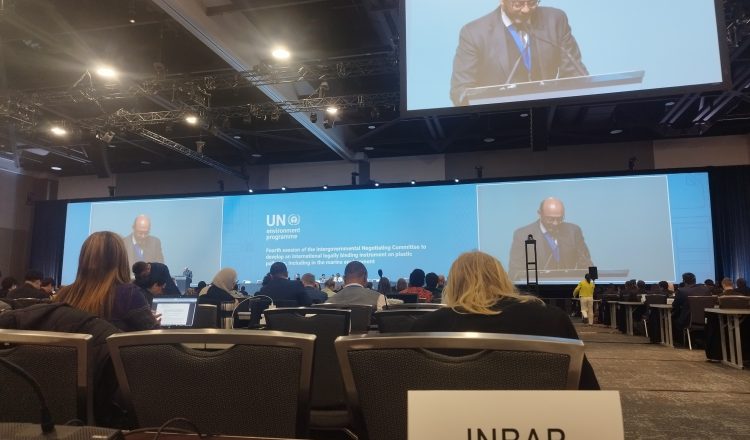
Recently, INBAR participated in the fourth session of the Intergovernmental Negotiating Committee (INC-4) in Ottawa, Canada from 23 to 29 April 2024 in the capacity as an observer intergovernmental organization. The overall goal of INC is to develop an international legally binding instrument on plastic pollution, including in the marine environment.

Pablo Izquierdo, INBAR Technical Officer, was in attendance.
At the fourth session, delegates emphasized the urgent need for an ambitious treaty, recognizing the multifaceted nature of the plastic pollution problem. Discussions revolved around adopting an integral approach to address plastic pollution, encompassing the entire life cycle of plastics, ensuring a just transition for all stakeholders along the plastic value chain, establishing robust global regulatory frameworks, and implementing effective management and control of hazardous chemicals.
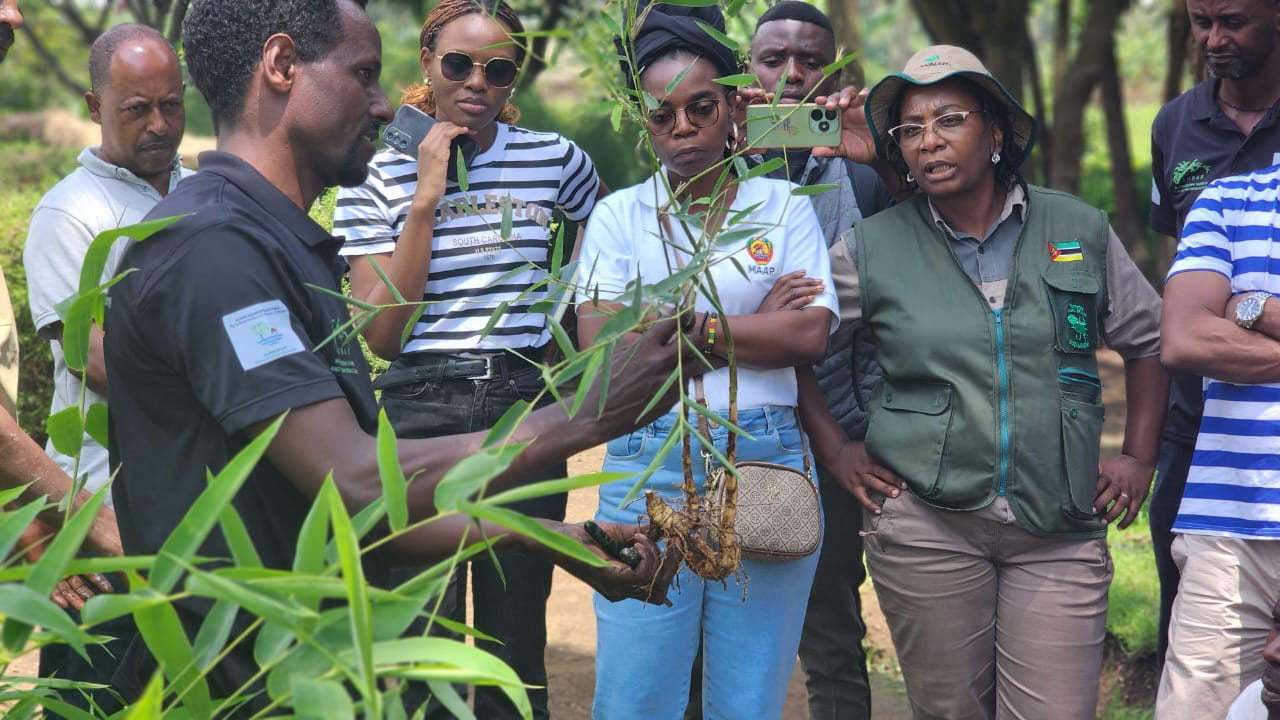
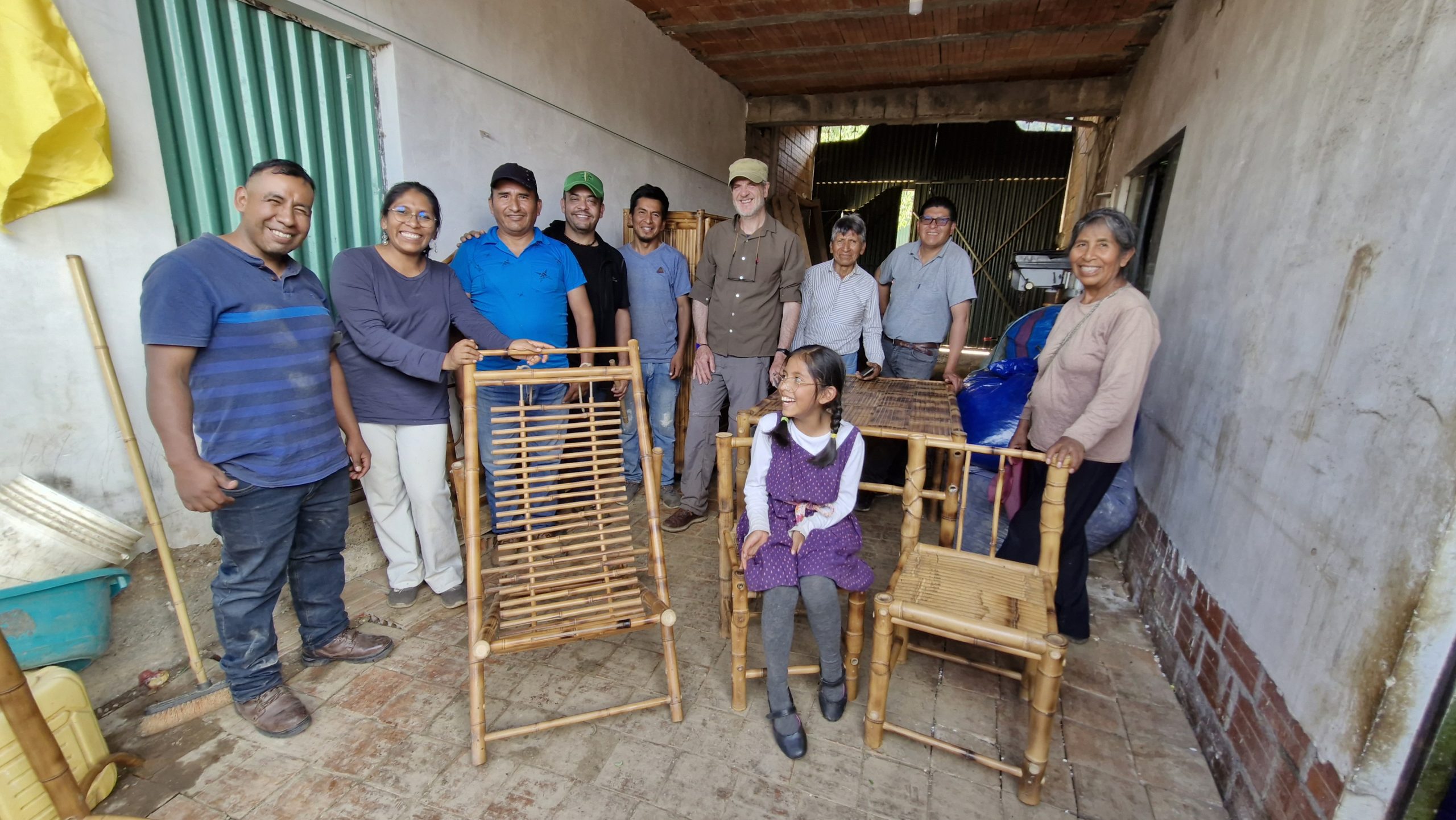
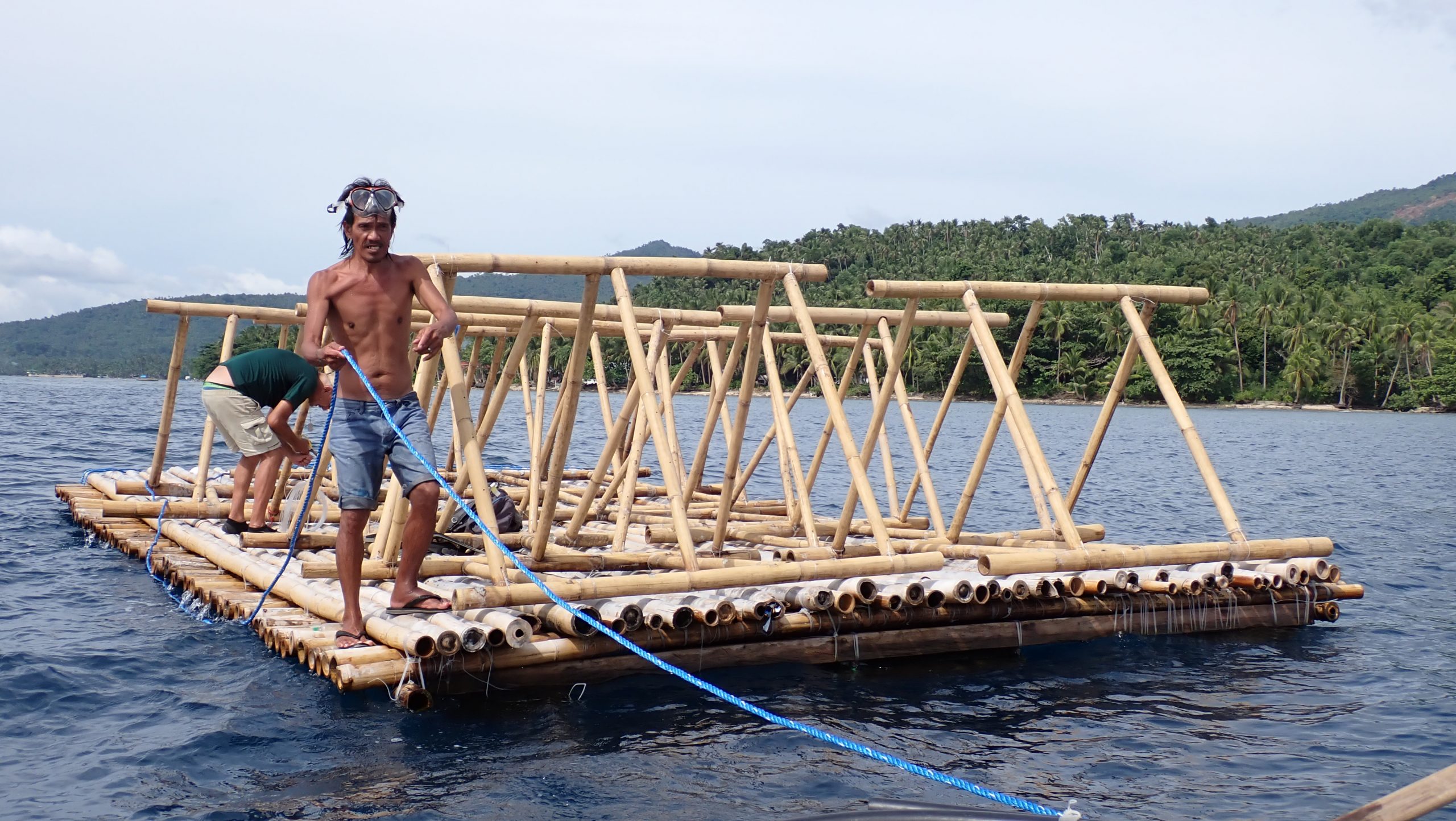
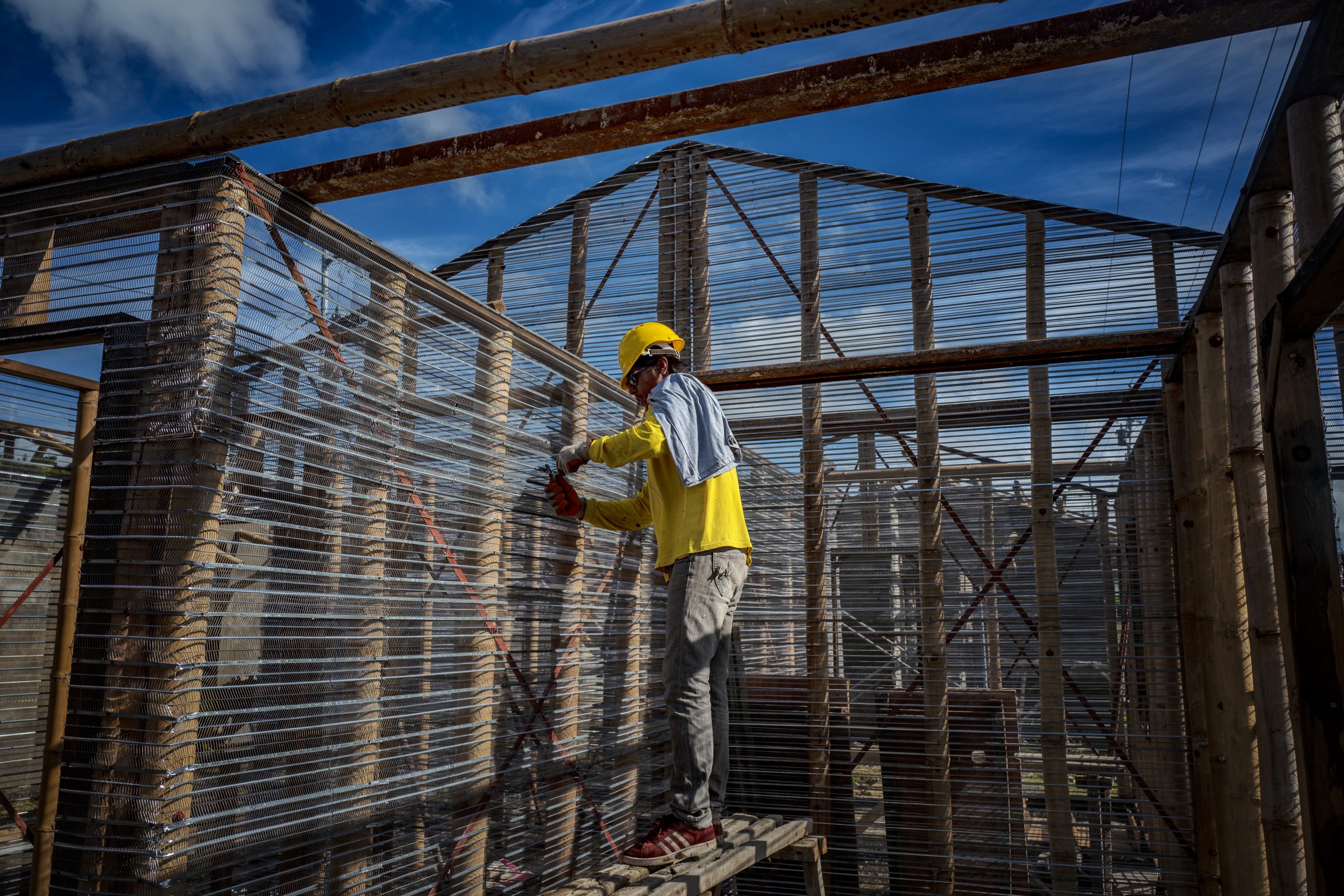
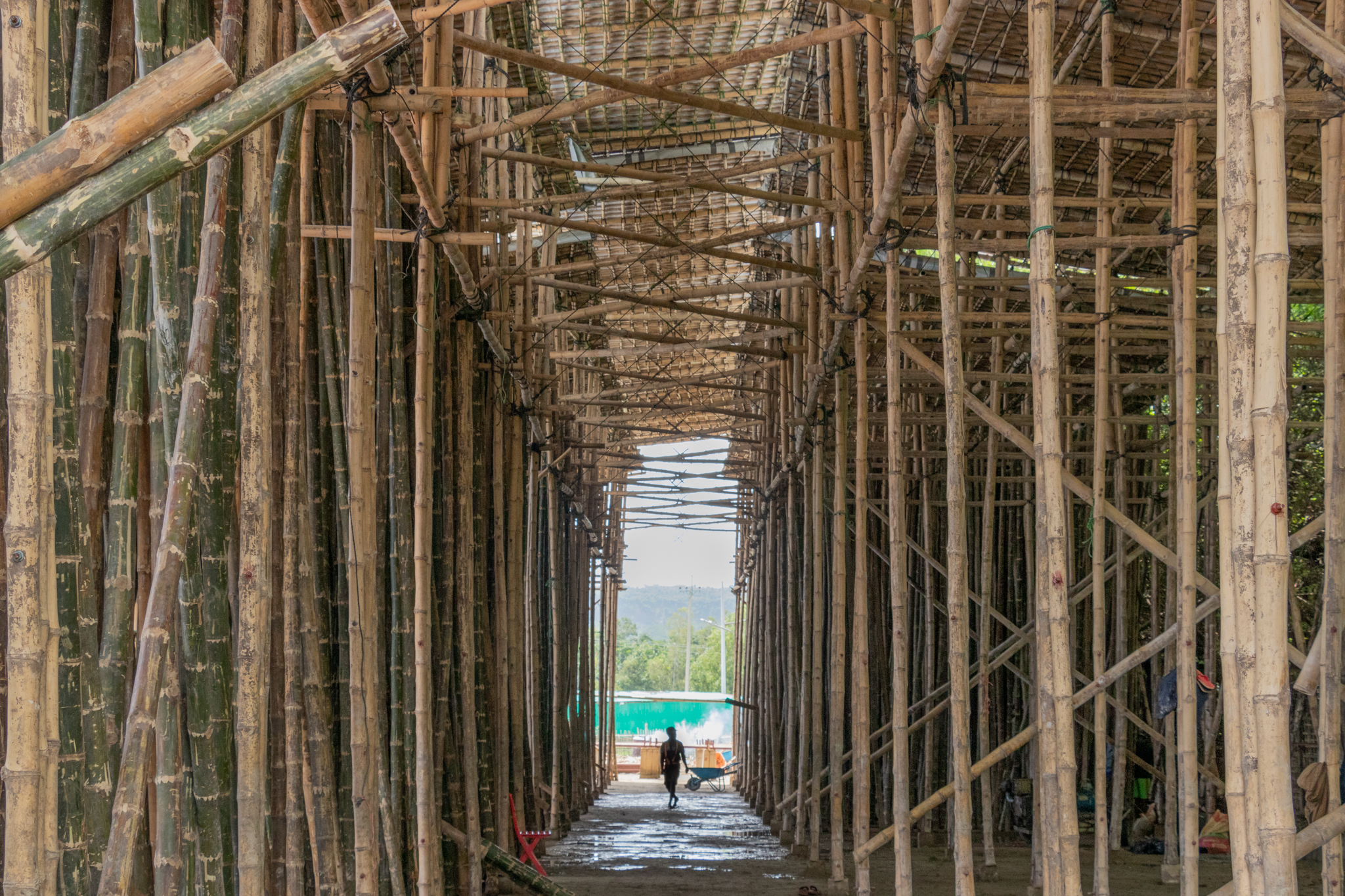
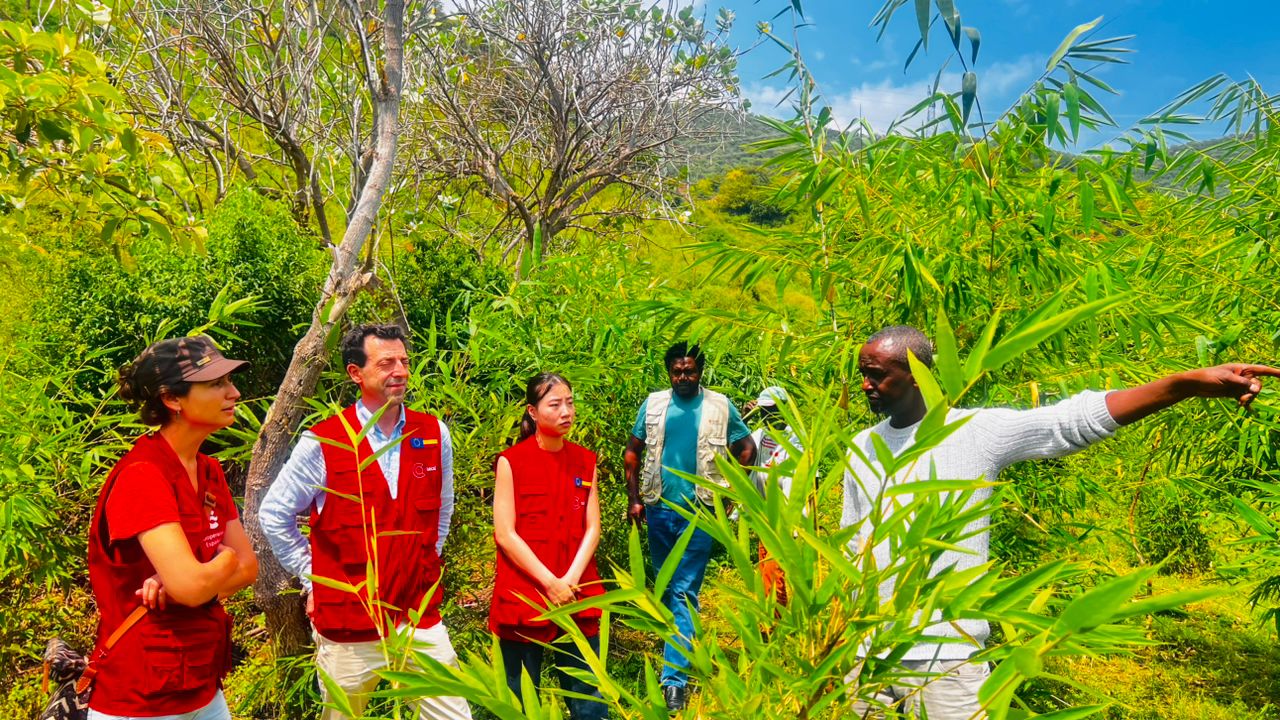
While acknowledging that there is no silver bullet to plastic pollution, and that each context presents its unique challenges, there is enormous potential for bamboo to play an important role in the process. Bamboo offers promising avenues for income generation in rural and indigenous communities as well as contributes to mitigating environmental issues such as soil erosion, water contamination, and ecosystem degradation. Moreover, bamboo can simultaneously address the triple planetary crisis of biodiversity loss, pollution, and climate change.
INBAR re-affirms its commitment to assisting its Member States, fostering synergies among key stakeholders, and promoting South-South and triangular cooperation. Leveraging its expertise in bamboo and rattan sustainable management and utilization, INBAR advocates for these resources as integral components for addressing the urgent shifts needed in our development pathways.